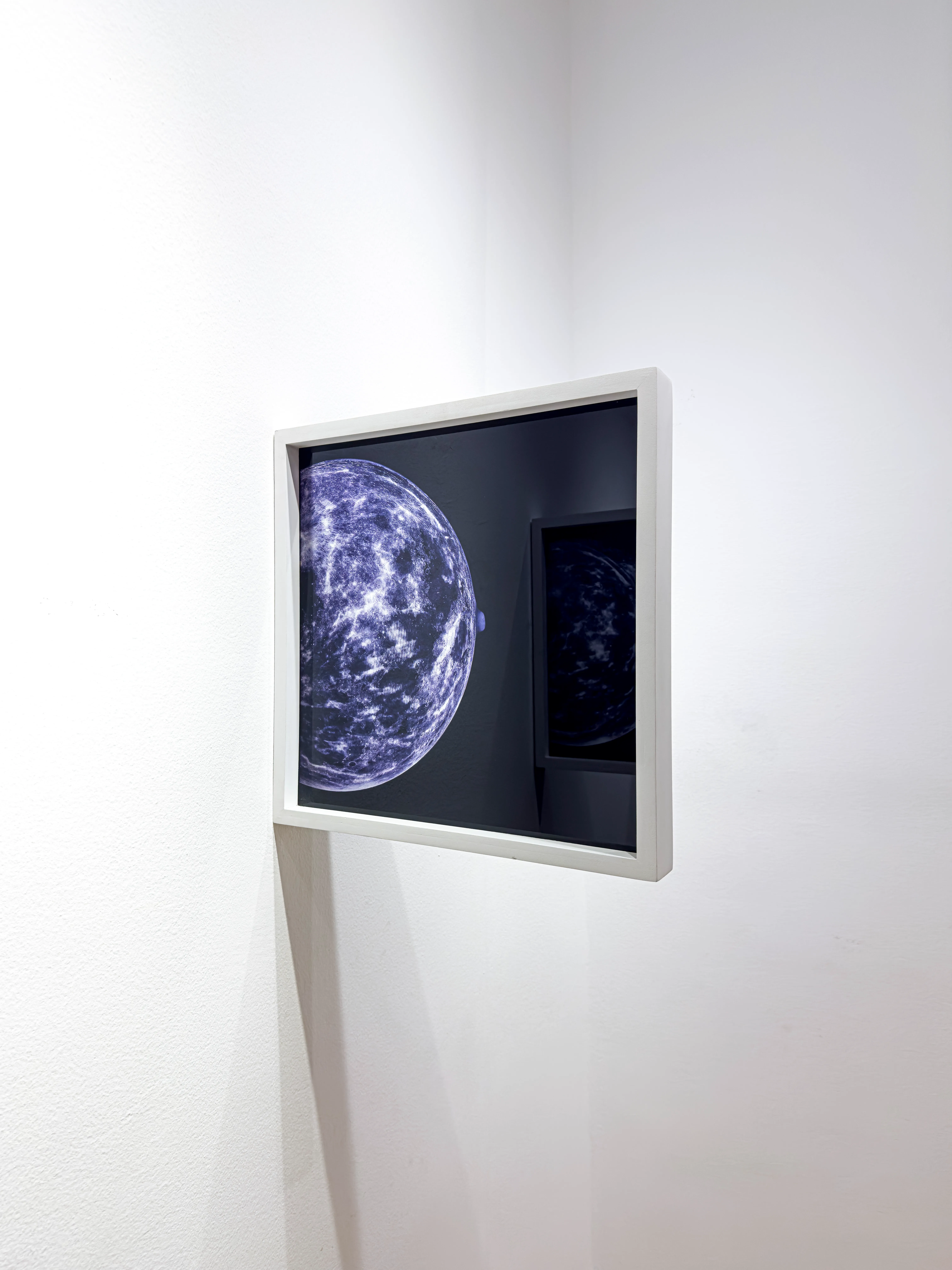
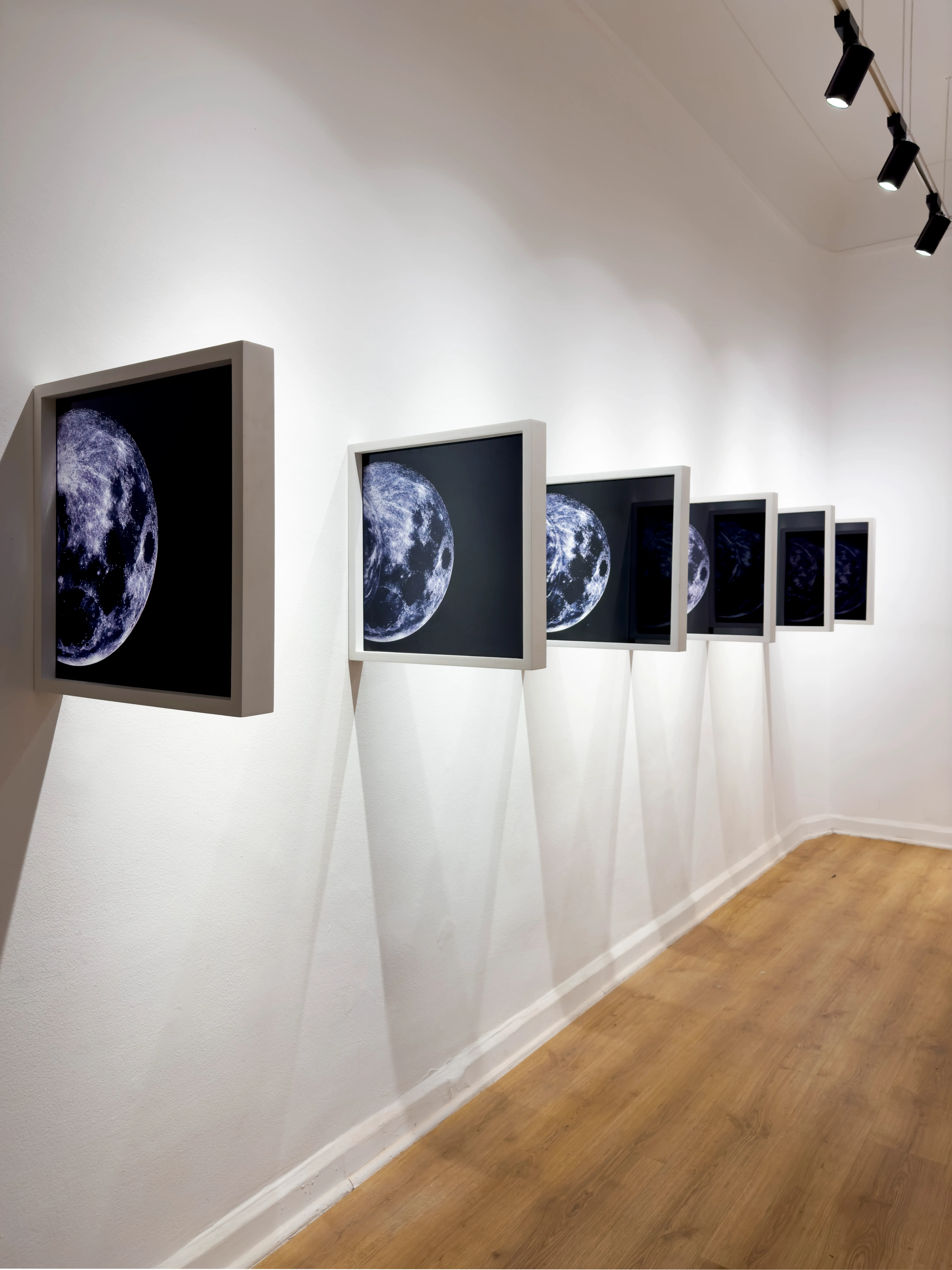
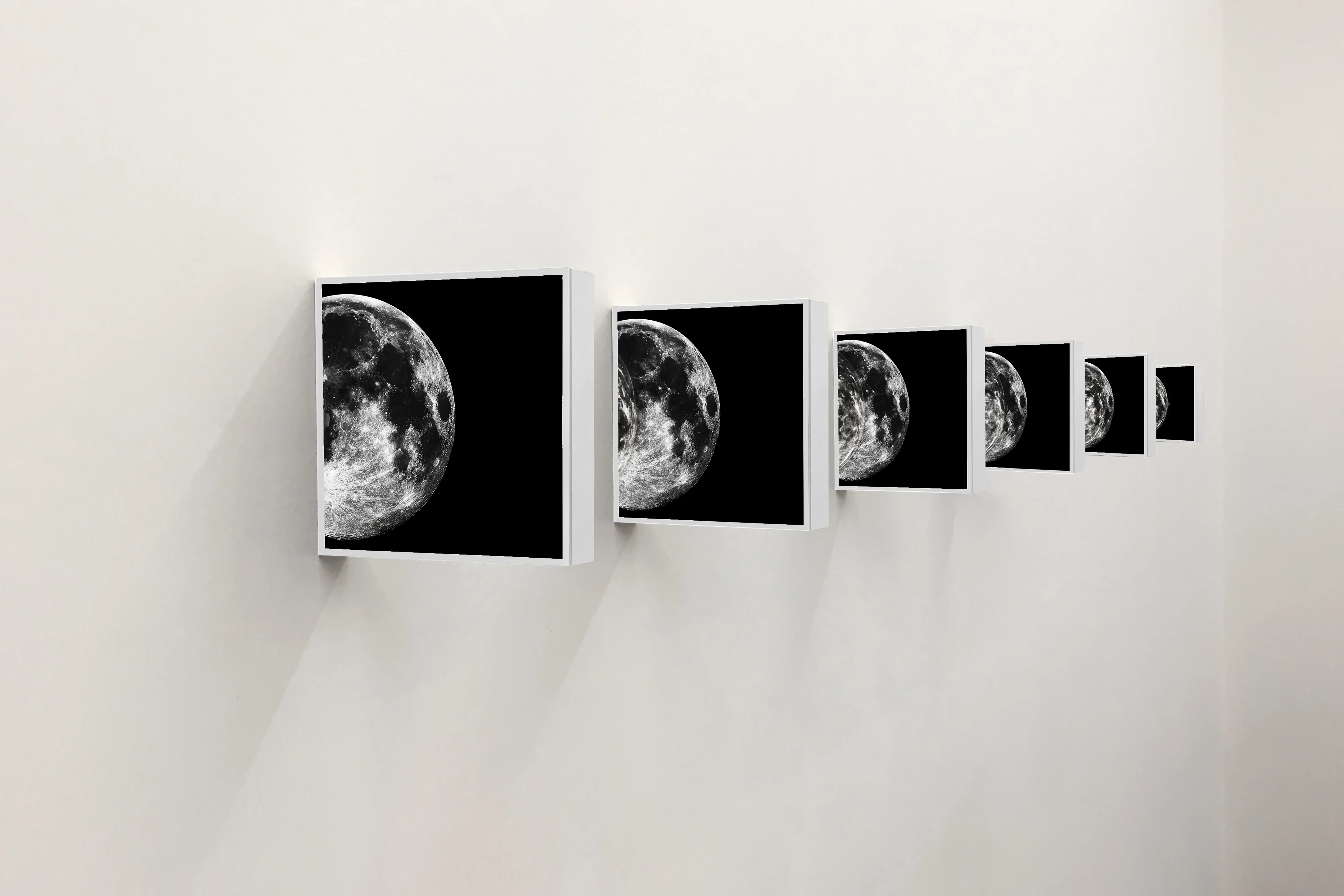
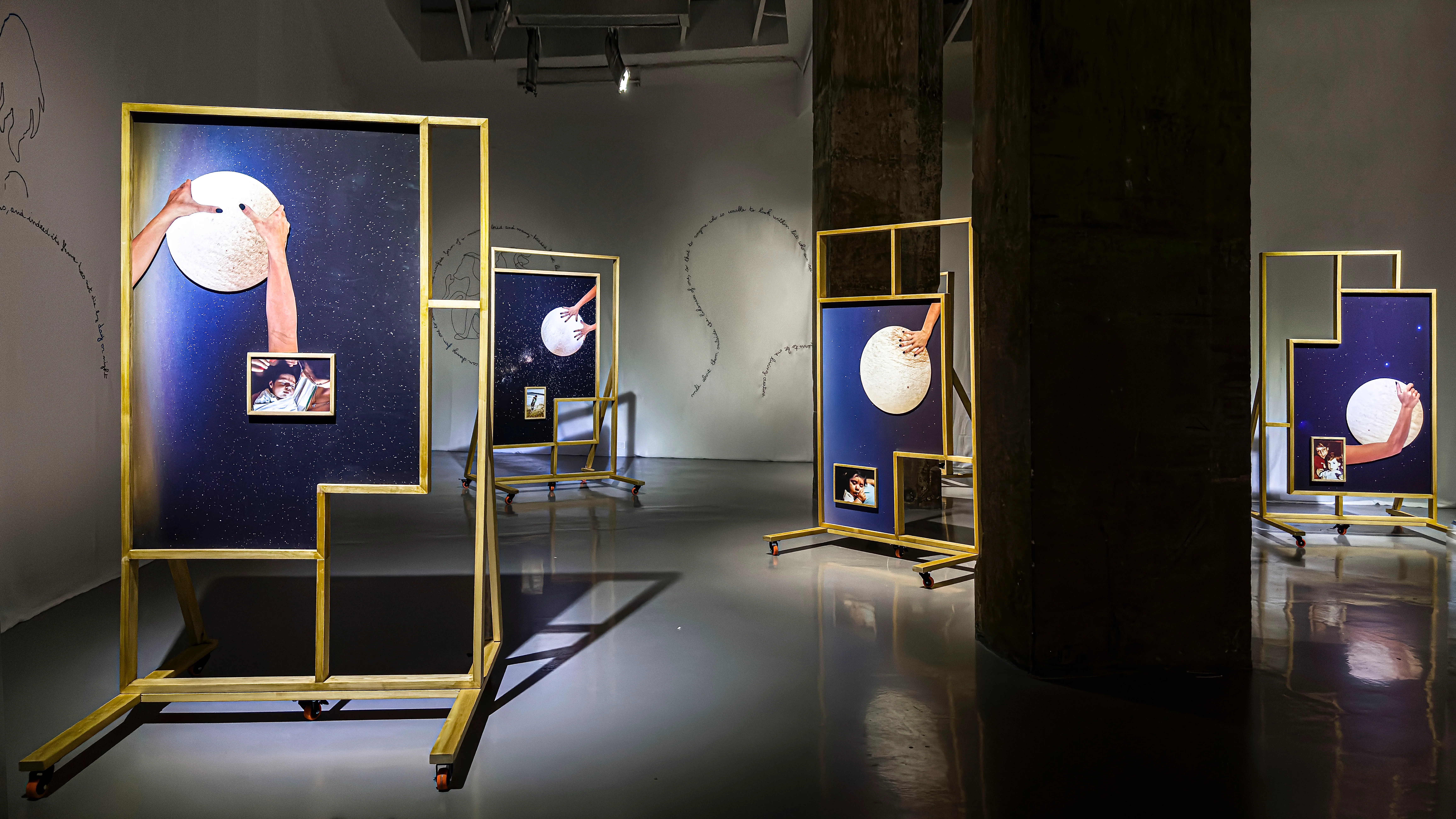
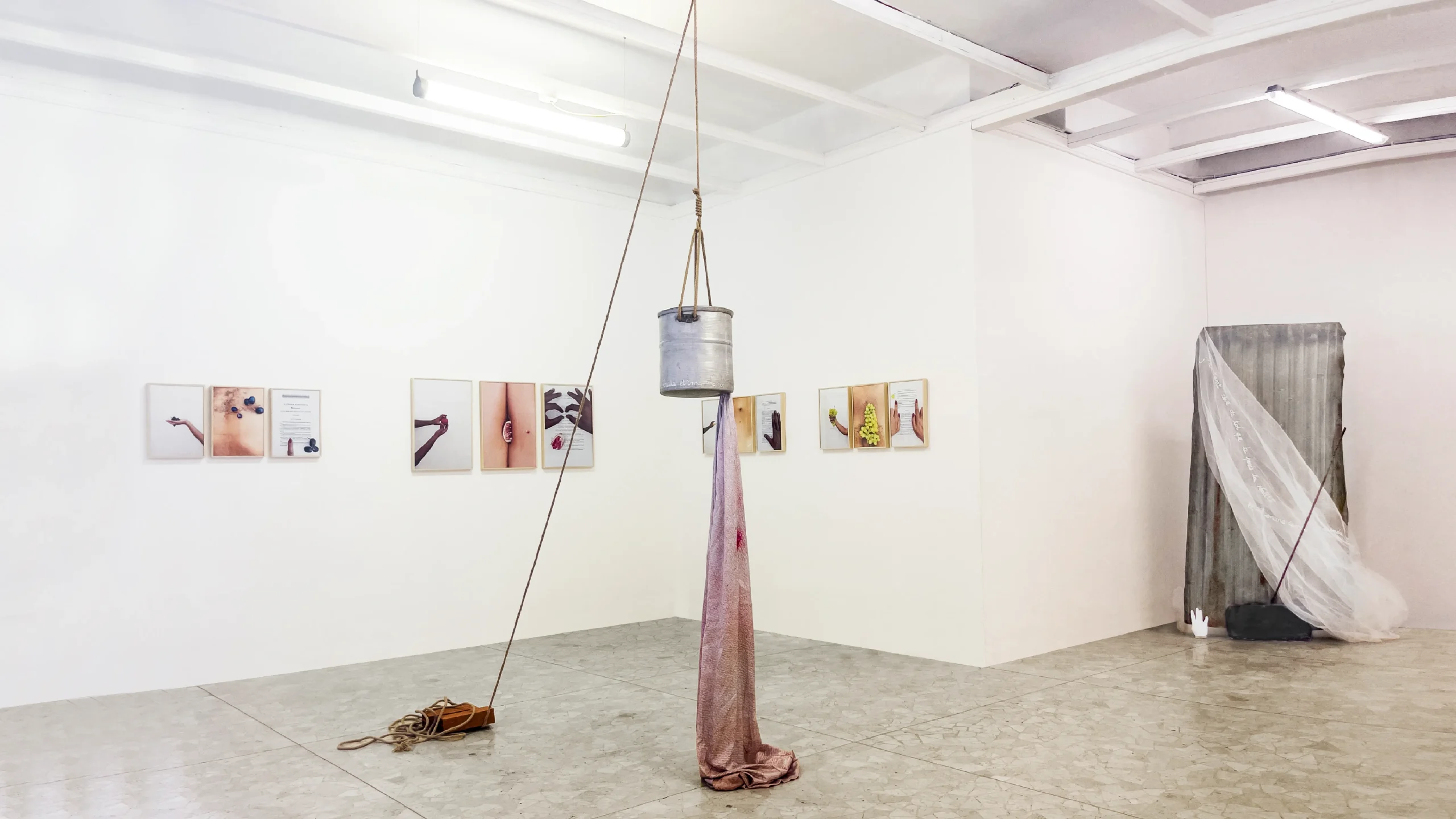
Eclipse belongs to MOTHER!, a body of work examining how femininity is learned, represented and transmitted through images, language and the body. While From Her to the Moon transforms the surface of the breast into an expansive landscape of memory, Eclipse stages a confrontation between two already existing images of the feminine: the moon as cultural symbol and the breast as anatomical evidence.
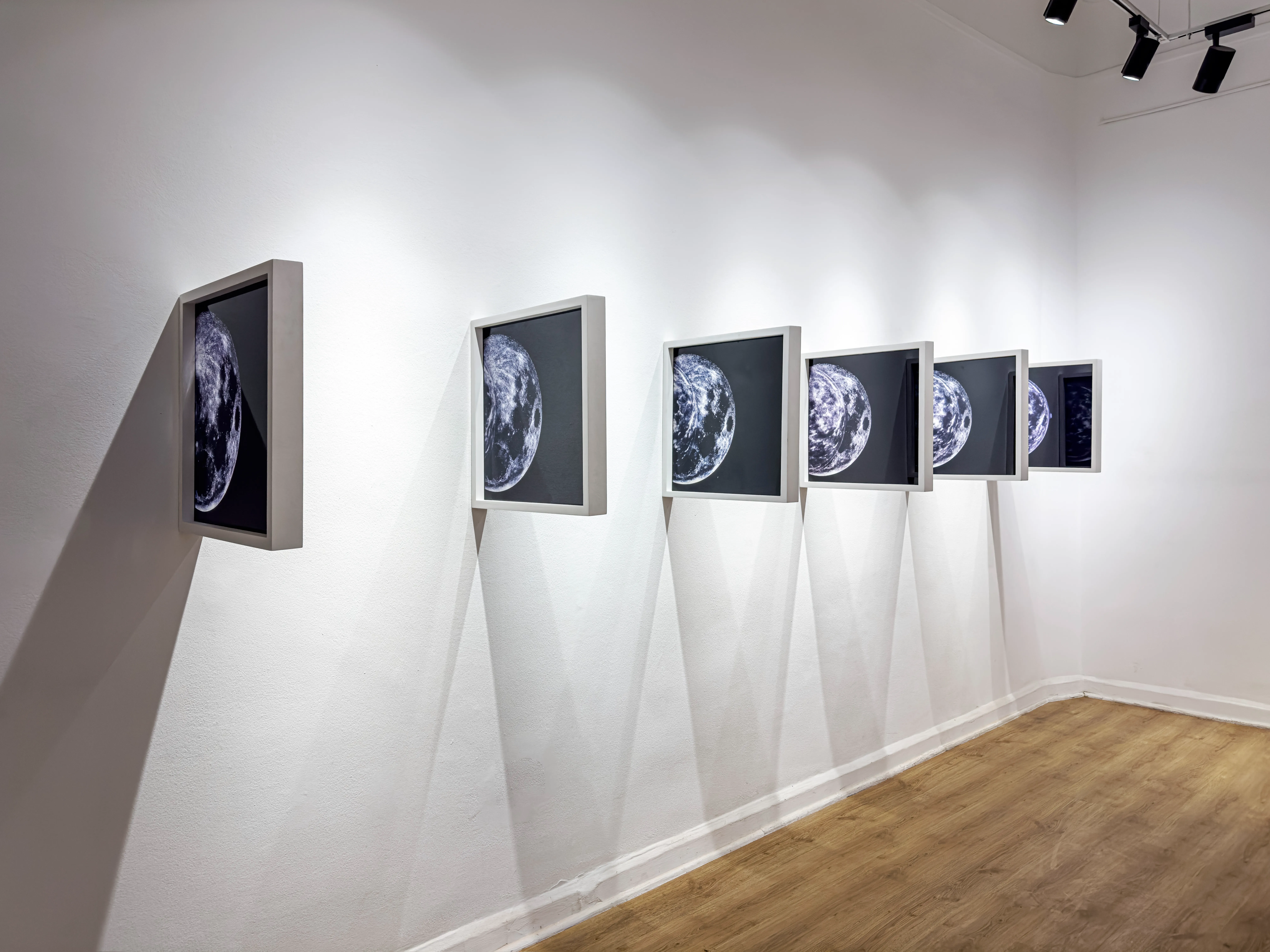
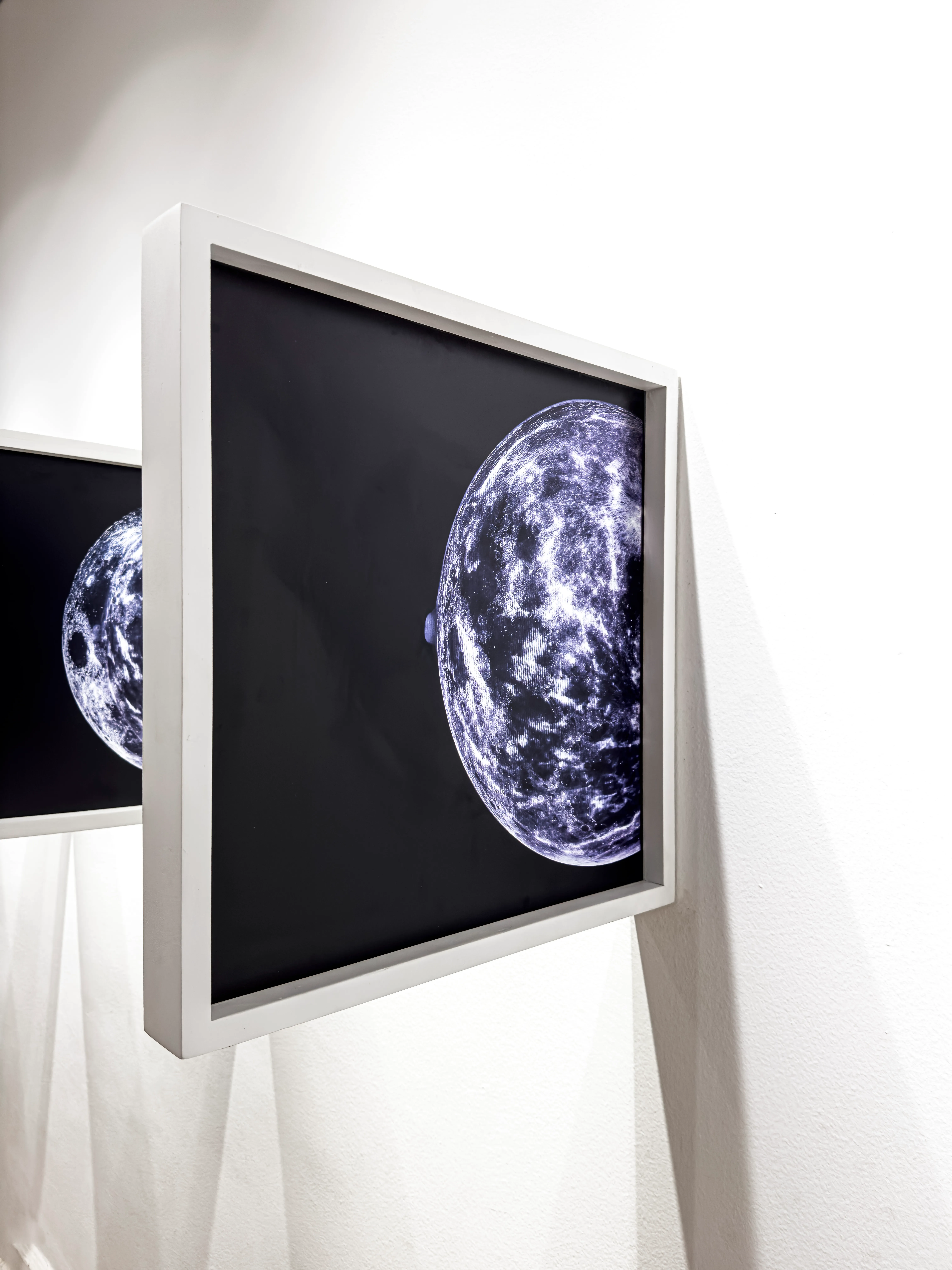
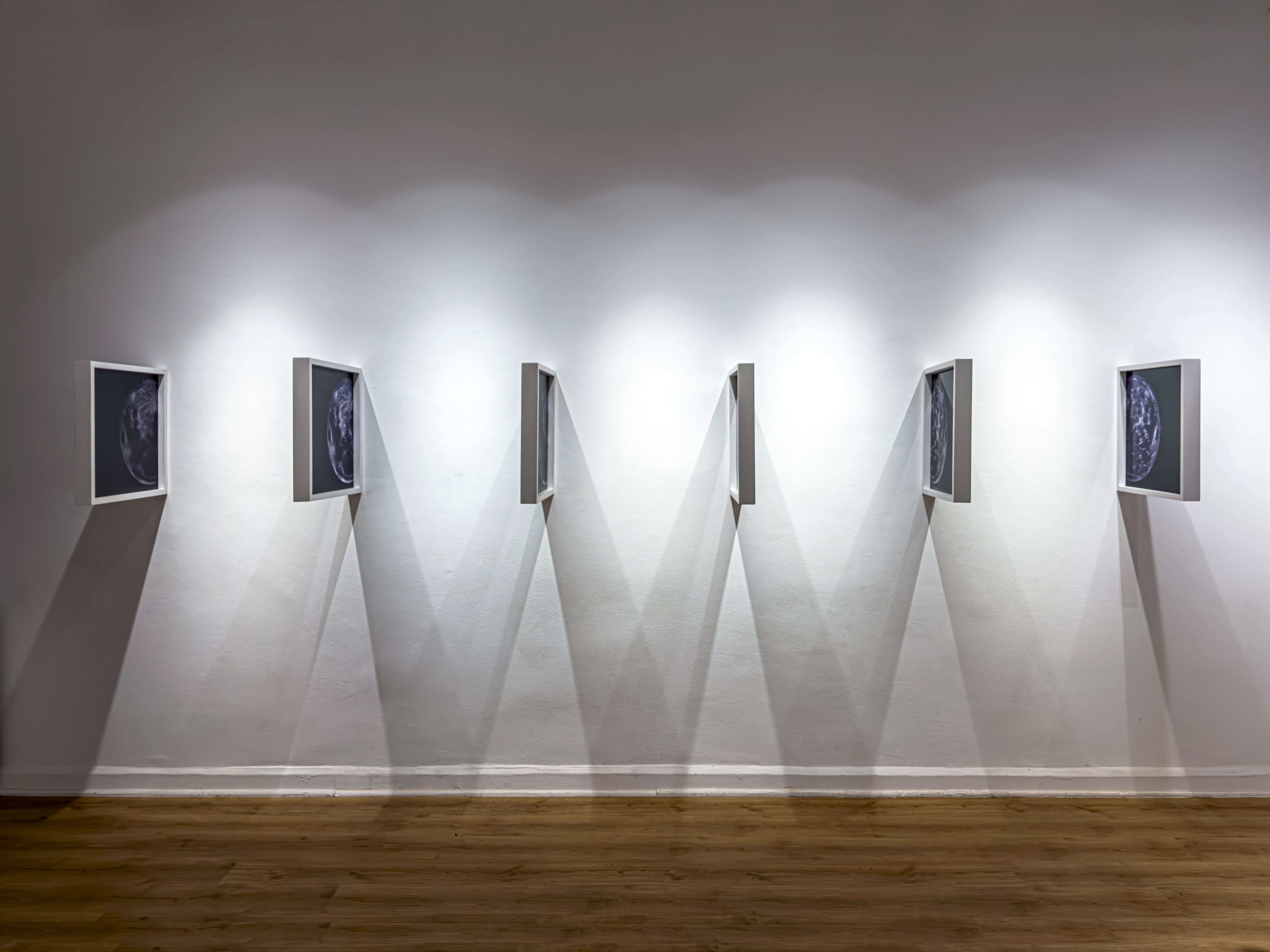
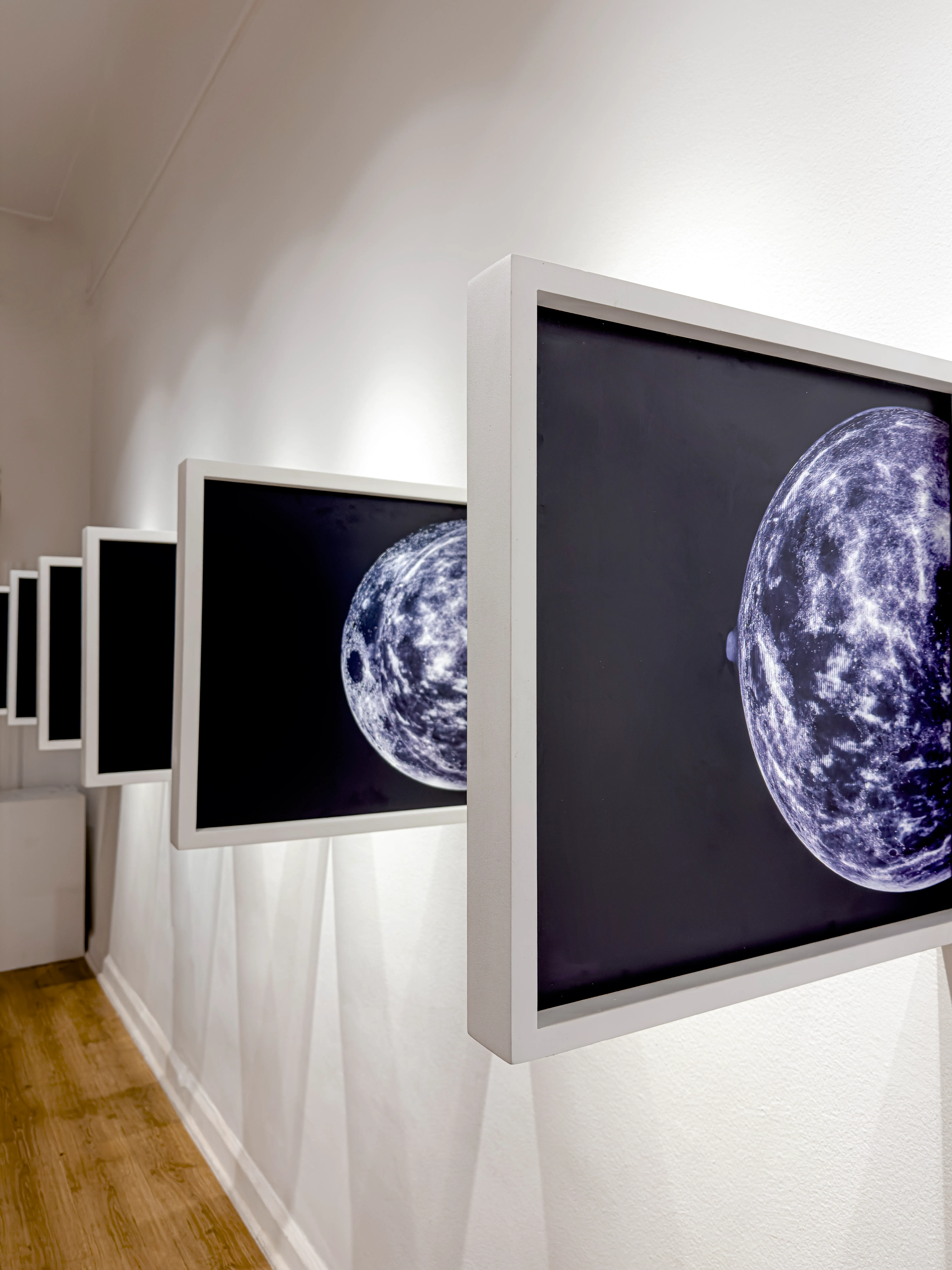
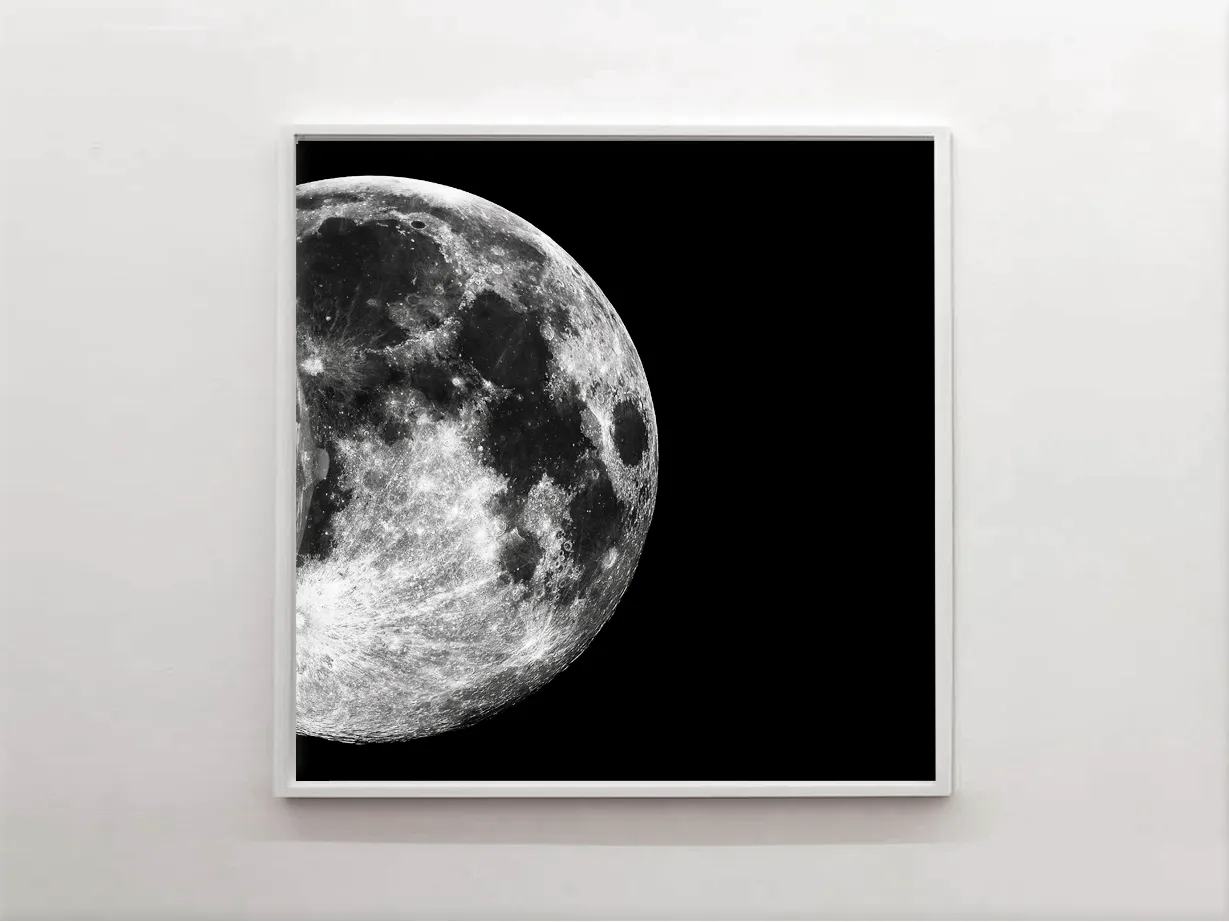
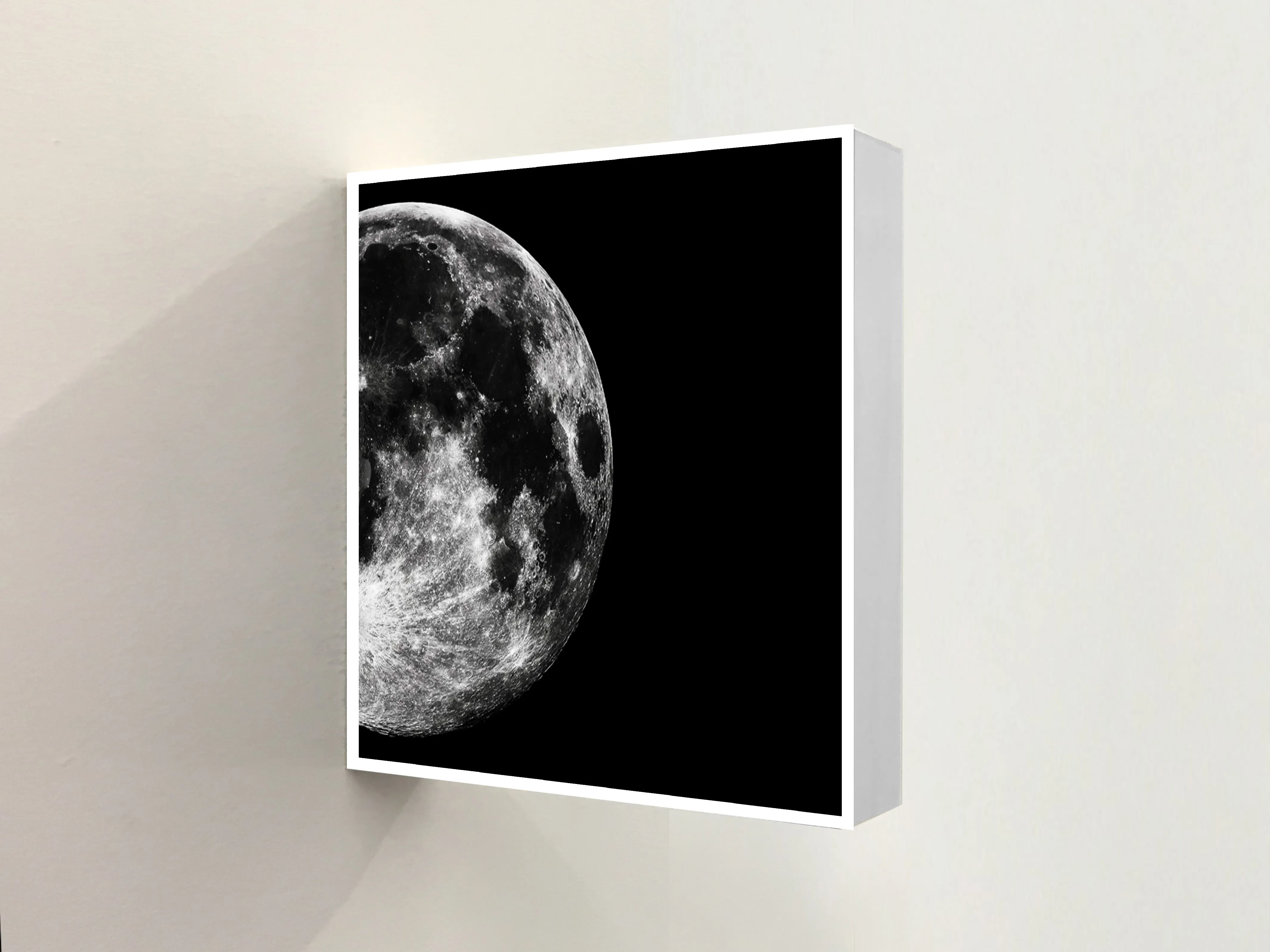
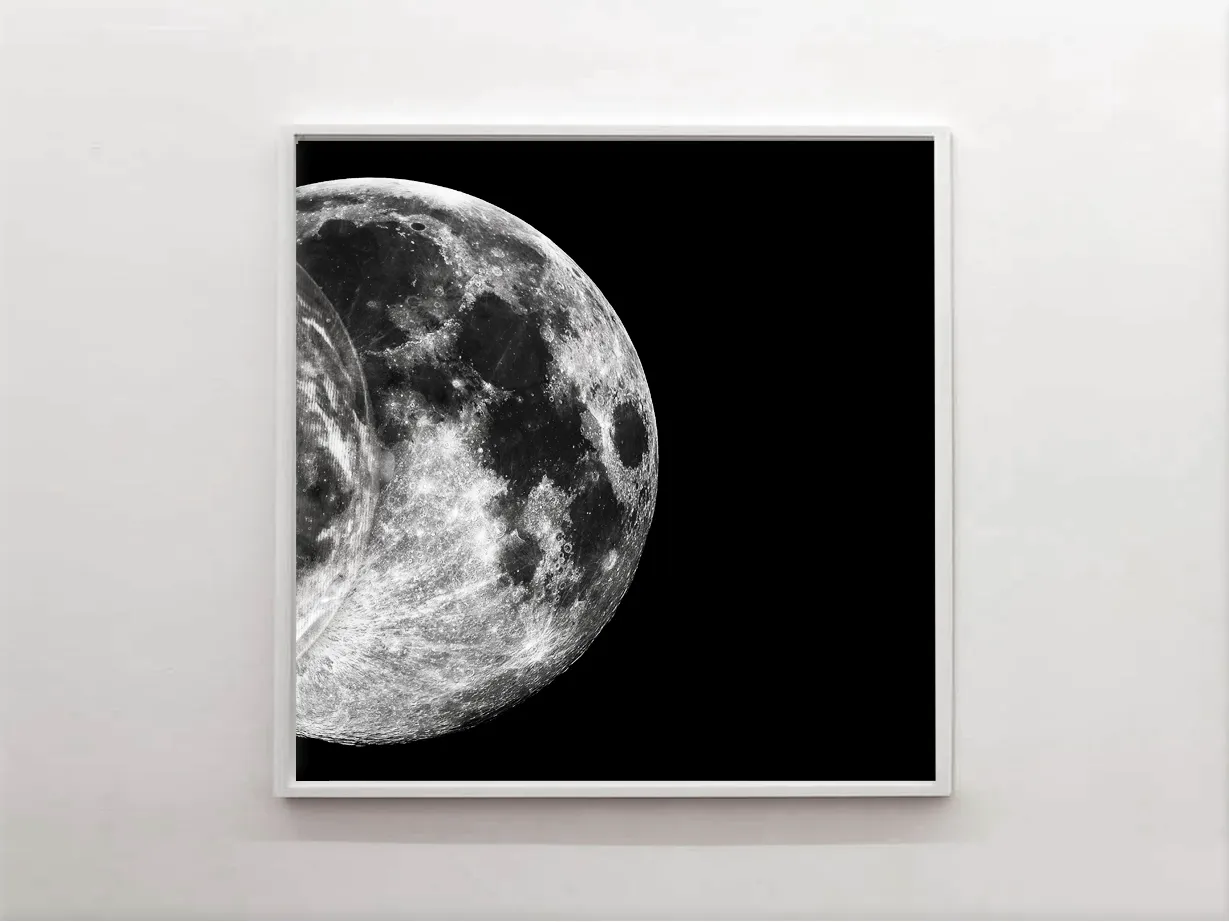
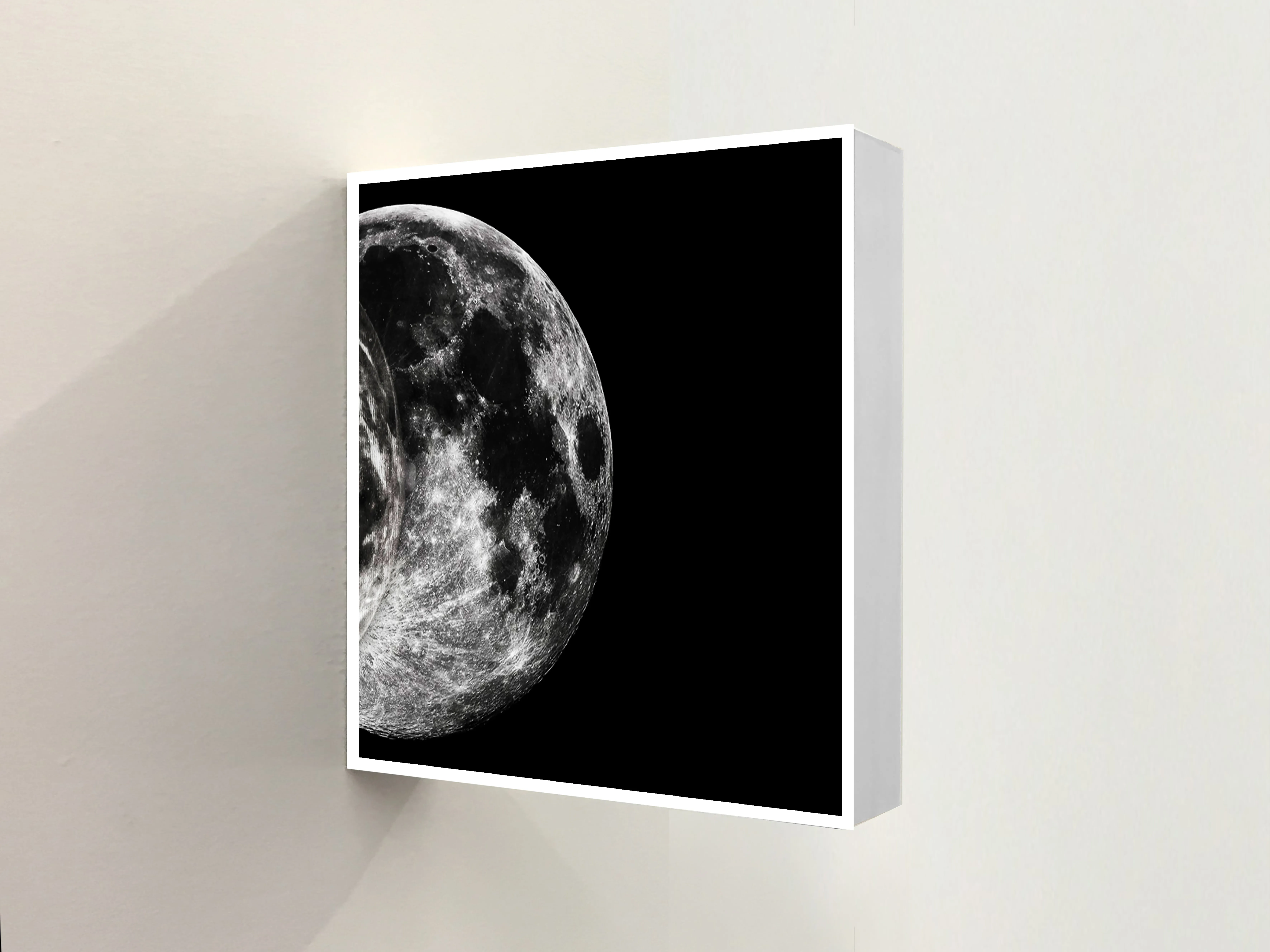
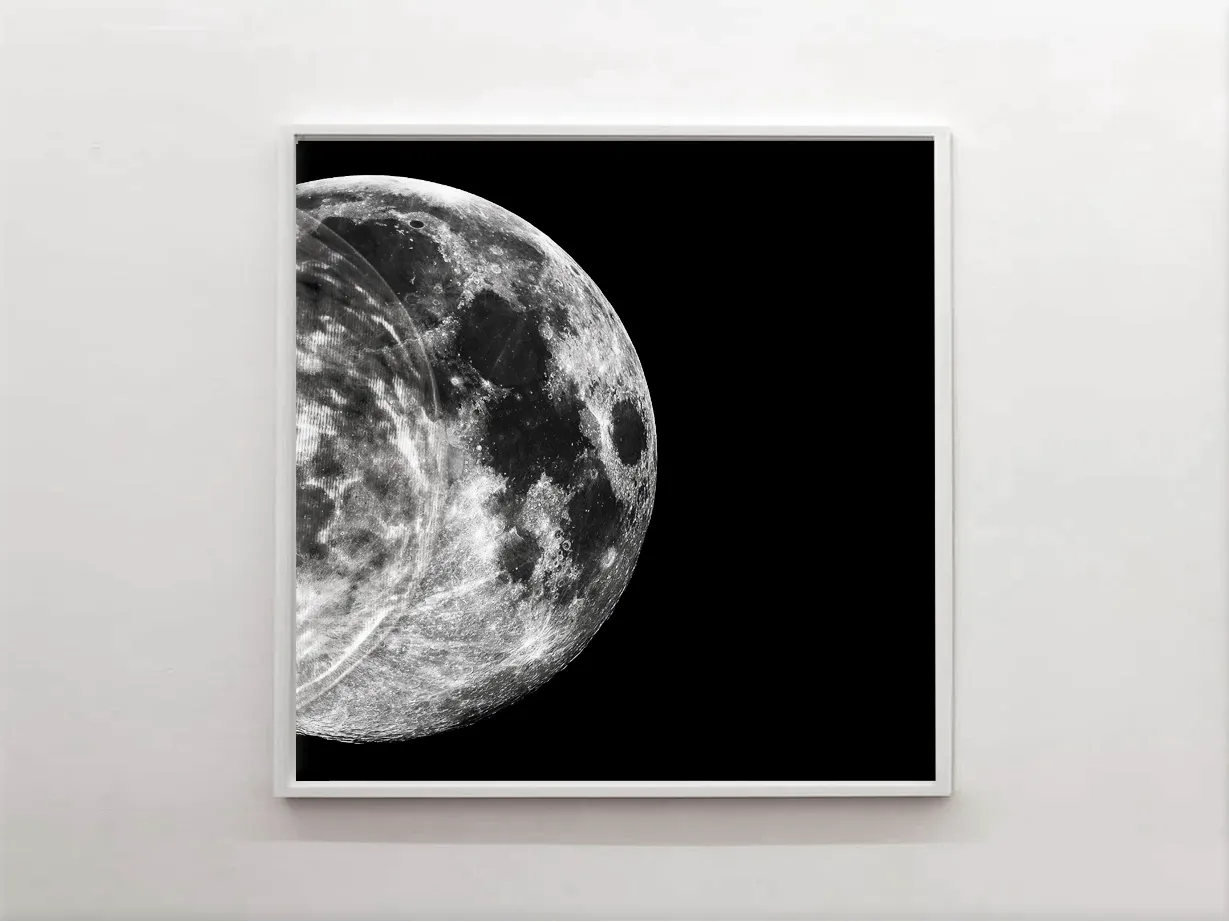
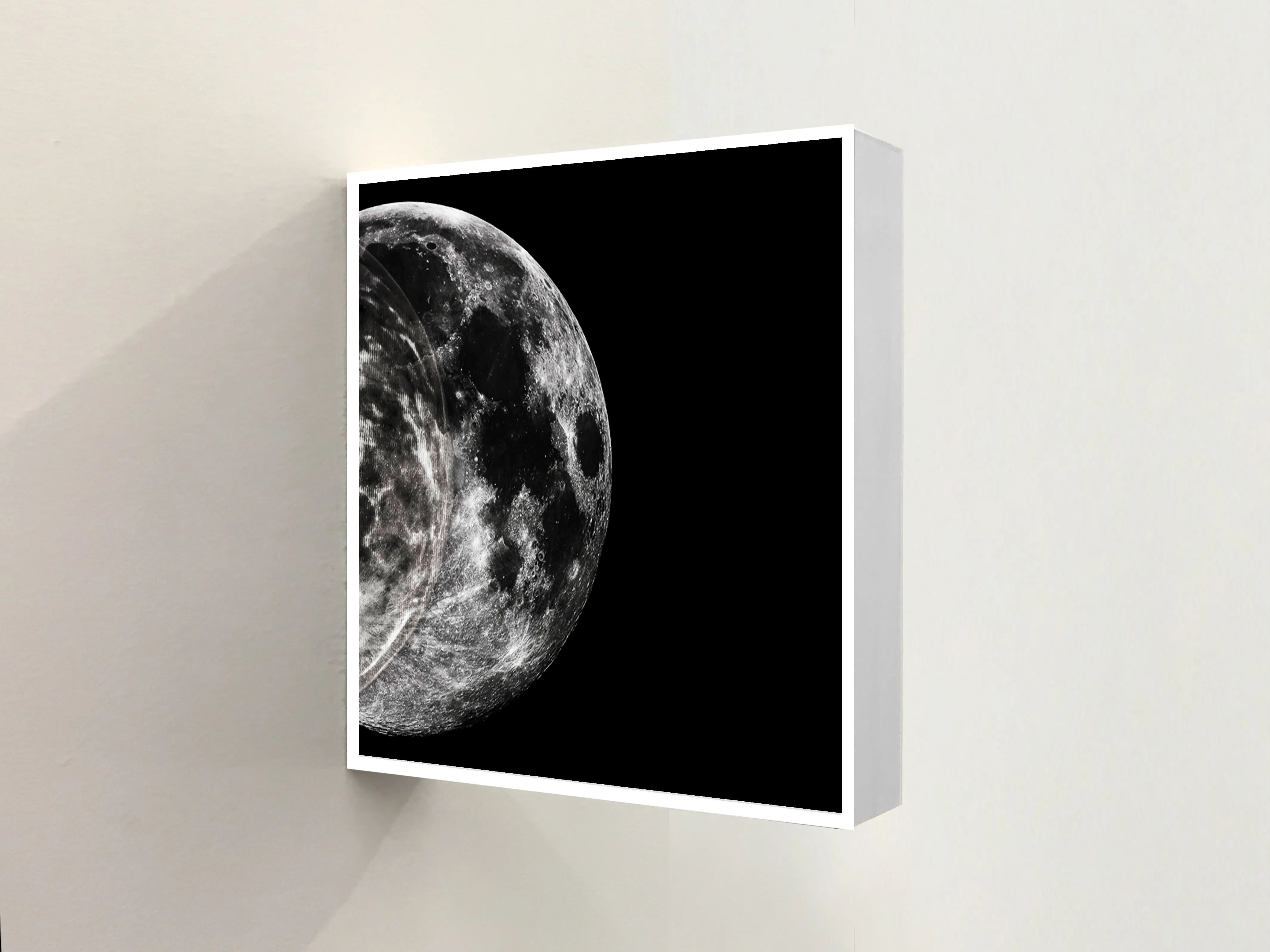
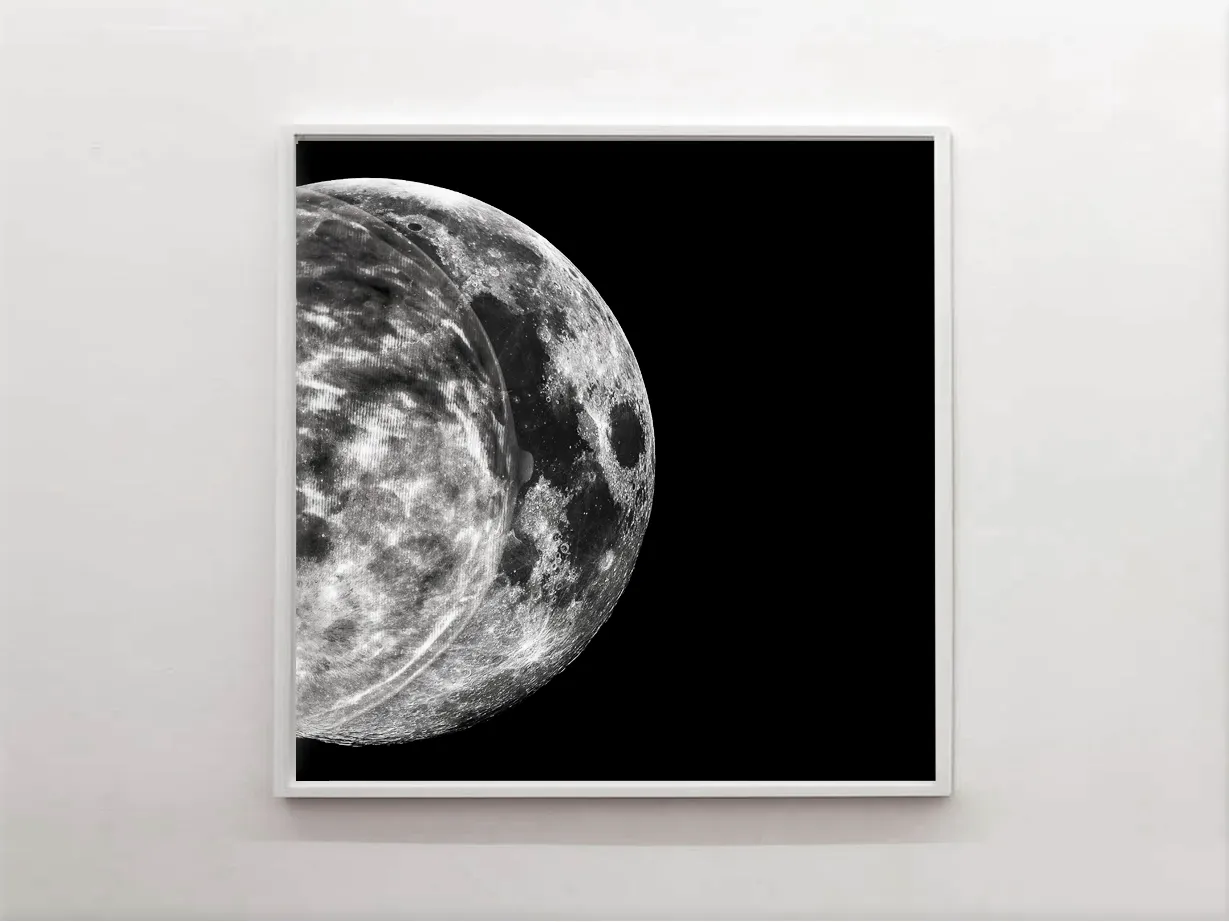
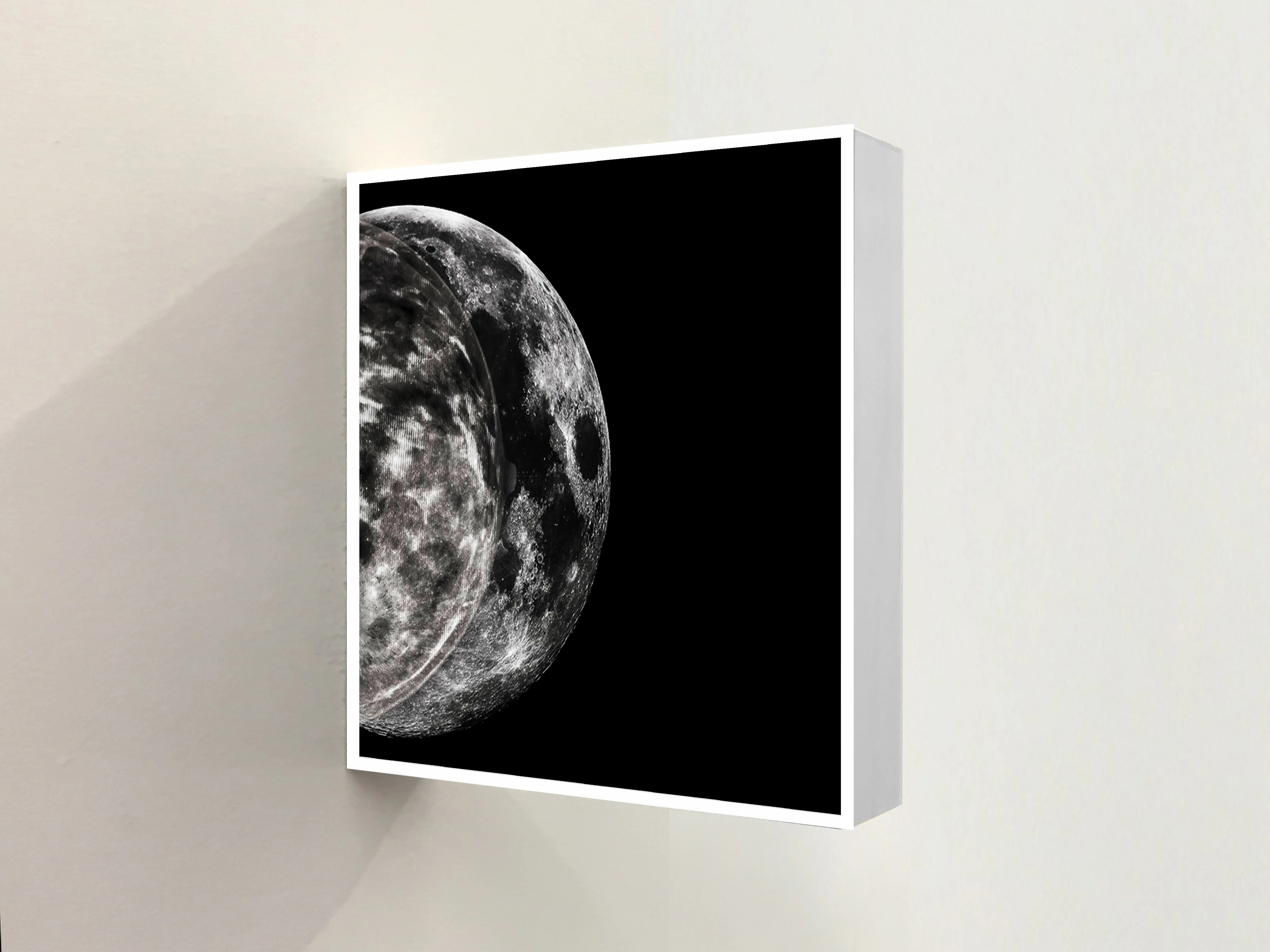
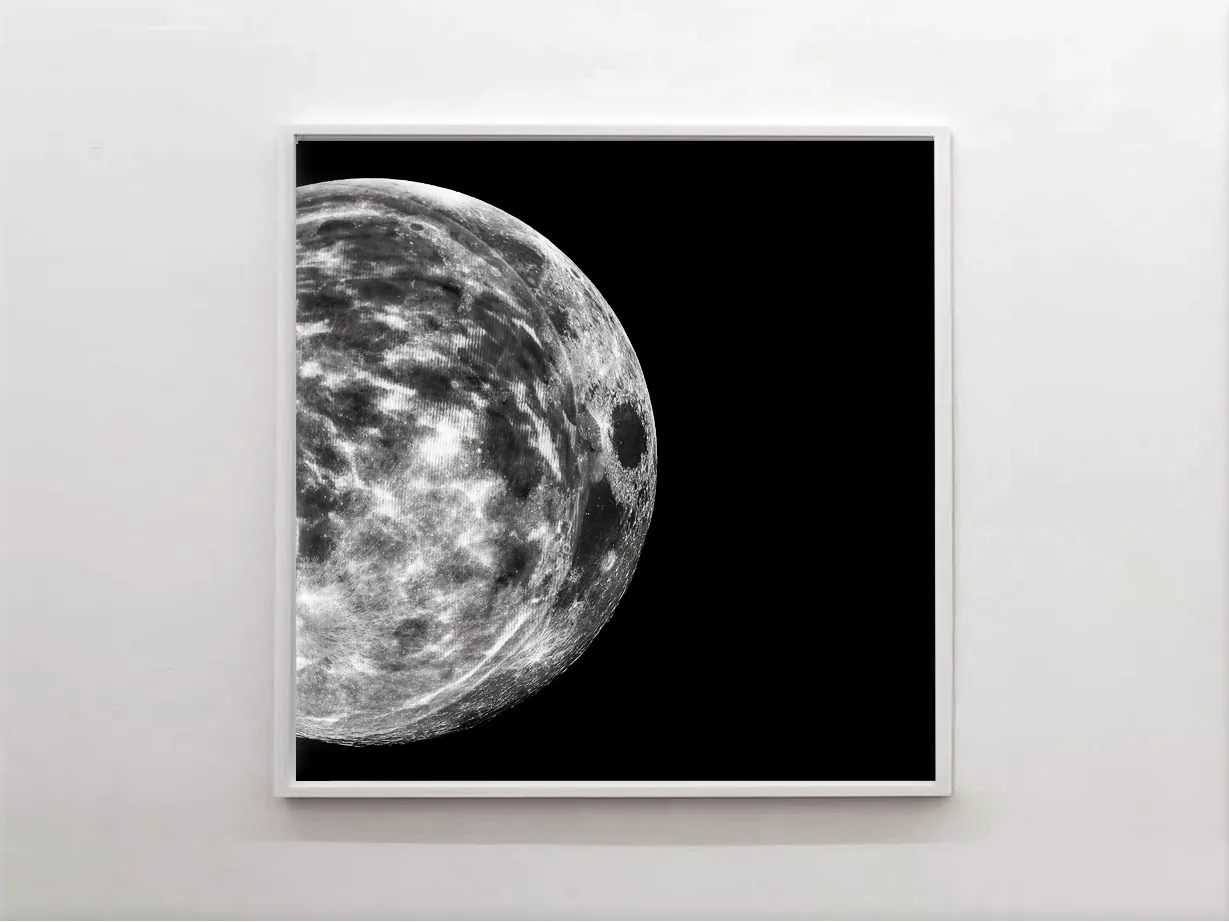
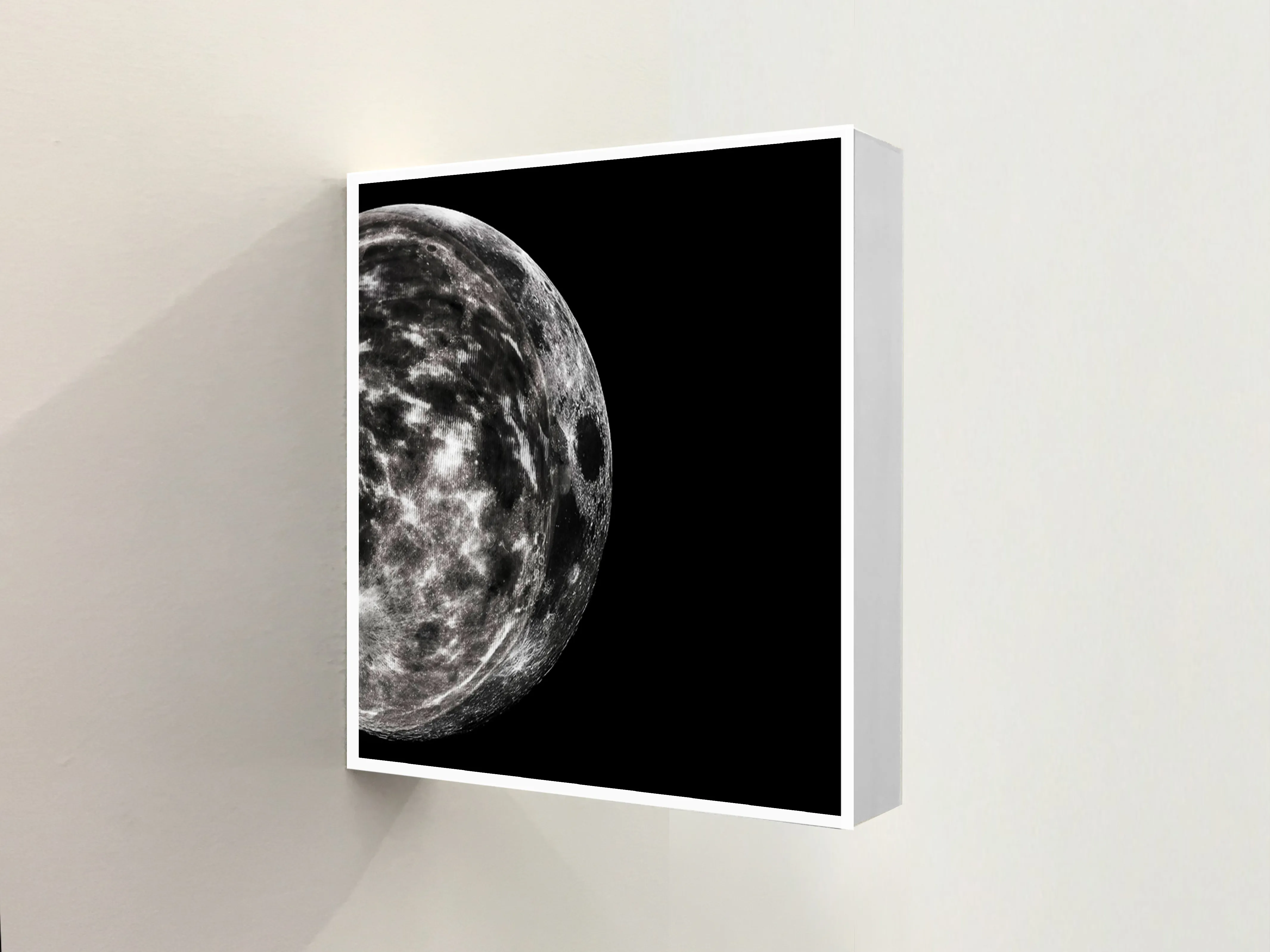
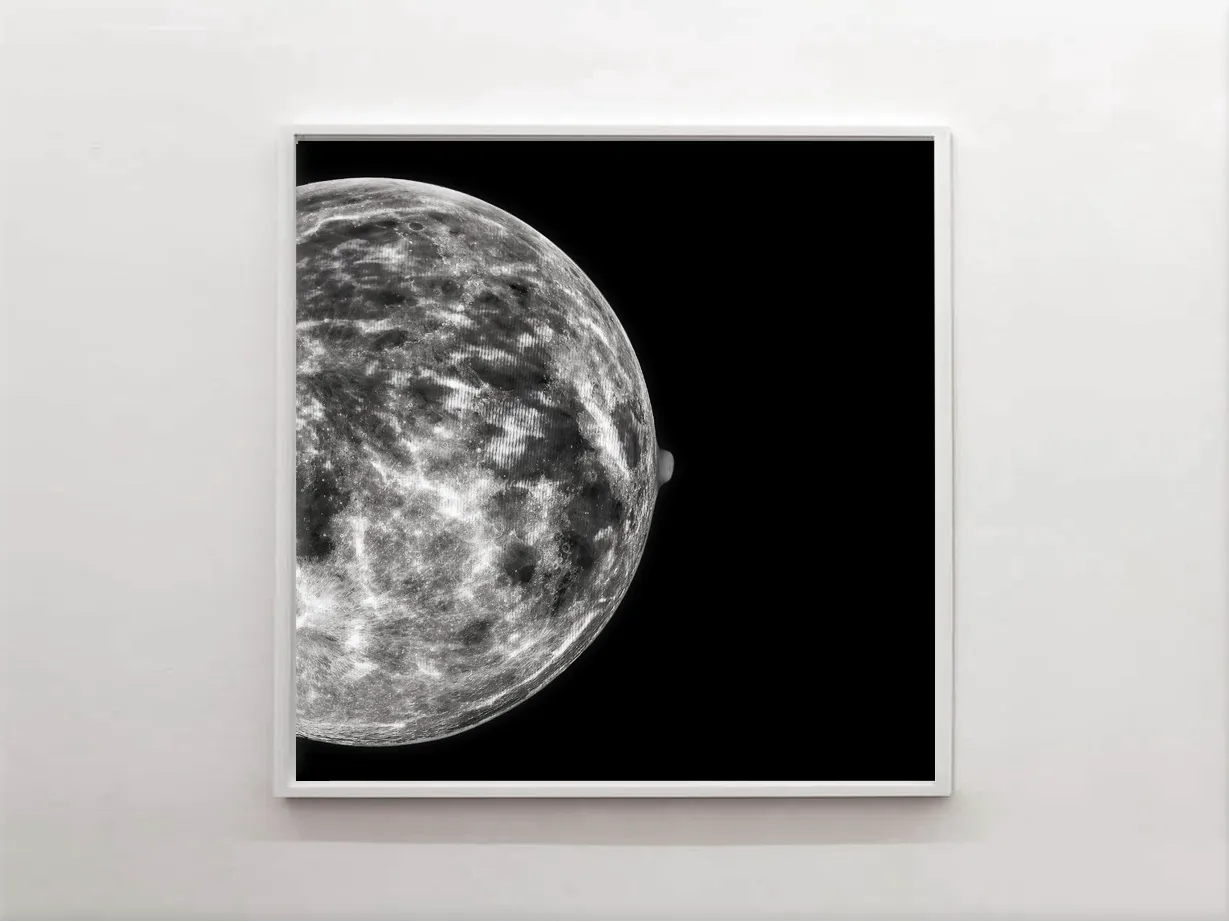
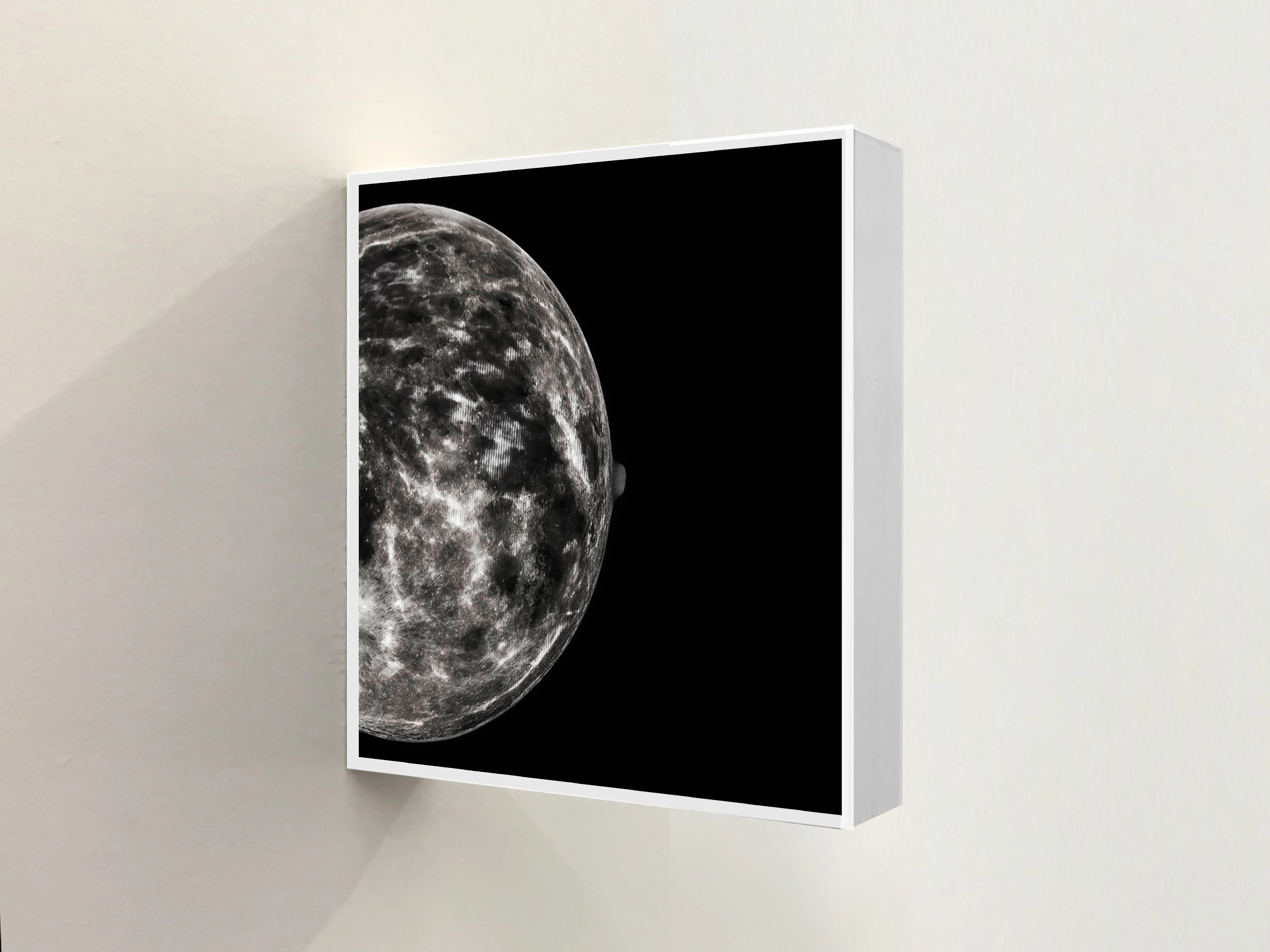
The series consists of six images showing the progression of an eclipse. At first, the full moon appears intact. It is gradually covered by a second circular form of similar scale and texture: a mammogram of the artist's breast. The medical image advances across the lunar surface until the breast obscures the moon almost completely.
The visual resemblance between the two forms allows the transition to appear natural. Both are round, pale and marked by variations in density. Yet they belong to opposing systems of representation. One is celestial, distant and observed from the outside; the other is produced by looking through the body. One belongs to mythology and poetry; the other to medical science.
Across different cultures and periods, the moon has been repeatedly associated with femininity through its cycles, its nocturnal presence and its apparent transformations. It has served as an image of fertility, beauty, protection, mystery and inaccessibility. These associations detach femininity from the ordinary body and project it into the cosmos, where it can be admired, idealised and kept at a distance.
The mammogram introduces a different gaze. It does not show the external appearance of the breast or present it as an erotic form. It penetrates its surface, flattening flesh into a field of shadows, densities and possible signs. The intimate body becomes an image to be examined, interpreted and evaluated.
The breast carries a similarly divided history — nourishing on one side, desired on the other — and whichever role it is asked to play, it returns the woman to a body defined from the outside. Eclipse does not resolve that division. It sets it beside another one: mythology against diagnosis, the moon idealising the body while the mammogram exposes and measures it.
As the mammogram passes across the moon, neither image entirely disappears. Their similar surfaces overlap, creating moments in which it becomes difficult to determine where the celestial body ends and the human body begins. The eclipse is therefore not simply an act of concealment. It is a temporary alignment between two ways of seeing the same subject.
The sequence moves between exterior and interior, distance and proximity, mythology and diagnosis. Rather than resolving these oppositions, the work holds them within a single visual event. Femininity appears neither as a stable essence nor as a fixed bodily fact, but as something continually projected onto, extracted from and reconstructed through the female body.
In Eclipse, the breast does not resemble the moon by accident. For a moment, each reveals how the other has been made into an image.