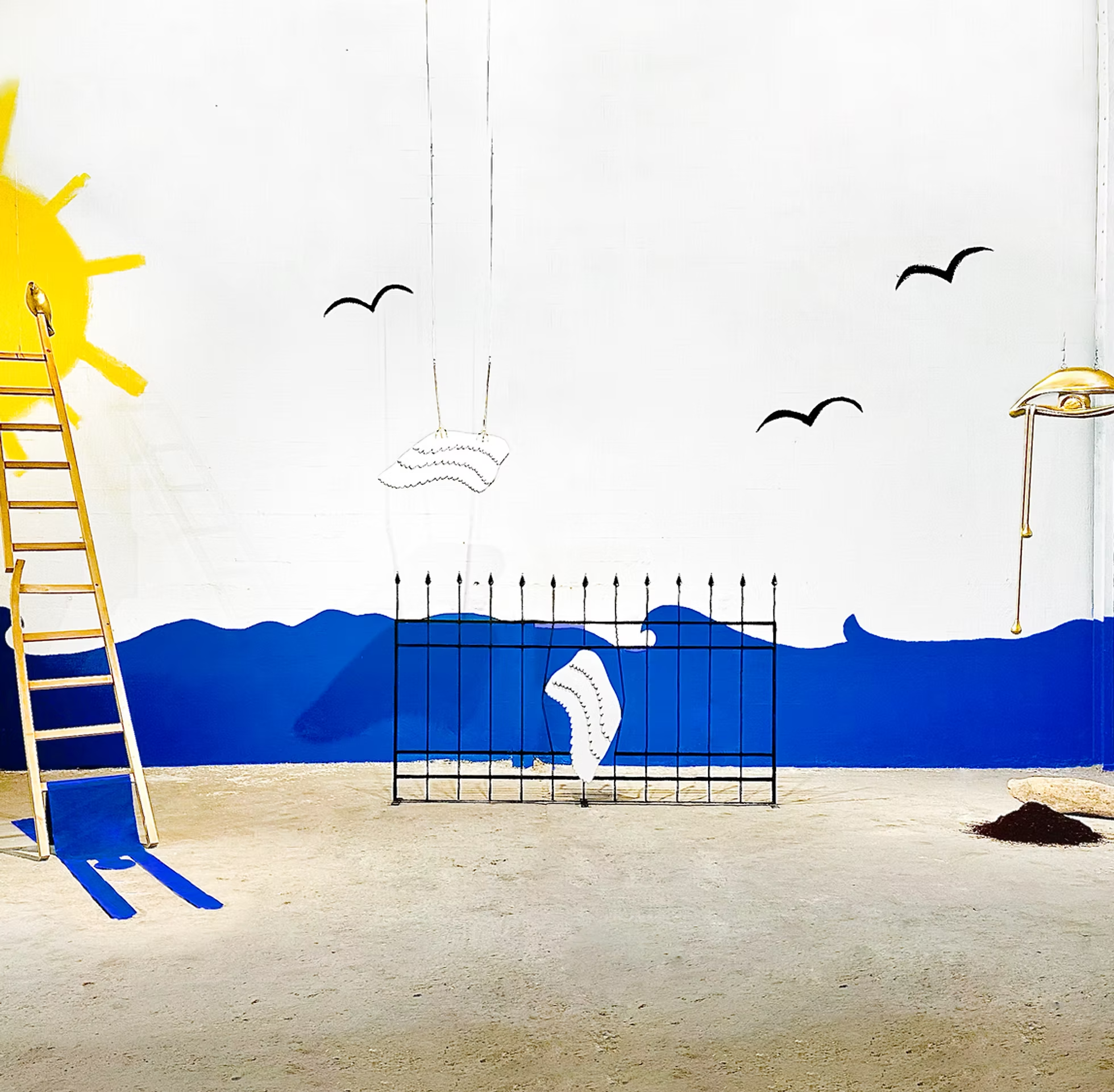
Studio Notes
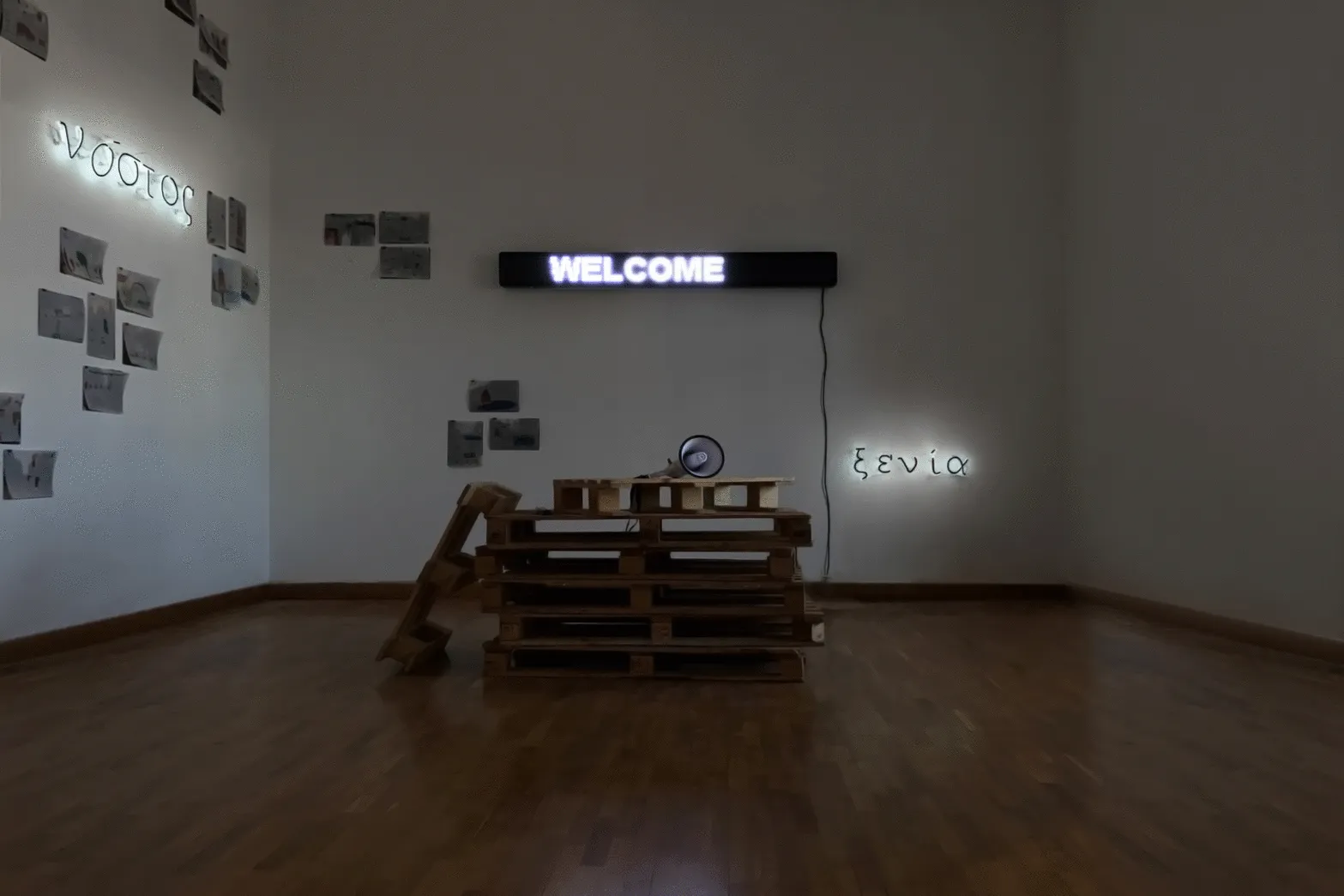
What does it mean to belong to several cultures without feeling entirely at home in any of them? Drawing on the ancient Greek distinction between the insider and the barbarian, I question how communities define their boundaries, who has the power to determine belonging, and how being an outsider has shaped a practice centred on identity, otherness and the spaces in-between.
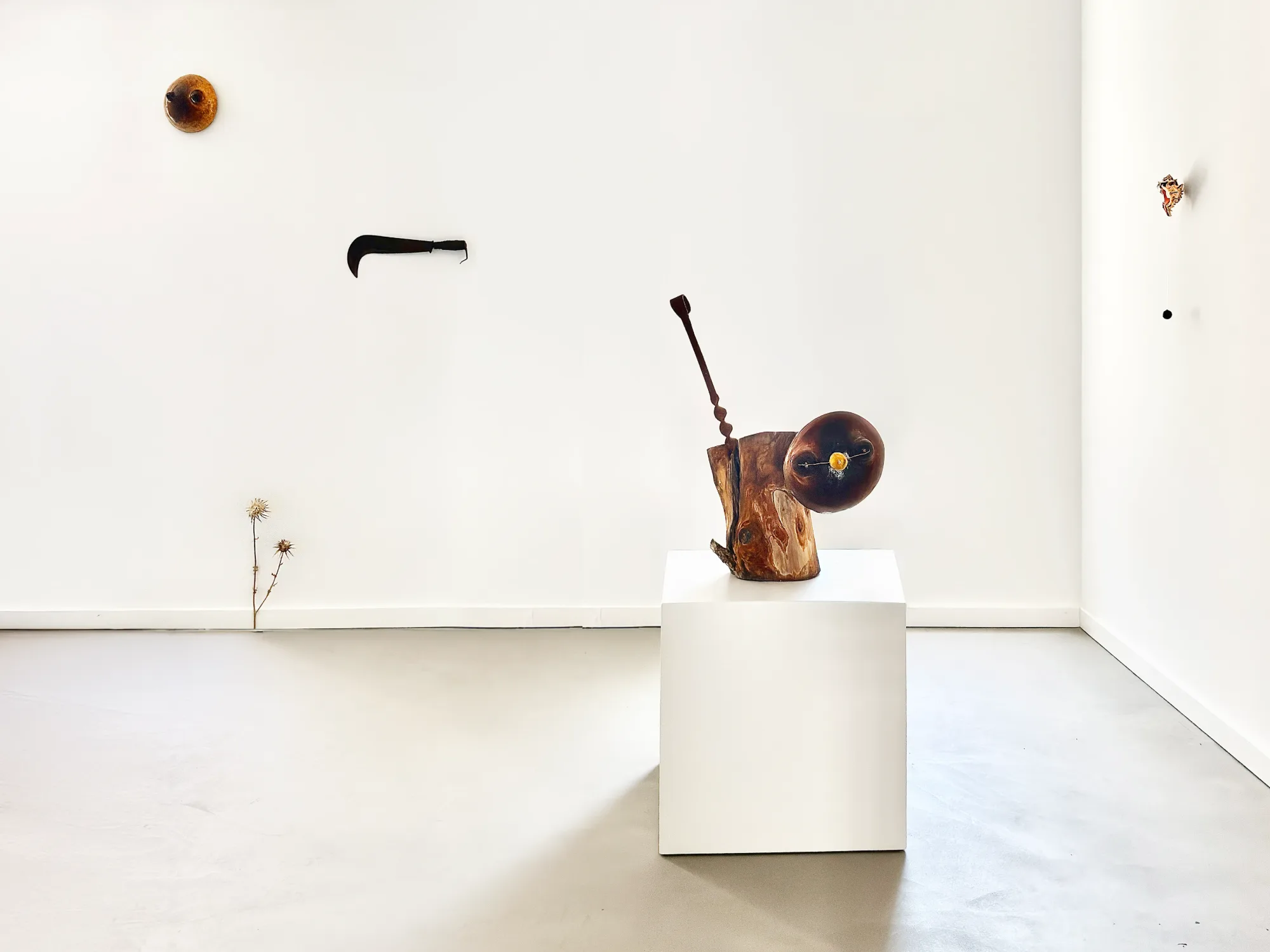
Why does a poem composed nearly three thousand years ago seem to answer every question my life raises? Whenever I have felt displaced, wondered where I belong or lost someone, I have found Odysseus already there, and my work has grown from those encounters.
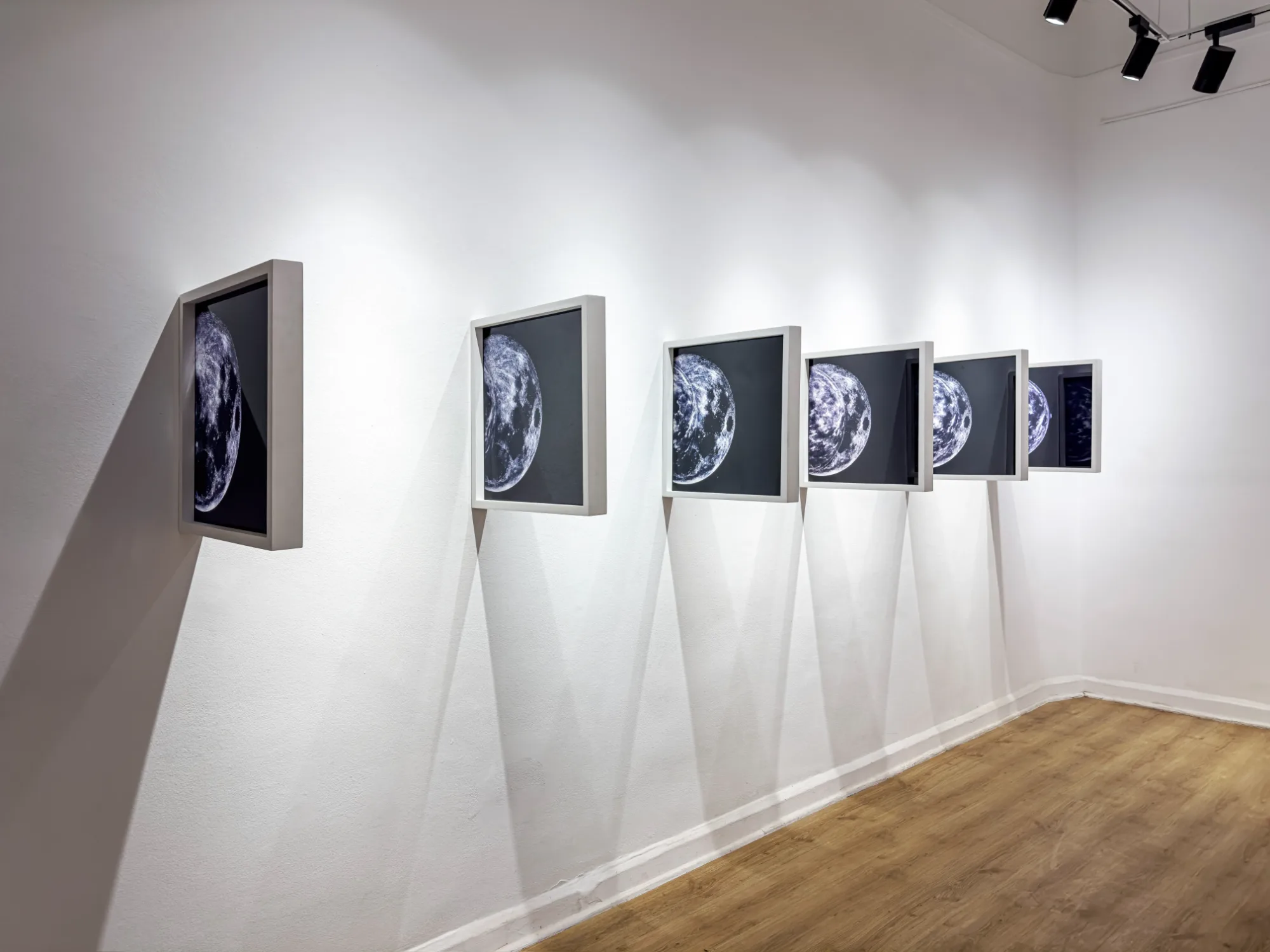
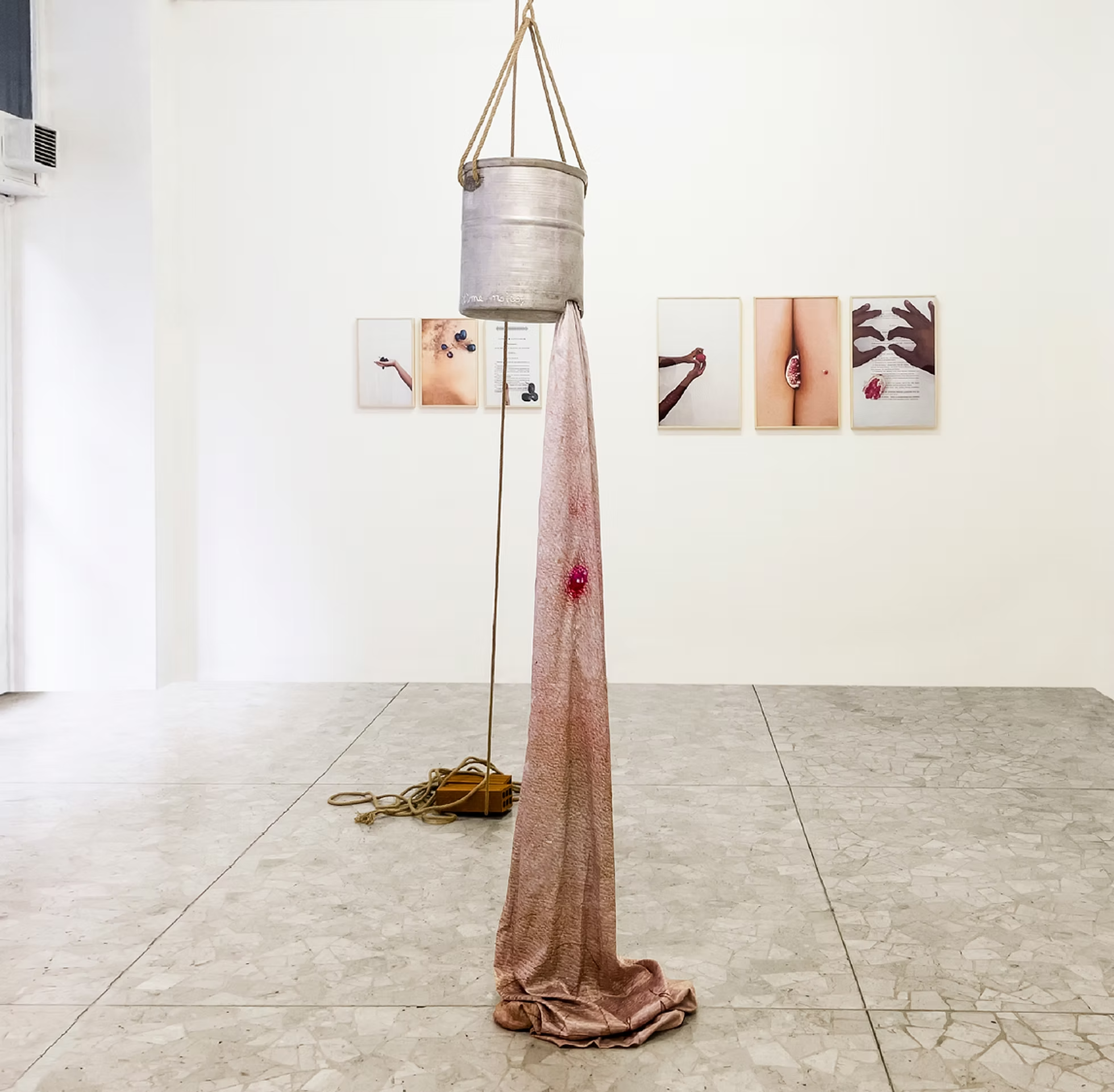
Why does the breast keep returning in my work? Long before it becomes a symbol, it is a volume in space, shaping how a body is perceived. Understanding why this form recurs across my sculptures, drawings and textiles has led me away from a single idea of femininity and towards a shape that remains recognisable precisely because it never stays fixed.
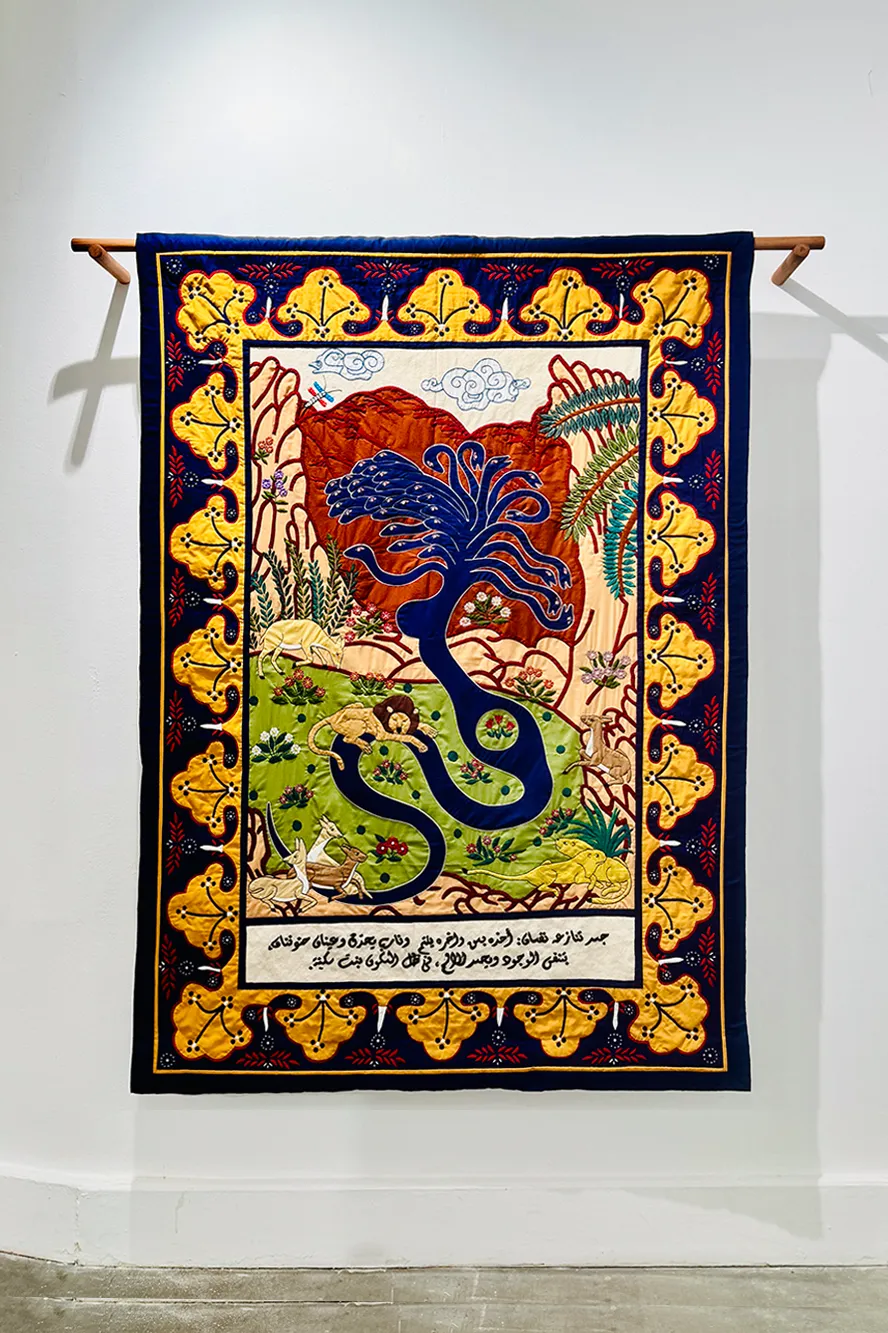
How did khayamiya become part of my visual language? I encountered it first as an image, not as a tradition I intended to use. Its flat colour fields, sharply cut contours and layered construction immediately echoed my own visual instincts, then gradually changed how I could build narratives through textile. What began as a technique for constructing forms became a way of organising stories, time and space.
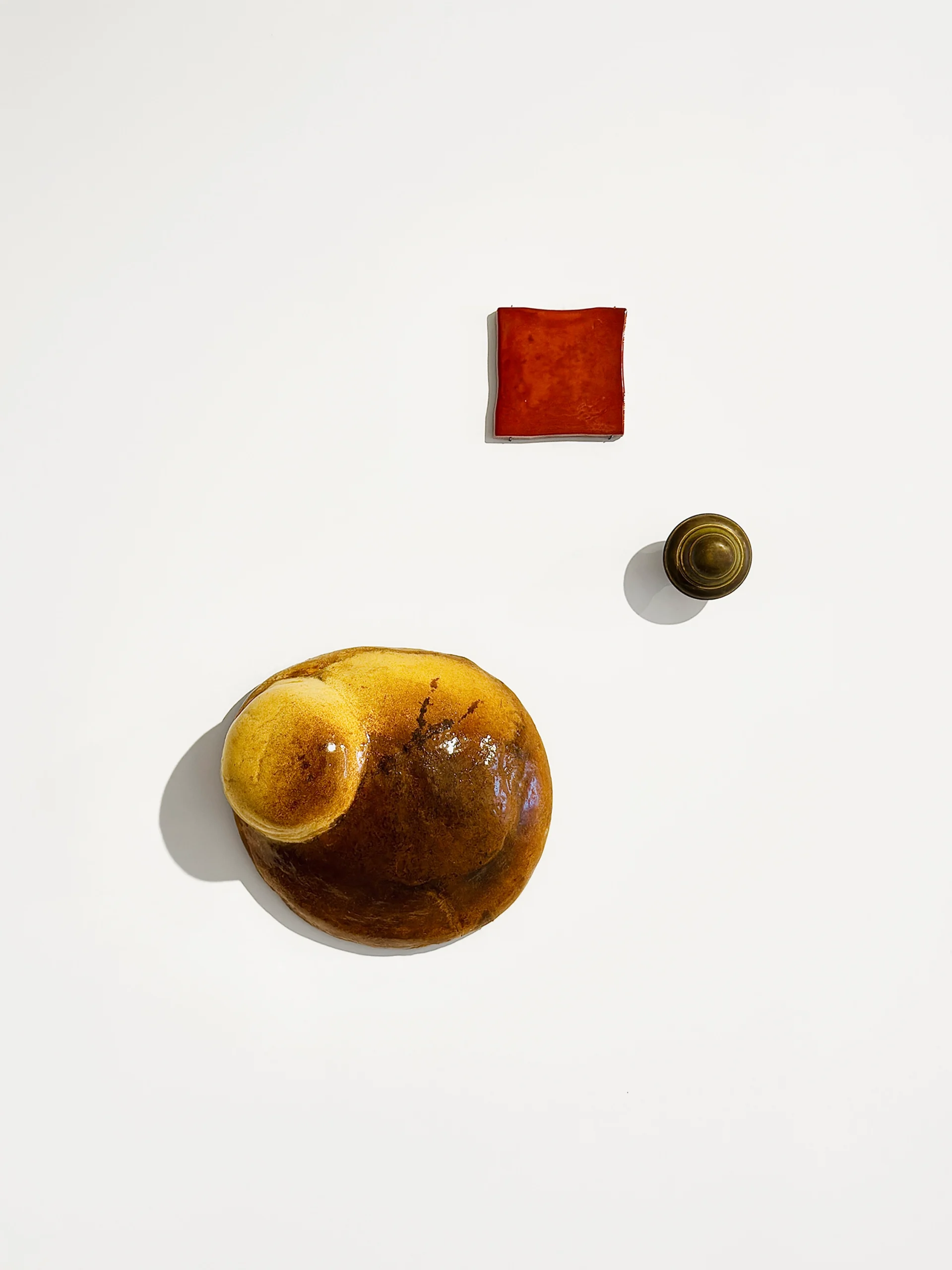
Why did I begin making sculptures from bread? Bread entered my work before I understood what it might symbolise. After my father's death, I placed my hands in dough and began shaping a face; the material then swelled, cracked and altered everything I thought I was making. It became a way to record grief physically while teaching me that matter can participate in producing the thought of an artwork.
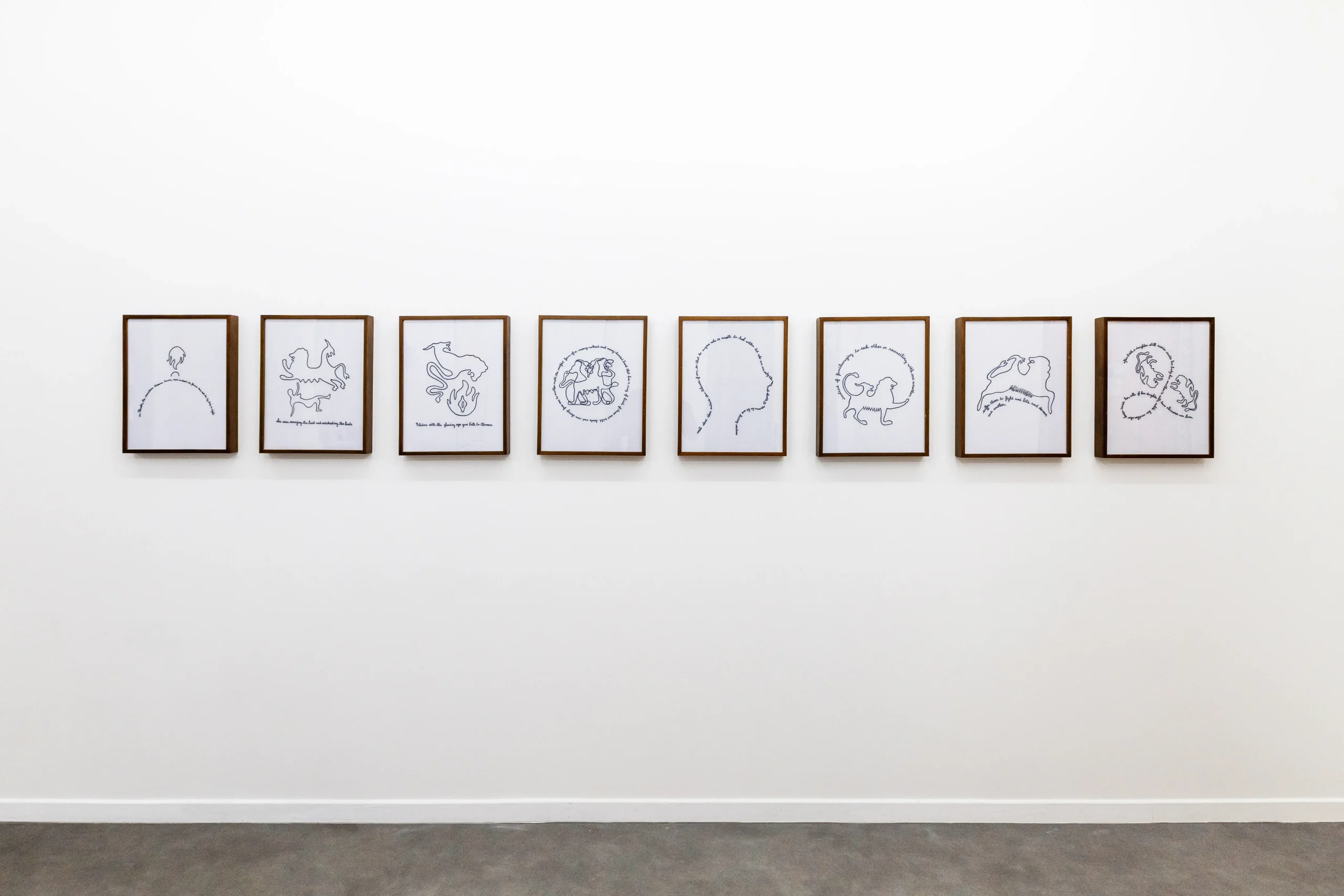
Why are there fewer and fewer entirely human figures in my work? As my practice became more figurative, women became serpents, jinn and chimeras, while birds and other animals moved towards the centre of my textiles and installations. The human figure did not disappear, but it no longer seemed sufficient on its own to speak about the living world.
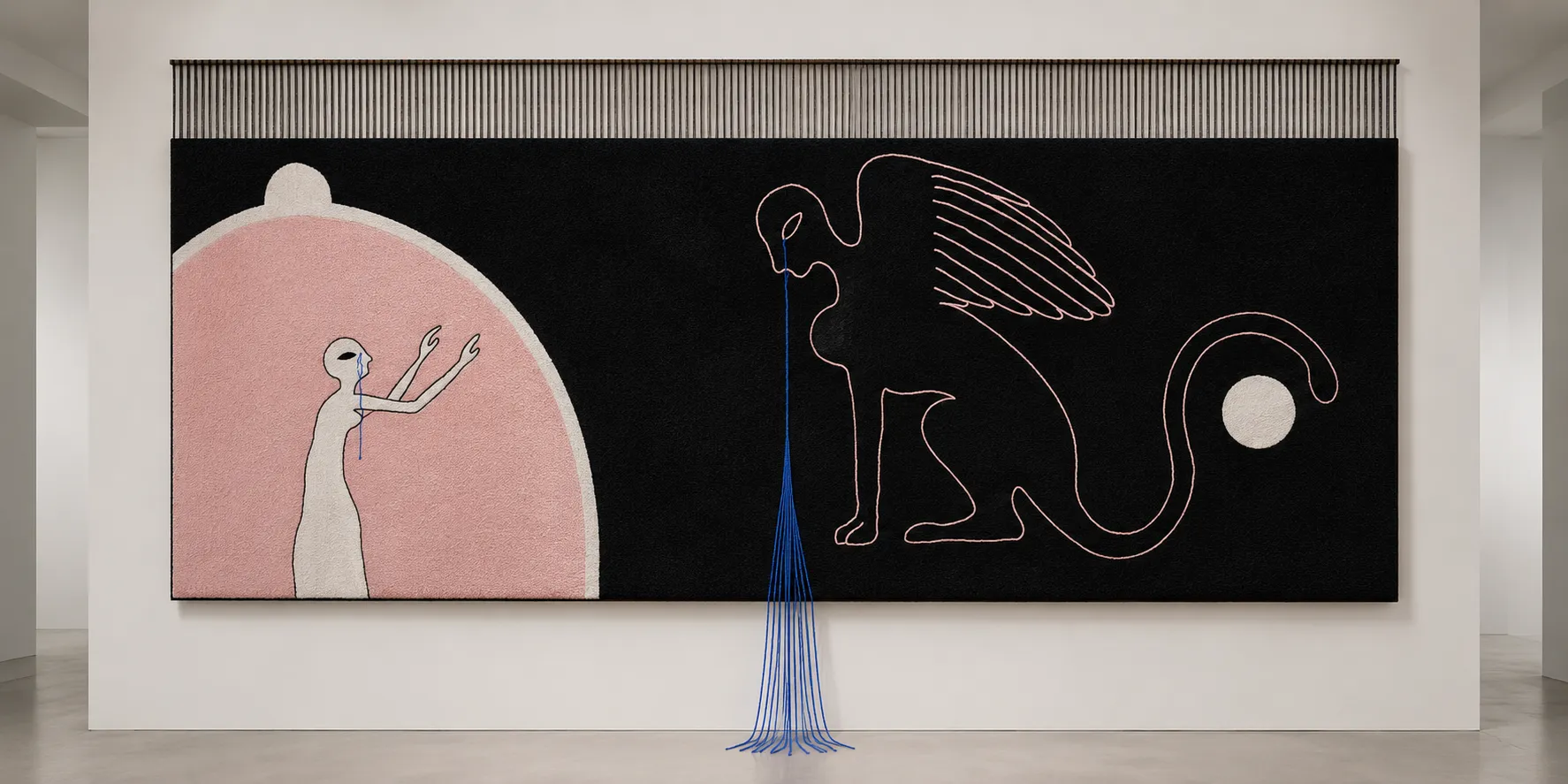
How did my father's death change my work? It did not give me an entirely new subject. It changed my relationship to time, making finitude physical and irreversible, and altering the weight of questions that had already structured my work for years. Repetition, transformation and the circulation of images remained, but they began to require bodies capable of carrying absence.
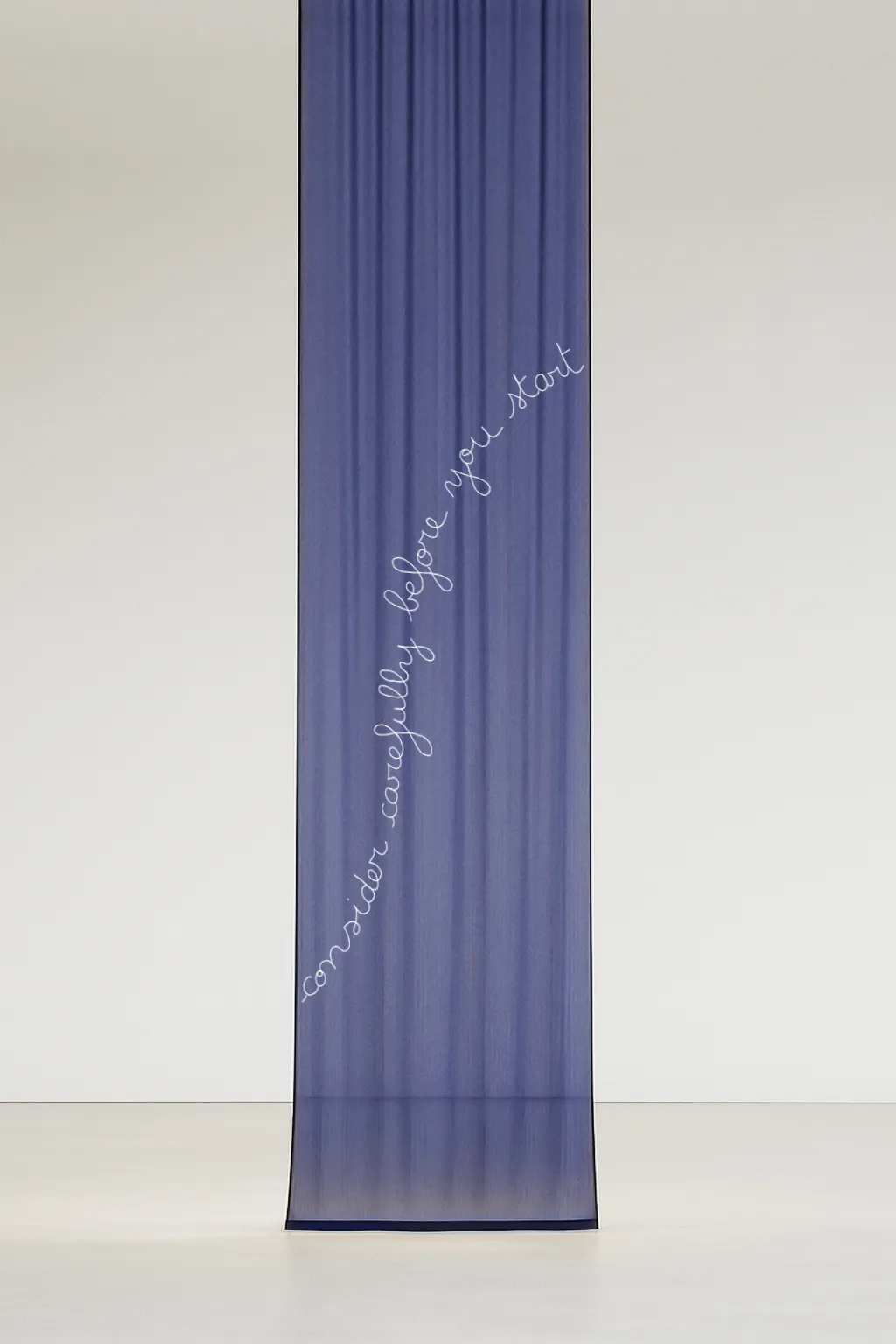
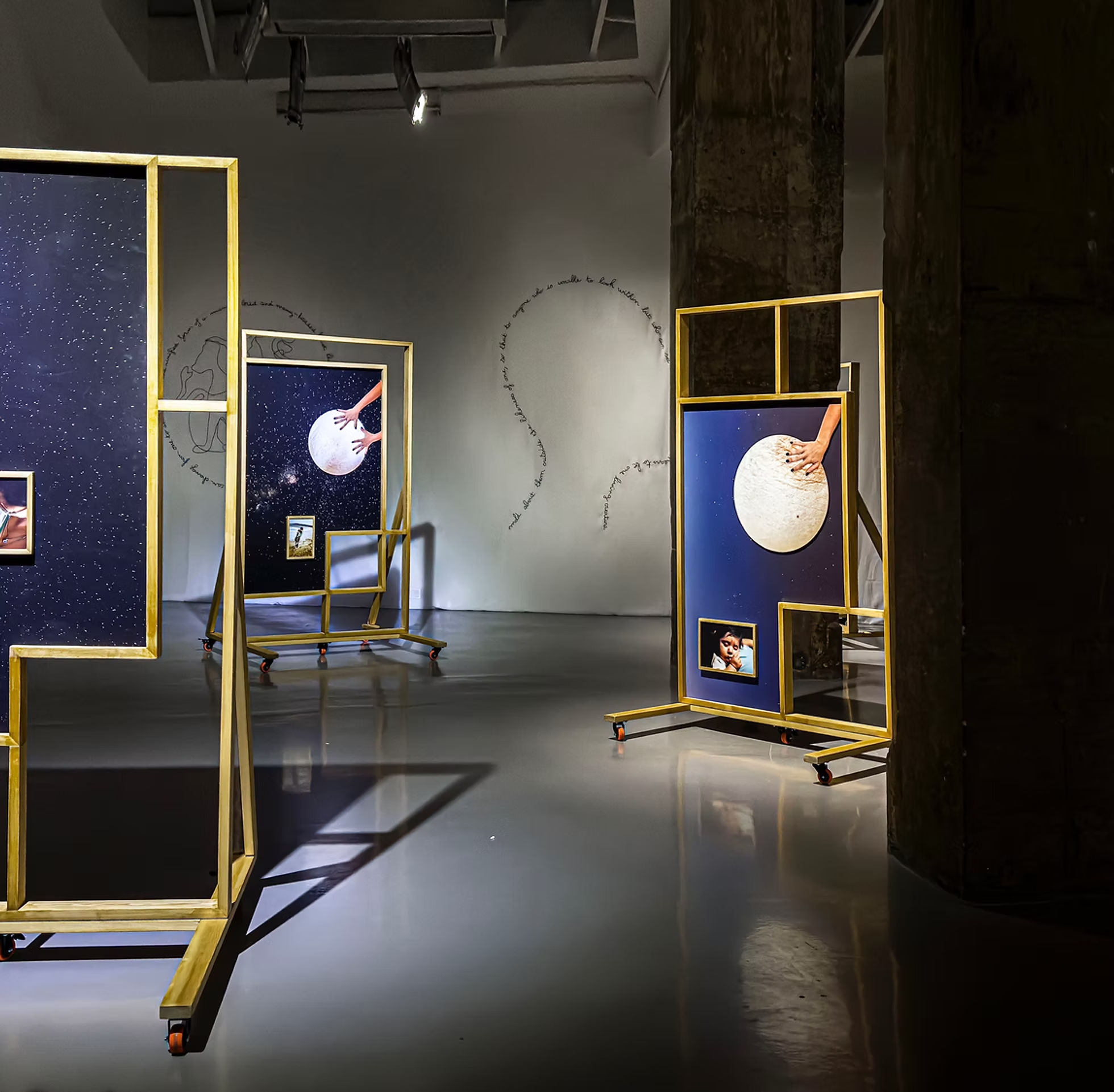
Does an artwork need to arrive at a finished, stable meaning? My work repeatedly returns to forms, bodies and stories caught between several states, where what came before has not disappeared and what comes next has not fully settled. I have come to understand this in-between not as incompletion, but as the place where meaning remains most alive.
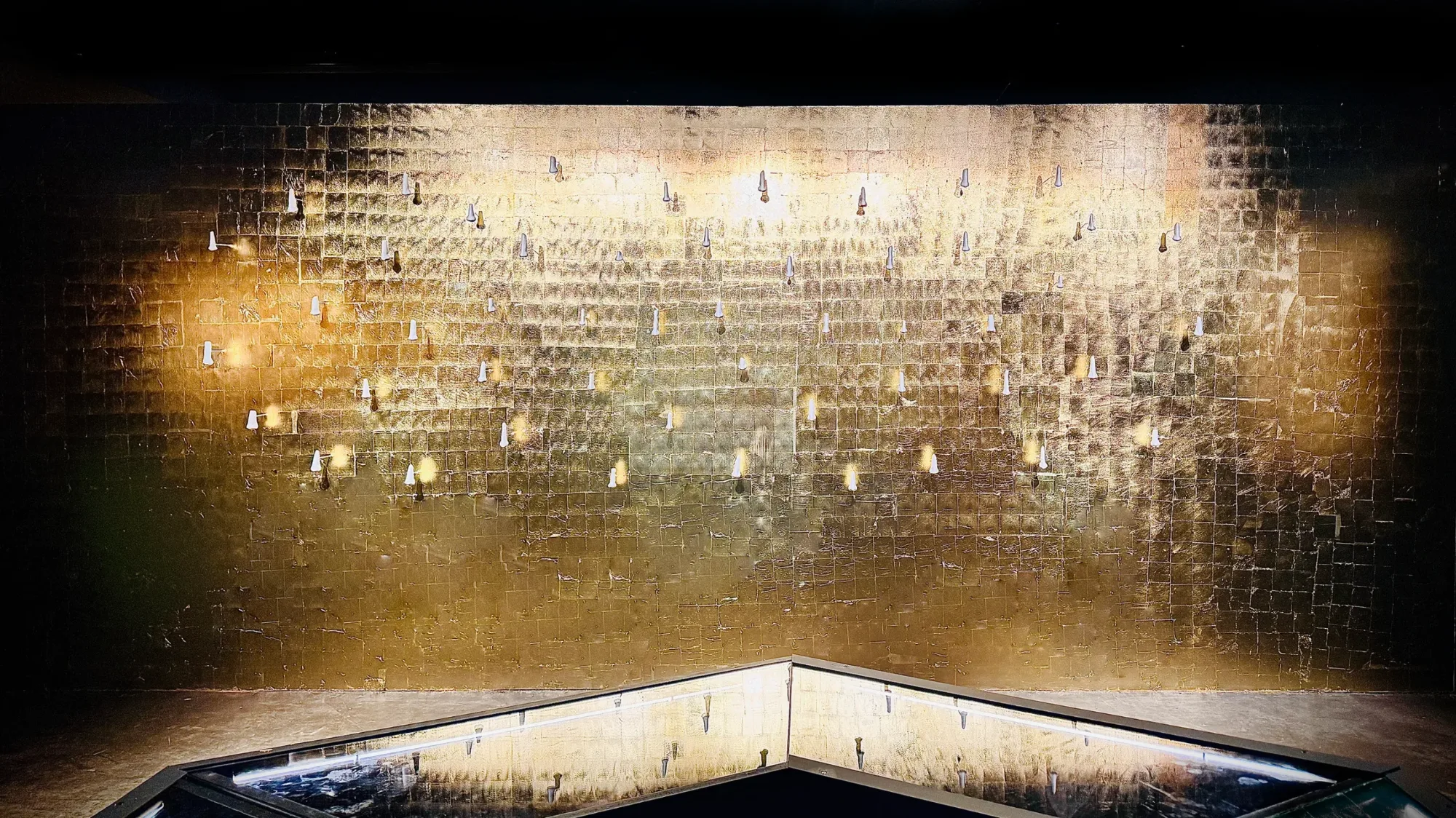
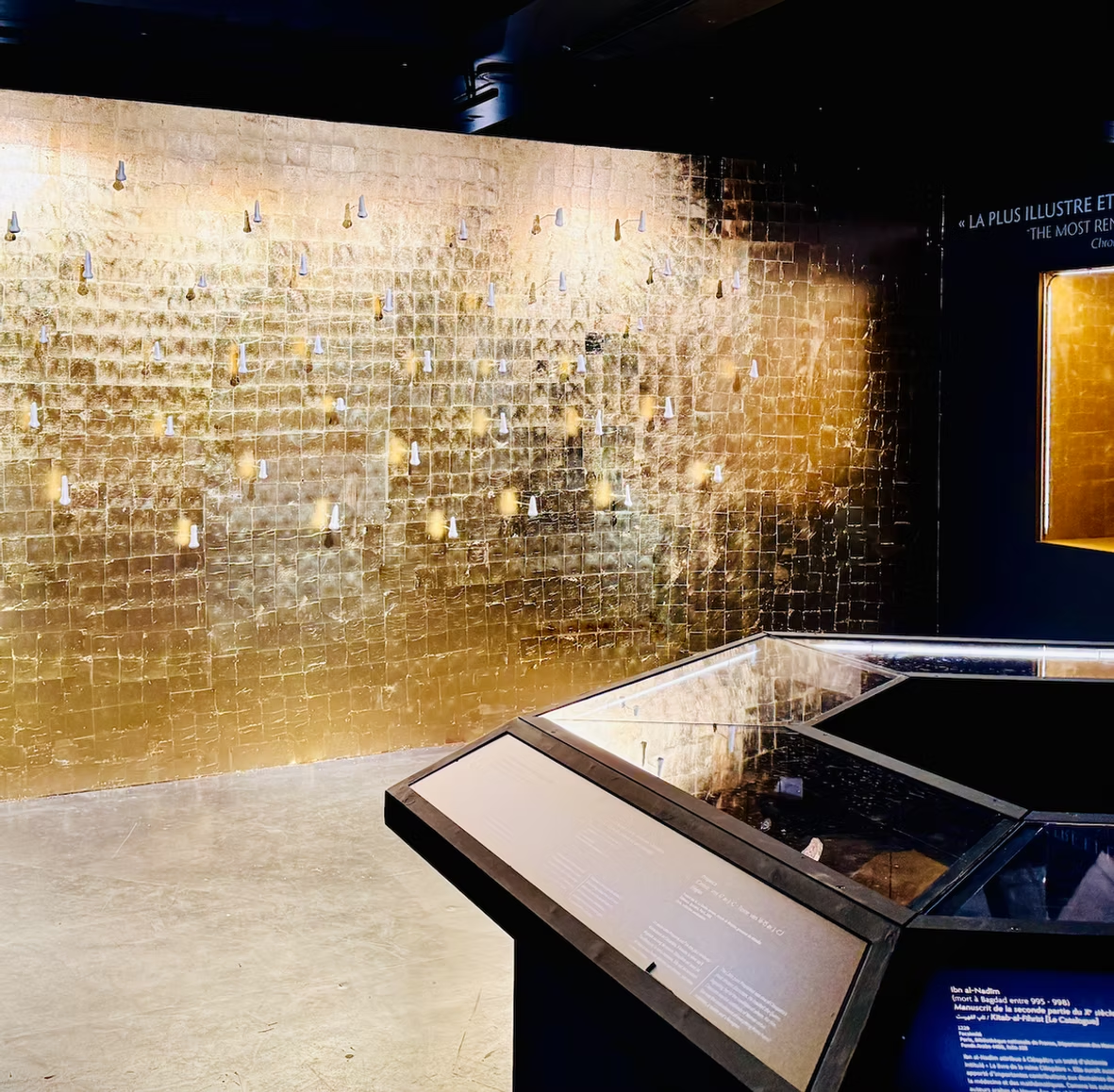
How did Cleopatra change the course of my life and work? Cleopatra changed my life by leading me towards Egypt, but also by changing the position from which I understood identity, history and the female body. Through a historical figure claimed by several cultures yet fully belonging to none, I recognised my own life between Greece, France and Egypt — and discovered that an intimate question could enter my work without becoming autobiographical confession.