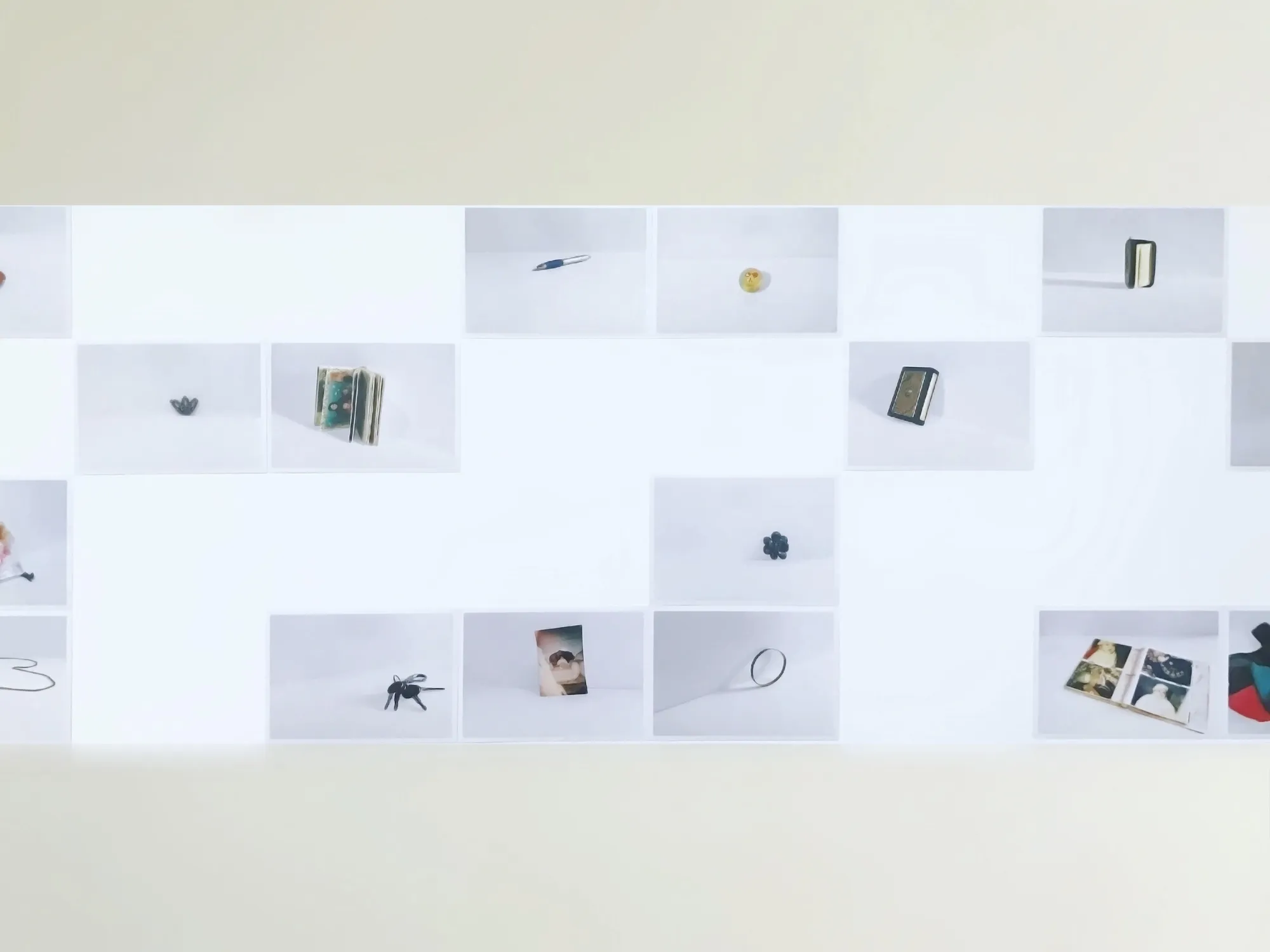
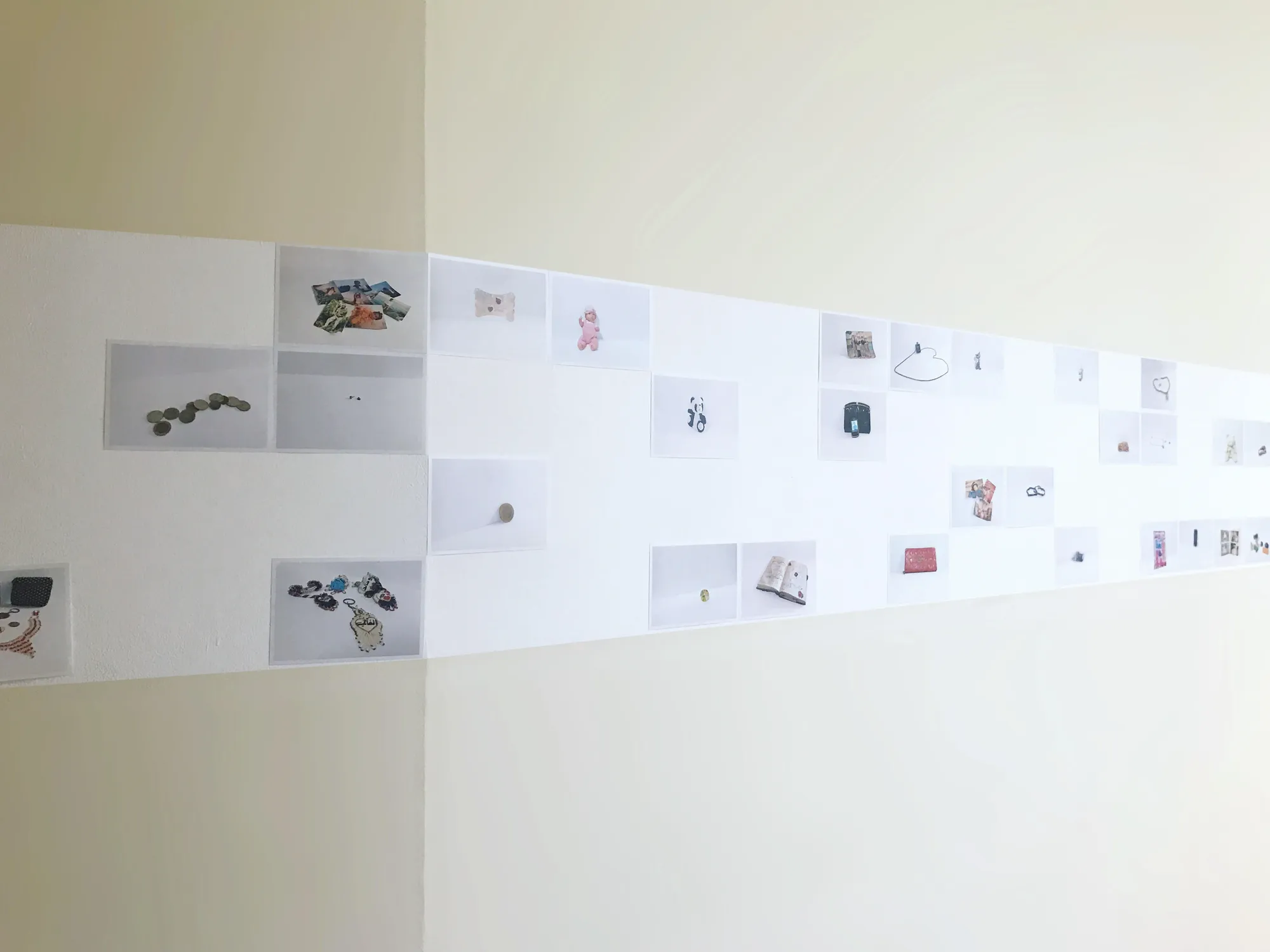
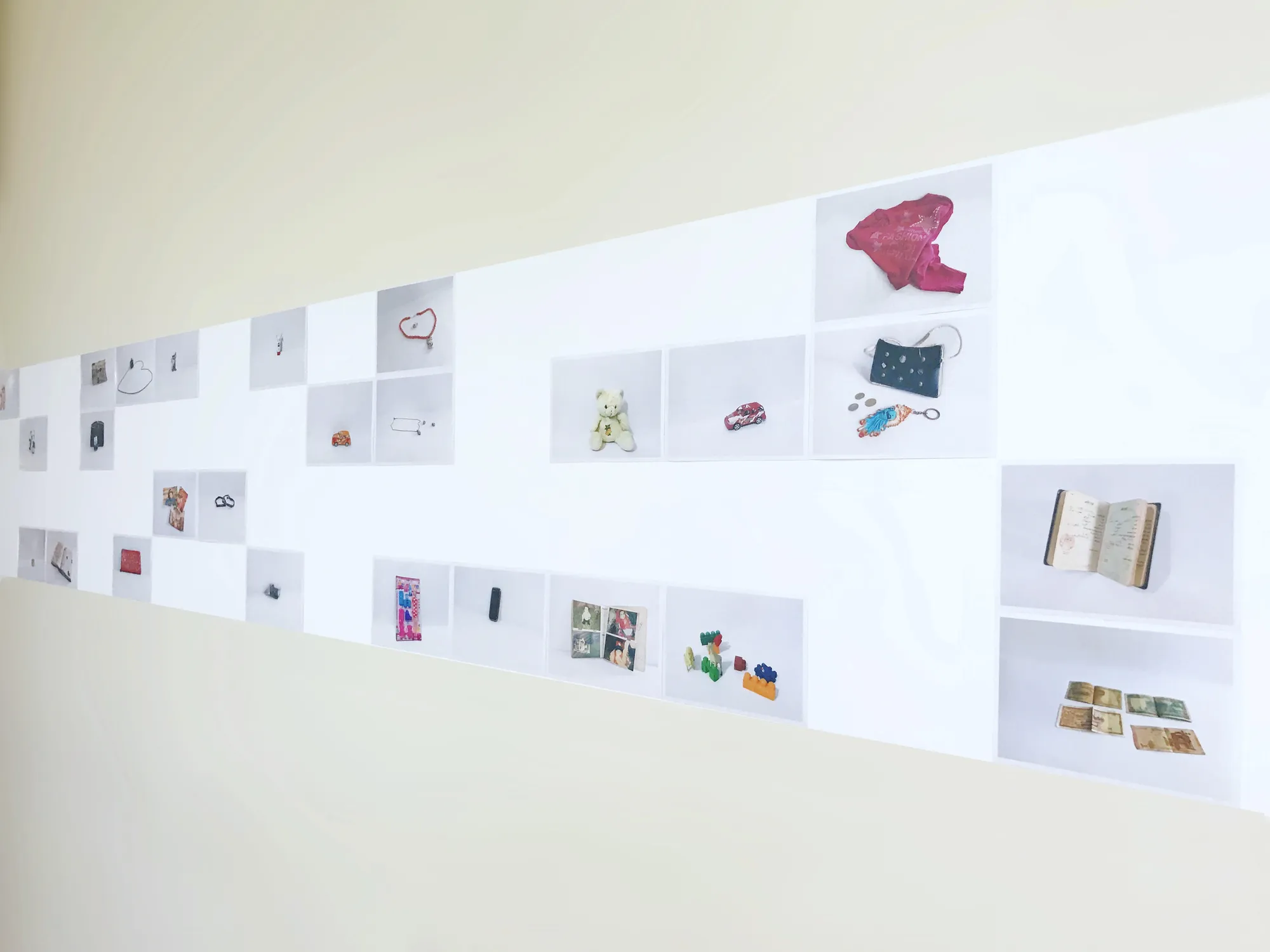
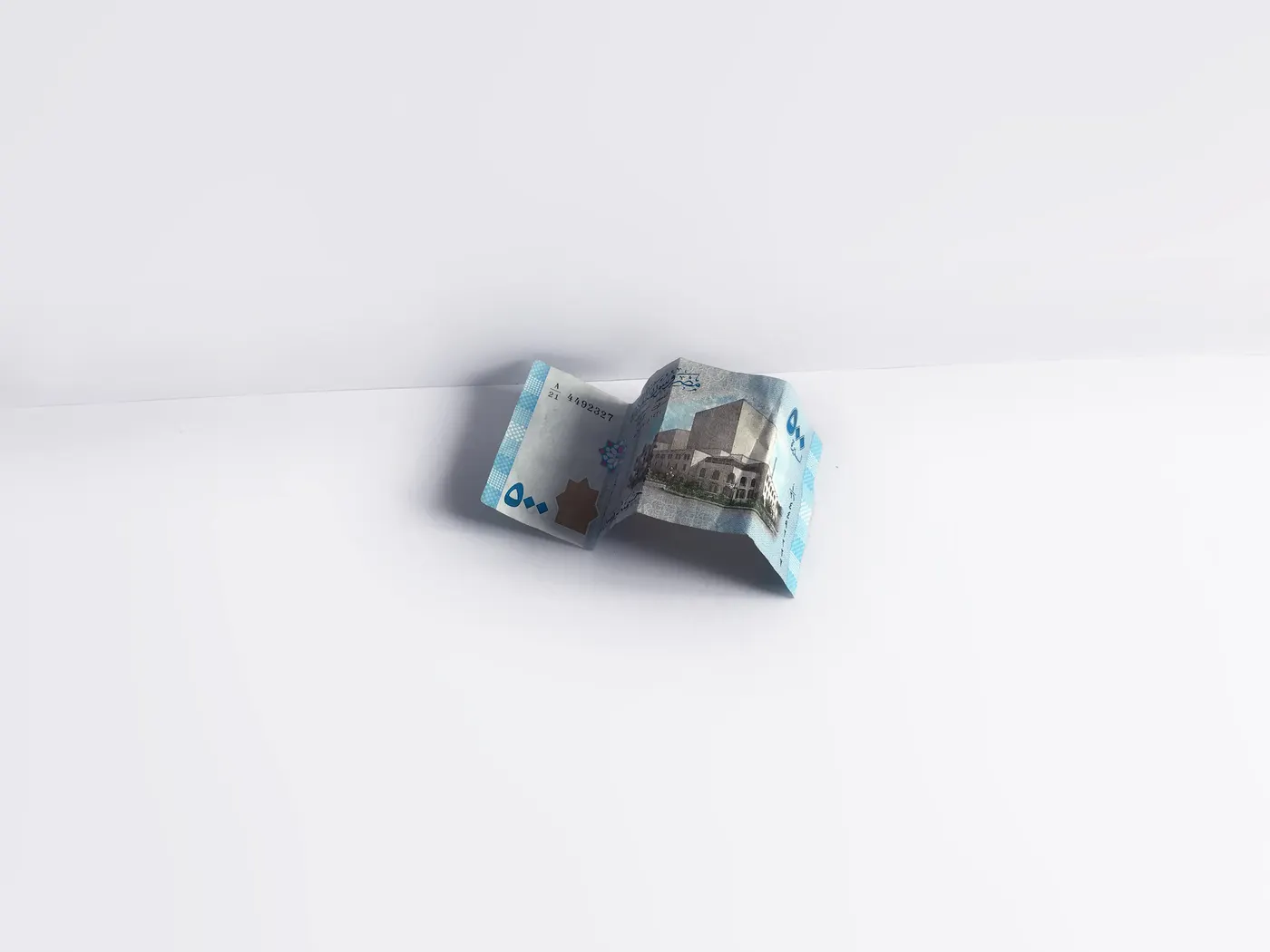
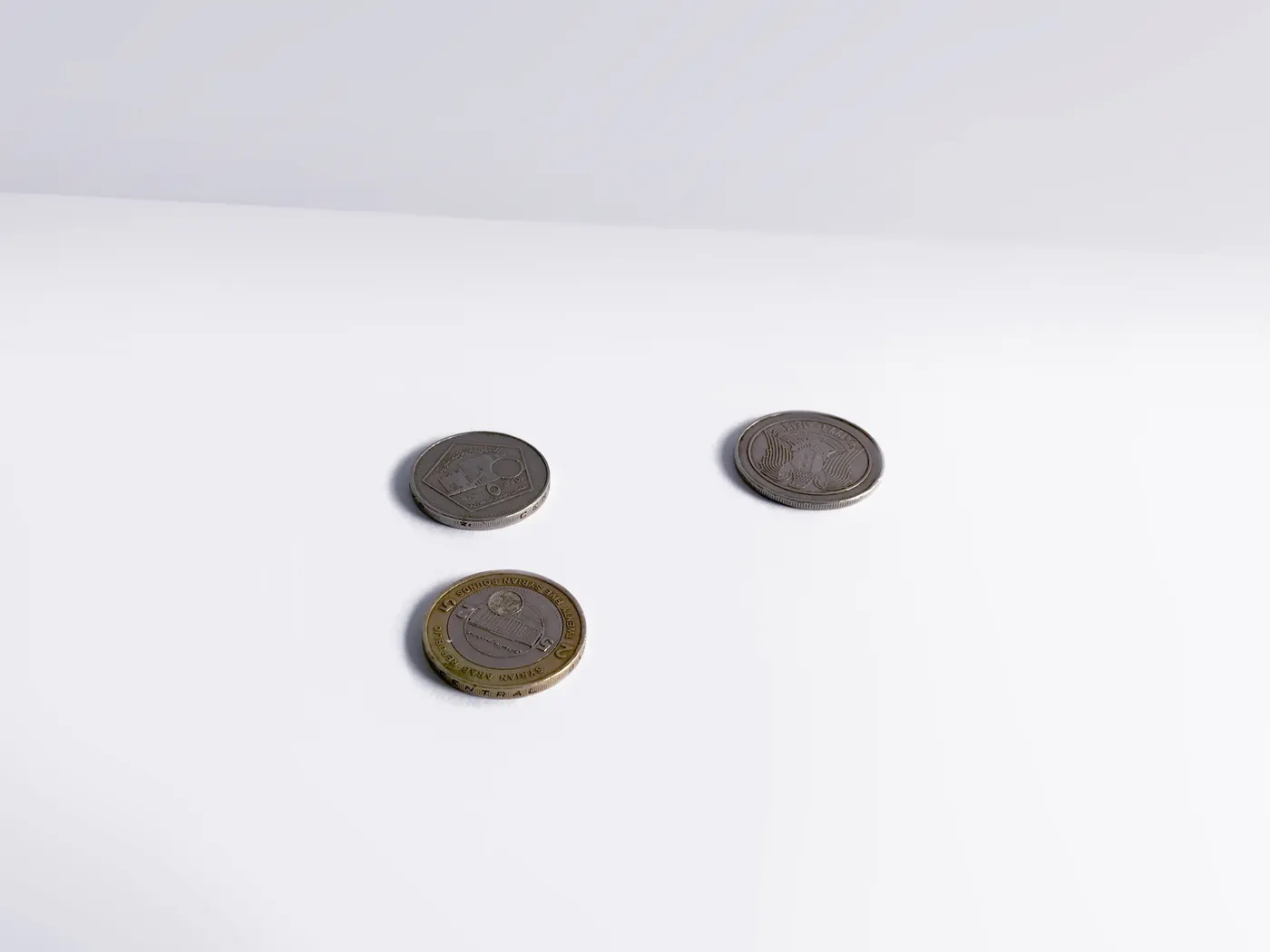
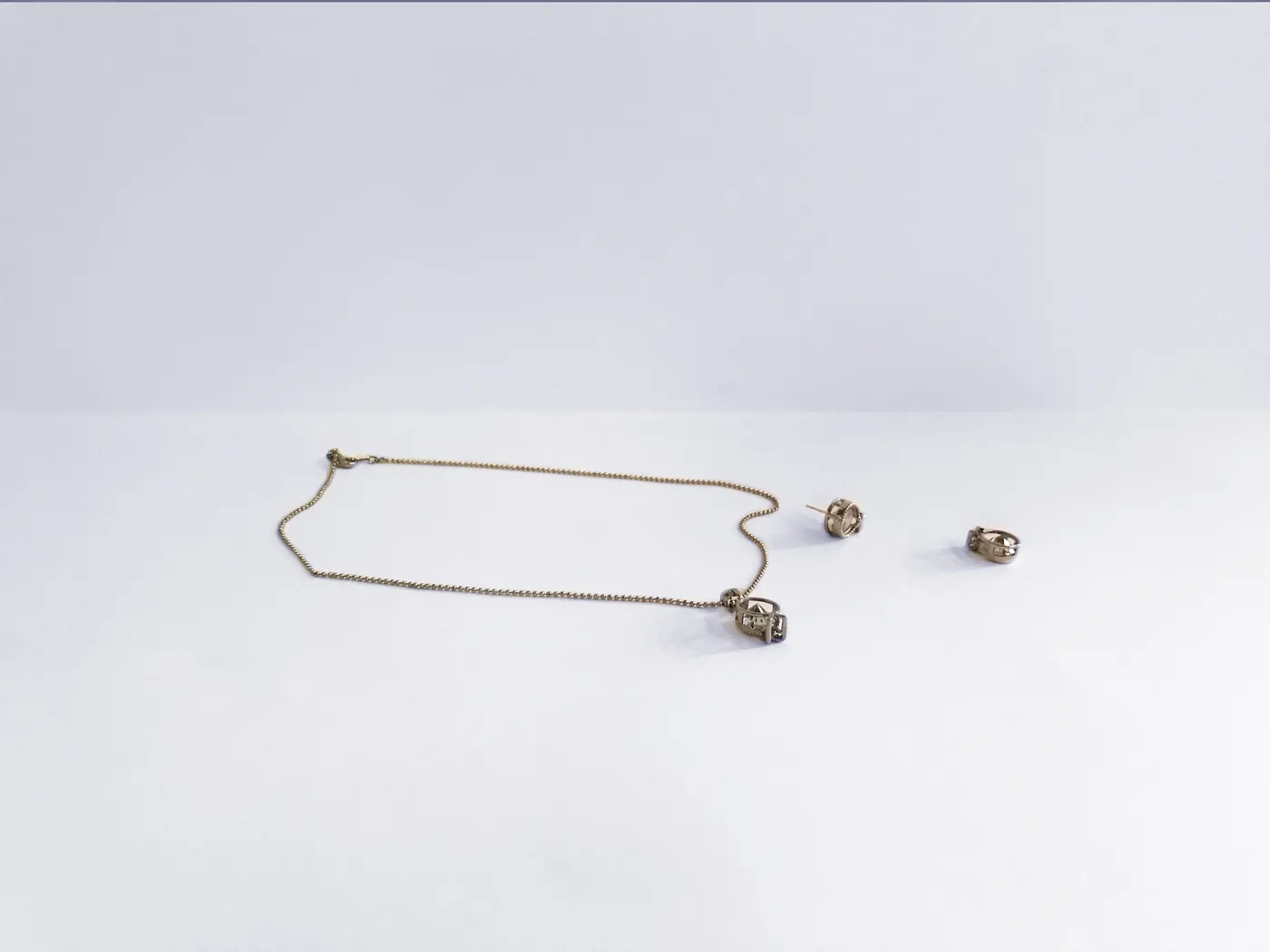
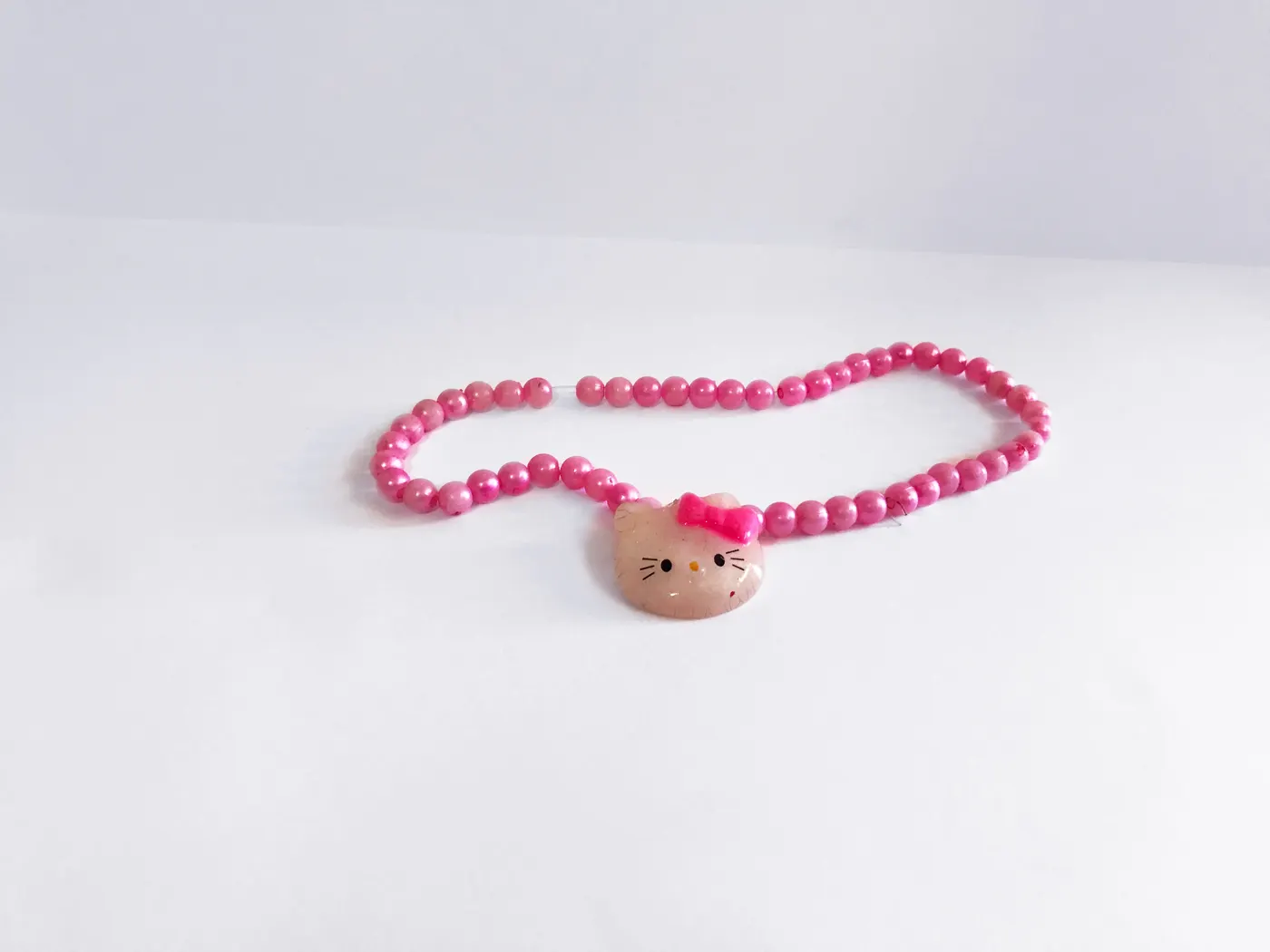
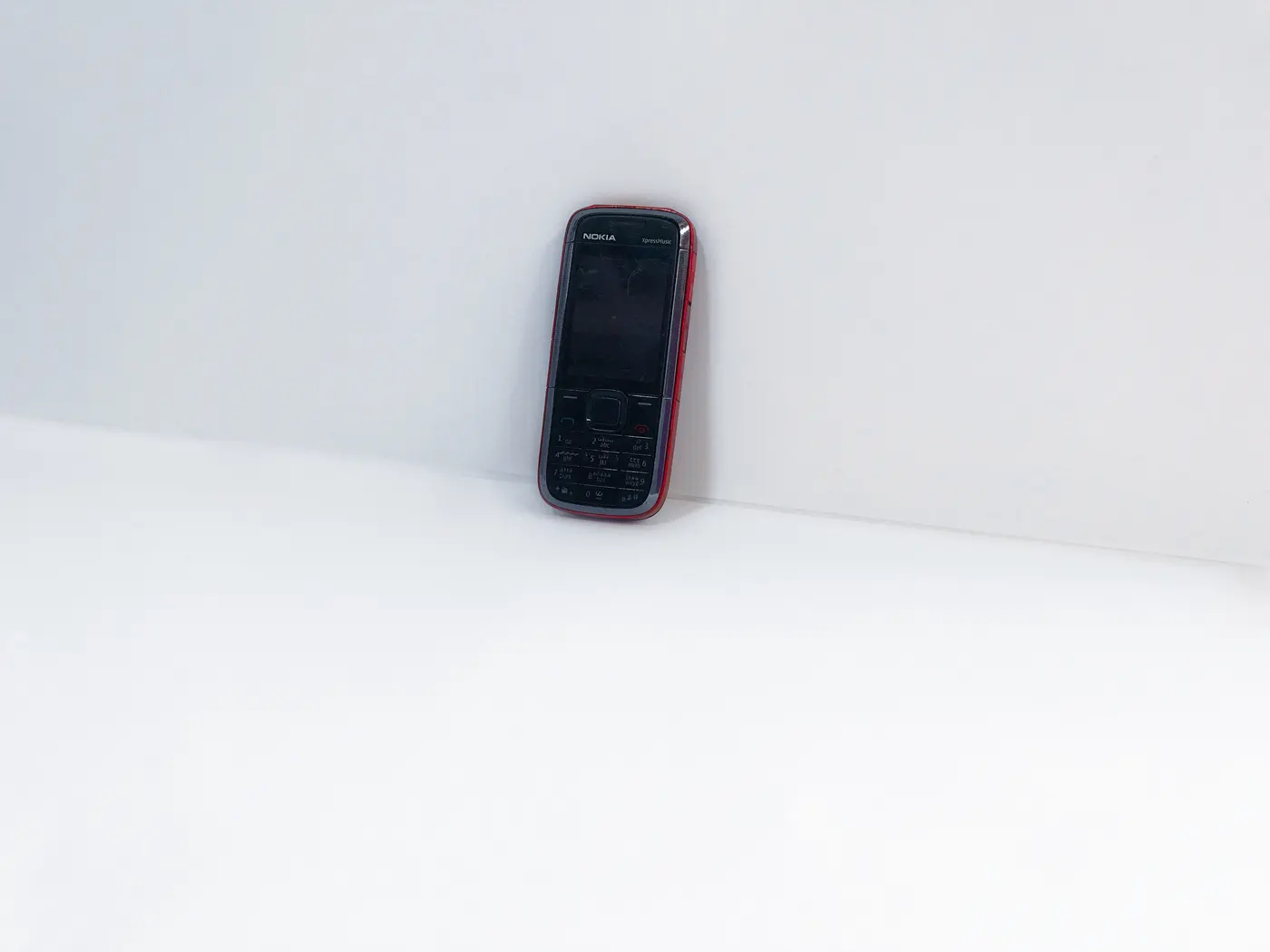
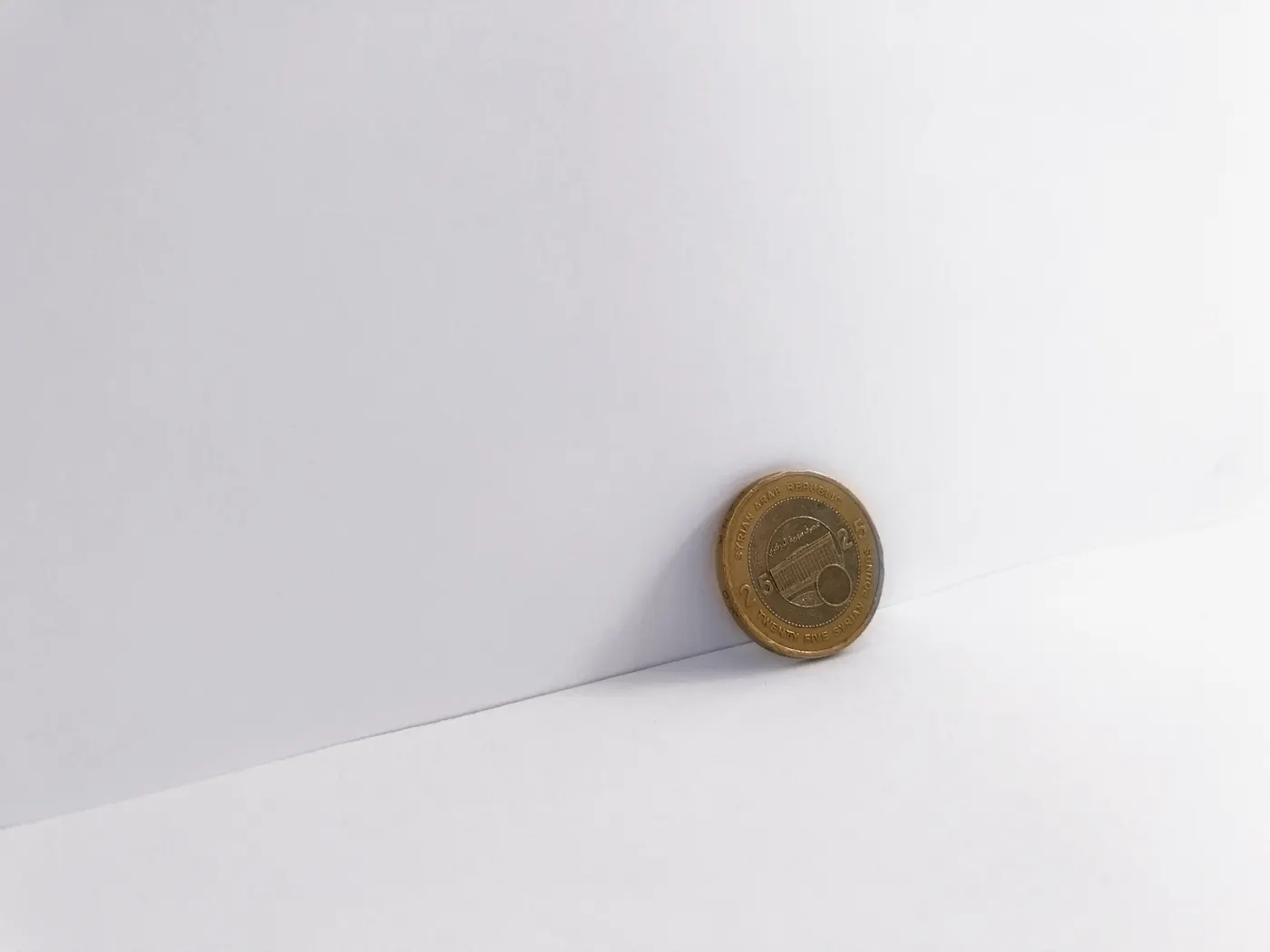
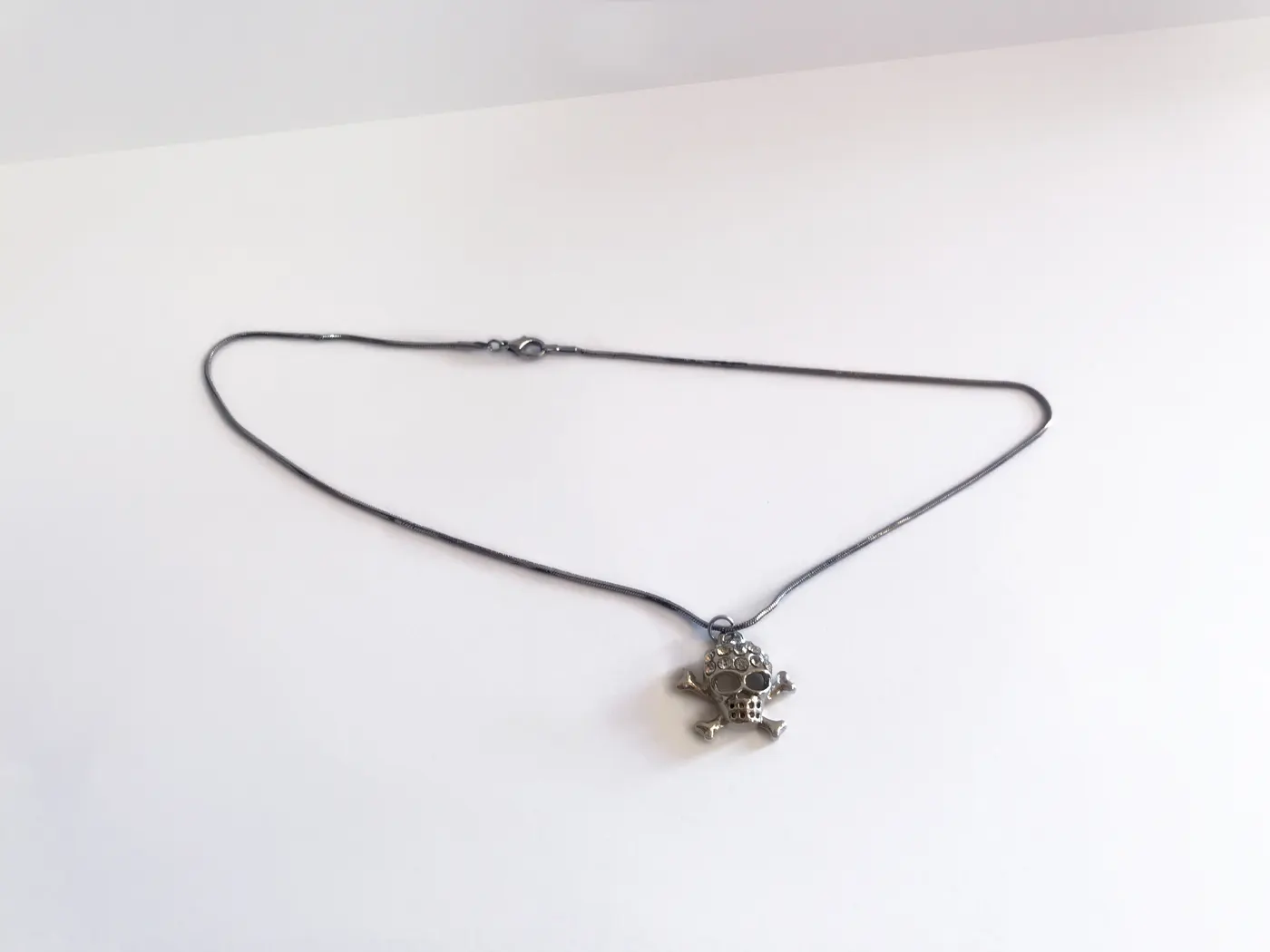
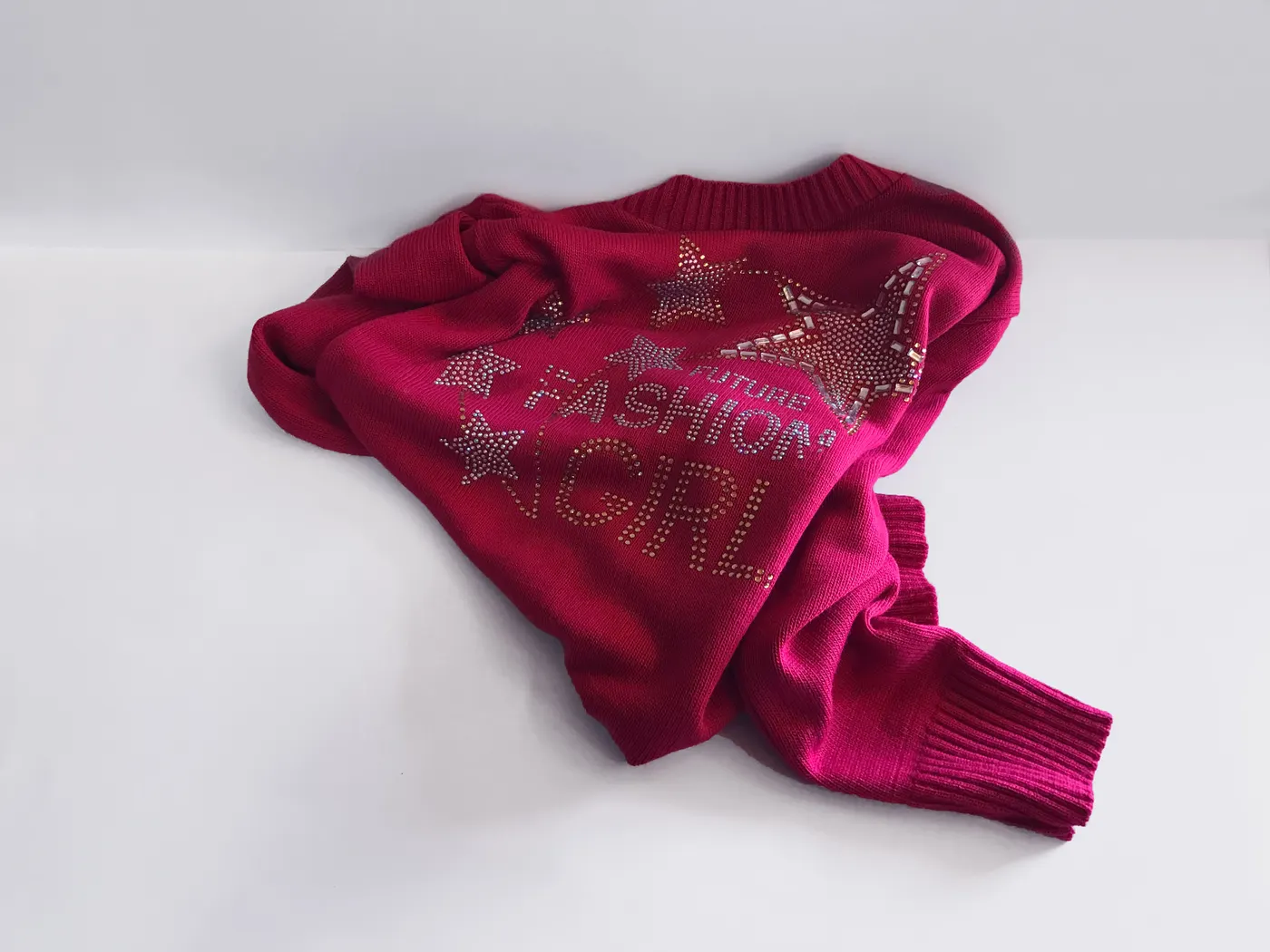
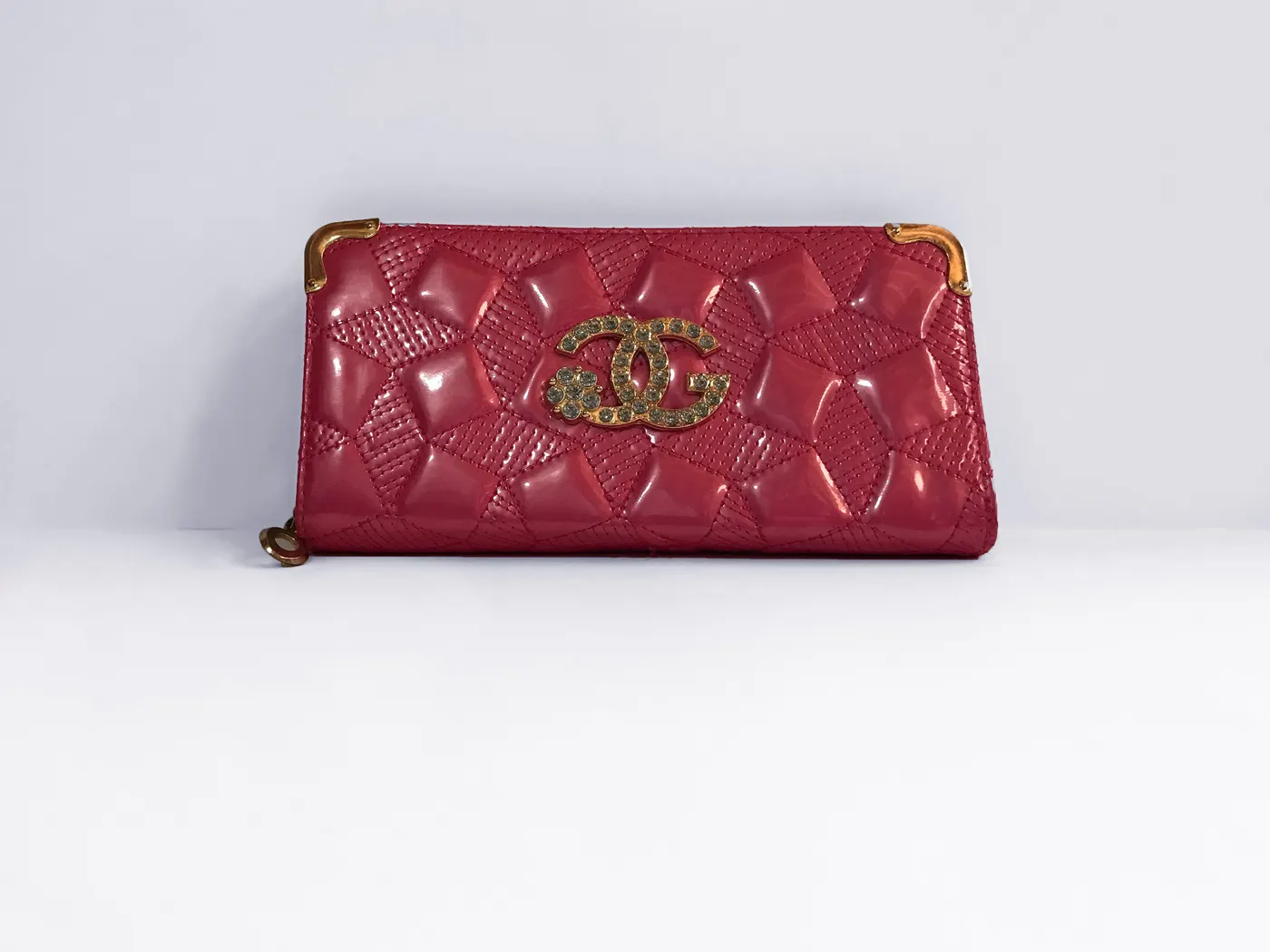
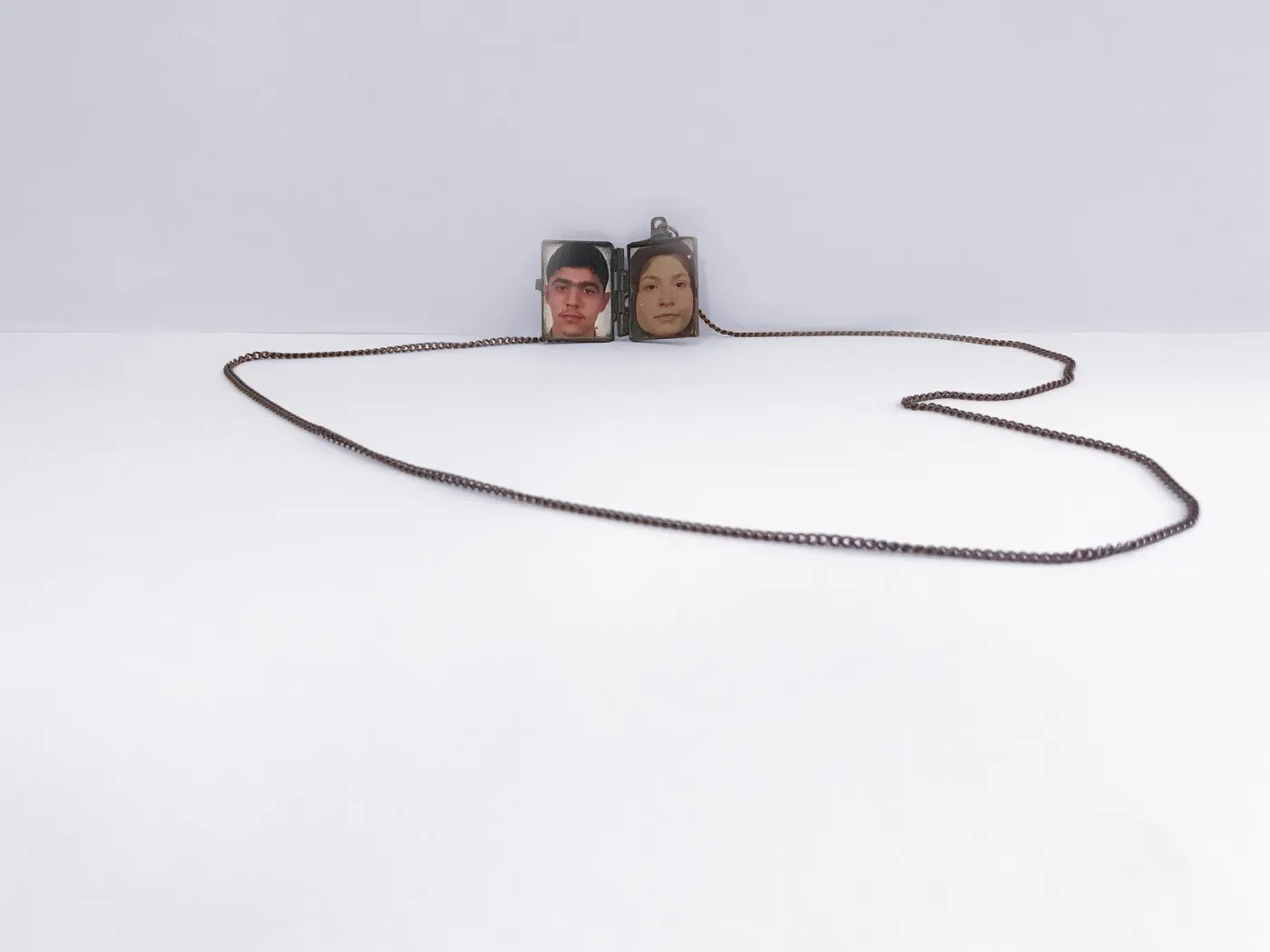
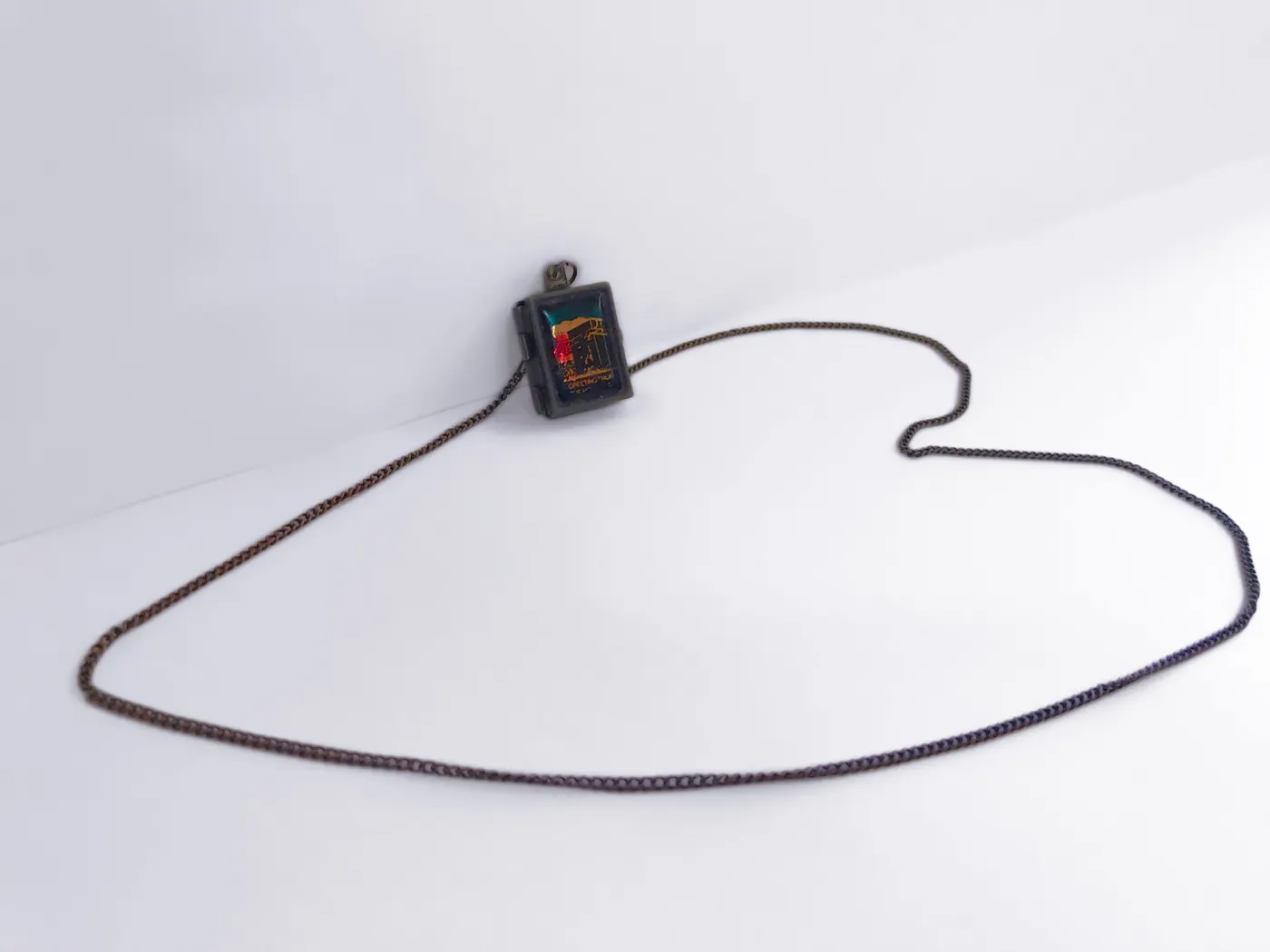
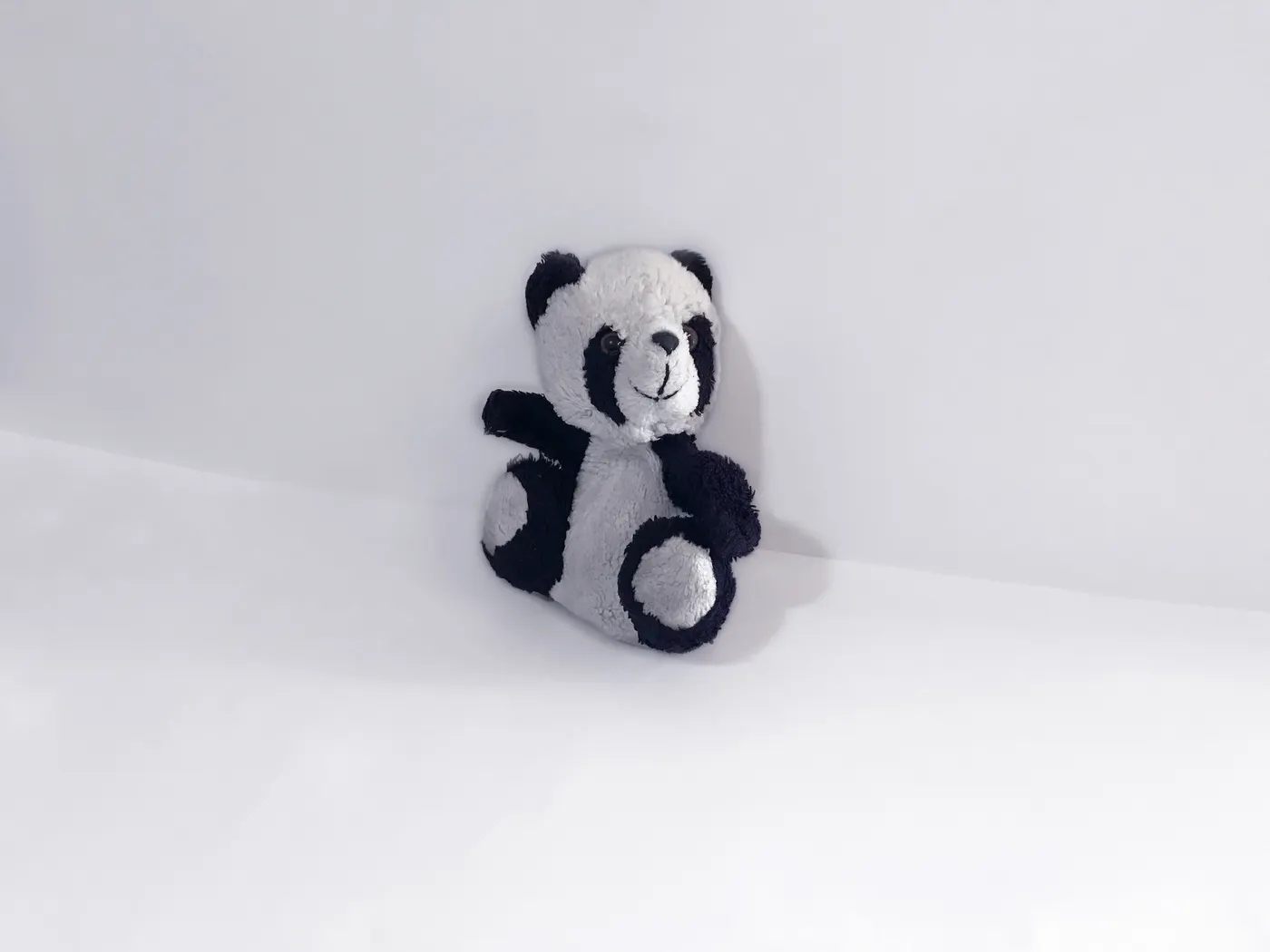
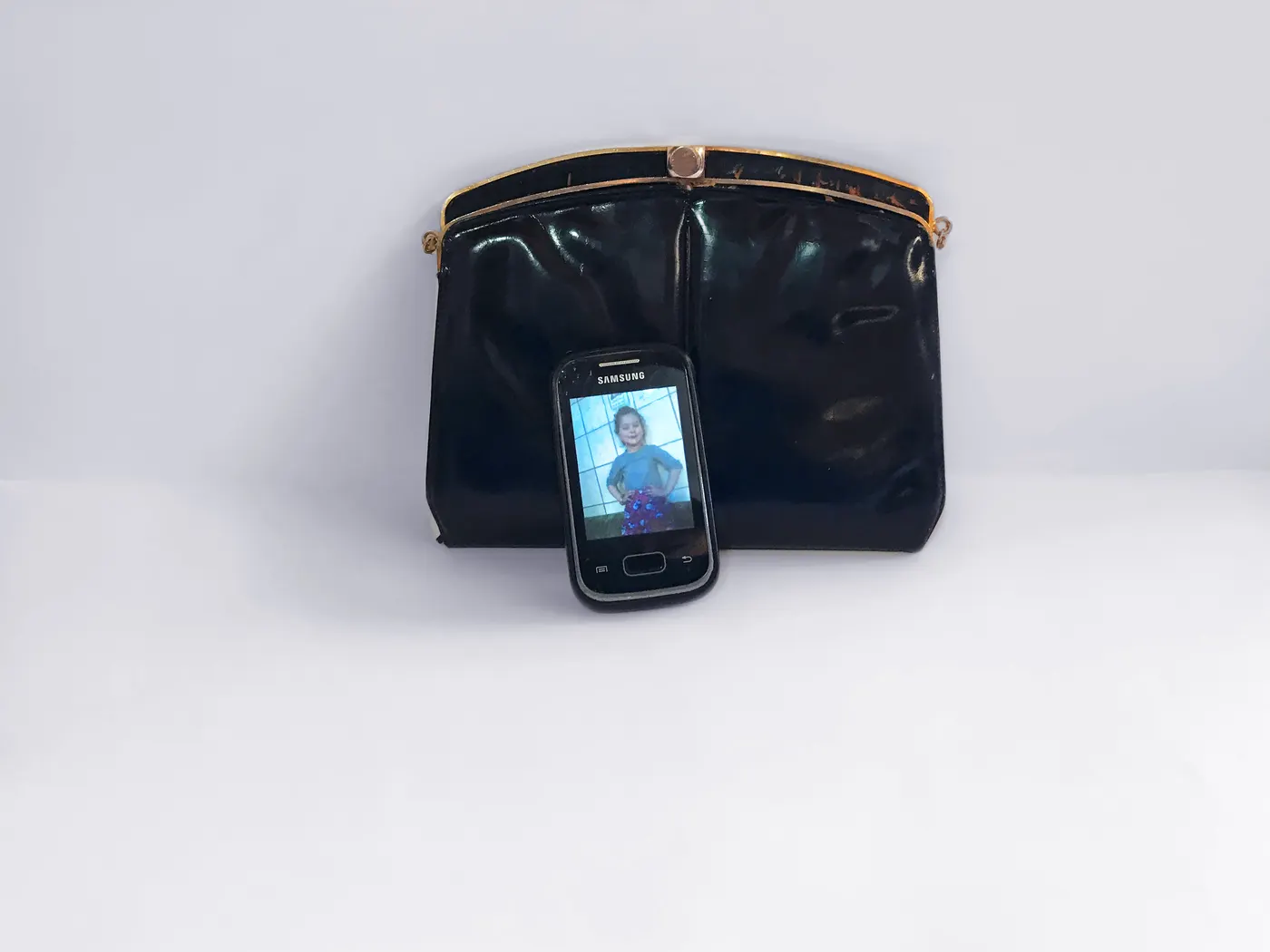
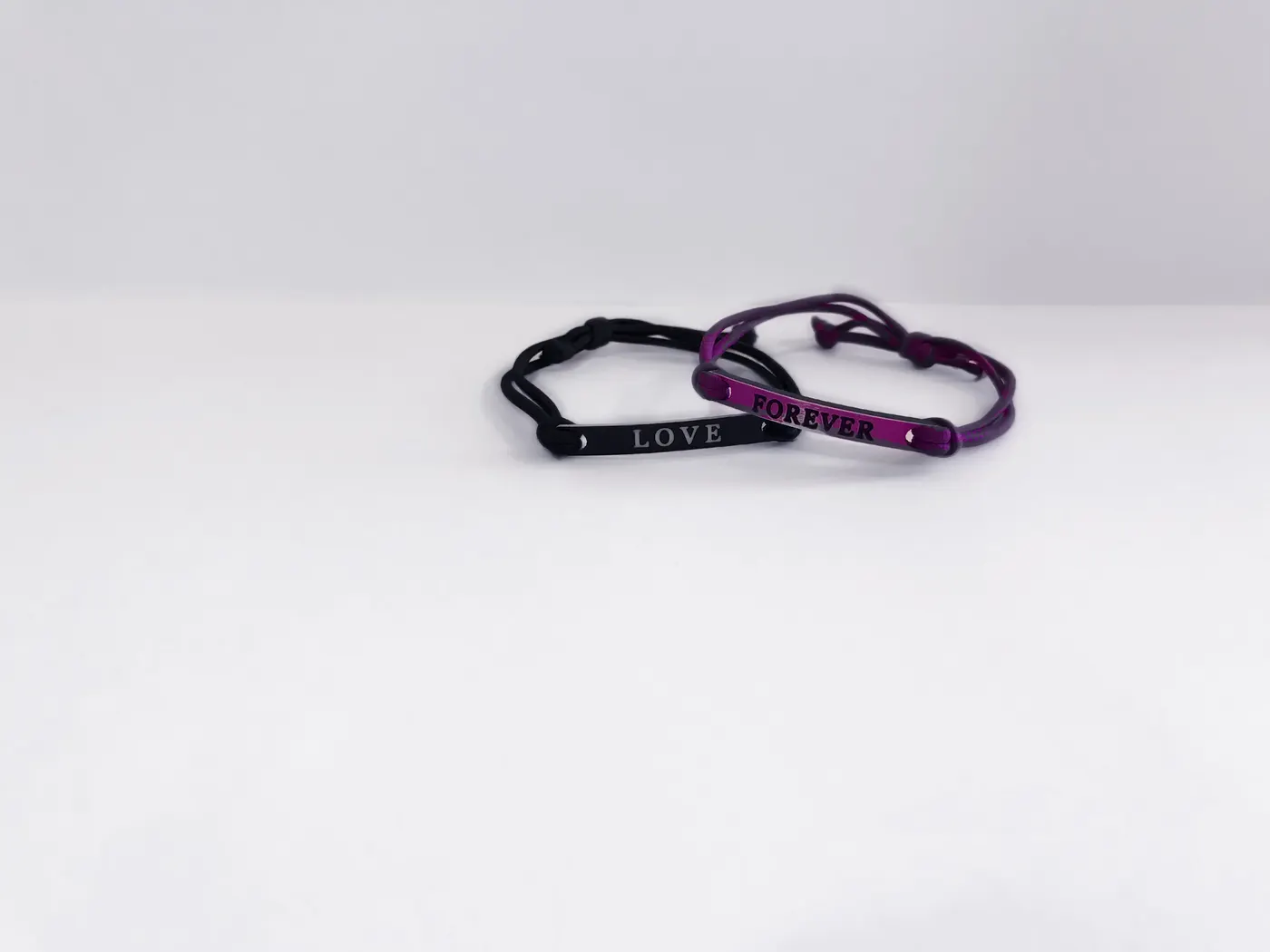
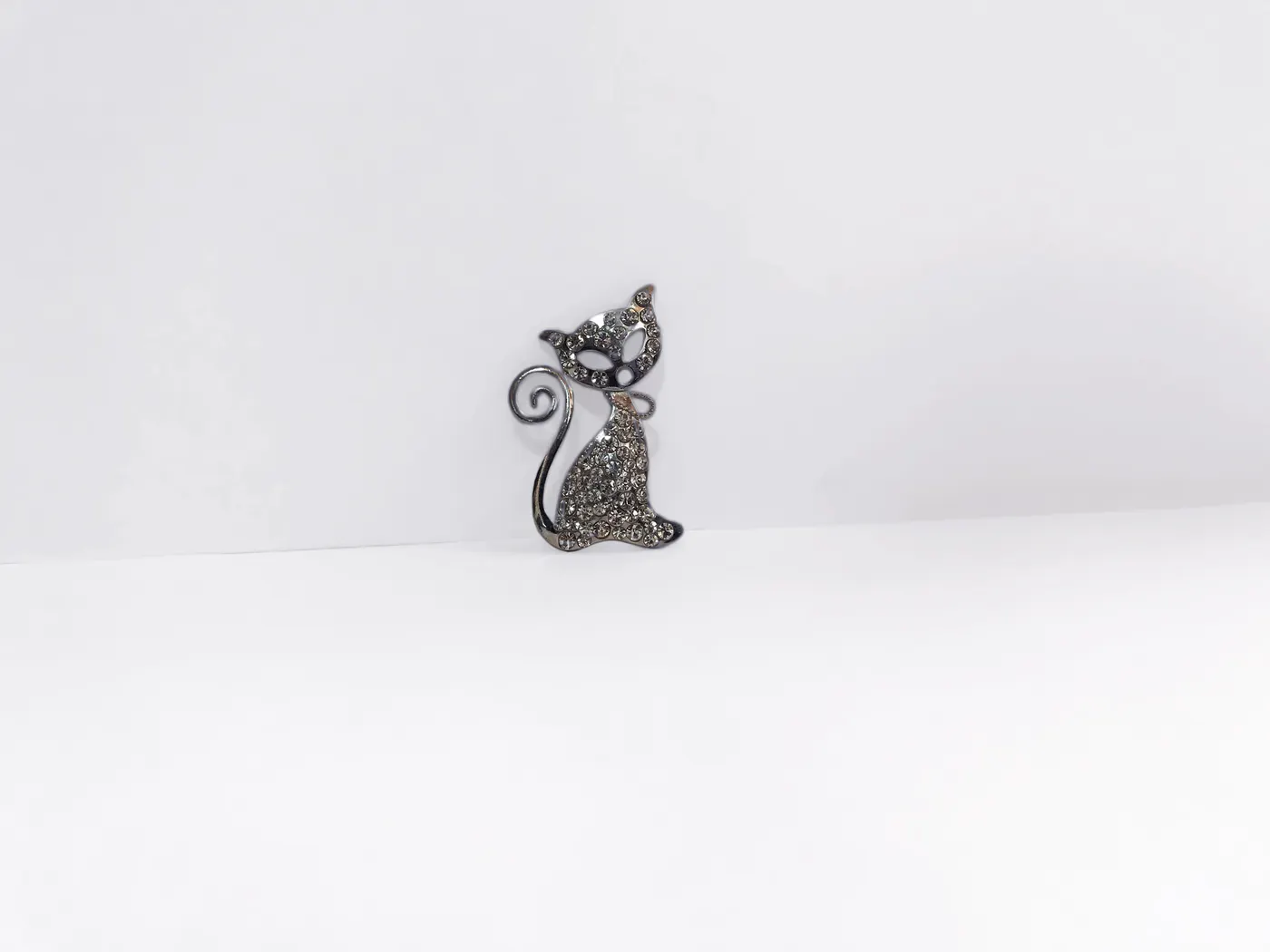
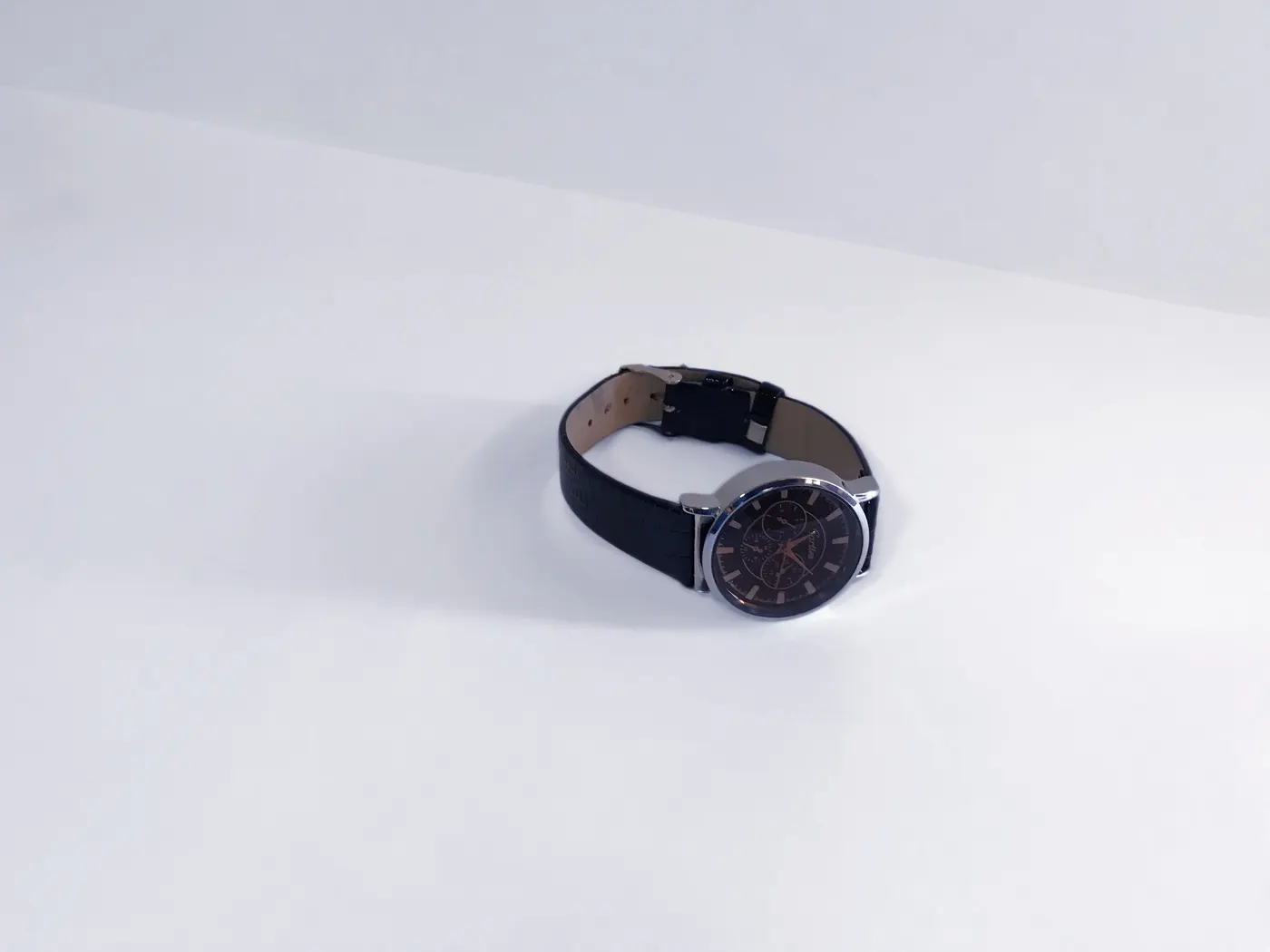
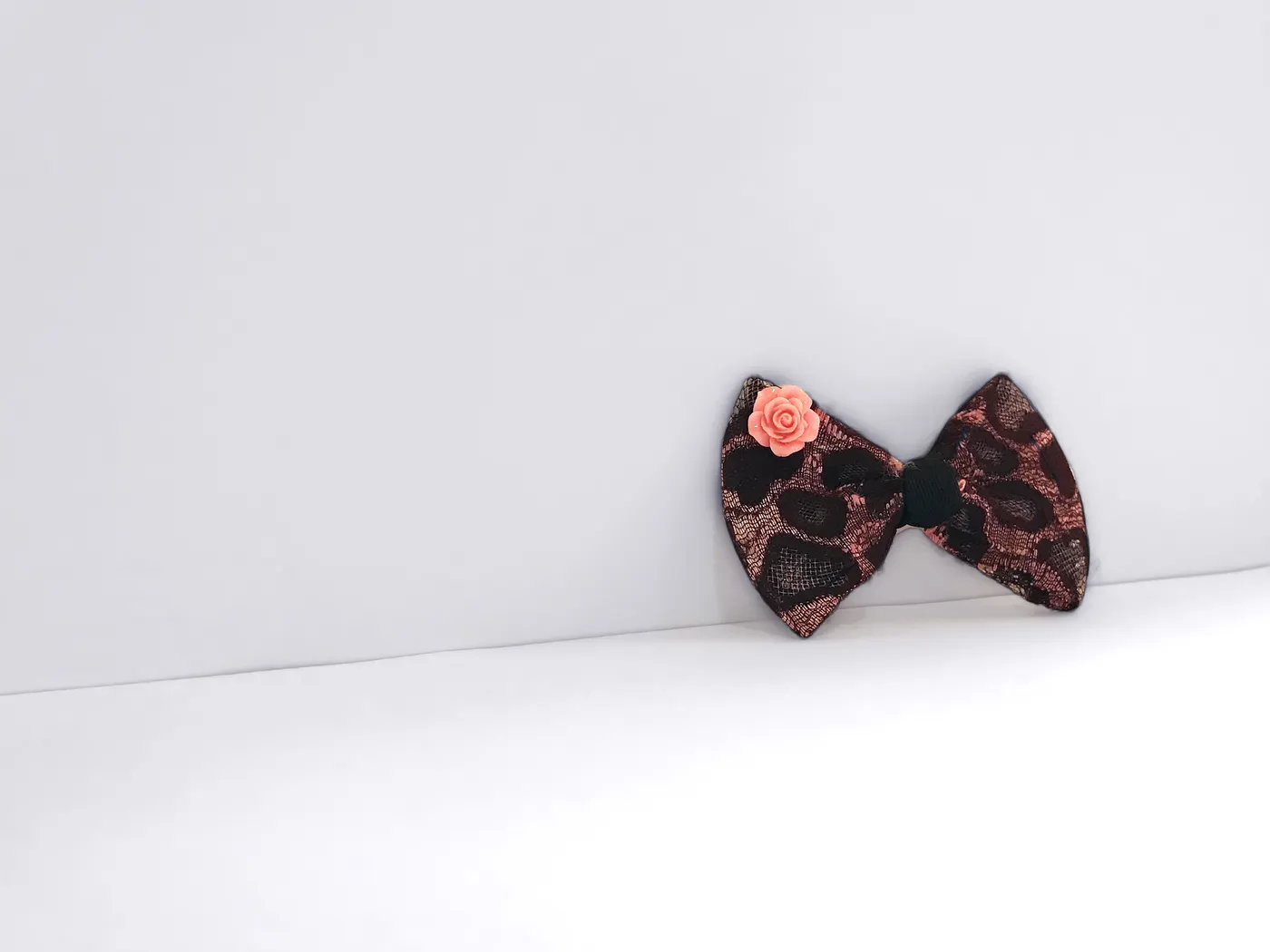
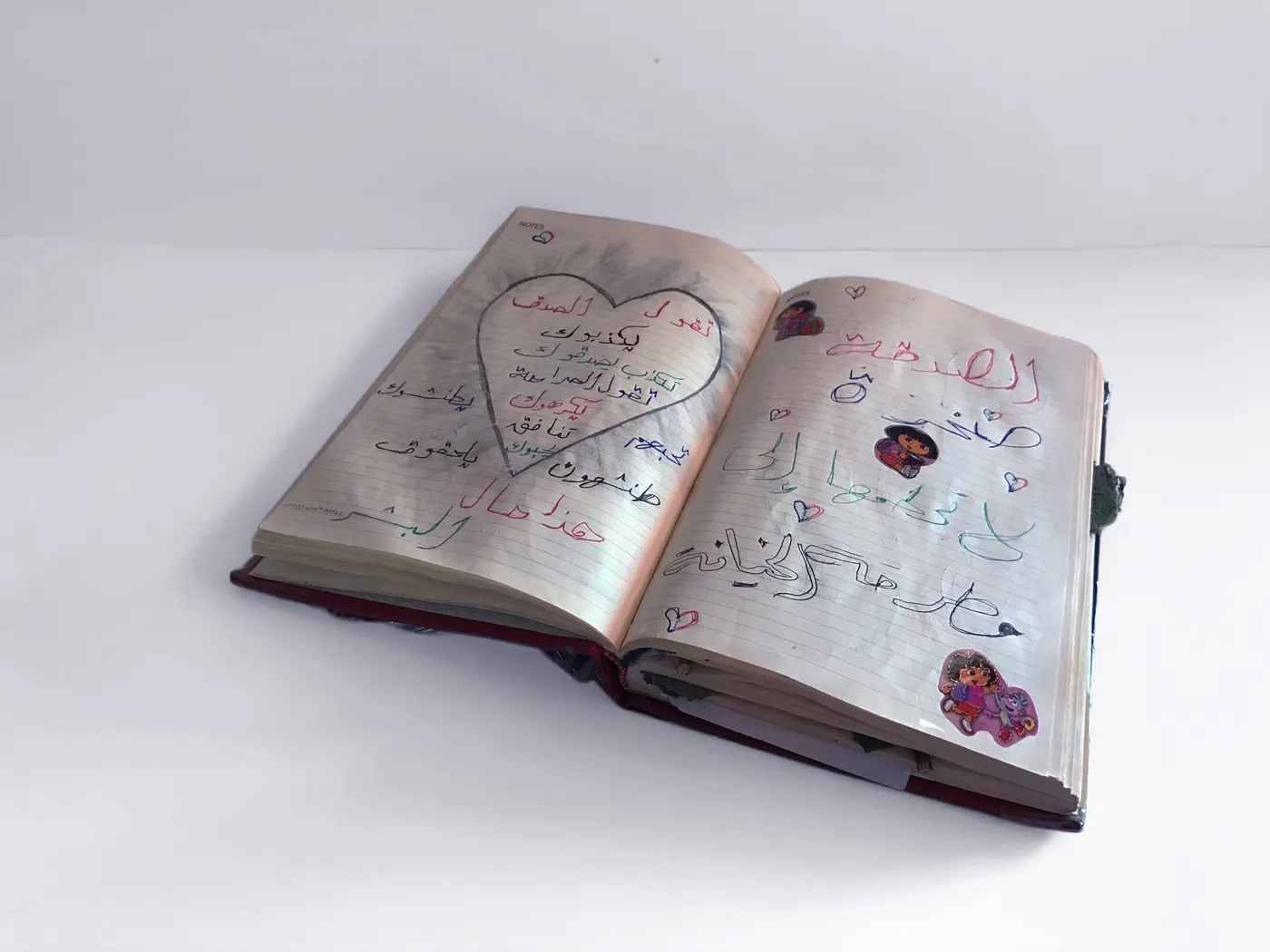
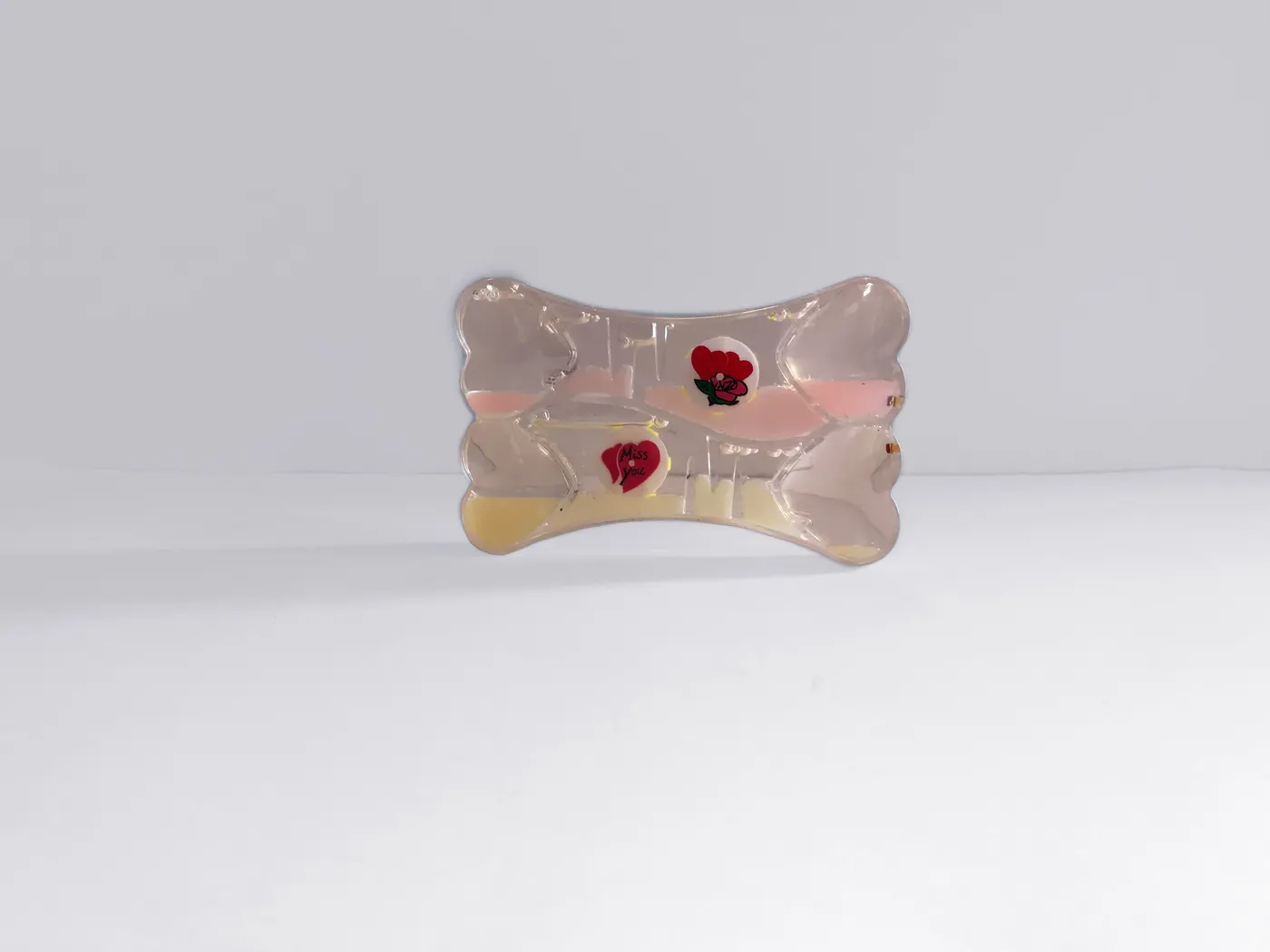
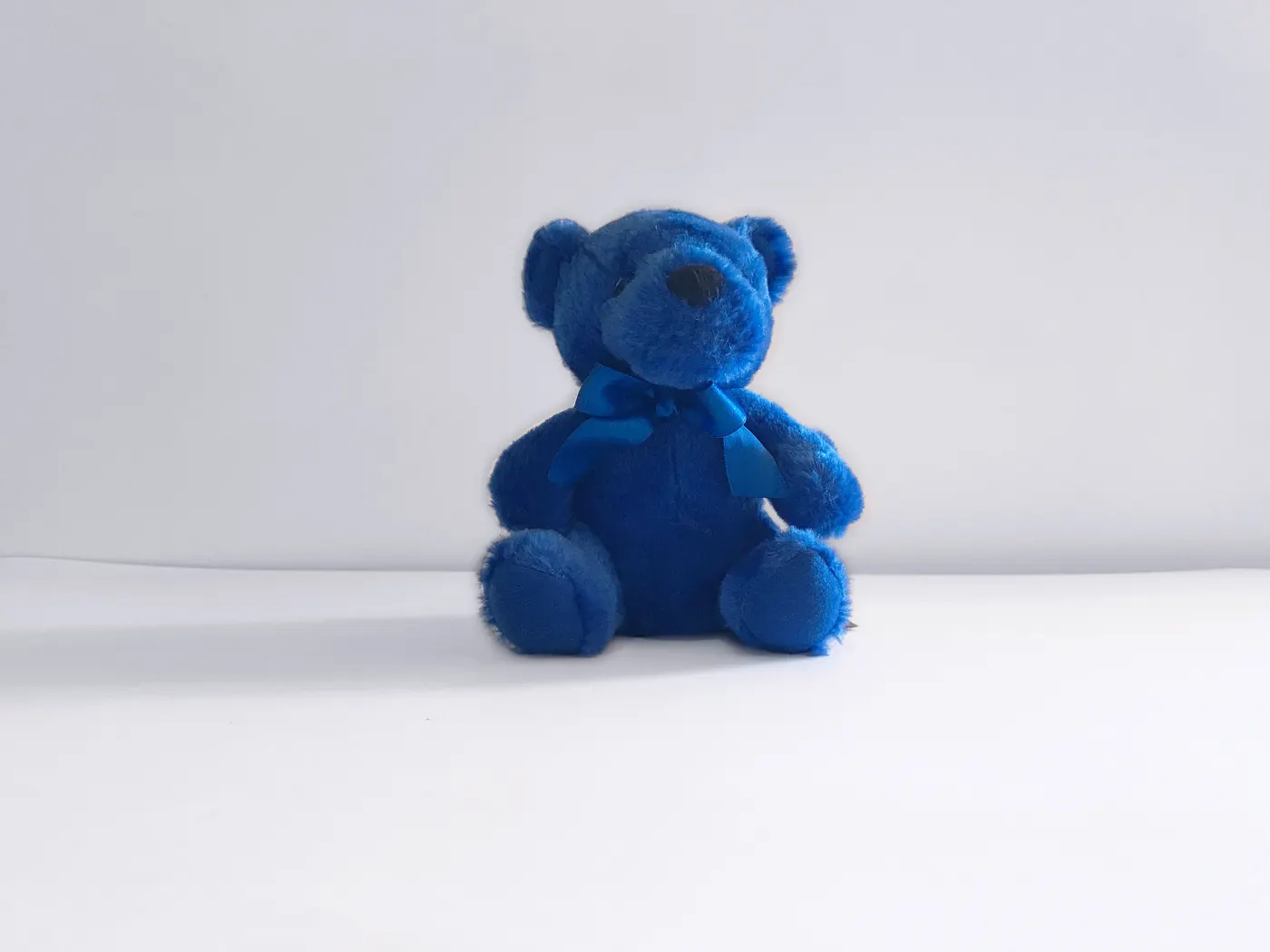
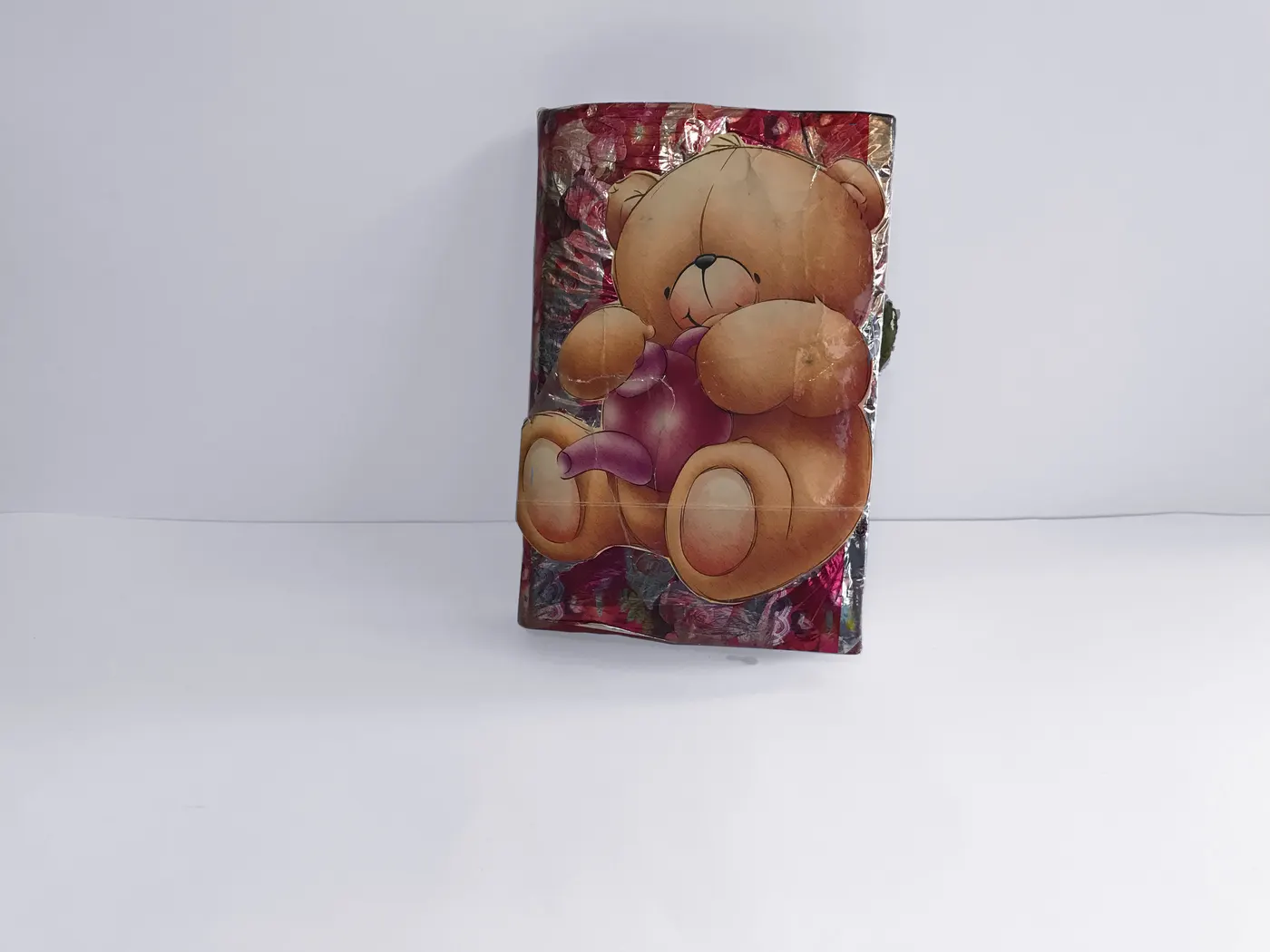
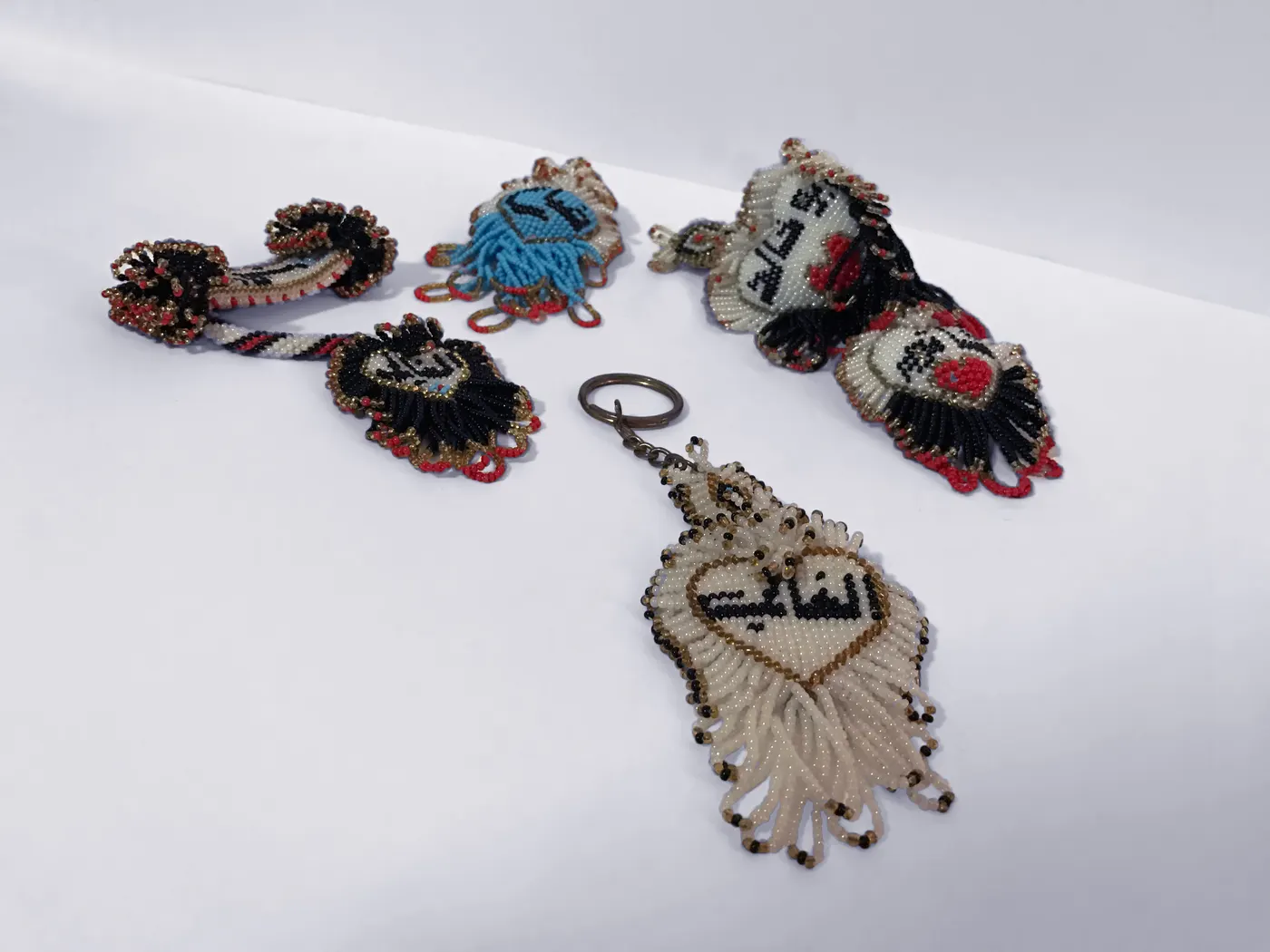
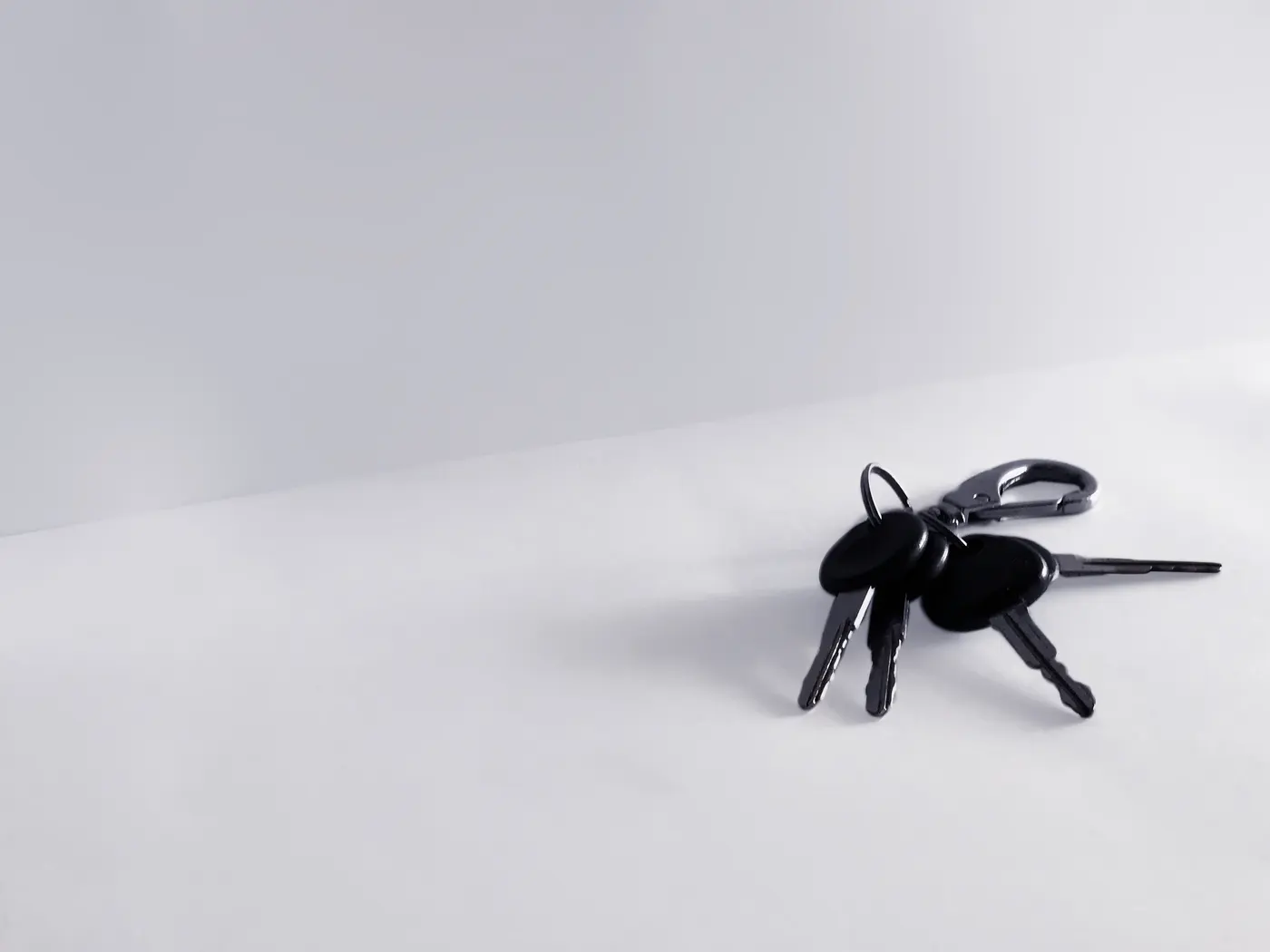
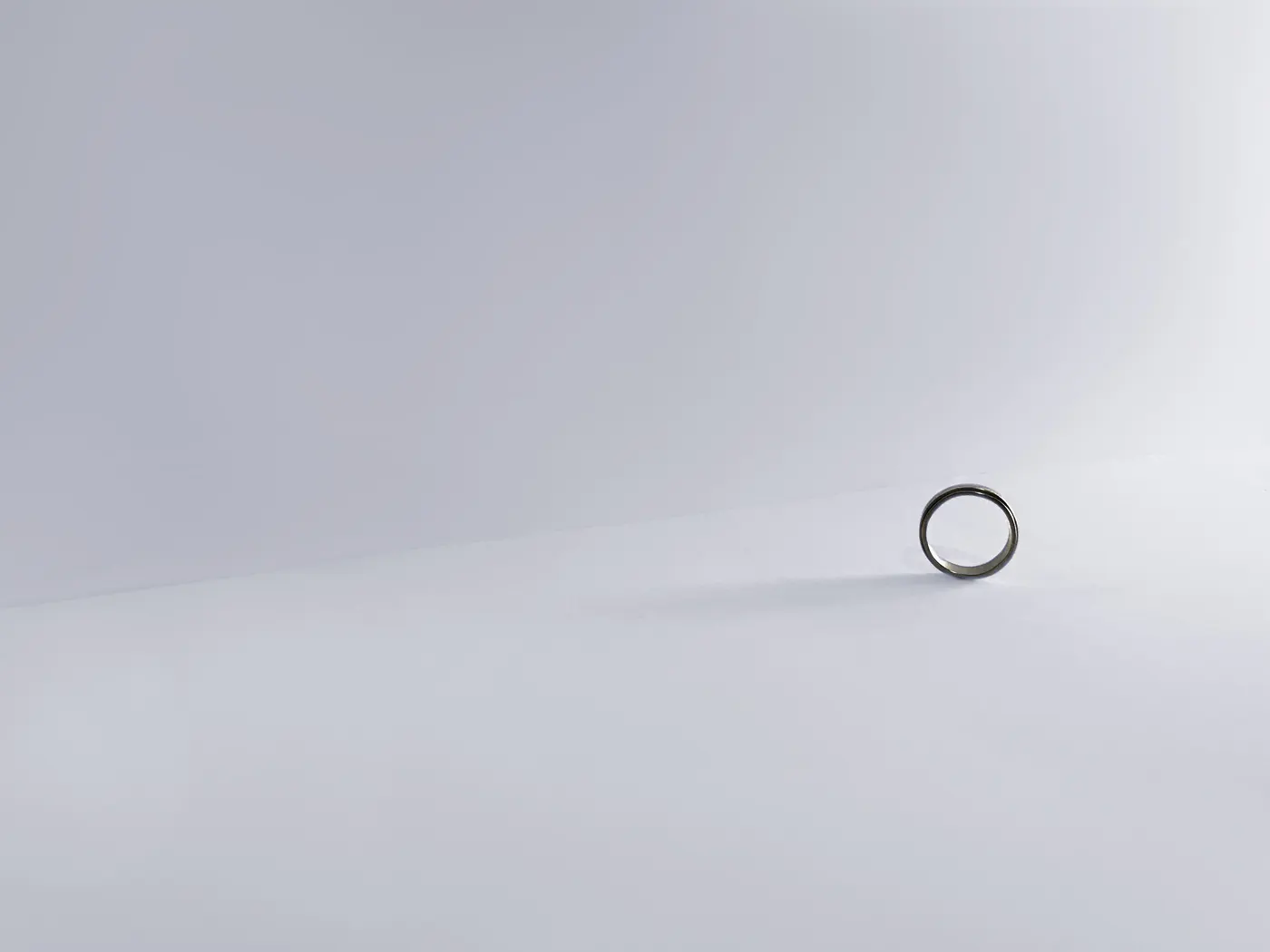
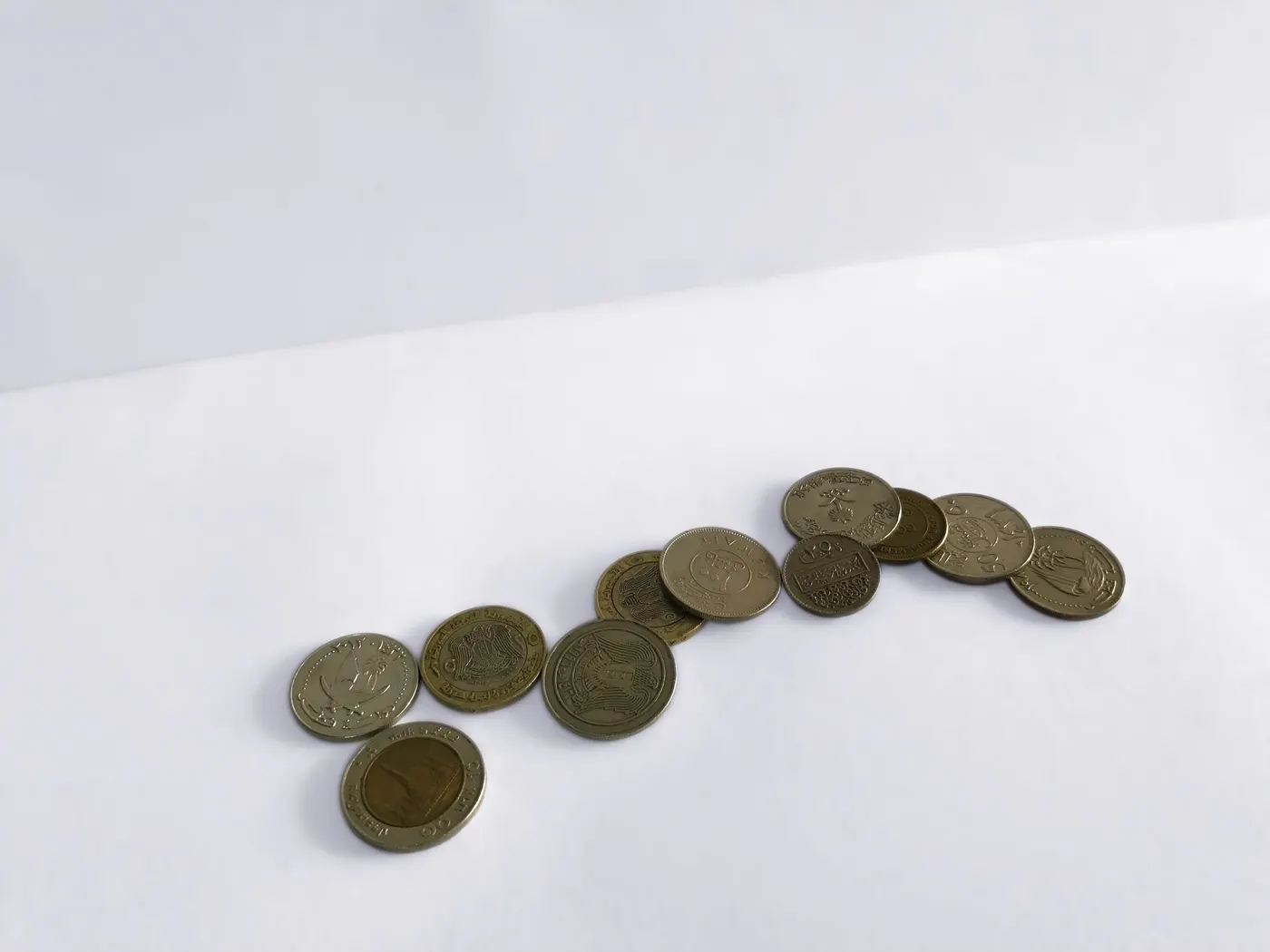
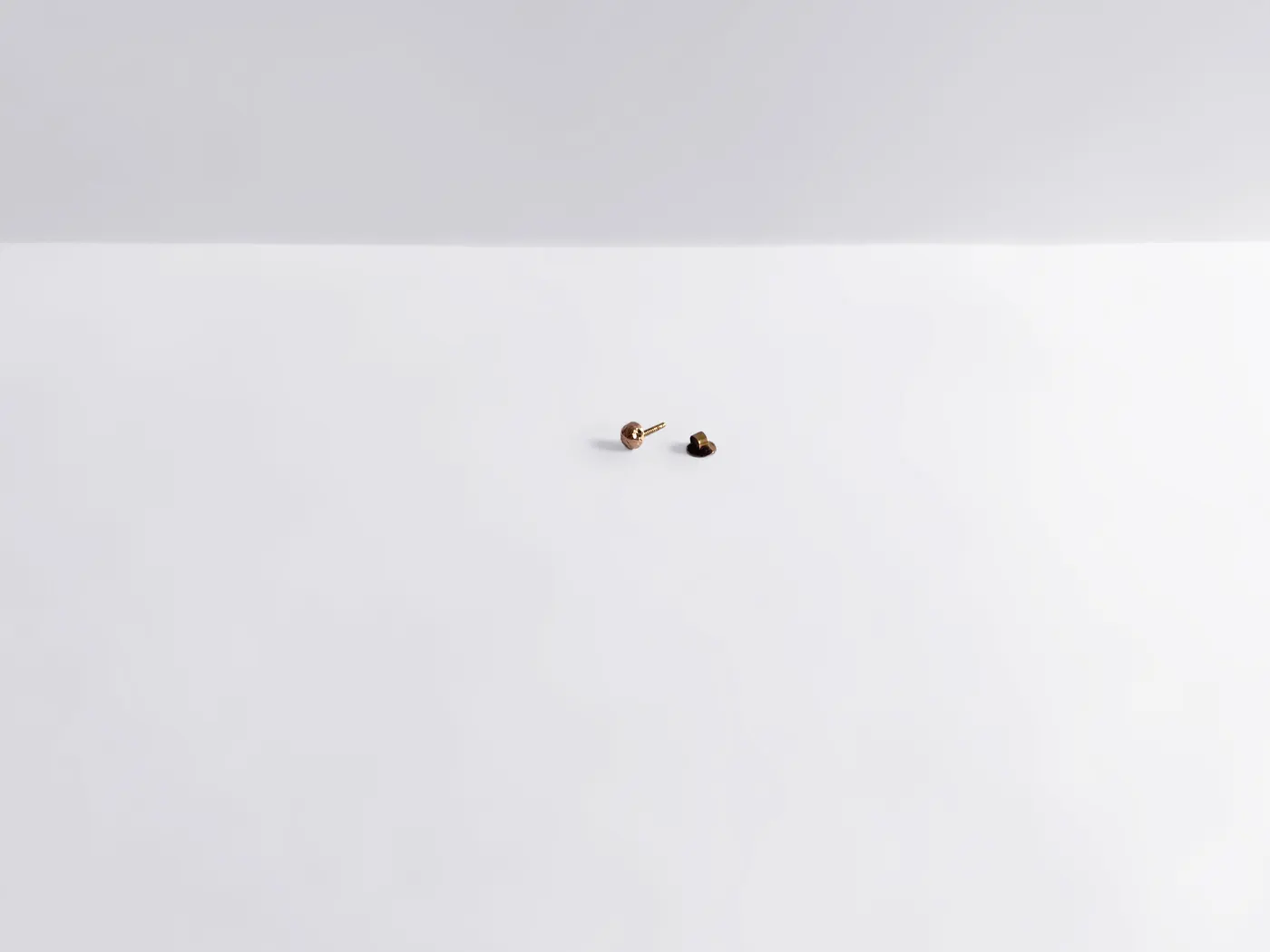
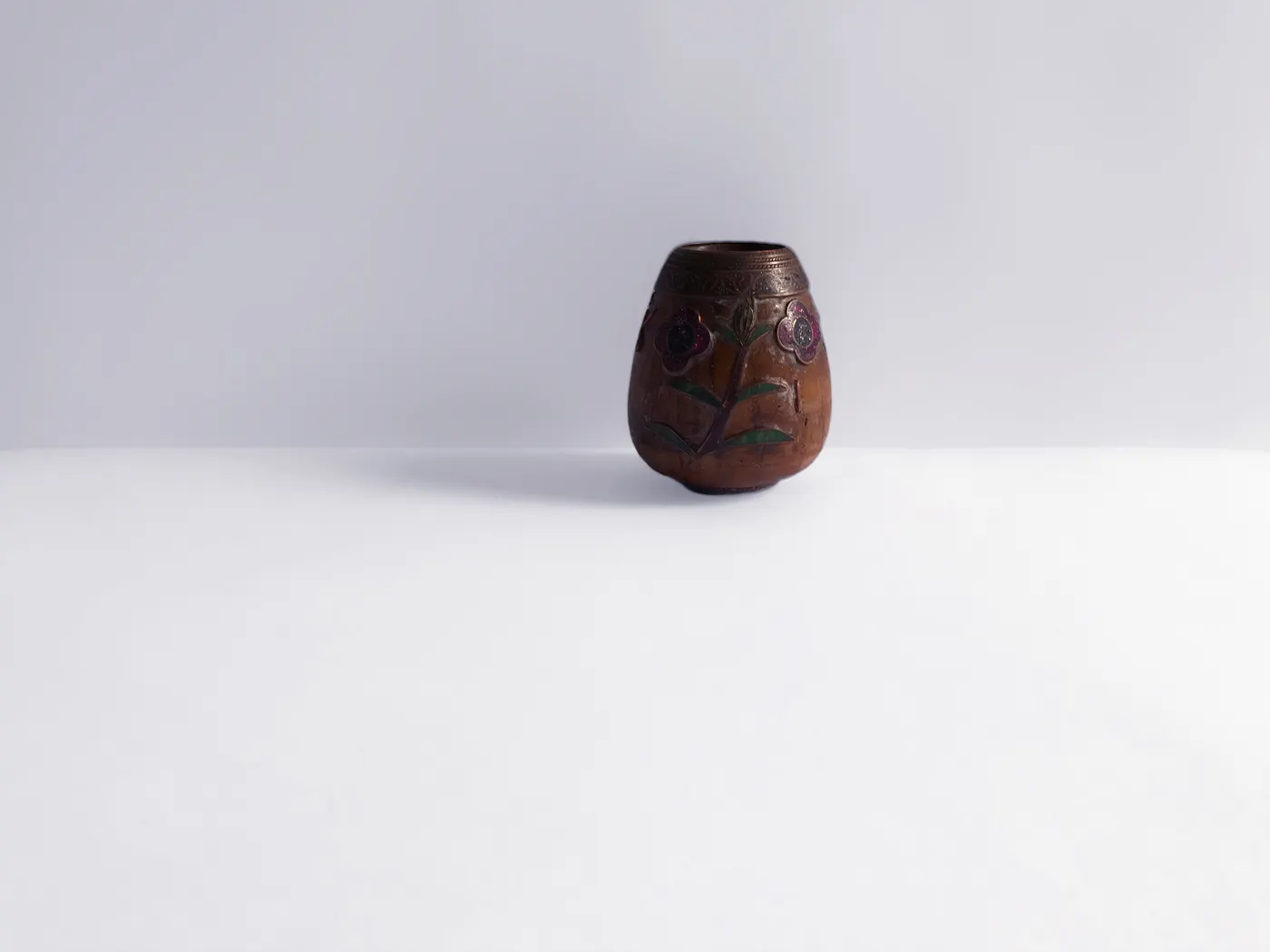
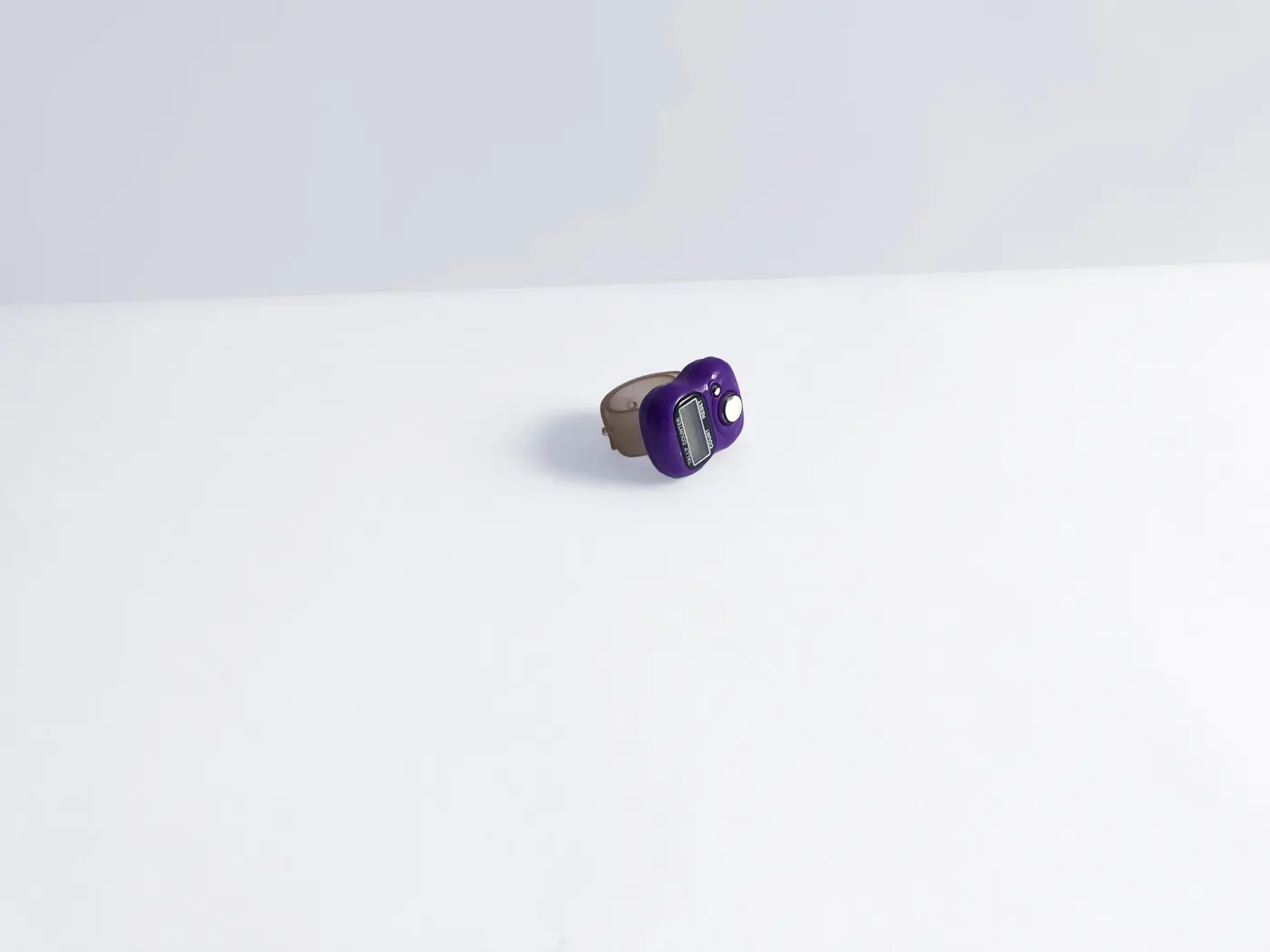
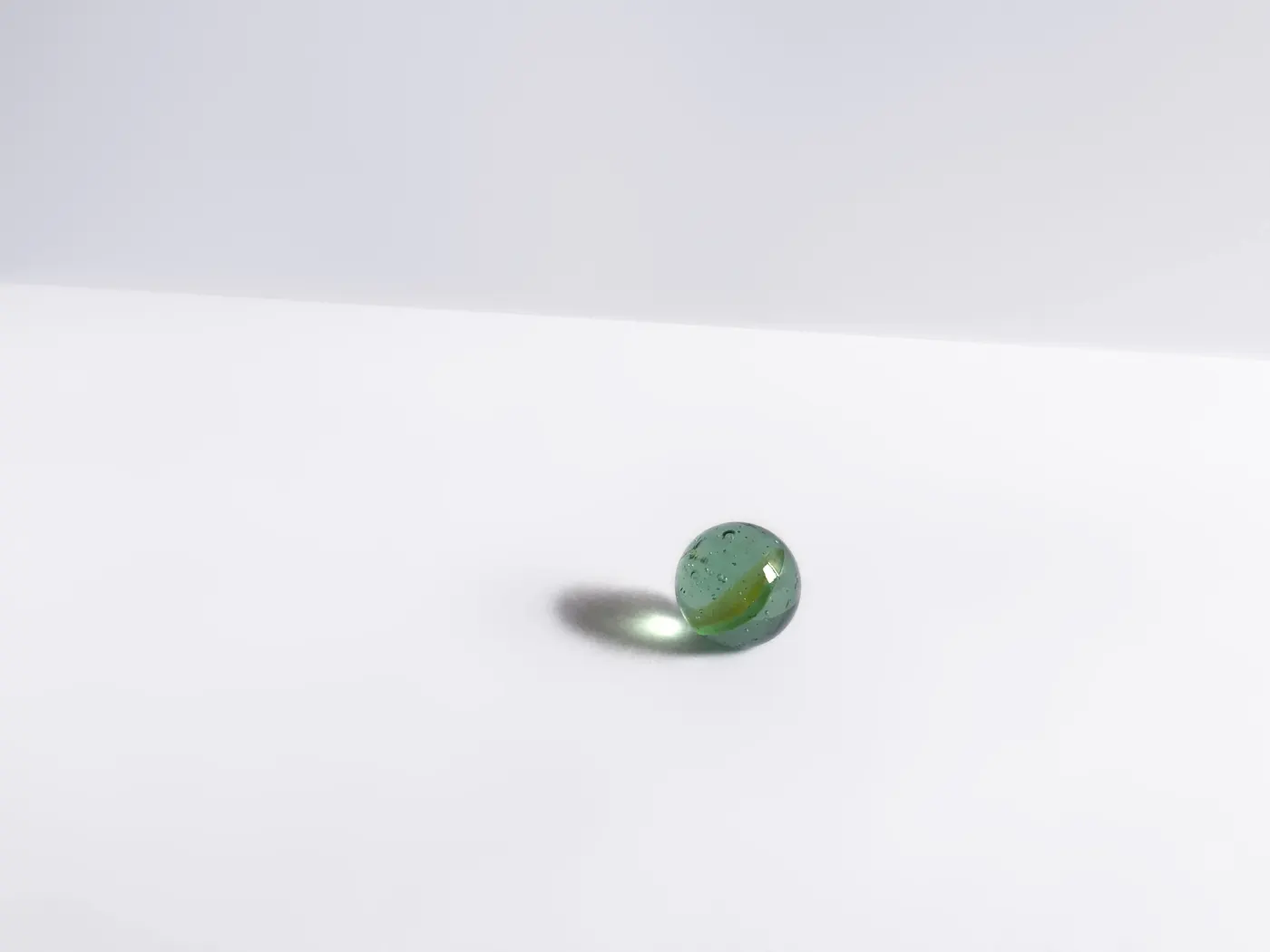
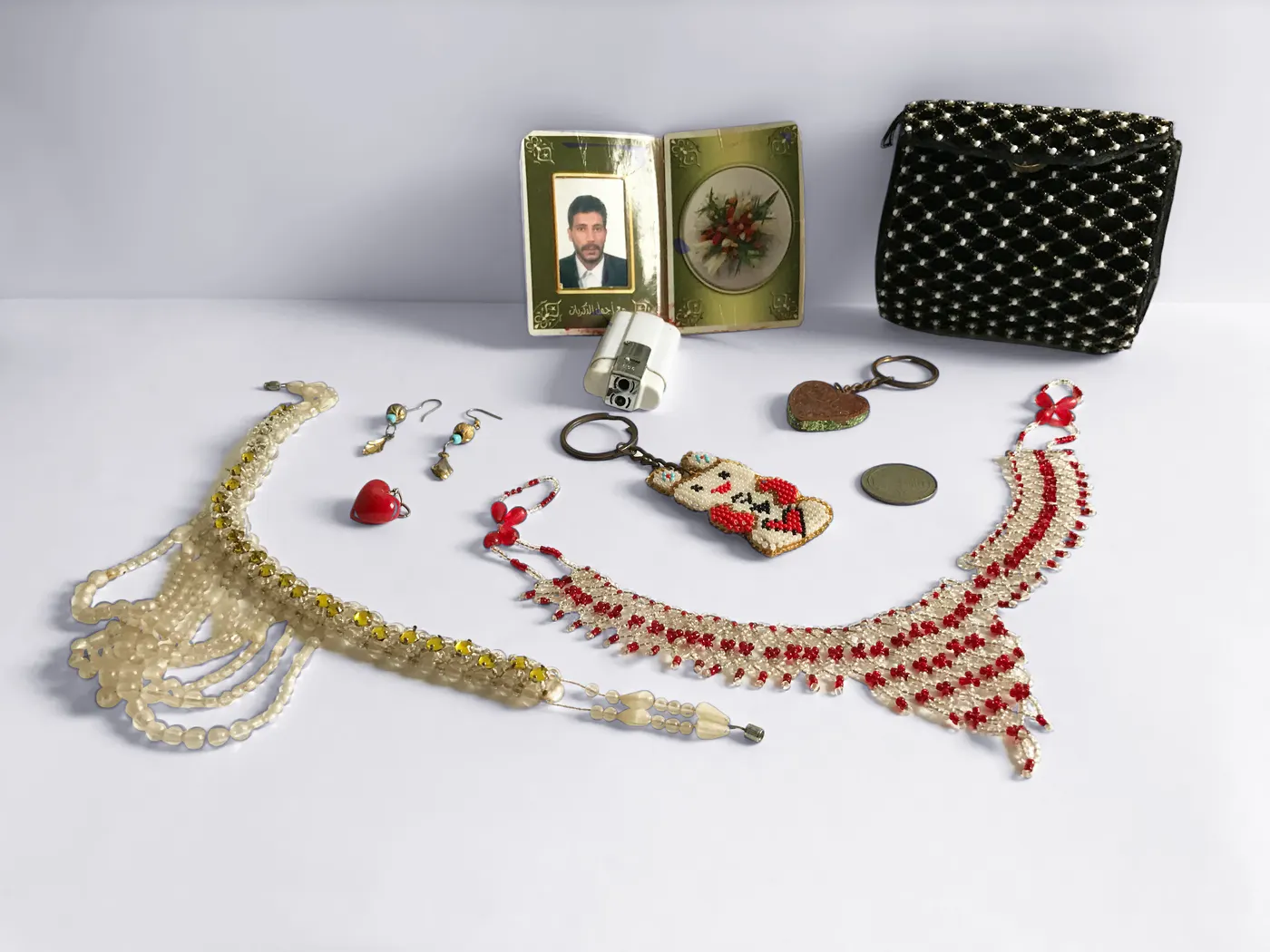
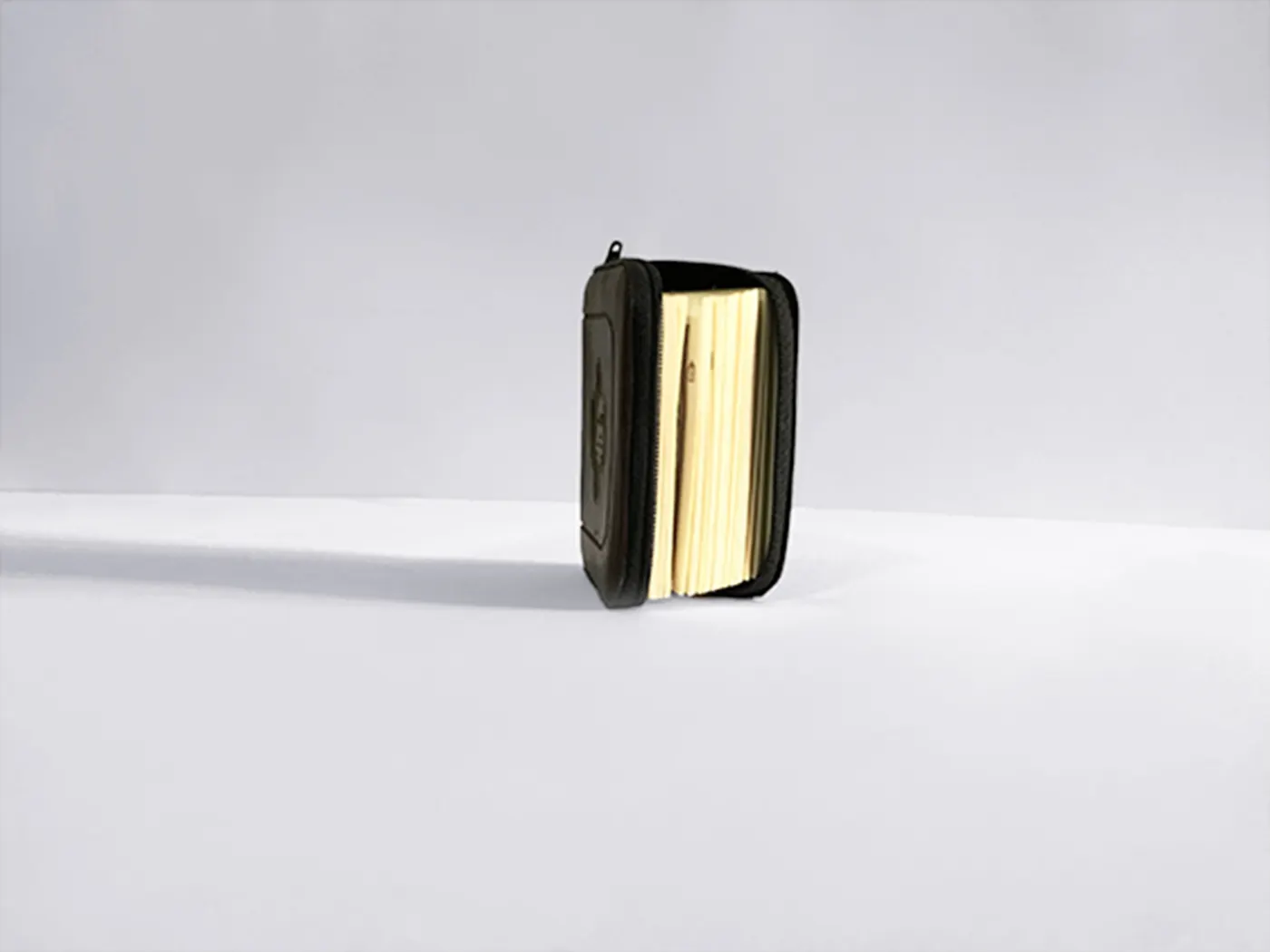
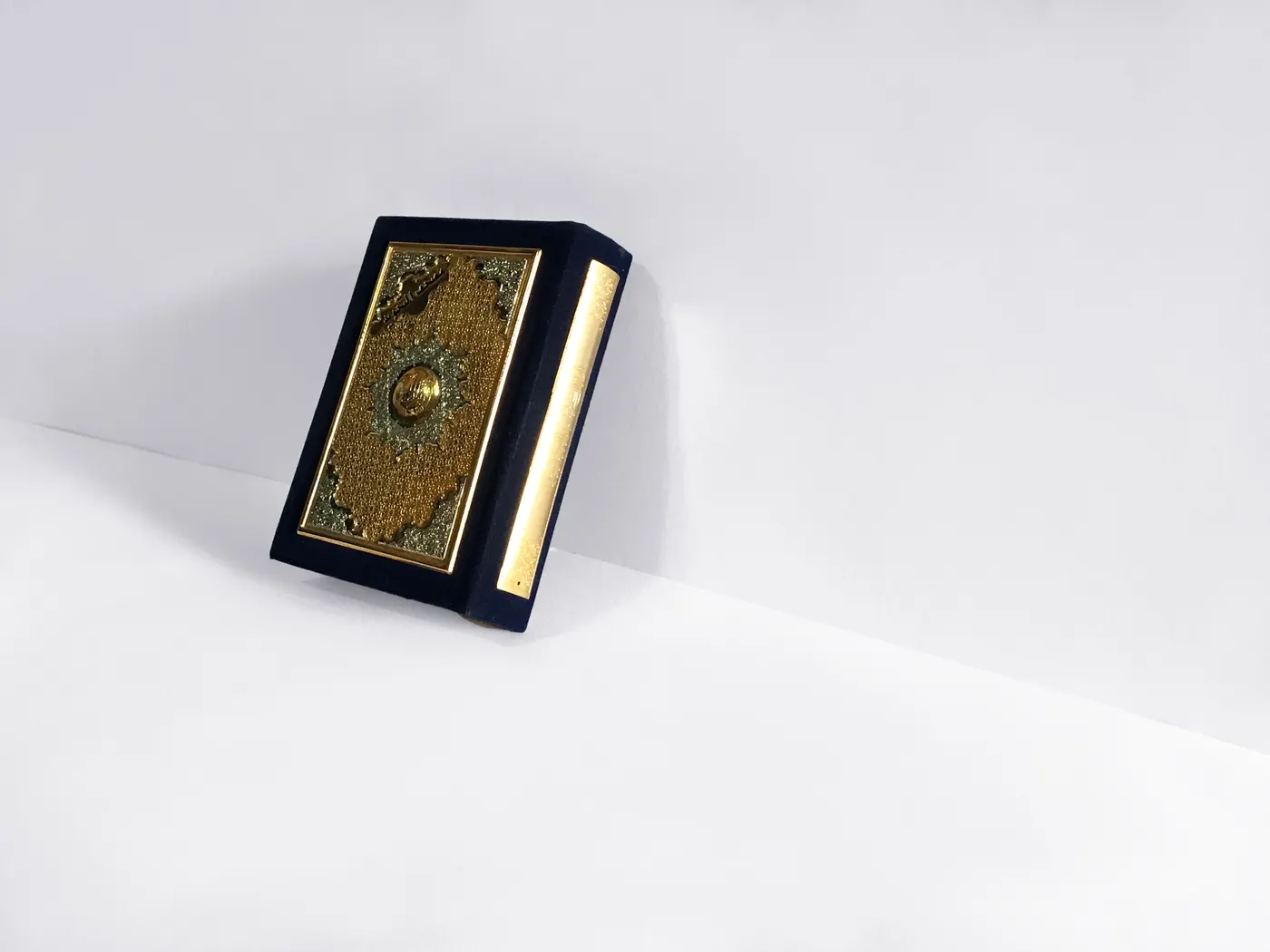
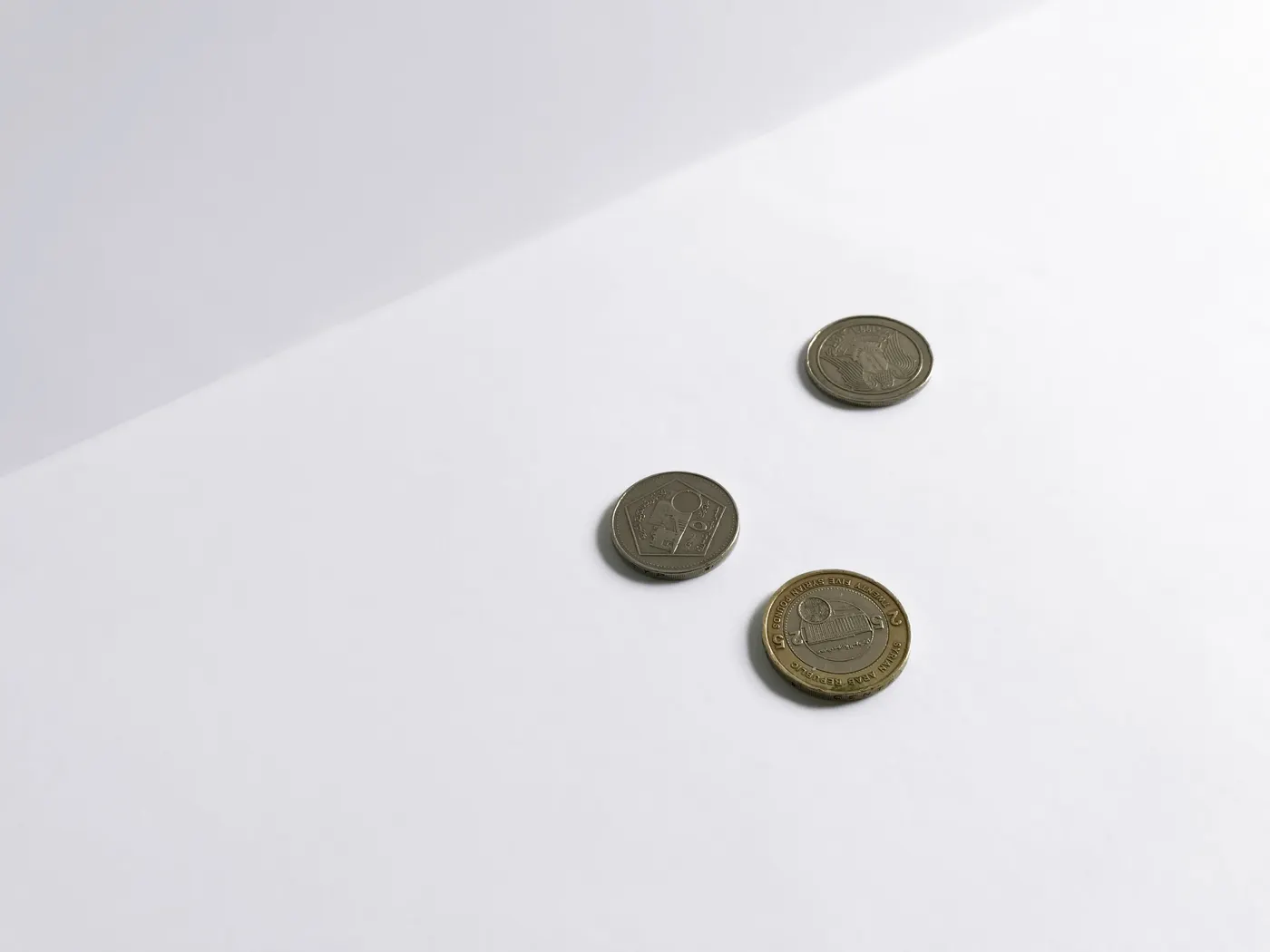
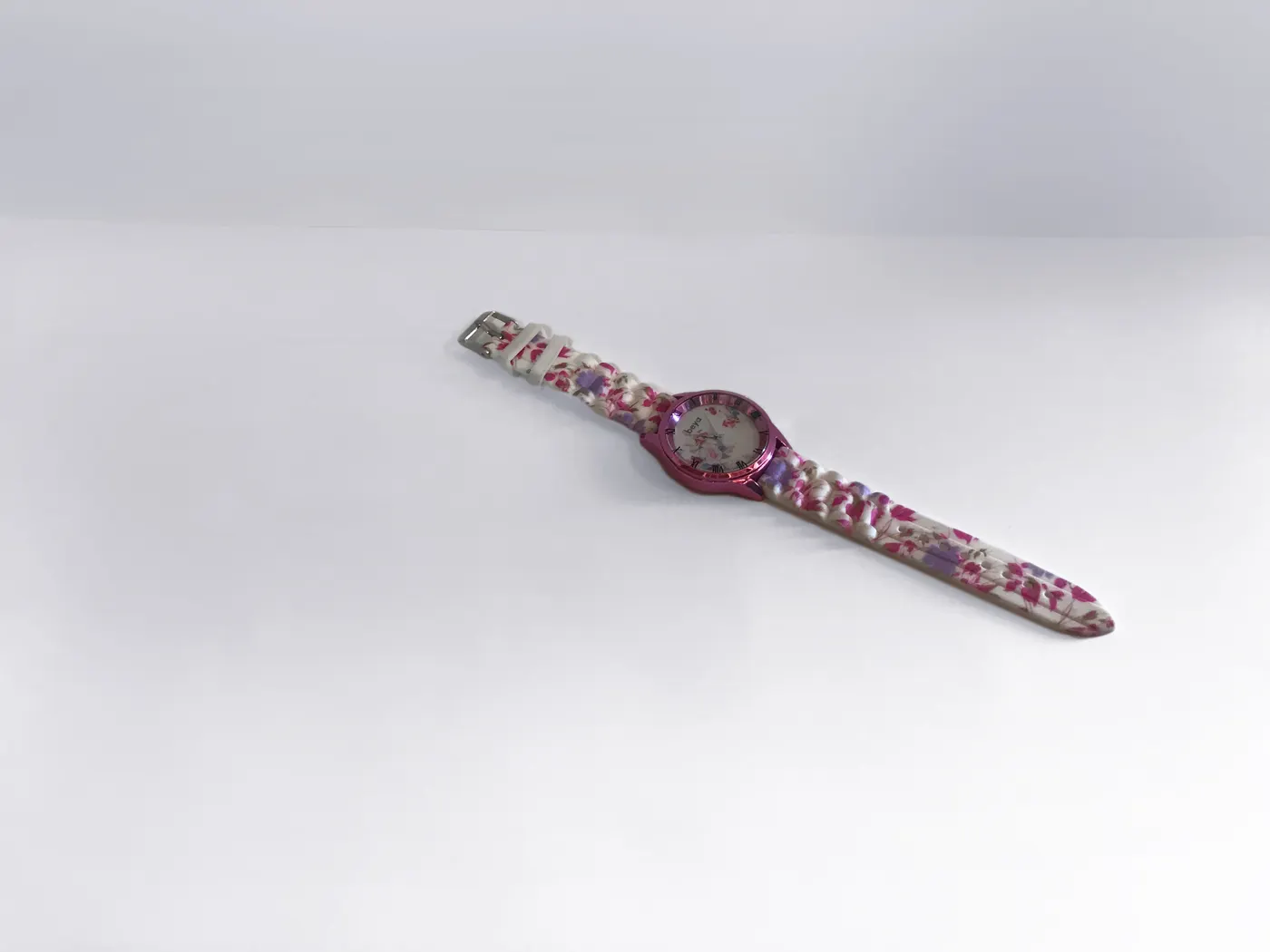
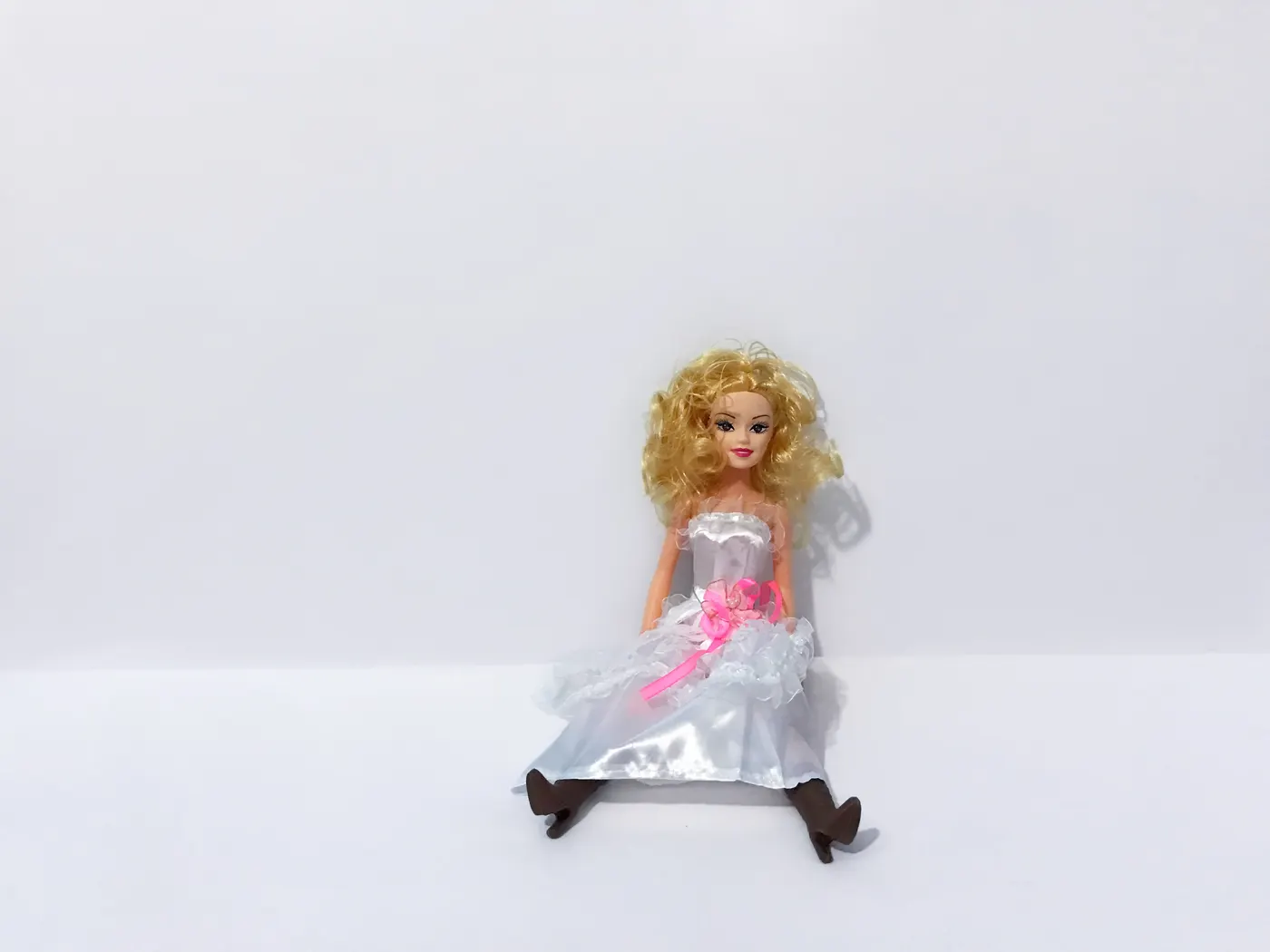
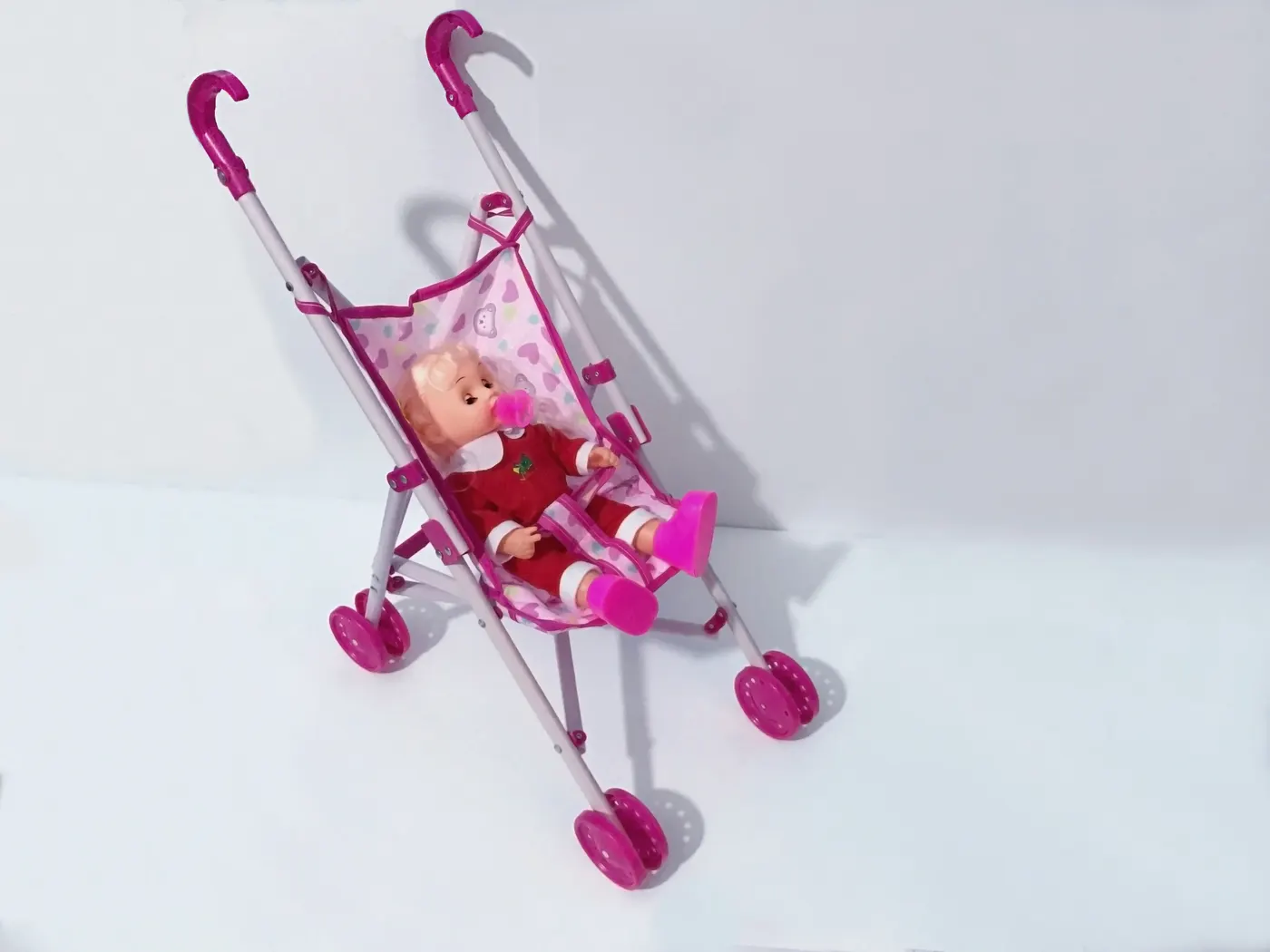
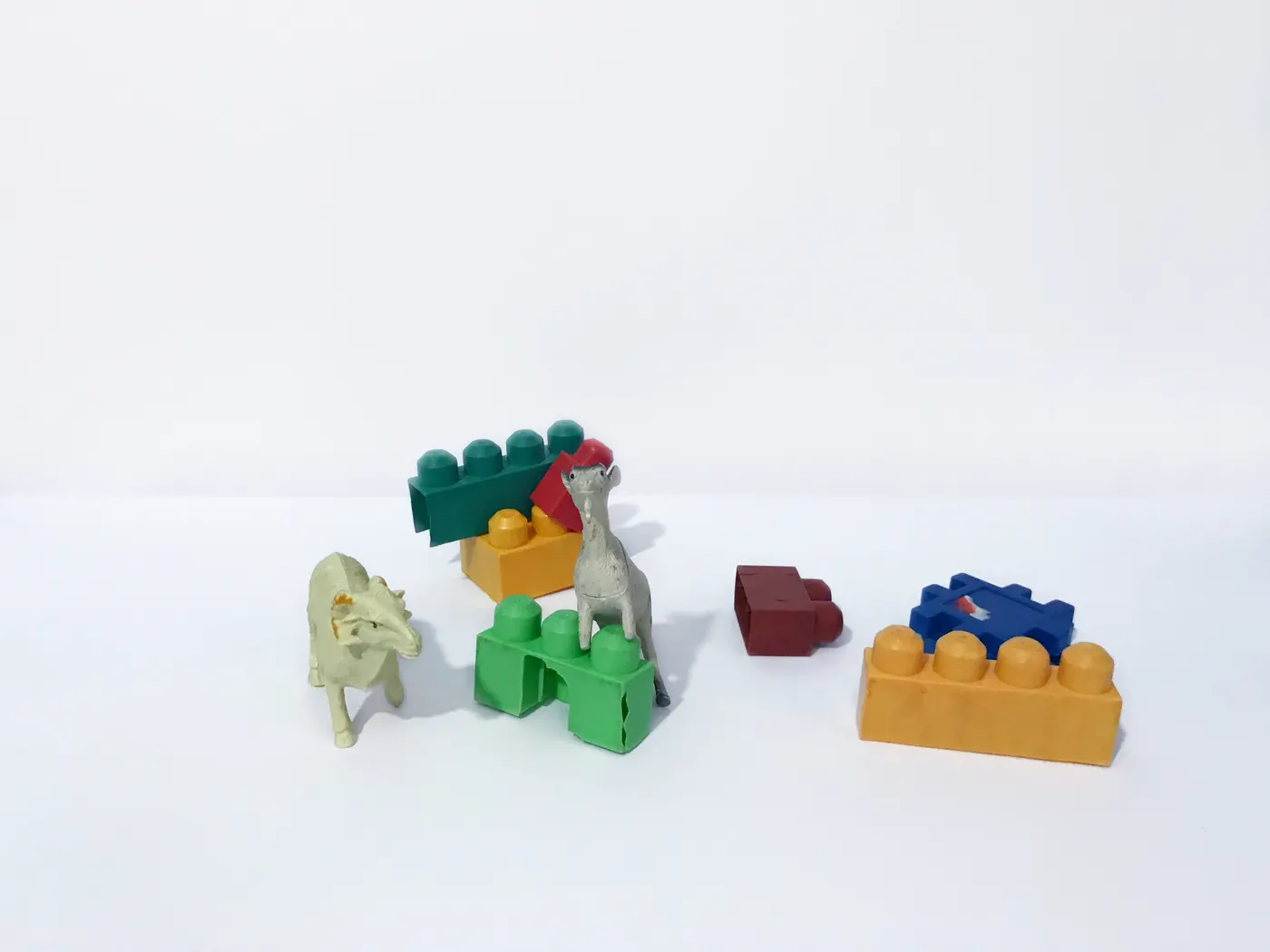
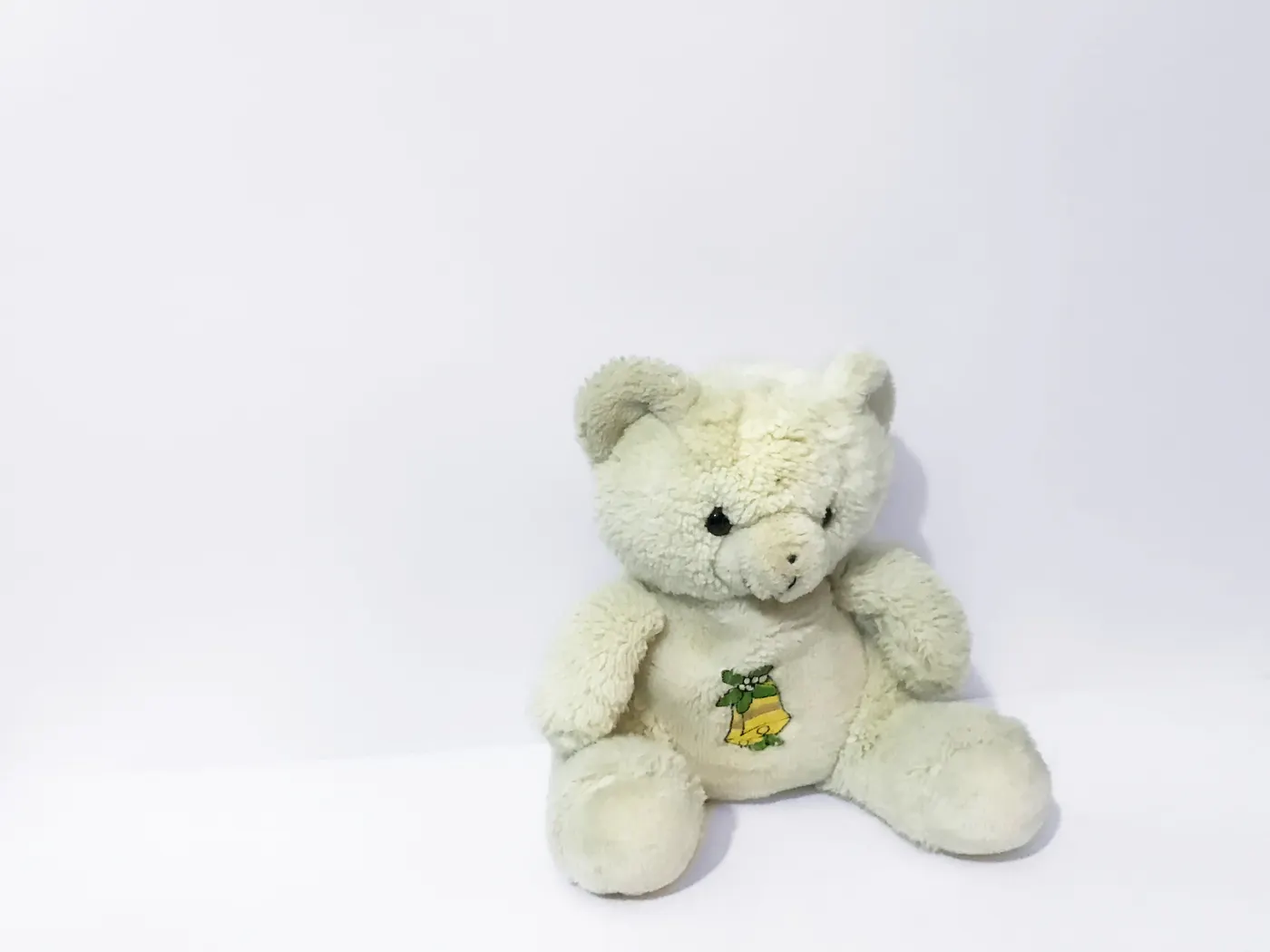
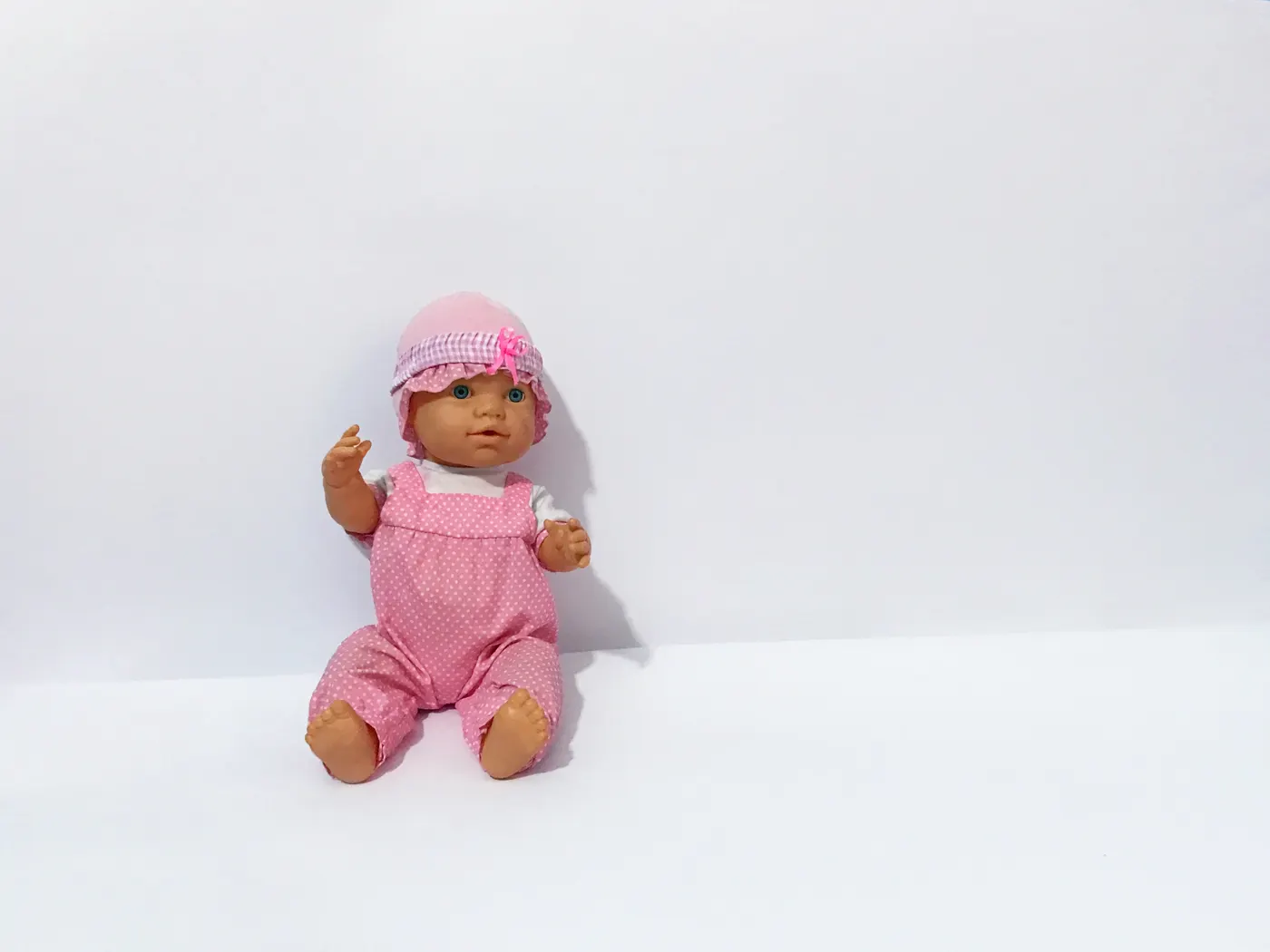
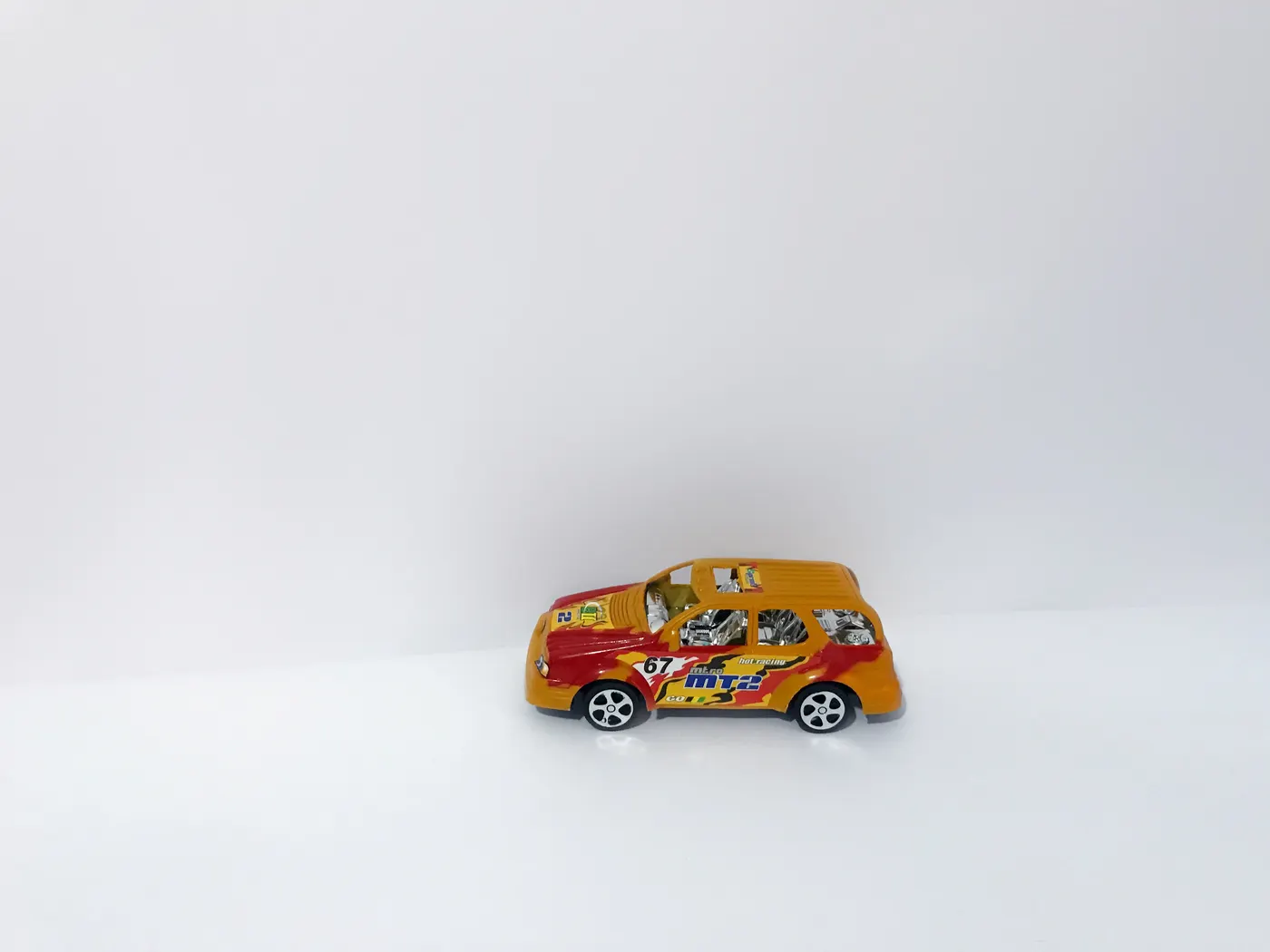
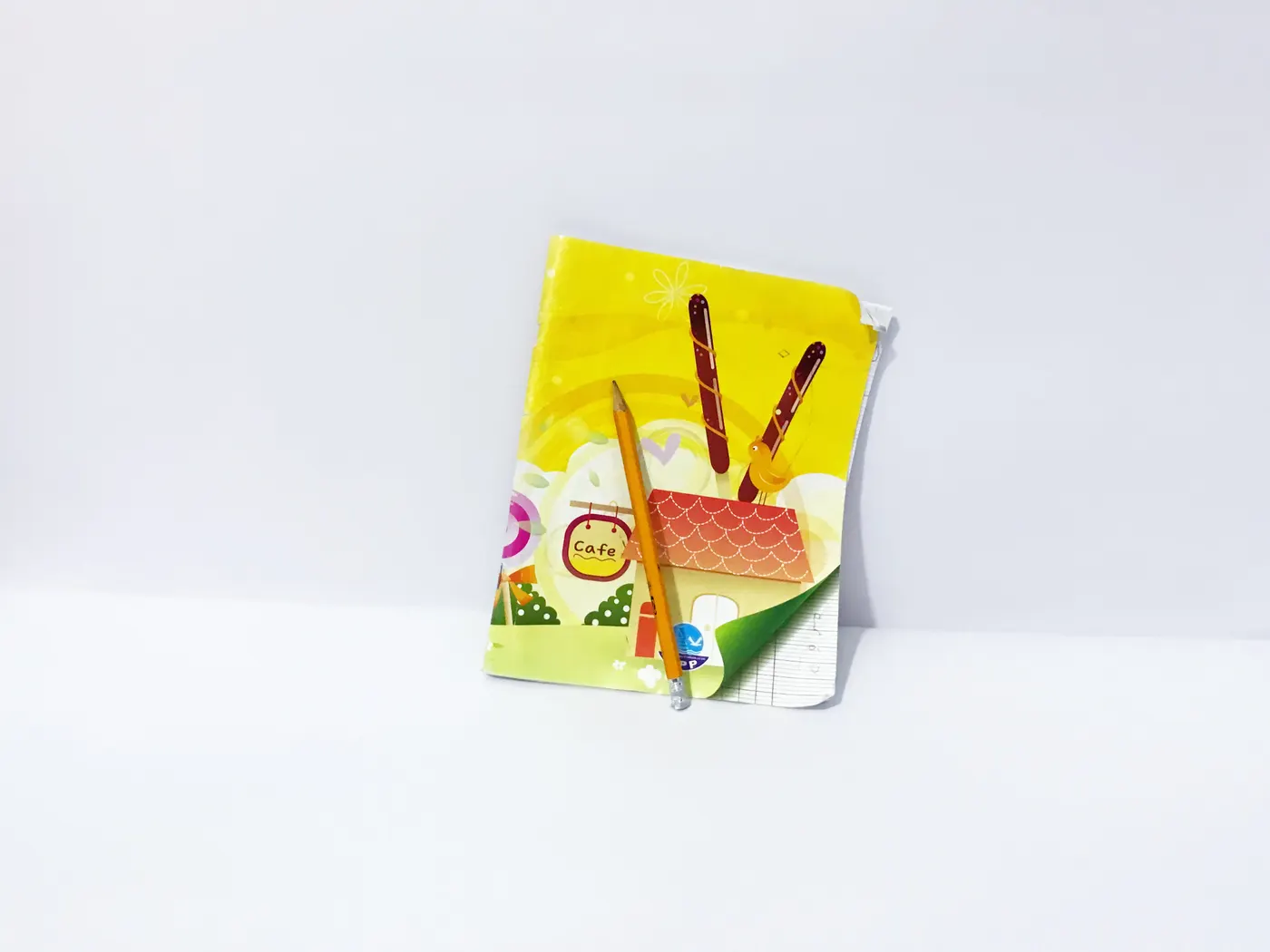
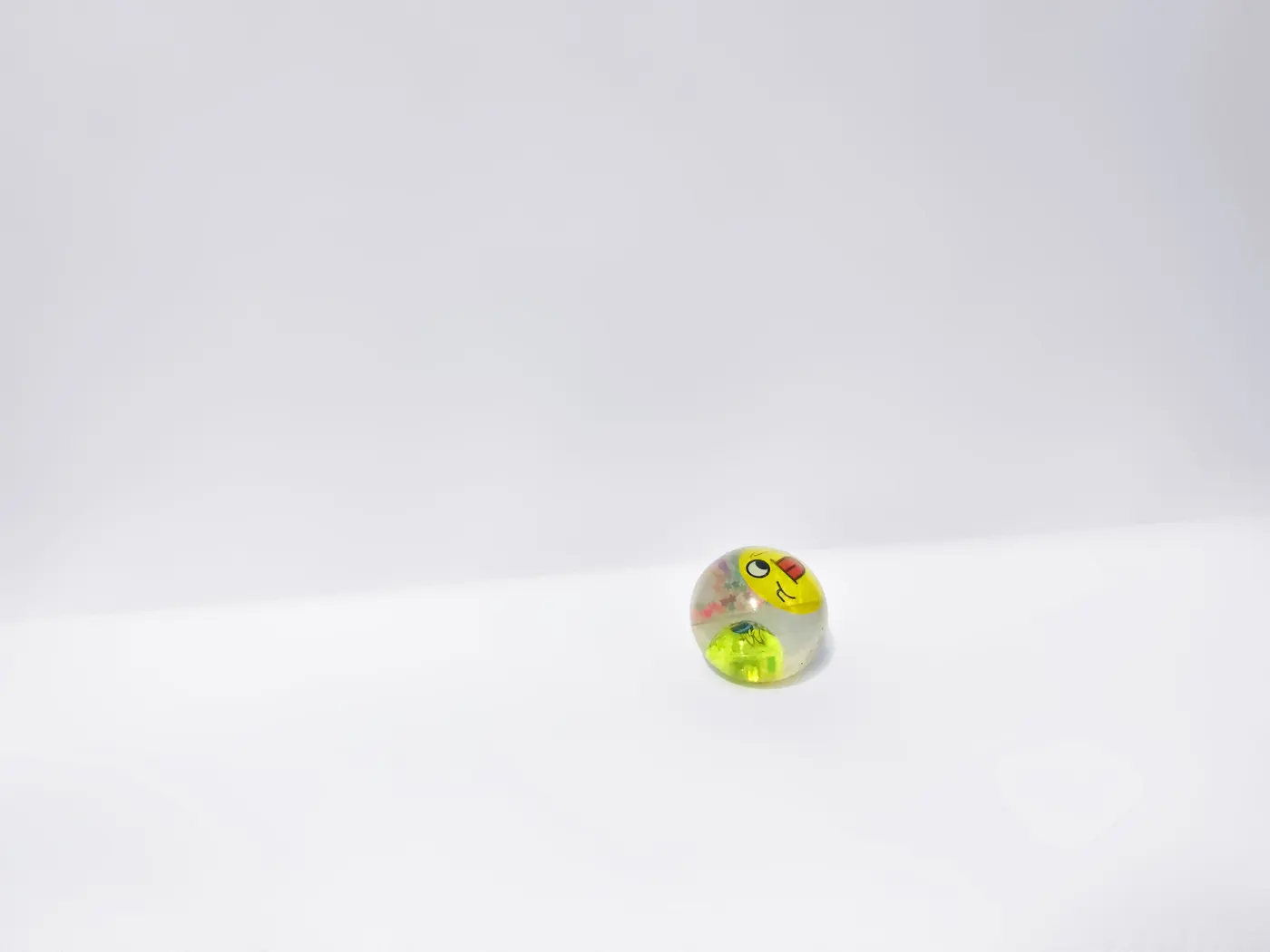
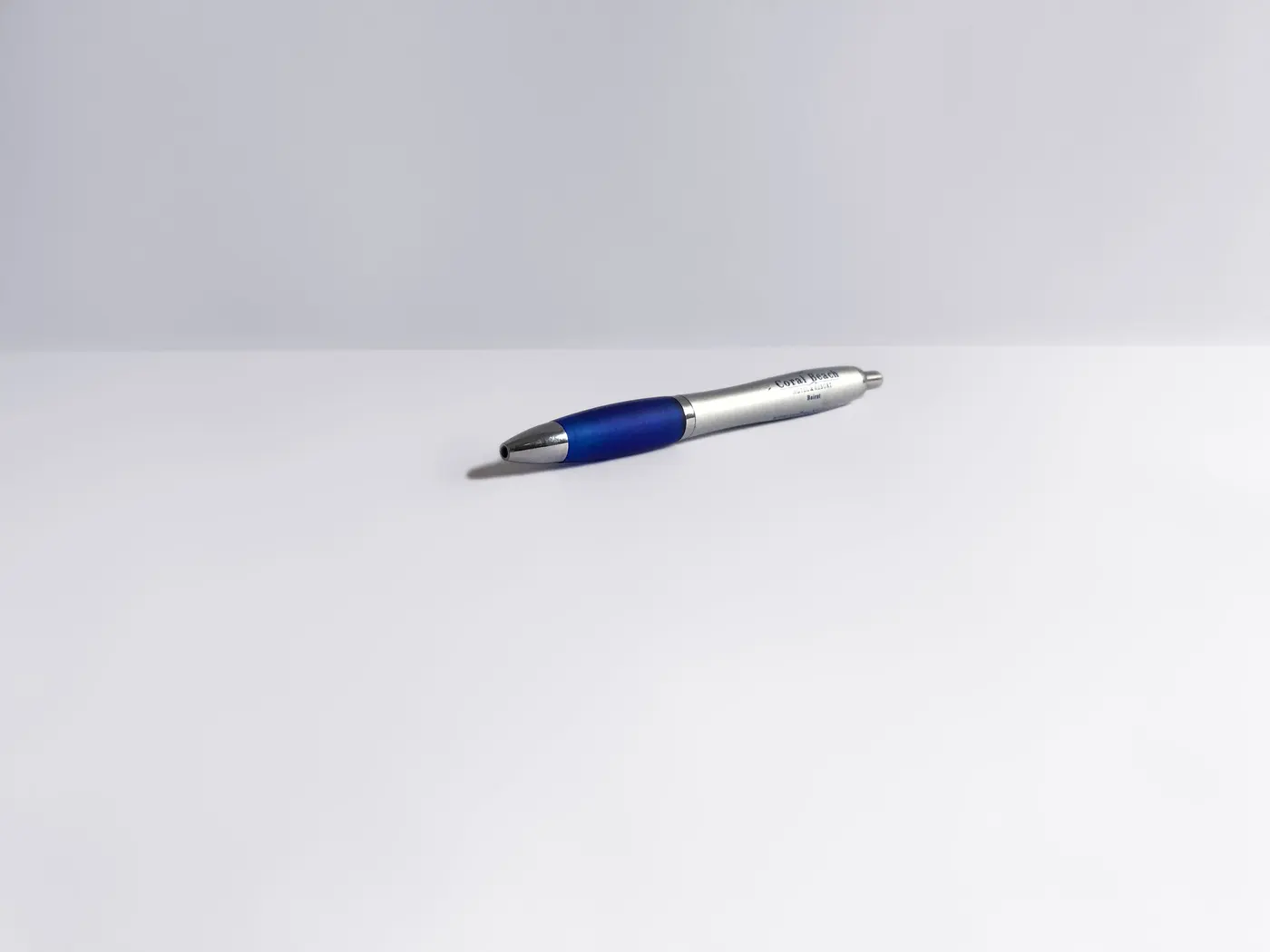
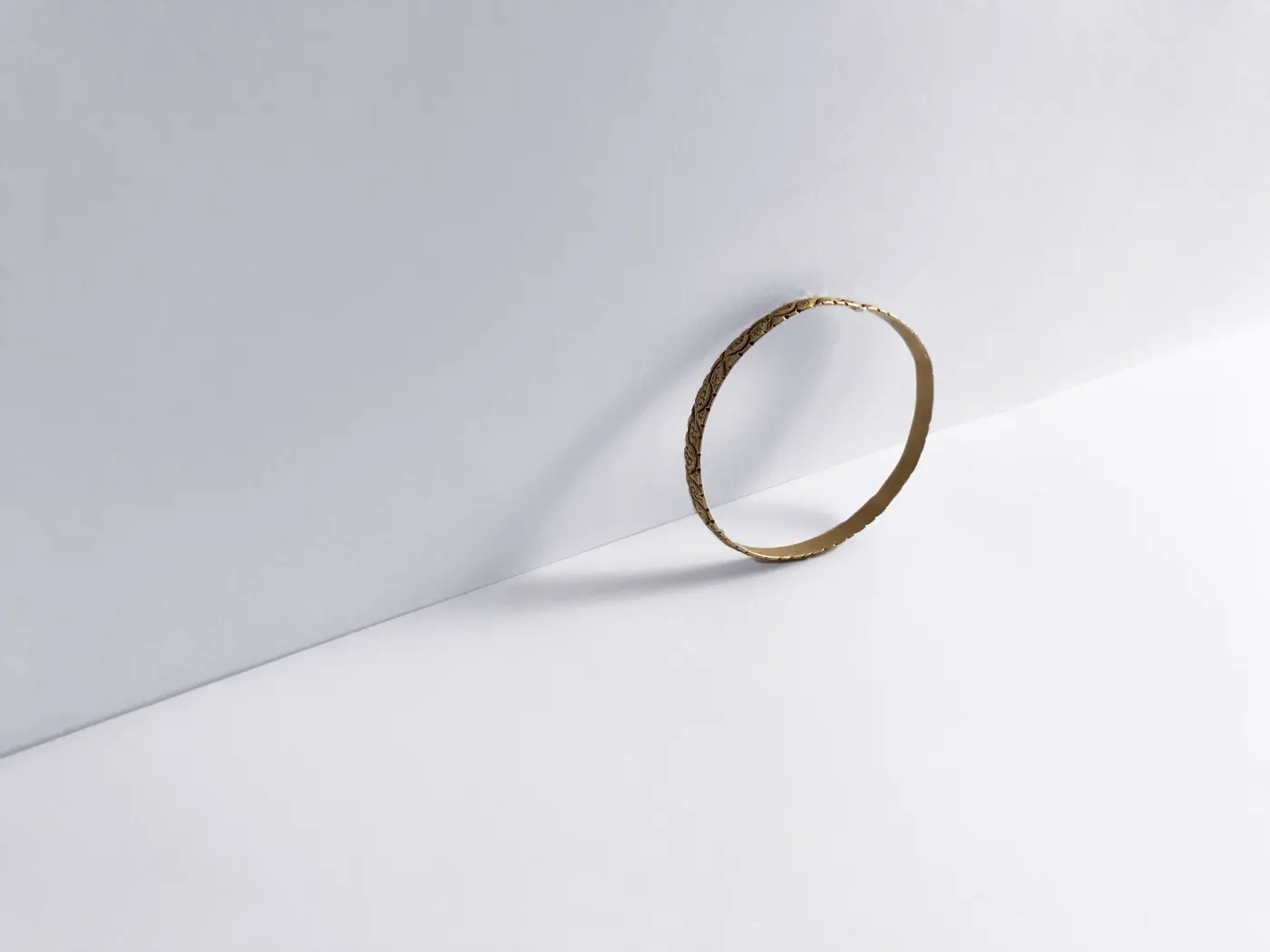
What remains of home when almost everything has been left behind? Home in Pieces began in 2017, during Esmeralda Kosmatopoulos’s three-month residency at Beirut Art Residency (BAR), when she worked with NGOs supporting Syrian refugee children in the Bekaa Valley. She asked each child to choose their favourite object among the few things they had brought from Syria, and gave them a camera to photograph it.
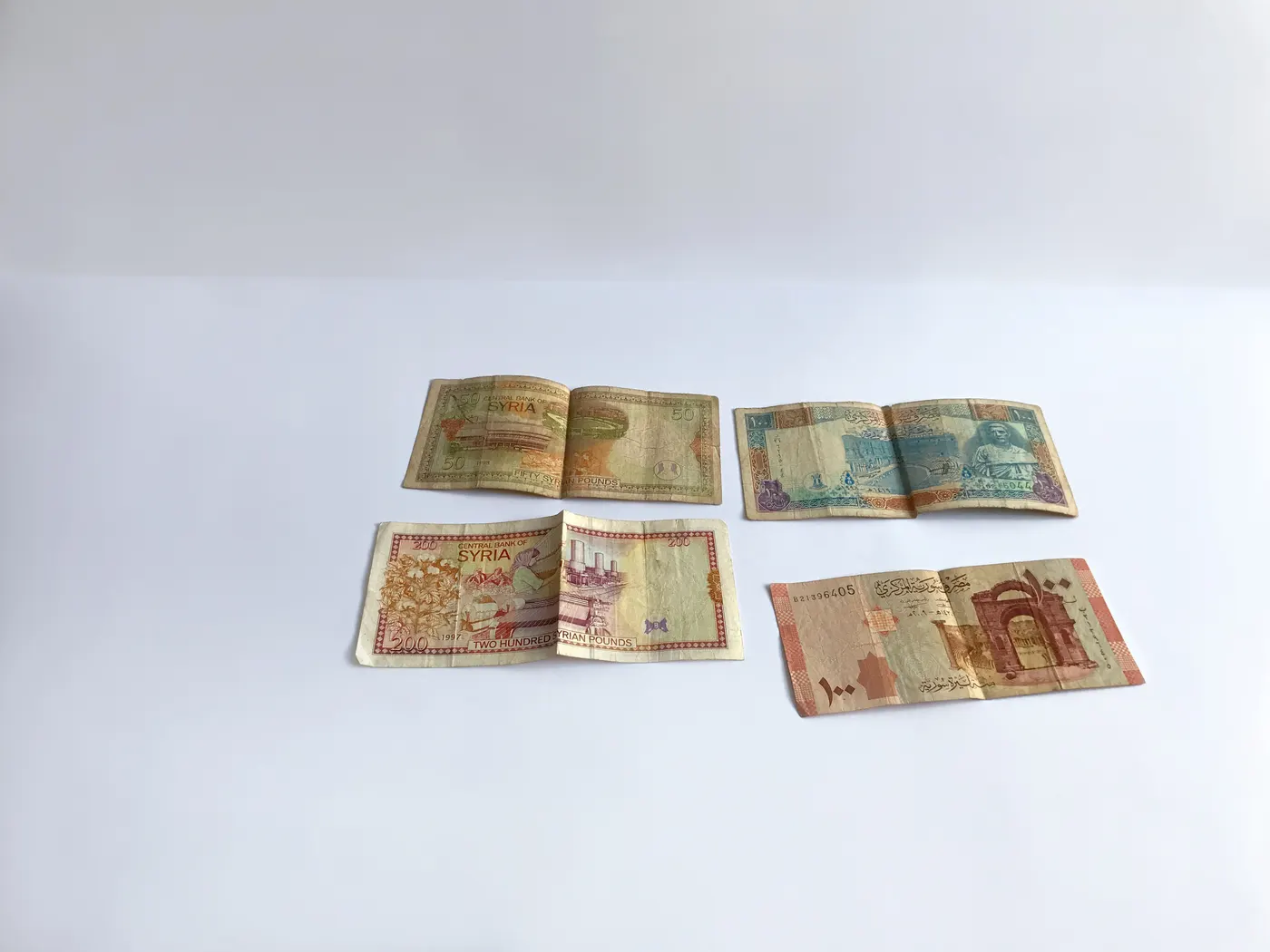
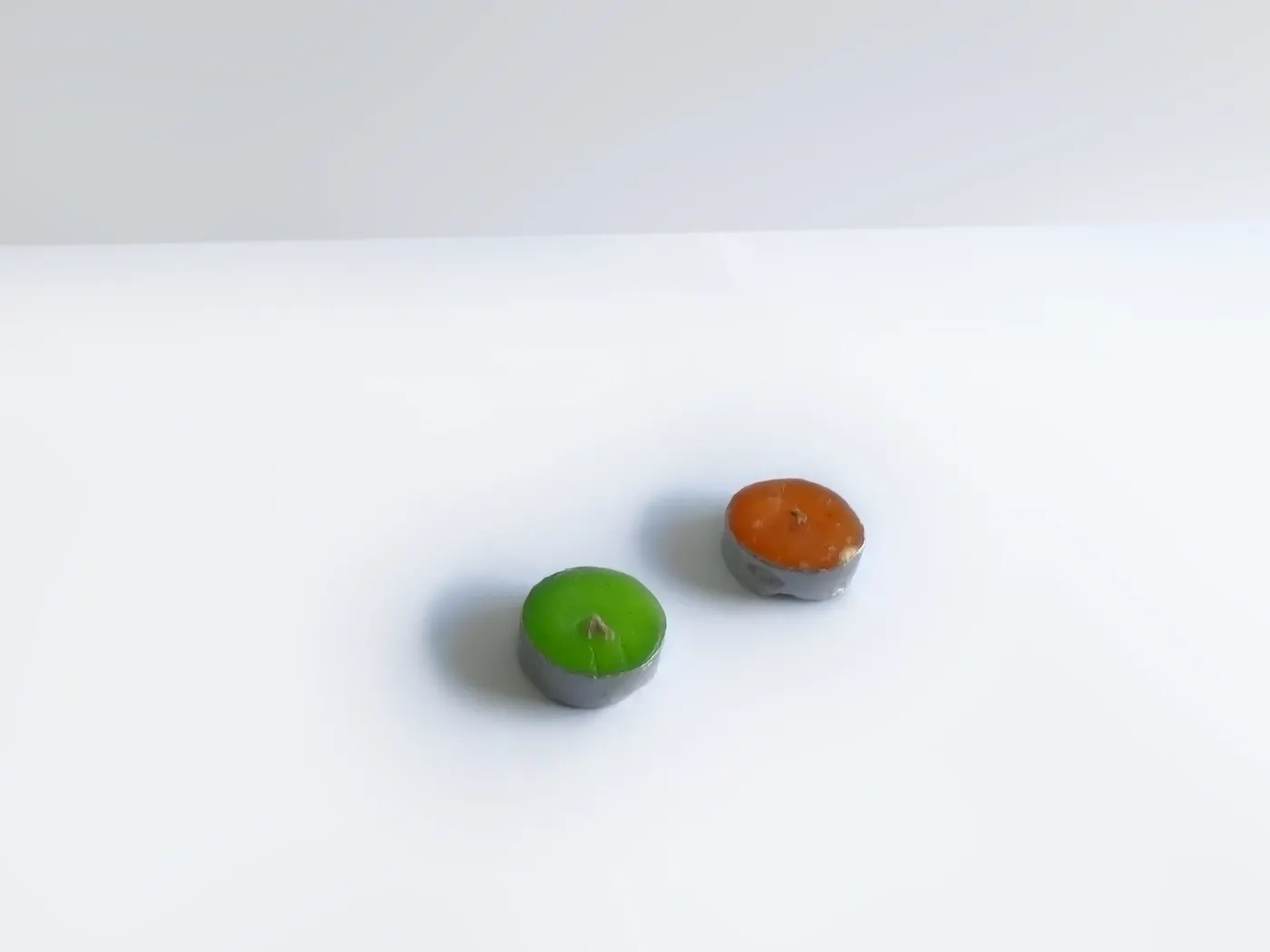
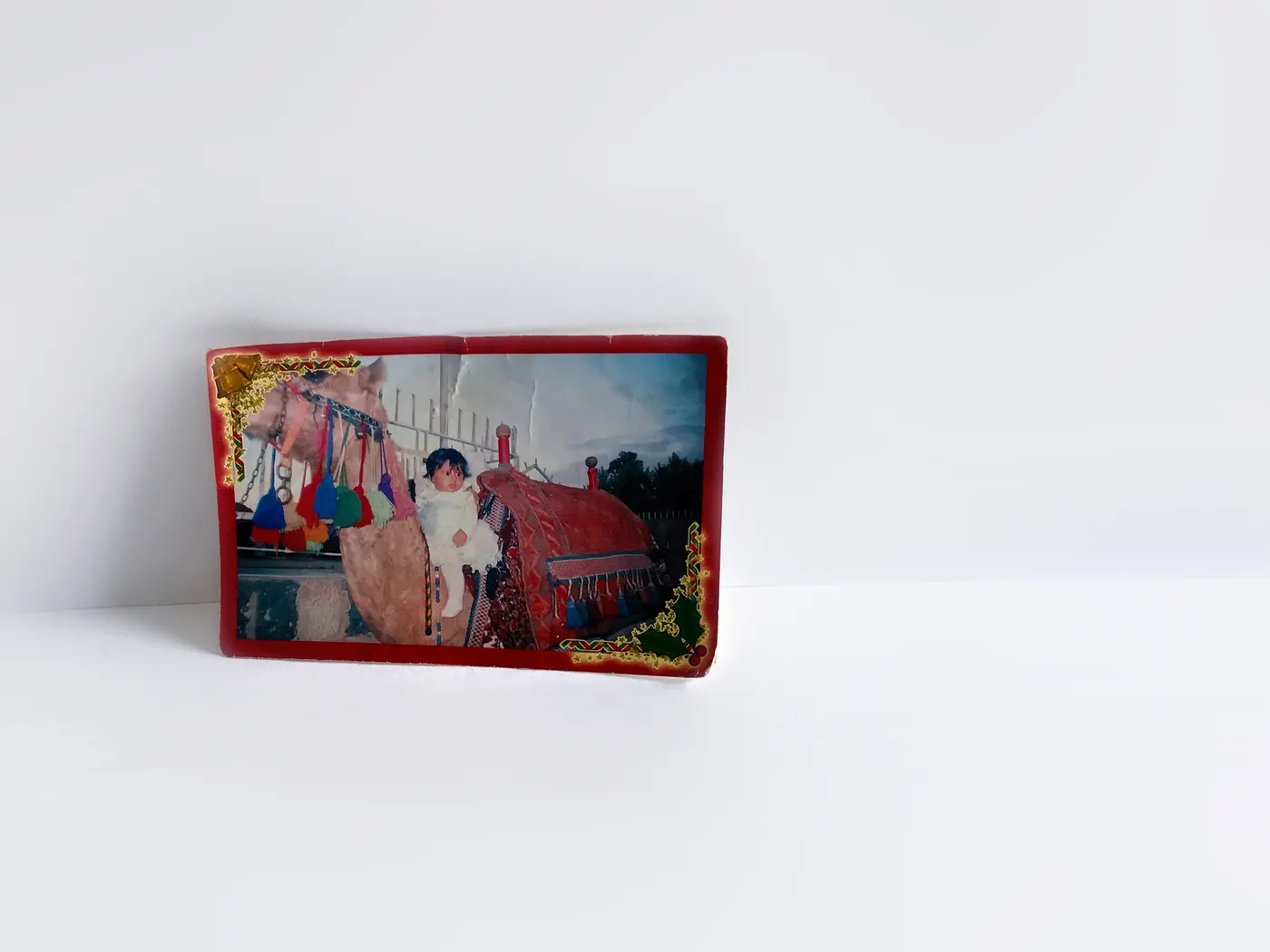
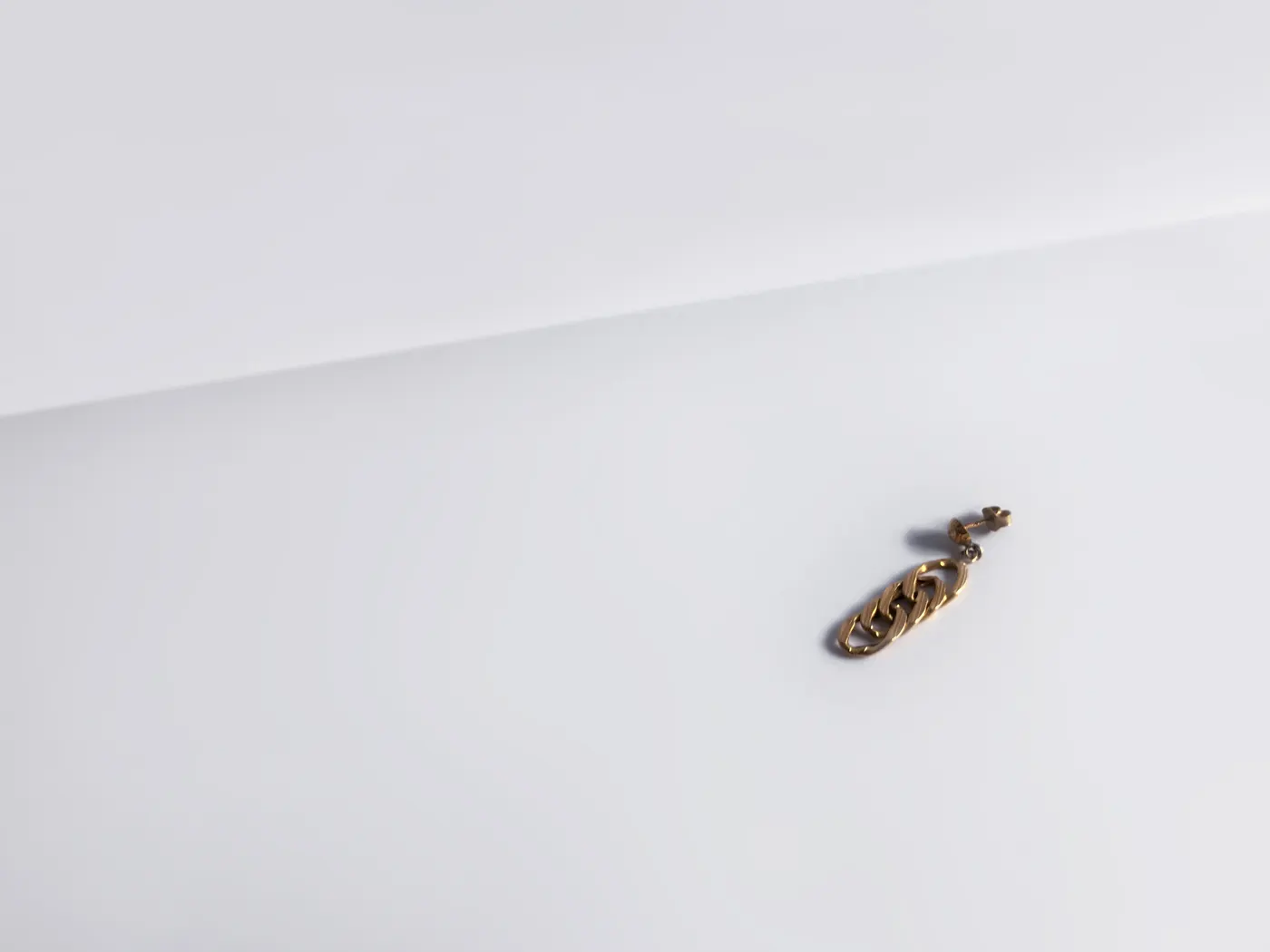
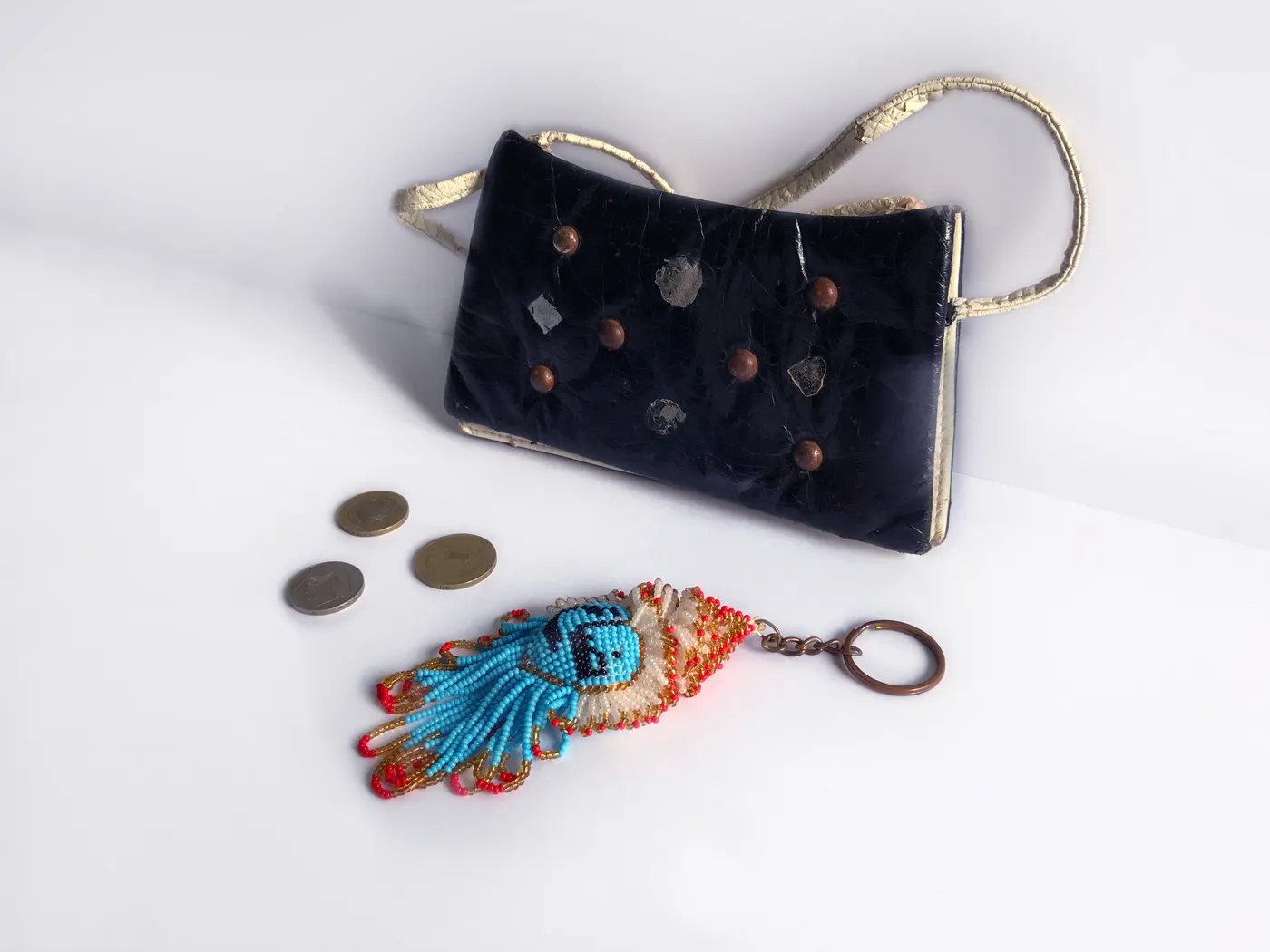
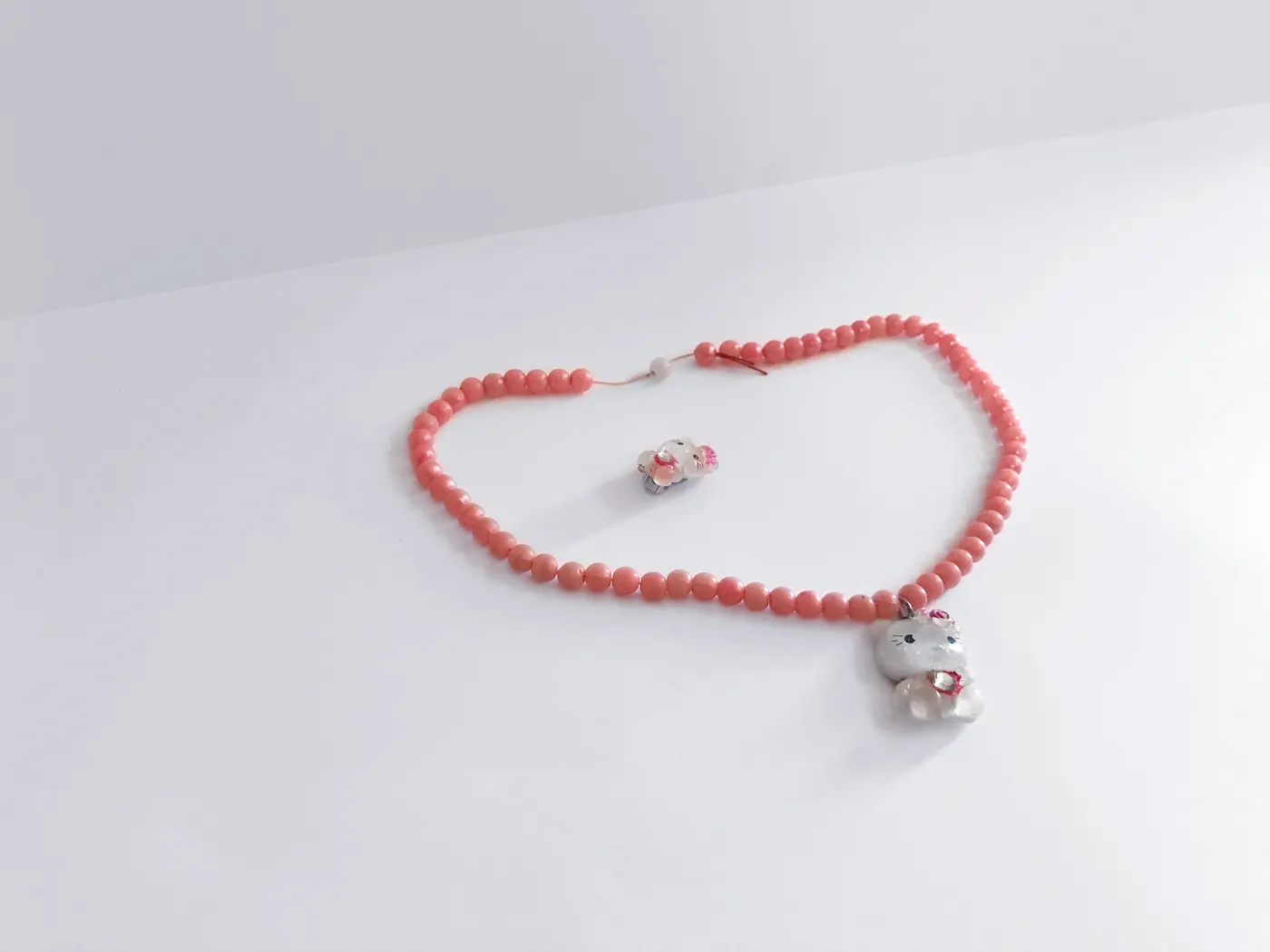
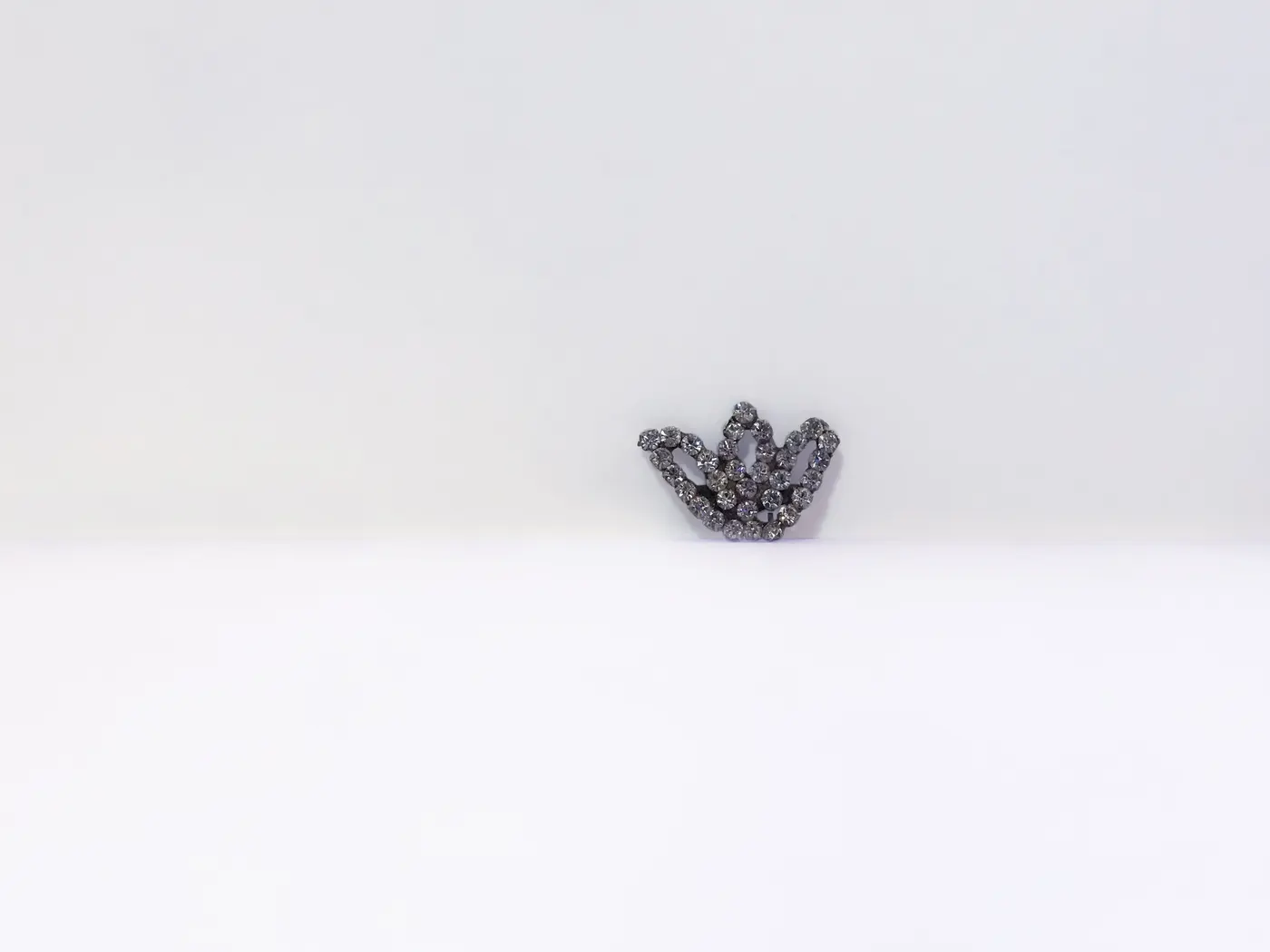
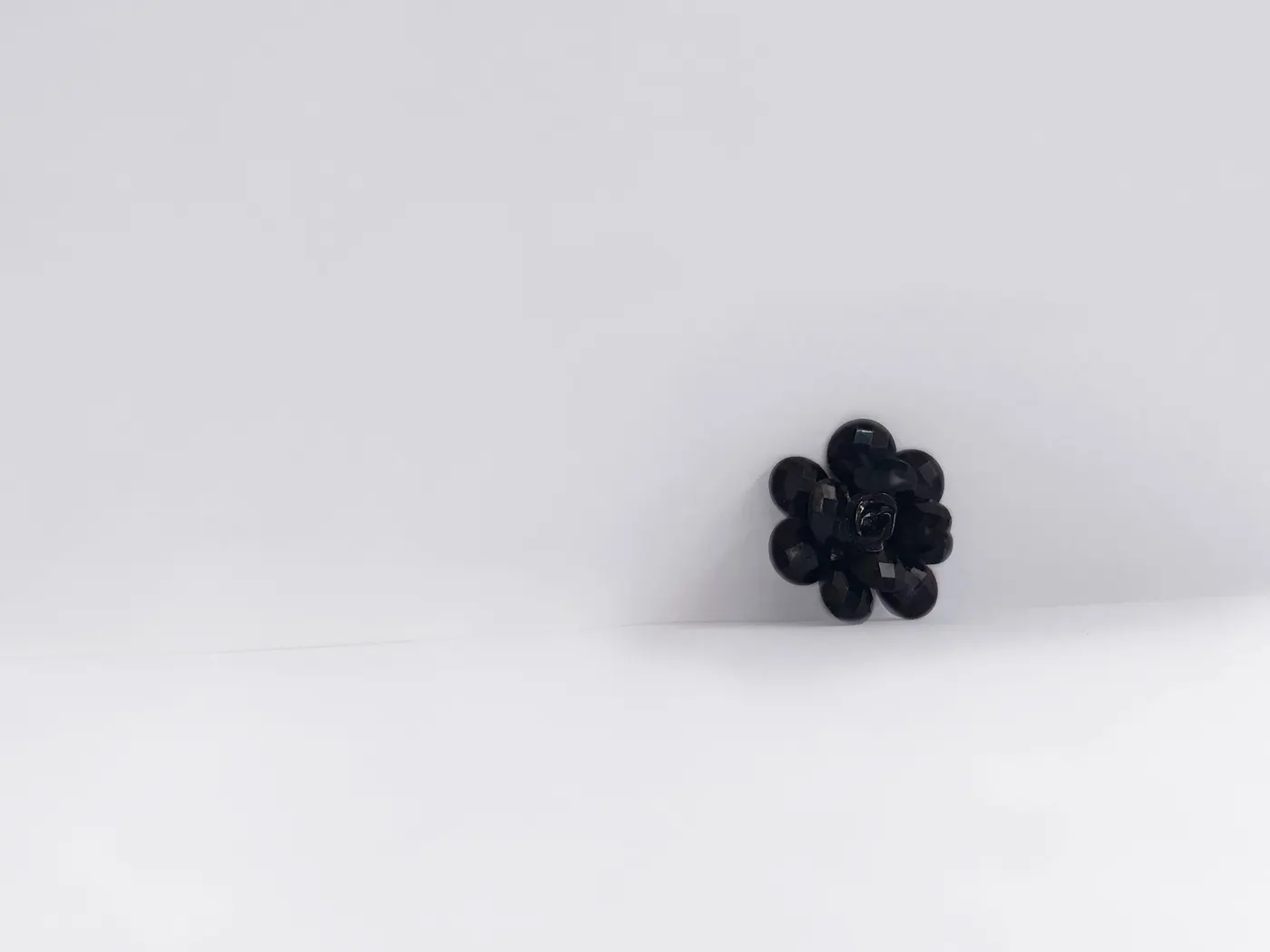
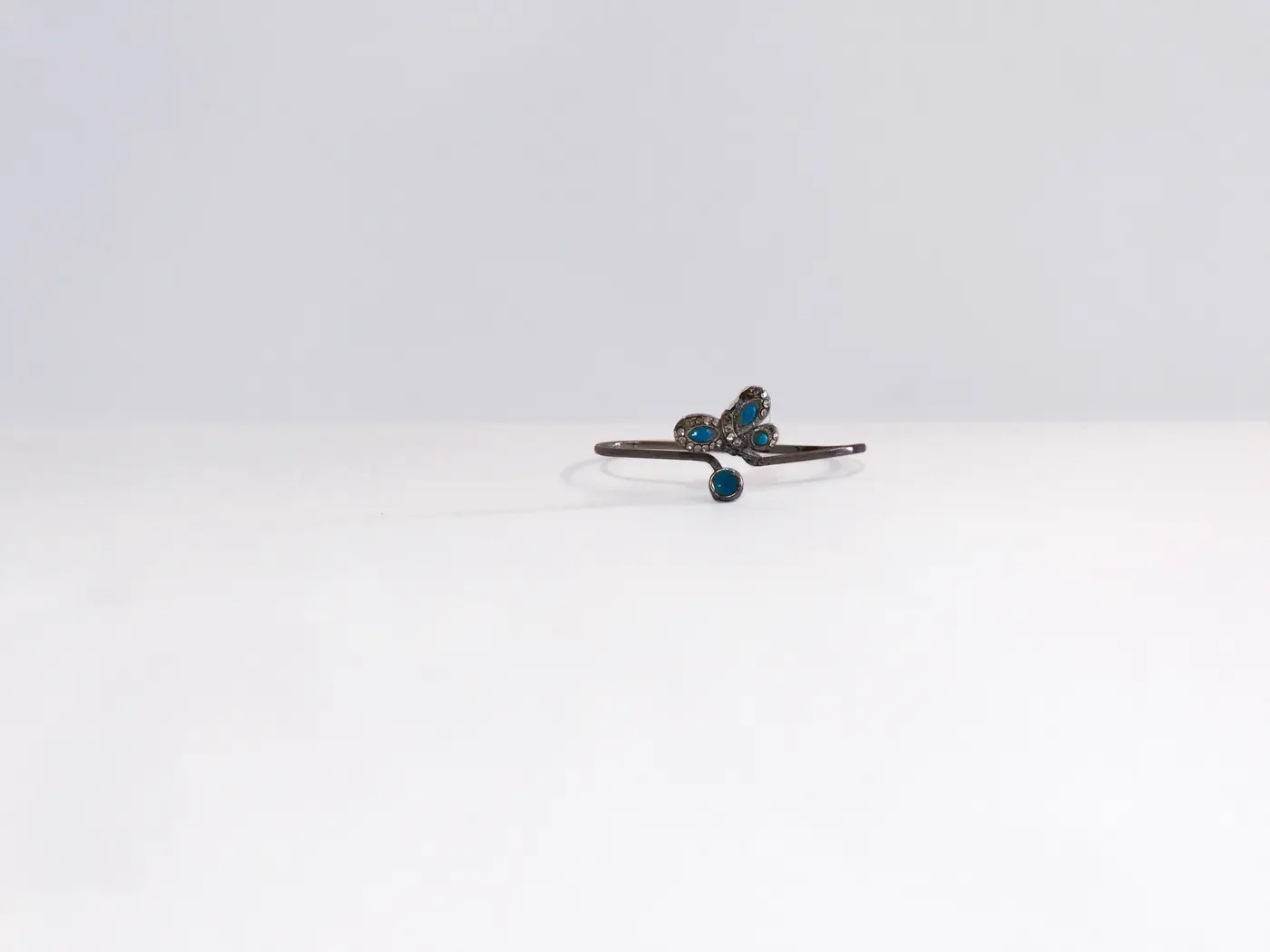
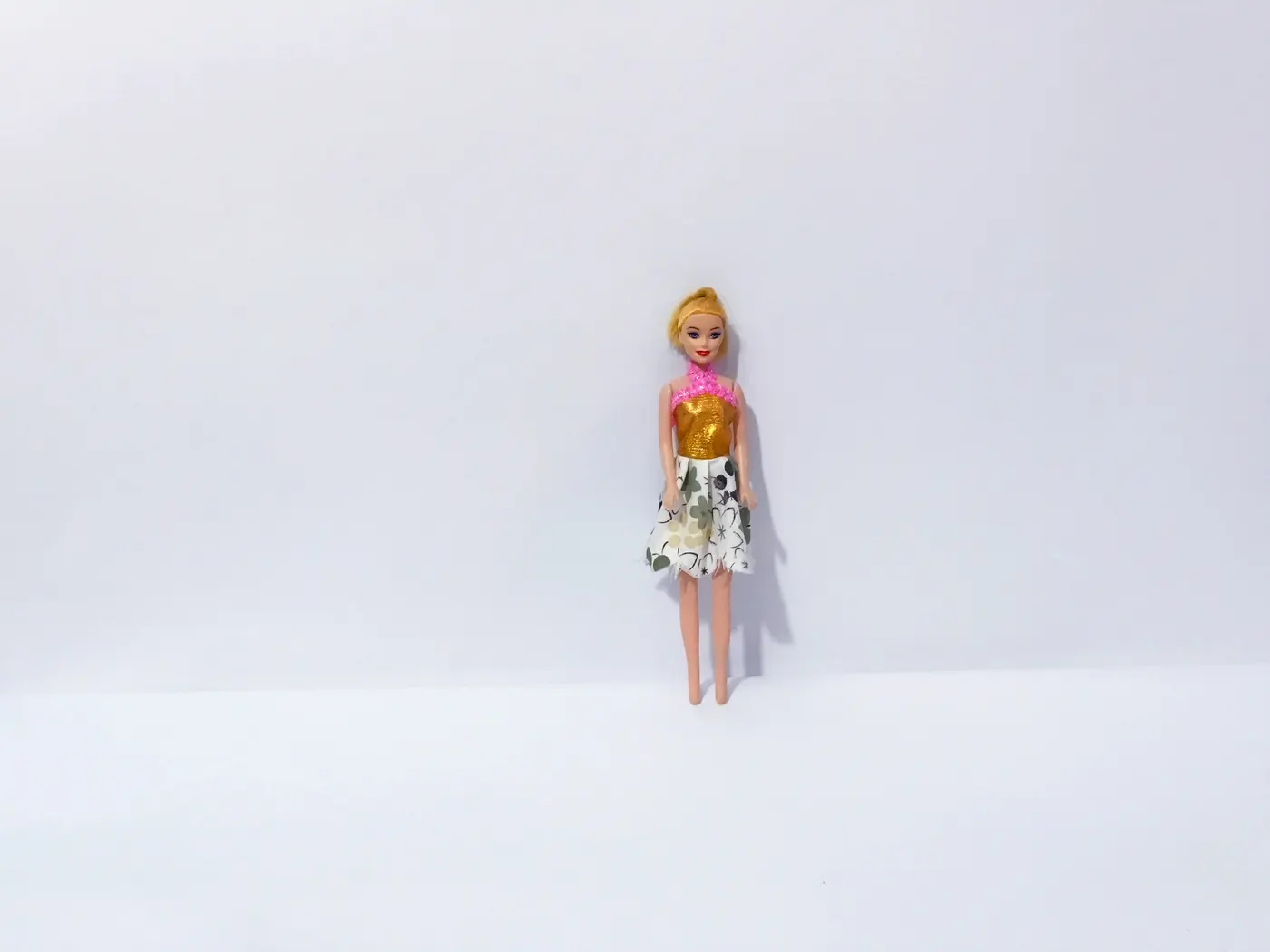
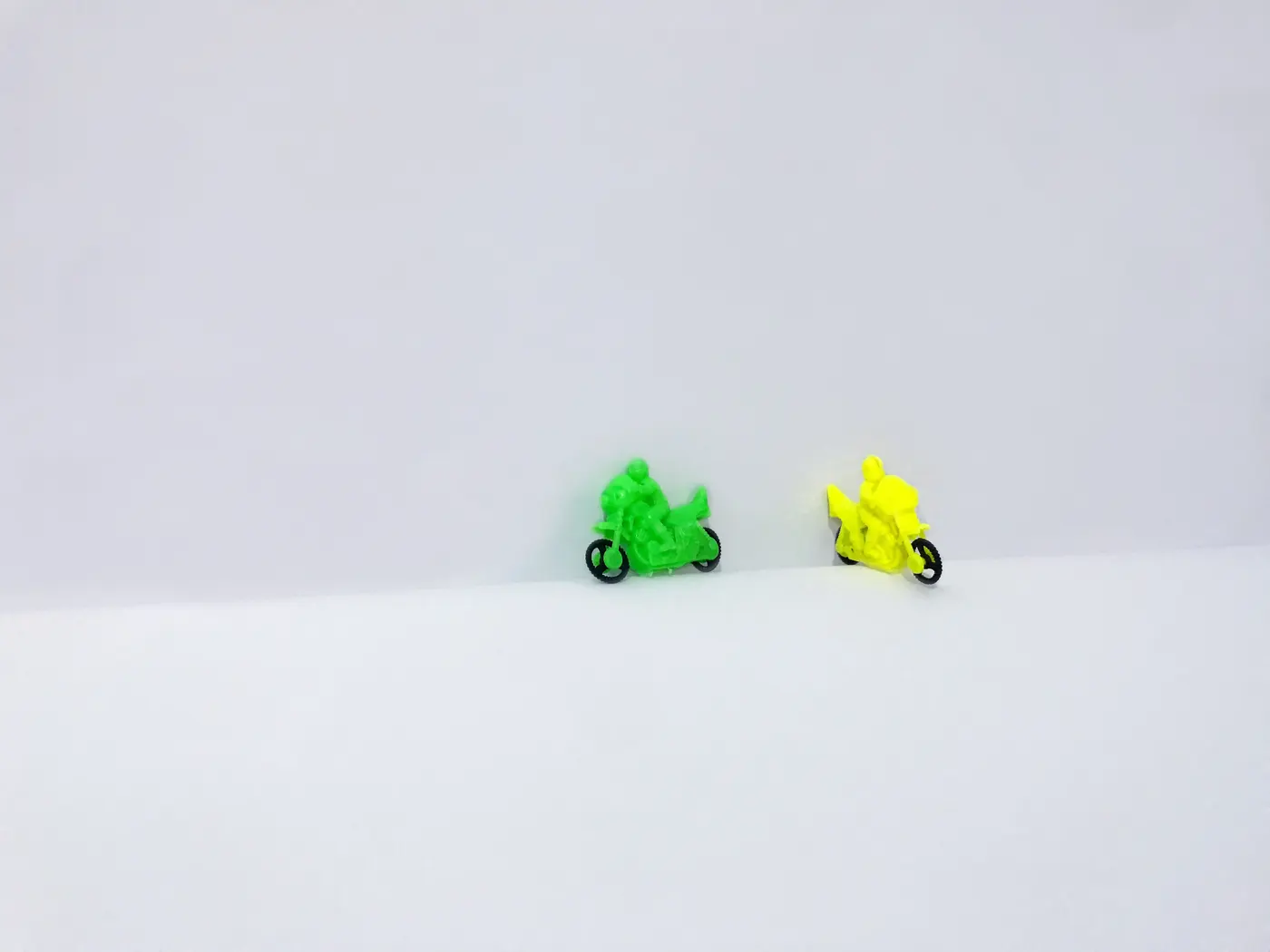
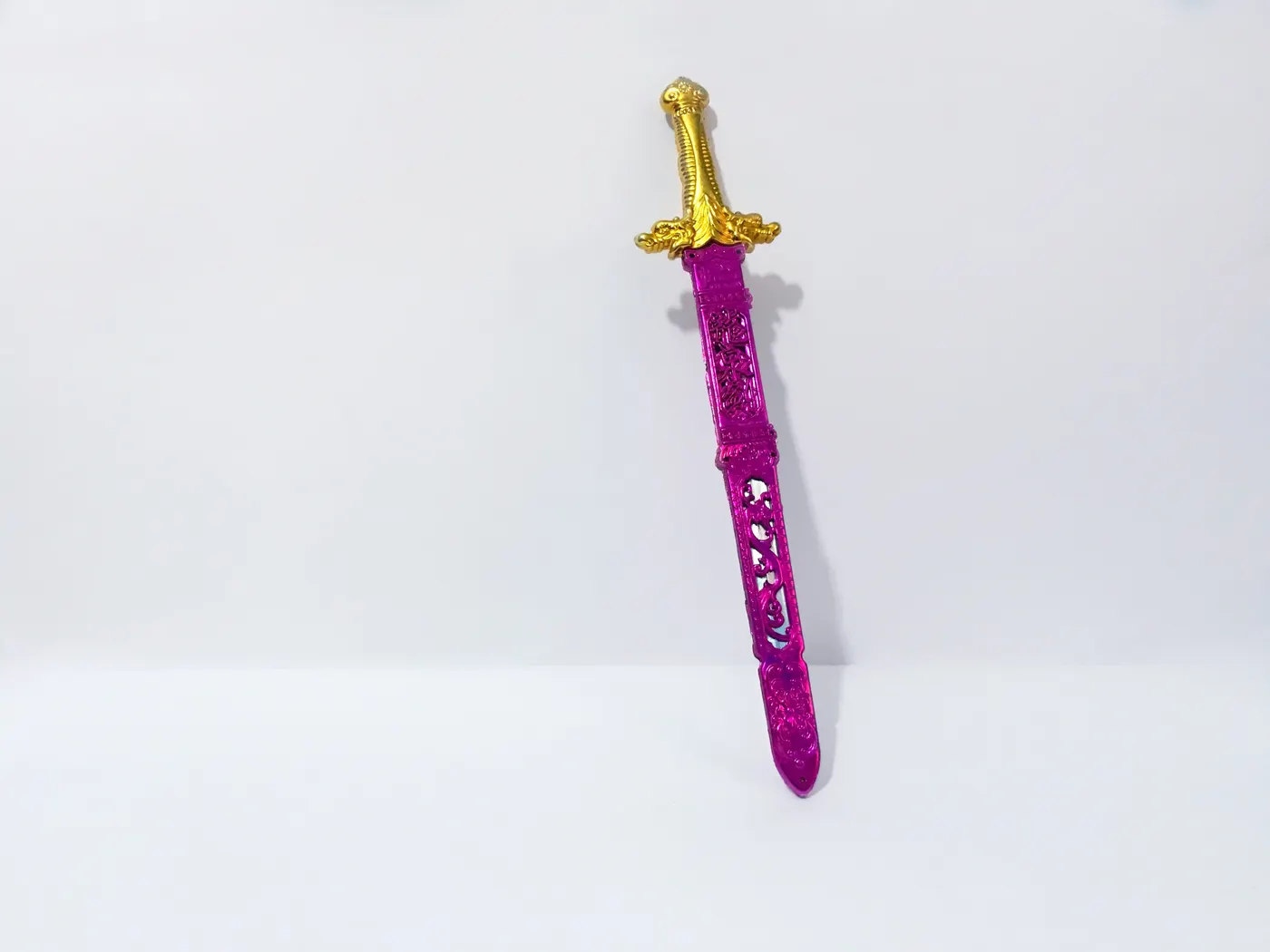
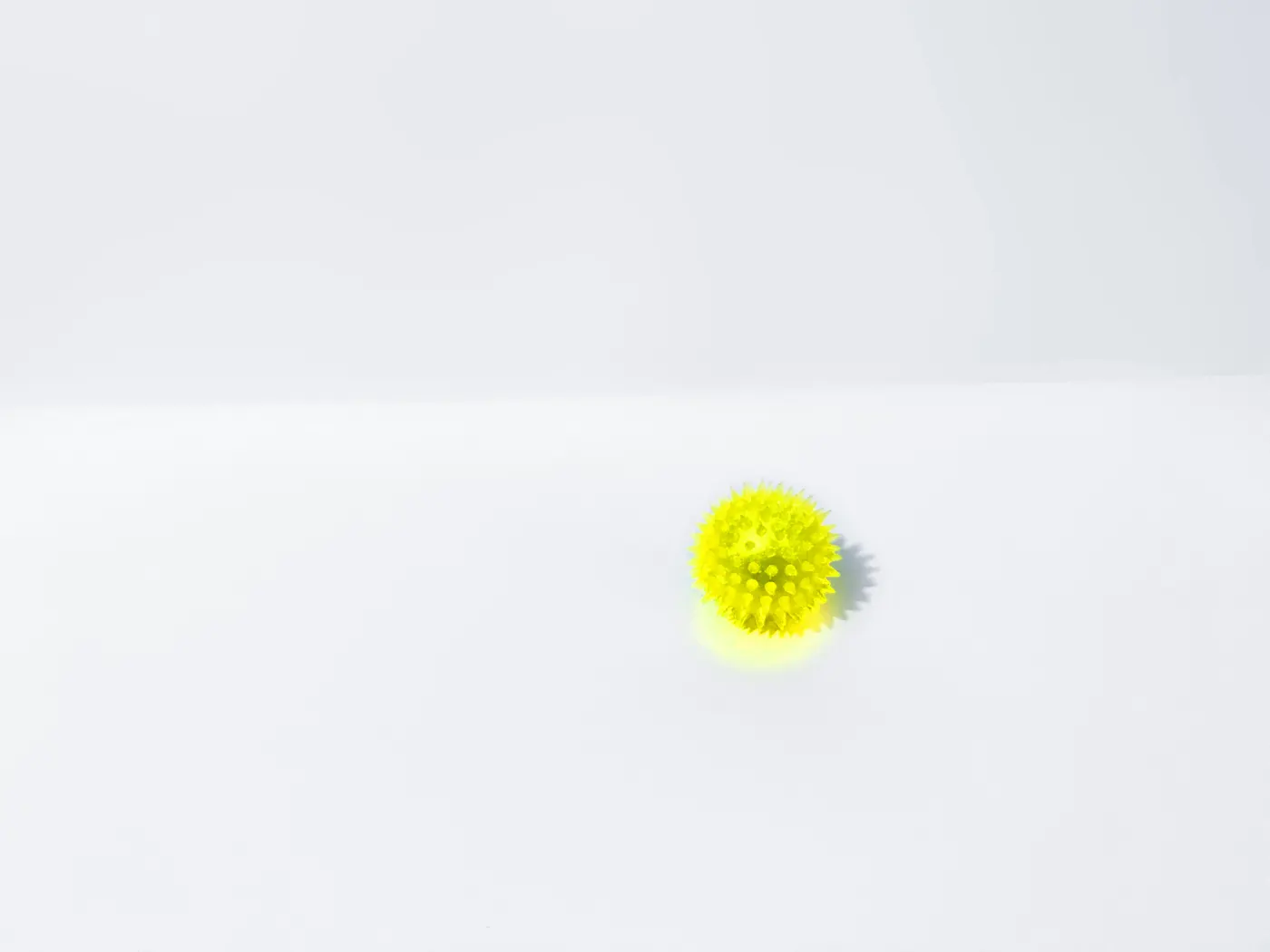
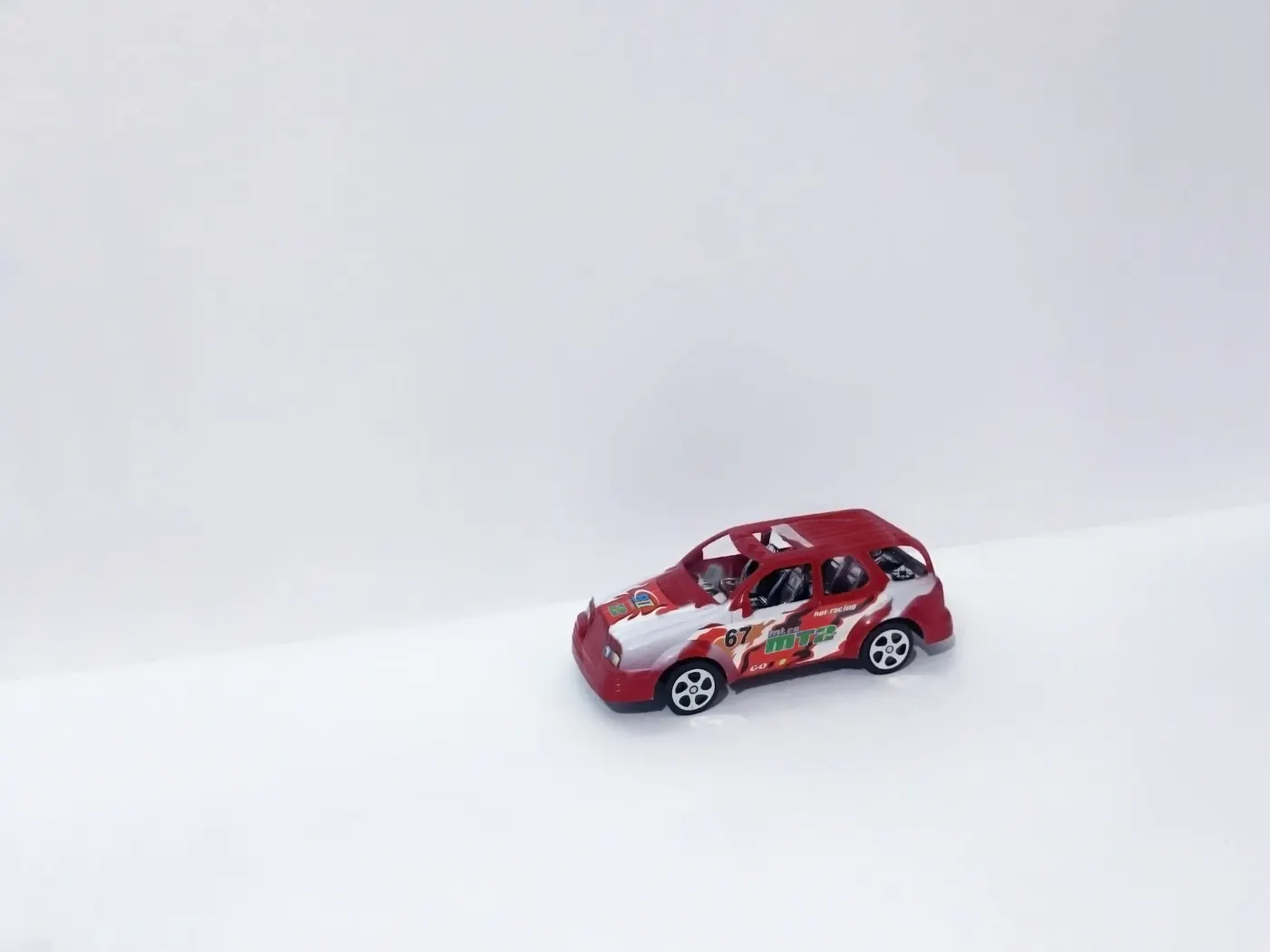
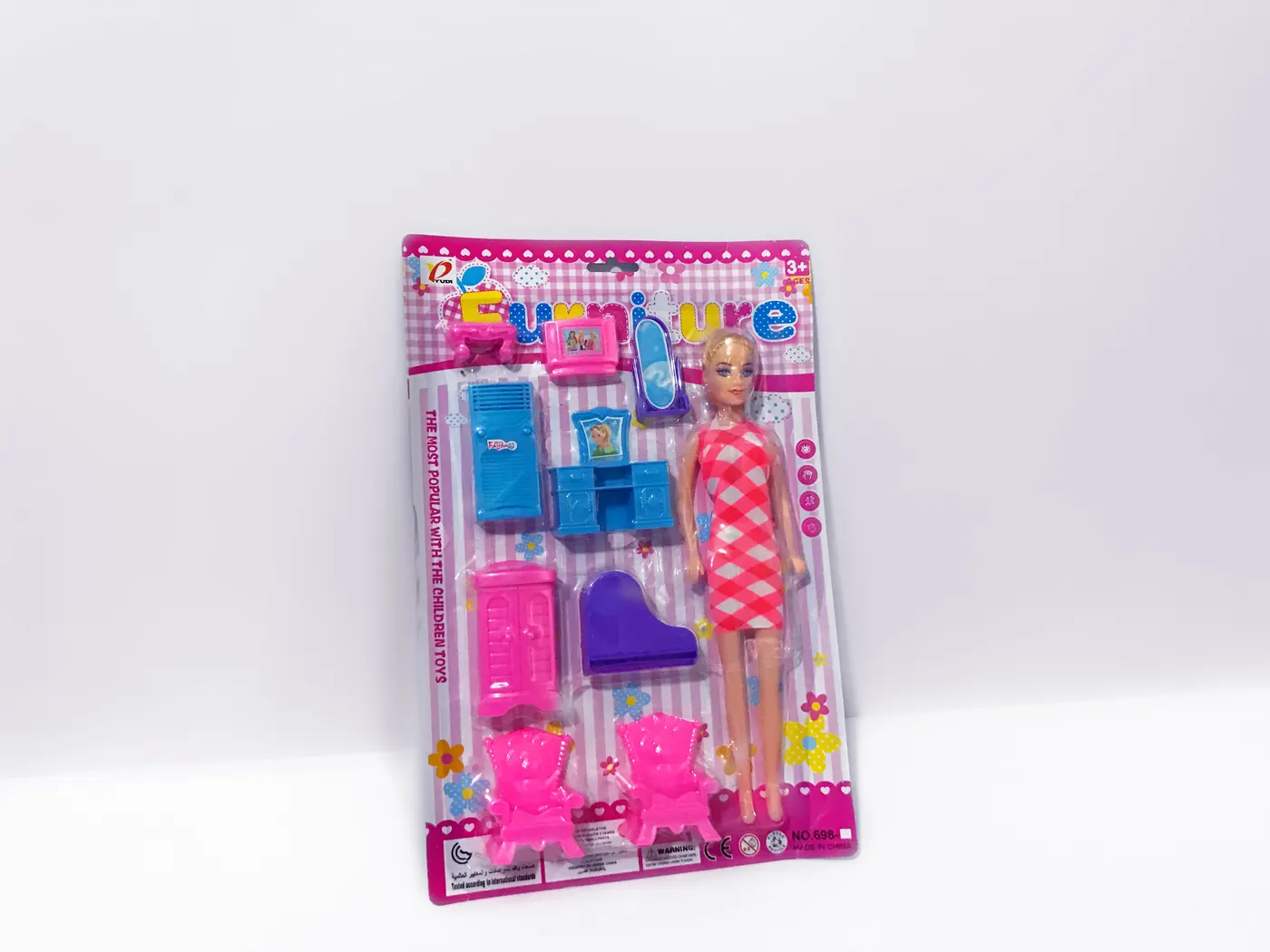
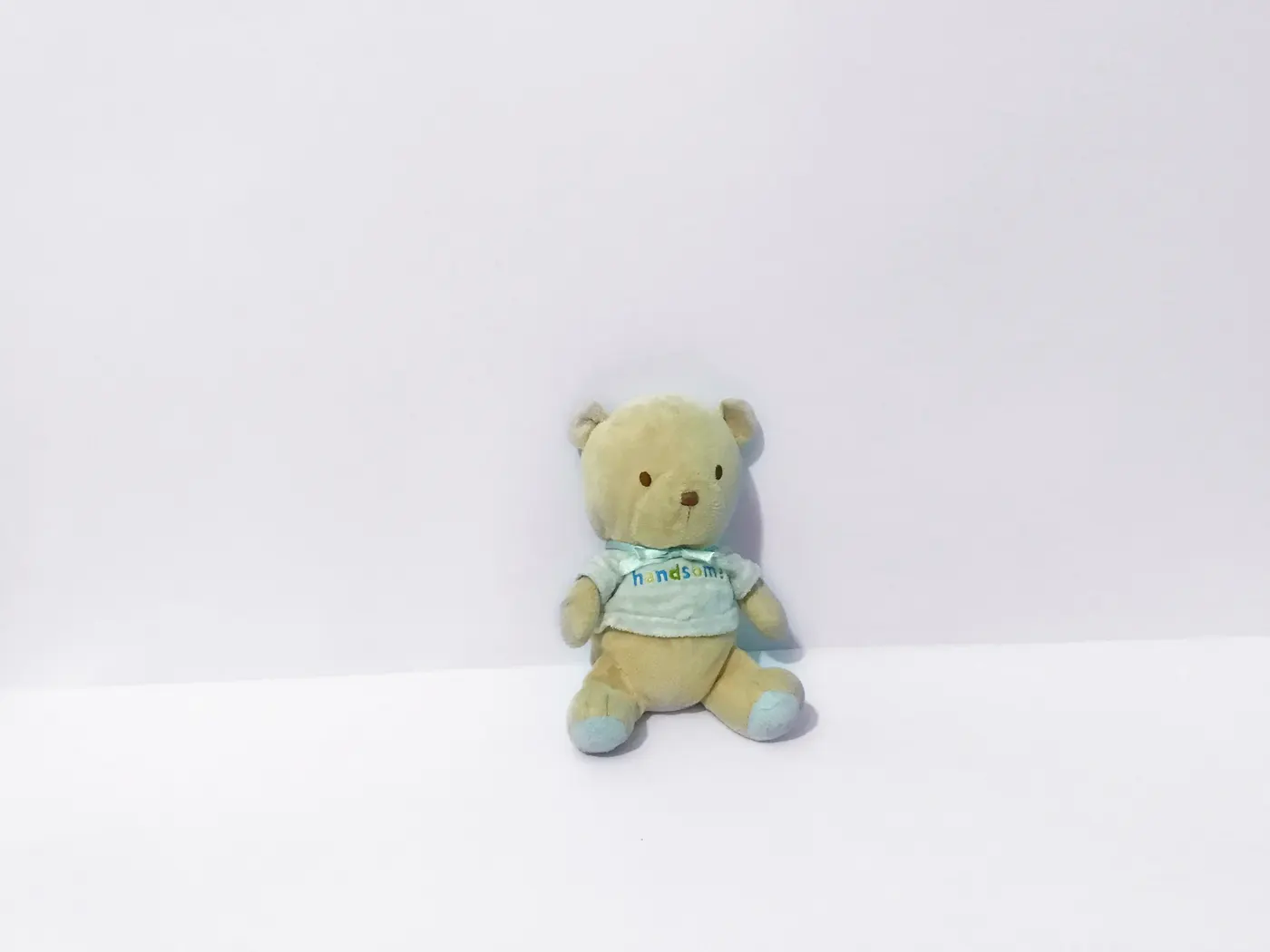
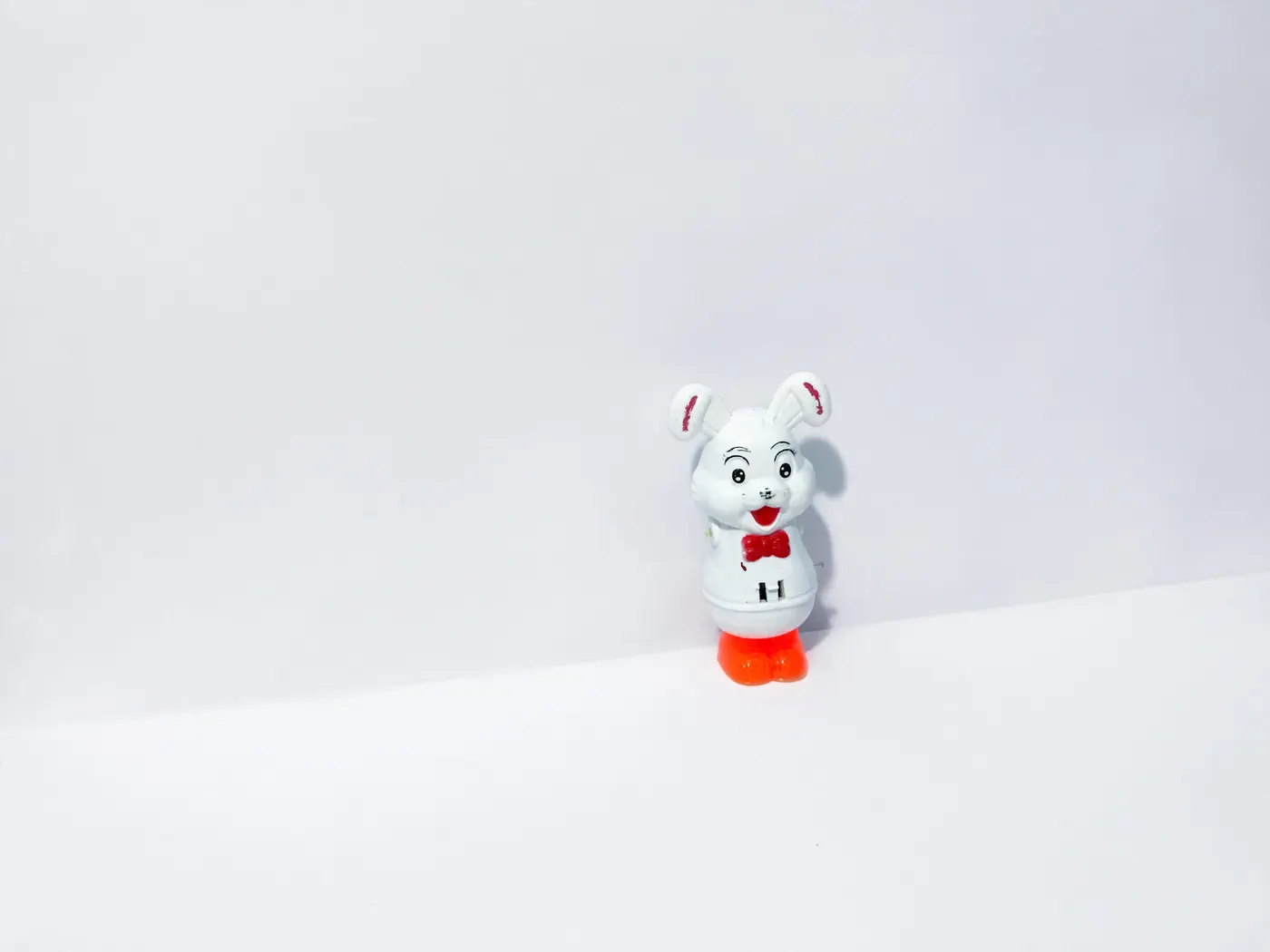
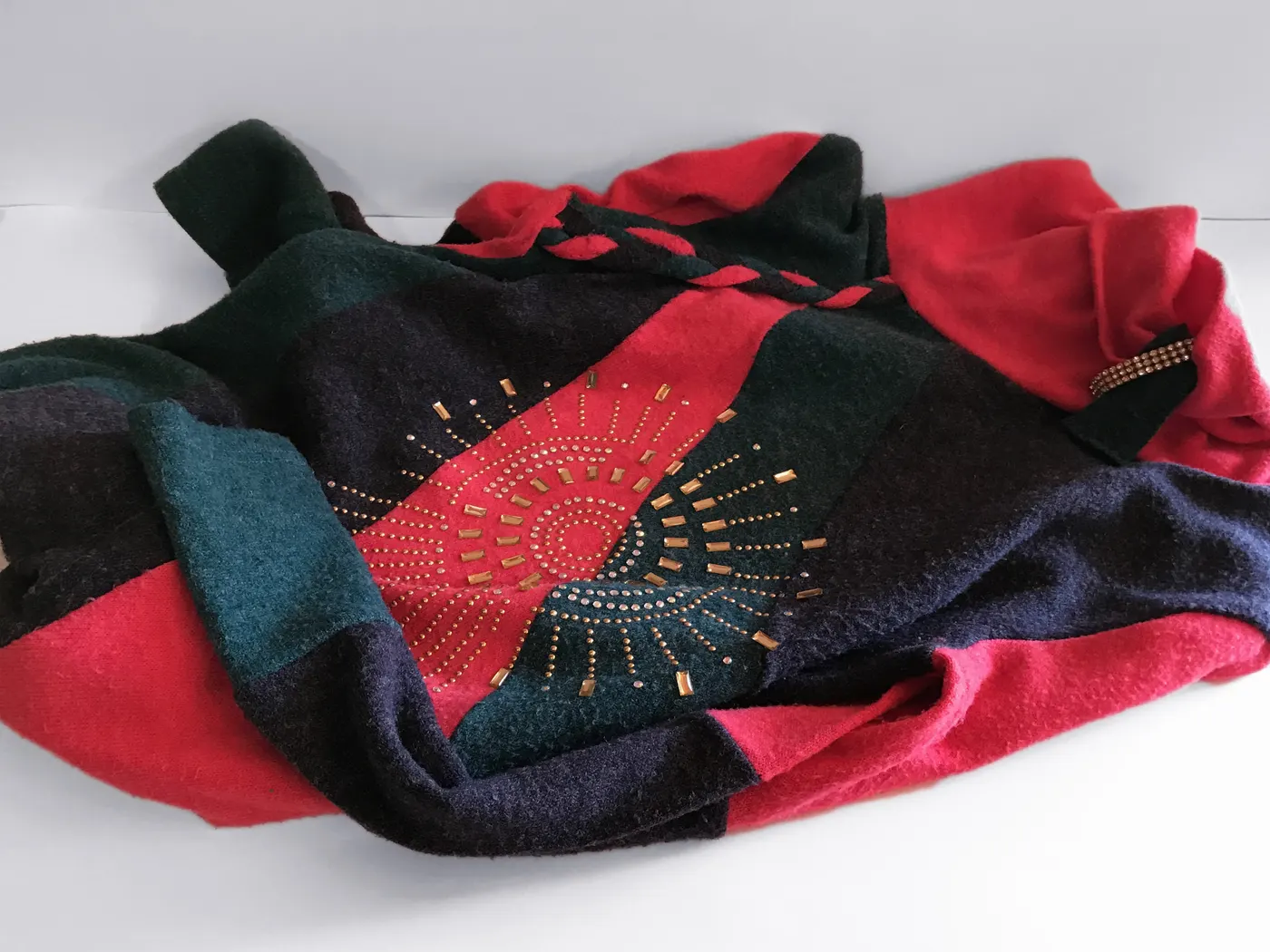
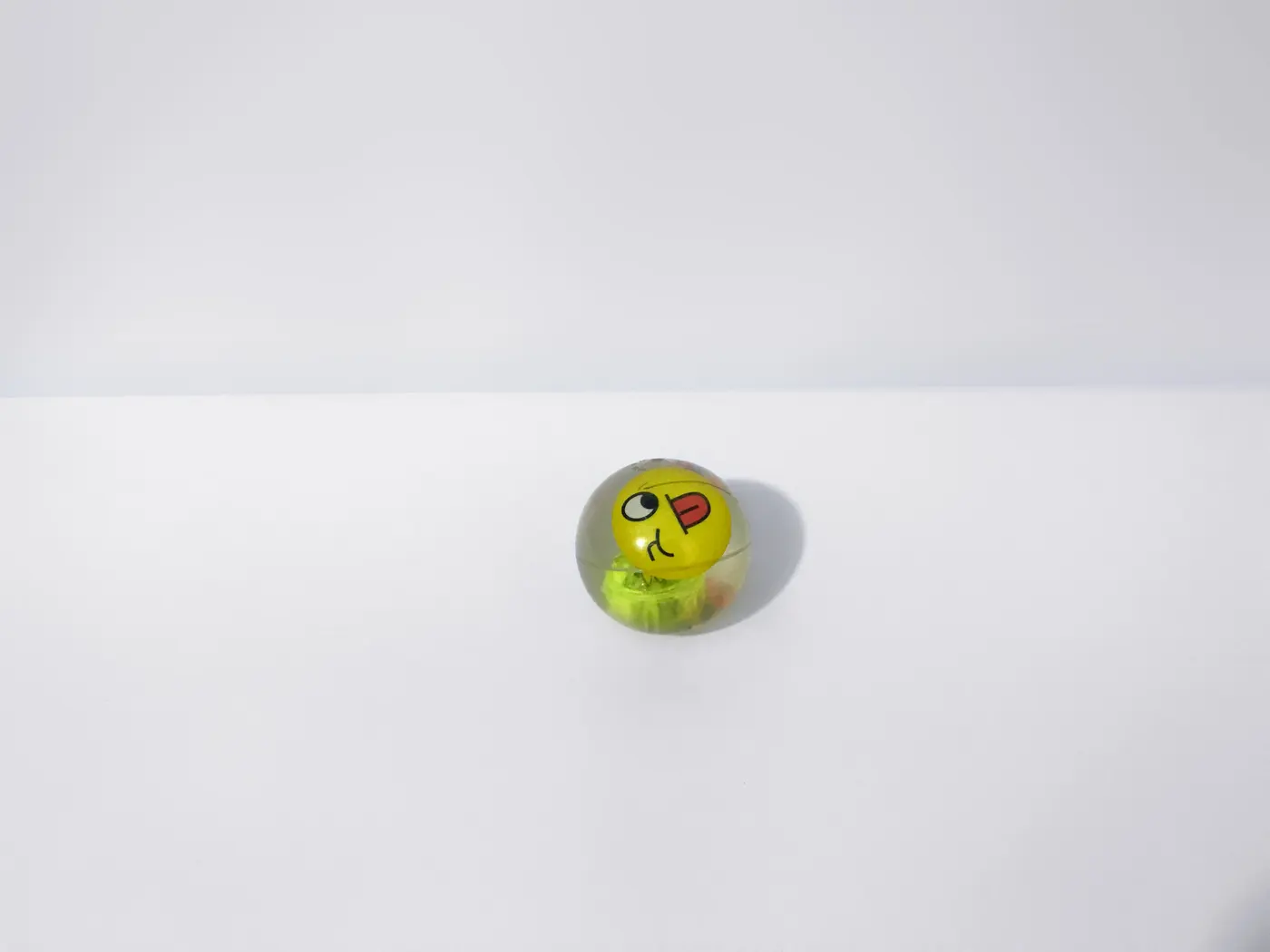
The photographs show the objects alone against a plain white background: a blue teddy bear, a panda, dolls, a ring, a marble, a plastic sword, small toy cars and motorbikes, a handful of building blocks, a small framed picture. Removed from the camps around them, they appear as what they are, ordinary and often small enough to fit in a pocket. Nothing in the image explains why they were kept.
That silence is deliberate. The work does not tell the stories behind the objects, nor the lives they belonged to. What a toy recalls for the child who chose it, a brother, a room, a particular afternoon, remains theirs. The viewer sees only what was carried, and is left before the distance between the object and everything it stands for. Its value lies not in what it is, but in a history the image cannot show.
The white background takes the objects out of the visual context of displacement. They are not shown as relics of war or as evidence of loss, but as things someone cared enough about to bring along when almost everything else had to stay behind. The choice belongs to the children: what to keep when a home is reduced to what can be held in two hands.
In displacement, a possession becomes one of the few tangible links to an absent place. Its meaning grows as everything around it disappears, and the most modest object turns out to be the most precious, not because of what it is made of but because of what is attached to it. Presented anonymously, the photographs protect the children’s privacy while letting each object keep its own presence.
Within L’amour de loin, Home in Pieces moves the question of home from the remembered city to the object held in the hand, from what memory reconstructs to what was physically kept. Home does not appear here as an idea but in pieces: a toy, a ring, a marble, carried from one place to another by the children who chose to keep them.