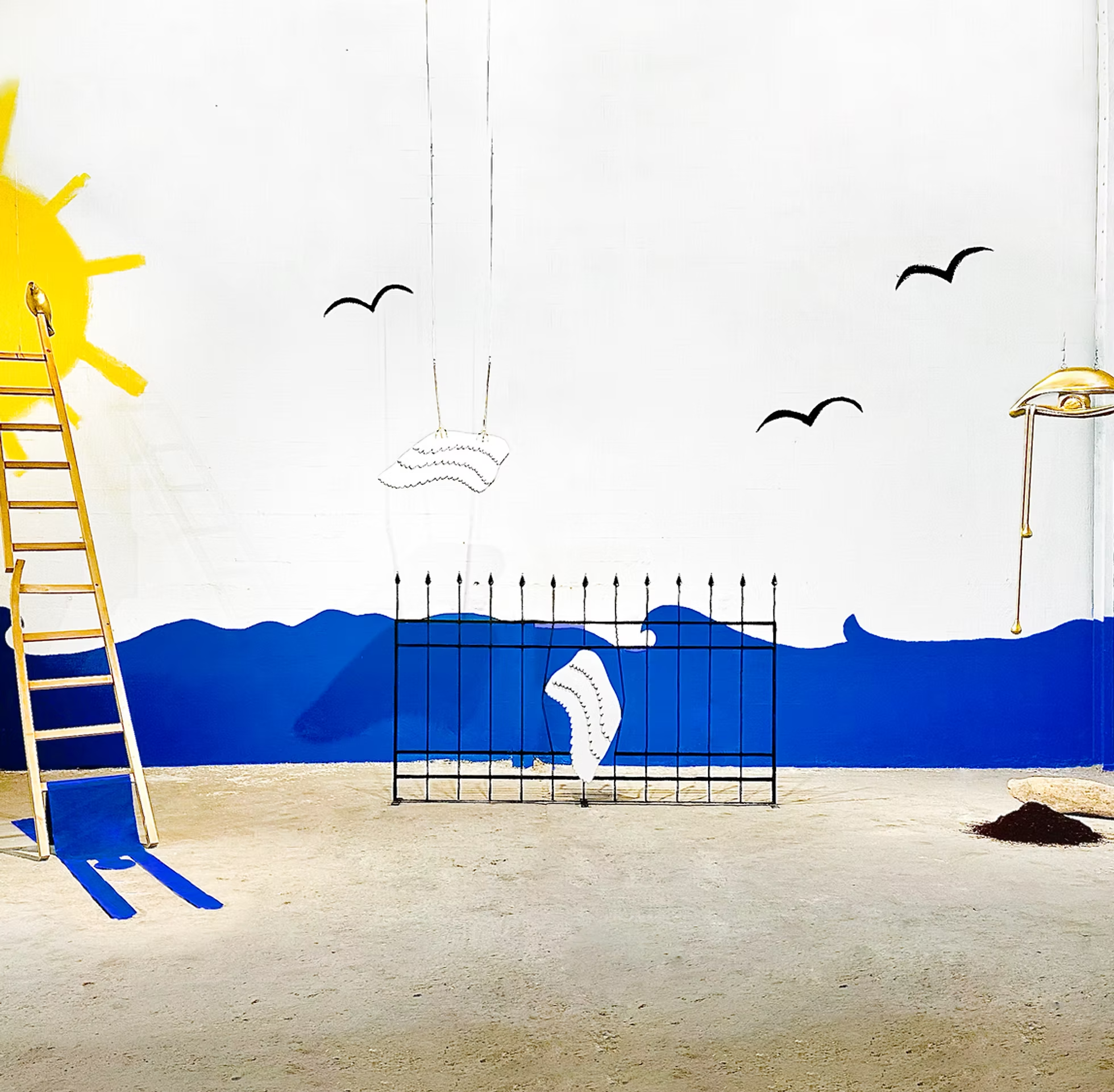
Why does a poem composed nearly three thousand years ago seem to answer every question my life raises? Whenever I have felt displaced, wondered where I belong or lost someone, I have found Odysseus already there, and my work has grown from those encounters.
A book that answers
I do not read the Odyssey the way one reads a classic, once and with respect. I go back to it the way one goes back to a person who knows you well. Something happens in my life, a question I cannot settle, a loss, a feeling I cannot name, and when I return to the poem, I find that Homer has already been there. Not with a solution, but with a scene, a gesture, a figure that makes the question bearable to think about.
This has happened often enough that I no longer think it is a coincidence. The Odyssey is the story of one man trying to get home, and almost every fundamental human experience finds its way into that story: love, fear, desire, temptation, hospitality, memory, death. Whatever I bring to it, it seems to have room for.
When I felt like an exile
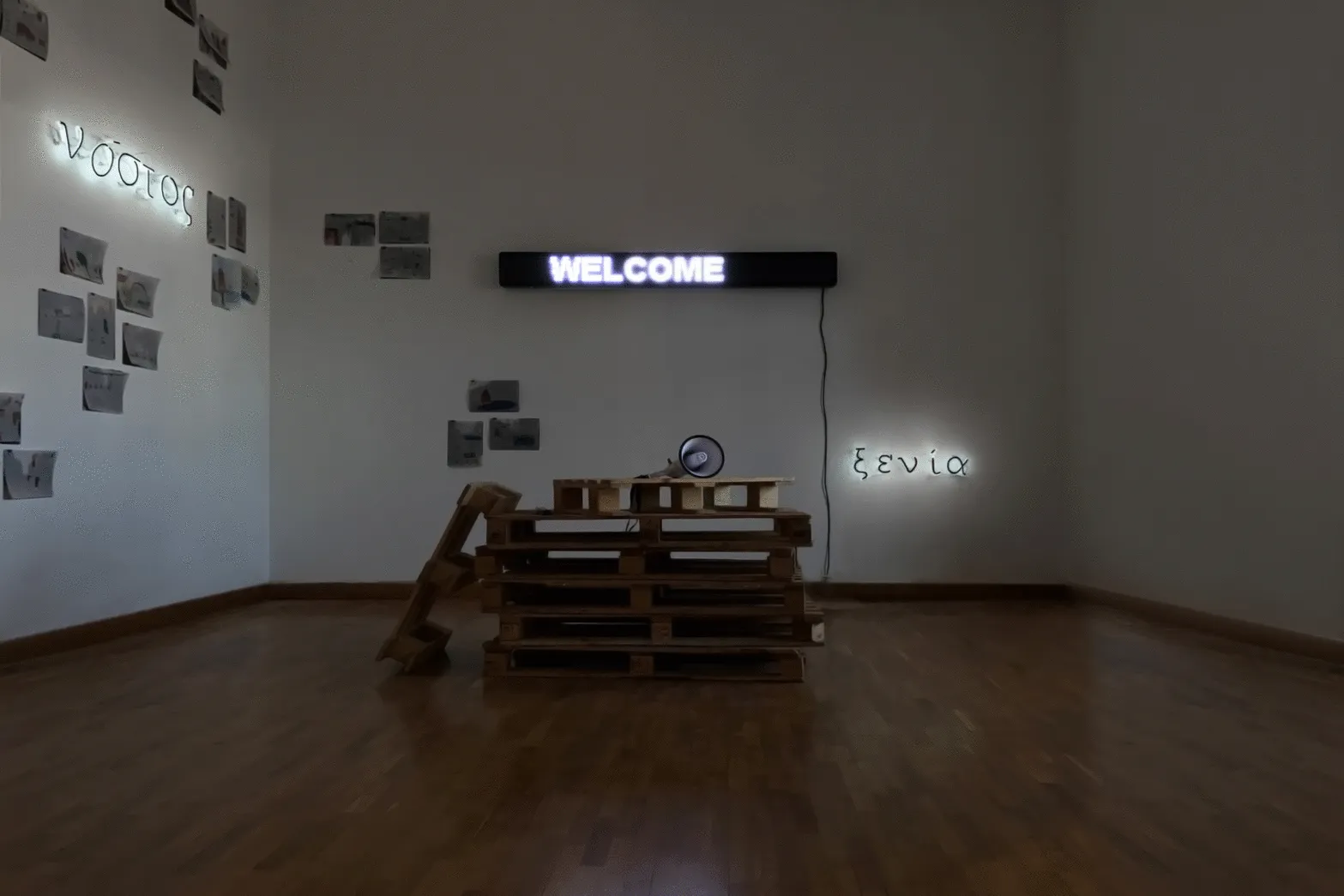
I was born in Greece, raised in France, and I now live between Cairo and France. I have never had one place I could simply call home, and for a long time I carried a quiet feeling of being from elsewhere, wherever I was. When I tried to understand that feeling, the Odyssey gave me a word for it: nostos, the ancient Greek word for homecoming. Centuries later, physicians built the word nostalgia from nostos and algos, pain: literally, the pain of return.
Odysseus spends ten years trying to reach Ithaca. When he finally wakes on its shore, Athena has wrapped the island in mist, and he does not recognise his own land. He enters his home disguised as a beggar. His son knows him only once he reveals himself; his old dog Argos recognises him at once; much later, his nurse identifies him by a scar on his leg. Reading this, I understood that the difficulty is not only being far from home. It is that home changes, and so do we, so that even arriving becomes uncertain.
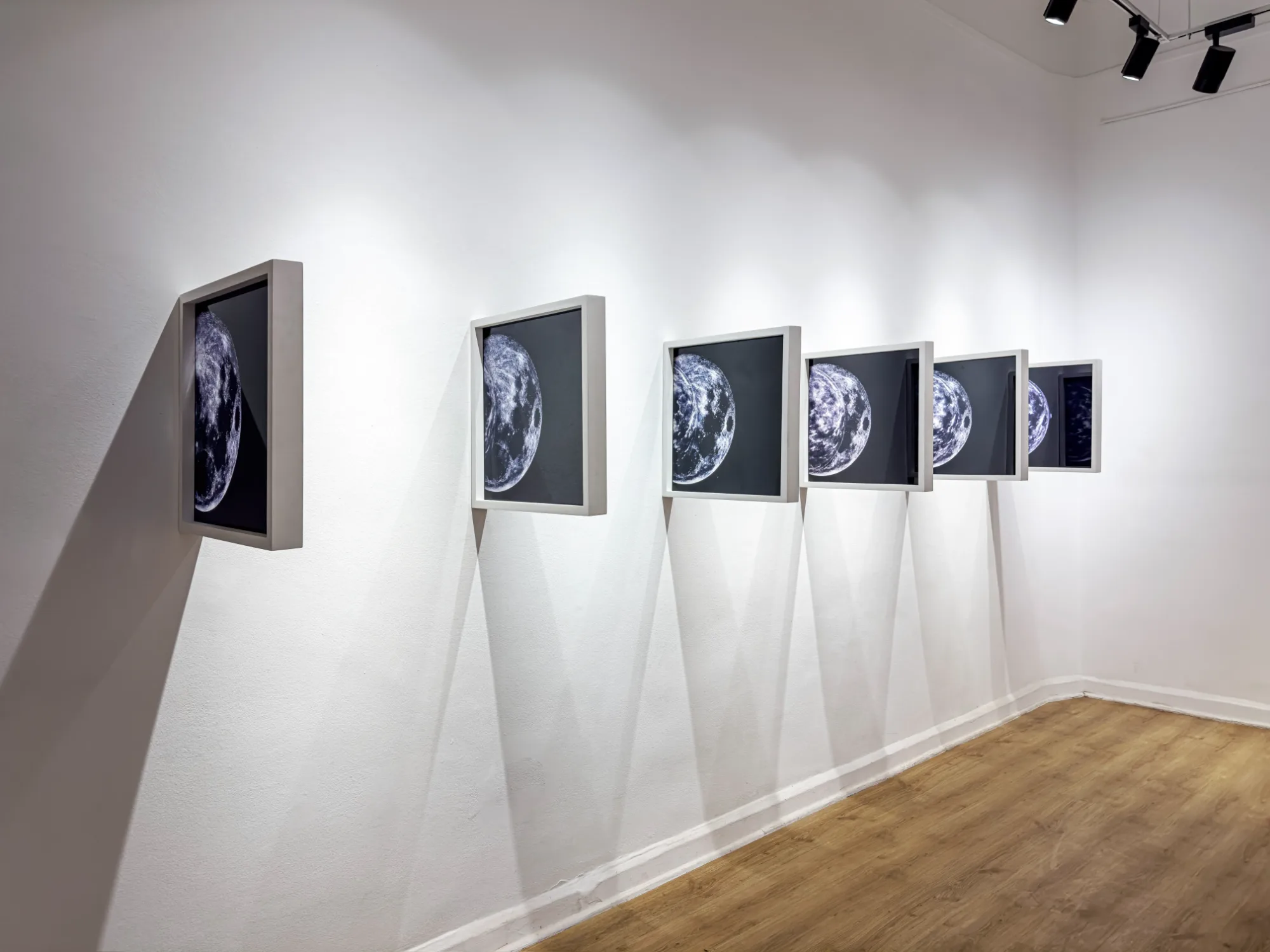
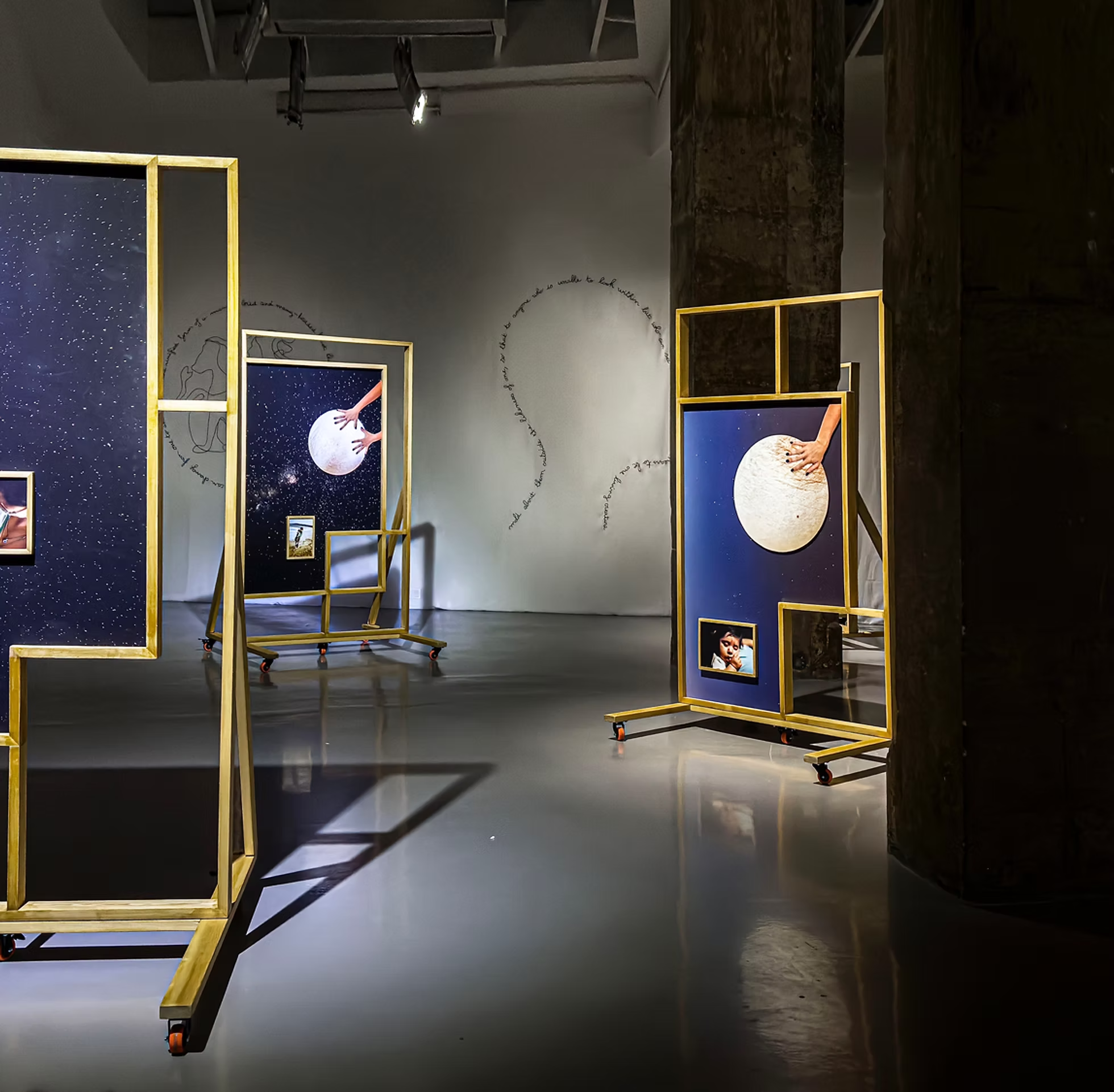
That question led me to L’amour de loin. In 2017, during a residency at the Beirut Art Residency, I travelled almost every day by microbus from Beirut to refugee camps in the Bekaa Valley, near the Syrian border, and worked for three months with children who had left their homes in Syria. My own experience of not fully belonging to a place is fundamentally different from the forced displacement these children had lived through. Yet the idea of nostos offered a way to approach questions of home, memory and return without pretending that these experiences were equivalent. The works that emerged brought their memories and choices into dialogue with questions that had long occupied me. In Mémoire voilée, their drawings of the cities they left lie over photographs of the same cities found online. In On My Way, my recordings of the road are layered with Kaija Saariaho’s opera L’Amour de loin, in which a troubadour loves the Countess of Tripoli without ever having seen her.
When I wondered where I belong
Another question came later: what it means to belong to a group, and what it means to arrive as an outsider. Again, Homer had a scene. Odysseus spends much of the poem as a nameless stranger. To the Cyclops he even calls himself Nobody. In Book VI, he is washed up naked on a foreign shore, having lost everything, and Nausicaa, the daughter of the king, gives him clothes and shows him the way to the city. Whether he will be welcomed or rejected depends entirely on others. The Greeks called this obligation xenia, the hospitality owed to the stranger.
Chez Nausicaa, the dinner-performance I made in Athens in 2018, came from that scene. Setting a table for guests was my way of asking how a group opens itself to someone who does not yet belong, and what the stranger gives back in return.
When my father died
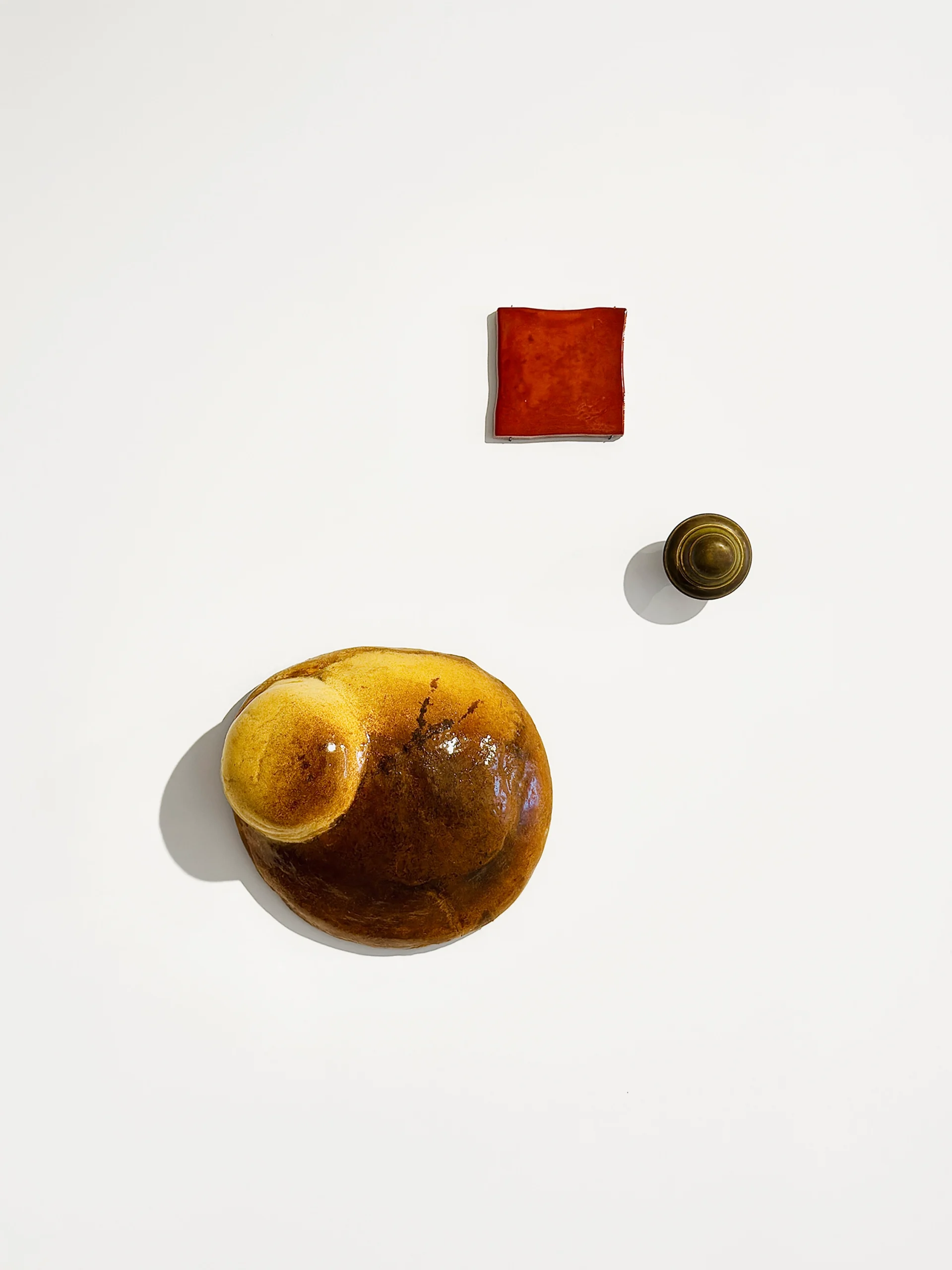
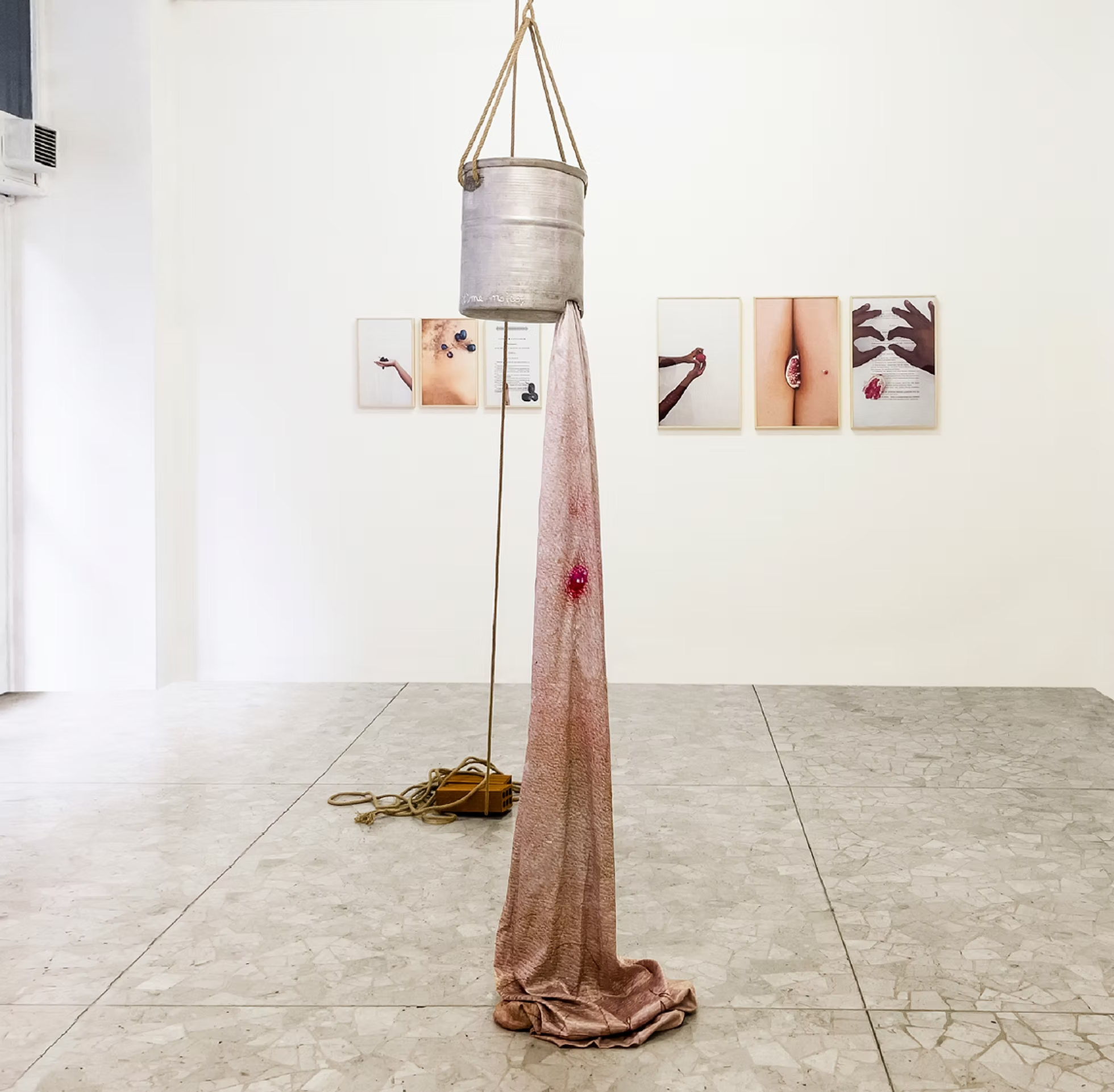
After my father’s death in 2023, I began shaping faces in dough, and bread entered my work, a story I have told in Thinking Through Bread. Grief was a question I could not think through at all at first. And once again, the Odyssey was there.
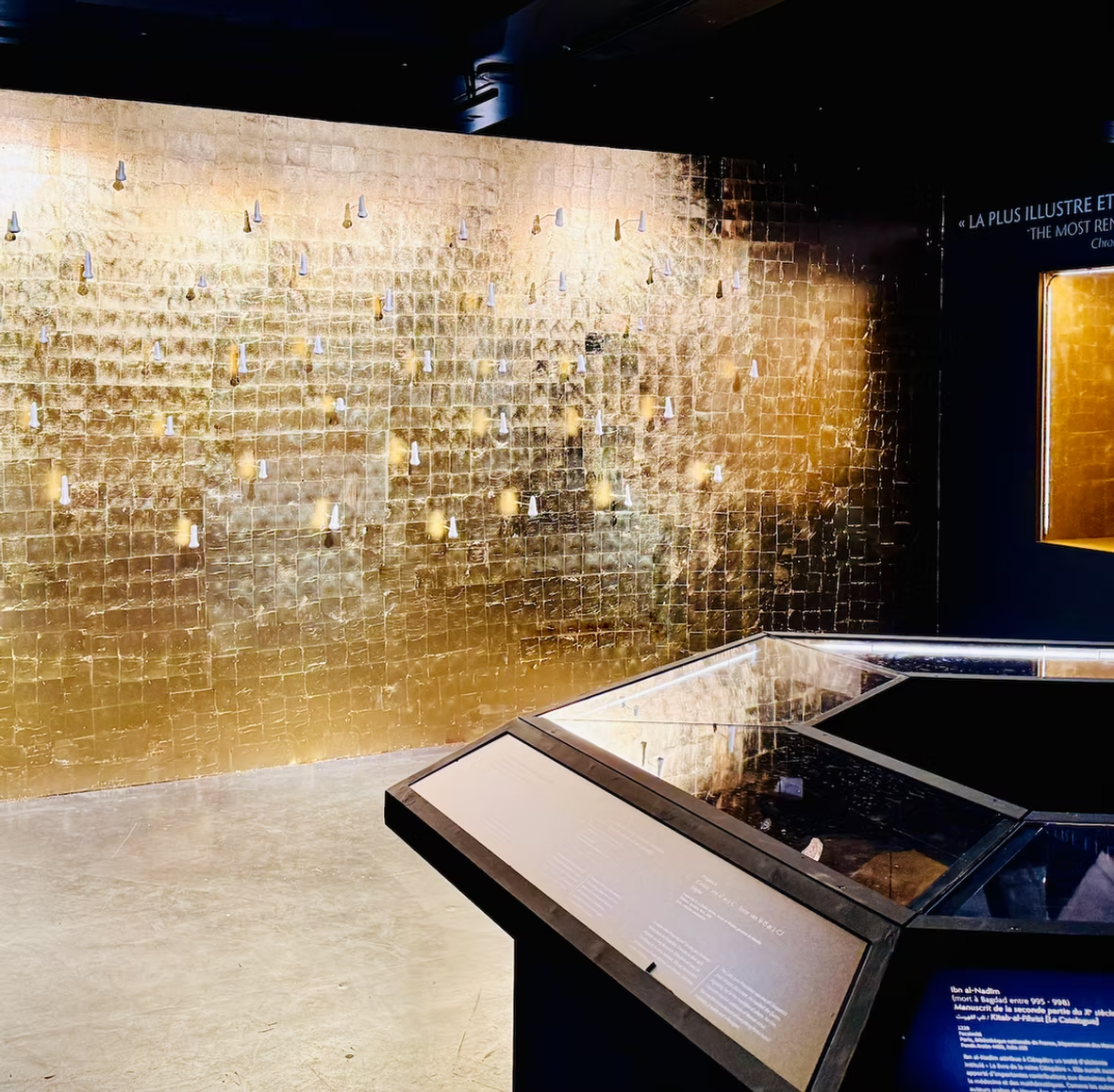
In Book XI, Odysseus goes down among the dead. He meets the shade of his mother and tries three times to embrace her, and three times she slips through his arms. That image said something I could not put into words: that loss is also a journey without return, that one cannot go back to the world as it was before. Ὀδύσσεια (Odysseia), part of Bake Your Pain, grew from that understanding. Grief became a voyage of its own, an attempt to find another way of inhabiting what remains.
Why this book
I have asked myself why it is this book and not another. Perhaps because Odysseus is not a hero in the usual sense. He is intelligent but deceptive, courageous but frightened, faithful to the idea of home yet constantly tempted to stay elsewhere. A king becomes a beggar; a warrior becomes a nameless stranger. His identity is lost and rebuilt along the way. He is not someone to admire from a distance but someone whose contradictions resemble ours.
My works are not illustrations of the Odyssey. They are what happens when a question from my own life meets a scene written centuries ago, and the two begin to speak to each other. I do not know what the next question will be. I suspect I will find Odysseus waiting there too, still searching for Ithaca, still discovering that the journey makes it impossible to arrive as the same person who left.
Related Series
Related Studio Notes