Do we remember the past as it happened, or as we have since rewritten it? And what happens to our ability to forget when our devices remember for us?
Memory is not a passive archive. Each time we recall an event, we rebuild it: details fall away, emotions shift, some moments gain weight while others slip out of reach. What we remember is never quite what happened, but what remains once memory has worked on it.
In On the Genealogy of Morality (1887), Friedrich Nietzsche describes forgetting not as a failure but as an active faculty, comparable to digestion. A person unable to forget, he suggests, is like a dyspeptic who can never be done with anything. Forgetting is what allows experience to be absorbed, transformed and made bearable. The title of the series takes him at his word: memory digests.
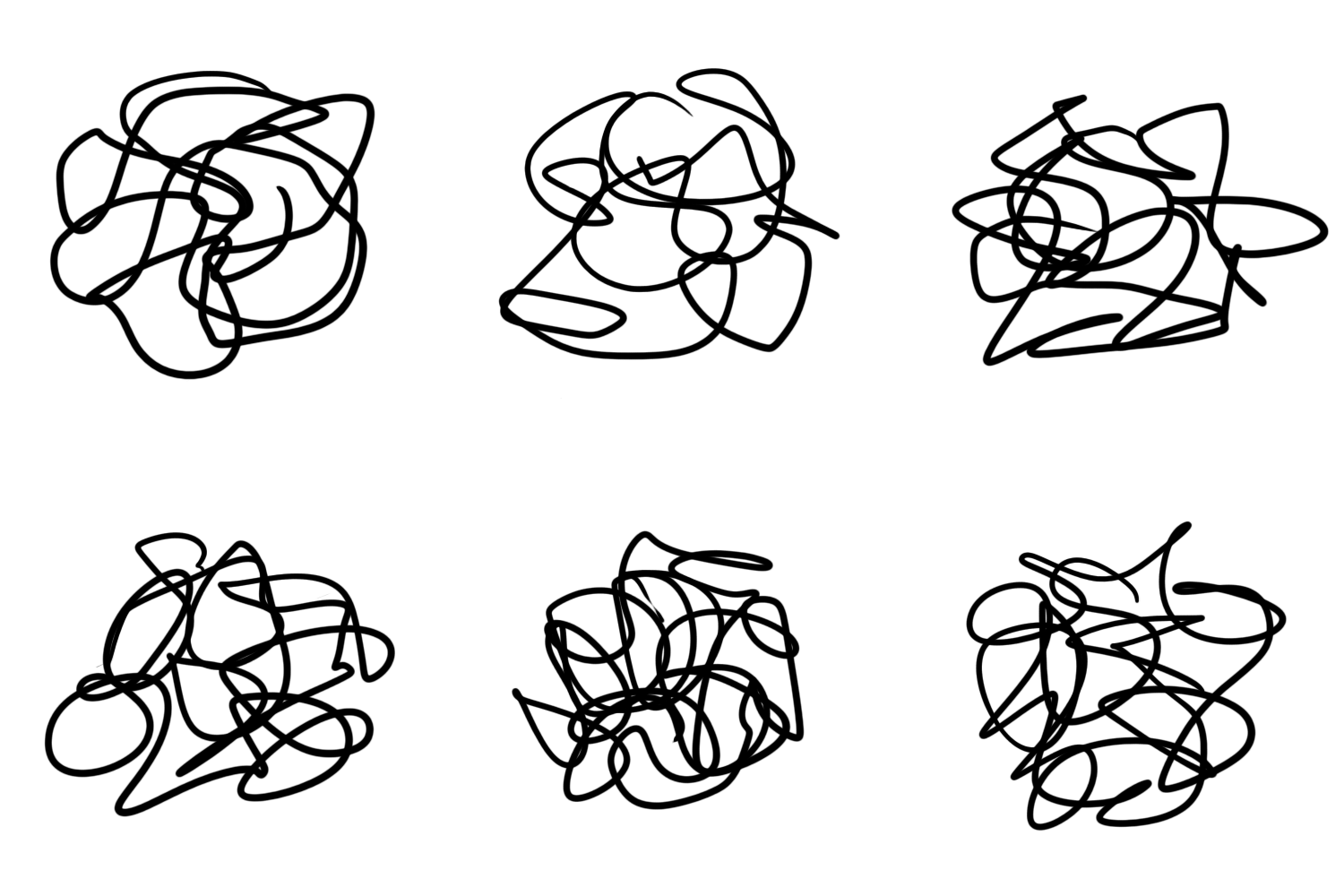
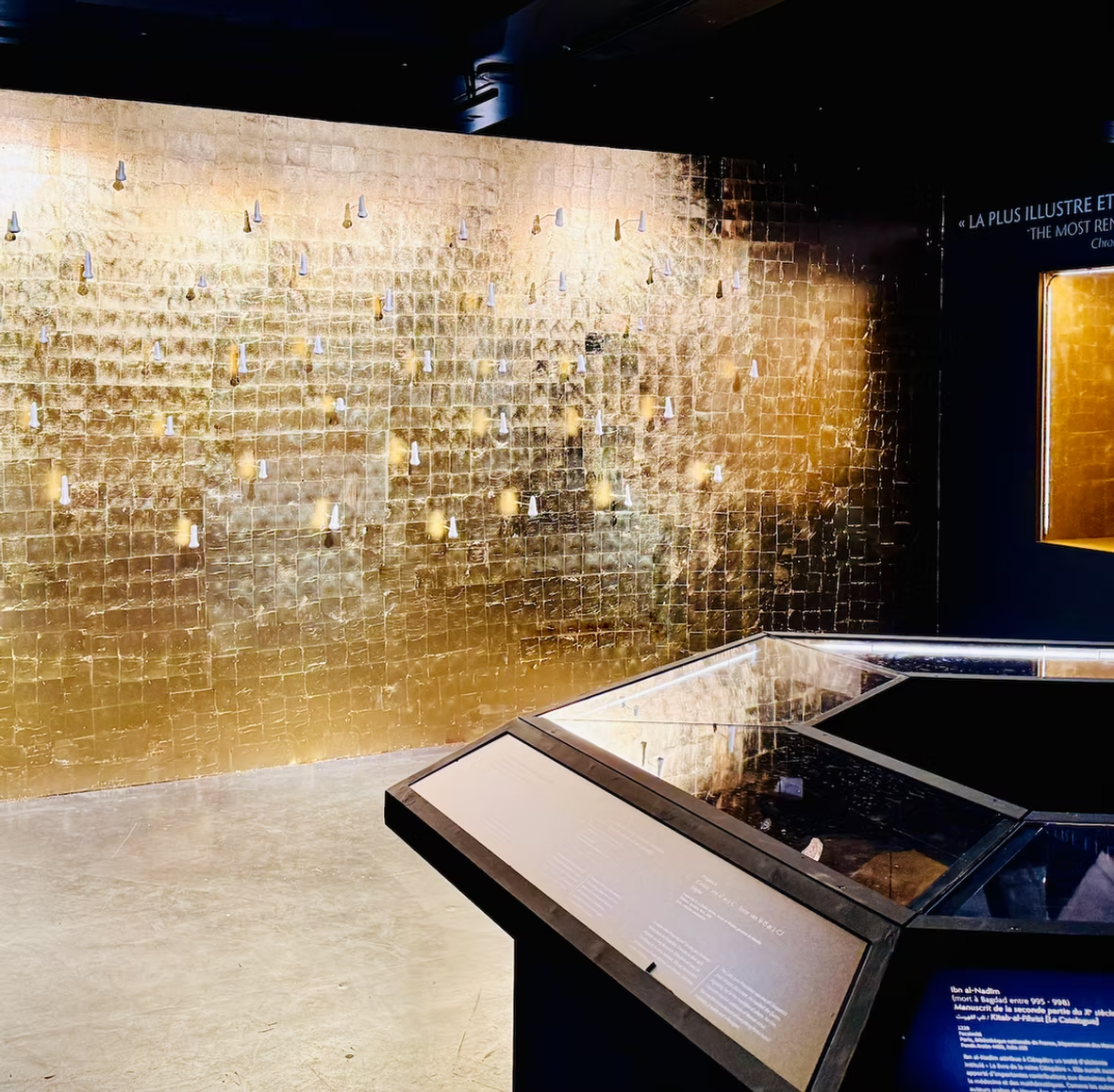
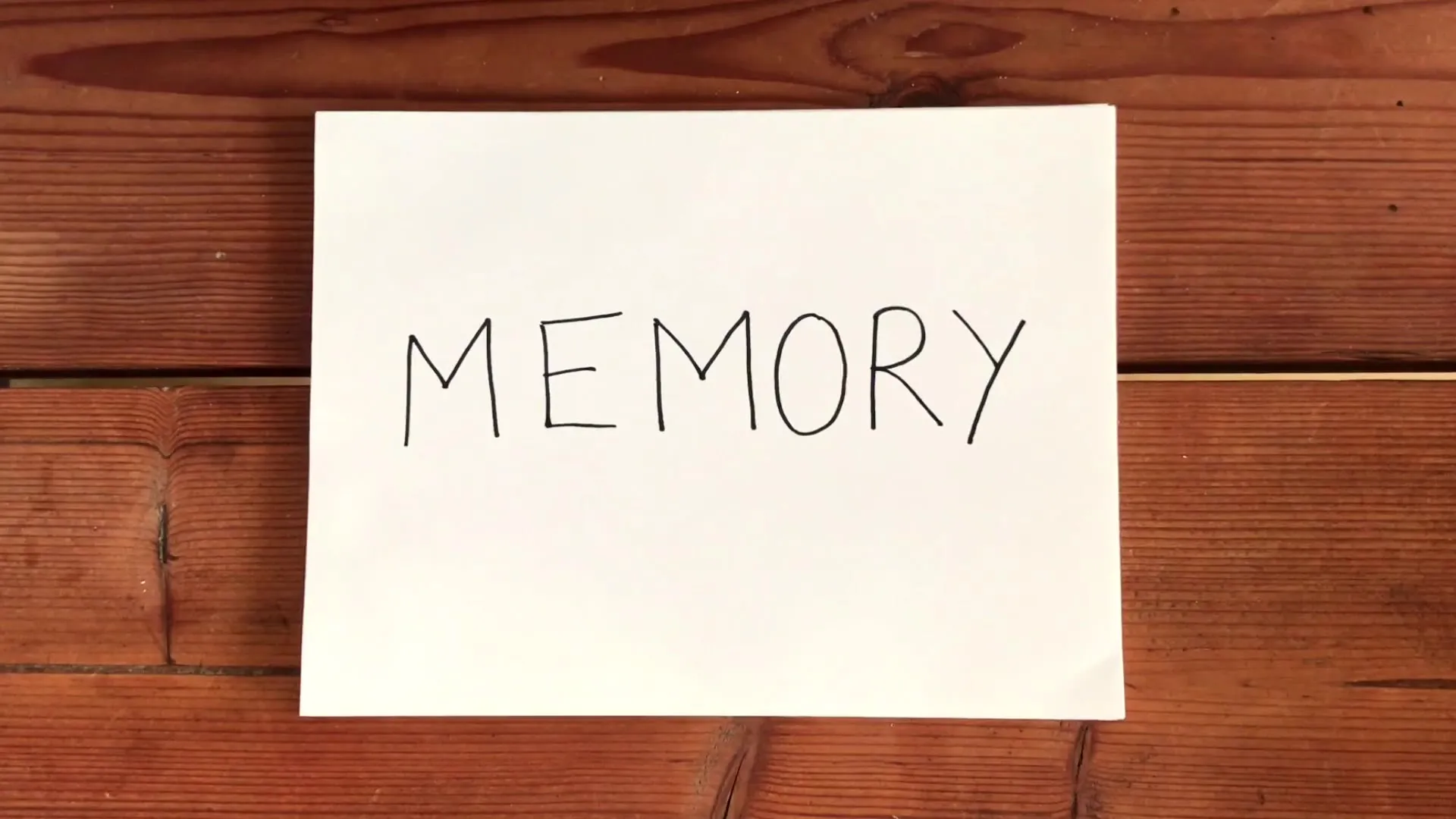
Each of the six videos begins the same way: a hand writes MEMORY in capital letters on a blank sheet. What follows differs from one video to the next. In Erase, the letters disappear one by one under correction tape. In Darken, they are scribbled over with black marker until only a dark band remains. In Wash, water and a cloth blur the ink into a grey stain. In Destroy, the sheet is crumpled into a ball. In Sublimize, the word is covered with gold leaf. In Freeze, the artist photographs it with a phone, then turns the page onto a blank sheet.
Five of these gestures stand for ways in which memory digests the past: deletion, repression, slow fading, rejection, idealisation. Sublimize is the most ambiguous. Gold hides the word as surely as black ink does, but it makes the past precious rather than shameful. Memory softens what hurt as readily as it buries it.
Freeze belongs to another order. Nothing is touched: the word stays intact, recorded, and the page is turned. The memory has been documented and entrusted to the phone, so it no longer needs to be carried in the mind. This is no longer digestion. The past is not absorbed or transformed; it is stored outside us, whole, and never reworked. A photograph is still a selection, and the archive it joins has its own rules. What shifts is the balance between remembering and forgetting, once traces of our lives persist independently of our capacity to absorb them.
As screens replace paper, the internet has become an external memory, personal and collective, where events that would once have faded or changed meaning can be stored and circulated indefinitely. The line between what we remember and what is recorded grows harder to draw.
Shown side by side, the six videos form a small vocabulary of memory. They leave open whether remembering everything brings us closer to the truth, or whether the ability to forget, reinterpret and rewrite remains part of how we understand ourselves and our history.