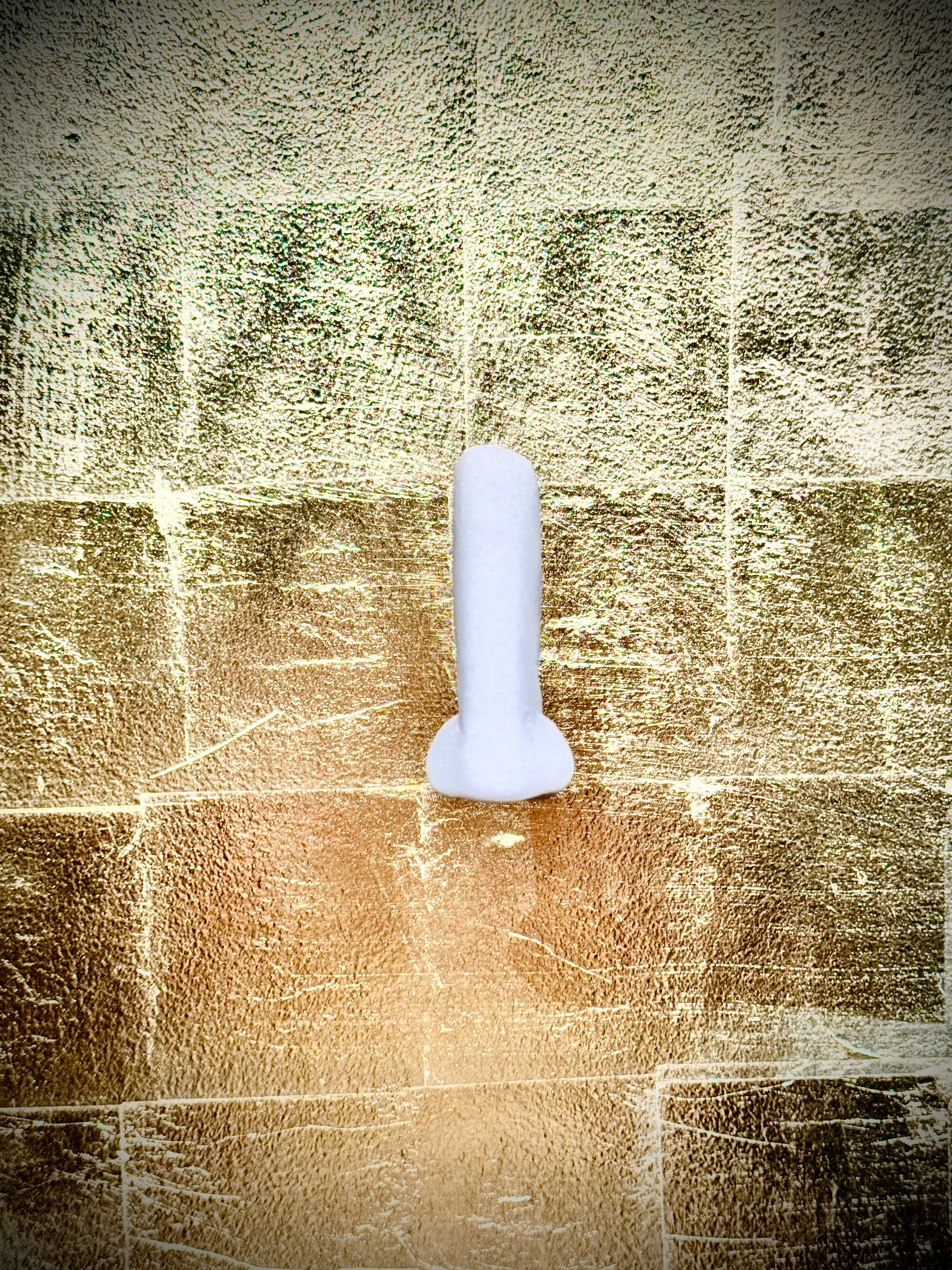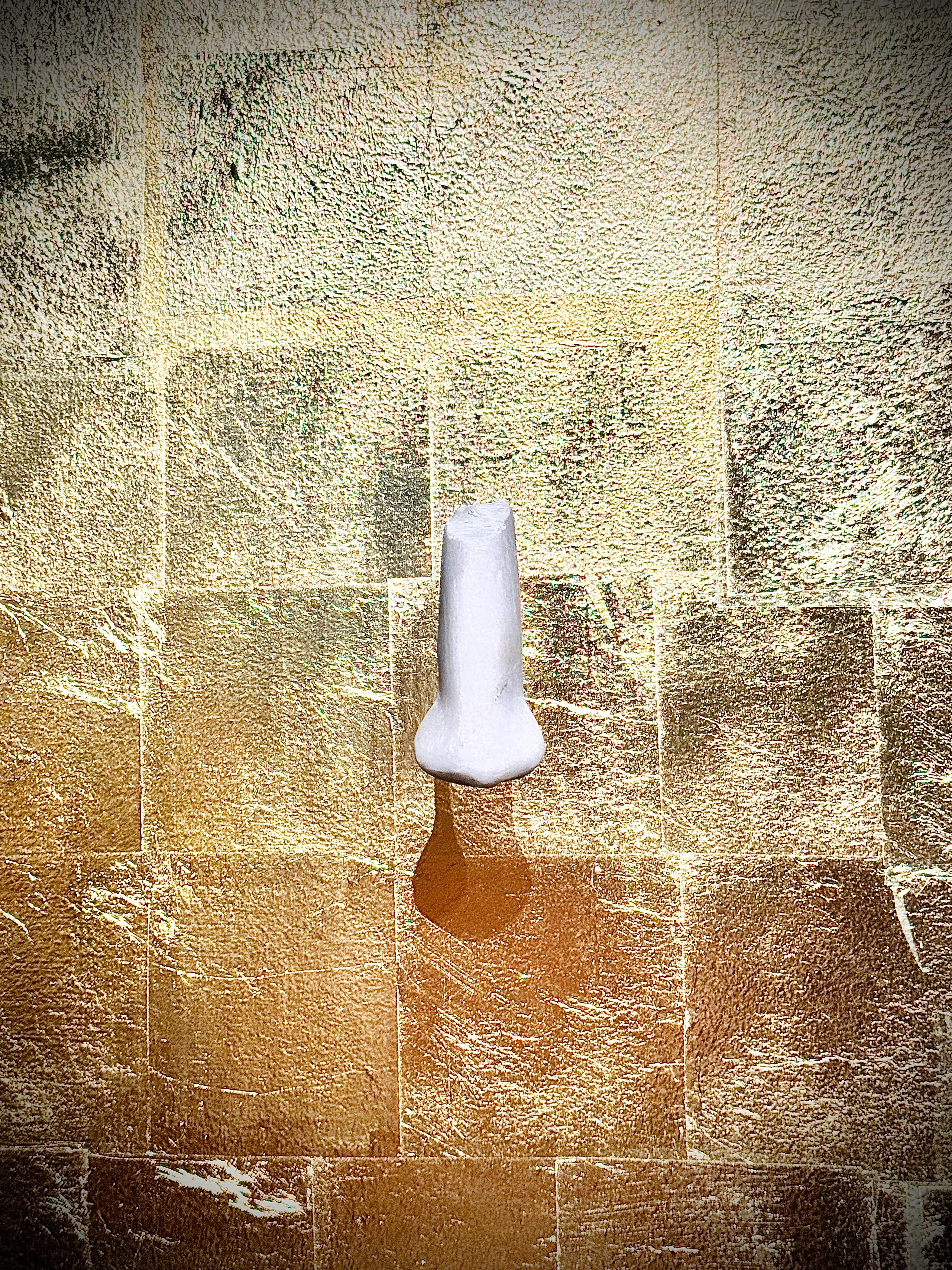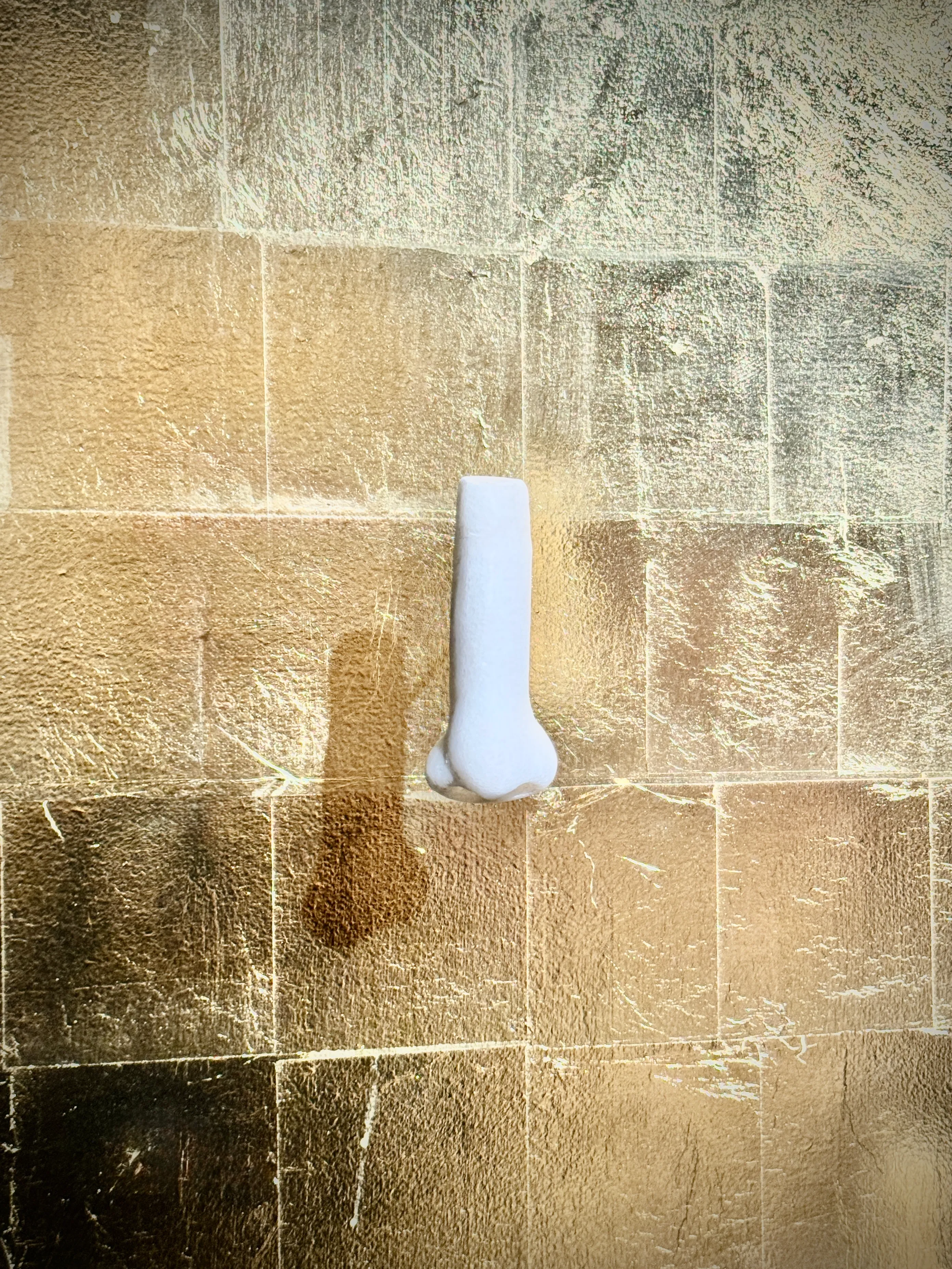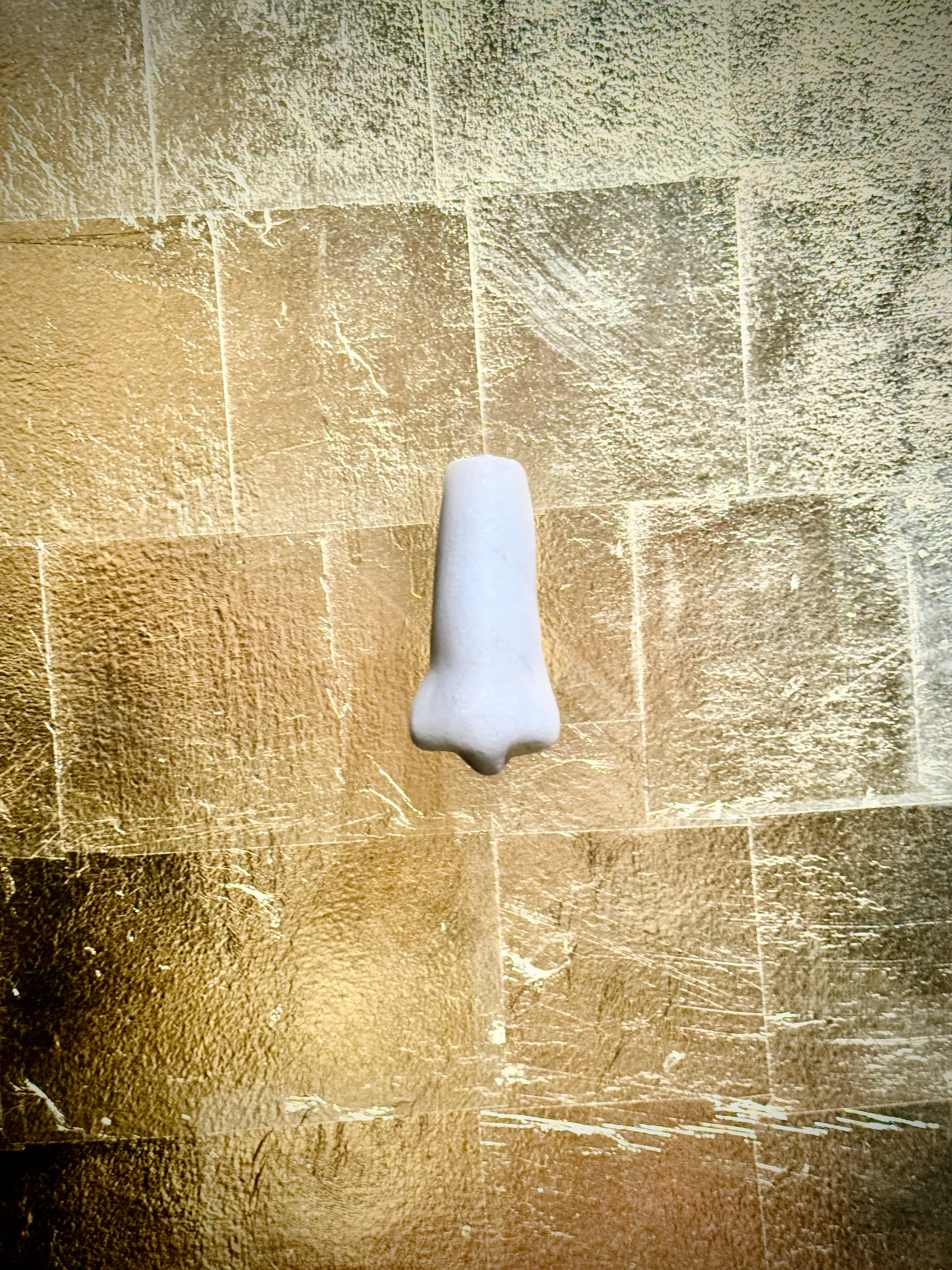
About 2 Inches Long

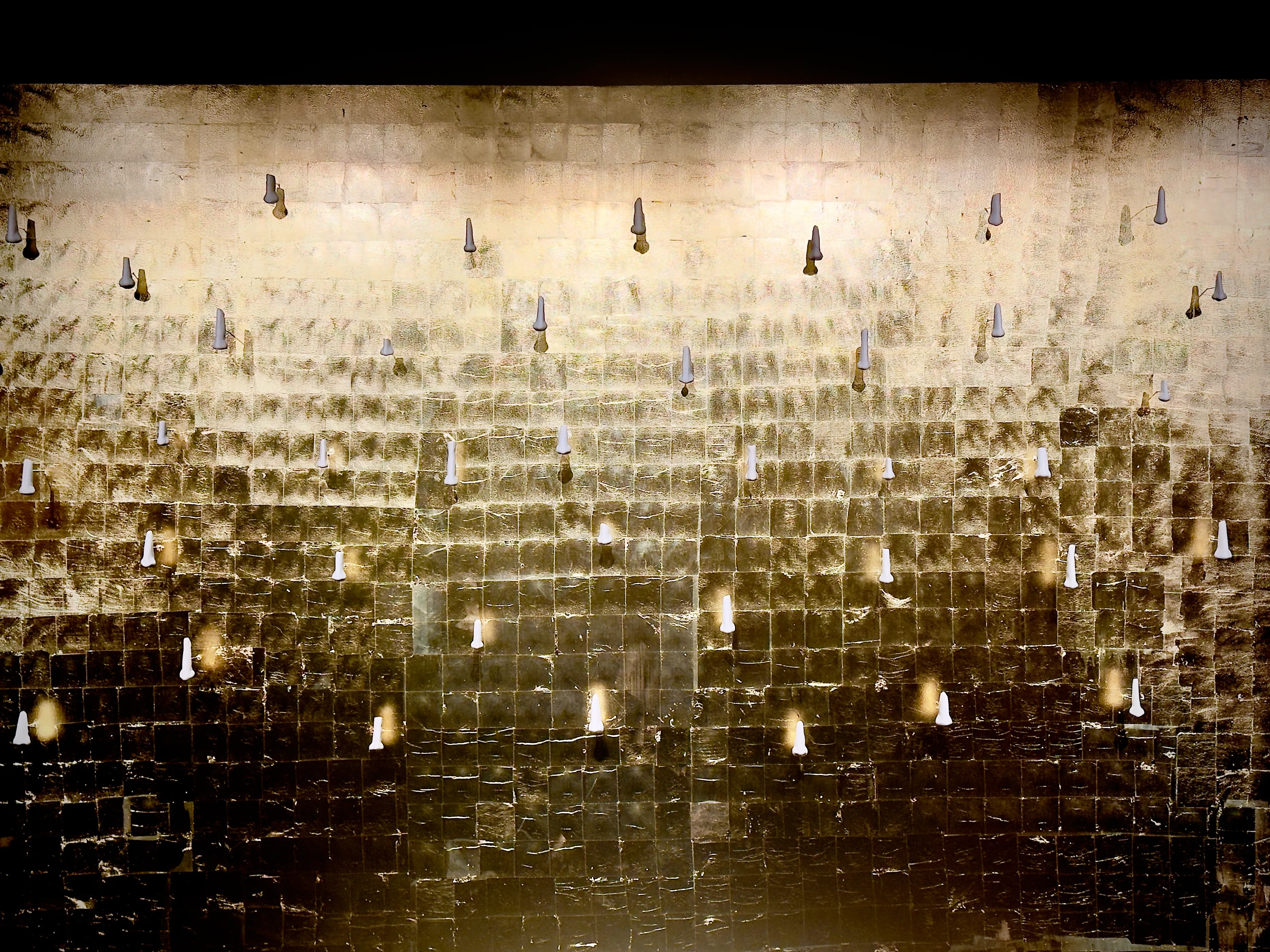
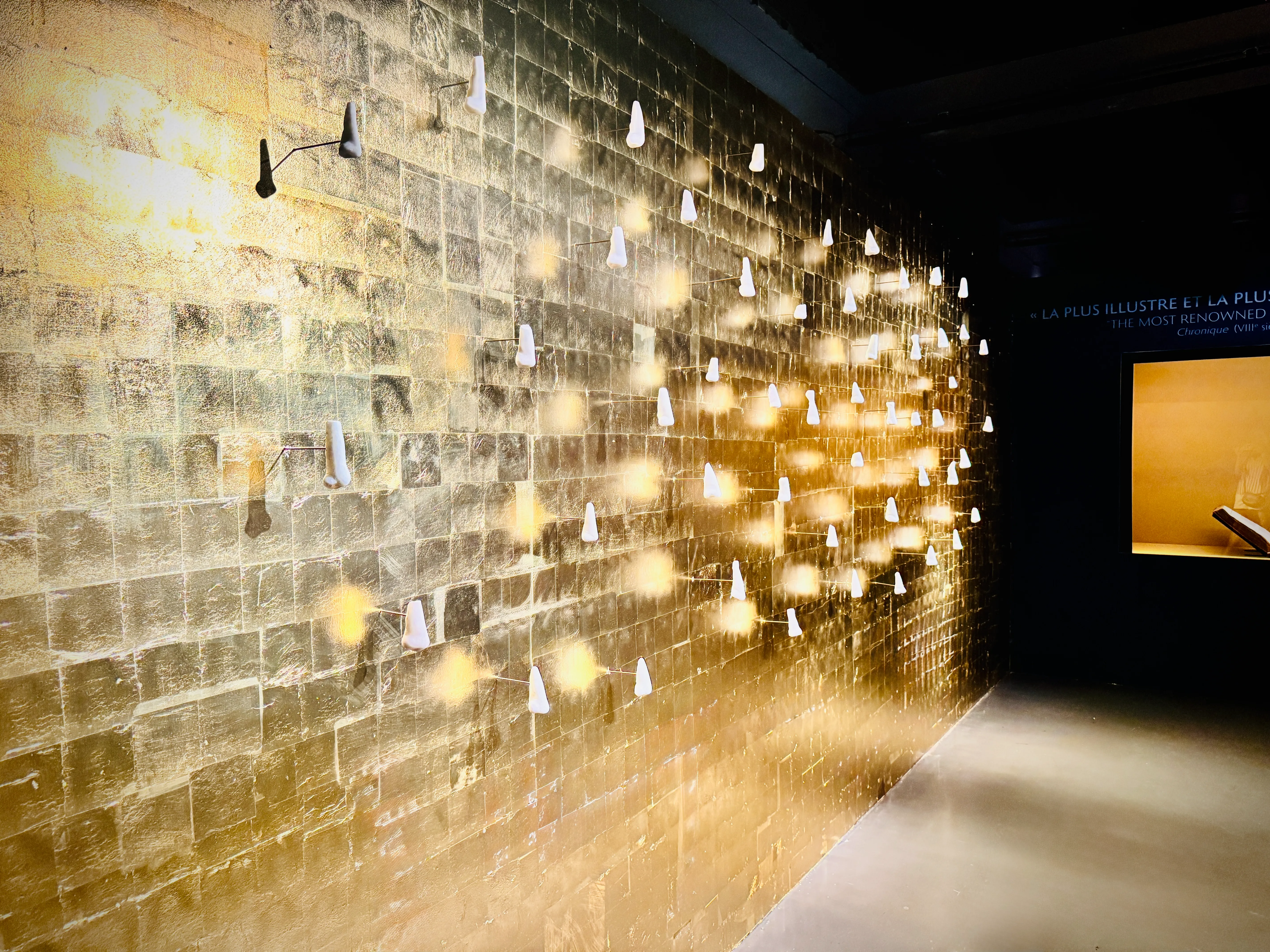
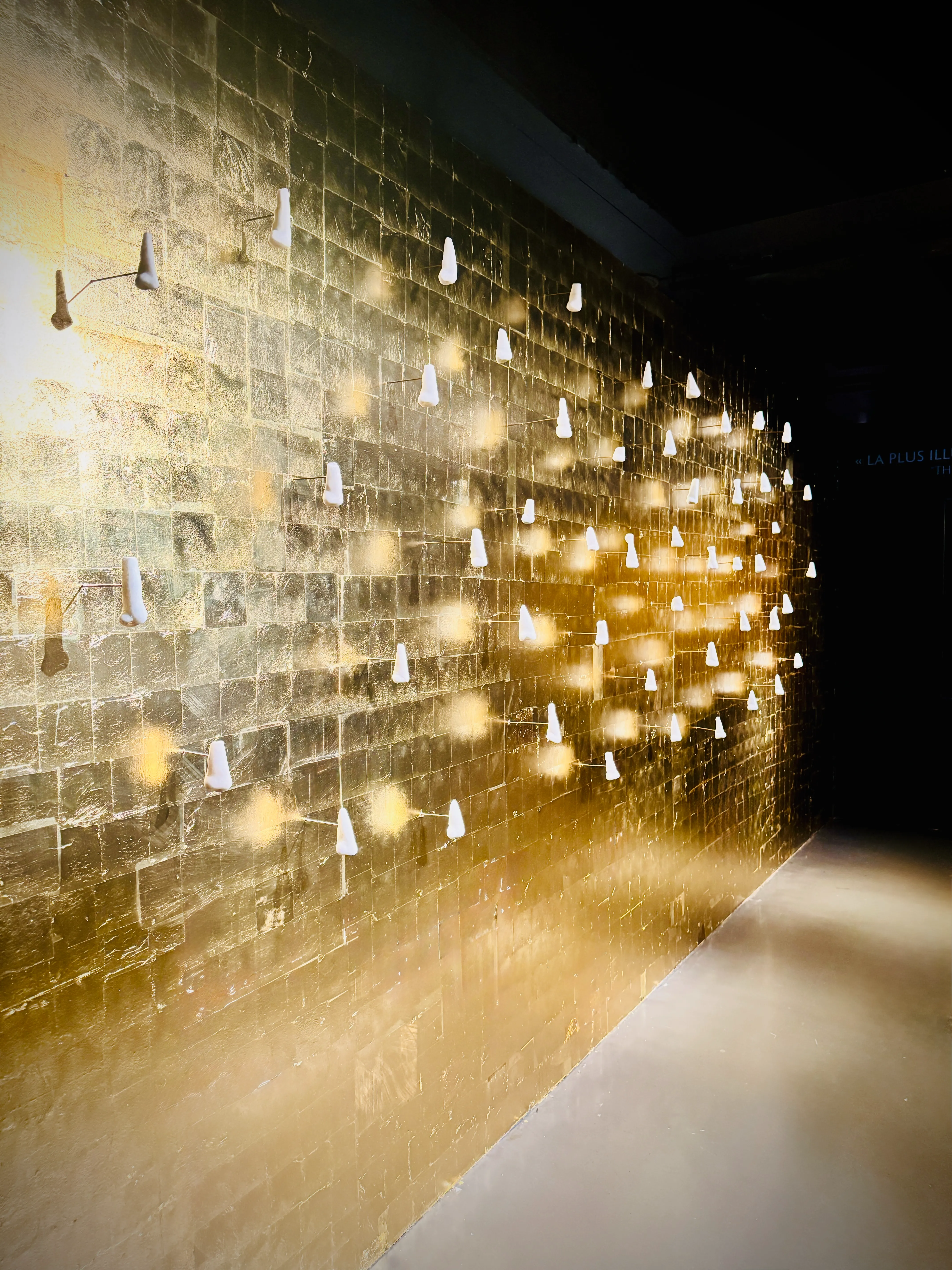
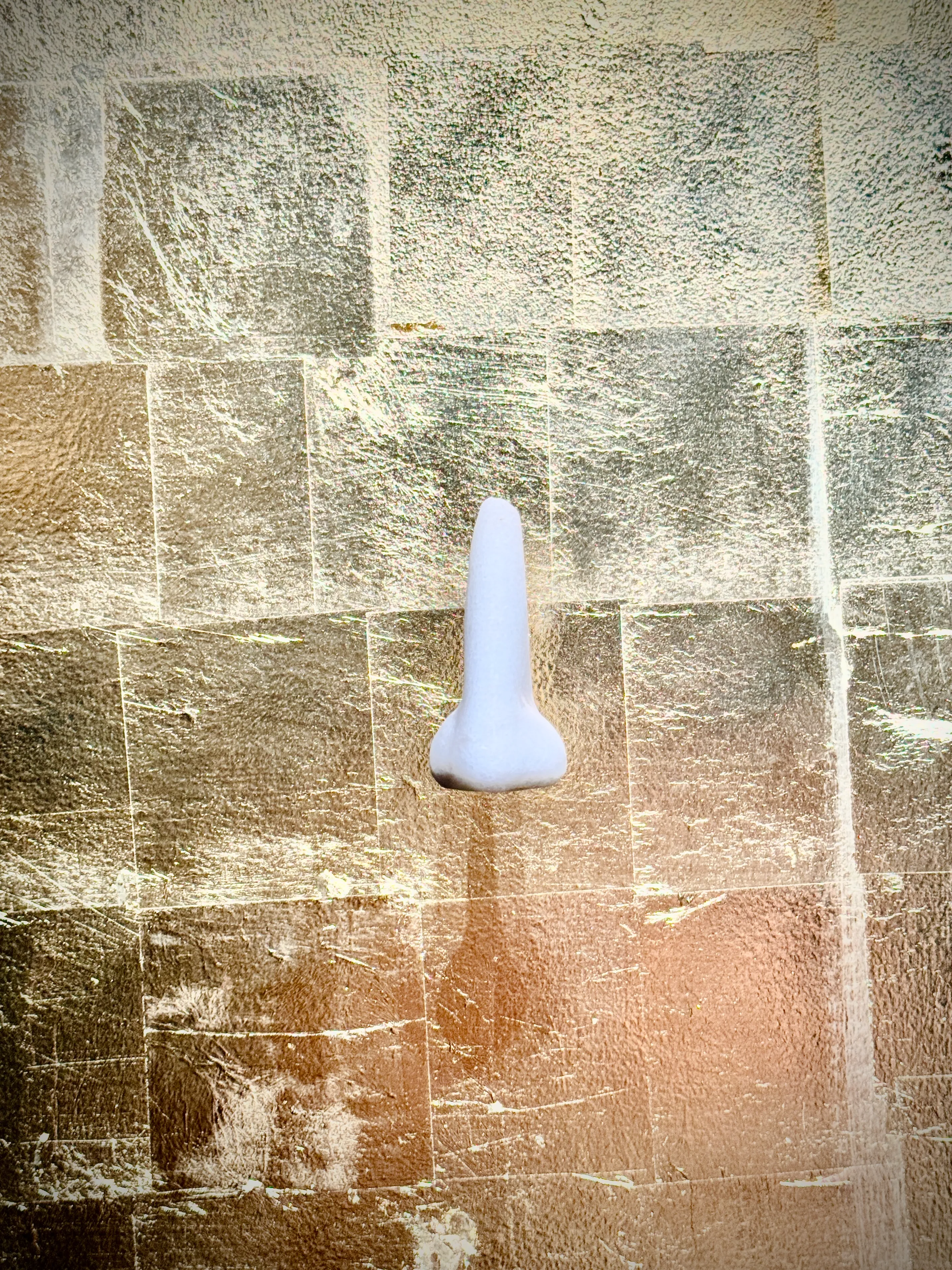
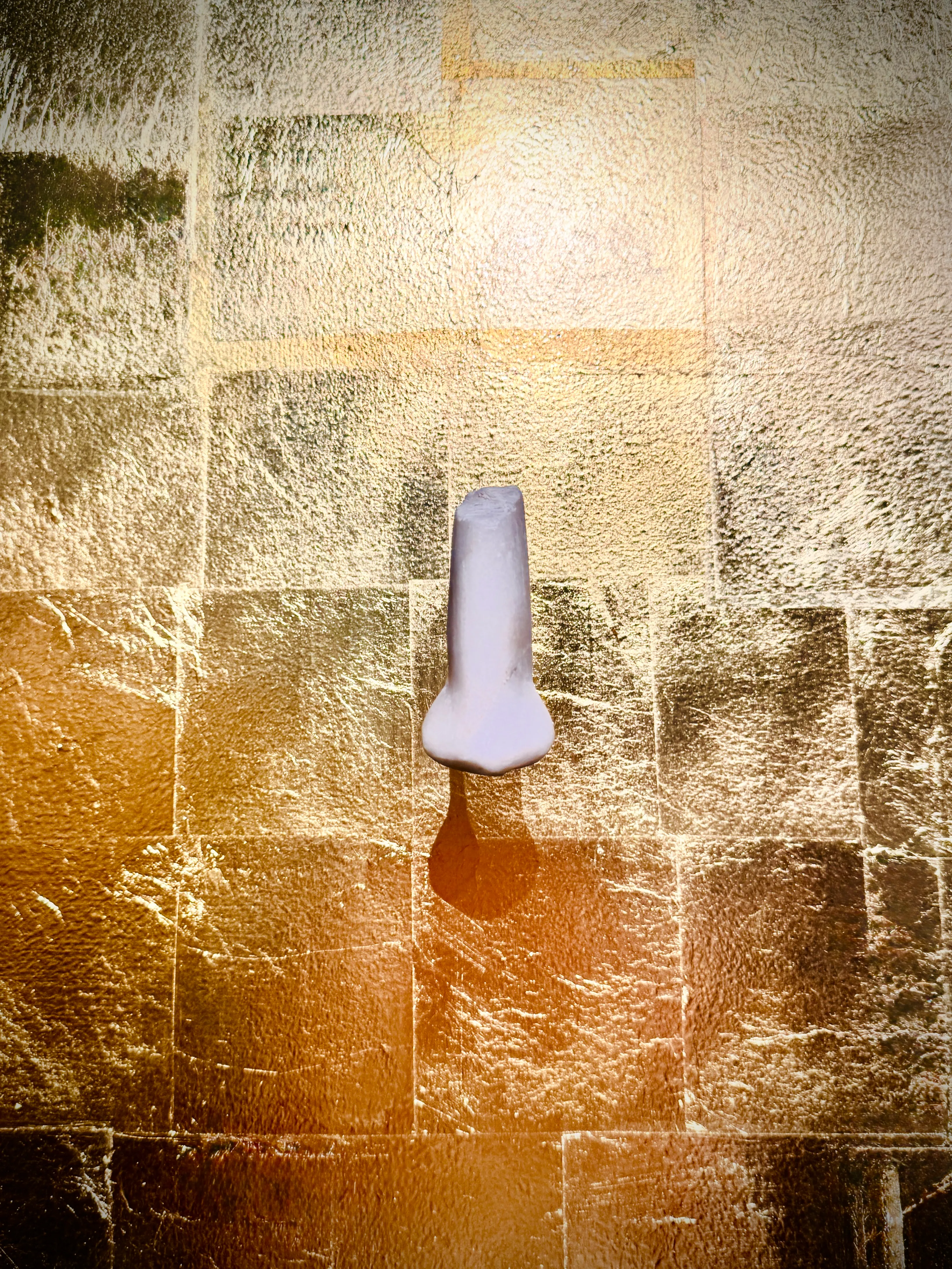
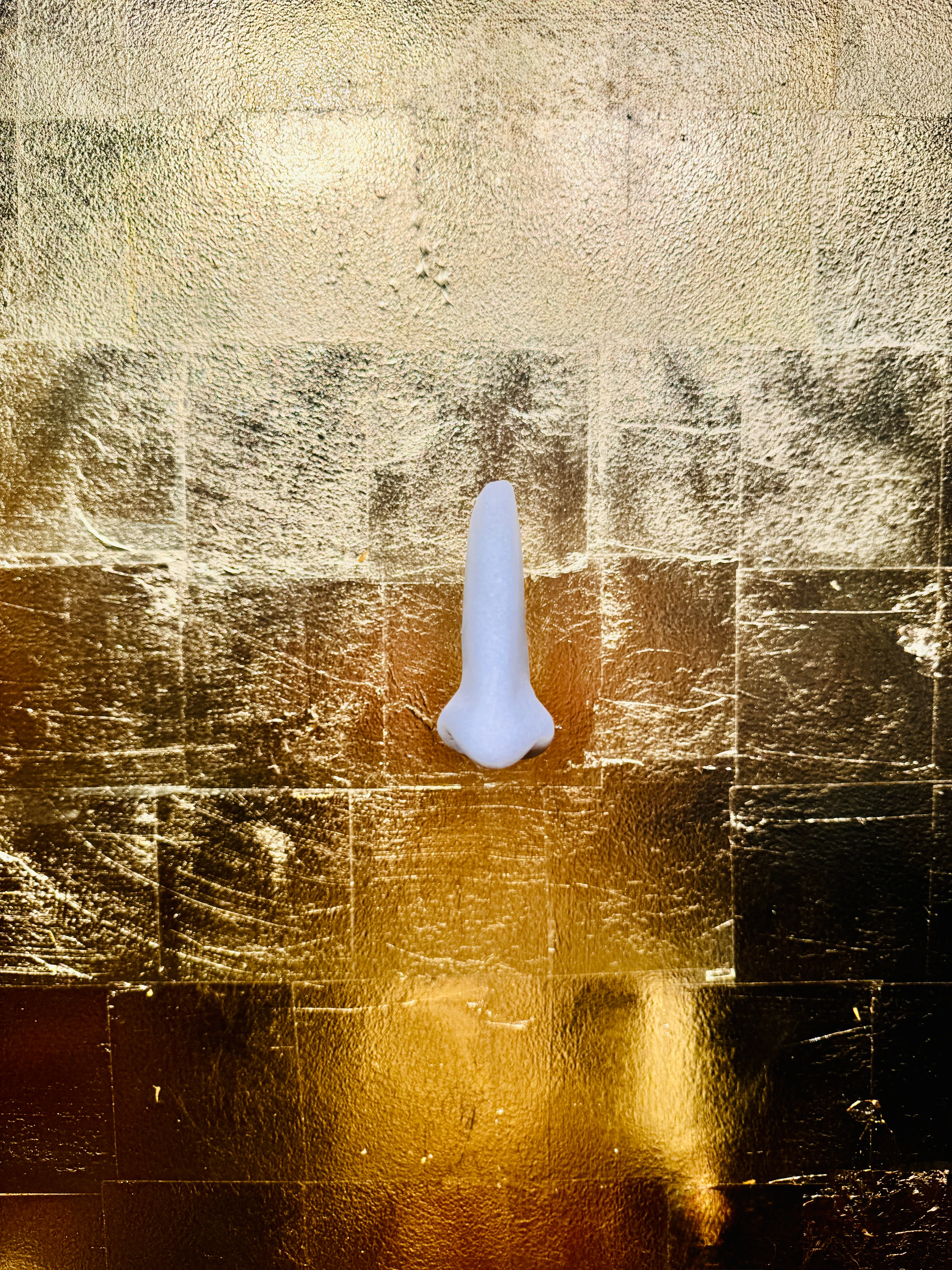
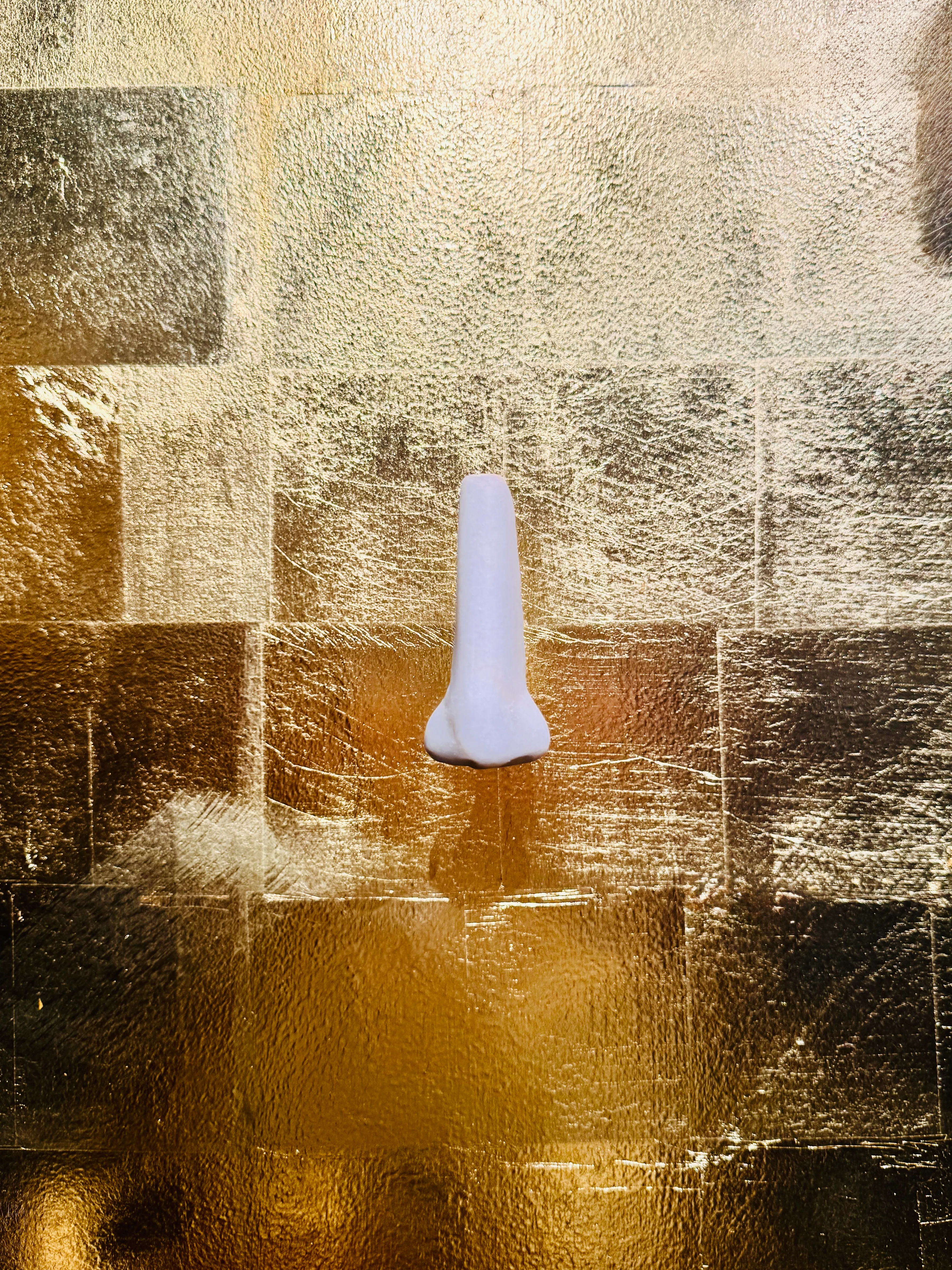
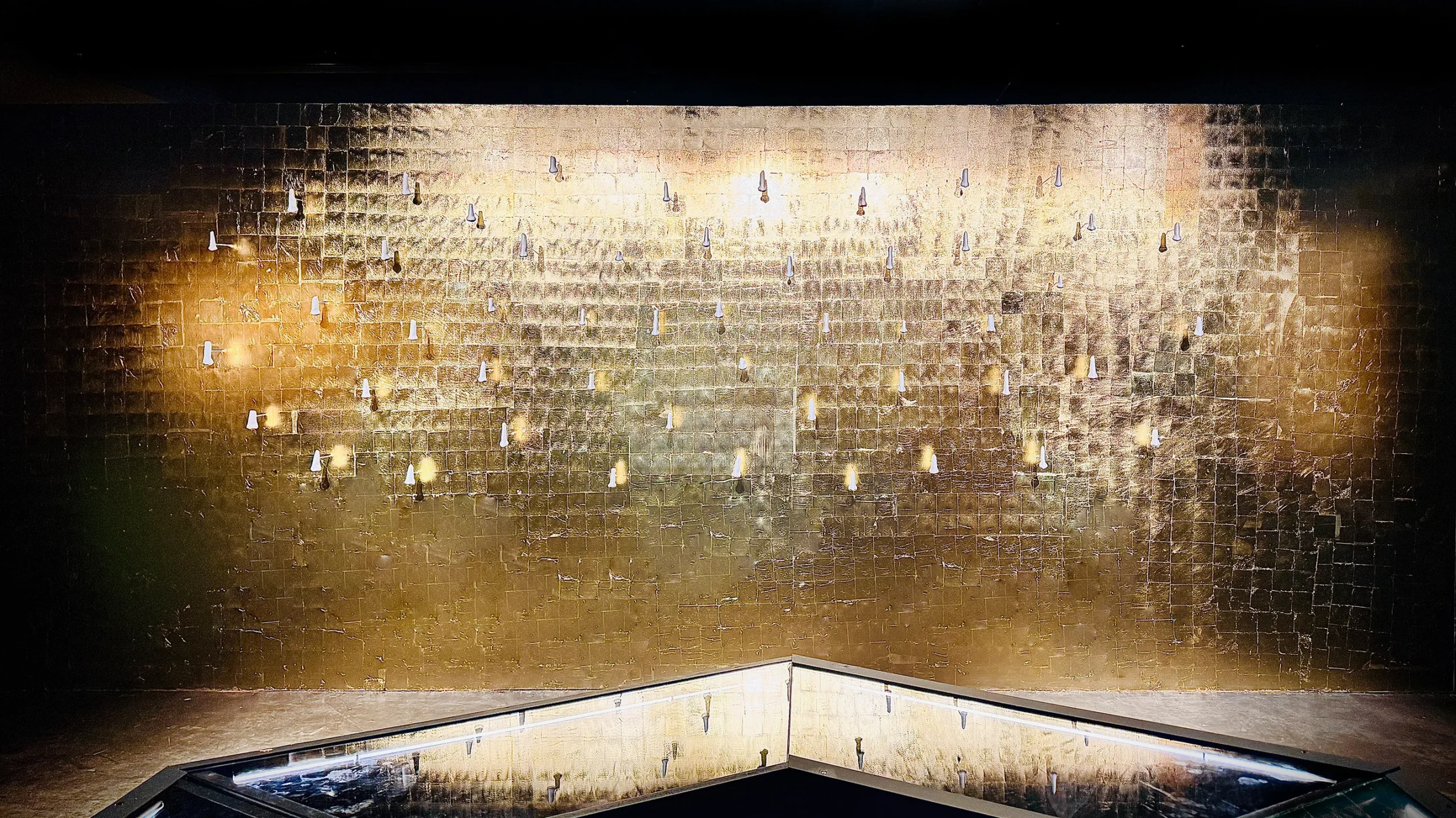
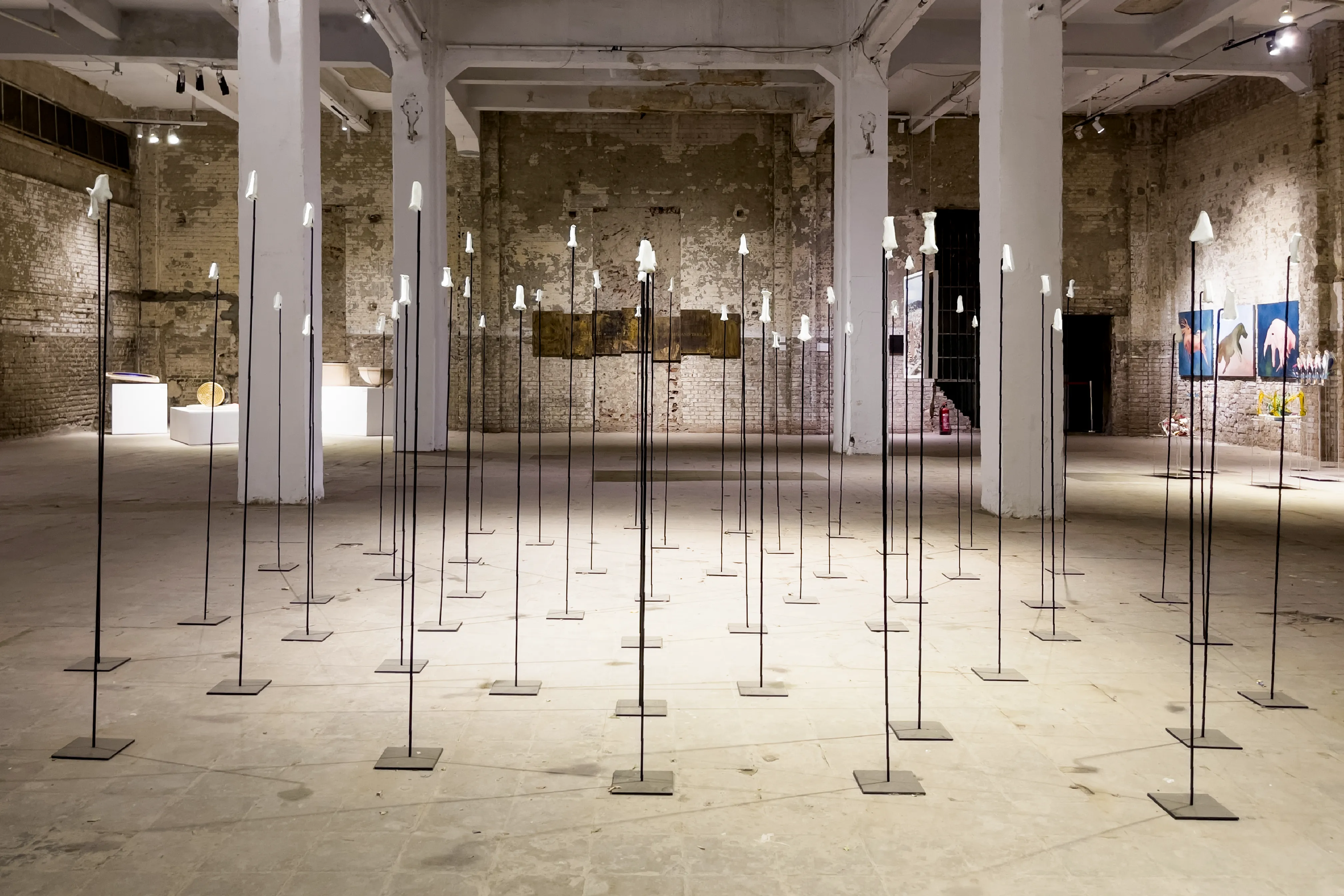
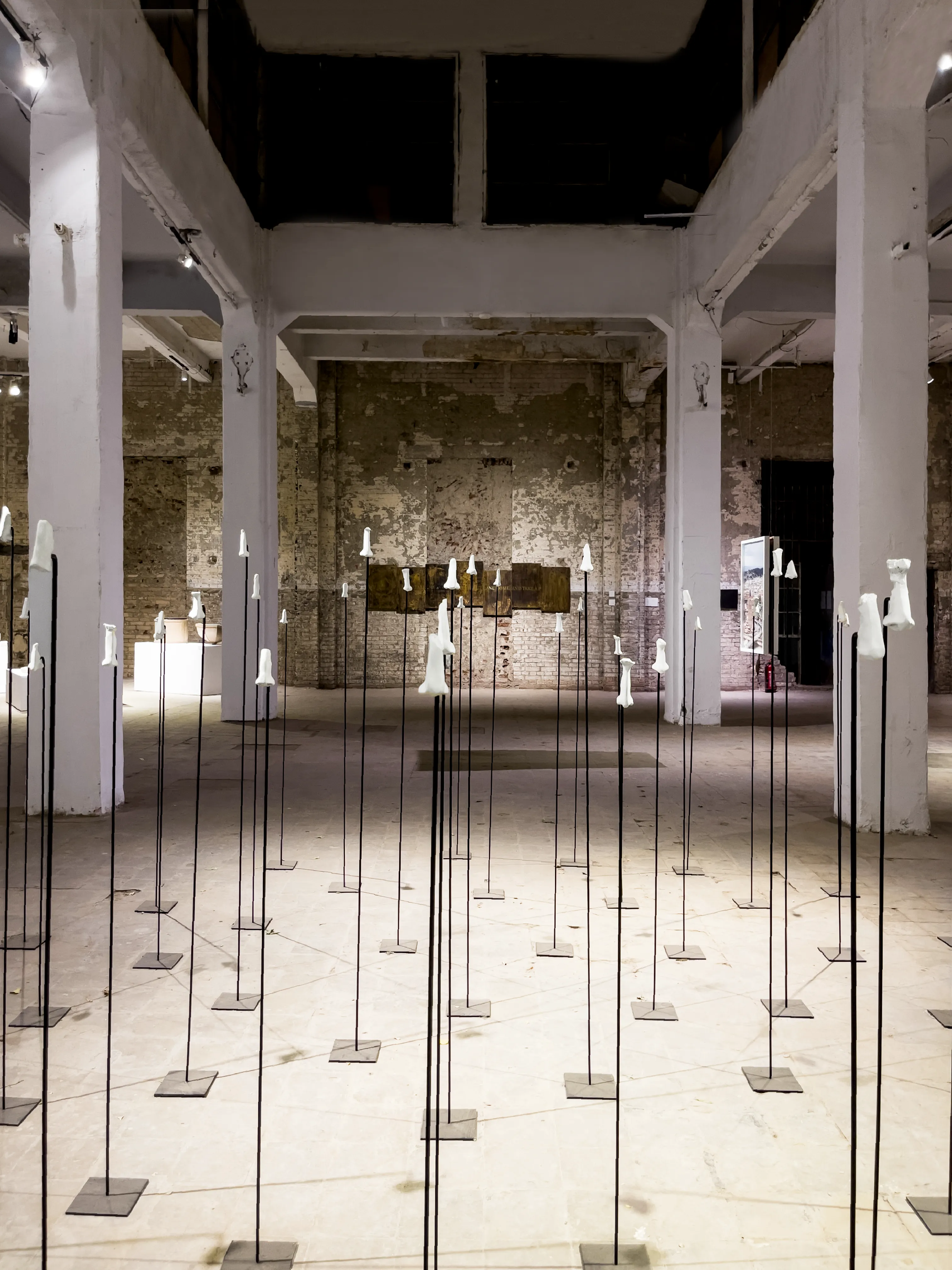
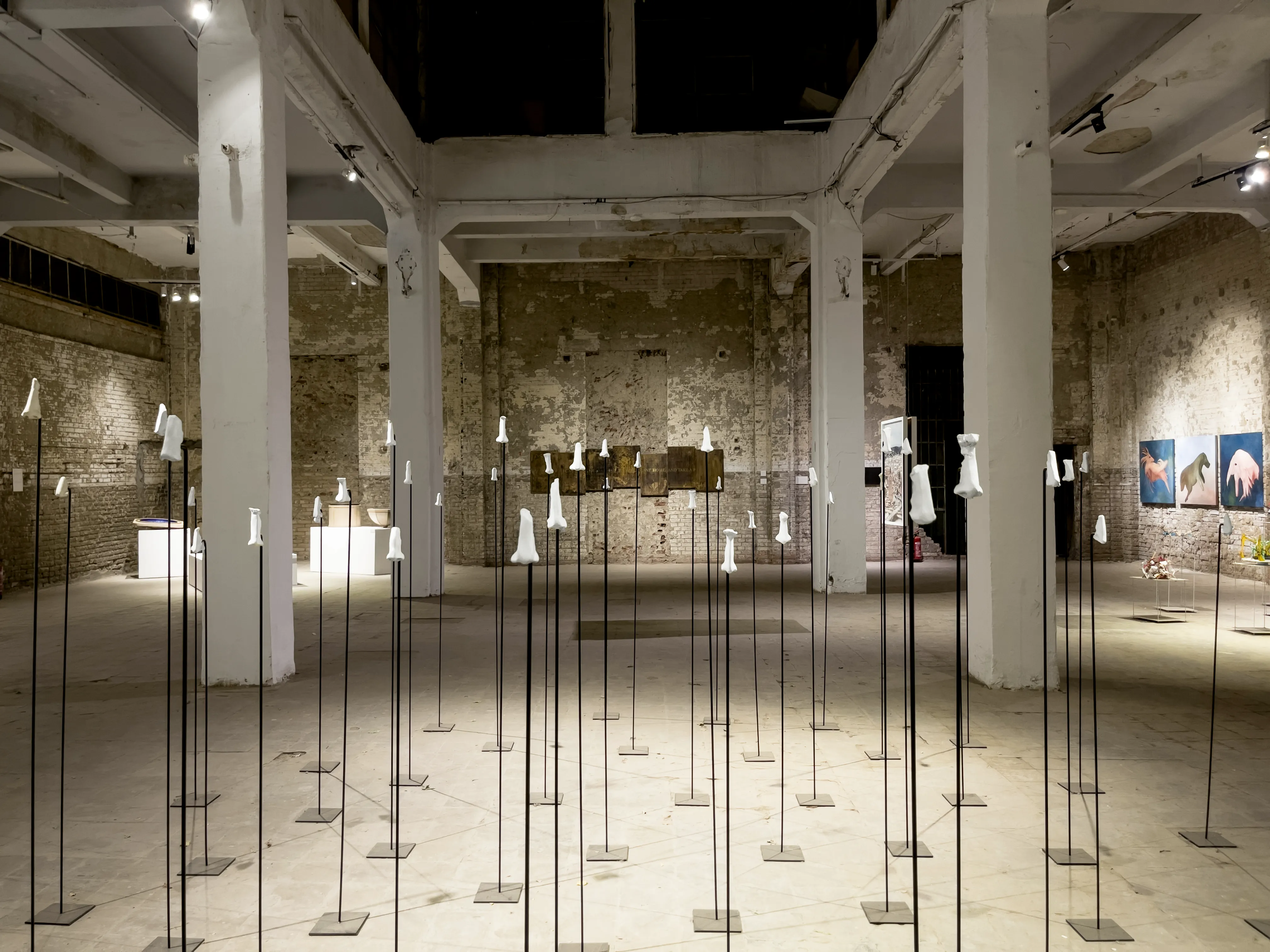
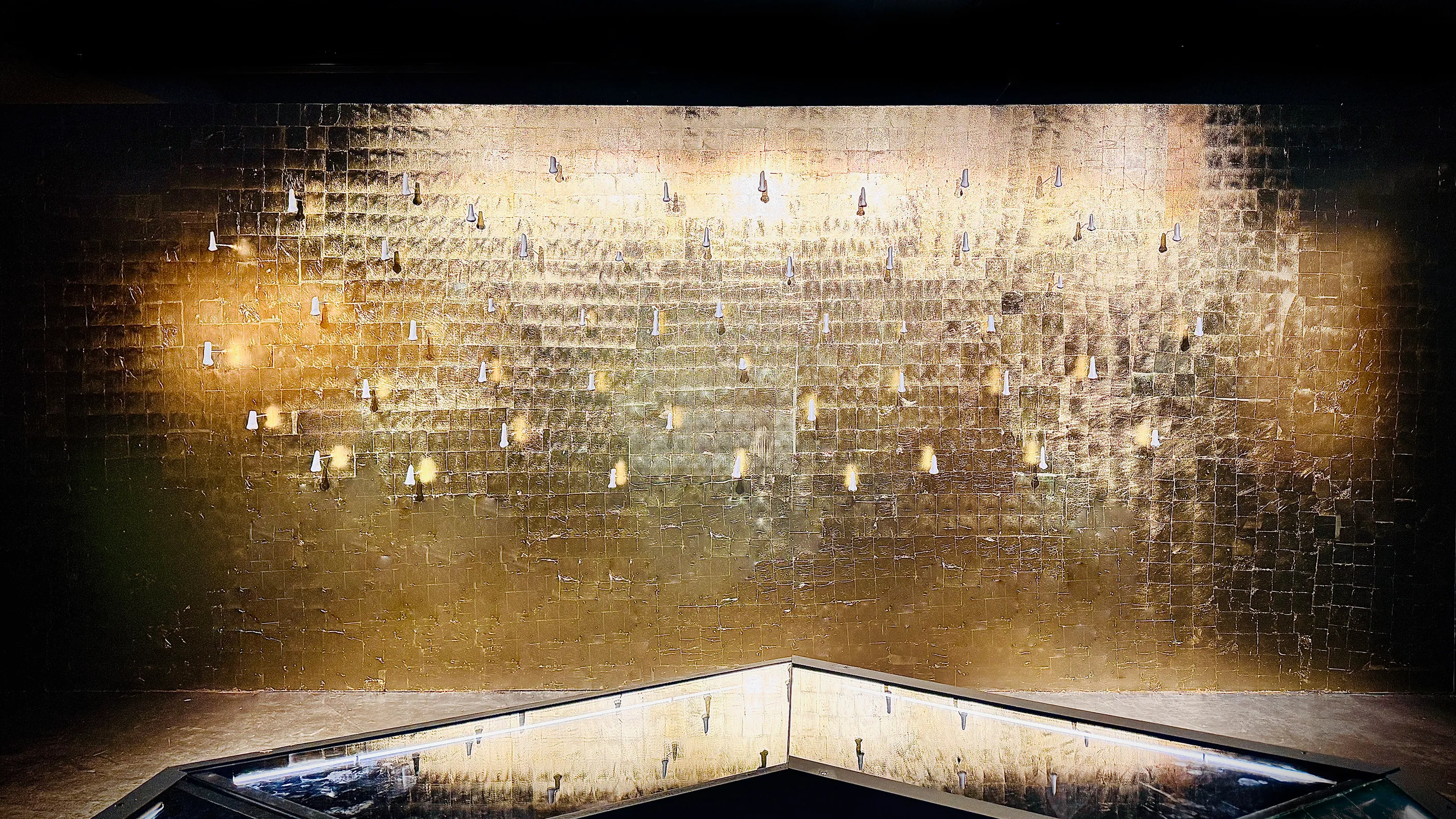
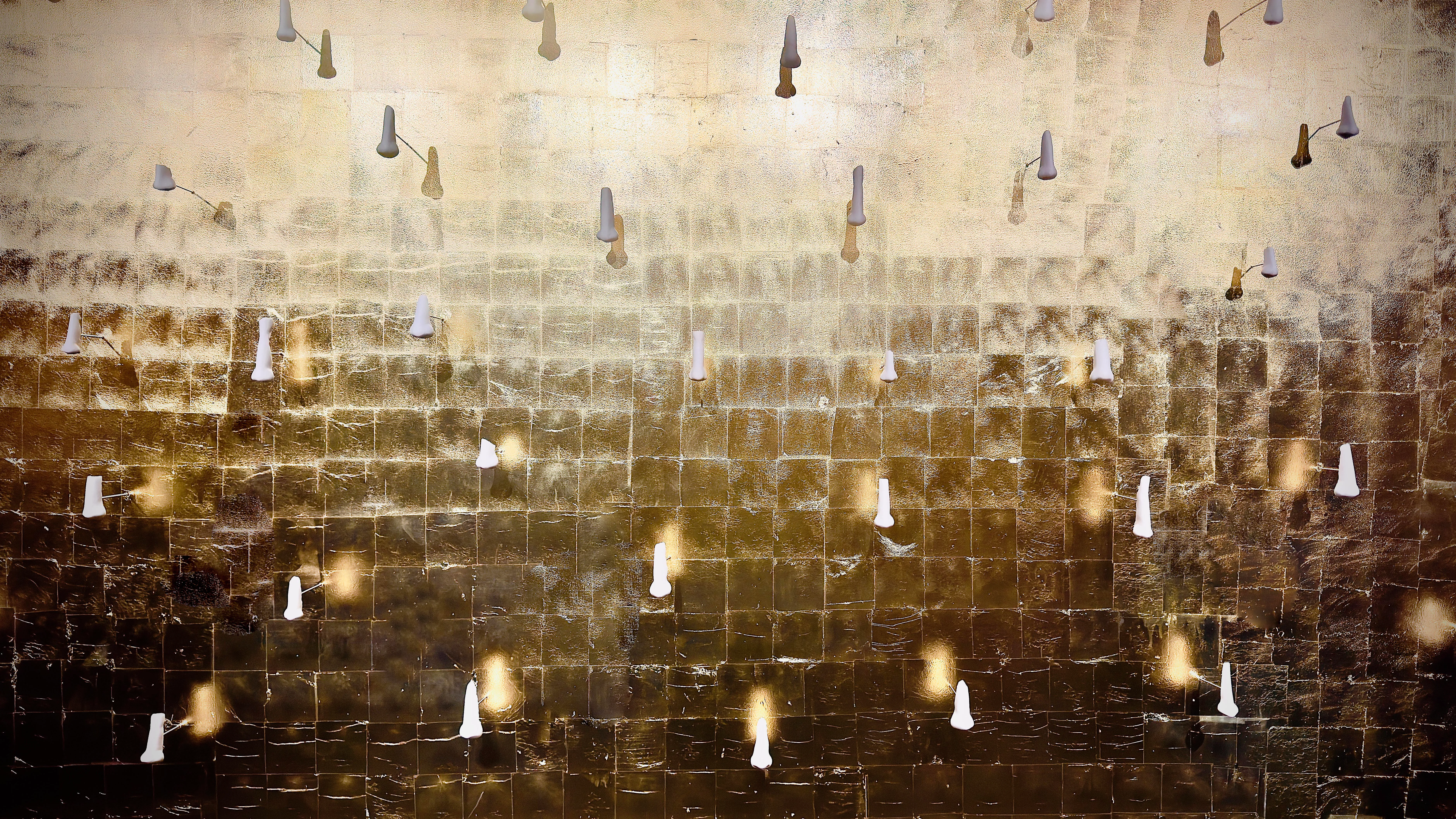
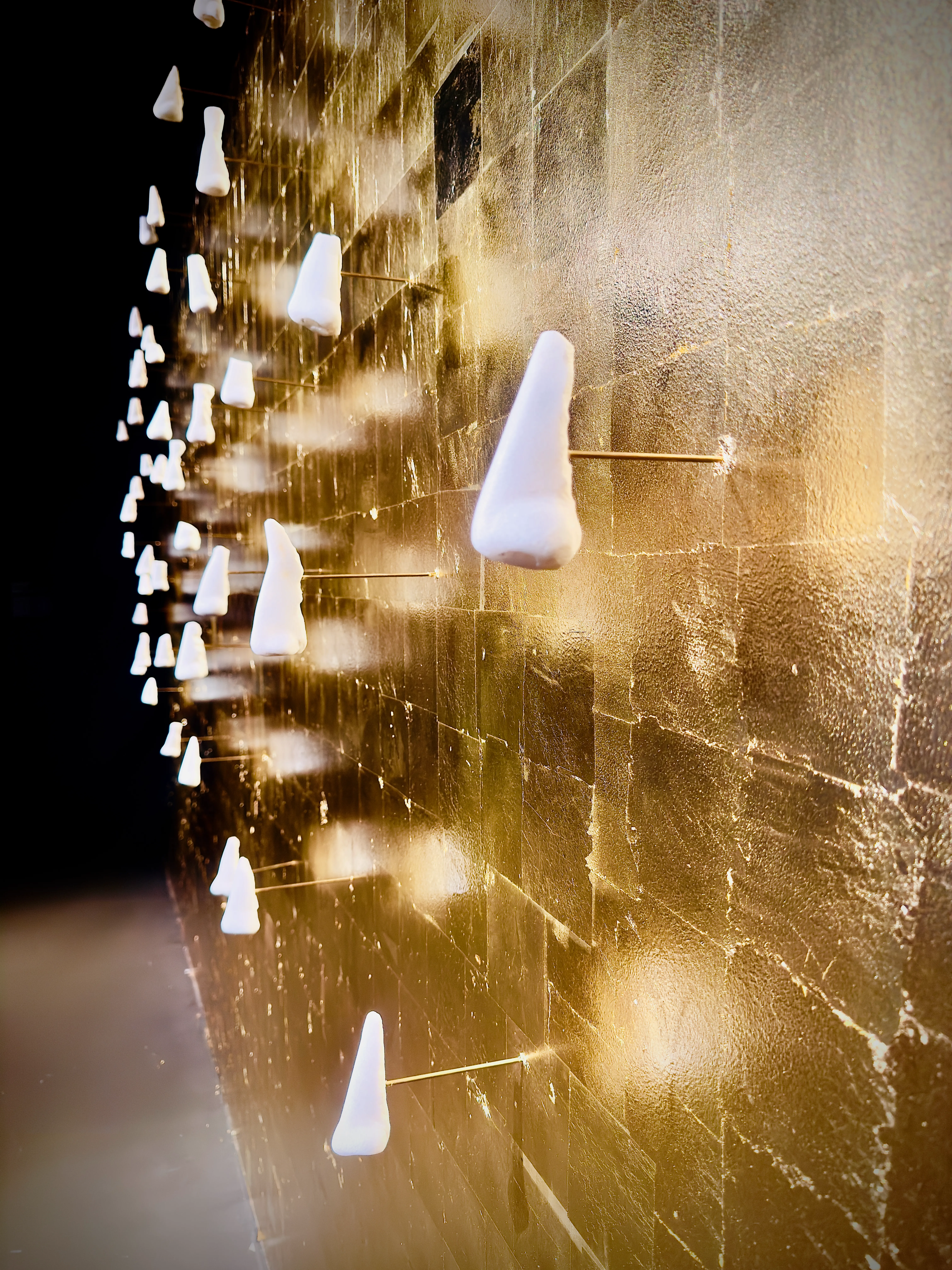
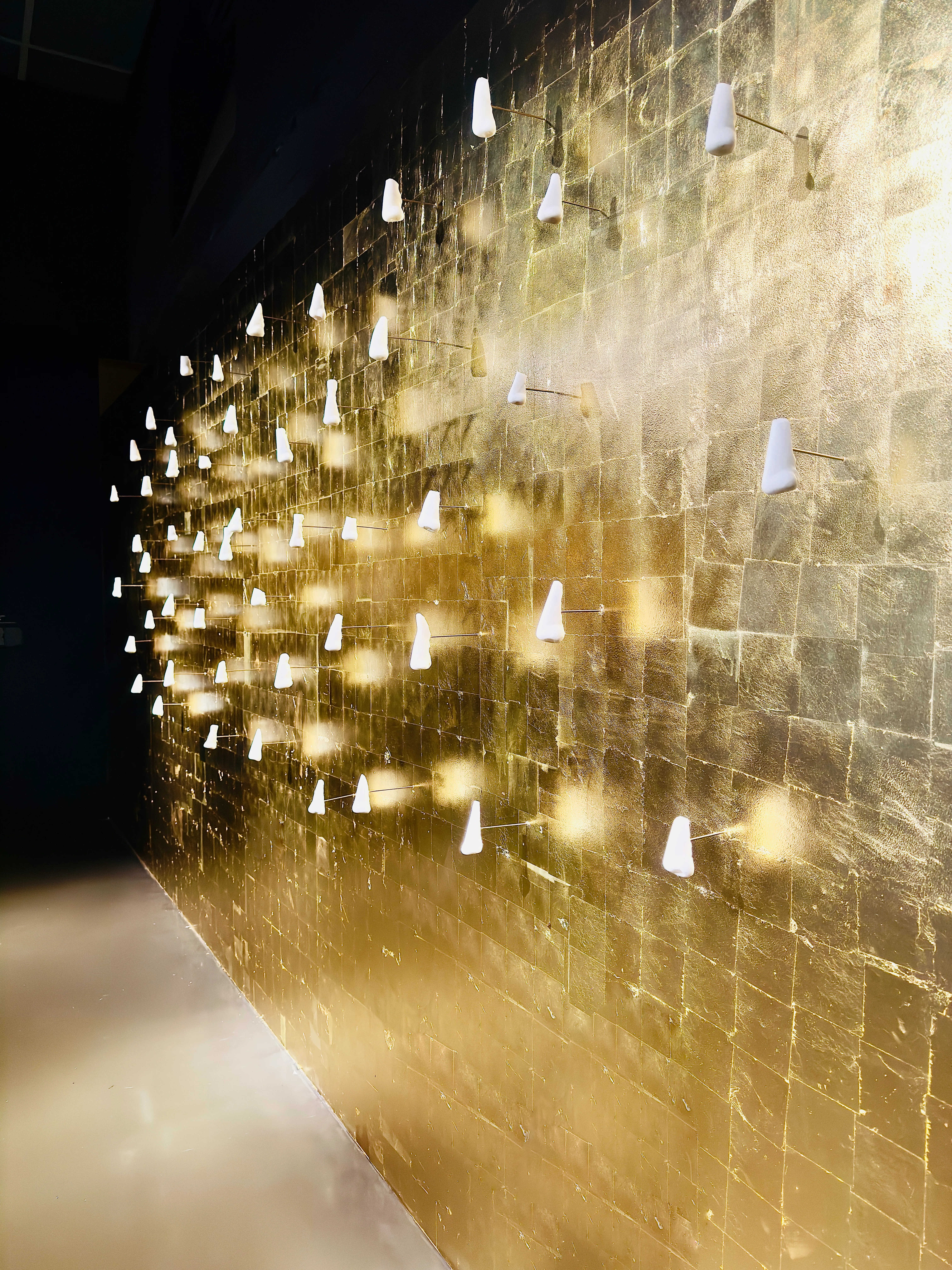
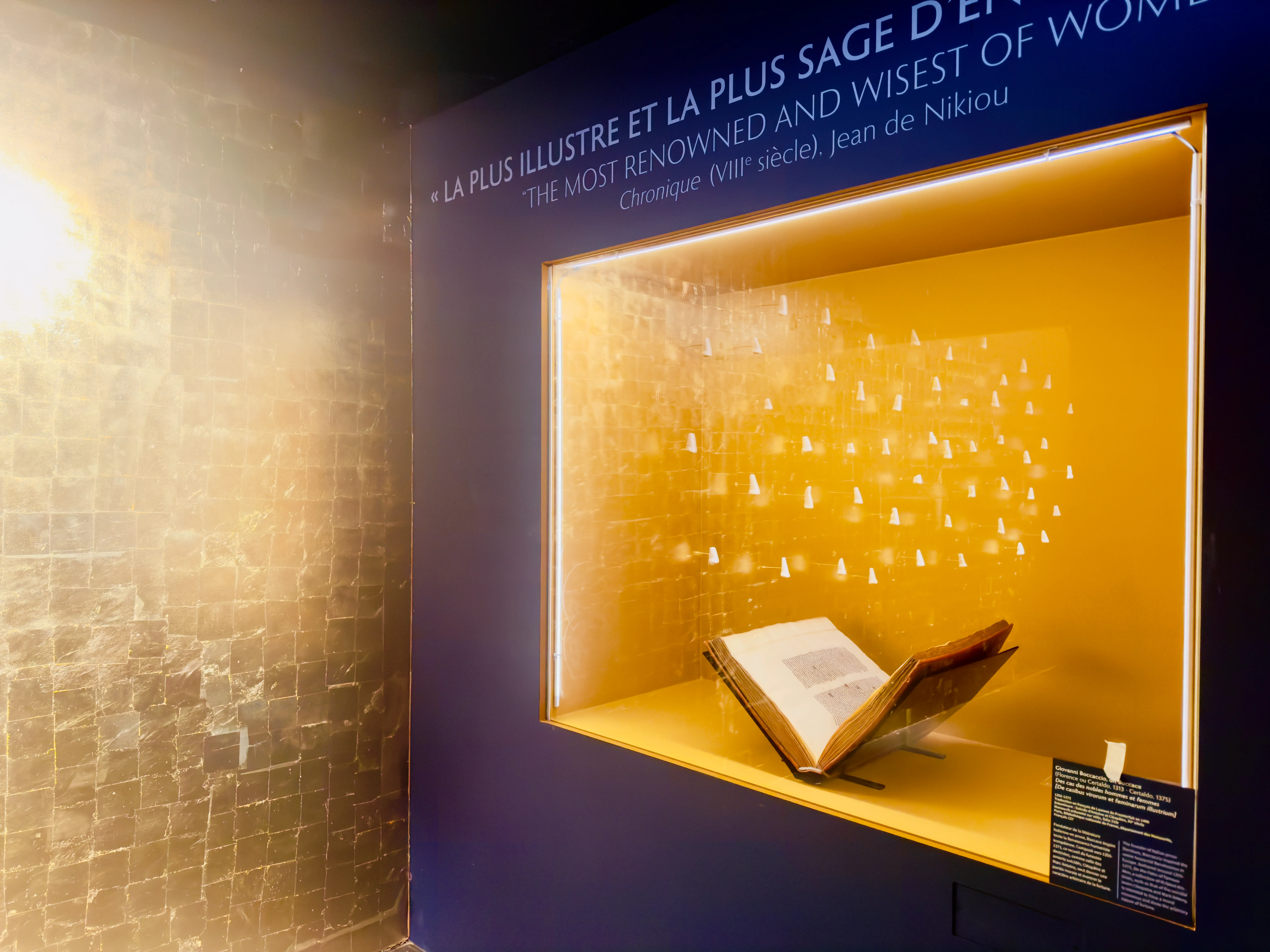
About 2 Inches Long is an art installation by Esmeralda Kosmatopoulos comprising fifty marble noses derived from painted representations of Cleopatra across Western art history. Presented together against a gold-covered wall, they form a nasothek: an archive not of Cleopatra's face, but of its repeated reinvention.

MEDIUM

Installation

MATERIALS

Marble, metal, gold leaf

START YEAR

2020

END YEAR

2026

About 2 Inches Long — Installation View — Art D Egypte Cairo
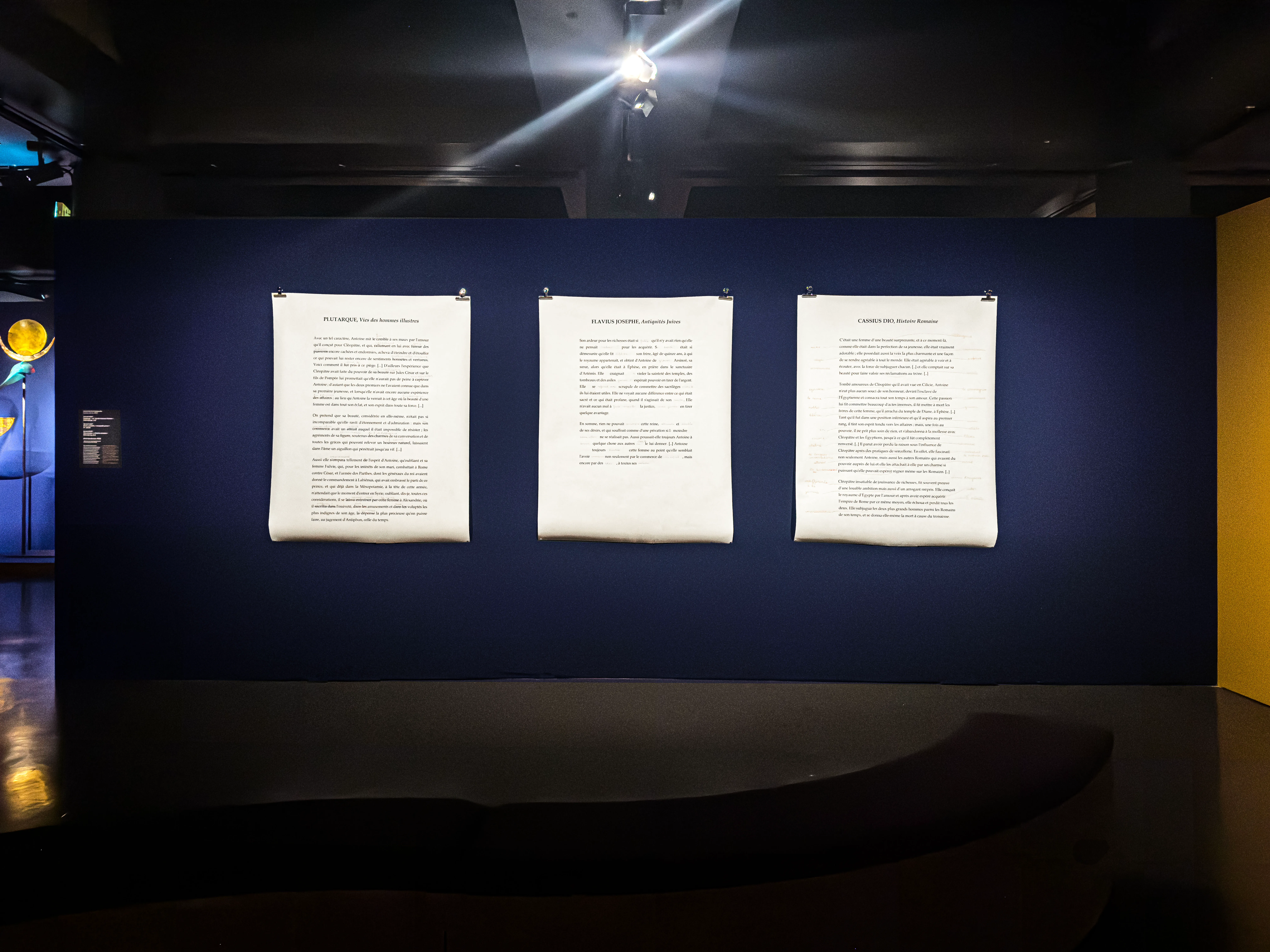
About 2 Inches Long — Installation View — Institut Du Monde Arabe Paris
About

About 2 Inches Long belongs to If the Nose of Cleopatra… and takes its title from Blaise Pascal's proposition that, had Cleopatra's nose been shorter, “the whole face of the world” would have changed. The work reverses that premise: rather than asking whether Cleopatra's nose changed history, it asks how history has continually changed her nose.

Few images of Cleopatra survive from her lifetime. Her appearance has reached the present through centuries of retrospective representation, with each period reshaping her features to support a different narrative: queen, seductress, foreign threat, Oriental fantasy, tragic heroine or cinematic icon.

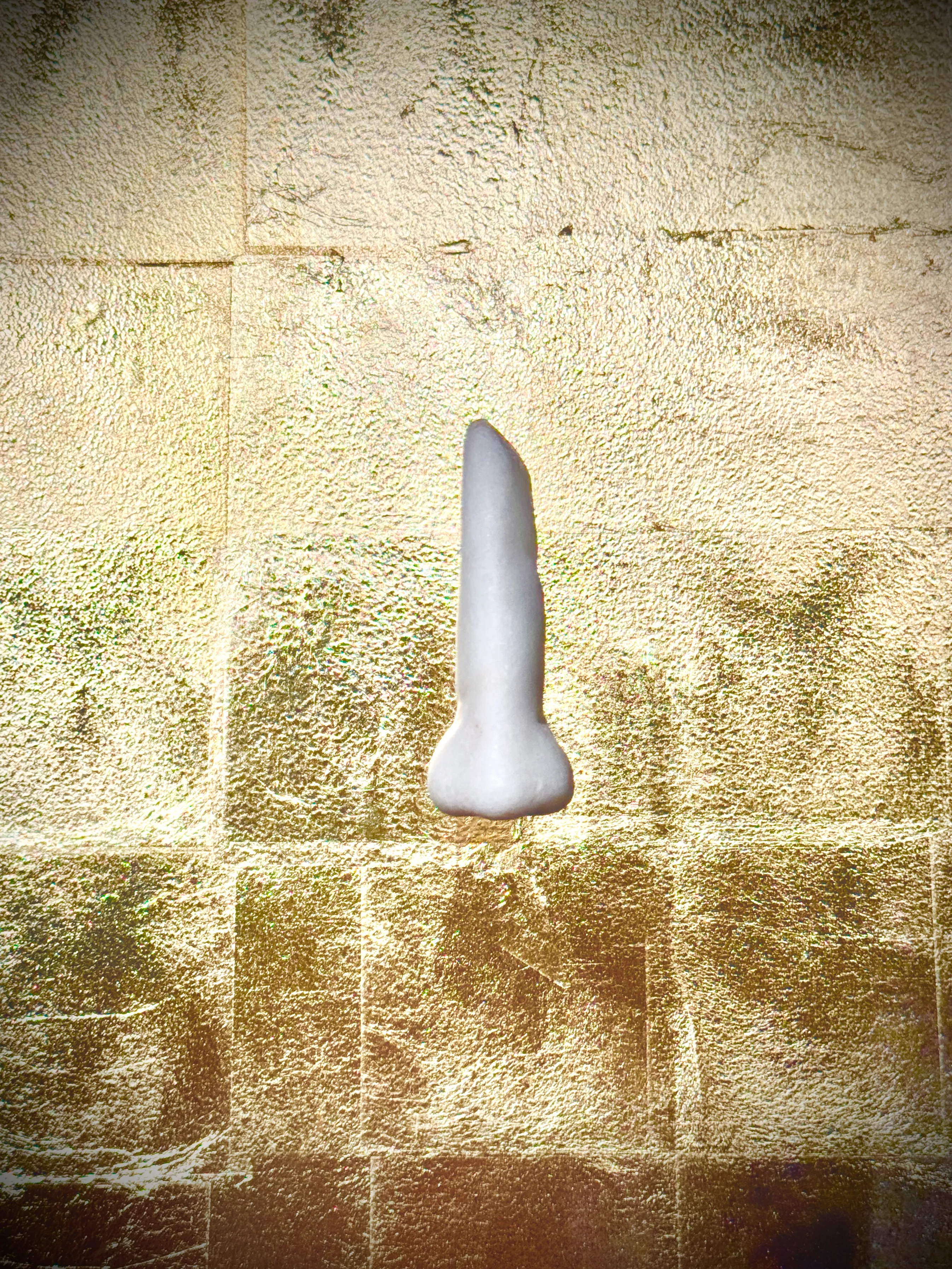
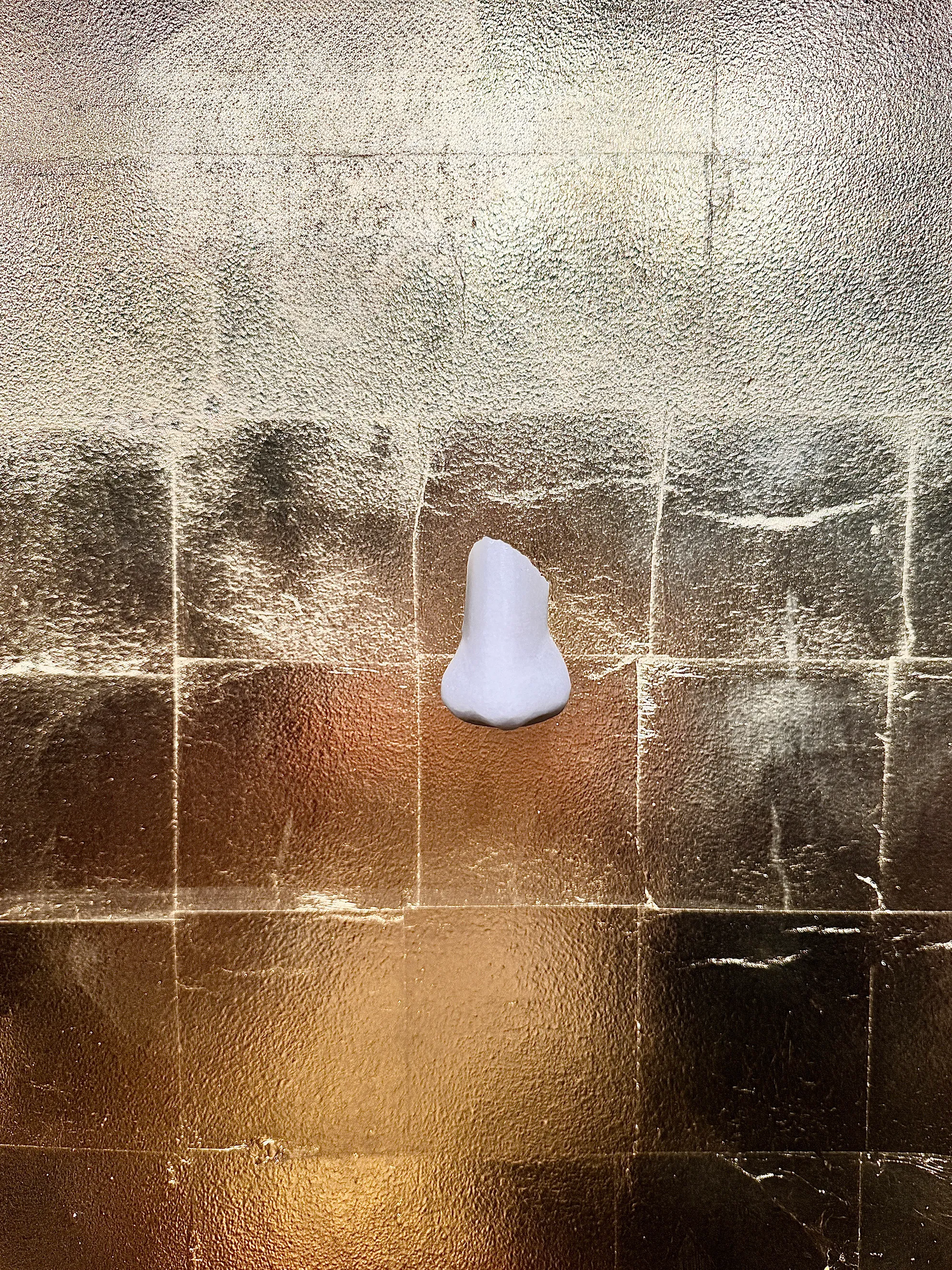
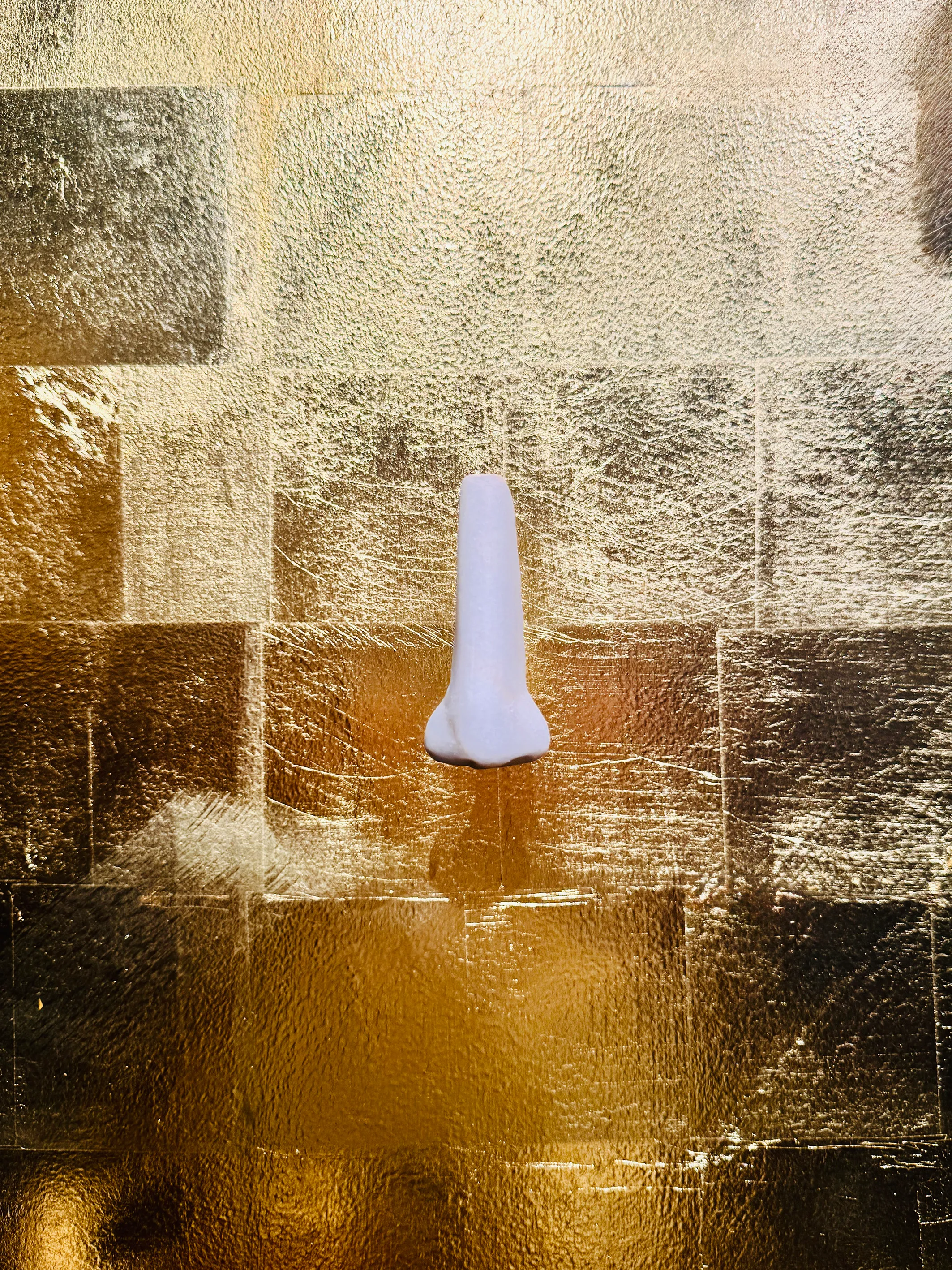
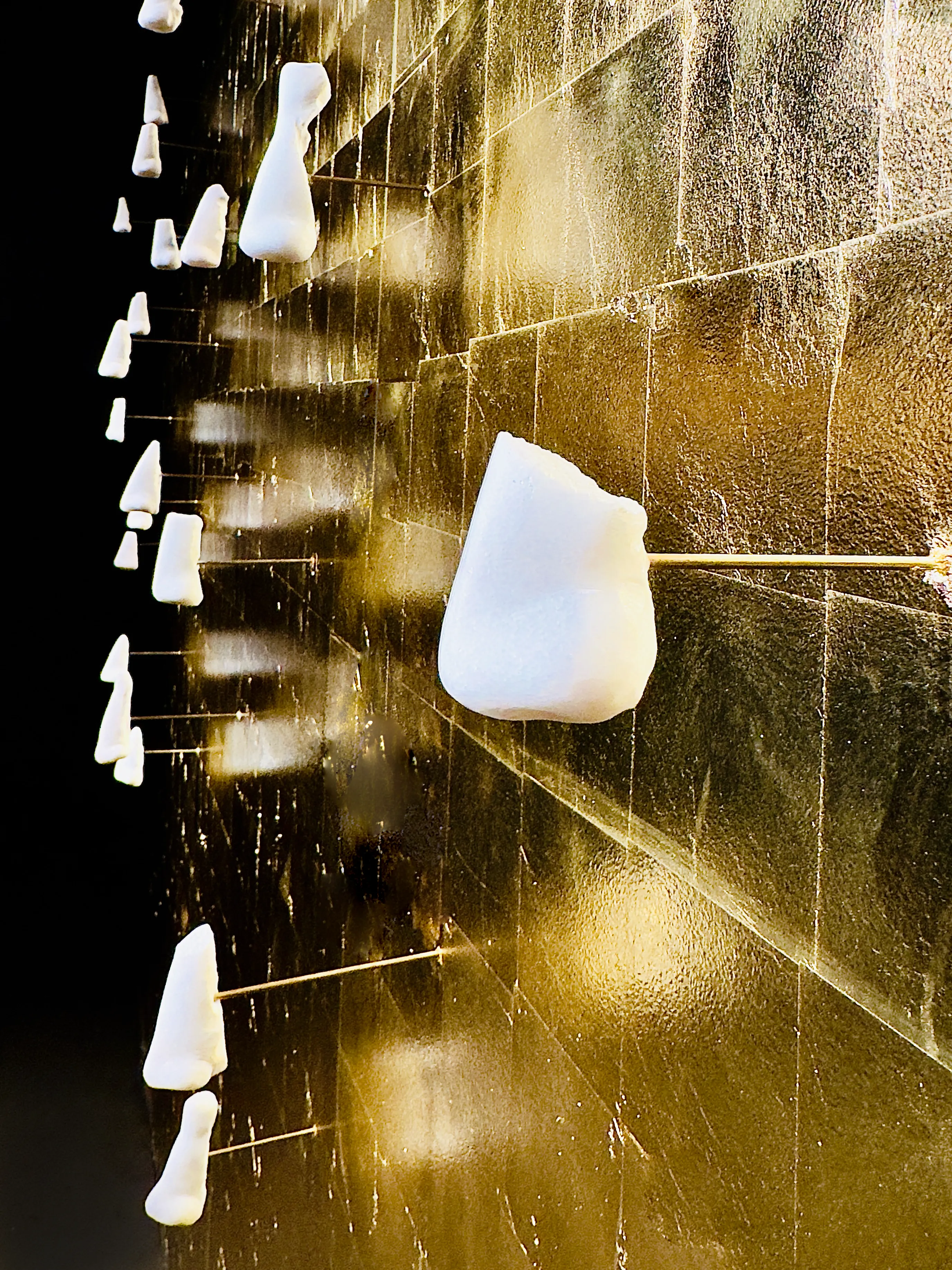
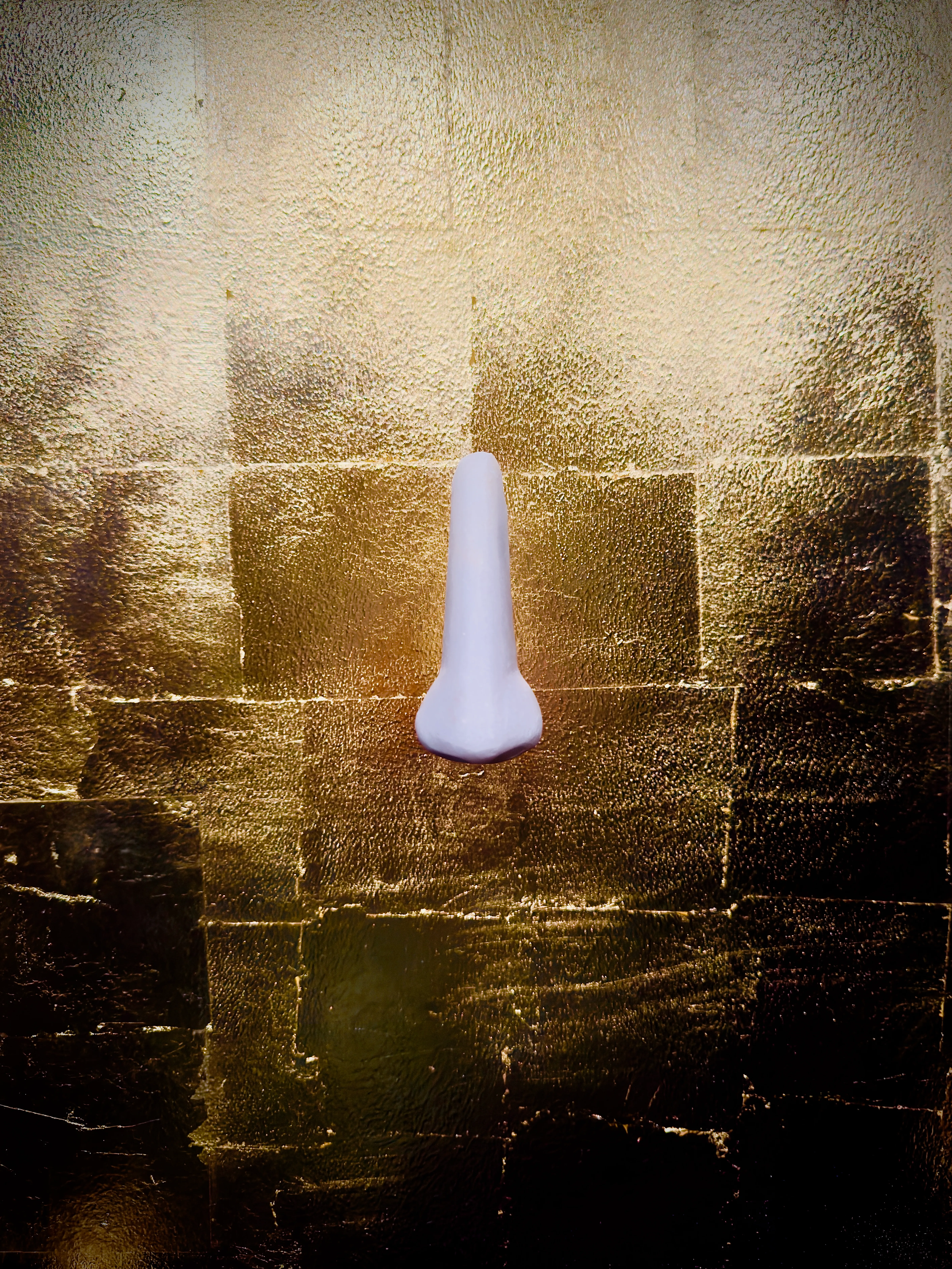
To trace these transformations, Kosmatopoulos selected fifty painted representations of Cleopatra from across Western art history. From each image, she isolated the nose and translated its two-dimensional profile into a three-dimensional marble sculpture. Some are straight and idealised; others are curved, elongated, shortened, flattened or narrow. Each seems to offer a fragment of evidence, yet together they contradict the possibility of a single, stable face.

The fifty sculptures form a nasothek: an archive devoted to the nose. Displayed together, they do not reconstruct Cleopatra's appearance. They accumulate its revisions. Fifty noses produce fifty versions of the same woman and fifty material traces of the historical narratives projected onto her body.

The sculptures emerge from a wall covered in gold leaf. The gold places these fragments within a longer visual history of power, sacred images and imperial representation. It recalls the radiance of Byzantine grounds while also evoking the political inheritance surrounding Cleopatra: the Ptolemaic kingdom founded in Egypt after the conquests of Alexander the Great. Rather than locating the work within one precise period, the gold brings several historical languages of authority into the same field.

Yet this golden surface also performs a gesture of repair. The noses are not presented as complete classical sculptures. Their backs are irregular and fractured, as though they had been struck from larger faces with a chisel. They carry the appearance of fragments produced through violence. Fixing them to the wall does not conceal these breaks, but gives each damaged form a new place and presence.

The installation therefore holds two opposing actions together. The noses have been symbolically torn from images of Cleopatra, but they are also gathered, preserved and reinstalled. The gold can monumentalise them, but it can also suggest repair: not the recovery of an original face, which remains impossible, but an acknowledgement of what repeated representation has done to it.

Marble intensifies this contradiction. Traditionally associated with permanence and historical authority, it gives physical solidity to images that are fundamentally speculative. Their multiplication prevents any one of them from becoming definitive. The archive does not bring Cleopatra into focus; it reveals the many hands that have continually redrawn her.

History has developed different ways of erasing powerful women. Some, like Hatshepsut, were defaced — their names removed and their monuments mutilated. Cleopatra underwent the opposite process: she was continually refaced, buried beneath an excess of representation until the historical woman became inseparable from the figures produced in her place.

About 2 Inches Long does not attempt to recover the “real” Cleopatra. It uses the changing architecture of her face to expose the instability of historical representation and the authority held by those who produce, preserve and circulate images.

The question is no longer whether Cleopatra's nose changed history, but who continues to reshape it — and why.

Exhibitions

Le Mystère Cléopâtre, Institut du Monde Arabe, Paris, FR

2025

If the Nose of Cleopatra…, Darb 1718, Cairo, EG

2020

Related Works

Related Studio Notes