How did Cleopatra change the course of my life and work? Cleopatra changed my life by leading me towards Egypt, but also by changing the position from which I understood identity, history and the female body. Through a historical figure claimed by several cultures yet fully belonging to none, I recognised my own life between Greece, France and Egypt — and discovered that an intimate question could enter my work without becoming autobiographical confession.
Cleopatra changed my life. I do not say this lightly. It is not a metaphor or a convenient opening line. Meeting Cleopatra — or rather, beginning to look at her differently — literally changed the course of my life.
A Residency About Someone Else
In September 2019, I came to Egypt for a residency. My project was about Hatshepsut and defacing: the gesture of cutting or breaking the nose of a statue in order to attack a name, a memory or an authority. I had come to explore one female figure — and encountered another.
Before that journey, Cleopatra was simply Cleopatra. She was so present that she had almost ceased to exist. She was Cleopatra in Asterix, Cleopatra played by Elizabeth Taylor, Cleopatra on soap packaging, in music videos, advertising, Halloween costumes and popular imagery. She belonged to childhood, to kitsch, to an exotic and highly recognisable image of Egypt. She had become part of the cultural furniture: so visible that she had become invisible, so thoroughly narrated that she seemed to have nothing left to say.
Then I arrived in Egypt and discovered that Cleopatra was almost absent. There were no statues everywhere, no major public narratives, no streets or monuments carrying the symbolic weight I had expected. Her name appeared on a low-cost cigarette brand and on a few hotels or businesses directed towards Western tourists. But beyond that, very little.
The contrast struck me immediately. For me, Cleopatra belonged to a global imagination. Yet in Egypt, she did not embody the same ideas of beauty, power or mystery that had been attached to her in the West. The ideal of female beauty was more readily associated with figures such as Nefertari or Nefertiti. The Cleopatra I had grown up with was largely a Western echo — she belonged not to the Orient as it exists, but to the Orient as the West had wanted to imagine it.
It was through this absence that I began to see her.
What makes Cleopatra so singular is that she is a figure without a guardian: no one can say with complete authority that she is one of us. The Greeks can say that she lived and ruled in Egypt. Egyptians can answer that she belonged to a Greek-speaking dynasty. Rome defeated her and then shaped much of the narrative through which she entered Western history. She remains caught between these worlds — Greek and Egyptian, local and foreign, historical and mythical — and she never fully resolves into one belonging.
This does not mean that Cleopatra had no historical identity. It means that her identity has never stopped moving between competing claims, refusals and interpretations. Every attempt to place her securely within one history reveals another part of her that belongs elsewhere. She remains on the threshold.
It was in this position that I recognised myself. Not in Cleopatra as a queen, a heroine or a figure to imitate. I recognised the condition of the in-between: the experience of carrying several places and histories without ever being explained completely by one of them.
I was born in Greece, raised in France and now live in Egypt. My origins, education and choices have always placed me between worlds. I am never entirely from here, but I am not completely from elsewhere either. Different parts of my identity become more visible depending on the place from which I am being viewed. In France, I may be perceived as Greek; in Greece, I may appear French; in Egypt, I am European and foreign, even as my life and practice have become deeply rooted there. None of these identities is false, but none of them is sufficient on its own.
This is not a complaint, nor a demand to belong more completely to one category. It is simply the condition in which I have learned to live: a familiar instability, an identity that remains suspended between several worlds without seeking to resolve them into one.
That is where I recognised Cleopatra. She was not a model but a mirror in negative: an unfamiliar figure through whom I recognised a familiar displacement, an otherness that felt strangely intimate, a sister in movement.
Why Does Everyone Project Onto Her?
Because Cleopatra has no single guardian, she has also become an extraordinary surface of projection. No one can close her meaning permanently. Every period, culture and political position can reinvent her. She has been made to carry contradictory ideas of femininity, race, beauty, power, danger, resistance and foreignness.
Feminists have seen a woman destroyed by male power. Black American women have recognised a powerful African queen. Arab nationalists have seen a figure resisting an invader. Hollywood turned her into a sublime and destructive lover. Others have imagined a traitor, a strategist, a muse, a victim or an erotic myth. All of these versions coexist. All of them reveal something. None of them contains Cleopatra completely.
This is what makes her more than a historical figure. She has become a myth. A myth is not simply a story that is either true or false. It is a structure through which meaning can be organised, projected and transformed. It remains alive because people can enter it, recognise themselves within it and use it to express questions that exceed the original narrative. A myth is defined not only by what it tells us, but by what it allows us to say.
Cleopatra has become this kind of narrative matrix. She receives projection precisely because she never resolves into one stable identity. Her historical figure remains present, but it is surrounded by layers of desire, fear, political need and cultural imagination. Each new representation transforms her without completely replacing the previous ones.
The Impossibility of One Cleopatra
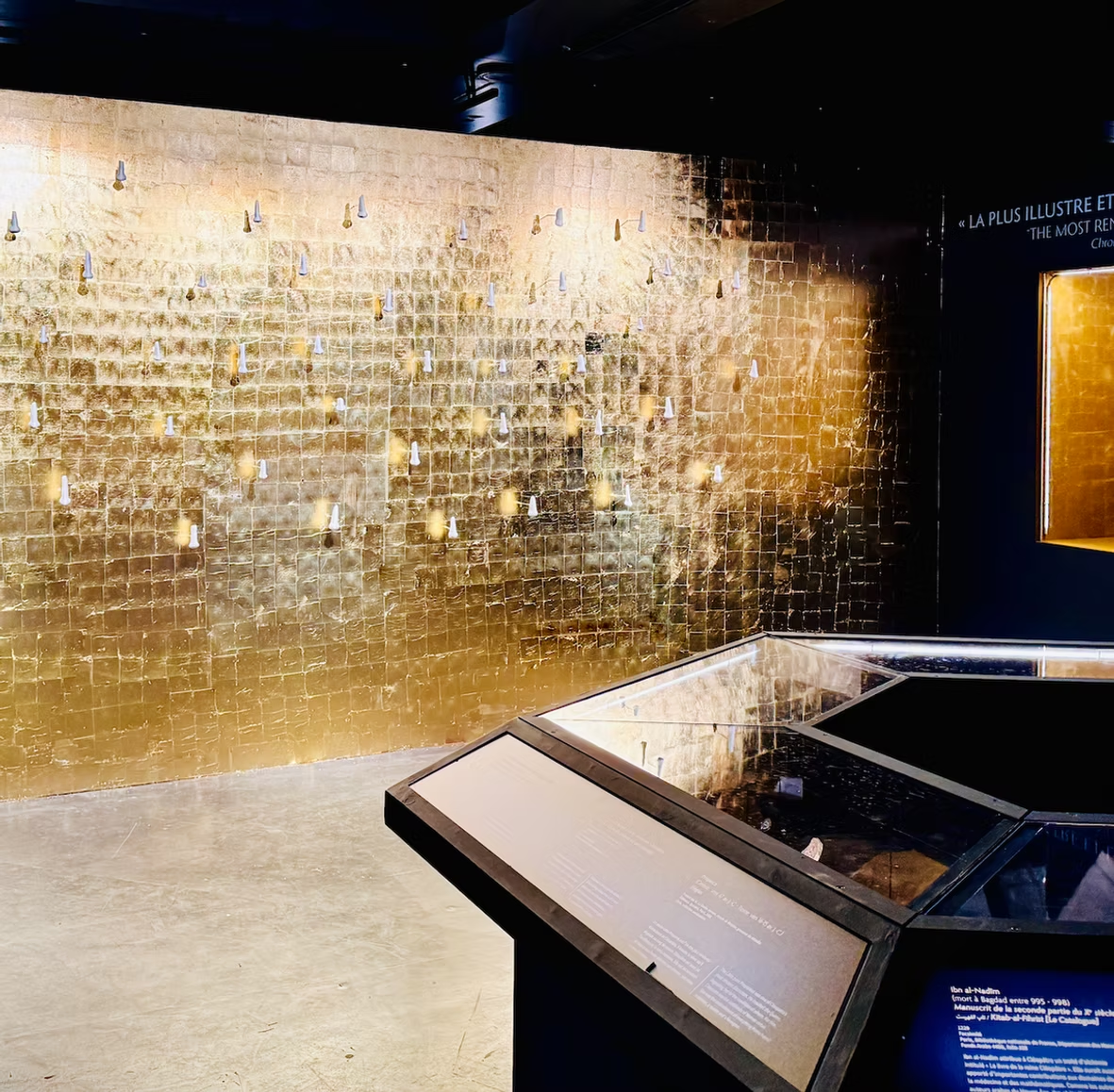
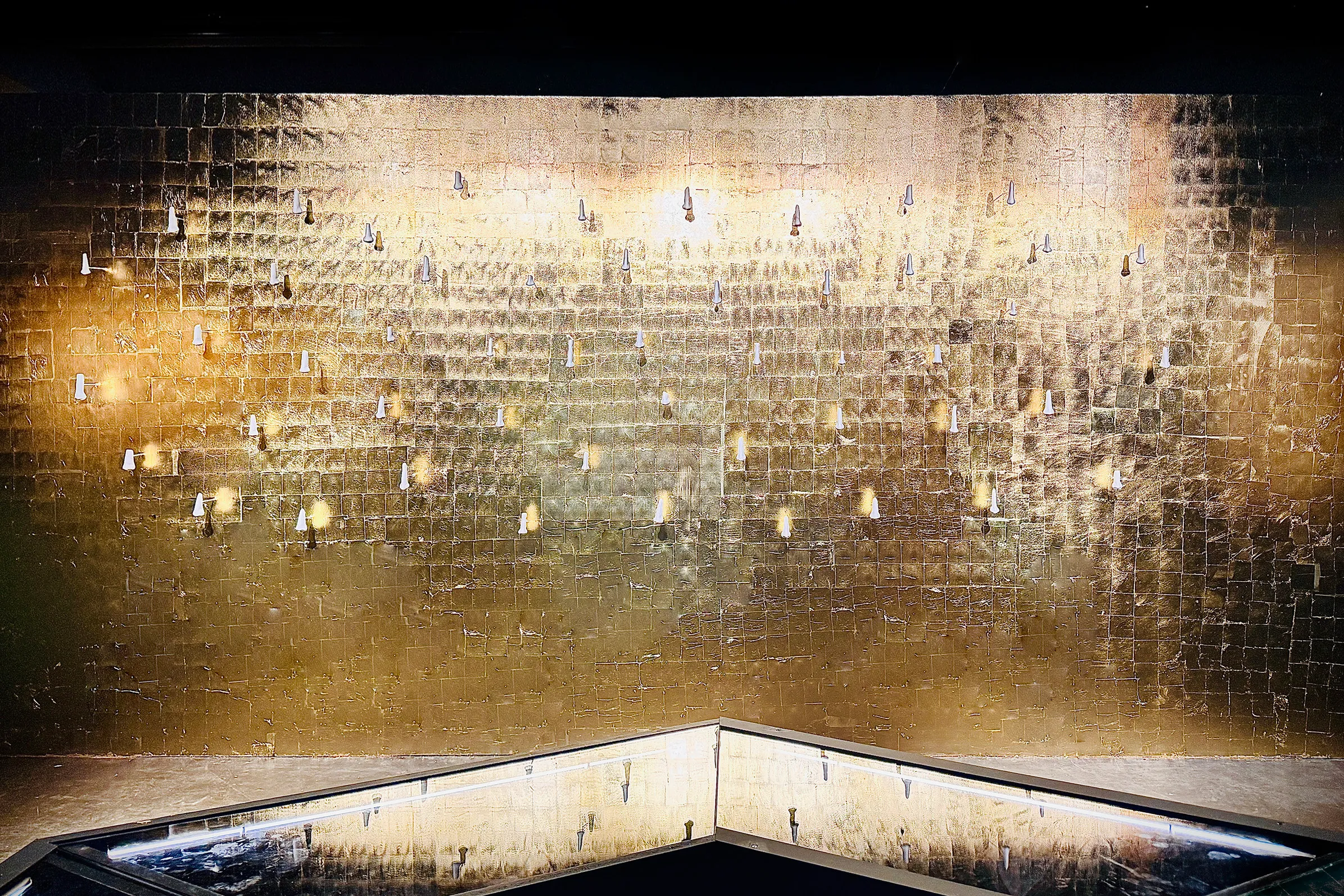
This instability became the foundation of If the Nose of Cleopatra… The title comes from Pascal’s famous proposition that if Cleopatra’s nose had been shorter, the entire face of the world would have changed. A complex political history is condensed into a fragment of a woman’s anatomy, as though the fate of empires could be explained through her beauty and the desire she supposedly produced.
I decided to take that proposition literally. Rather than attempting to reconstruct Cleopatra’s true face, I collected existing representations of her made across different centuries and cultures. From each image, I isolated the same fragment: her nose. I then translated those fragments into sculpture.
Placed together, the noses do not bring us closer to one authentic Cleopatra. They make the impossibility of that reconstruction visible. Every image produces another face, another body and another cultural projection. The accumulation does not resolve her identity. It multiplies it.
The project also returned me to the question that had first brought me to Egypt: the damaged nose. In ancient sculpture, breaking the nose could be a way of neutralising a figure’s power, attacking its breath or preventing the image from remaining symbolically alive. In If the Nose of Cleopatra…, the nose is detached from the face, but it is not erased. It becomes the entire work. A fragment usually associated with loss or destruction becomes an archive of projection.
The project could continue indefinitely. Every representation of Cleopatra produces another possible nose and another version of her. No final sculpture can close the series, because no image can stabilise the figure completely. The project grows because the myth keeps moving.
But Cleopatra changed more than the subject of one series: by working through her image, I began opening a new question within my own practice. My work had long explored collective identity: group belonging, symbolic borders, the systems through which communities define themselves and others. My attention was often directed outward, towards the structures that organise identity socially and politically.
With Cleopatra, the question became more personal. I began asking what my own identity meant as someone shaped by several cultures, languages and geographies. For the first time, I understood that I could not question identity without also questioning gender: the body, the image, what is projected onto us, what we are allowed to embody, what we are prevented from saying.
Cleopatra made visible how completely a woman’s political and historical identity can become entangled with the representation of her body. Her intelligence becomes seduction. Her alliances become love affairs. Her authority becomes beauty. The history of empires is retold through the supposed power of a woman’s face. Her body becomes explanation, accusation and myth.
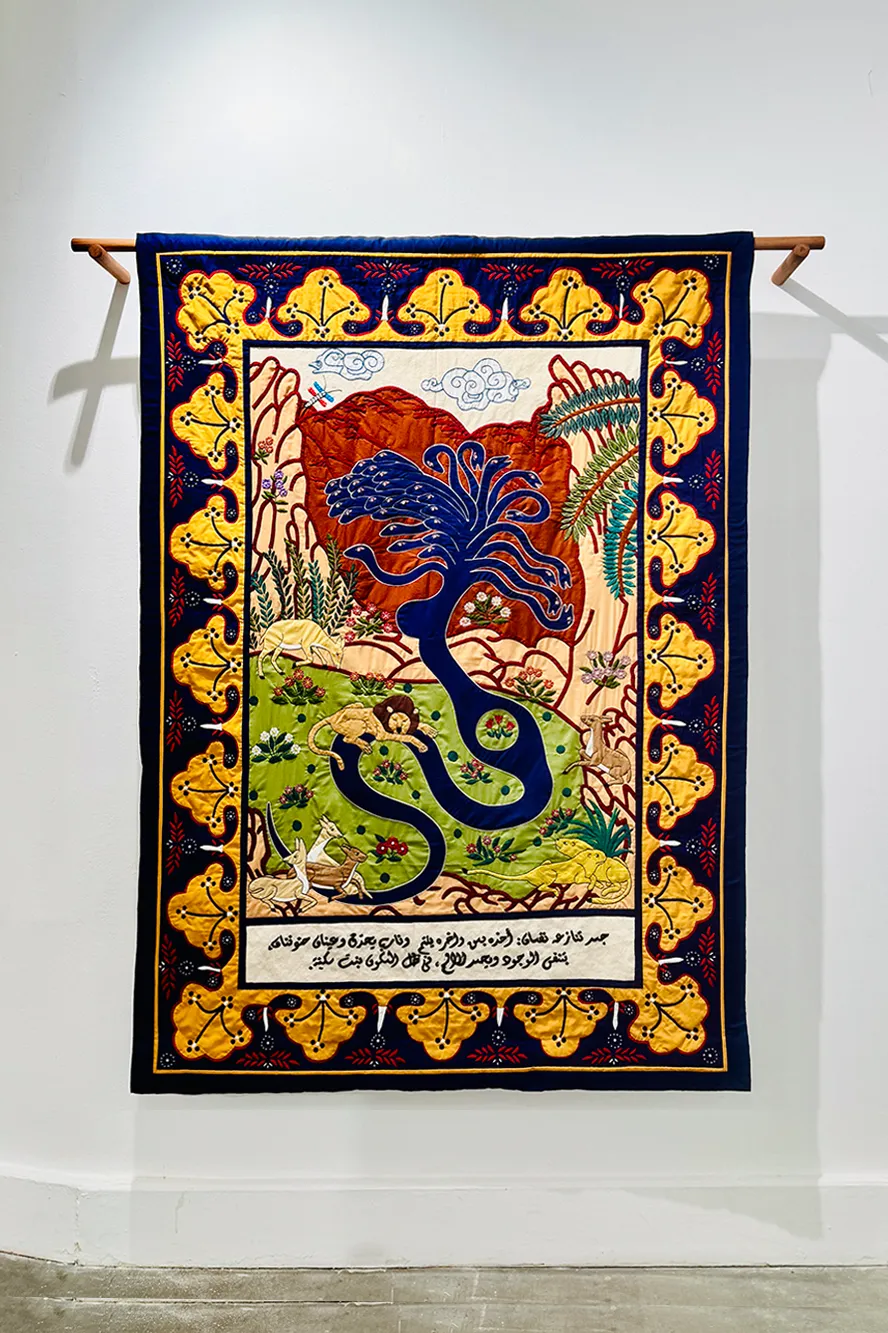
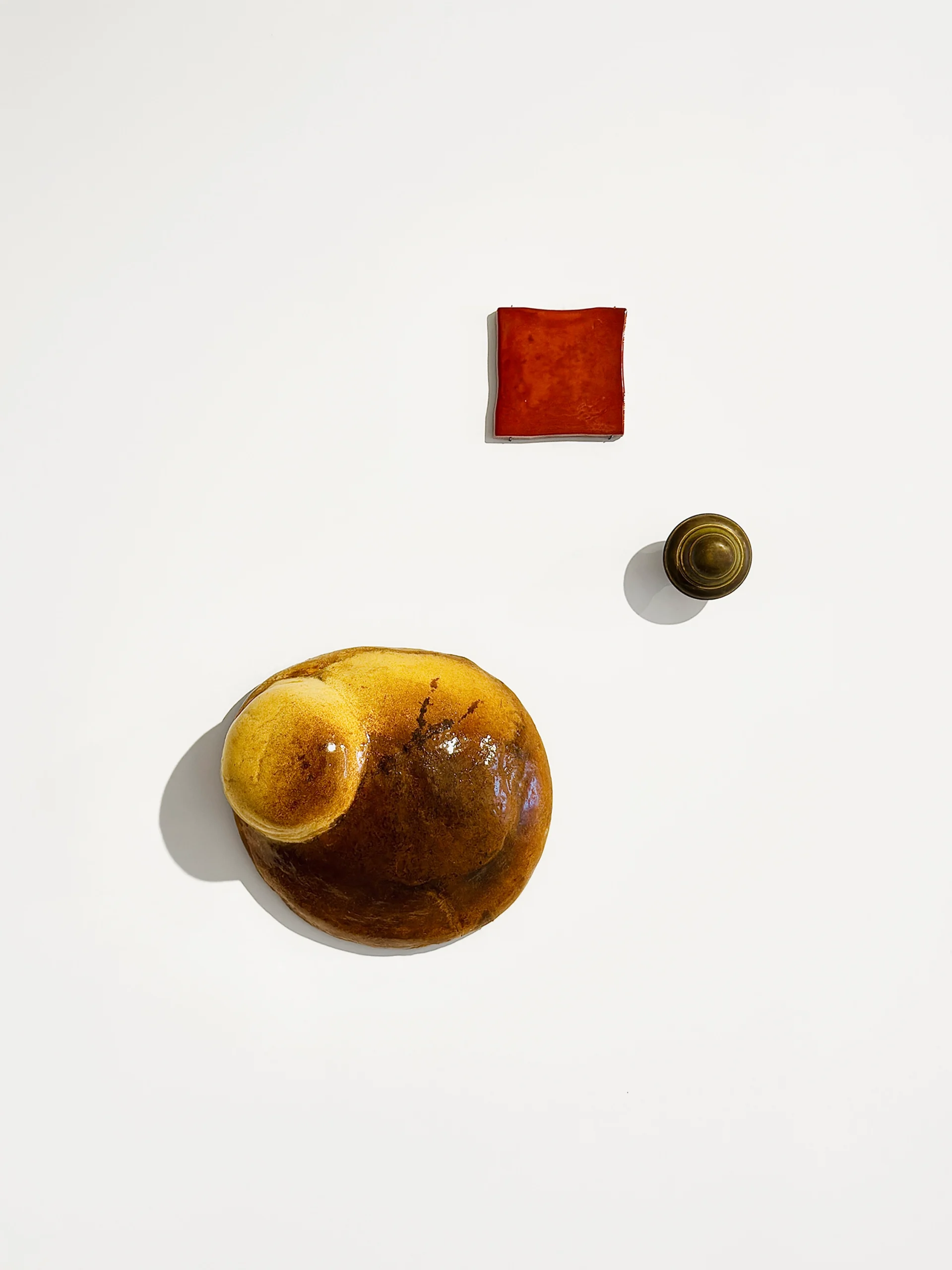
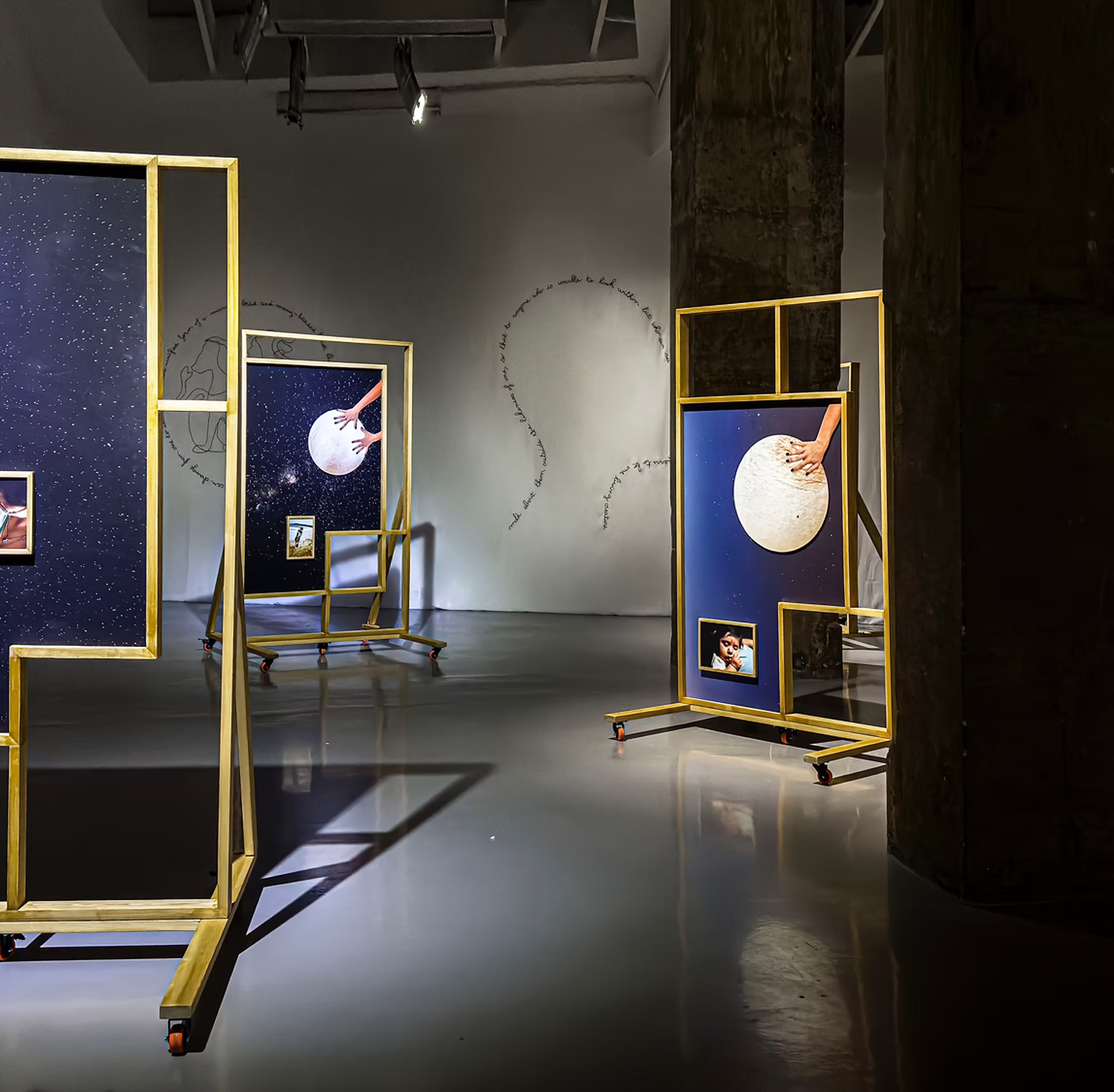
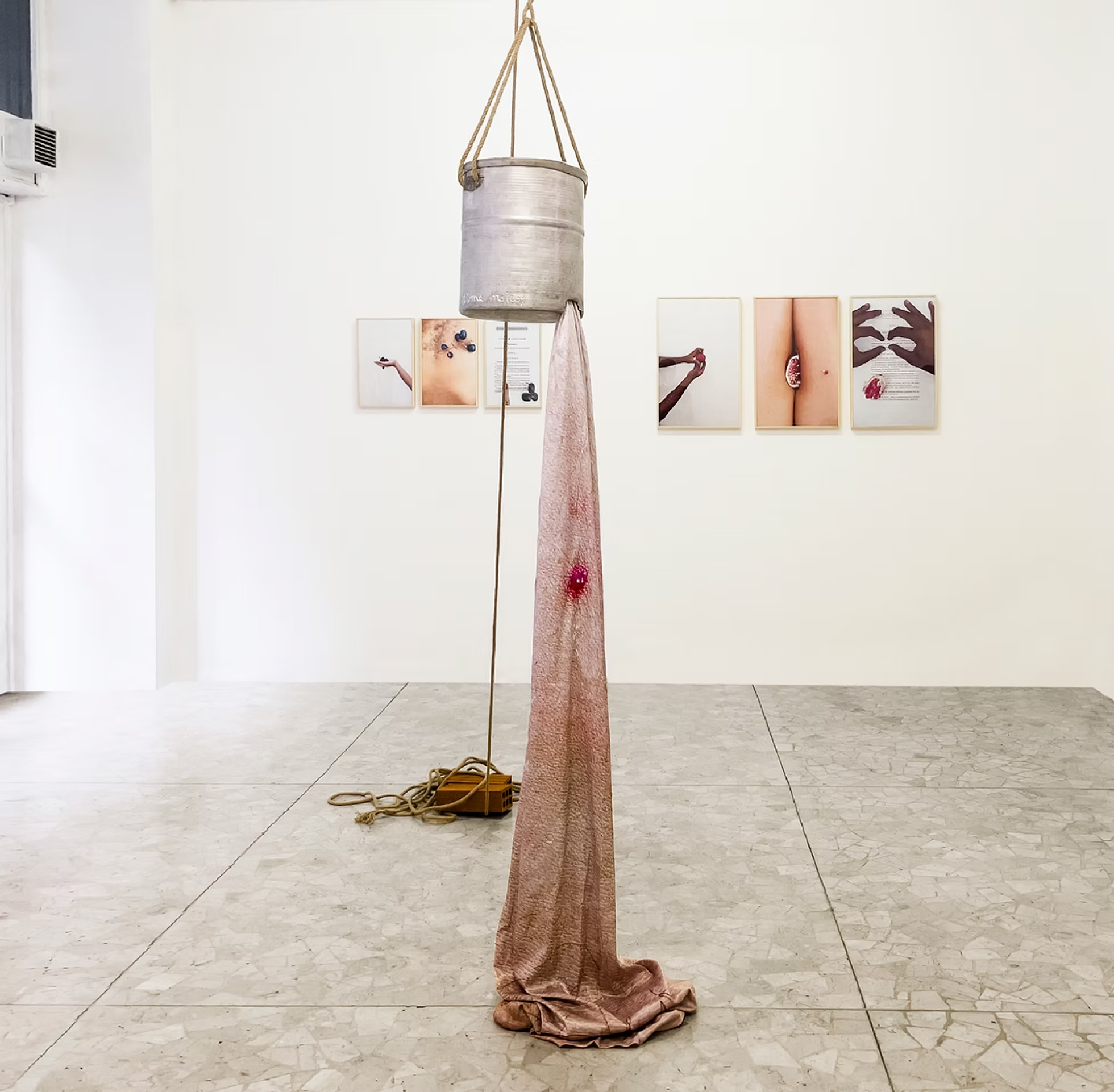
This mechanism began resonating with questions that would later become increasingly central in my own work: the breast as a visual sign of the feminine, the female body as a site of projection, the unstable figure, the woman who becomes serpent, mourner, chimera or landscape.
She also changed my relationship to the personal. Until then, I often approached identity through collective histories and external systems. Through Cleopatra, I discovered that an intimate question could enter the work without becoming confession: my own position between Greece, France and Egypt could become a way of thinking rather than simply a biographical fact. Her story did not replace mine, and mine did not explain hers. The relationship remained indirect, built through recognition, distance and projection — I could speak about belonging without illustrating my own biography, and approach the female body without producing a portrait.
When I say that Cleopatra changed my life, I also mean it literally. I came to Egypt and did not truly leave. A journey that was supposed to be temporary became the beginning of another life, another geography and another relationship to my practice. But it was not Cleopatra alone who changed everything. It was the path I took towards her.
I came looking for a historical figure and encountered an absence. Through that absence, I discovered a woman without stable belonging — and through her in-between position, I recognised my own. A fragment can carry more than a complete portrait; a figure without a single guardian can remain available to several histories. Perhaps this is the real power of myth: it allows us to speak about ourselves through another figure, and brings us back to our own history without requiring us to pronounce the word “I.”
Related Series
Related Studio Notes