Canticum canticorum meum is directly inspired by the Canticum canticorum Salomonis, or Song of Songs, a collection of biblical love poems written around the third century BCE. Although later interpreted as an allegory of the relationship between God and the faithful, its literal subject is the physical desire shared by two lovers.
The text speaks insistently about the body while rarely describing sexual touch directly. Instead, desire passes through a vocabulary of orchards, vineyards, fruit, milk, honey and wine — pomegranates, an apple tree whose fruit is sweet to the taste, lips that drop sweetness like a honeycomb, wine and milk drunk together. Food becomes the intermediary through which one body can be imagined, tasted and approached by another.
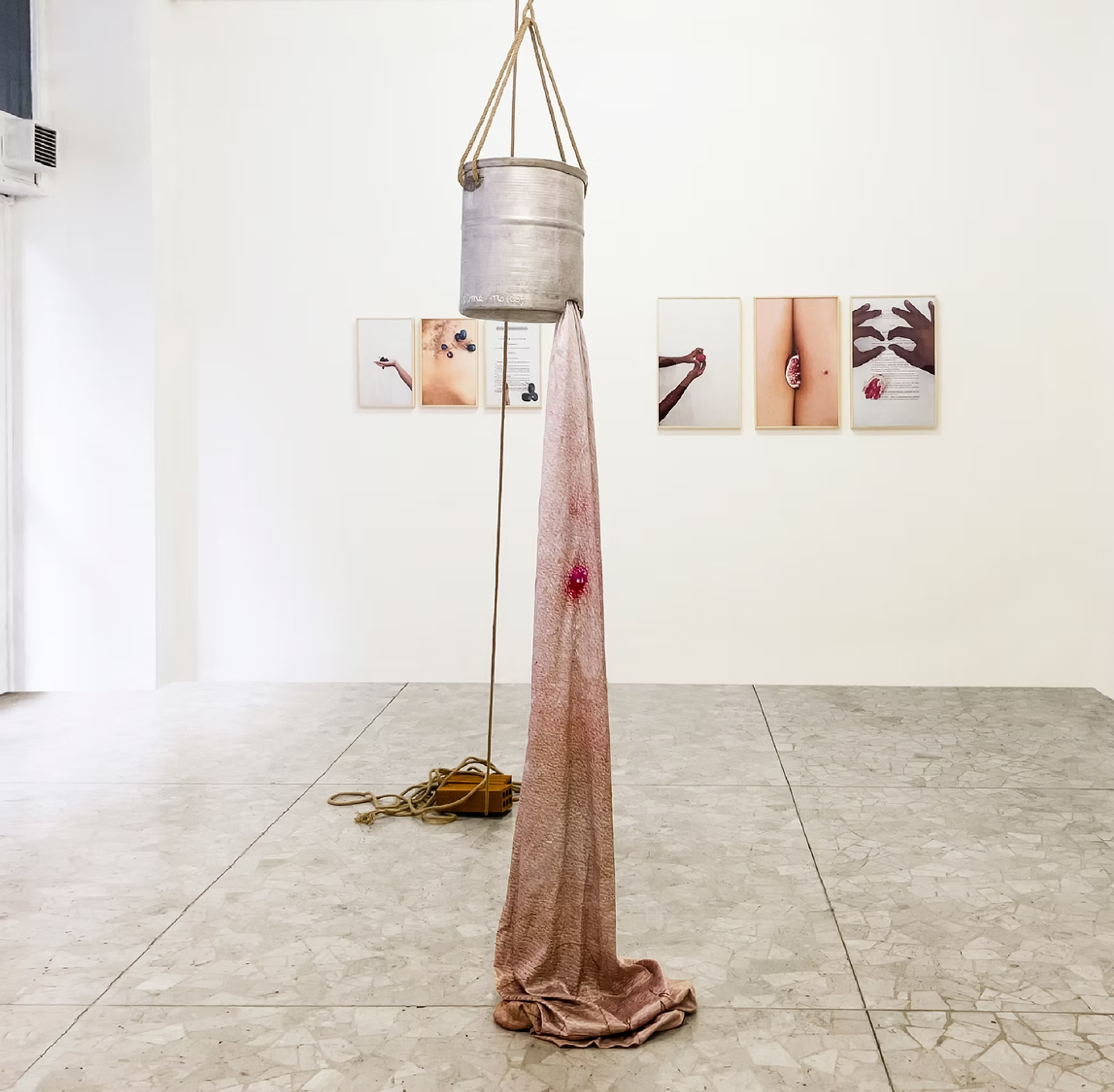
Kosmatopoulos constructs each triptych from one of these passages. The first photograph shows the hand of one of the two real lovers touching the food named in the verse: a pomegranate, apple, fig, grape, honey or milk. The last shows the same hand touching the written word that signifies it. Between object and language lies the erotic centre of the sequence: the hand is transformed into the food itself and comes into contact with a part of the other lover's body.
The triptych therefore moves between three distinct forms of presence. The food exists as a tangible object; the word exists as a sign printed on paper; the central image turns metaphor into a bodily event. A hand covered in honey, transformed into a cluster of grapes or merged with the flesh of a fig does not simply illustrate the biblical line. It passes through the distance between what language names and what the body can feel.
The work also gives the metaphor a reciprocal structure. The hand is not only the instrument that touches the beloved; it is altered by the substance through which the encounter occurs. It becomes sticky, stained, softened or visually absorbed into the fruit. Touch changes the body that initiates it as much as the surface it reaches.
By placing herself and her life partner within the biblical text, Kosmatopoulos does not stage its lovers as historical characters. She uses their own bodies to construct a personal passage through its erotic imaginary. The ancient verses become neither sacred illustration nor literal reenactment, but a score through which contemporary bodies test the relationship between sensation and language.
Within Caressing Walls, Canticum canticorum meum occupies the interval between skin and paper. Words can summon taste, texture and desire, but they cannot supply the physical presence they describe. Touch crosses that interval without abolishing it: the fruit remains an image, the word remains a sign, and the lover remains another body.
Each triptych begins with matter, passes through metaphor and ends in language. At its centre, the hand briefly makes the three touch.