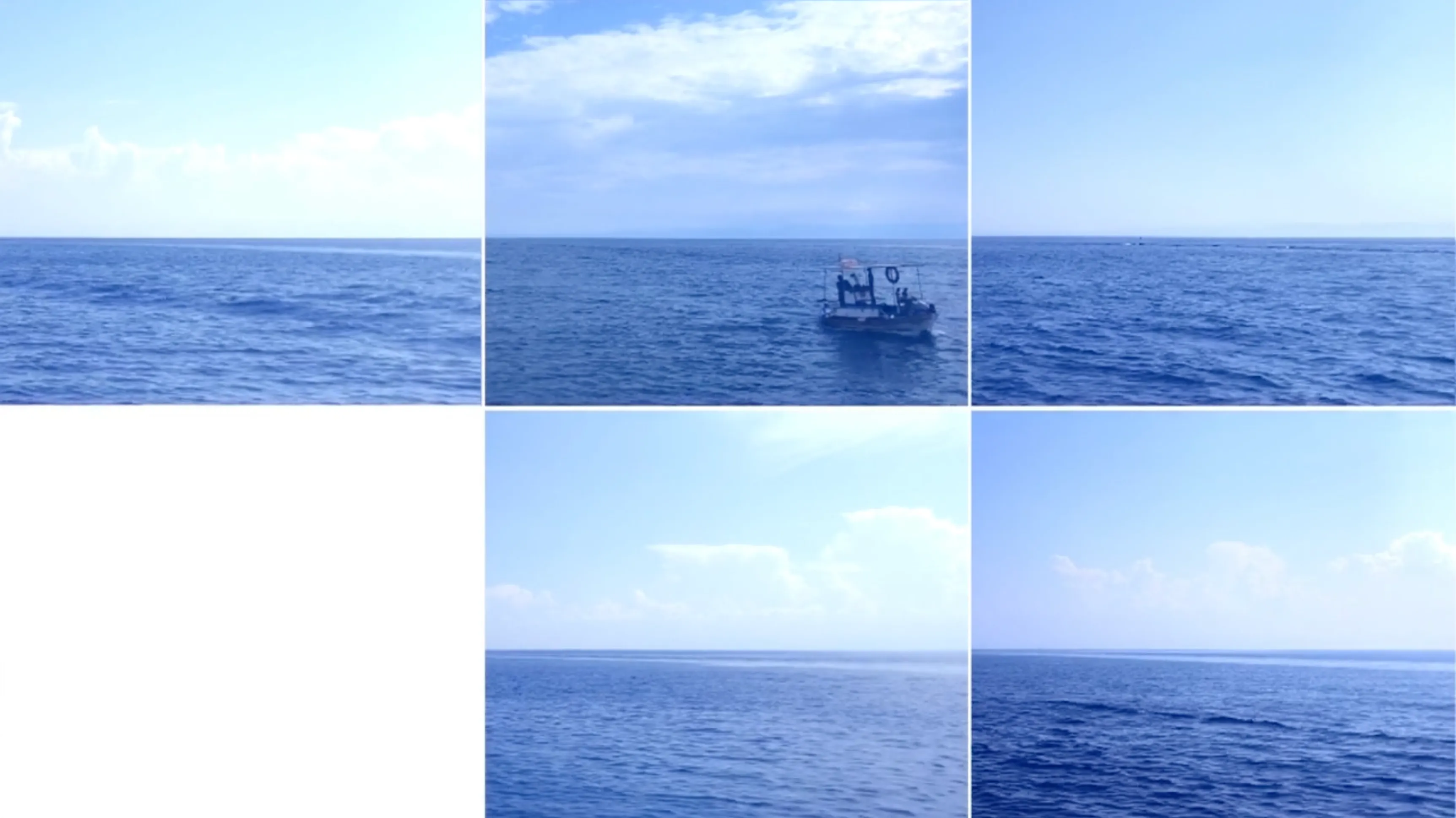
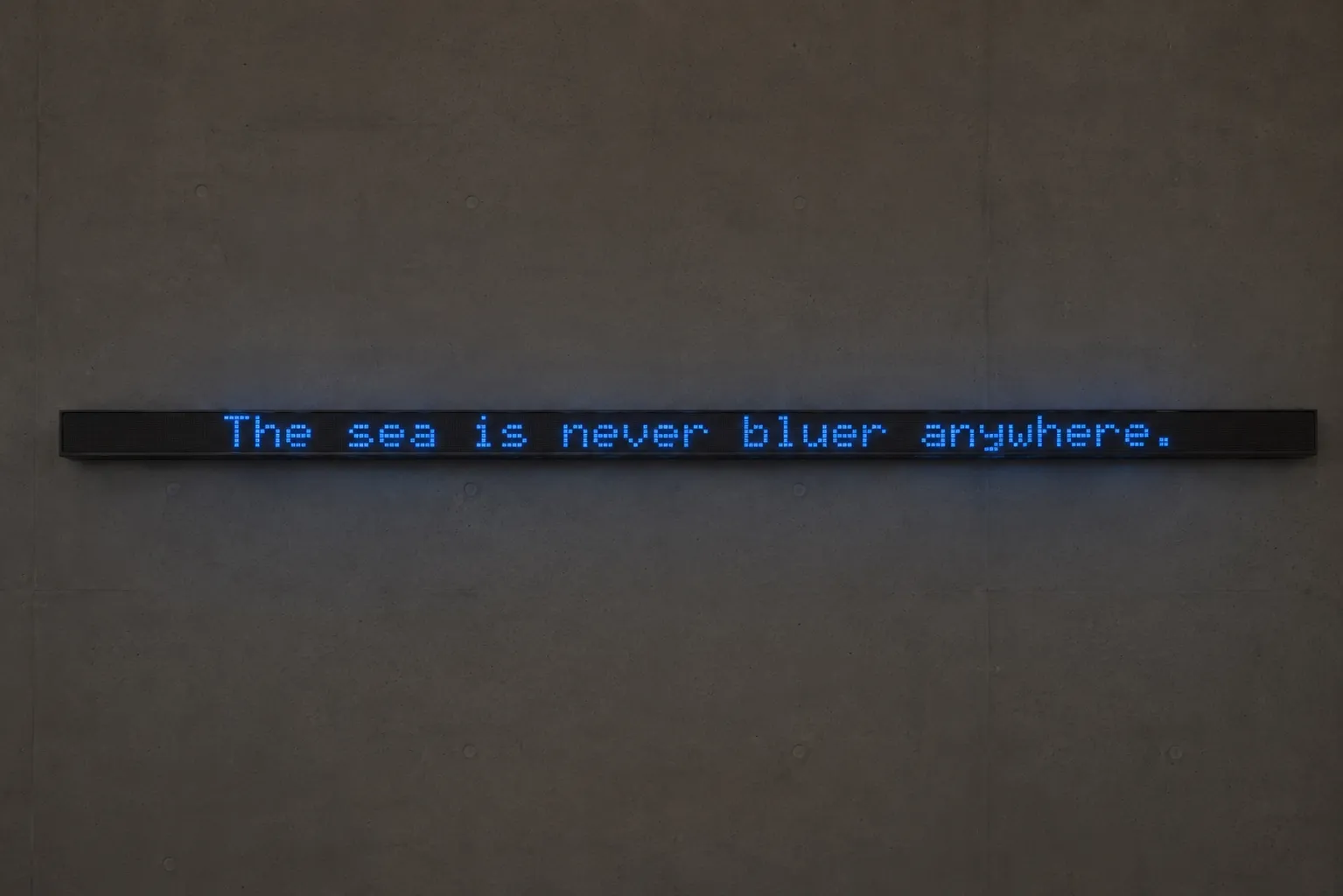
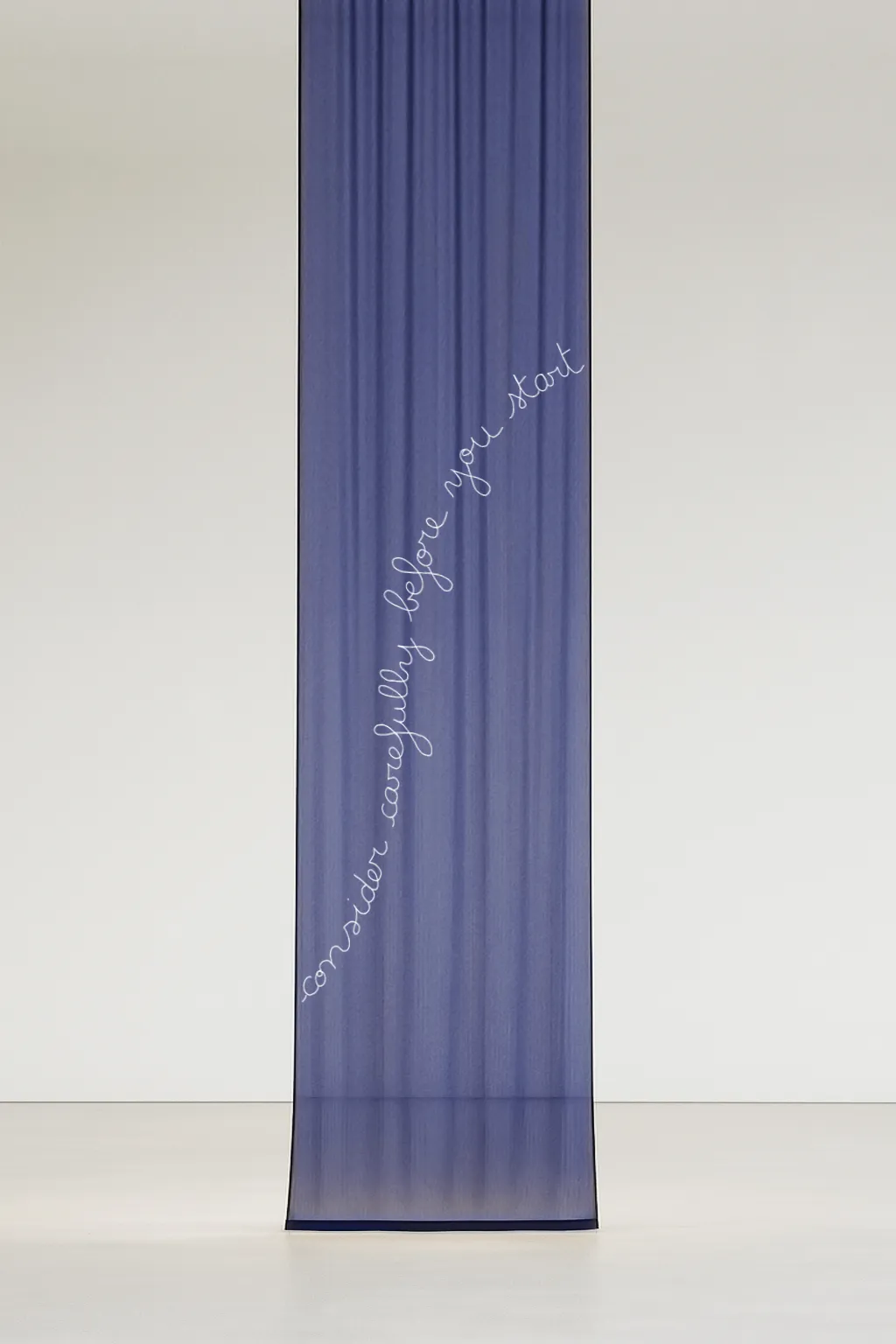
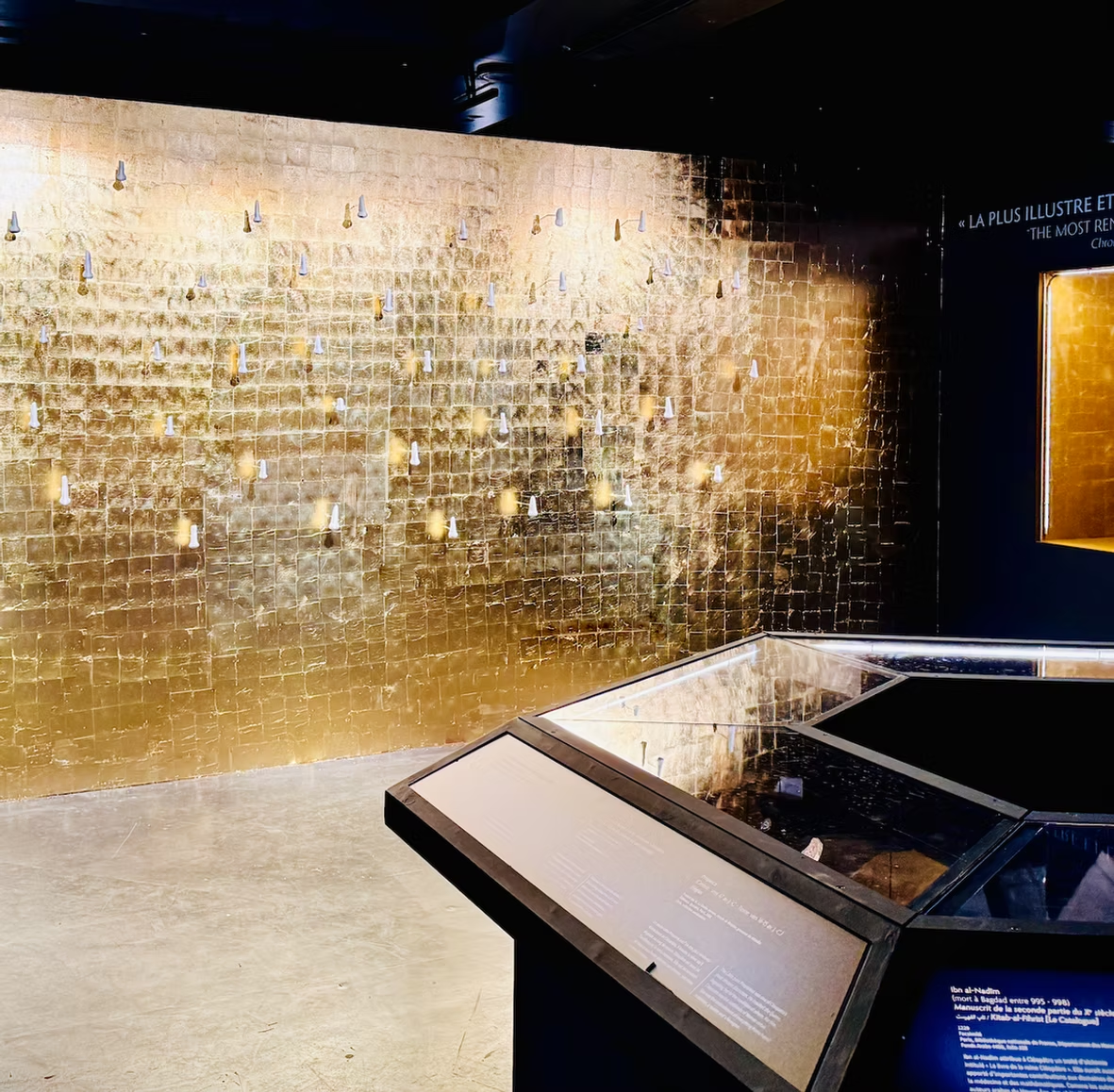
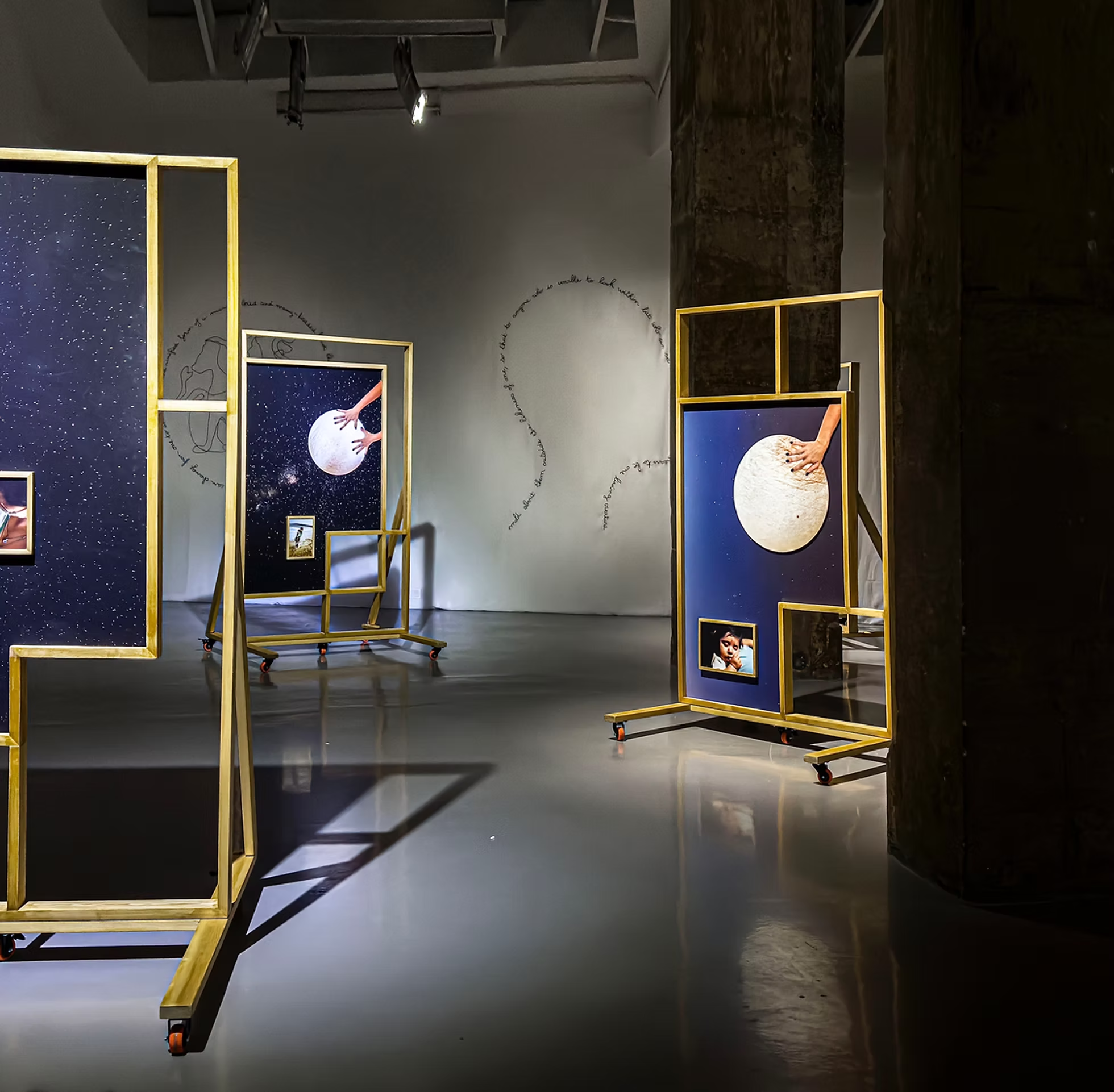
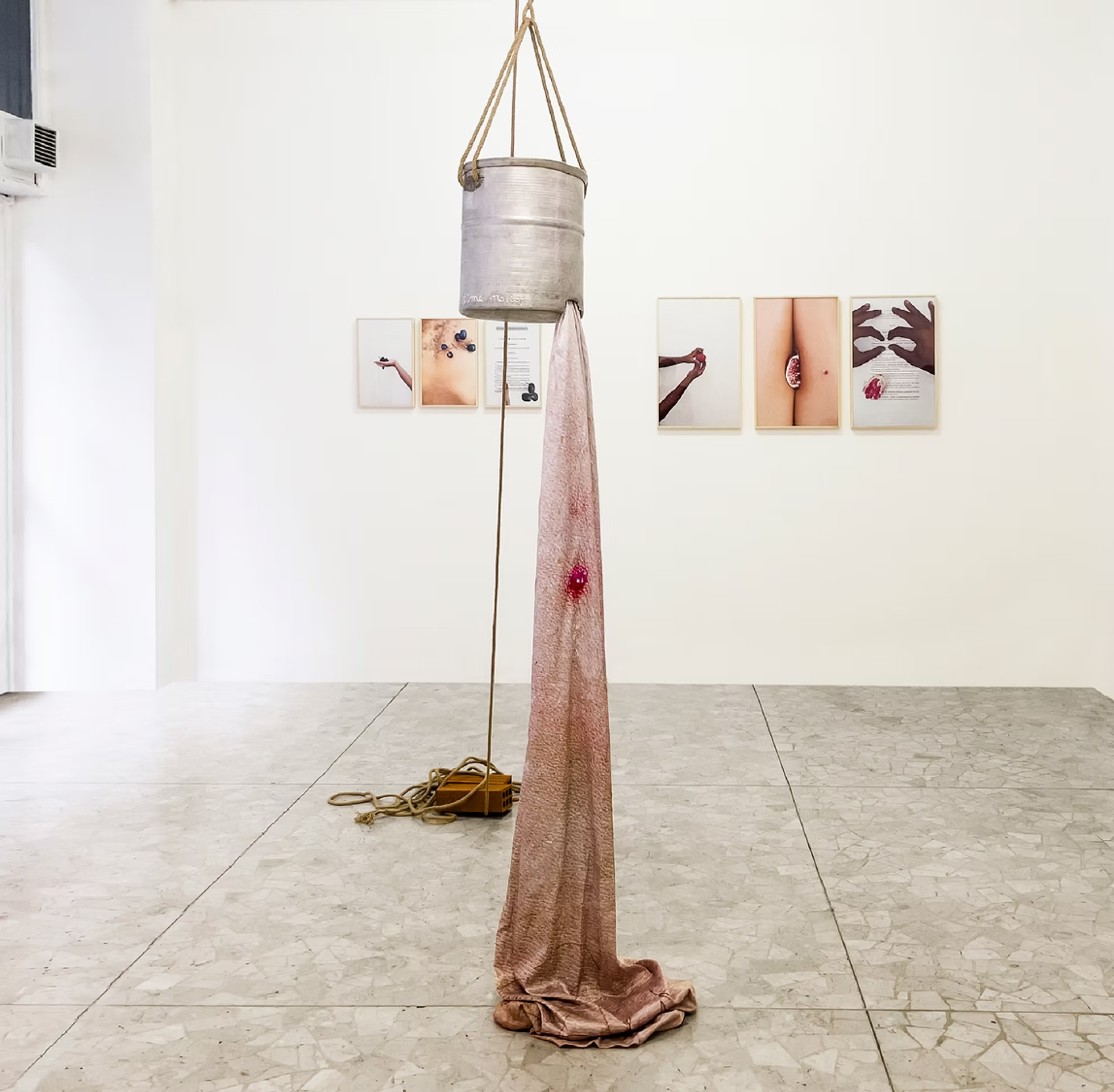
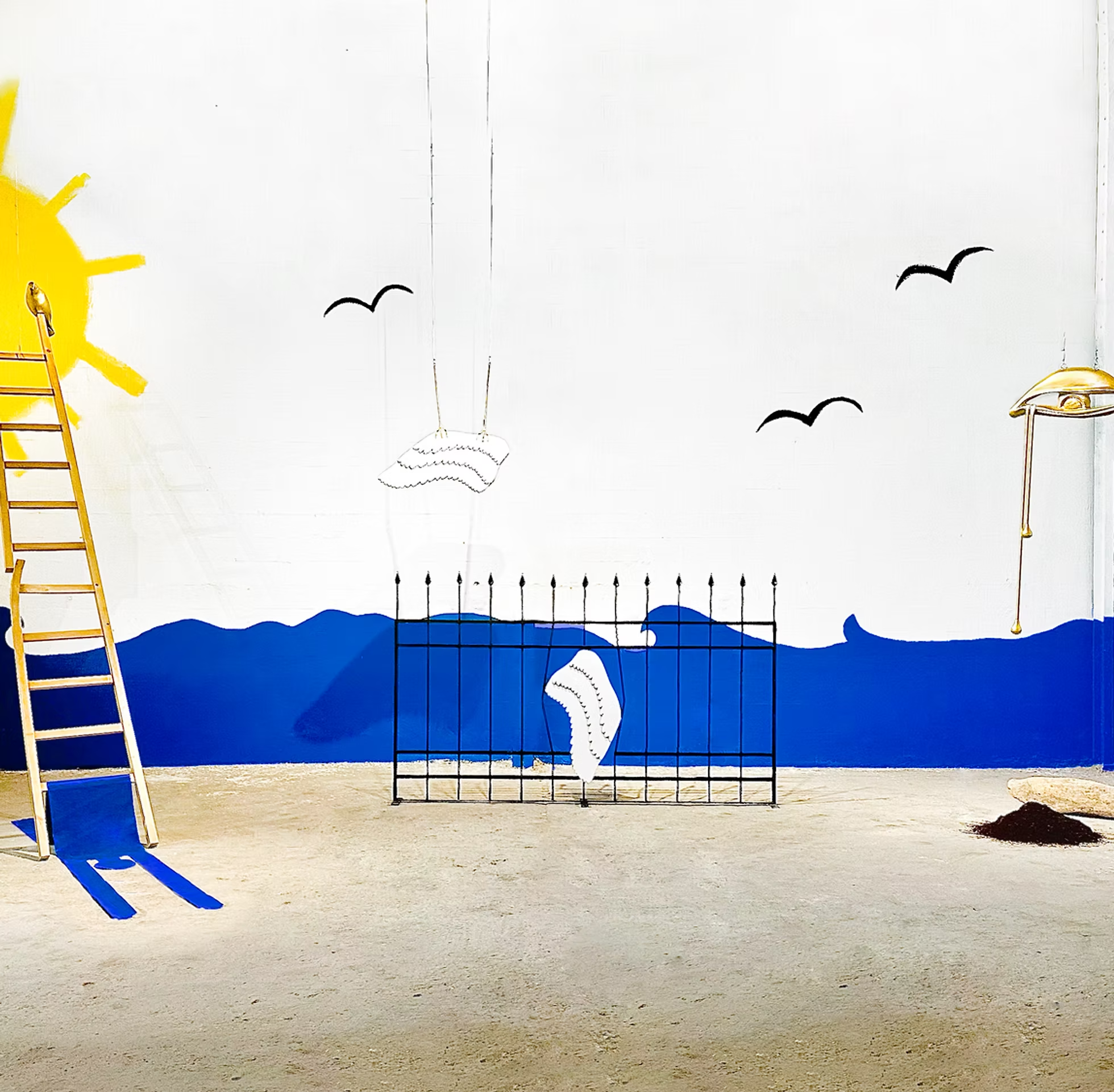
From 1 to 10 opens It Is Always Summer Somewhere, a multimedia project developed during two months spent by the artist on the island of Lesbos in the summer of 2018. The island held these lives side by side without reconciling them: holidaymakers, residents, migrants, patrols — each reading the same shoreline through an entirely different set of stakes.
The project connects contemporary refugee arrivals on Lesbos with earlier passages across the same sea, including the compulsory population exchange between Greece and Turkey in 1923. These histories are not presented as equivalent. Their recurrence reveals how the same shores can repeatedly become sites of departure, separation and uncertain arrival.
Acting as the prologue to this mythology, From 1 to 10 begins with the familiar phrase "once upon a time." Traditionally used to open fables and fairy tales, the formula announces a singular story: something happened once, in a distant and undefined past.
The work disrupts that singularity by introducing counting into the phrase. Once becomes twice, then three times, and the opening of one story gradually becomes the beginning of many. What first appears to be an isolated narrative enters a sequence of repetitions.
This progression transforms linear time into circular time. The story does not simply move from its beginning towards an ending. Each repetition returns it to its point of departure, where it begins again with another person, in another place or at another historical moment.
Every exile remains a singular experience, with its own causes, losses and consequences. Yet no story exists entirely alone. Each one enters a larger history of displacement that precedes it and continues after it — an accumulation of unique lives caught within a recurring movement.
The count from one to ten cannot contain that history or bring it to a conclusion. It gives temporary order to something that continues beyond the sequence, suggesting that ten may return to one and that the next "once upon a time" has already begun.
From 1 to 10 establishes the temporal structure of It Is Always Summer Somewhere: a mythology in which history advances, circles back and begins again.
Once upon a time is never only once.