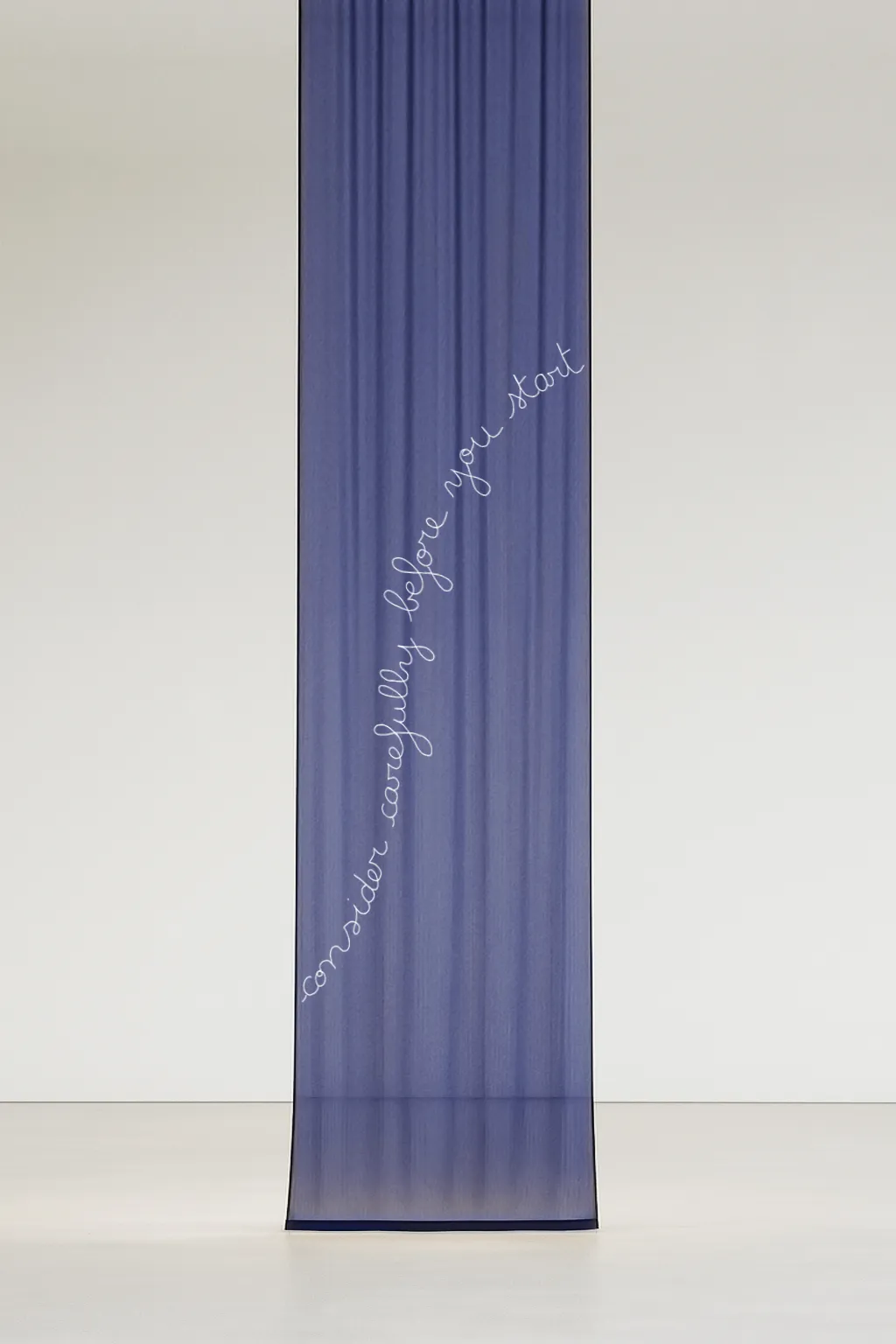
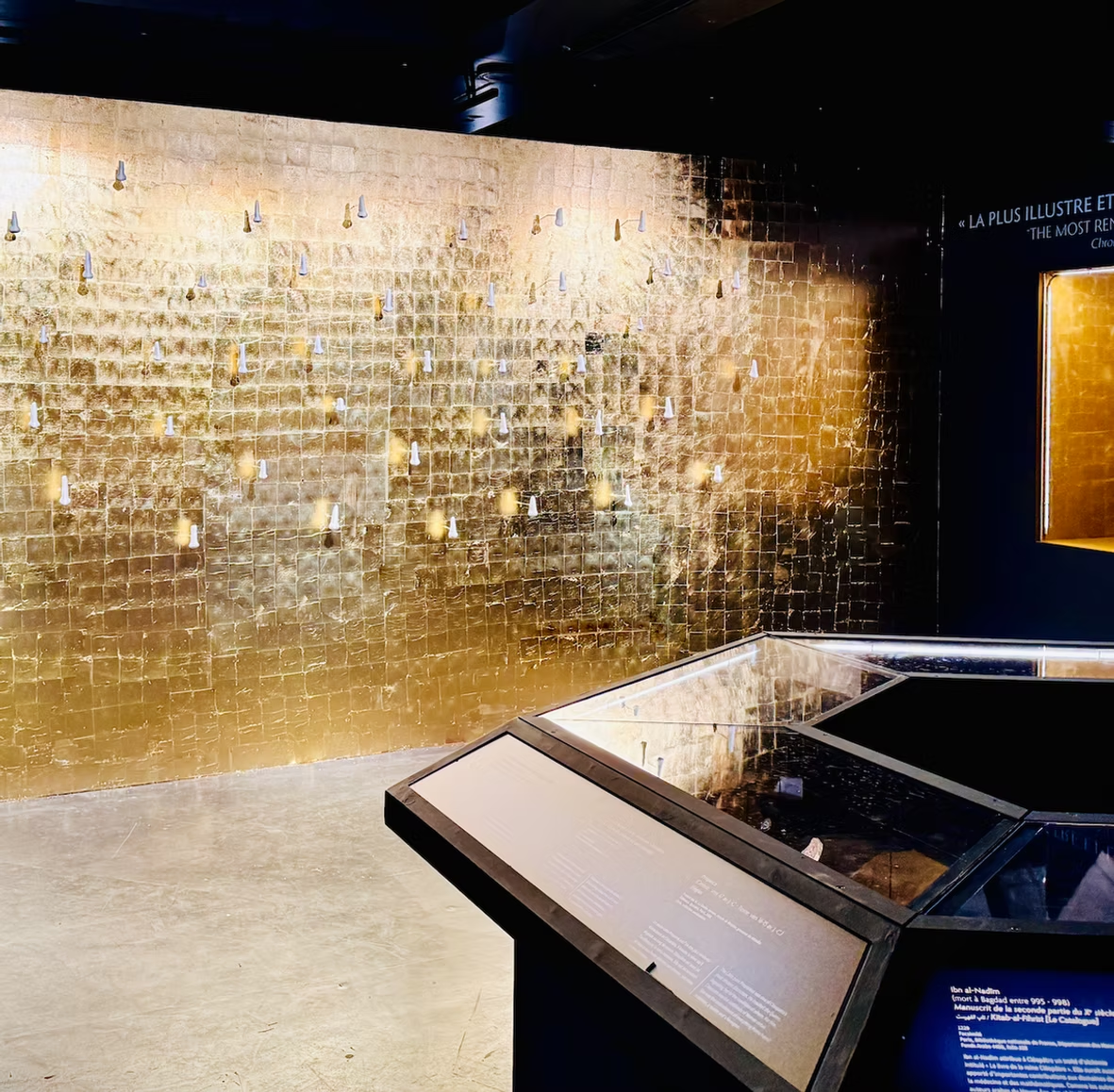
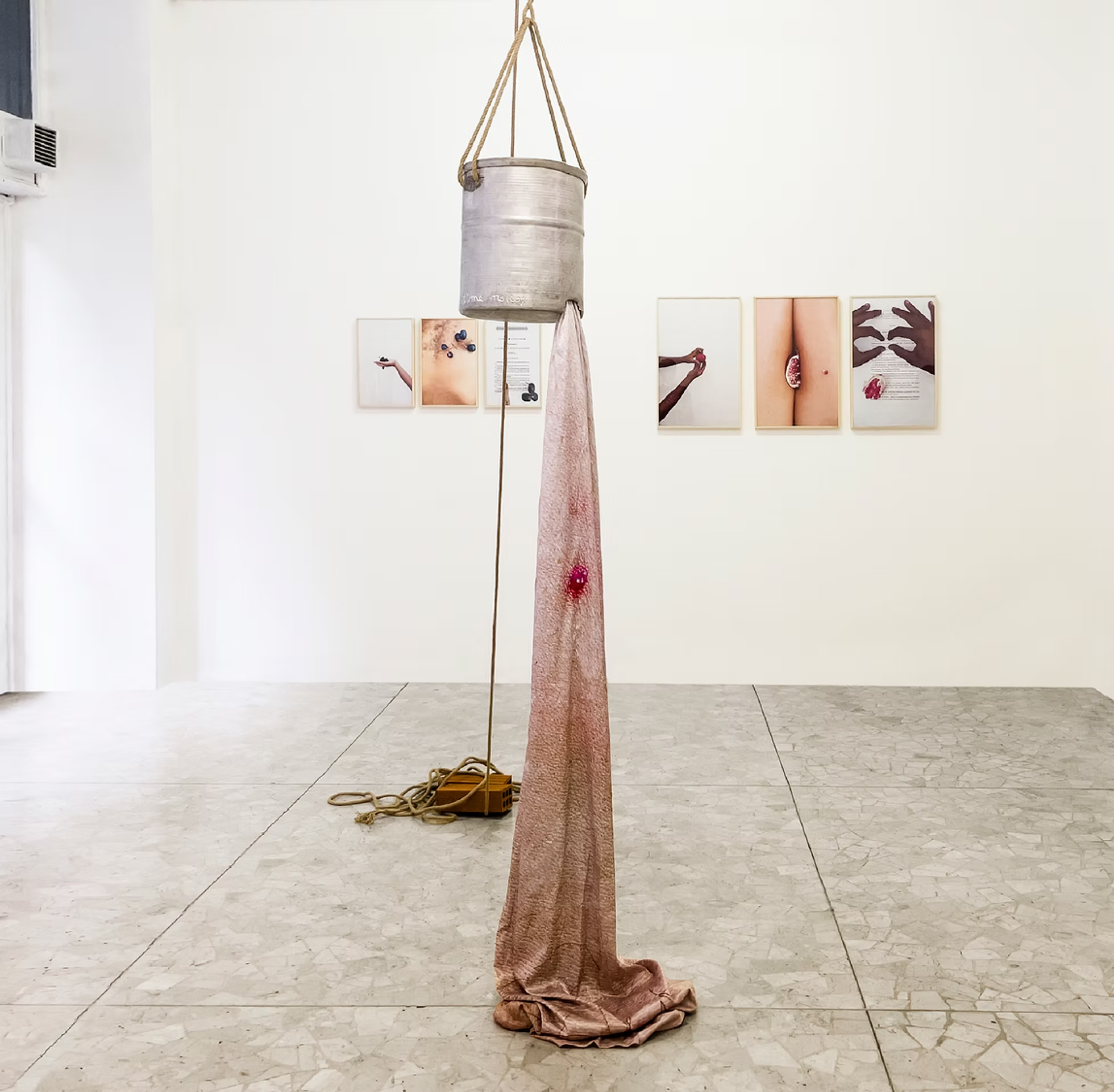
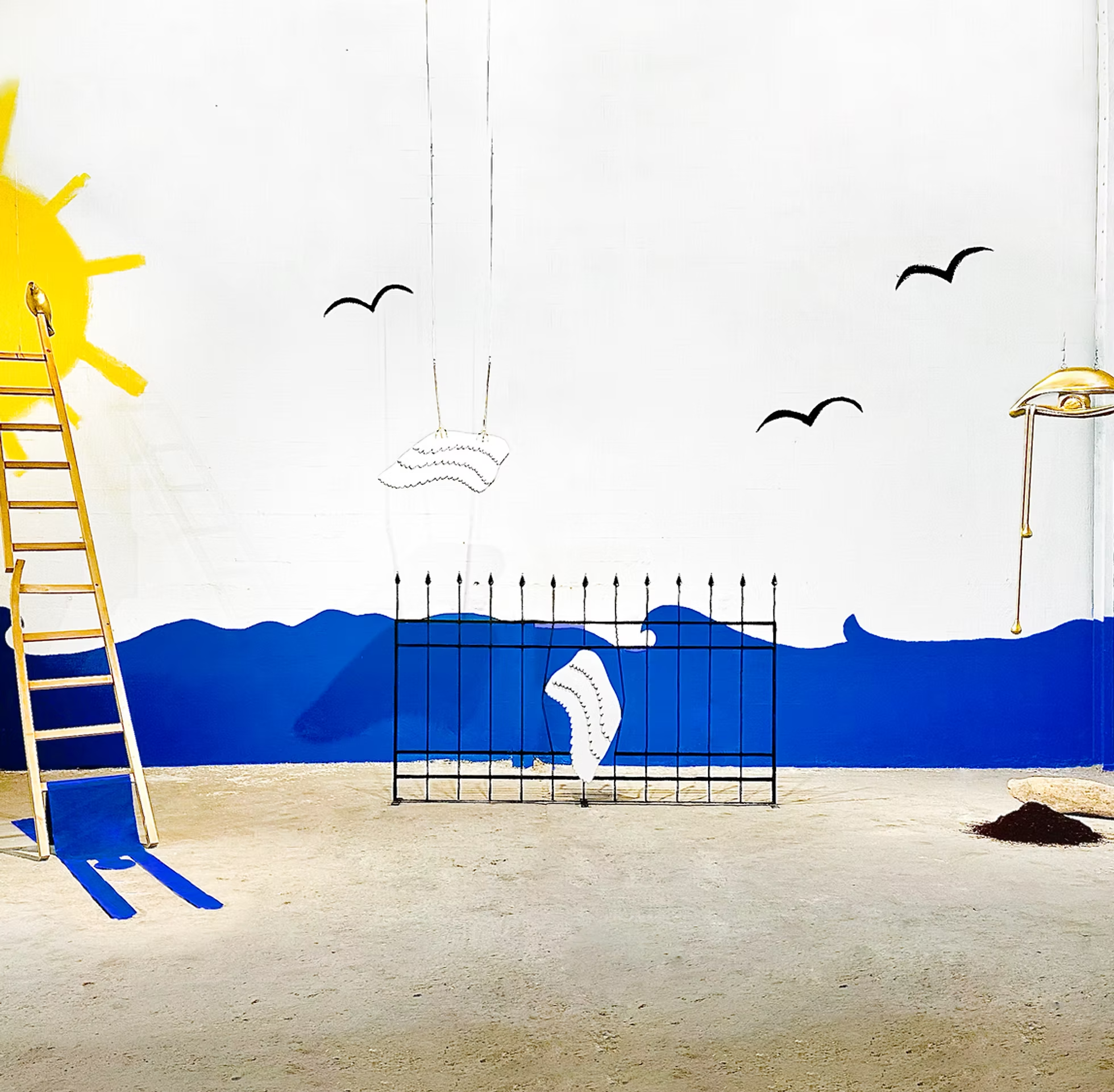
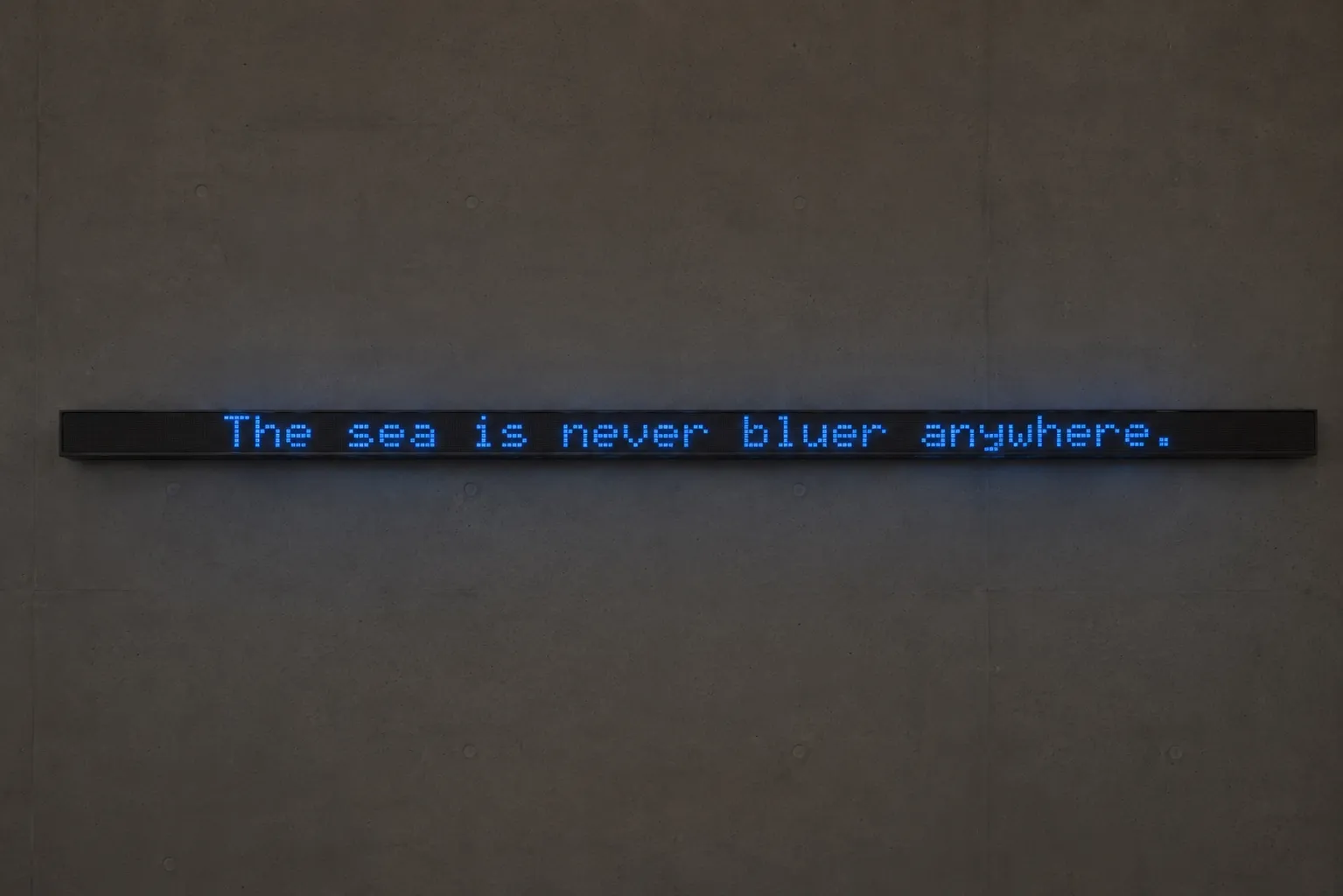
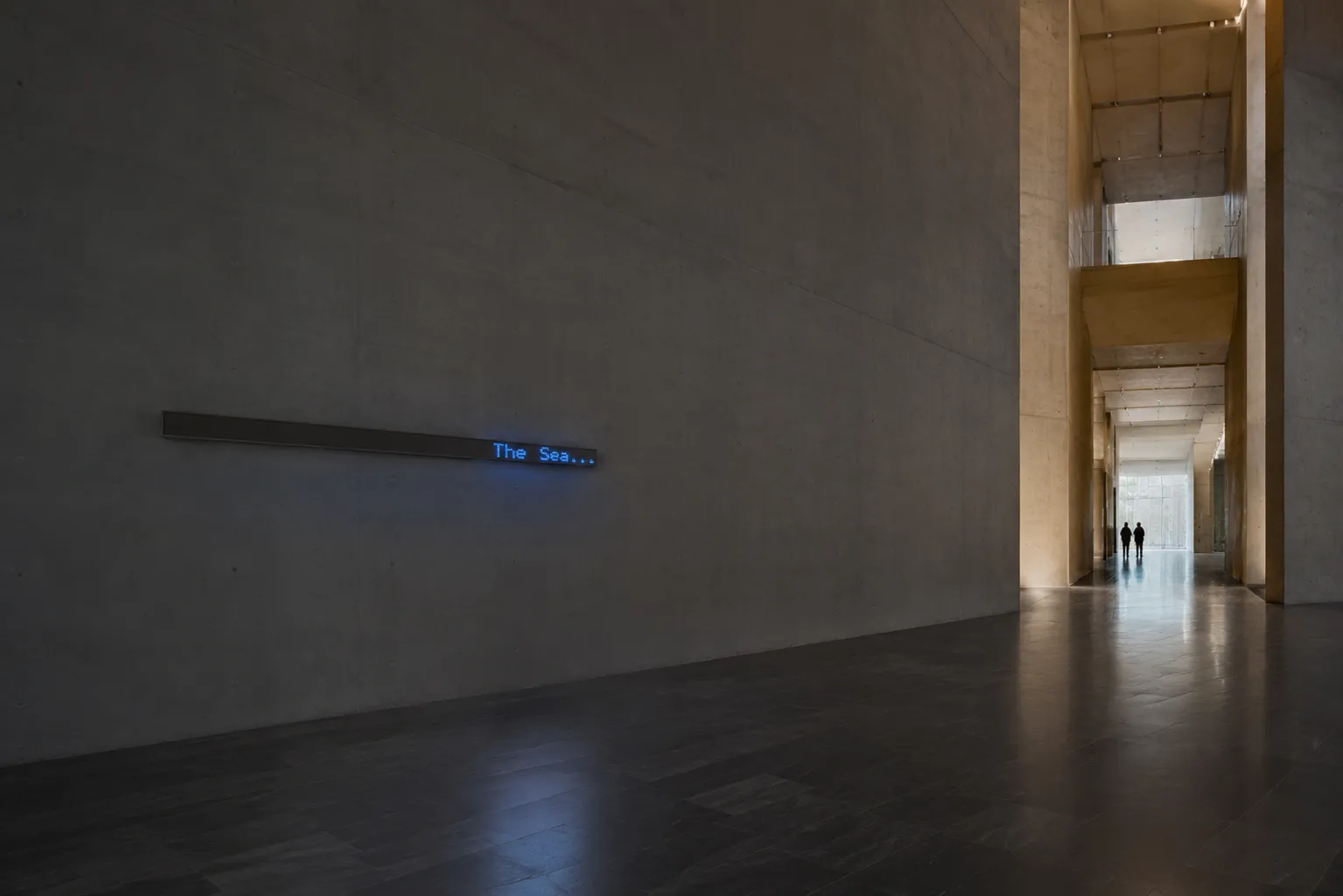
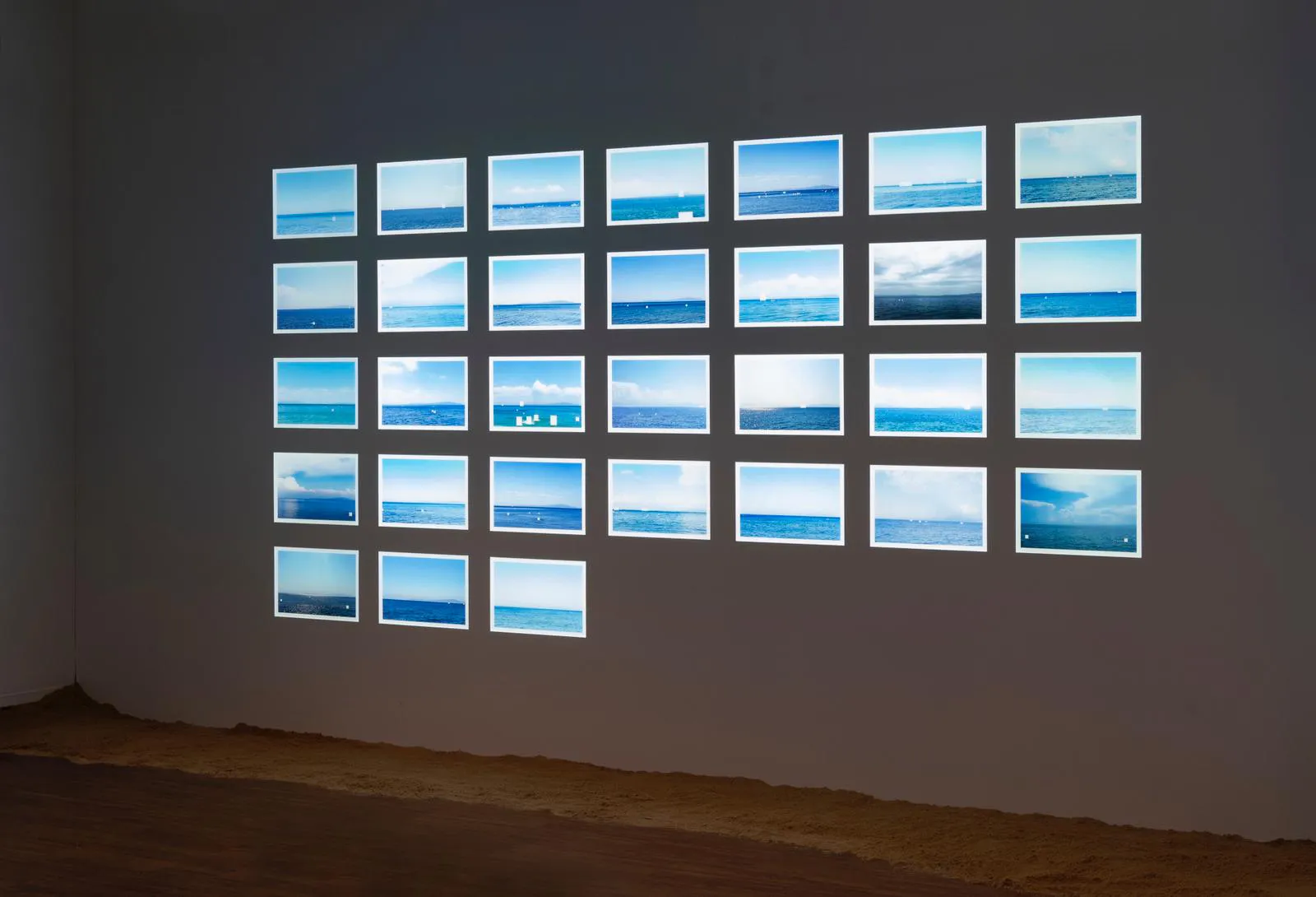
Unlike the Grass belongs to It Is Always Summer Somewhere, developed during two months spent by the artist on the island of Lesbos in the summer of 2018. On that island, the sea was never one thing. It was leisure for some, and for others a border that had to be crossed, its opposite shore holding out the promise — never guaranteed — of a different life.
The work takes as its starting point the proverb "the grass is always greener on the other side." In its ordinary use, the expression describes a familiar form of dissatisfaction: the tendency to imagine that another place, another life or another set of circumstances must be better than one's own.
Unlike the Grass removes that private longing from its harmless, metaphorical setting and places it within the geography of the Mediterranean. Here, "the other side" becomes literal. It is another country, another legal territory and another possible future, visible across the water but inaccessible without confronting the border that separates one shore from the next.
The displacement of the proverb changes its meaning. The desire to reach the opposite shore can no longer be reduced to envy or the illusion that life is easier elsewhere. It raises a different question: what conditions make remaining impossible, and who is granted the freedom to move towards the future they imagine?
Unlike the Grass enters into dialogue with La morale de l'histoire and with Aesop's fable of the shipwrecked man and the sea, which provides the narrative structure underlying the wider series. In the fable, a shipwrecked man blames the sea for his misfortune, while the sea redirects responsibility towards the wind. The exchange turns blame into something continually displaced, passed from one force to another without ever settling.
Within the contemporary migrant crisis, responsibility follows a similarly unstable path. It moves between the sea, the weather, smugglers, governments, borders and those who attempt the crossing themselves. By transforming a familiar proverb into an illuminated statement, the work exposes how easily political conditions can be translated into individual desire — as though exile resulted simply from believing that life might be better elsewhere.
The LED gives the phrase the immediate visibility of a public sign. Its light offers the clarity of a simple message, but the sentence refuses to remain simple. What initially resembles a familiar piece of received wisdom becomes increasingly difficult to repeat once the "other side" is understood as an actual shore.
The proverb imagines two adjacent fields and a boundary that can be crossed. The sea introduces another scale of distance, danger and consequence. Unlike the grass, the other side of this particular border cannot simply be reached by stepping over it.
What appears greener from a distance may be no more certain than the place left behind. Yet the work does not dismiss the imagined elsewhere as an illusion. It asks why that projection becomes necessary, what makes it powerful enough to provoke a crossing, and who bears responsibility for the distance between its promise and its reality.
The other side remains visible. Reaching it is another matter.