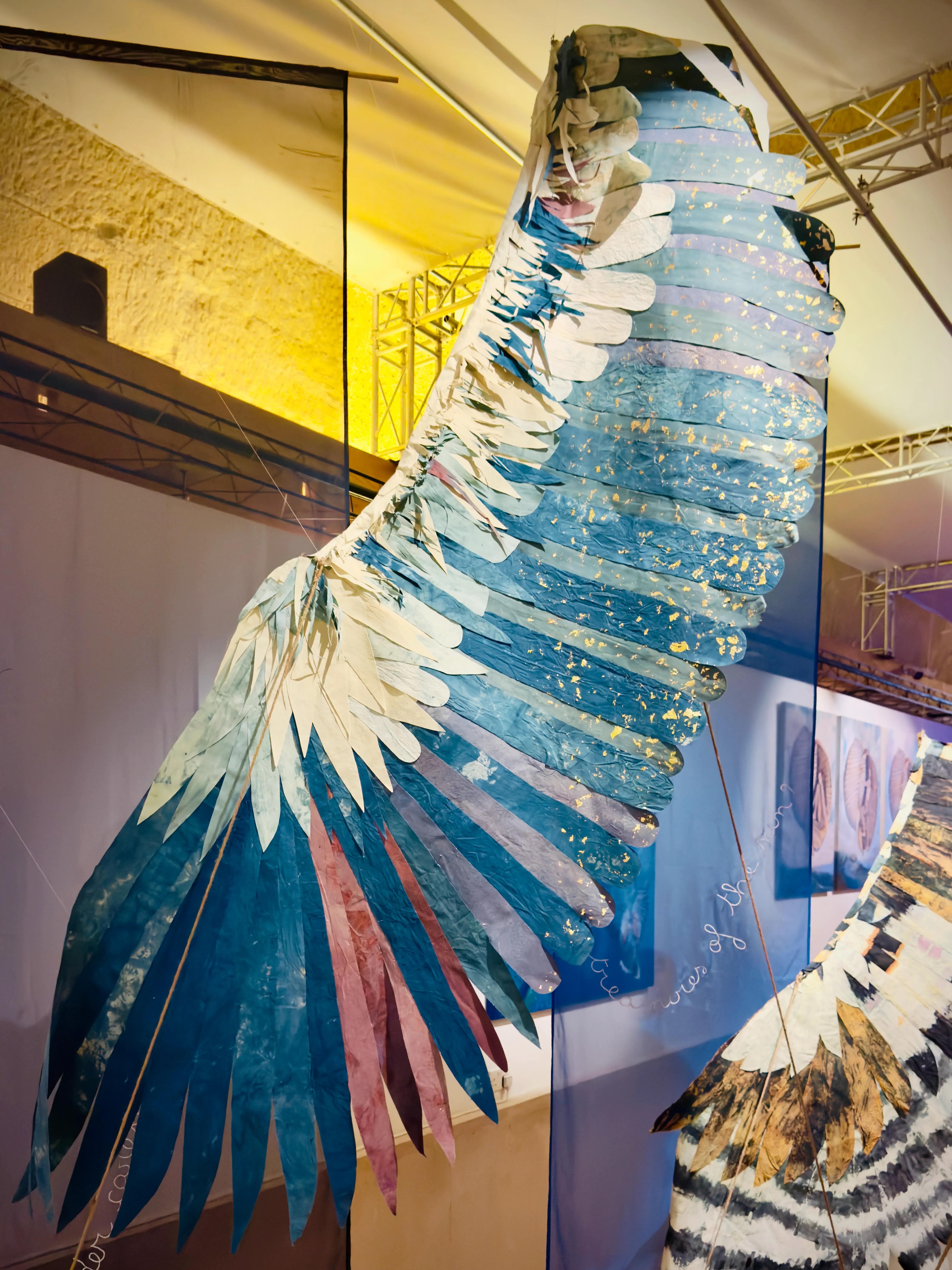
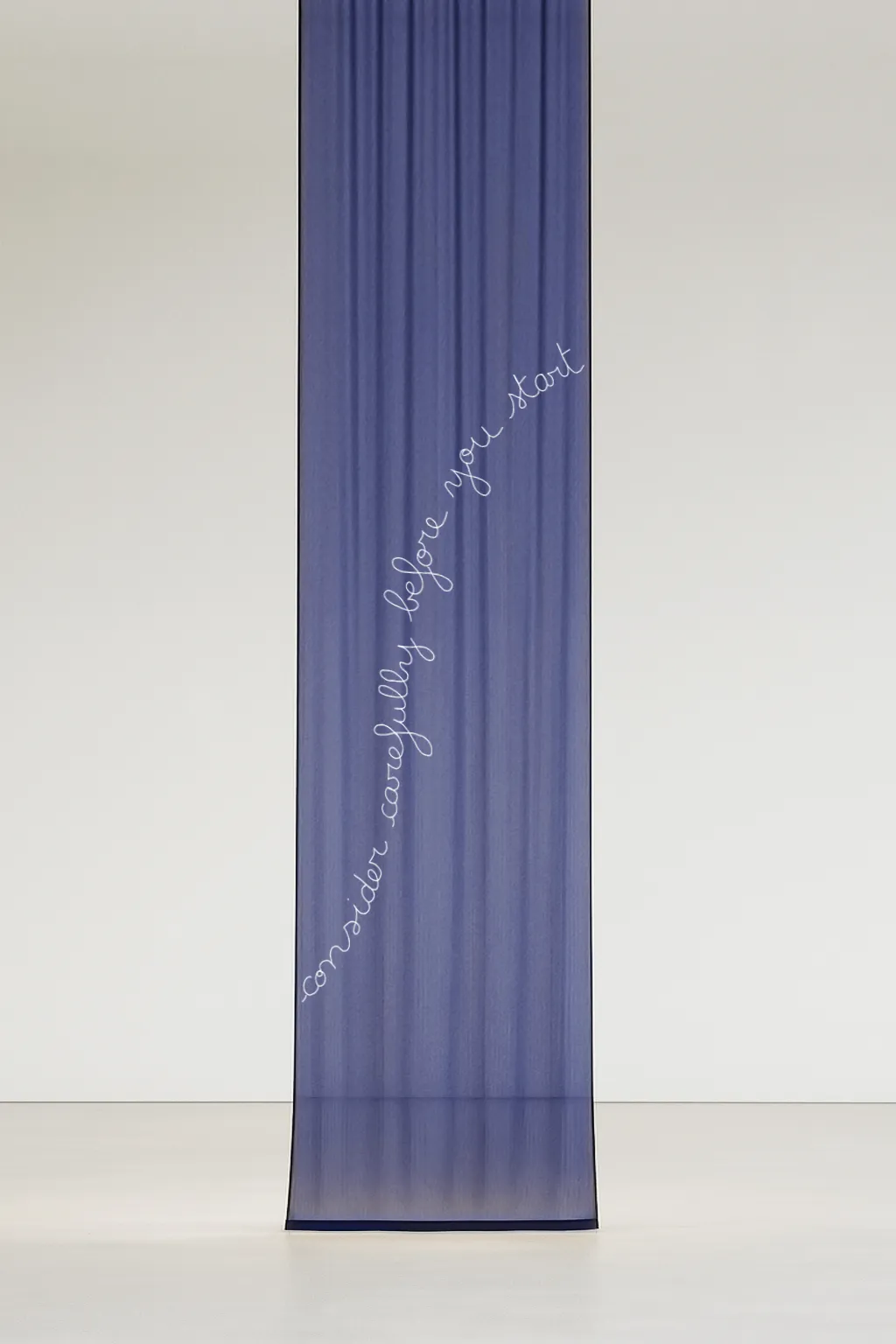
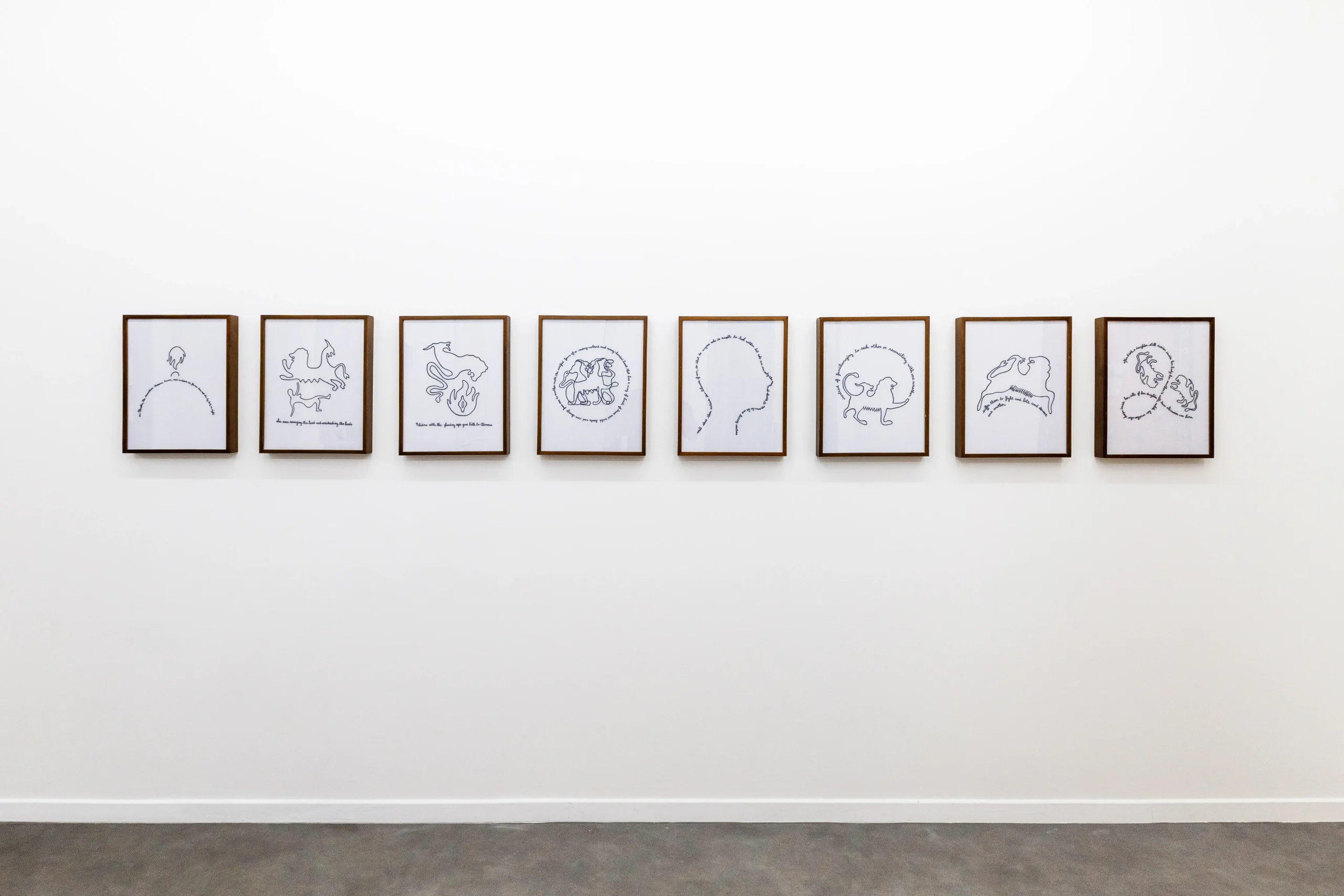
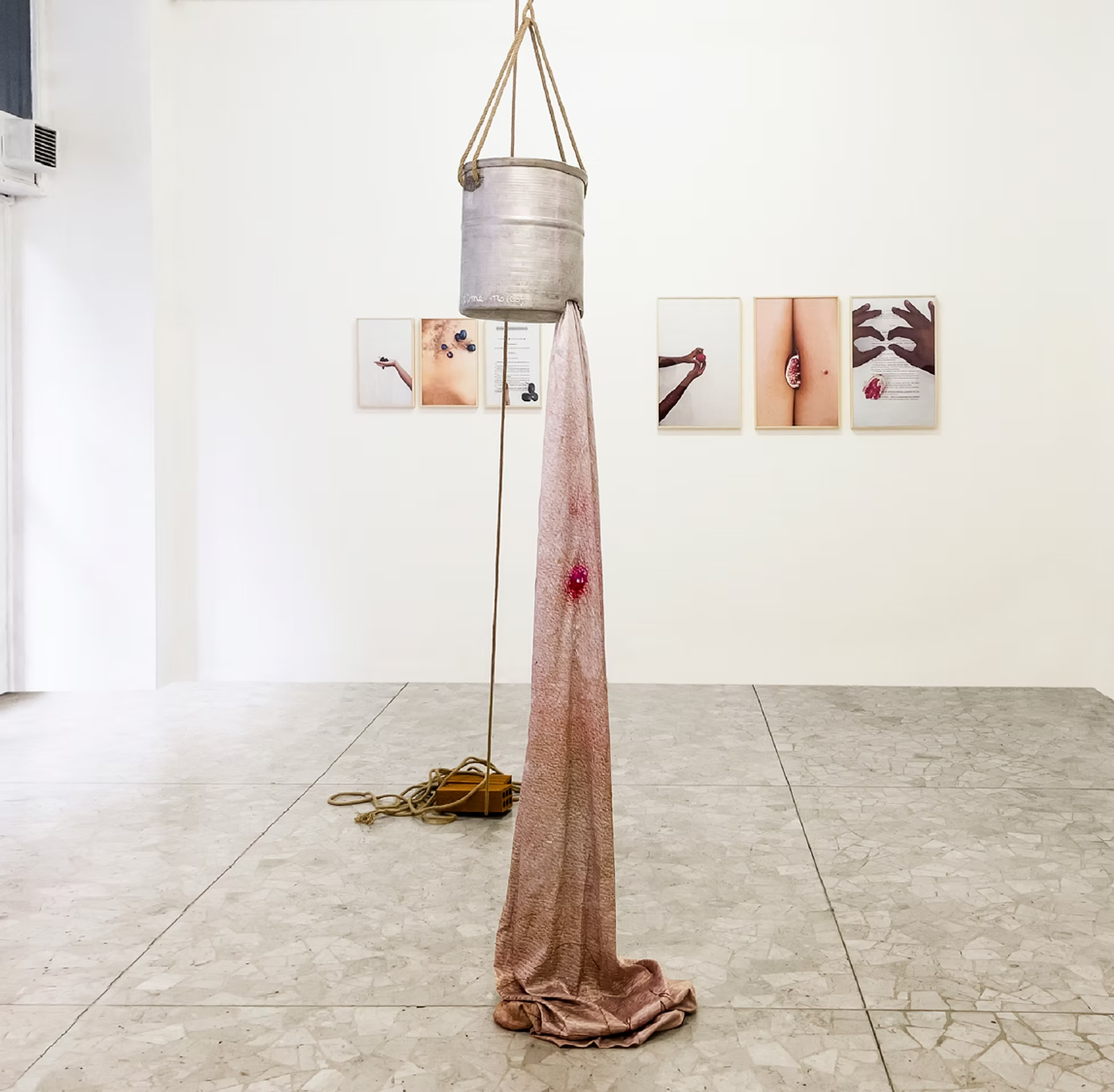
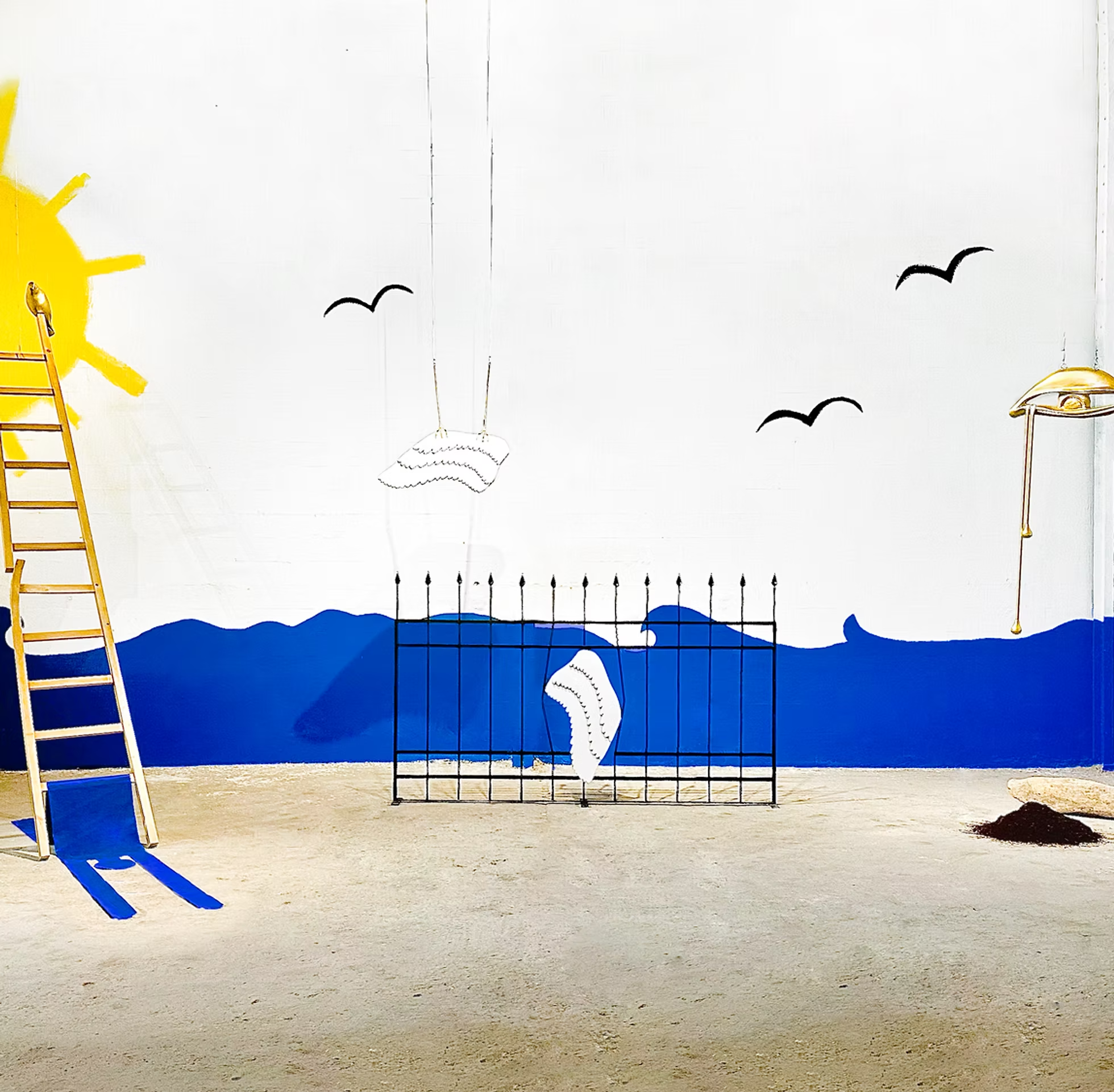
Thirty Birds belongs to The Bird, the Thread, and the Open Sea, alongside Wings and archipeLogos, though it stands on its own as a sound piece: an uncertain mental passage that any journey, inward or outward, must first pass through.
In Attâr's poem, the birds' physical journey towards the Simurgh gradually reveals itself as an inward one, passing through doubt, fear, attachment and transformation. Thirty Birds follows this psychological movement rather than retelling the narrative. Sentences drawn from the text are spoken close to the ear, in a voice that borrows the intimacy of ASMR while withholding its usual comfort — whispered, paused, repeated, interrupted.
What begins as a multitude of distinct voices gradually becomes an unstable internal dialogue, as though the thirty birds were different impulses moving within a single consciousness. Nothing progresses through a clear sequence: thoughts surface, dissolve and return altered; questions go unanswered; words become rhythm rather than explanation. The disorder mirrors the birds' own uncertainty as they face the possibility of leaving behind the identities and attachments through which they know themselves.
Behind the voice, recordings of birds gathered in Mesopotamia form a second, wordless conversation — moving between proximity and distance, sometimes falling into the rhythm of speech, sometimes continuing apart from it. Breath and silence run through the piece as well, marking the moments where language fails or withdraws, until speech itself becomes less description than pulse and resonance.
The birds do not speak with one voice. They become the many voices through which a single consciousness searches for its direction.