Γόον μοι ἔννεπε, Μοῦσα is a multidisciplinary art project by Esmeralda Kosmatopoulos exploring how private grief becomes visible and enters a collective space through the figure of the female mourner. Through photography, collage, neon, tapestry and installation, tears move from the intimate body towards ritual, cultural memory and shared mourning.
START YEAR
2023
END YEAR
2026
About
Γόον μοι ἔννεπε, Μοῦσα explores the passage of grief from intimate experience to public visibility, and the ways mourning is shaped by cultural expectations around gender. At its centre are tears: a physical manifestation of pain, but also a threshold between what is lived alone and what can be seen, witnessed and shared by others.
The project developed after the death of Kosmatopoulos’s father, leading her to question not only what grief does to the body, but how mourning is culturally shaped: what is expected from women and men in the face of loss, and why women have so often been entrusted with carrying, expressing and making grief visible.
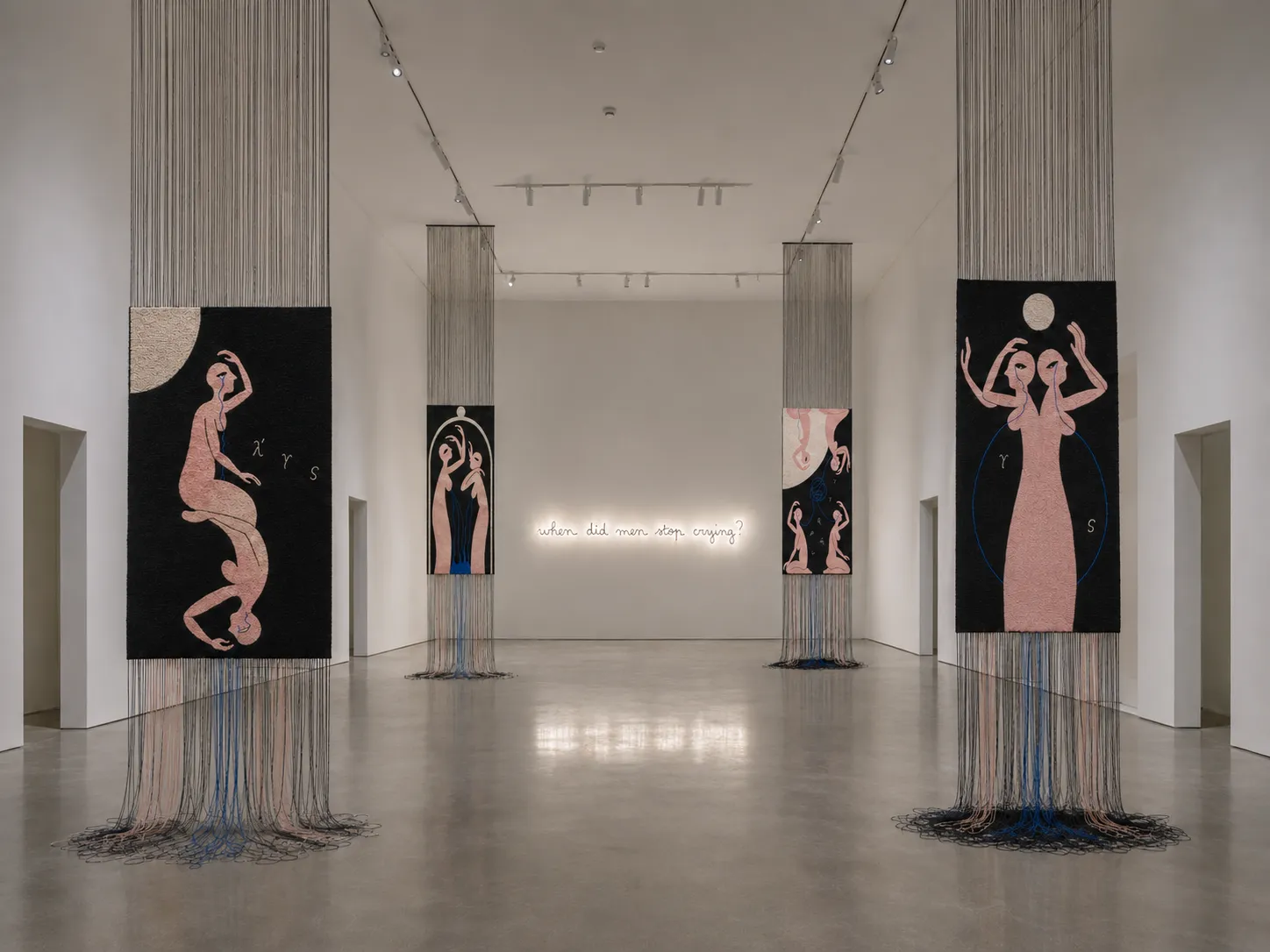
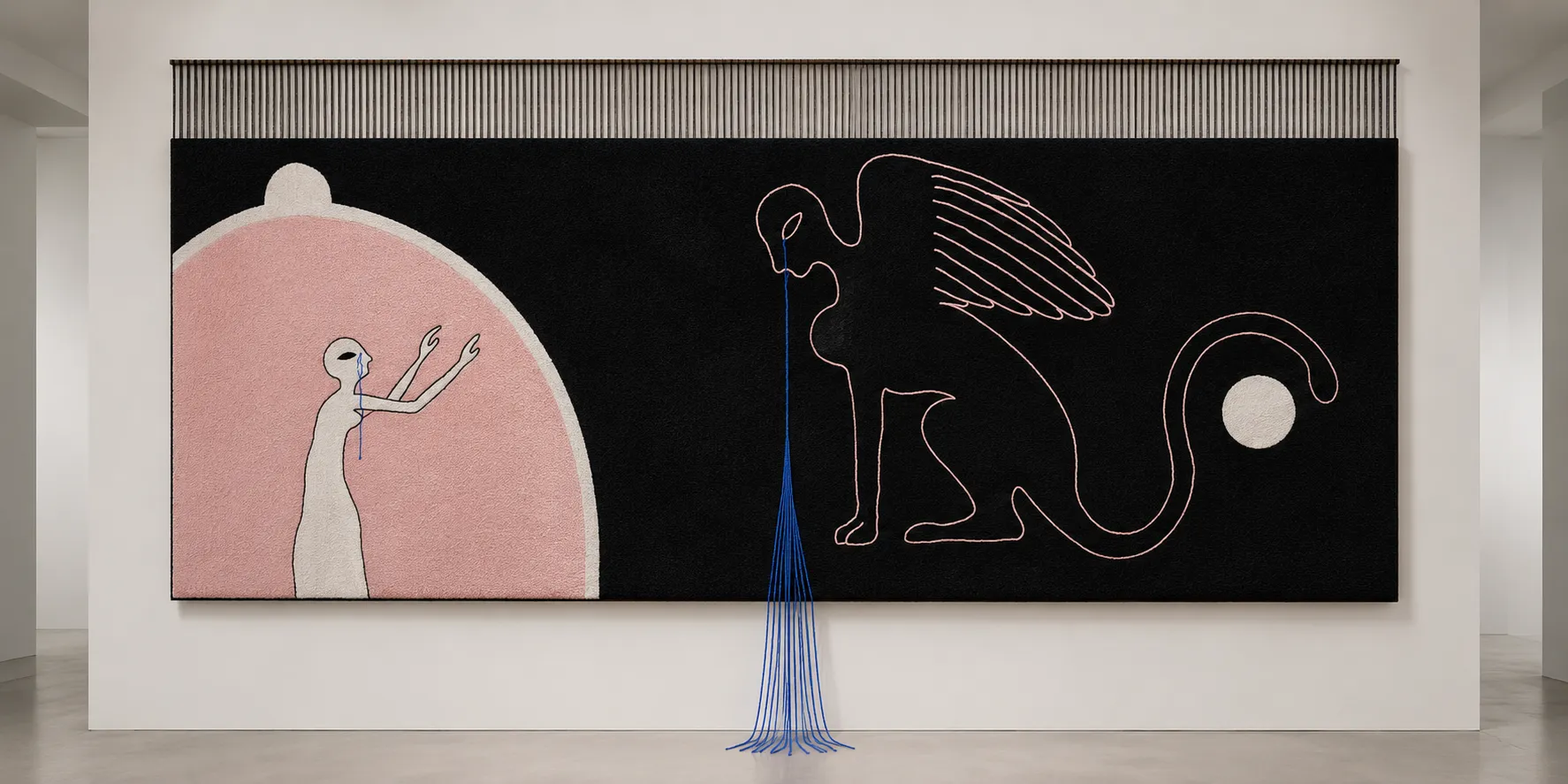
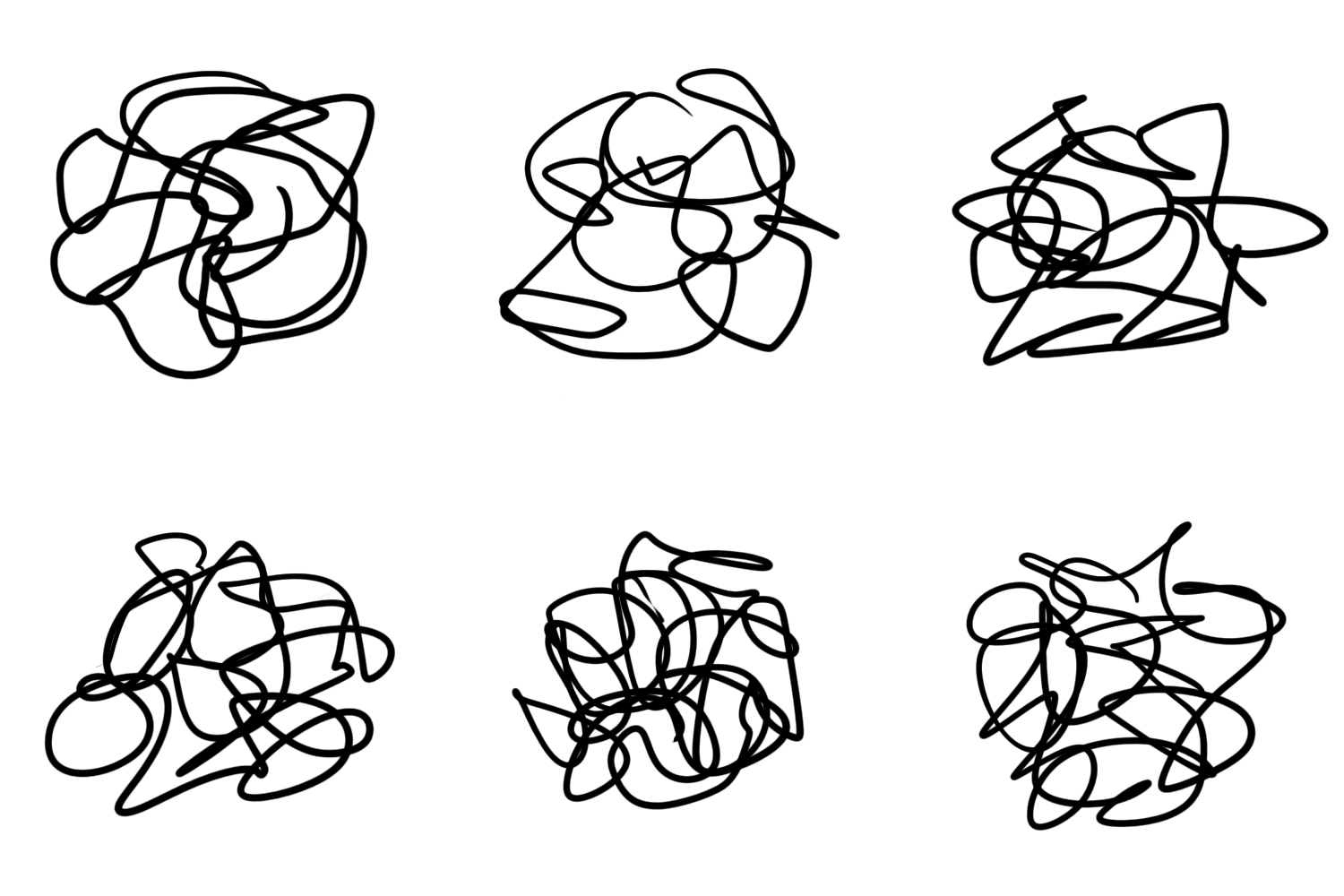
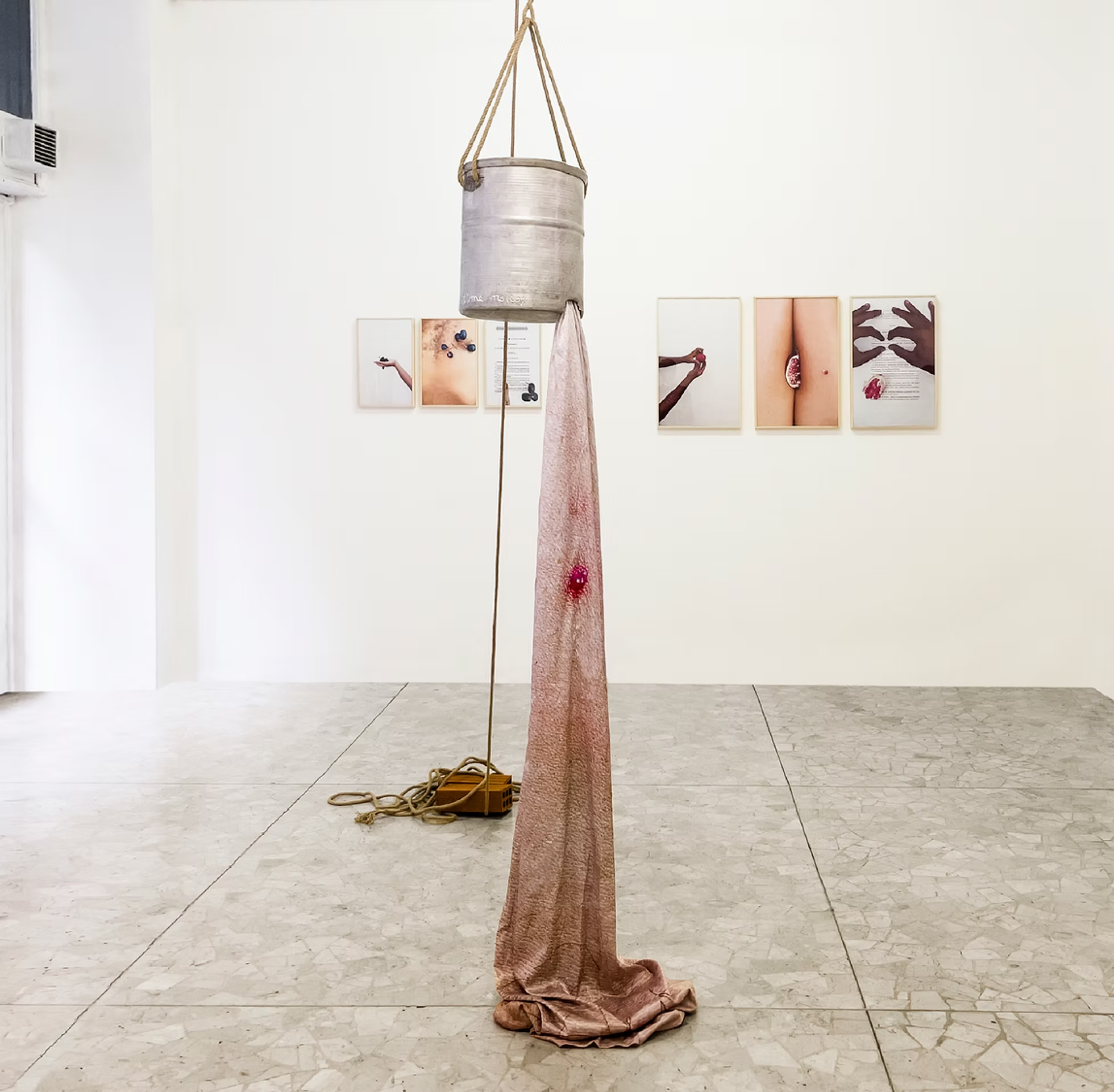
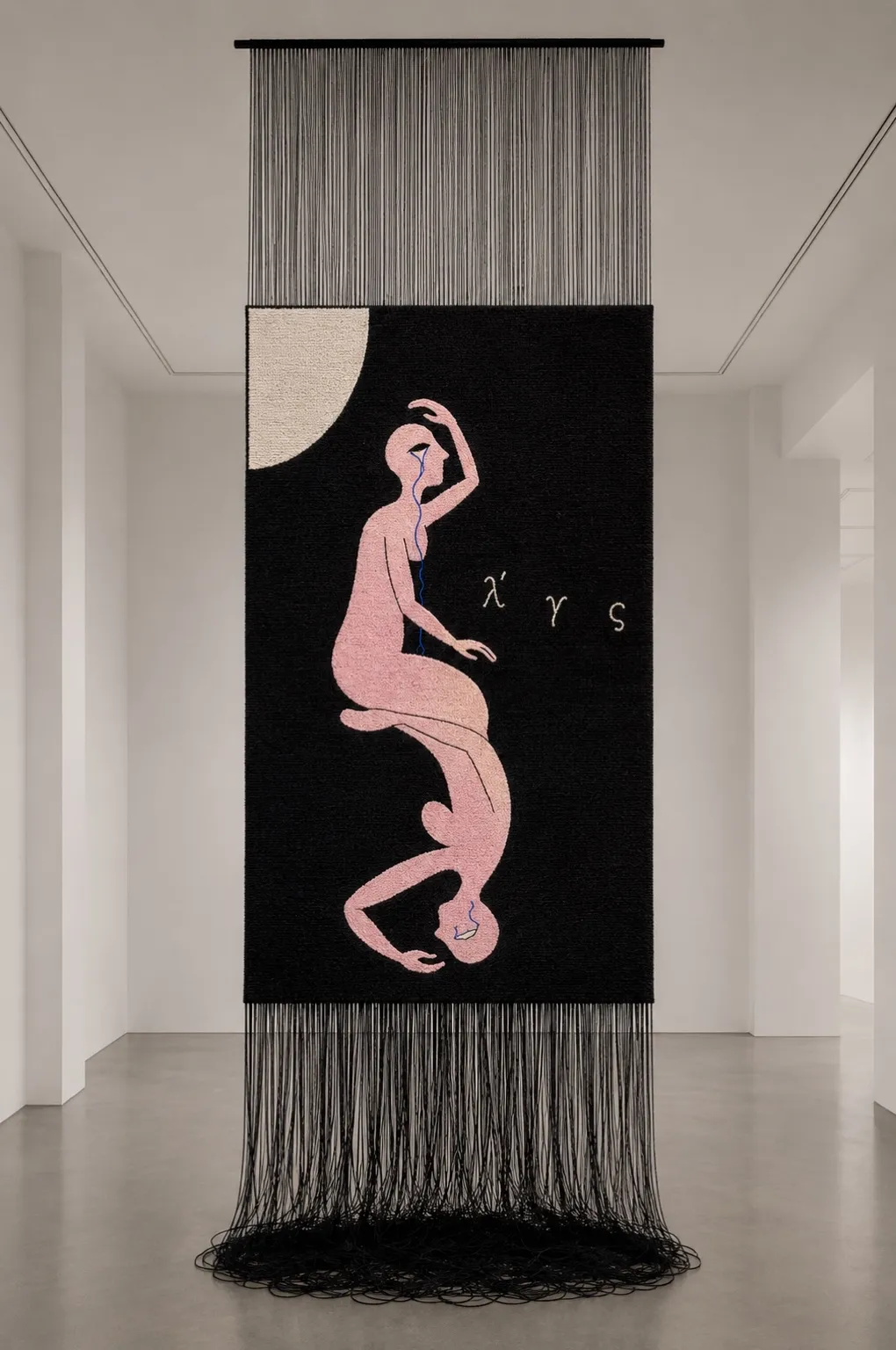
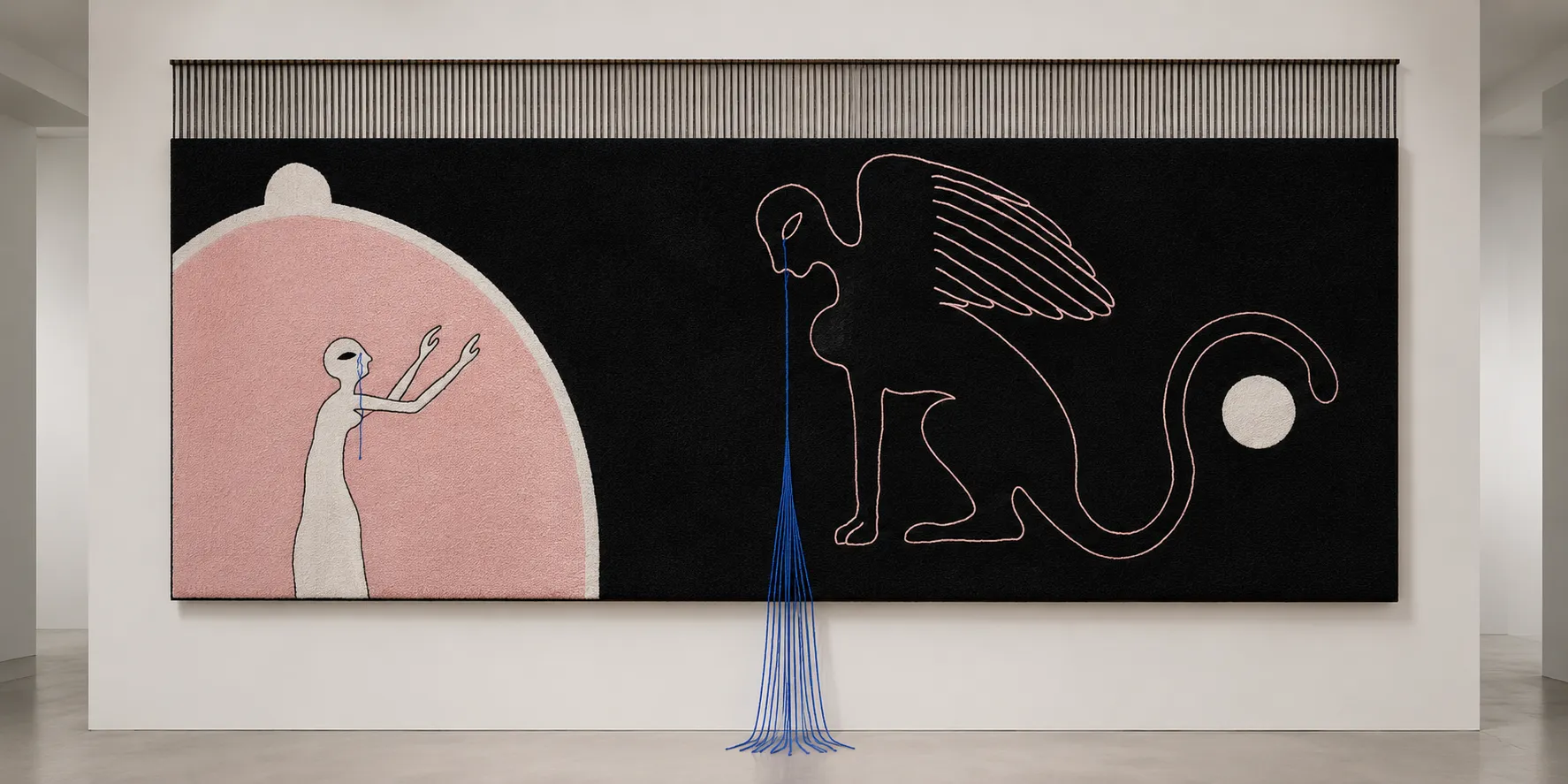
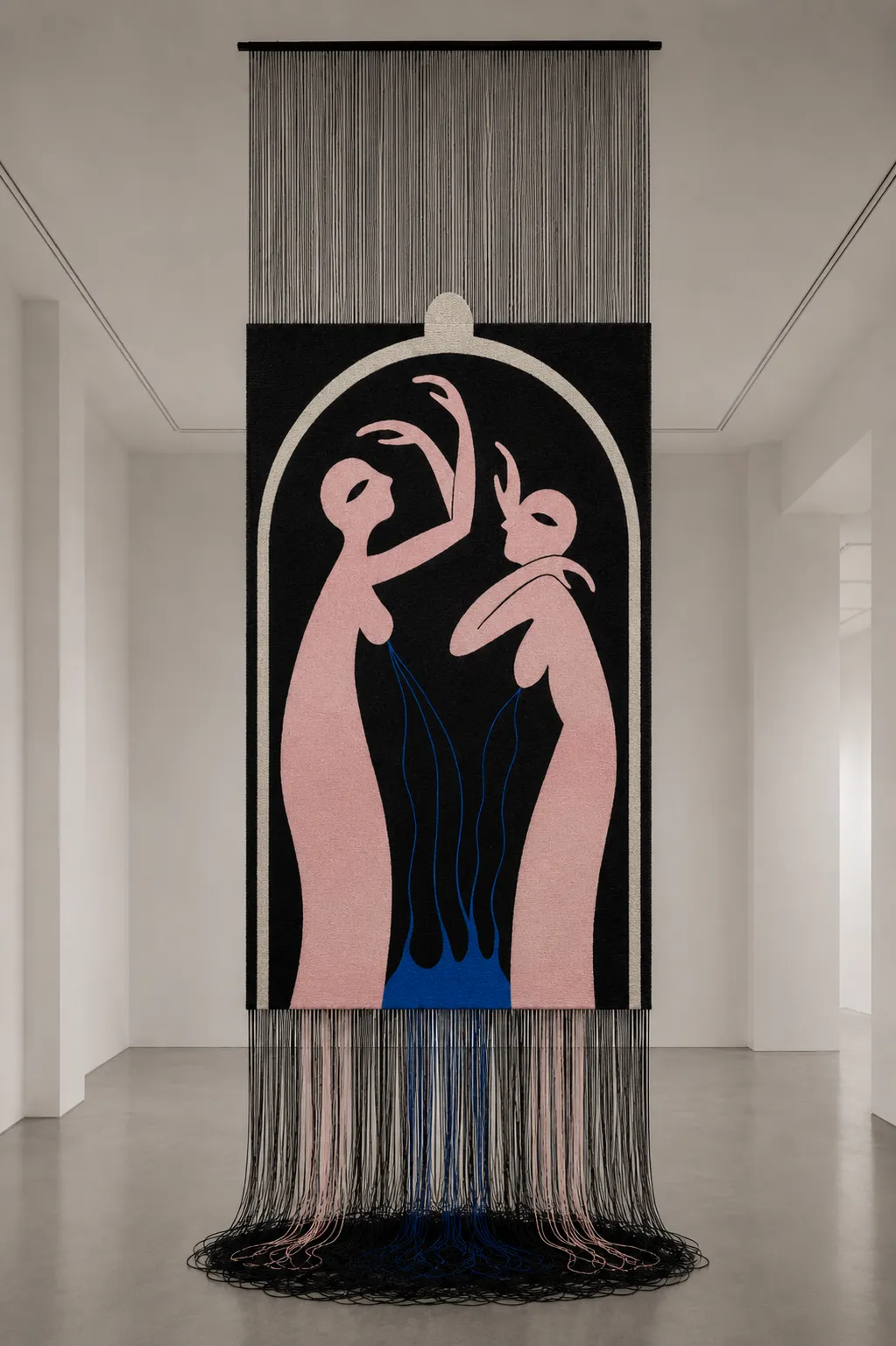
Toutes les larmes de mon corps returns to the tradition of the female mourner, whose body, voice and gestures carried private loss into collective space. Breasts, figures, knots, threads and fragmented Greek words evoke ancient forms of lamentation while shifting them into a contemporary language. Tears are no longer confined to the eyes but appear to circulate through the entire body, as if sorrow itself had become corporeal.
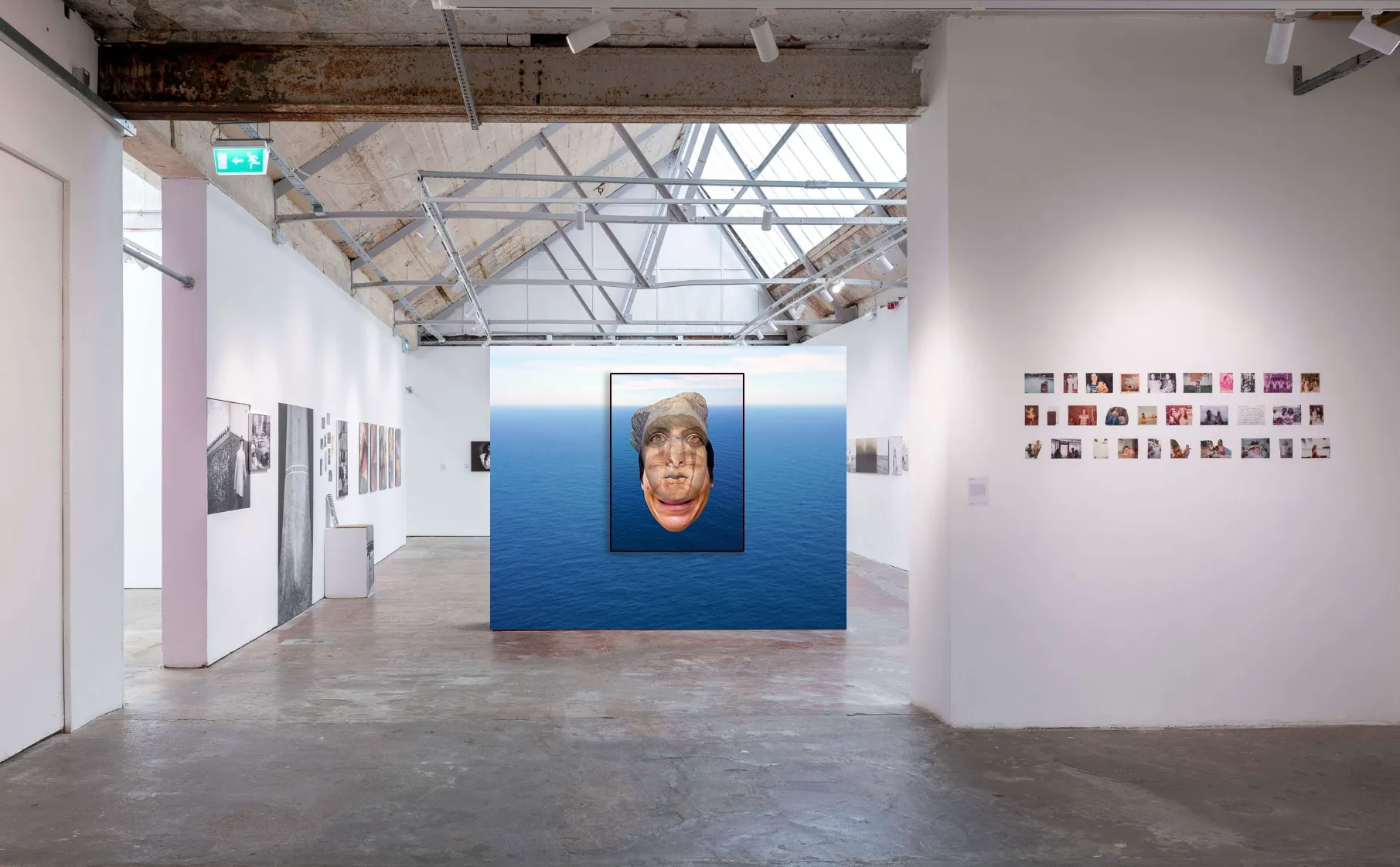
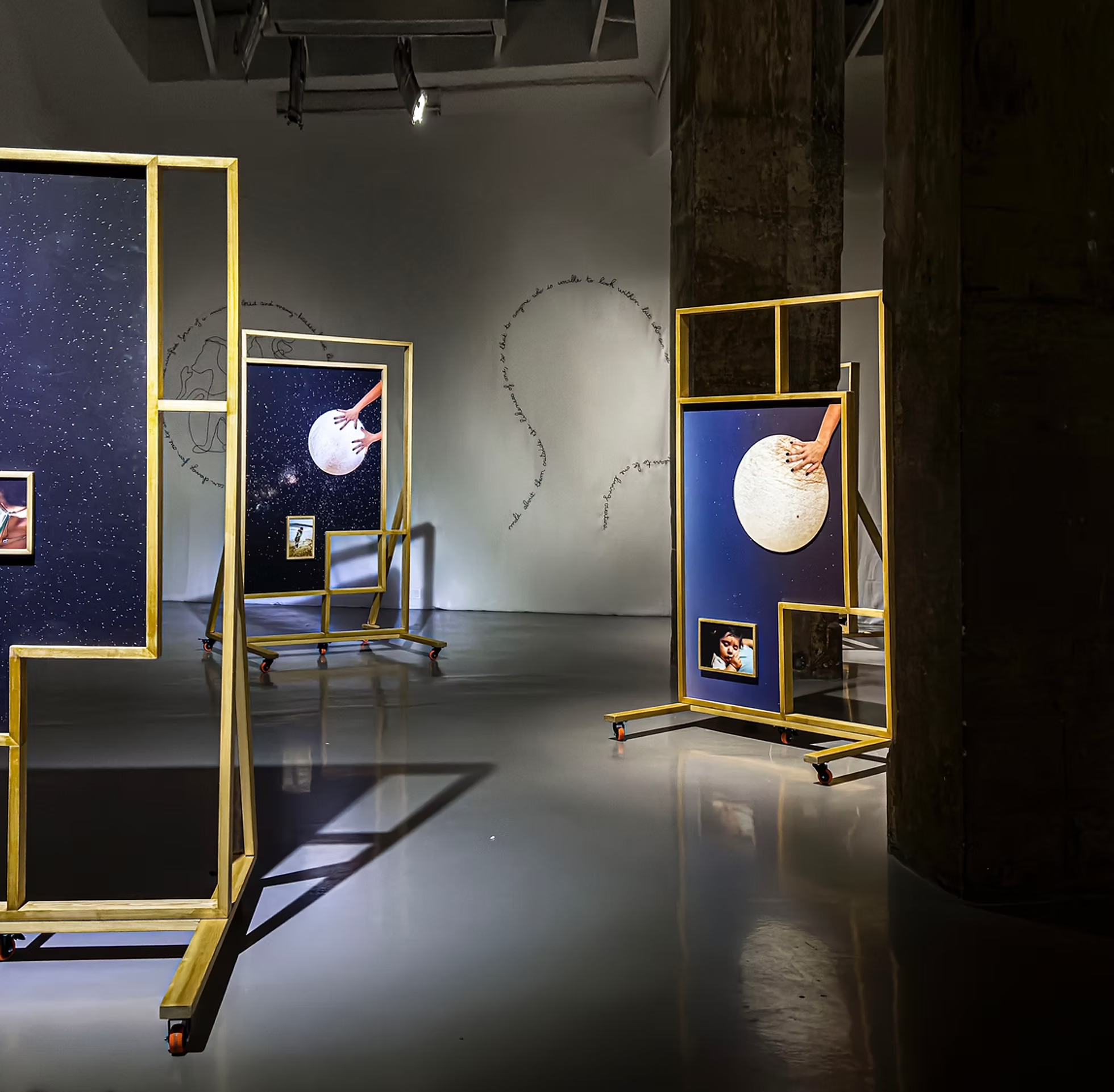
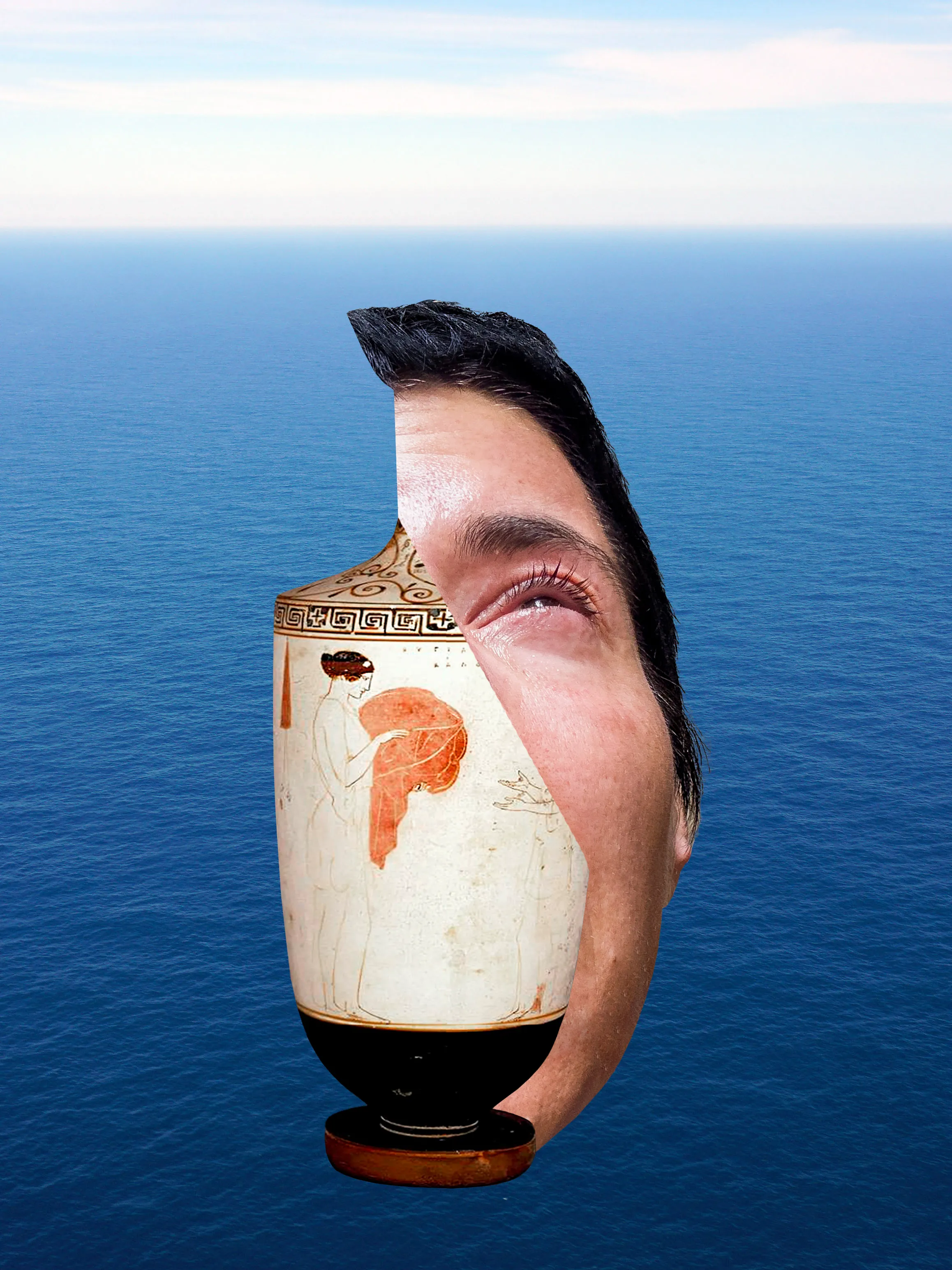
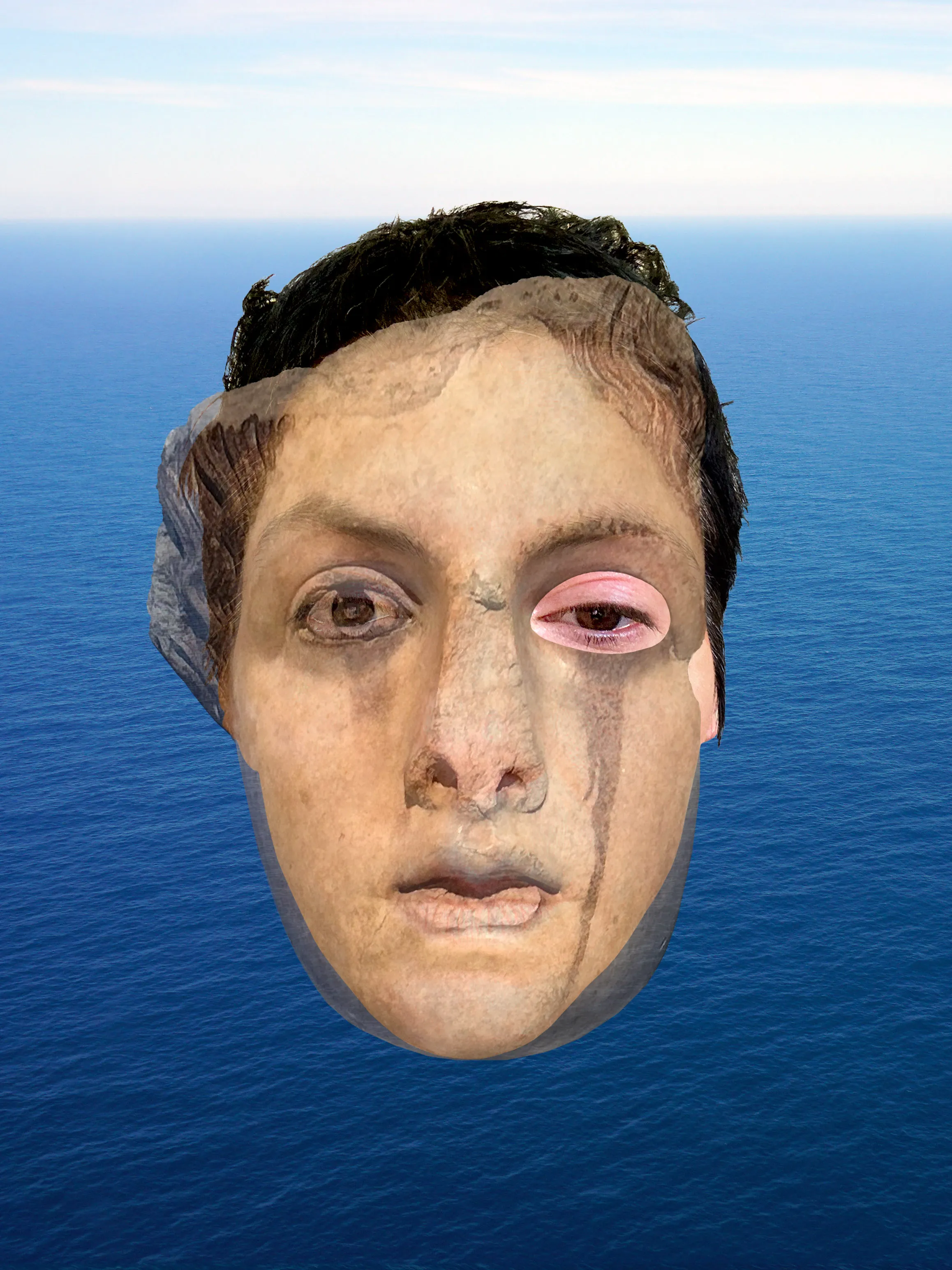
From this collective figure, the project moves towards an intensely personal experience. In Autoportrait de moi en larmes, Kosmatopoulos photographs herself crying during several visits to her father’s grave, driven initially by a need to confront the altered perception of self produced by tears. The clear photographic image is then fragmented and recomposed with elements drawn from ancient Greek funerary vessels, representations of mourning and an acrolithic statue head of Aphrodite in the Acropolis Museum, whose oxidised bronze eyelashes have left tear-like stains on the marble cheeks. Her face, distorted as if seen through tear-filled eyes, becomes a contemporary image of lamentation. Enlarged and exposed to the gaze of others, a solitary experience changes scale: the artist herself takes her place among the pleureuses.
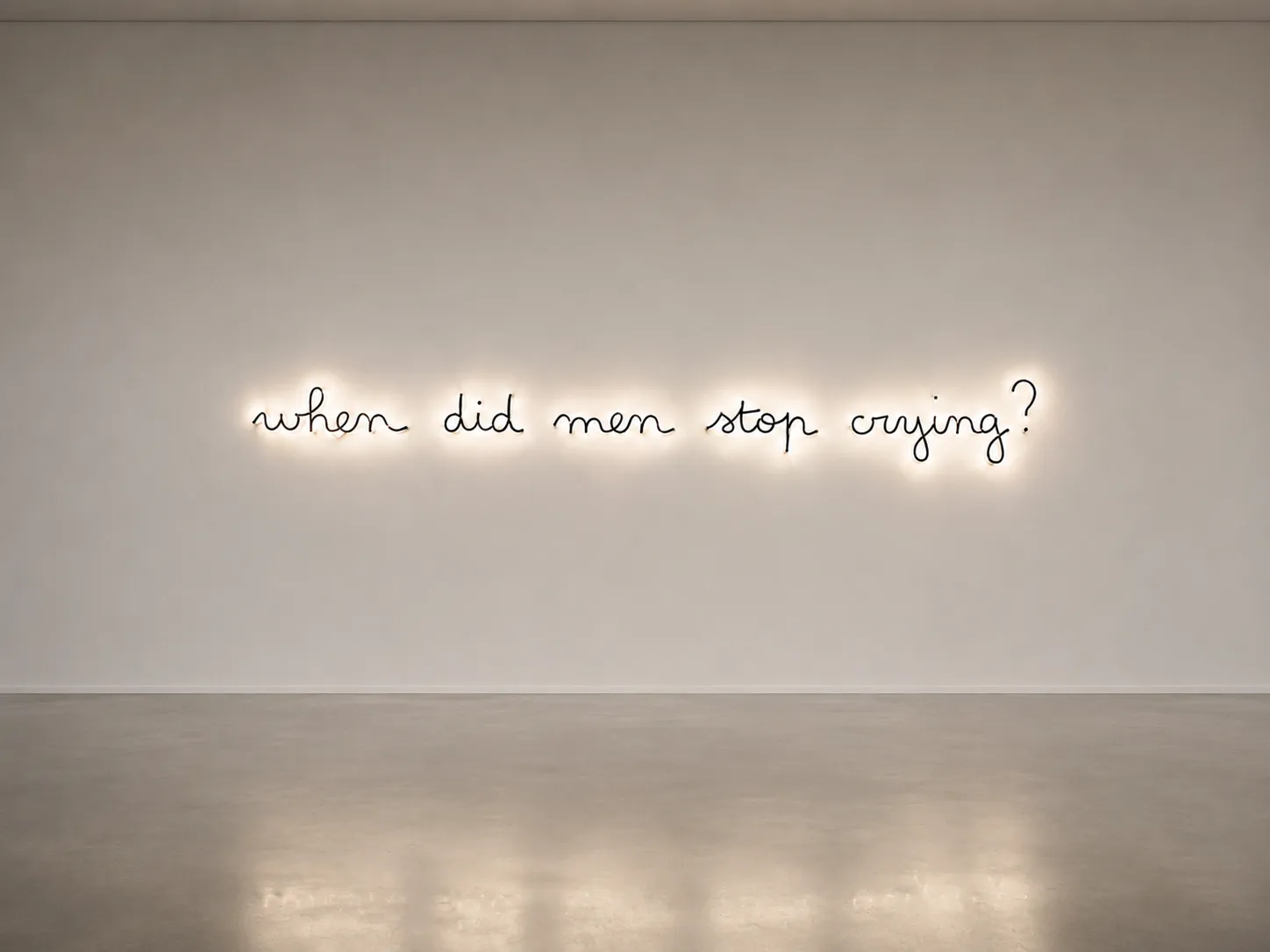
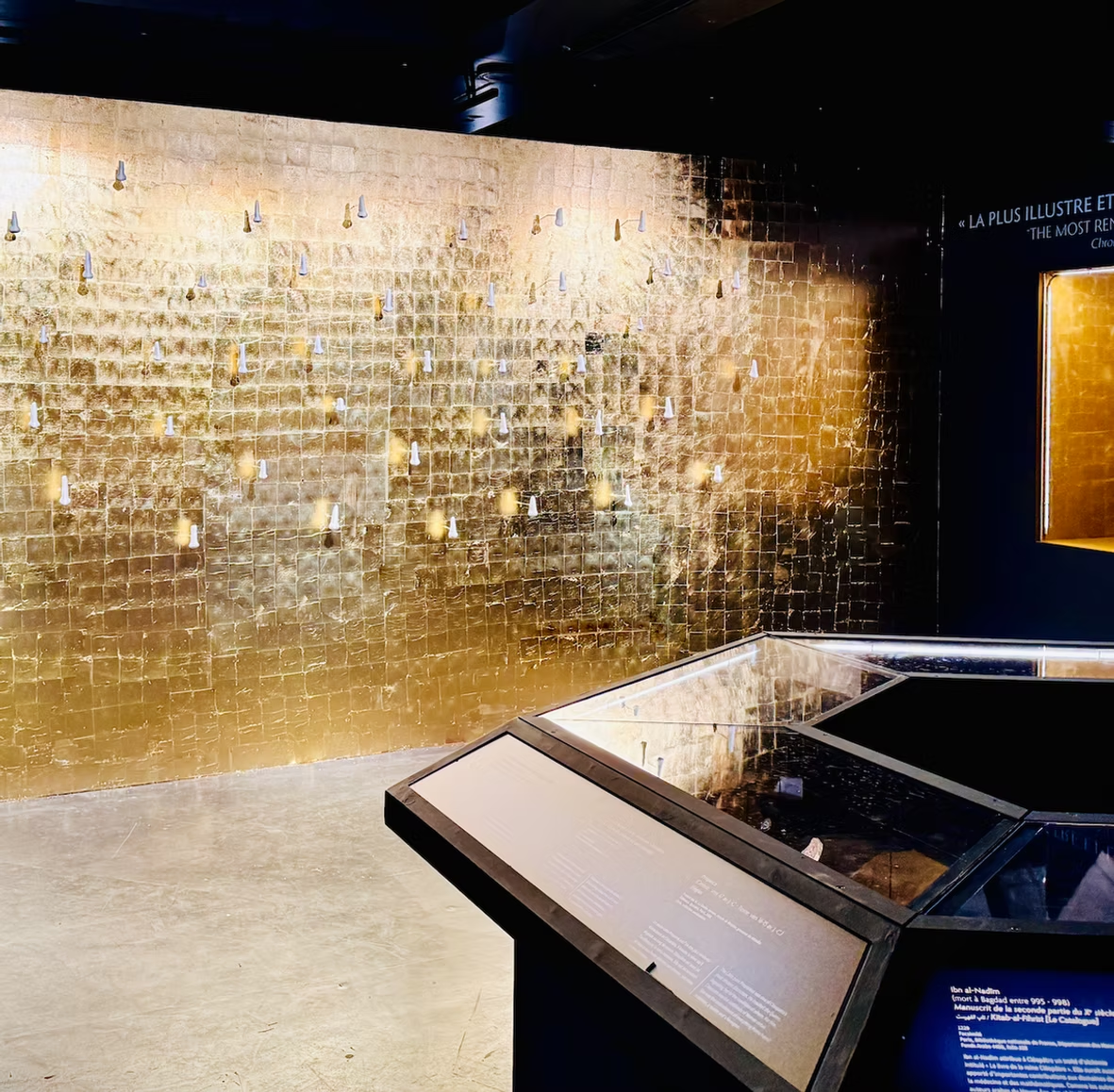
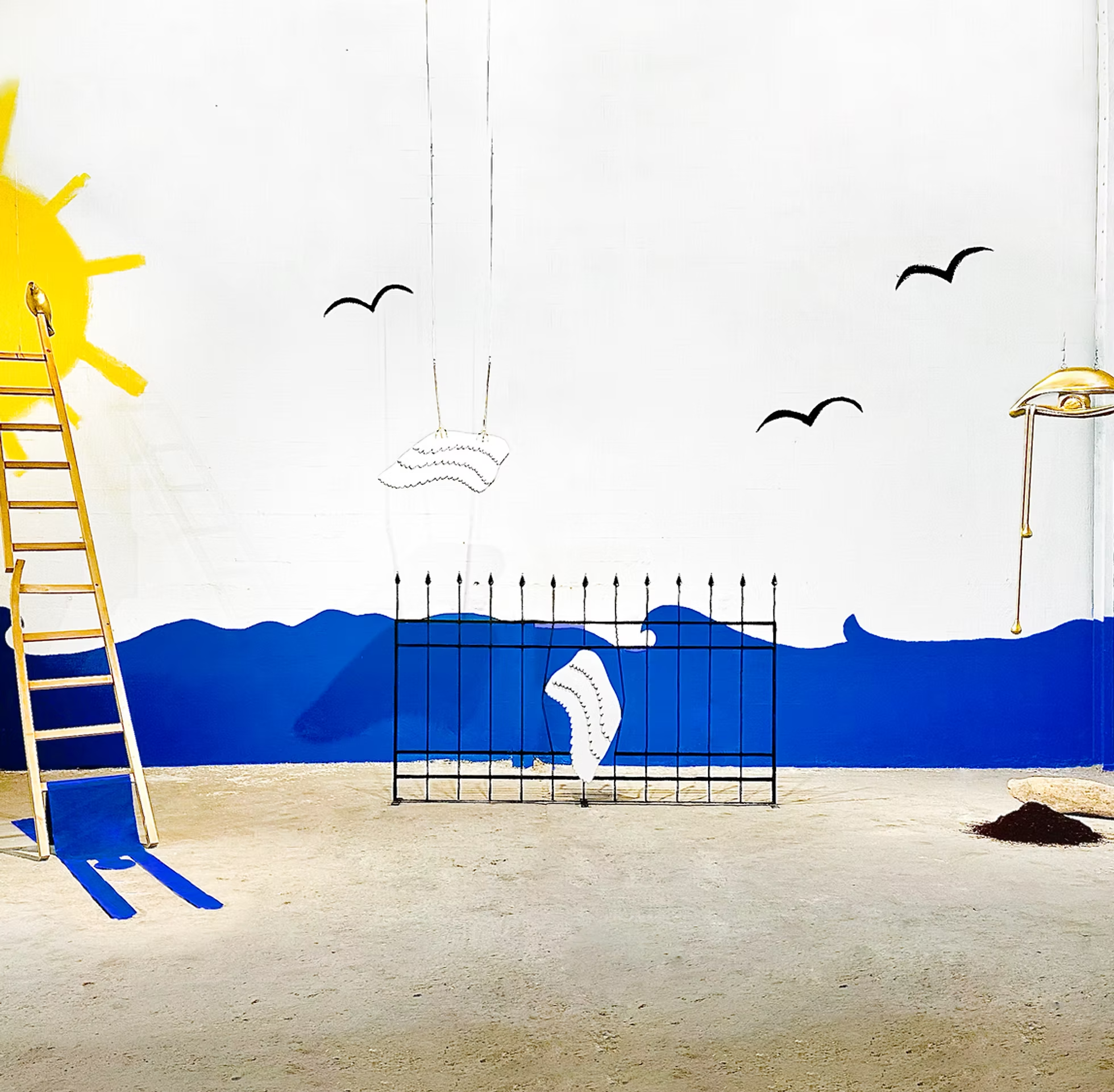
This movement between personal grief and the cultural function assigned to women opens onto its counterpart: what happens to those expected not to cry? An installation of neon phrases turns this question towards the viewer. Their light is concealed, visible only indirectly, as an emotion present yet withheld from view. Together, they culminate in a question: Why did men stop crying? “Men” remains deliberately ambiguous, referring both to men and to humankind, shifting the question from gender towards a broader transformation in our relationship to visible grief.
Across the project, the works move into and out of one another: the ancient pleureuse enters the contemporary female body; the artist turns her own private tears into public lamentation; the cultural expectation placed on women reveals, in return, the restraint imposed elsewhere. Pain changes scale and status, moving from body to image, from solitude to exposure, and from individual experience to collective memory.
The title reworks the Homeric invocation to the Muse. Here, the pleureuse approaches the Muse as one who carries memory beyond herself, lending voice and body to what might otherwise remain unseen. Mourning becomes transmission; visibility becomes witnessing.
To make grief visible is to return it to the collective.