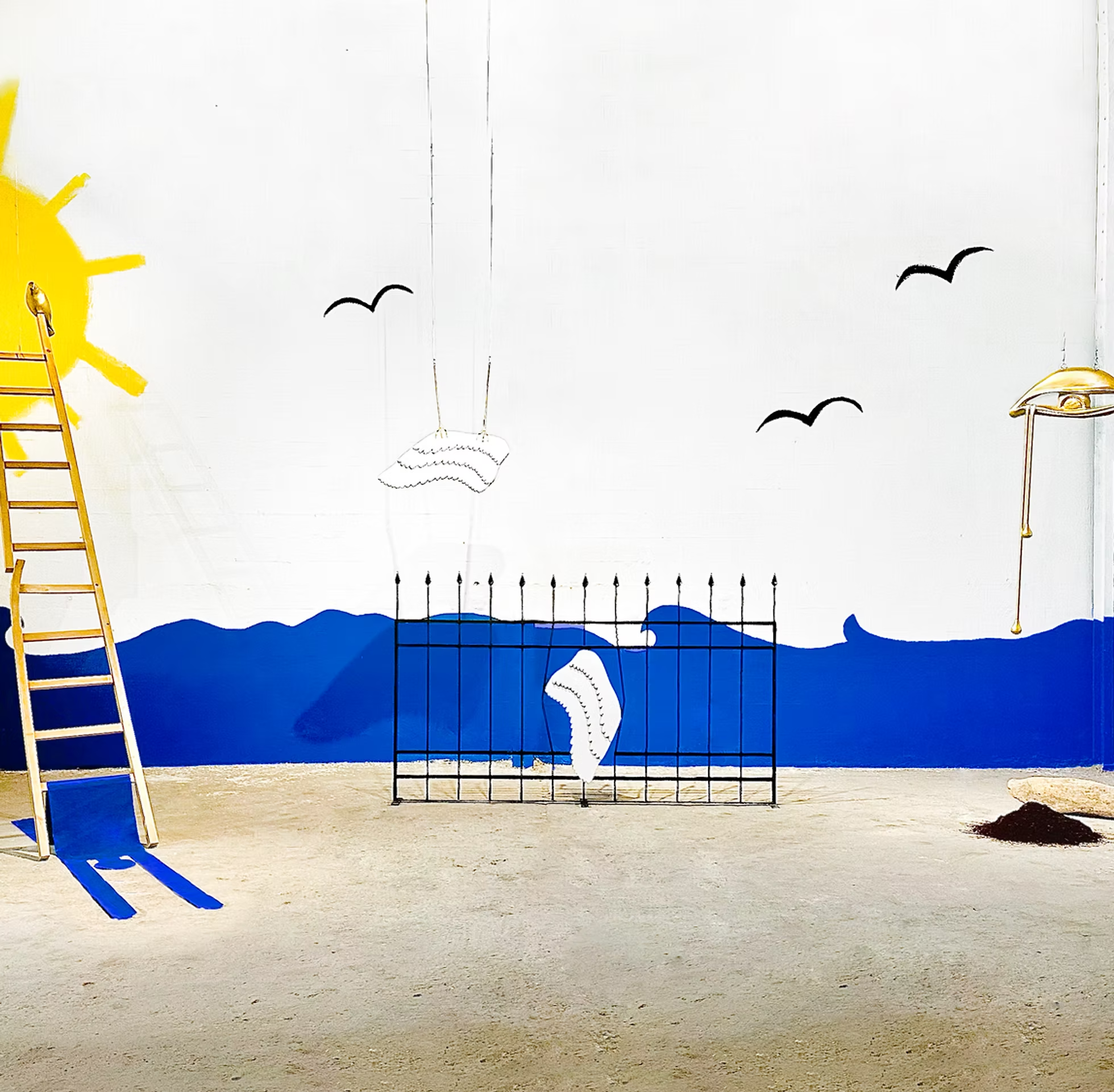
How did my father’s death change my work? It did not give me an entirely new subject. It changed my relationship to time, making finitude physical and irreversible, and altering the weight of questions that had already structured my work for years. Repetition, transformation and the circulation of images remained, but they began to require bodies capable of carrying absence.
When people encounter my recent work, they often connect it immediately to the death of my father. The connection is understandable. I began making the bread masks after he died. Mourning, tears, lamentation and absence became more visible, while bodies and invented figures began to occupy a much larger place in the work. For some time, I also understood this as a clear division: there was the work I had made before grief, and the work that came after it. I no longer see it that way.
Looking back over the past fifteen years, I recognise many of the same questions returning: transformation, repetition, memory, unstable identities, the circulation of images and the way forms change as they move through time. My father’s death did not replace those questions with new ones. It changed the time in which I was asking them.
Structures With No Natural Ending
Before 2023, I often began a work by establishing a rule, a frame or a system, then repeating it and observing what happened. I was interested in the distance between the structure I had created and the forms that emerged from it. Repetition was not simply a method of production. It was a way of allowing time to become visible.
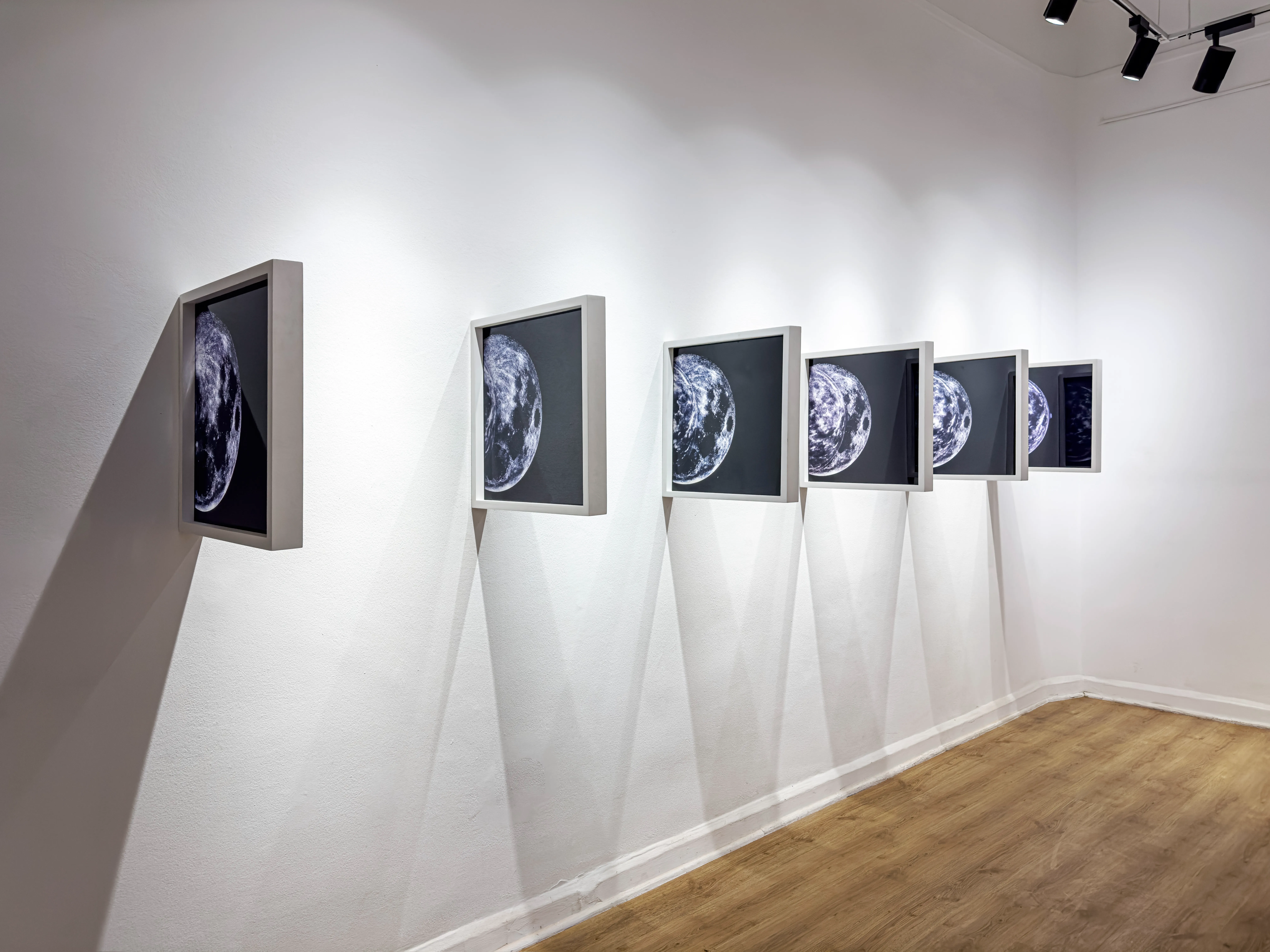
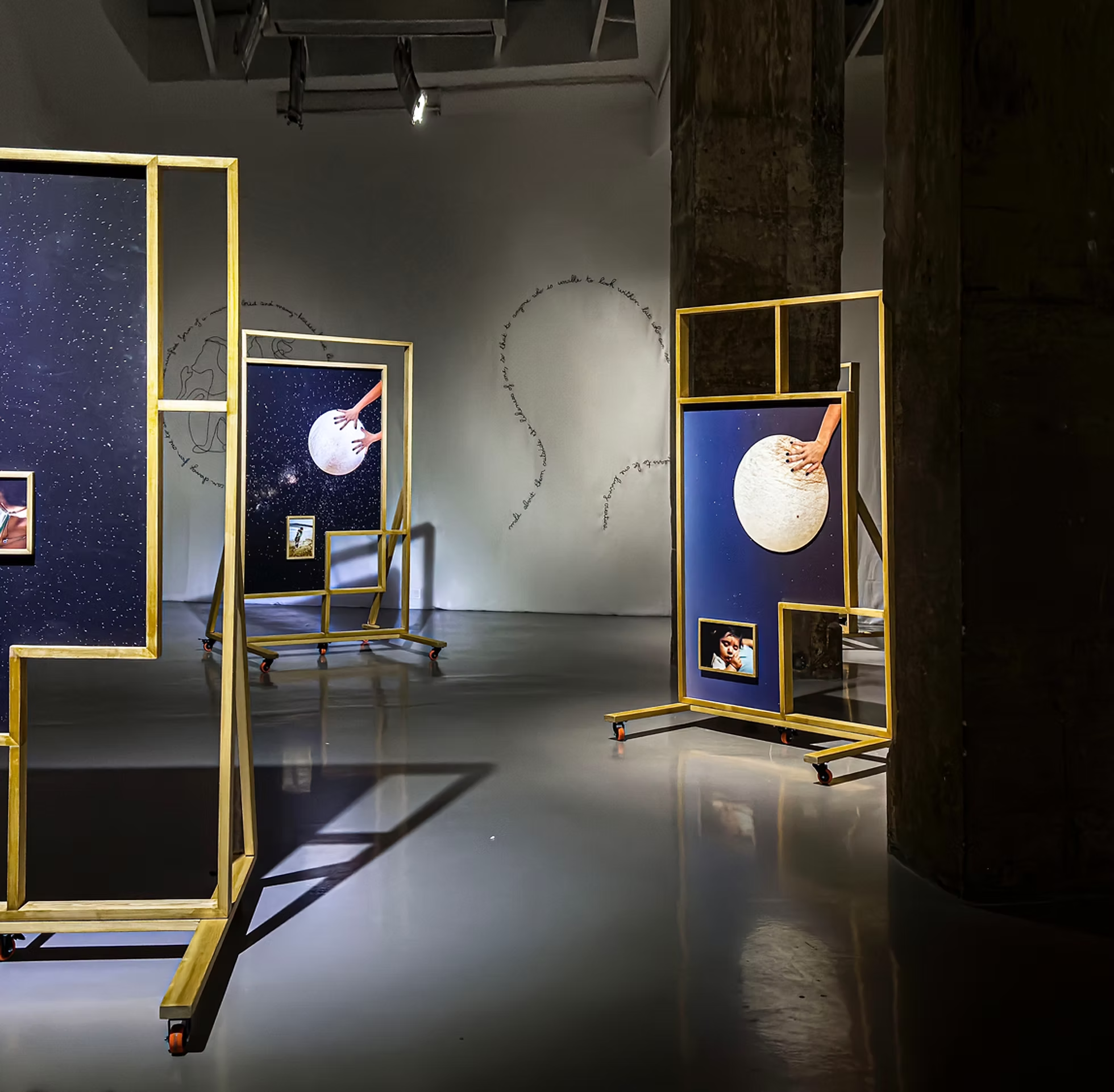
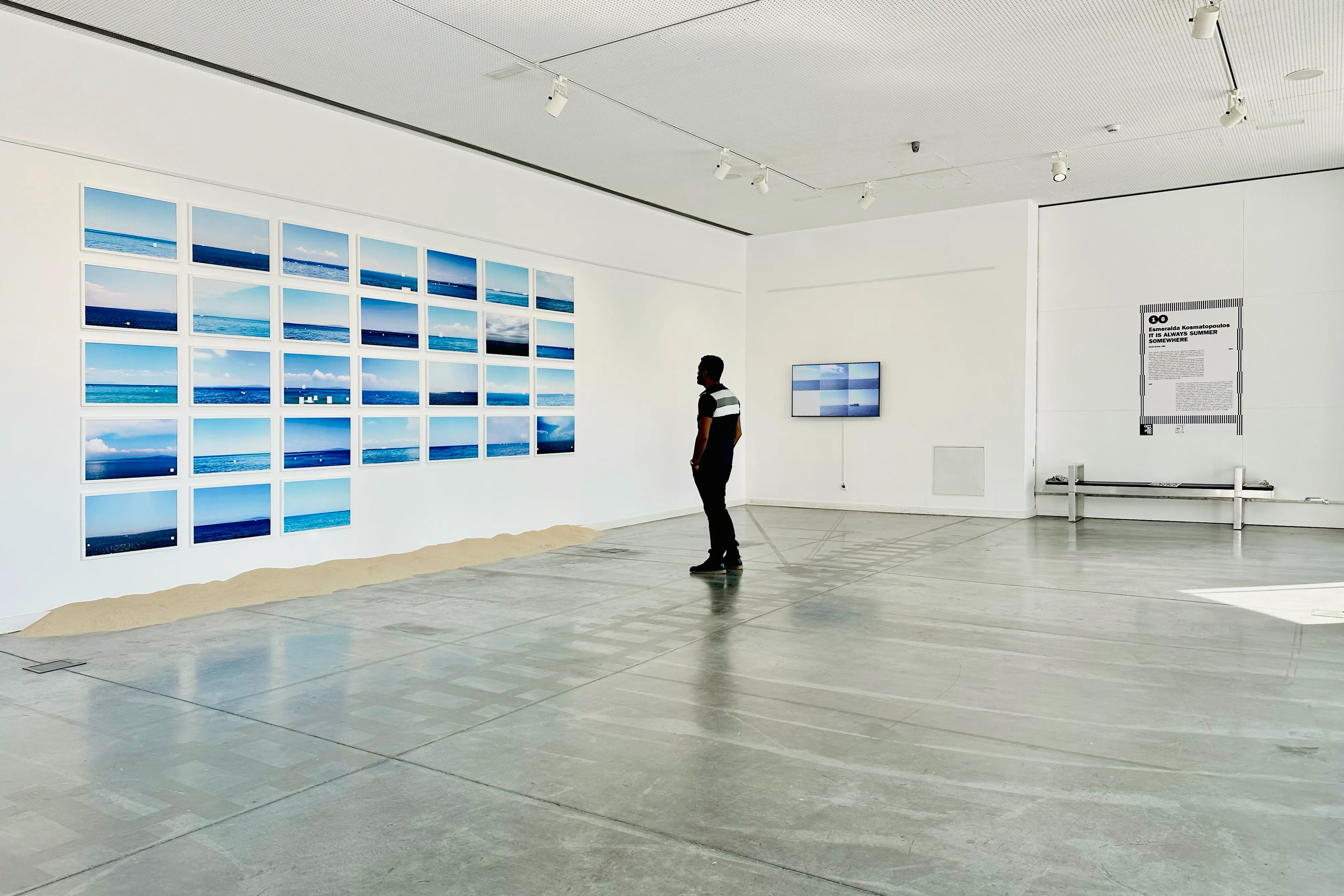
In It Is Always Summer Somewhere, I returned to the same abandoned boat over a period of months and photographed it from the same position. The frame remained fixed and the gesture was repeated, while the people who appeared in the images were removed. What changed was everything I could not control: the light, the weather, the surface of the sea, the season and the slow deterioration of the boat. The repetition did not reproduce the same image. It revealed difference.
That work could have continued indefinitely. I could always have returned to the boat once more. Another season could pass, another image could be made. The structure itself contained no natural ending.
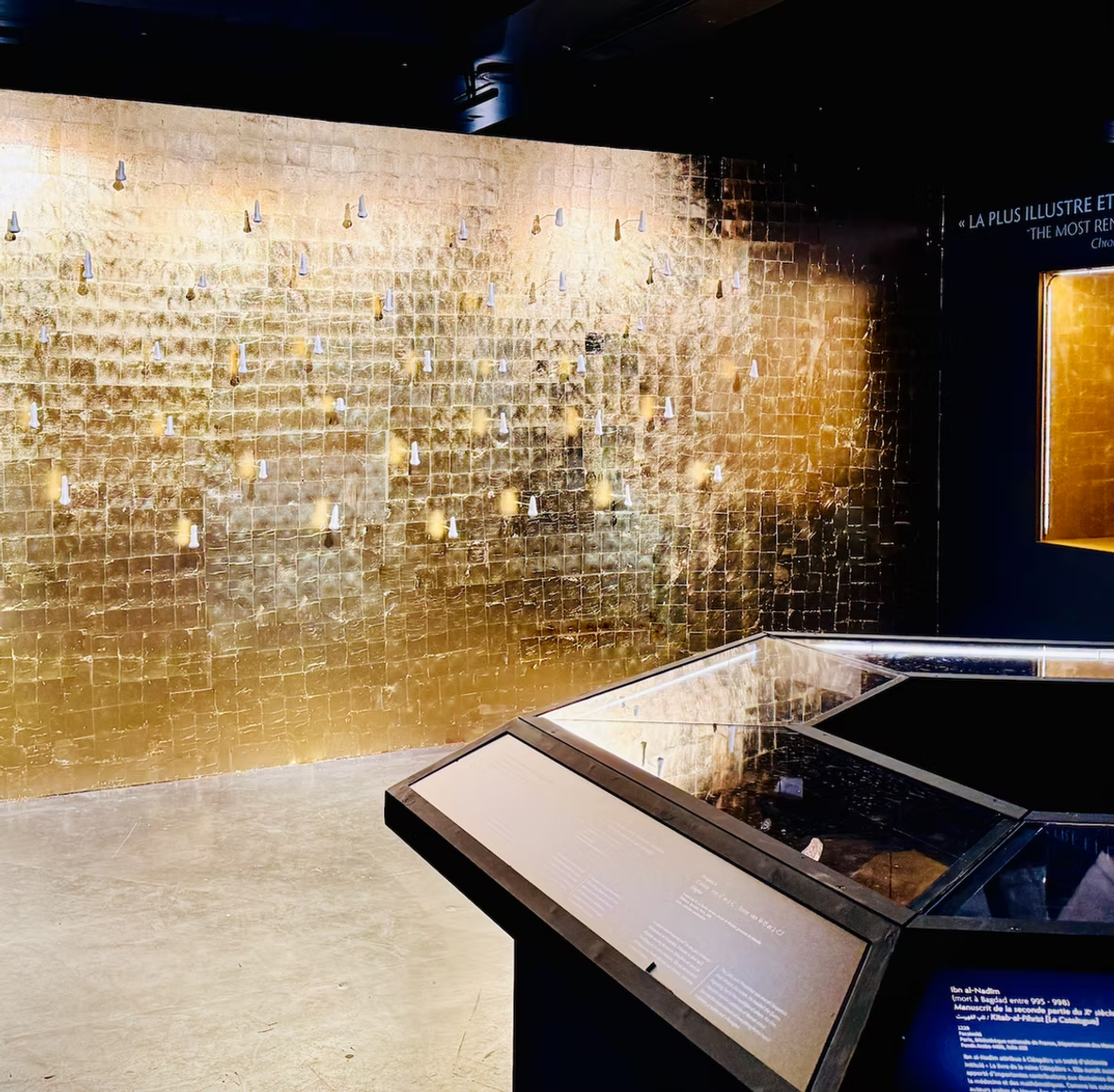
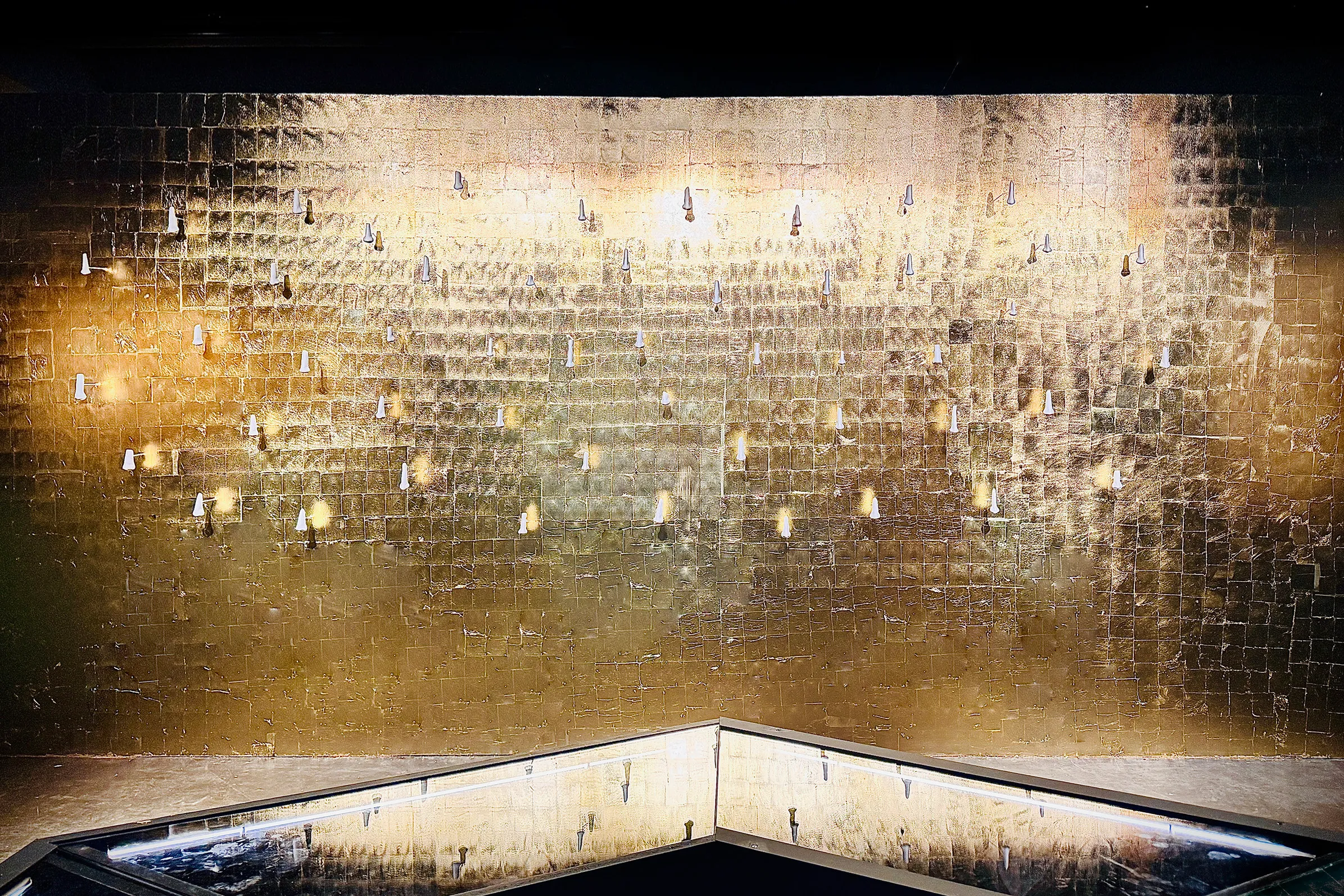
If the Nose of Cleopatra… was also built through repetition, but from an archive rather than a landscape. I collected representations of Cleopatra made across different periods and cultures, then isolated and translated the same fragment from each image: her nose. Each sculpture belonged to a pre-existing representation, but their accumulation made visible the instability of the historical figure herself. Cleopatra changed each time she was imagined.
That project could also have kept growing. There could always be another image, another interpretation and another nose. I did not think consciously about this openness at the time. I was not trying to make works about infinity. I was simply attracted to structures that could remain active beyond the moment in which I first conceived them. A rule could be repeated. An archive could expand. An image could continue circulating and producing new meanings.
What Finitude Actually Feels Like
Then my father died.
Of course, I already knew that death existed. I understood mortality as an idea and I knew that every life eventually ends. But knowing this intellectually is not the same as experiencing the disappearance of one particular person. My father’s death gave finitude a body. It was no longer the general knowledge that human beings are mortal. It was the irreversible fact that this person, with this voice, this history and this place in my life, was no longer accessible.
There could not be one more conversation or another version of the same encounter. Memory could preserve fragments, habits and gestures, but it could not make the relationship continue in the same form. Nothing about that experience behaved like the open structures I had trusted in my work. Repetition could not return me to what had been lost. I think this changed my understanding of time before I understood that it was changing my art.
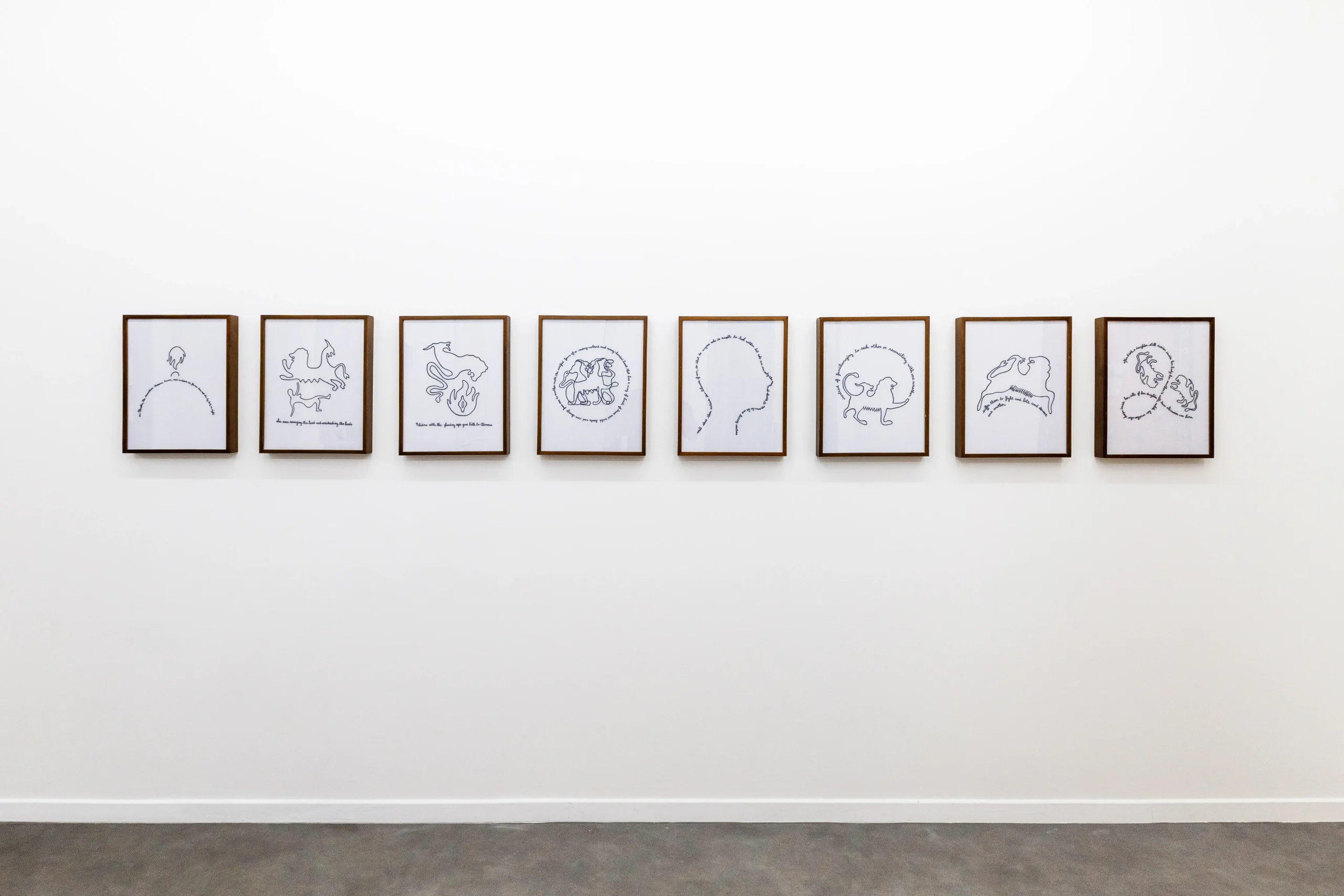
After his death, I began drawing almost every day. At first, drawing felt like a direct and almost physical response to grief. It gave me something to do with my hands and a place where images could appear without requiring a complete system around them. I did not need to build a protocol before beginning. I could draw a body, a face or a creature and allow it to exist.
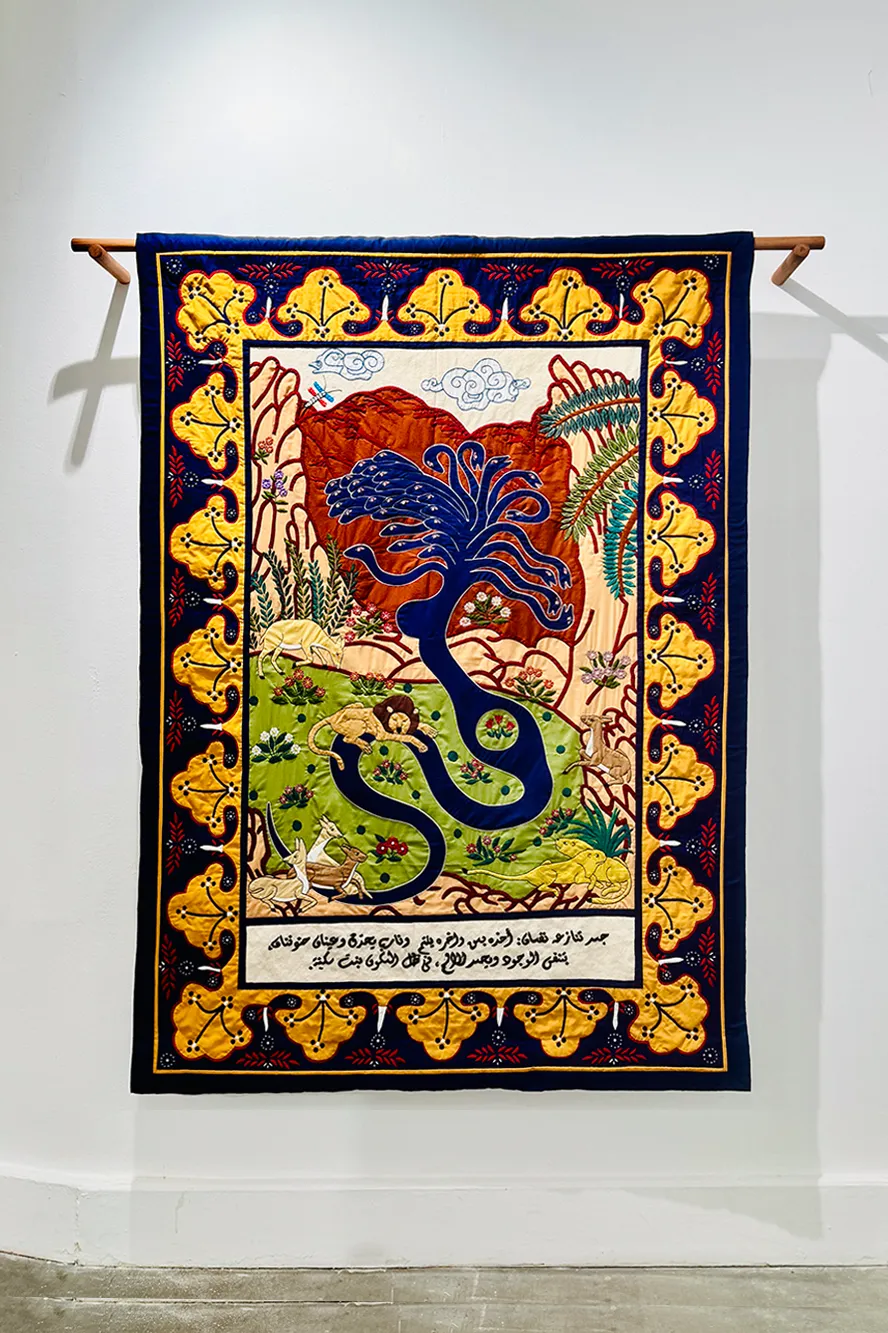
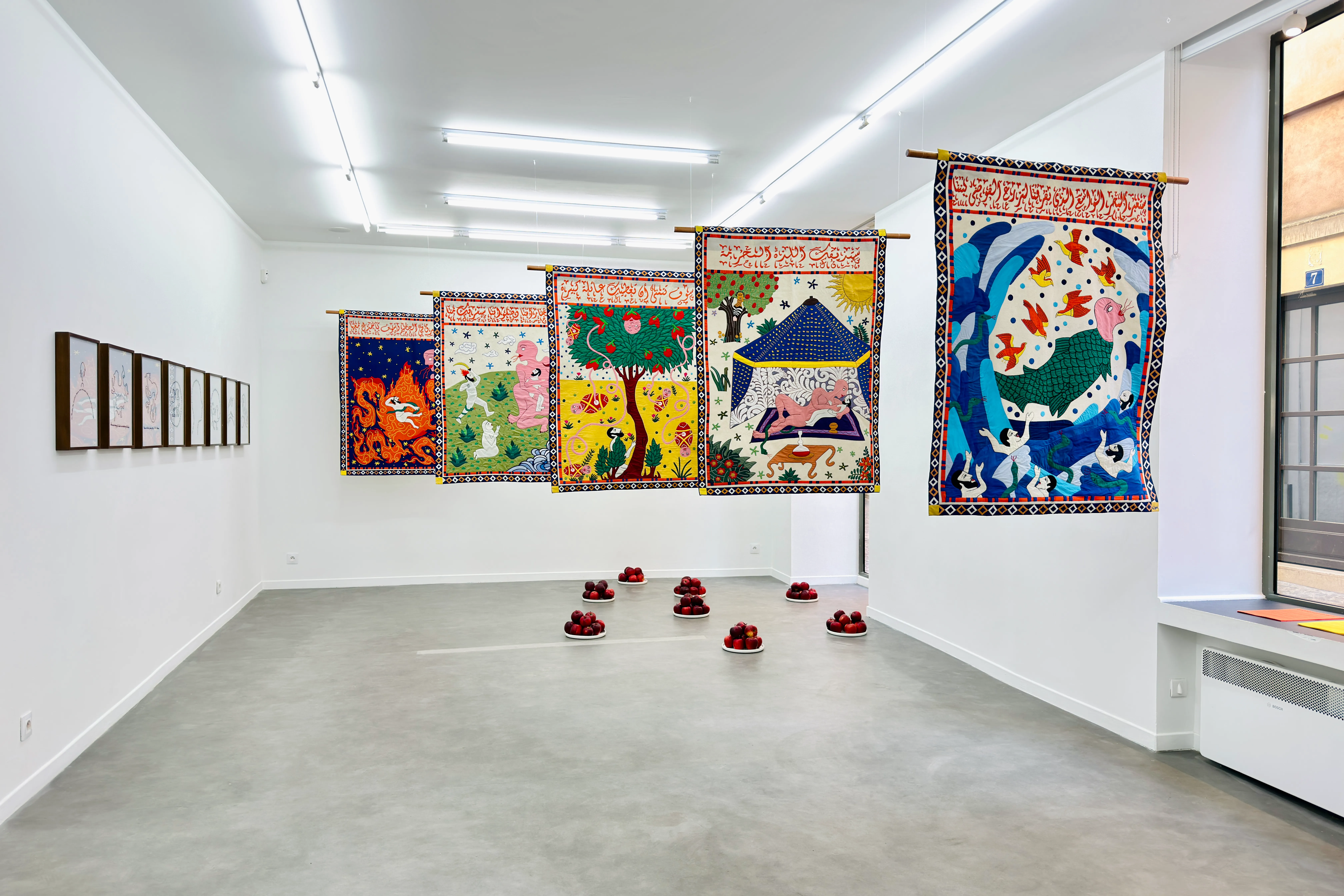
Gradually, the studio filled with figures. Women, serpent bodies, jinn, chimeras, birds and ancient female forms entered the work. They were not illustrations of my father’s death and I did not experience them as characters in a story about grief. Their relationship to loss was more indirect. What had changed was my need for presence.
A system can continue without having a body. A rule does not age. A protocol does not disappear. A figure enters the world differently. It has weight, posture and a particular existence. Even an imaginary creature can appear vulnerable. It can occupy a space and carry the possibility of absence.
The work did not stop being conceptual when these figures appeared. The ideas remained, but they had begun to require bodies. Transformation was no longer only something that happened to an image as it circulated or to a form as it was repeated. It happened within bodies that could become animal, vegetal, mythical or fragmented. Instability was no longer only built into a system. It could appear in a face, a breast, a mask or a creature unable to remain entirely one thing.
From the outside, this may look like a movement from conceptual work towards figuration. From inside the practice, it feels less like a change of direction than a change of density. The same questions became heavier. They acquired skin, weight and mortality.
Can Repetition Hold What Cannot Repeat?
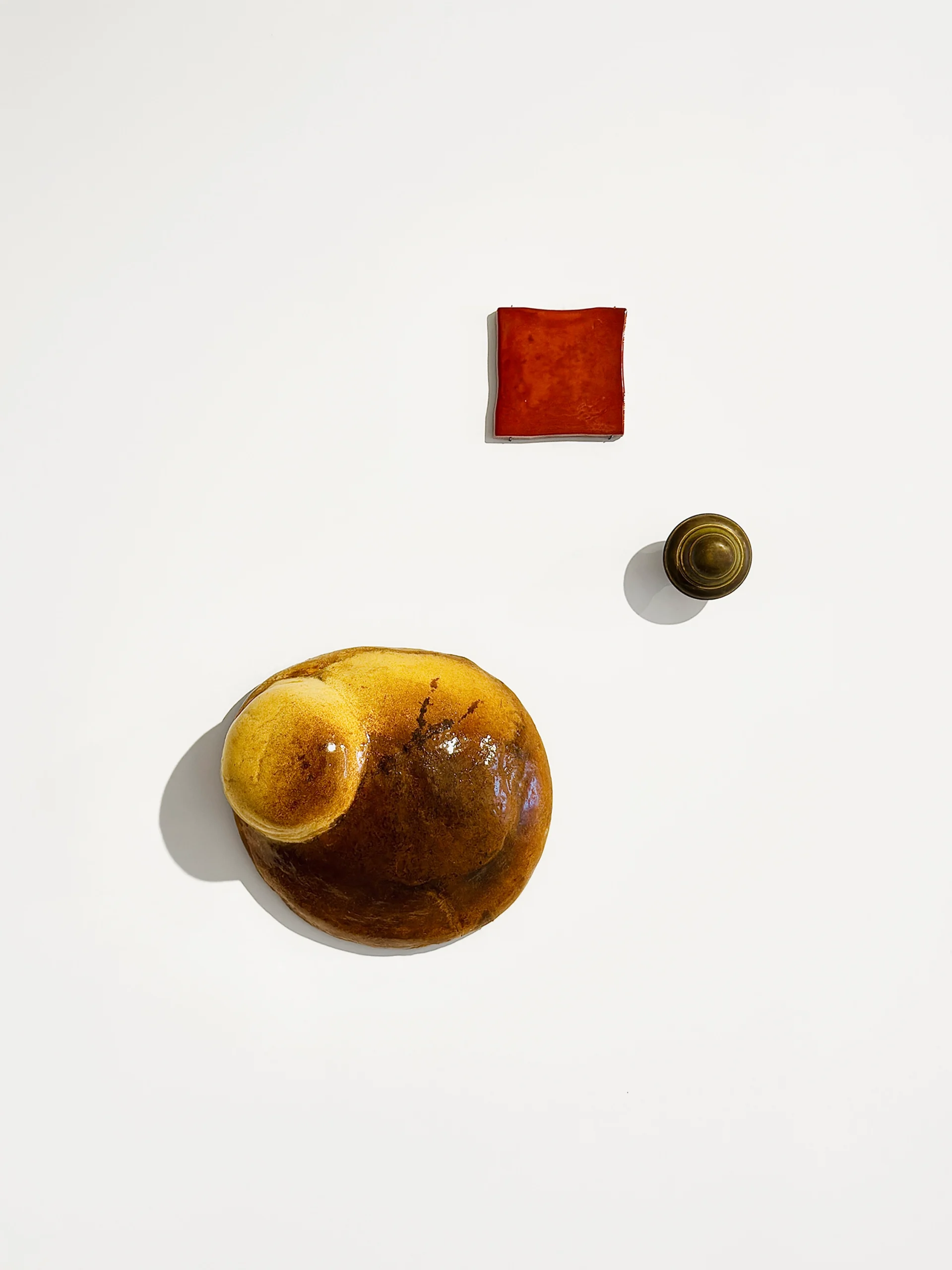
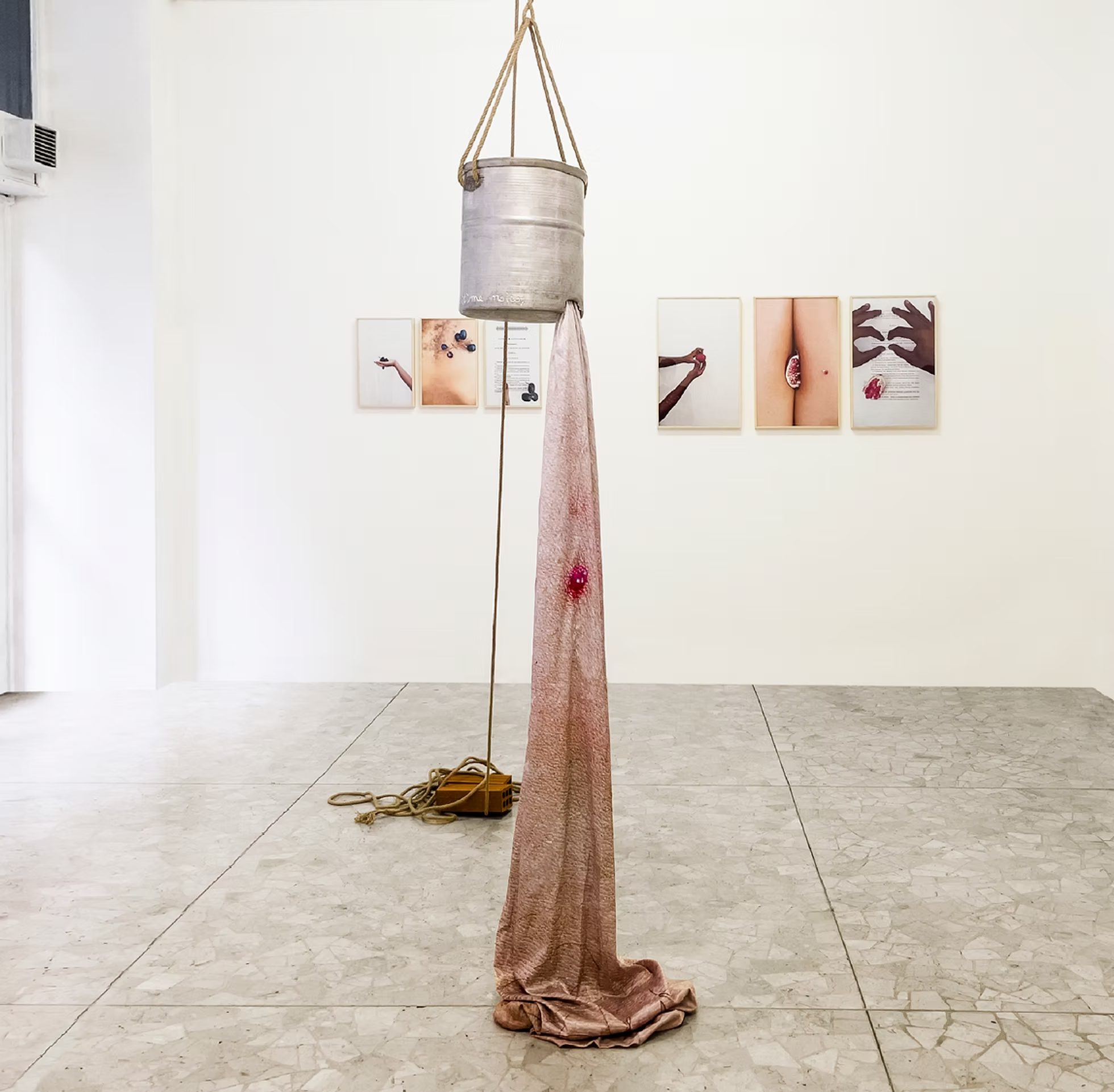
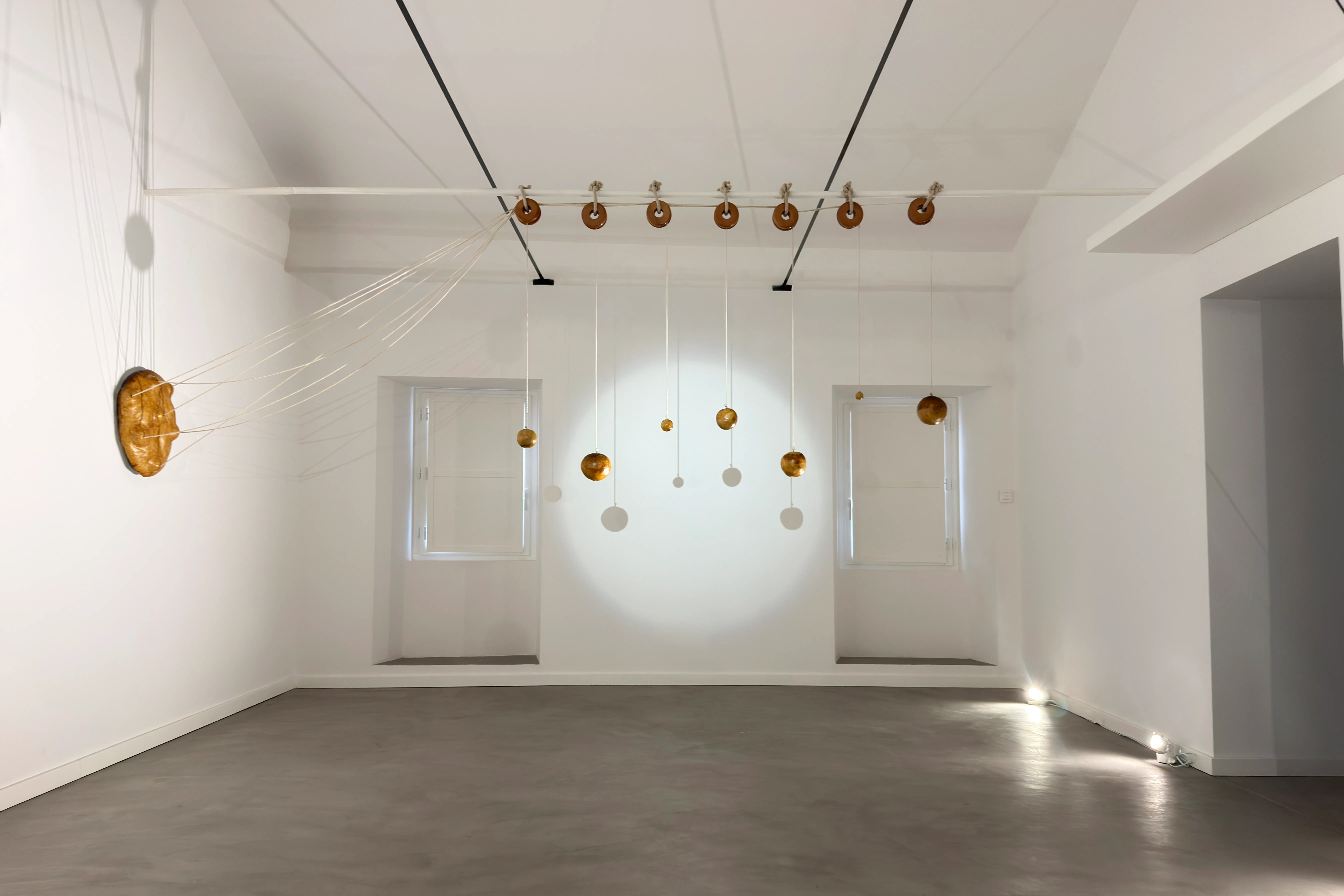
Bake Your Pain stands somewhere between these different relationships to time. The work is built through repetition. Whenever grief returns with enough force to make me cry, I knead bread dough and form another mask. The gesture can be repeated, and the series remains open. In that sense, it continues the logic of many earlier works: a rule exists, and each new object enters the structure created by the previous ones.
But every mask also belongs to something that cannot be repeated. It comes from one moment of crying on one particular day. Even when the ritual remains the same, the experience that produces it is different. Grief may return, but it never returns in exactly the same form.
The mask holds this contradiction. It is one object within a series that may continue, but it is also the trace of an unrepeatable moment. The ritual gives grief a structure without making it predictable. Repetition does not overcome finitude. It records each new encounter with it.
Bread became important partly because it carries time visibly. The dough changes as I touch it. It swells, dries, cracks and hardens. A form that initially feels soft and close to skin gradually becomes rigid and fragile. I can shape it, but I cannot stop its transformation. The material does not preserve the moment intact. It carries the moment forward while changing it.
This is different from trying to create a permanent monument to grief. Even once dried and sealed for conservation, the masks retain the cracks, distortions and changing surfaces produced during their making. Stabilising the bread does not return it to a neutral state; it preserves the material history through which each form emerged. Bread allowed me to repeat a gesture while accepting that neither that history nor the feeling behind it would ever be smoothed away.
My father’s death also changed my relationship to invention. Much of my earlier work began with something that already existed: an image of Cleopatra, an abandoned boat, an archive, a system of communication or a situation I could observe and displace. The more recent figures often begin without that external source. They emerge through drawing. Although they may belong to mythological families or carry echoes of ancient forms, they are not direct translations of a specific image. They enter the world through the work itself.
I am still trying to understand what this means. Perhaps inventing a figure is another way of confronting finitude. To draw something that did not exist before is to give it a beginning, and once it has a beginning, it also contains the possibility of an end. But I do not want to turn that intuition into a total explanation. Not every creature is about death. Not every body in the work is a response to grief. My father’s death does not provide a key capable of unlocking everything I have made since. Grief is not a theory of the practice. It is an experience that changed the position from which I encountered questions that were already there.
I still work through repetition. I still build systems. I still collect, translate and displace existing images. I still believe that meaning can emerge slowly through accumulation and through forms that circulate beyond my control. But repetition no longer feels limitless to me. Every return now carries the knowledge that something cannot return.
This knowledge has not made my work abandon transformation. It has made transformation more difficult to understand. Before, I may have imagined change primarily as a movement towards another form: one image becoming another, one meaning producing the next, one gesture generating a series. Finitude introduced a transformation that does not lead to another visible state.
A person becomes absent. The relationship continues in memory, in language, in habits and in the forms grief takes, but the person does not become something else that can be encountered in the same way. There is no equivalent form waiting on the other side. This remains one of the hardest things for me to think about.
Art often transforms absence into presence. It gives shape to what cannot be seen, creates objects from experiences and allows something to remain. Yet no artwork abolishes the absence from which it begins. The mask exists because the person does not. The figure appears, but it does not replace what has disappeared.
Perhaps this is the tension that entered my practice after my father’s death. I continued to believe in the generative force of repetition, images and transformation, but I could no longer believe that every ending contained an accessible continuation.
The work began to hold two experiences of time at once. One is open, accumulative and capable of producing endless variation. A gesture can be repeated, a series can grow and an image can continue changing. The other is singular and irreversible. A body exists once. An encounter happens once. A particular moment passes and cannot be reconstructed. I do not think one temporality replaced the other. They now exist together, sometimes within the same work.
The day my father died did not divide my practice neatly into a before and an after. It made visible a limit that had perhaps always been present, even within works that seemed capable of continuing indefinitely. Since then, I have become more attentive to what repetition cannot preserve, to what transformation cannot repair and to what an image can hold without ever replacing.
My work still asks how forms change through time. But time is no longer only what allows a form to develop, circulate and become something else. It is also what makes every body, every gesture and every encounter impossible to repeat completely.
Finitude did not give me a new subject. It changed the weight of the questions I was already asking, and the forms I needed in order to carry them.
Related Series
Related Studio Notes