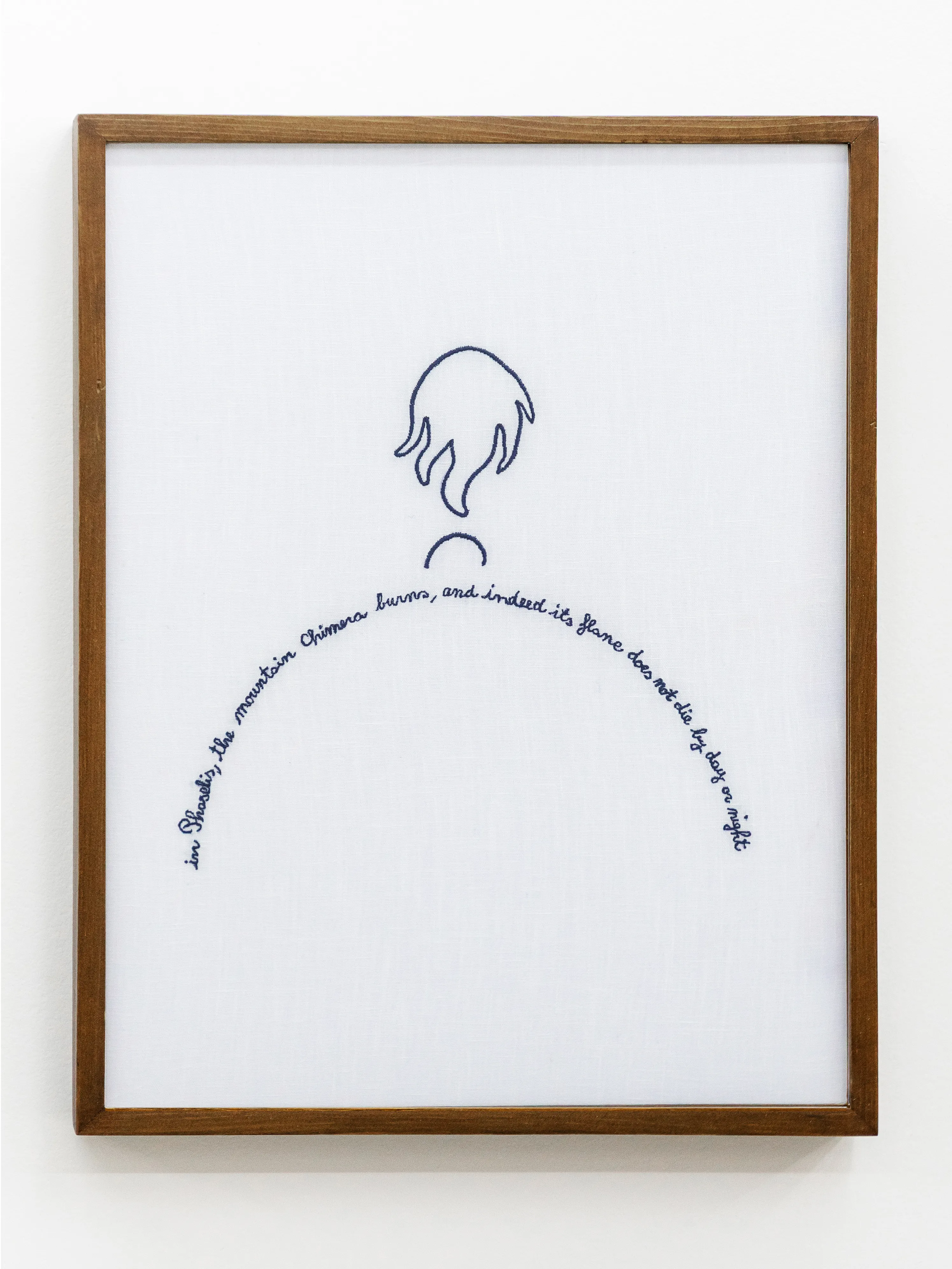
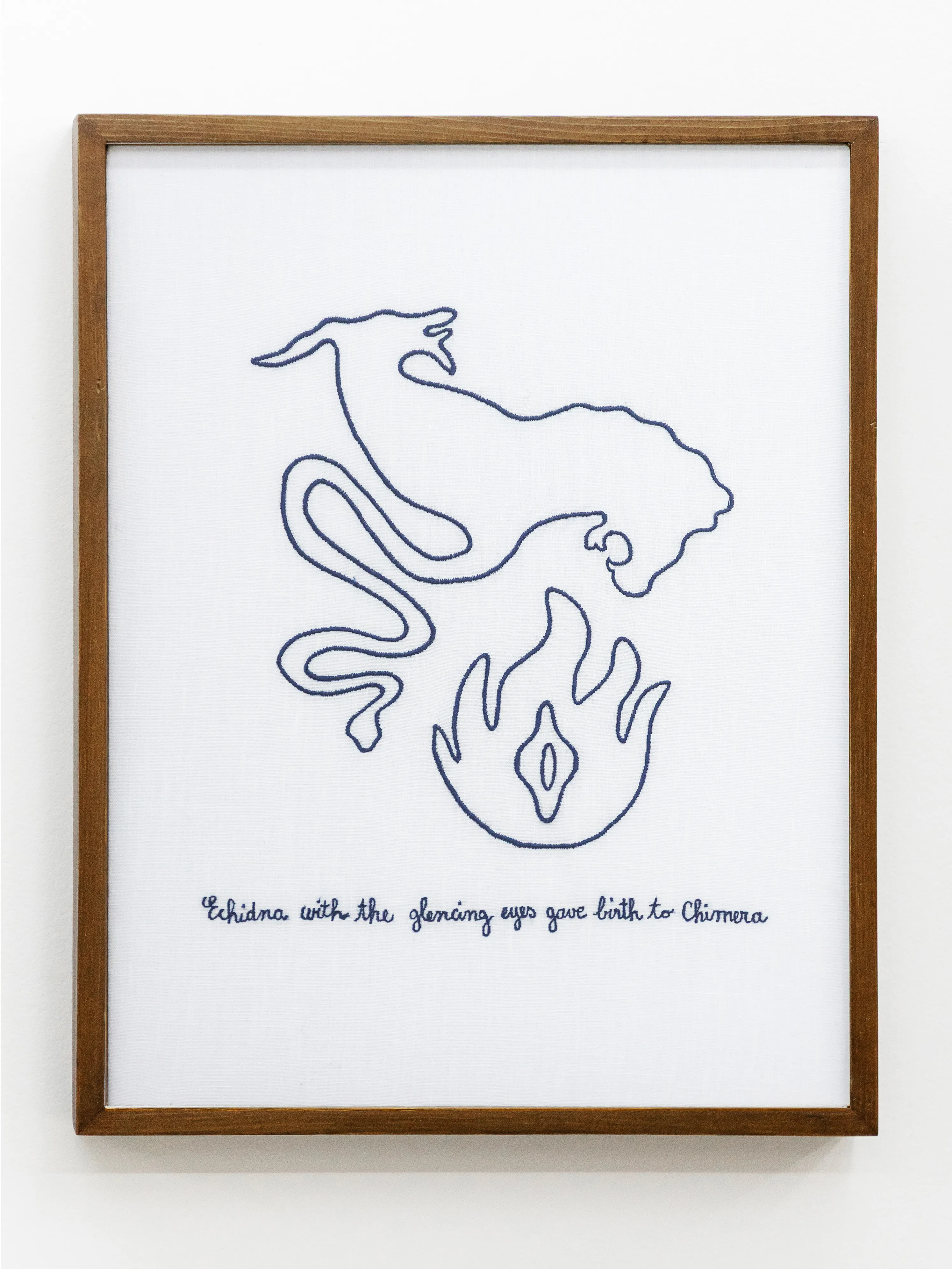
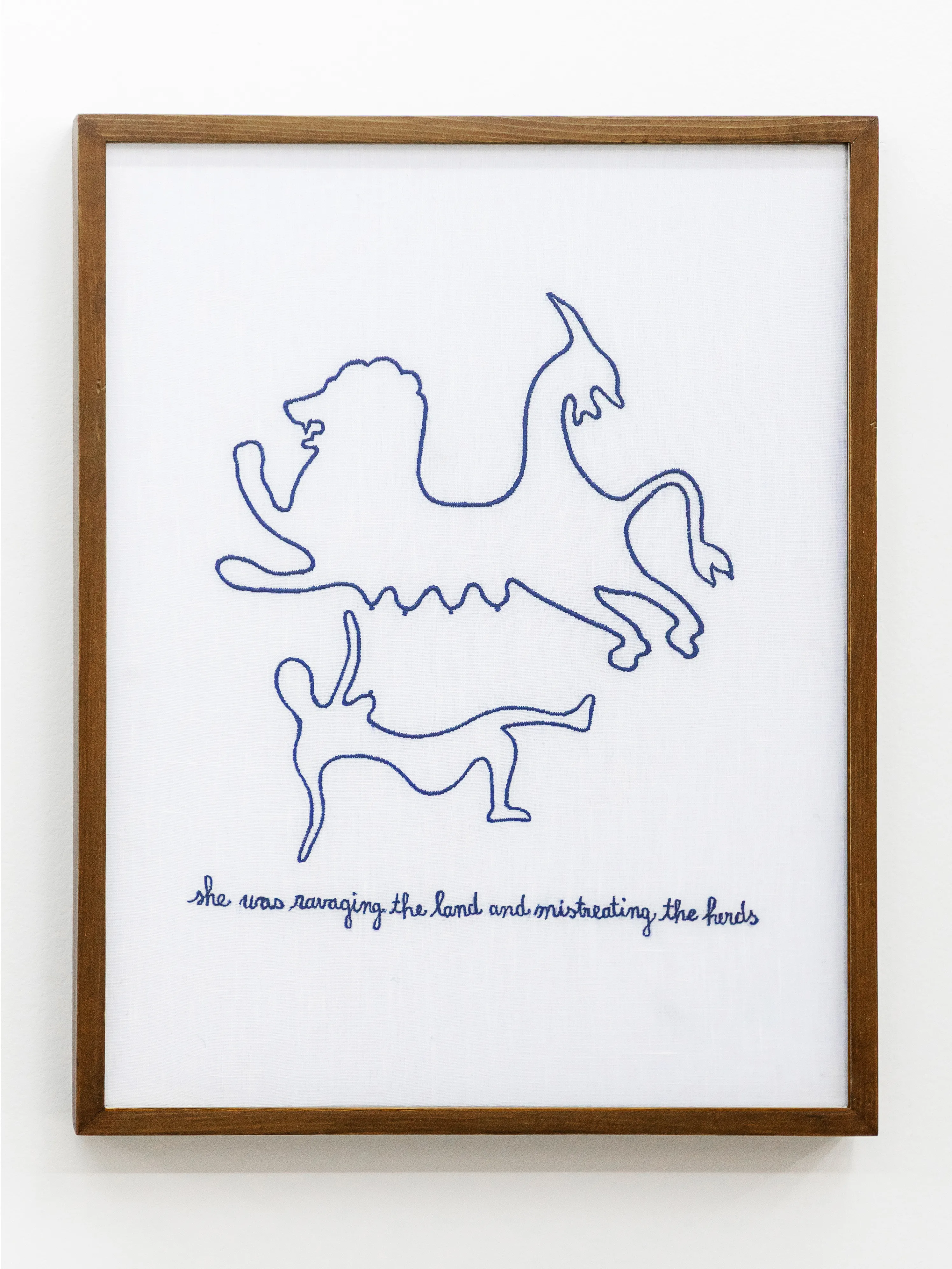
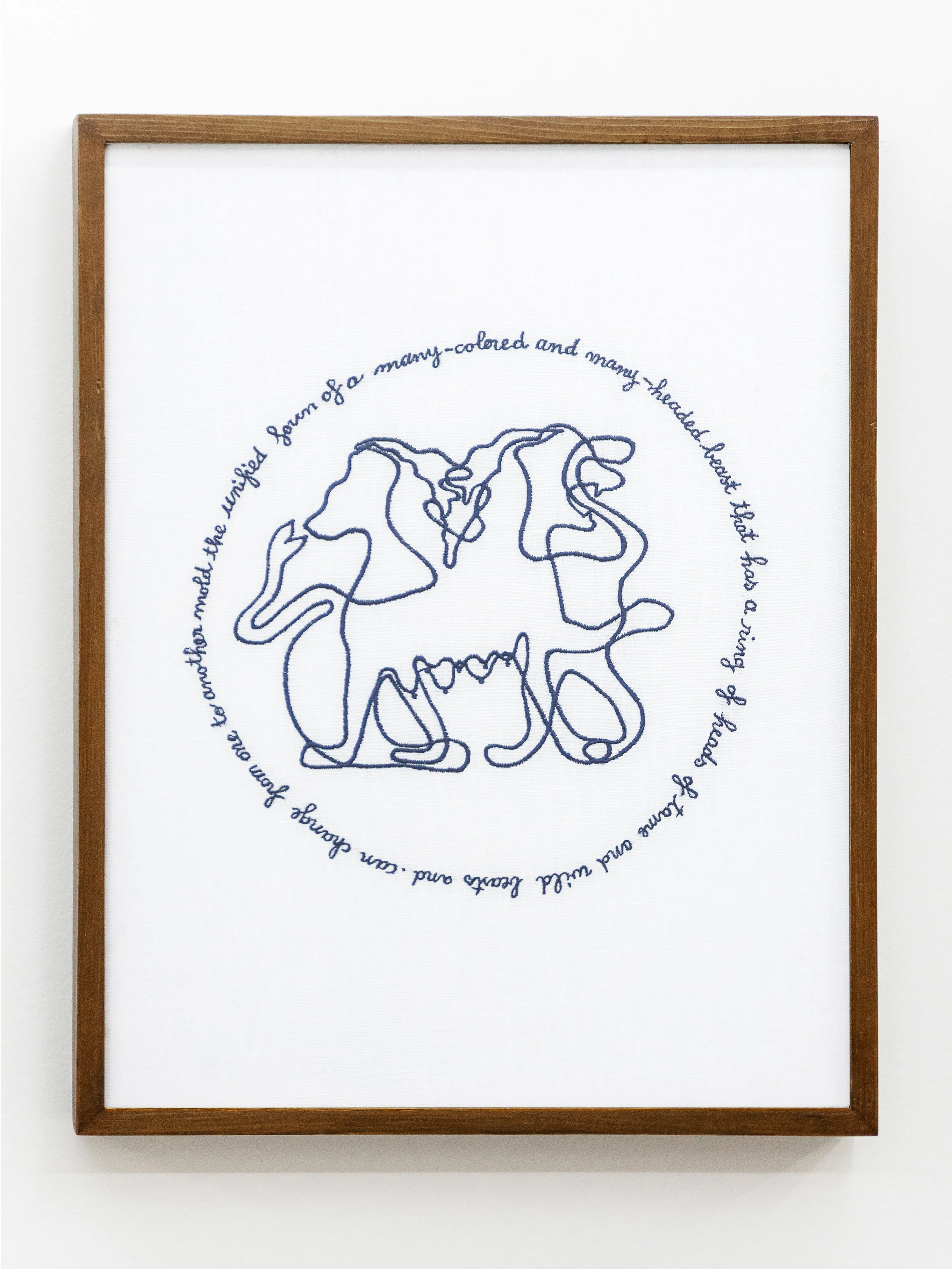
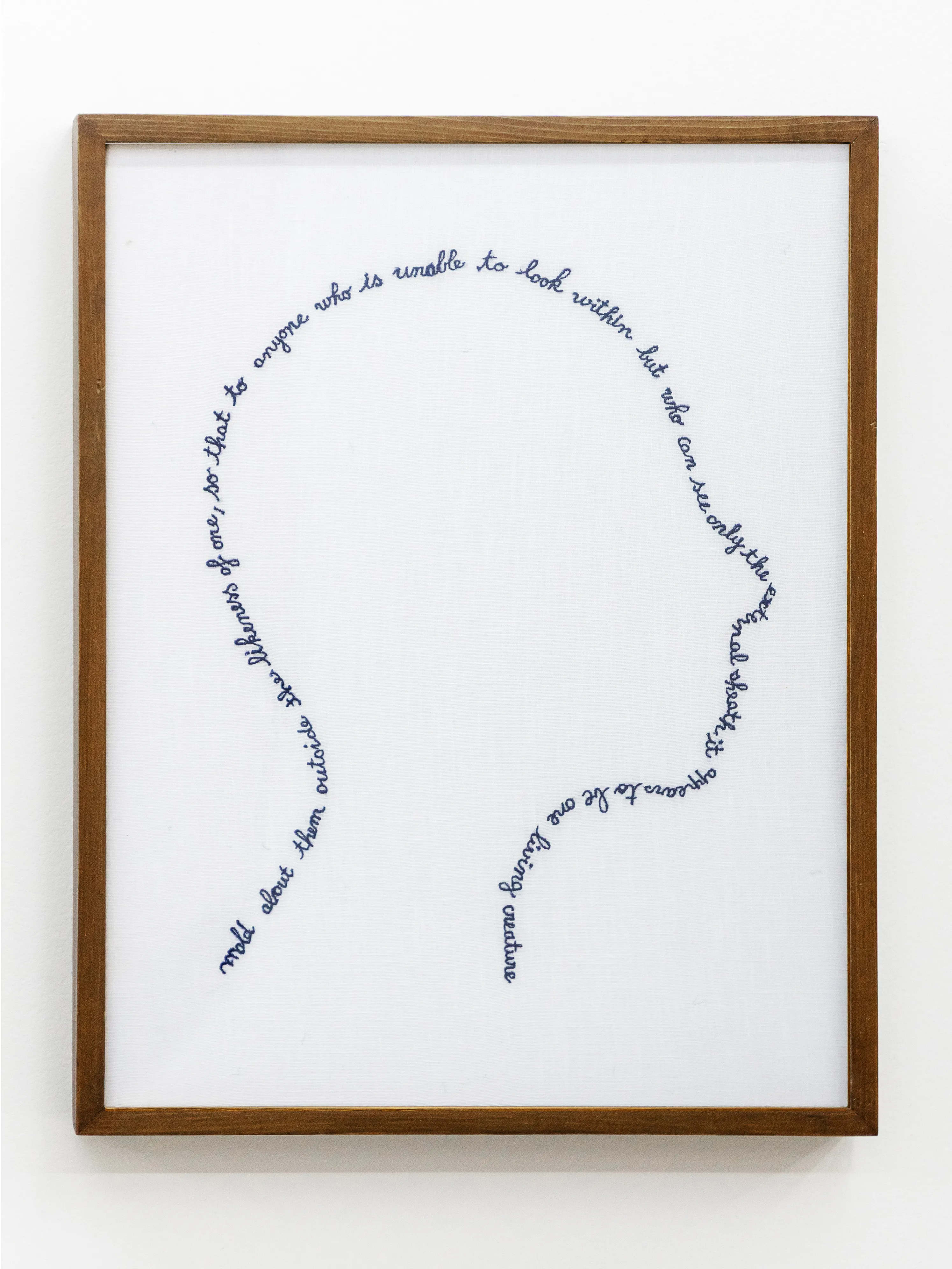
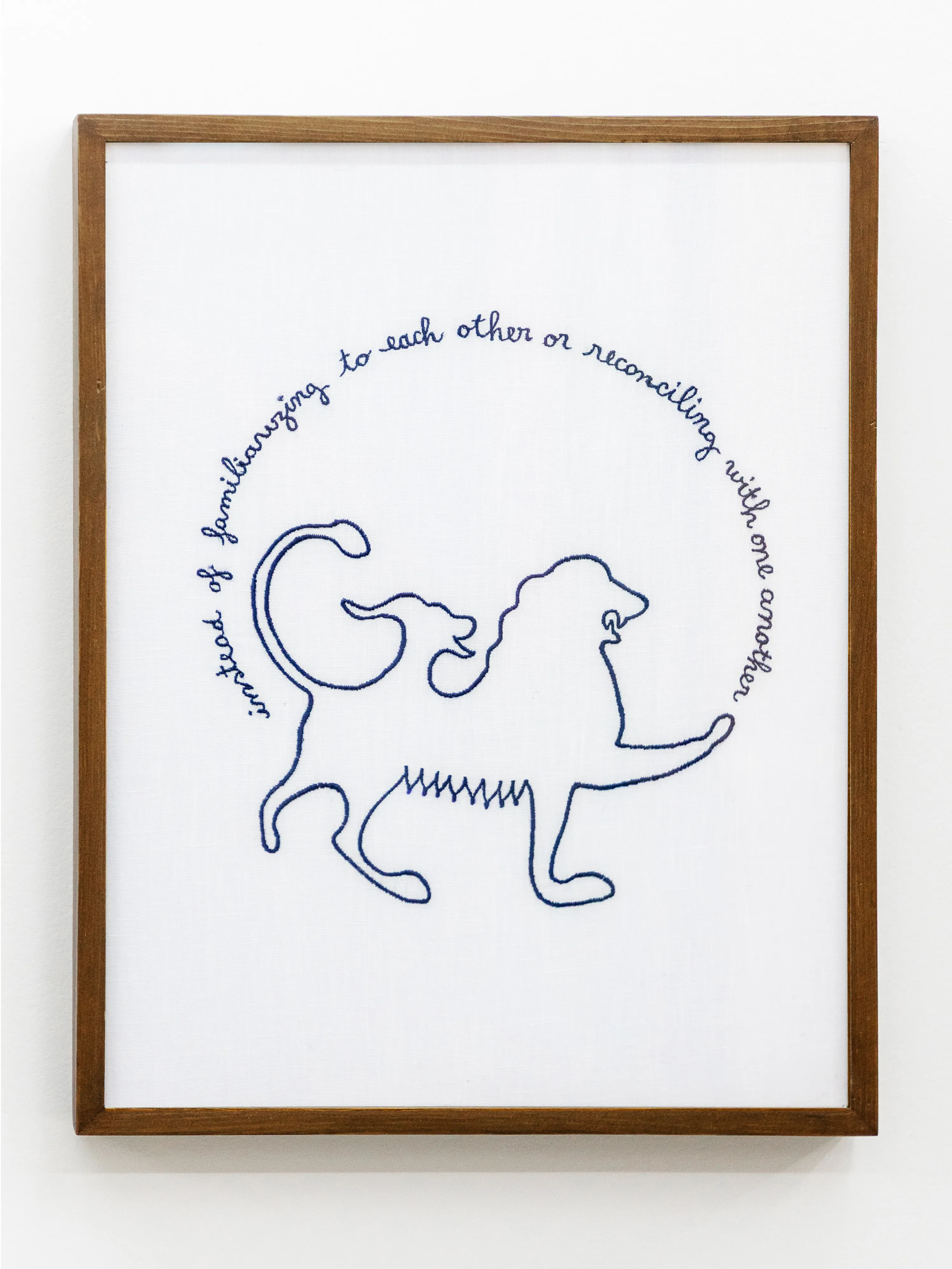
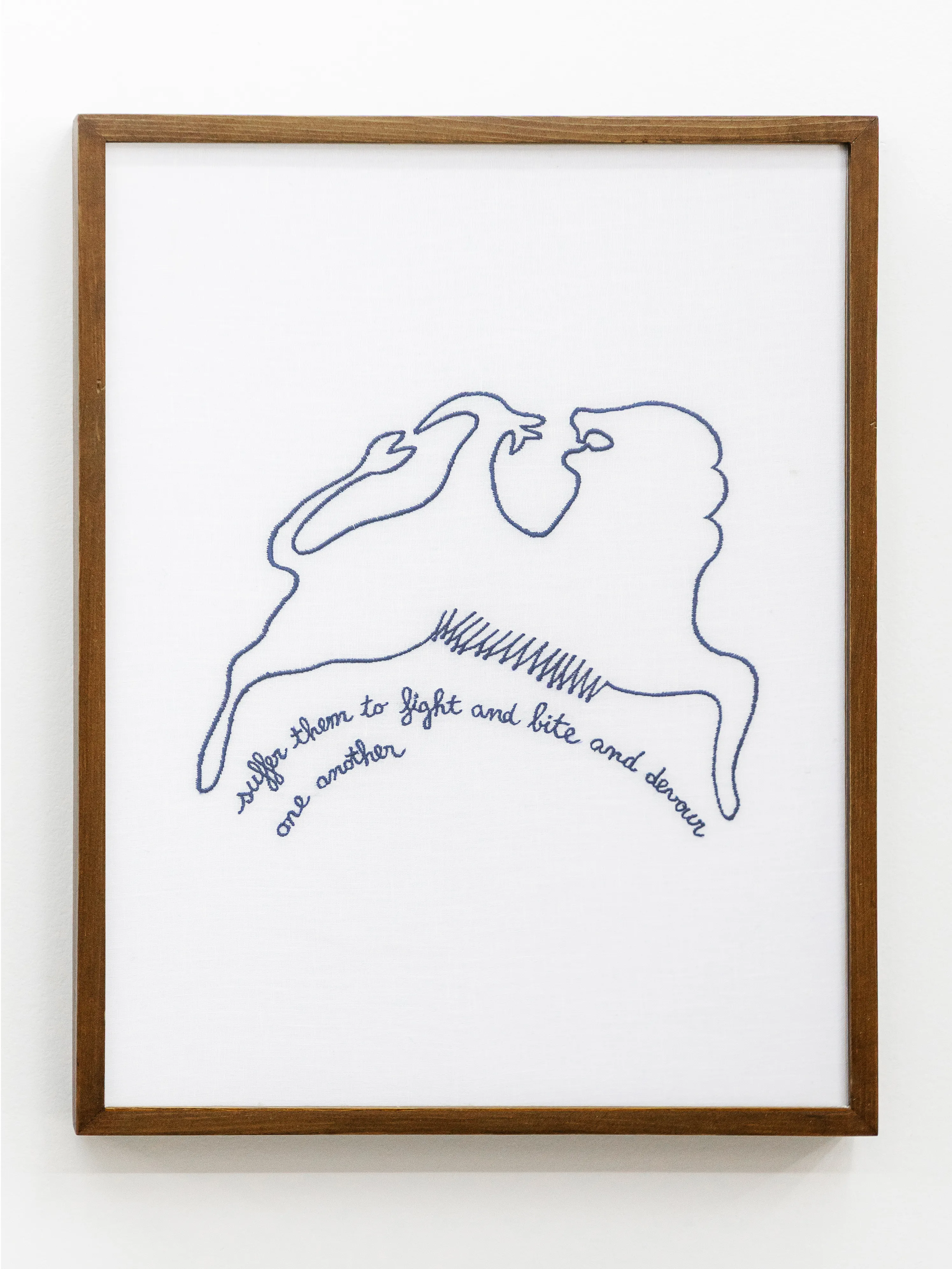
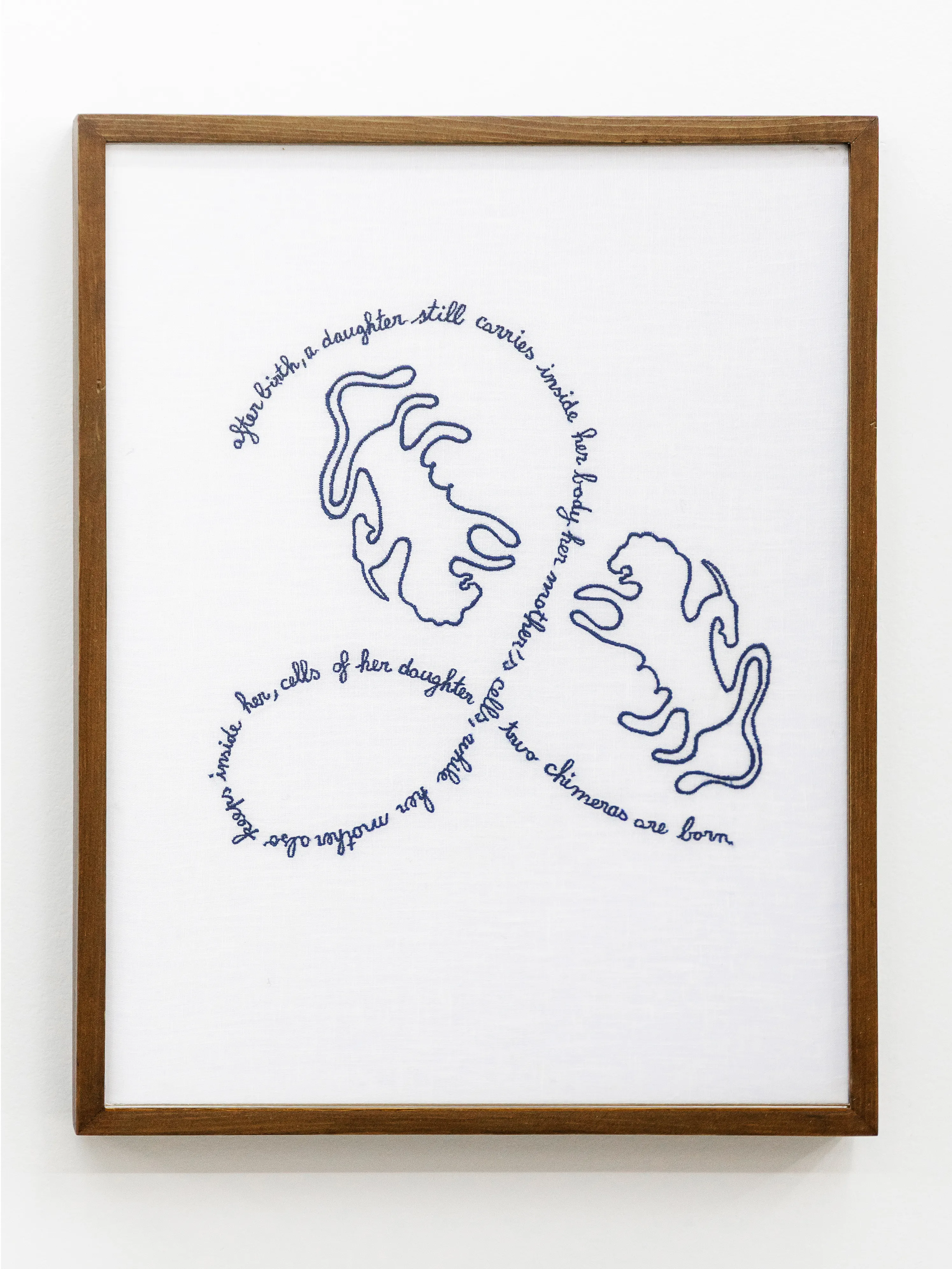
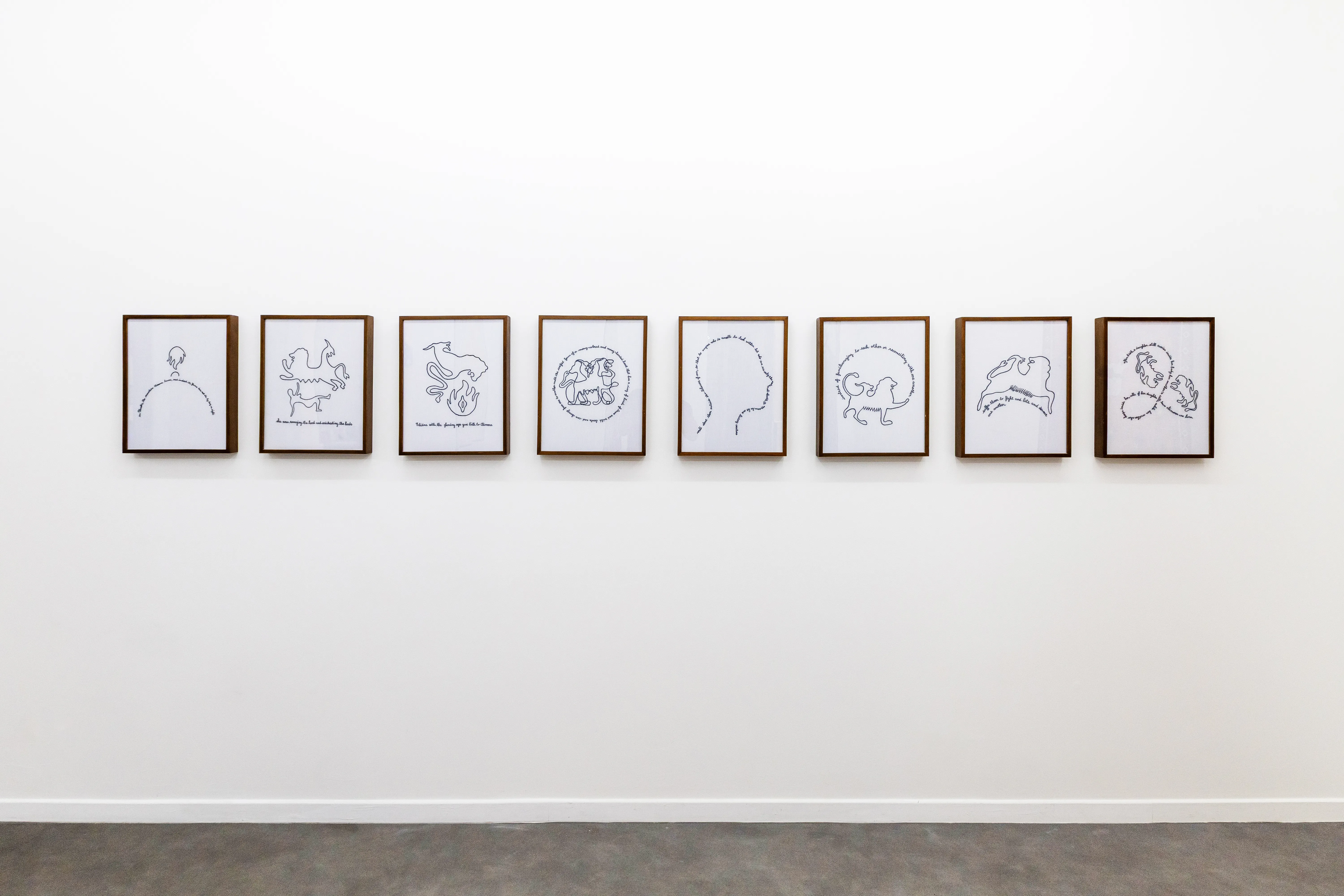
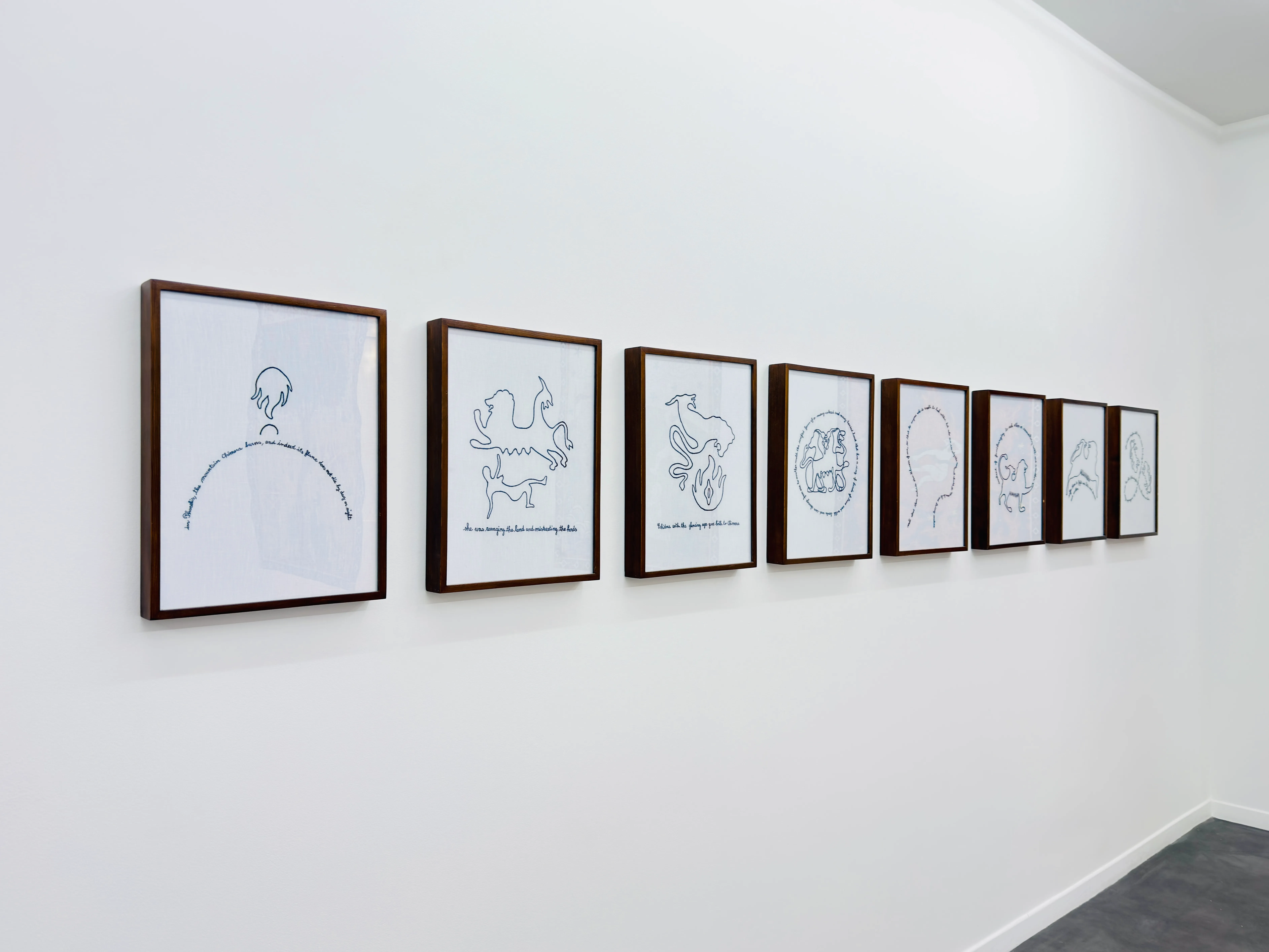
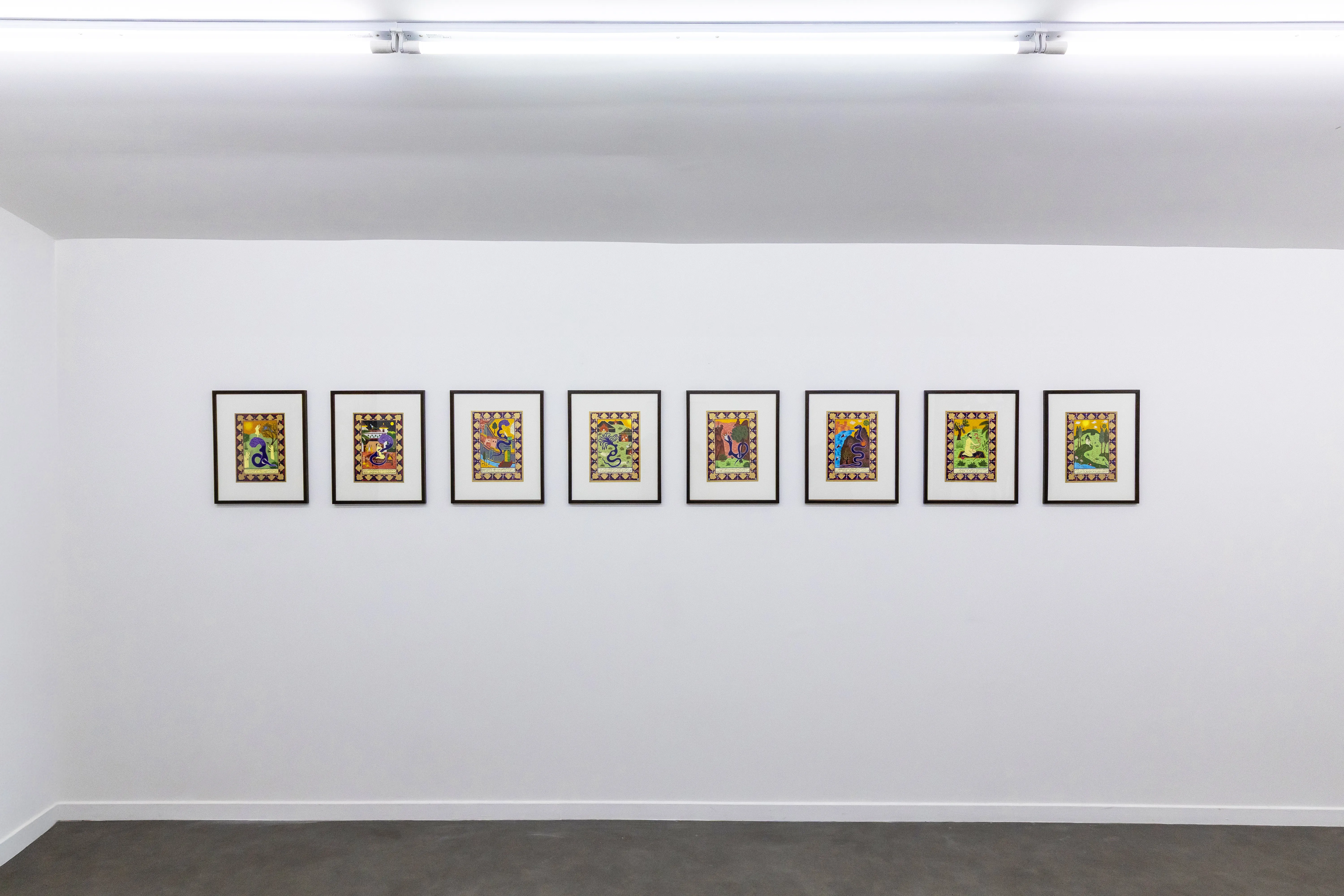
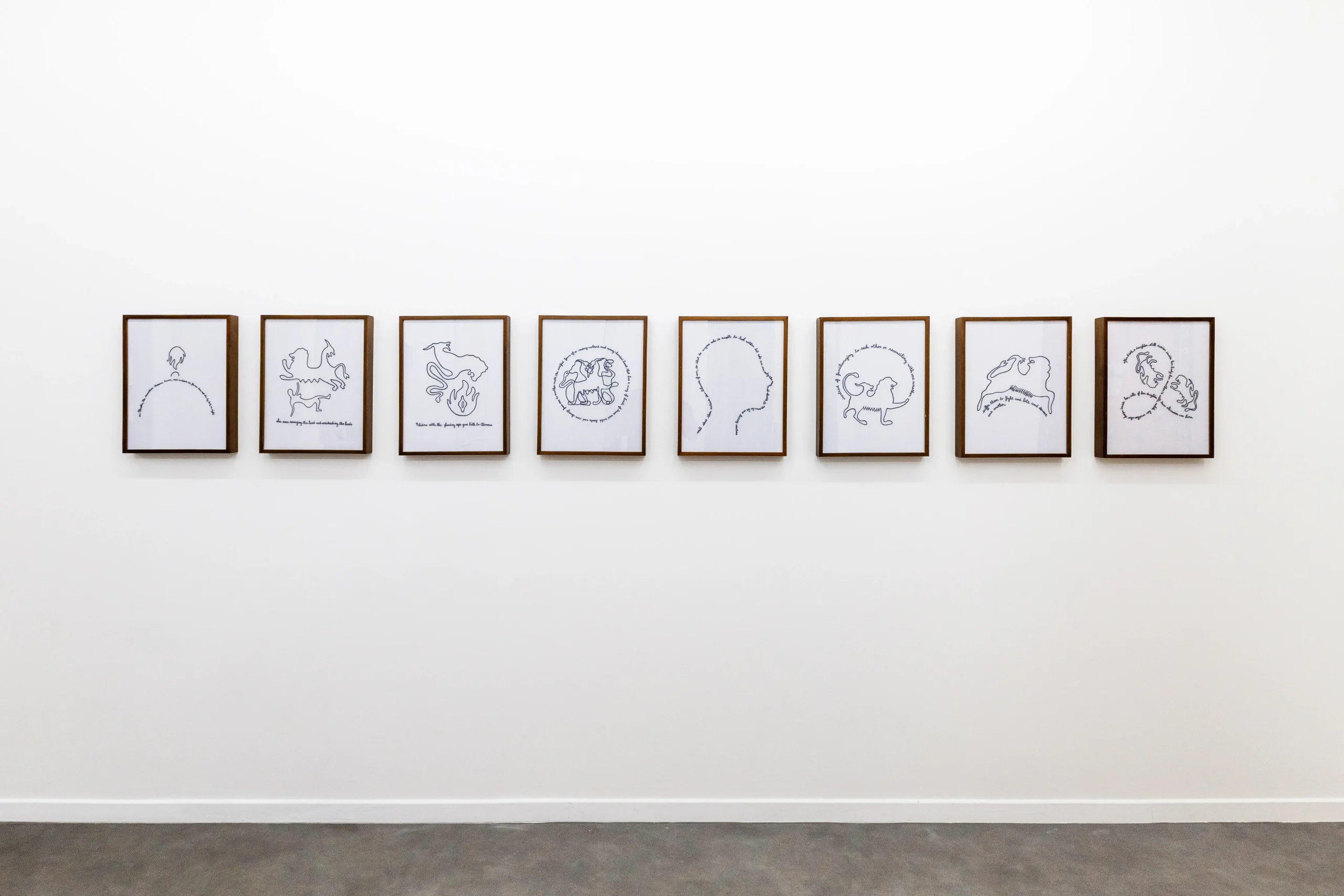
Chimera belongs to Serpents, Genies, Chimeras and Other Wonders, and takes up the third of the roles at the heart of the series: the daughter. Where The Jinn from the West fictionalises the wife and Hayāt al-Hayāt refuses the mother, Chimera fictionalises inheritance itself — asking where a woman begins and where her mother ends, by giving that question a body drawn from ancient myth.
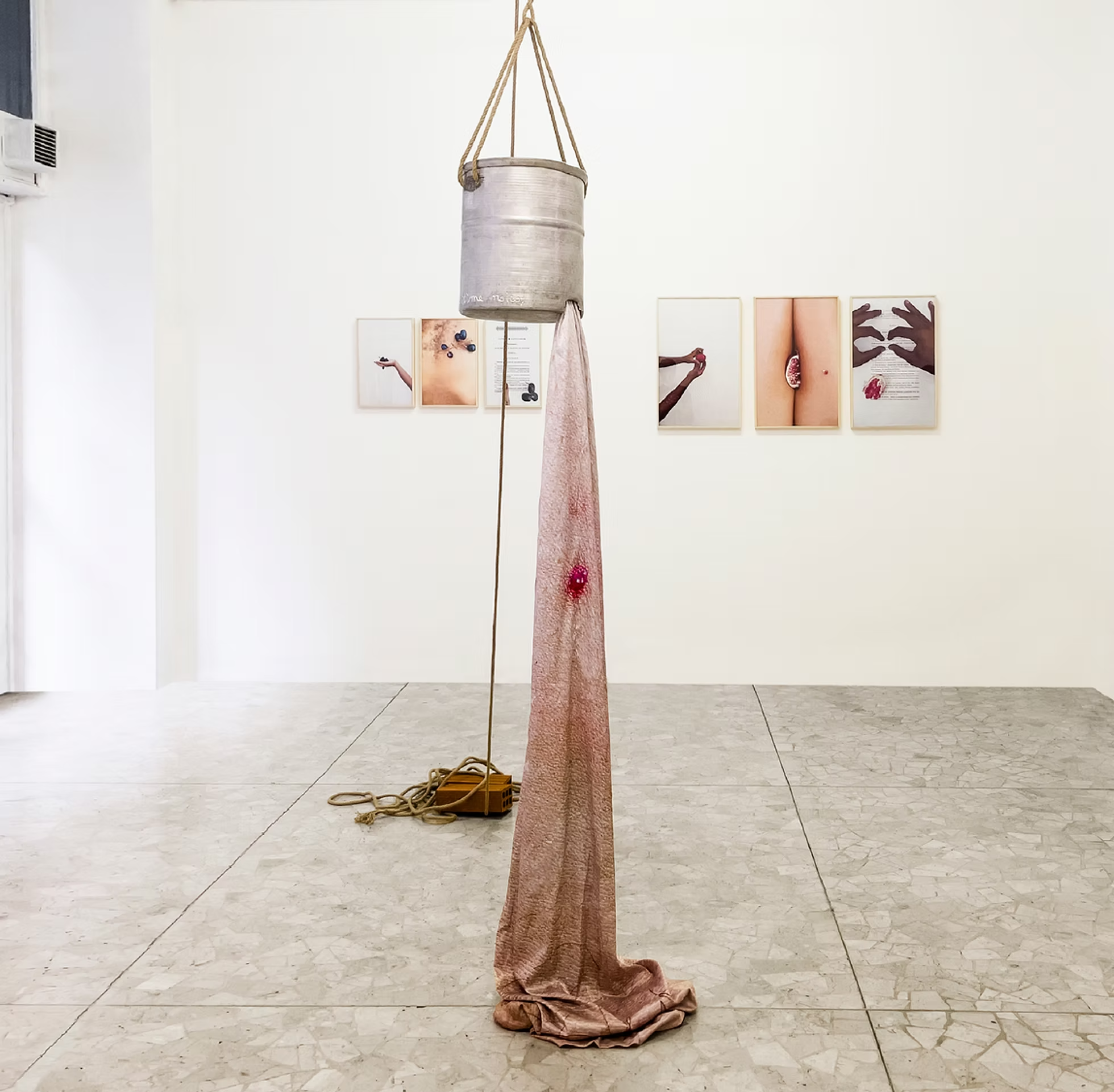
In ancient Greek and Roman texts, the Chimera is described as a creature assembled from several incompatible bodies — lion, goat and serpent joined within a single form. The series displaces this mythological hybridity into the intimate biology of the mother-daughter bond. During pregnancy, cells circulate between mother and fetus, and some may remain within both bodies for decades — a phenomenon called microchimerism. The mother continues to carry cells from her child, while the daughter may carry cells that originated in her mother. Two distinct bodies preserve living traces of one another long after birth.
Chimera begins from this biological entanglement, but does not treat science as proof of a metaphor. Instead, microchimerism opens a space in which mythology, bodily matter and personal experience can meet. The fabulous creature becomes a way of approaching a relationship in which separation is never absolute: the daughter emerges from the mother without becoming entirely independent of what has passed between them.
Rooted in Kosmatopoulos's relationship with her own mother, the series asks how one woman inhabits another. The biological exchange described by microchimerism concerns mother and child. Alongside it, another form of transmission moves across the maternal line through language, gestures, expectations, memories and ways of occupying the body. In this second sense, the mother carries the women who preceded her, just as the daughter receives fragments of the mother's history. The work brings these biological and cultural forms of inheritance together without treating them as the same phenomenon. Female identity appears not as singular or self-contained, but as an accumulation of presences that coexist, overlap and sometimes contradict one another.
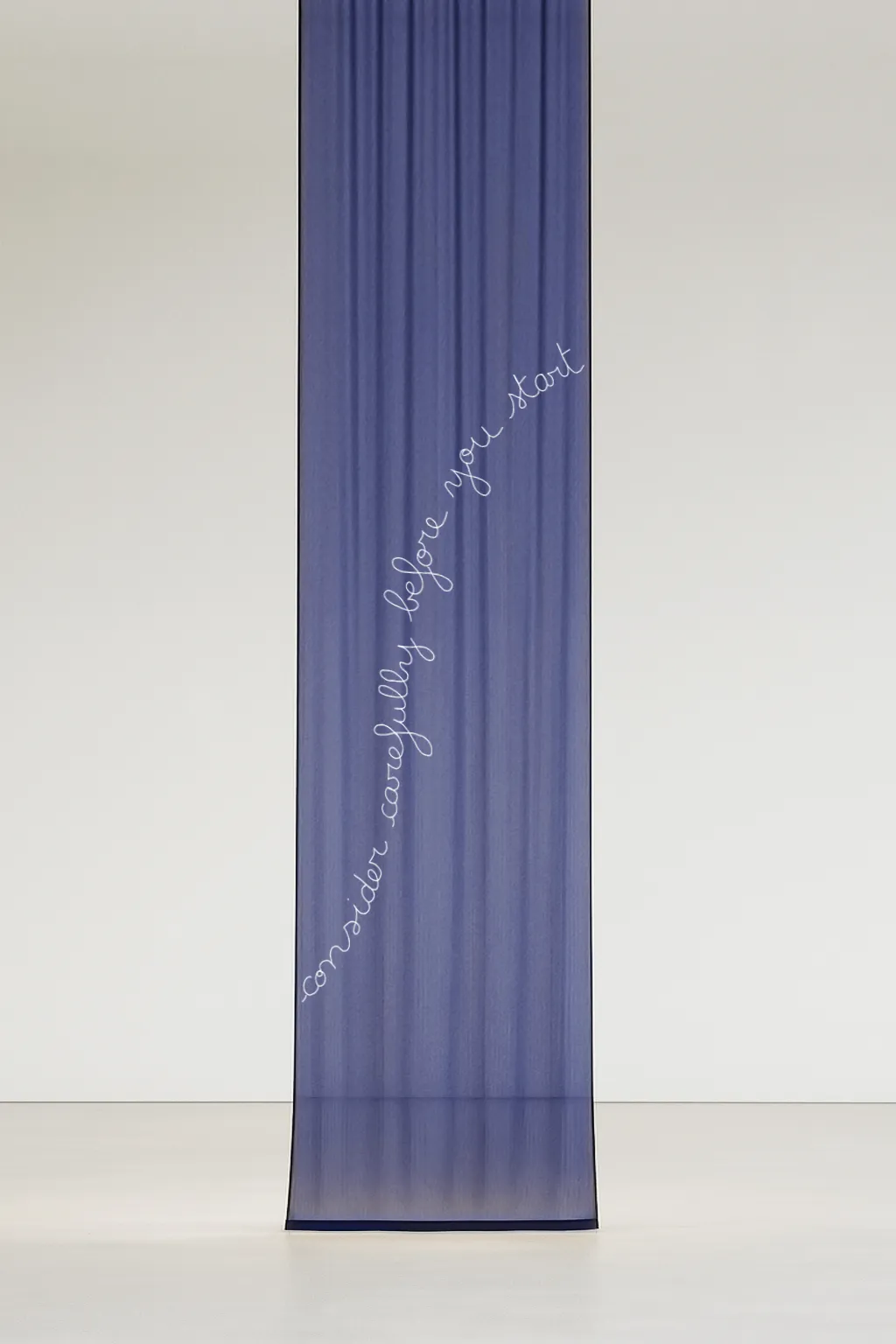
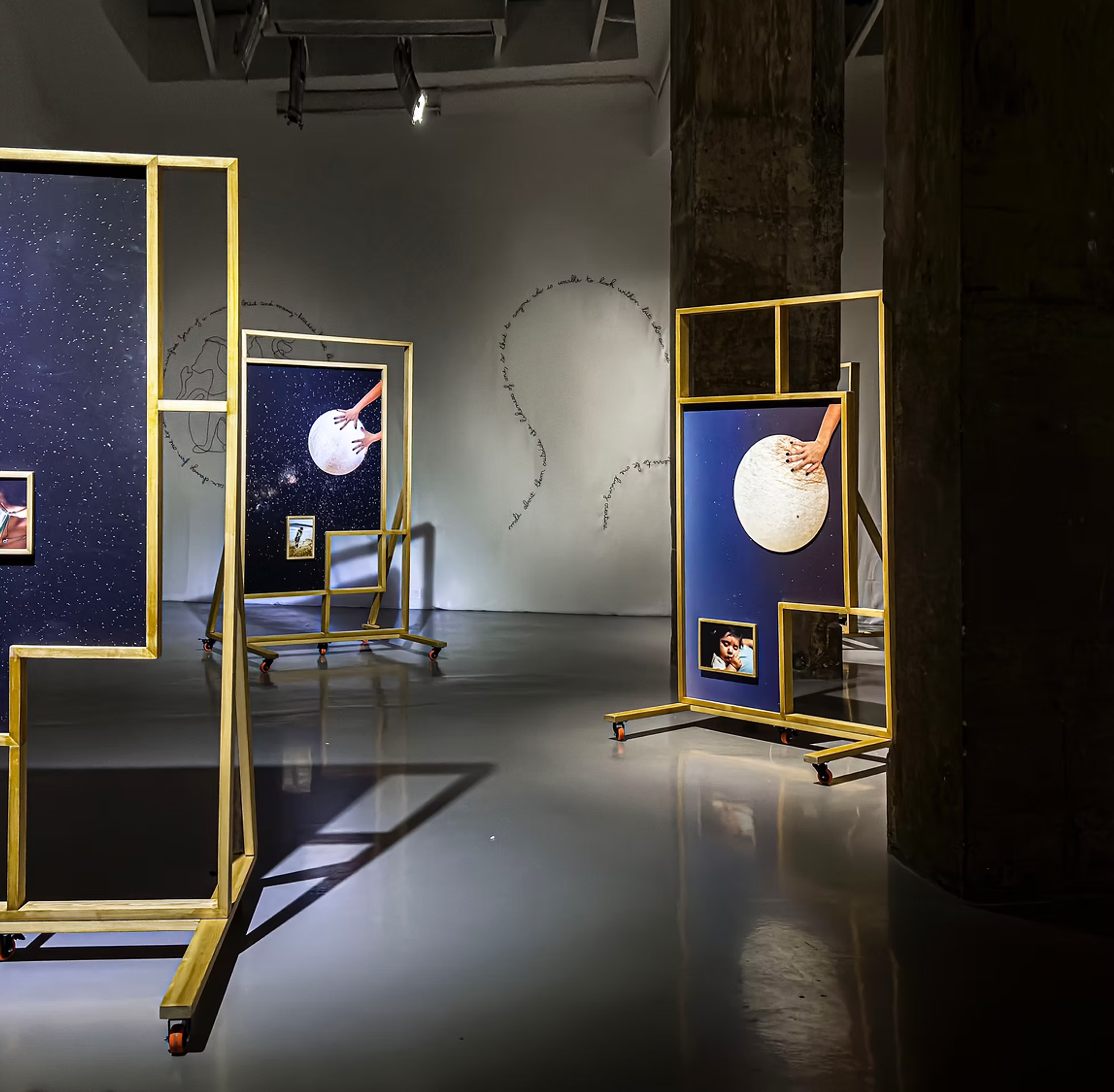
The works appropriate fragments from Homer, Hesiod, Plato, Pliny the Elder and other ancient authors who described the Chimera and related hybrid creatures. Removed from their original narratives, these quotations are recomposed into a new account of the birth and life of the mother-daughter bond. Classical language does not explain the relationship from outside; it becomes one of the materials through which the artist constructs another mythology. Embroidered by hand on linen and presented within wooden structures inspired by ancient Greek metopes, the panels bring text and image into the same narrative field. Their frontal composition, rhythmic sequence and architectural framing are reappropriated to tell a contemporary and intimate story rather than to reconstruct an antique form.
The multiplicity a daughter carries is not monstrous. It is the ordinary condition of a body shaped by other bodies.
Before becoming mothers — and even without ever becoming one — women are already chimeras.