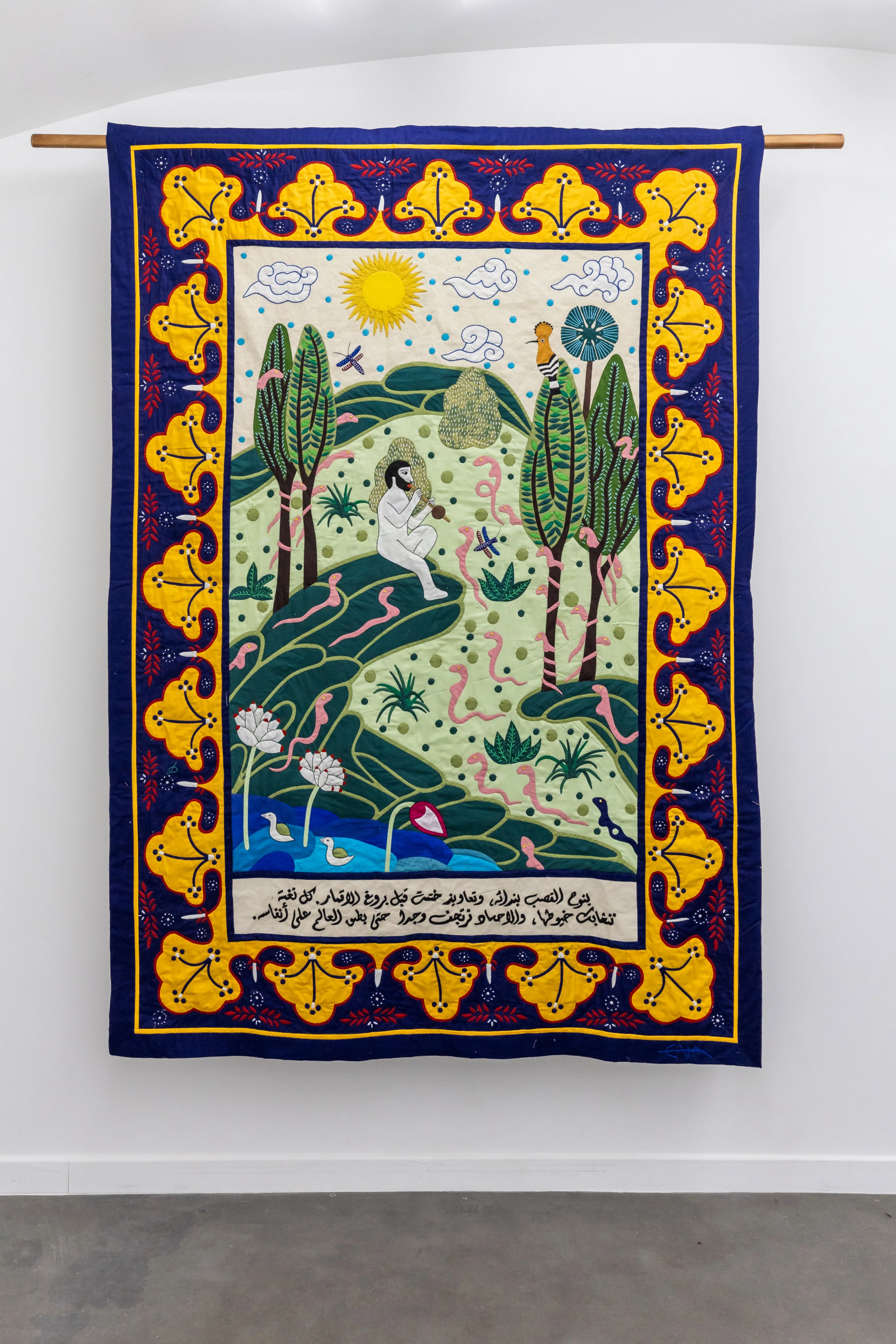
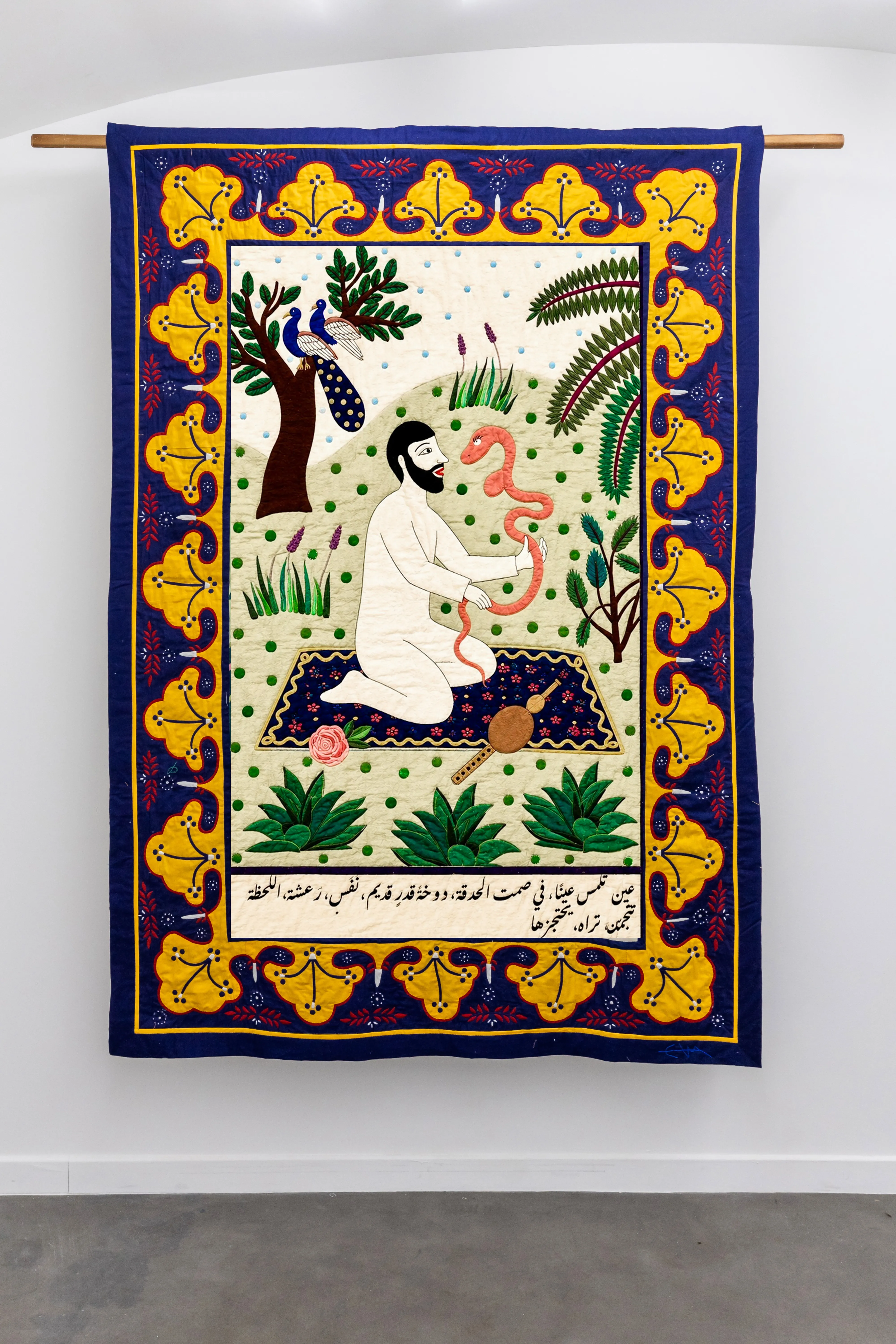
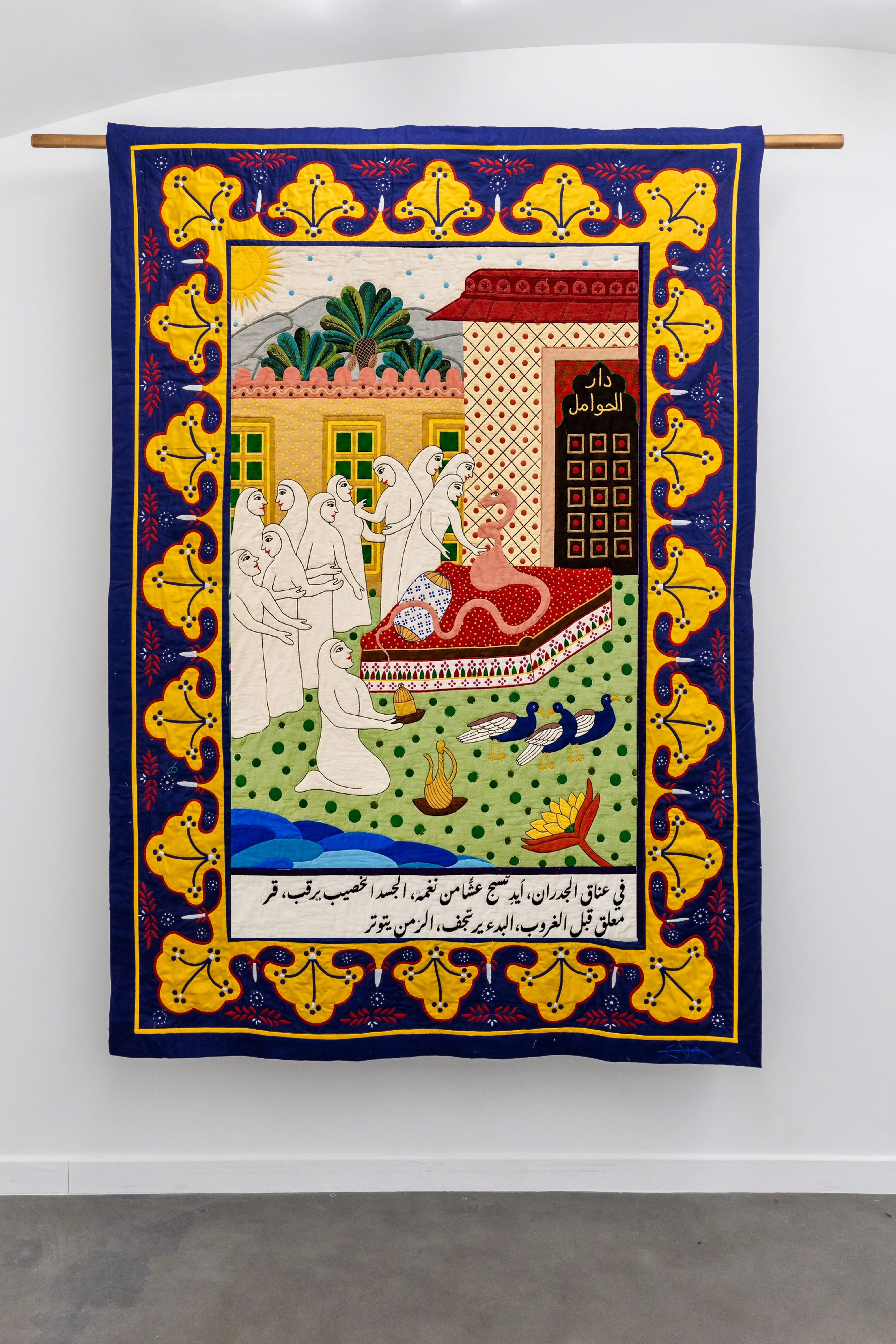
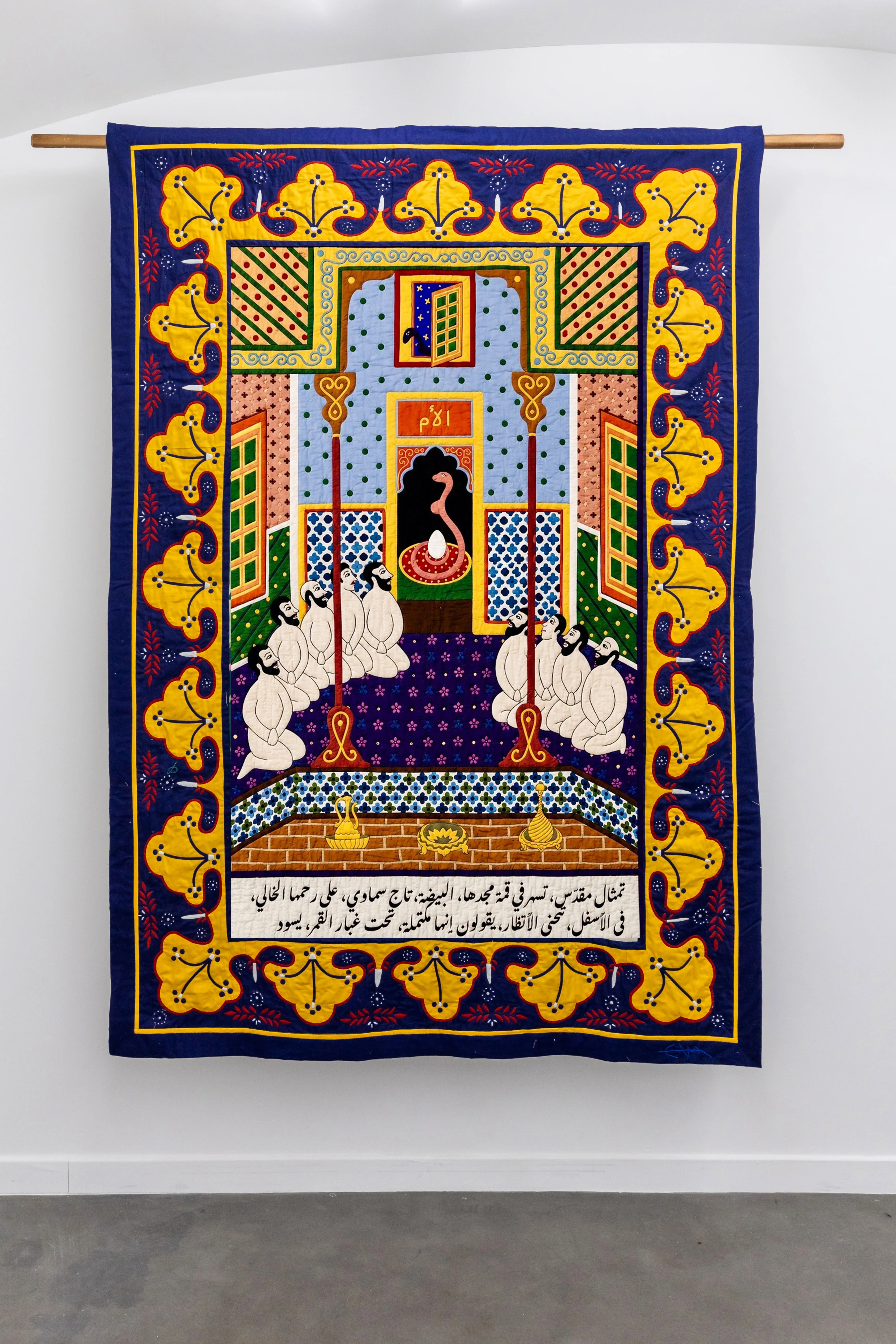
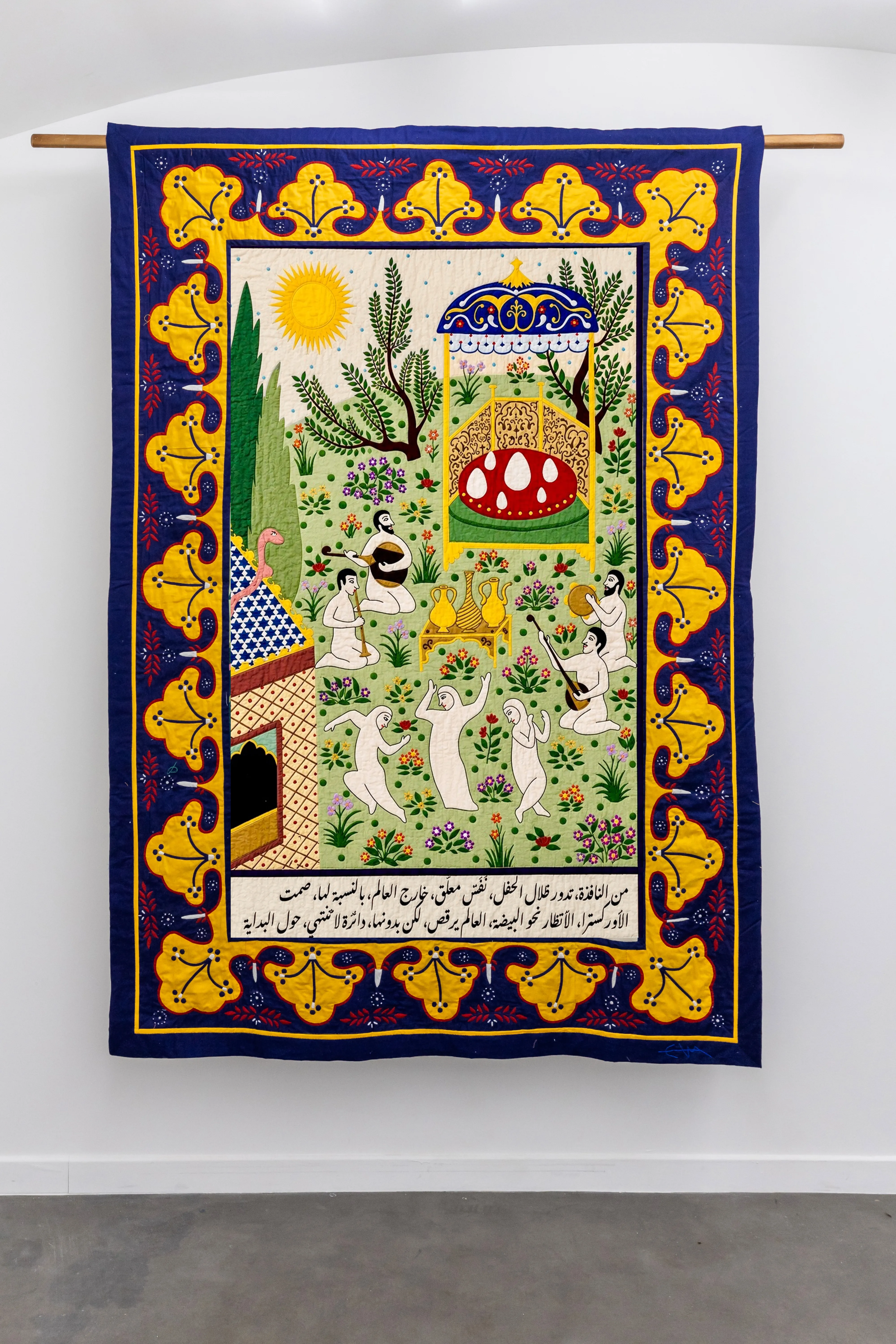
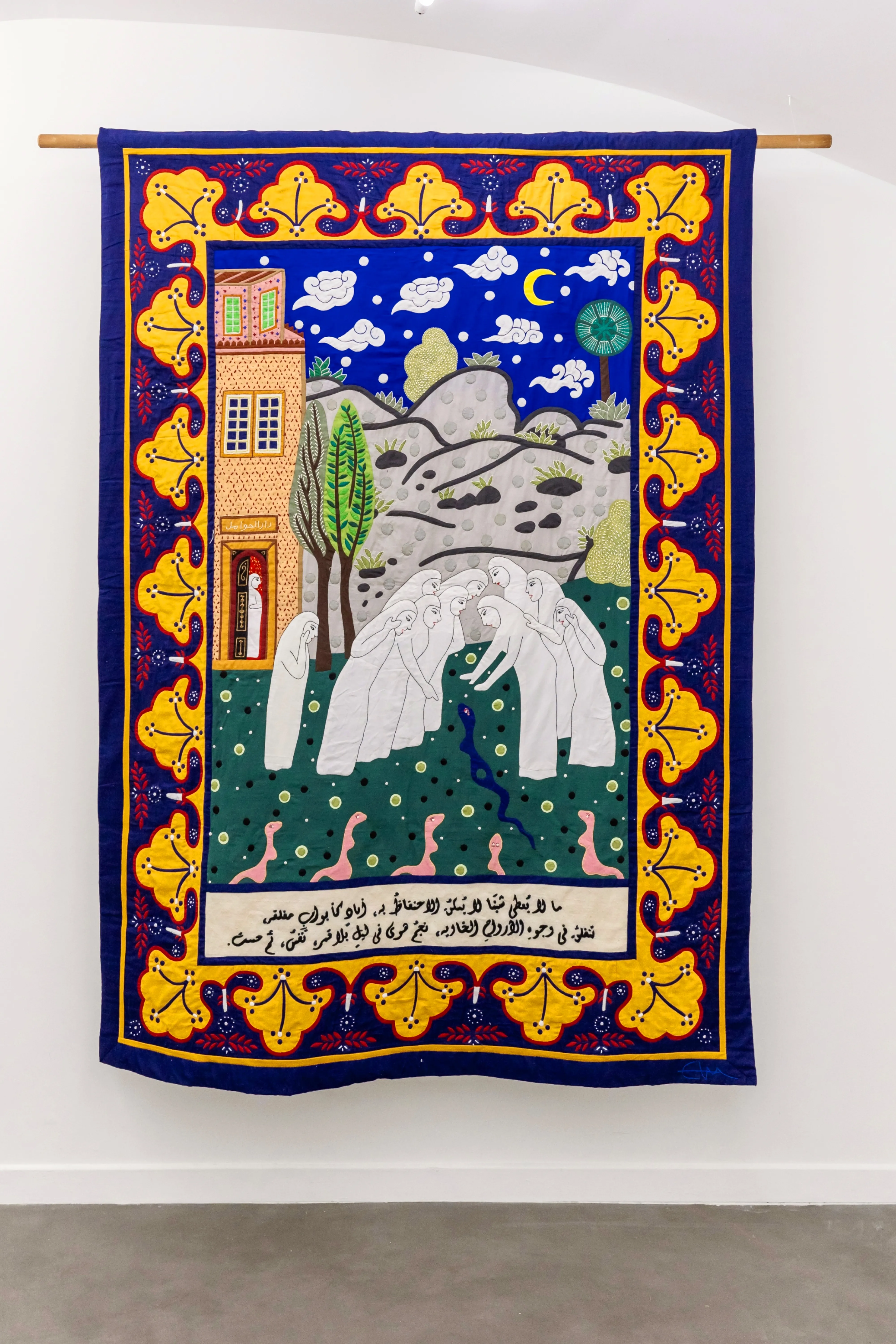
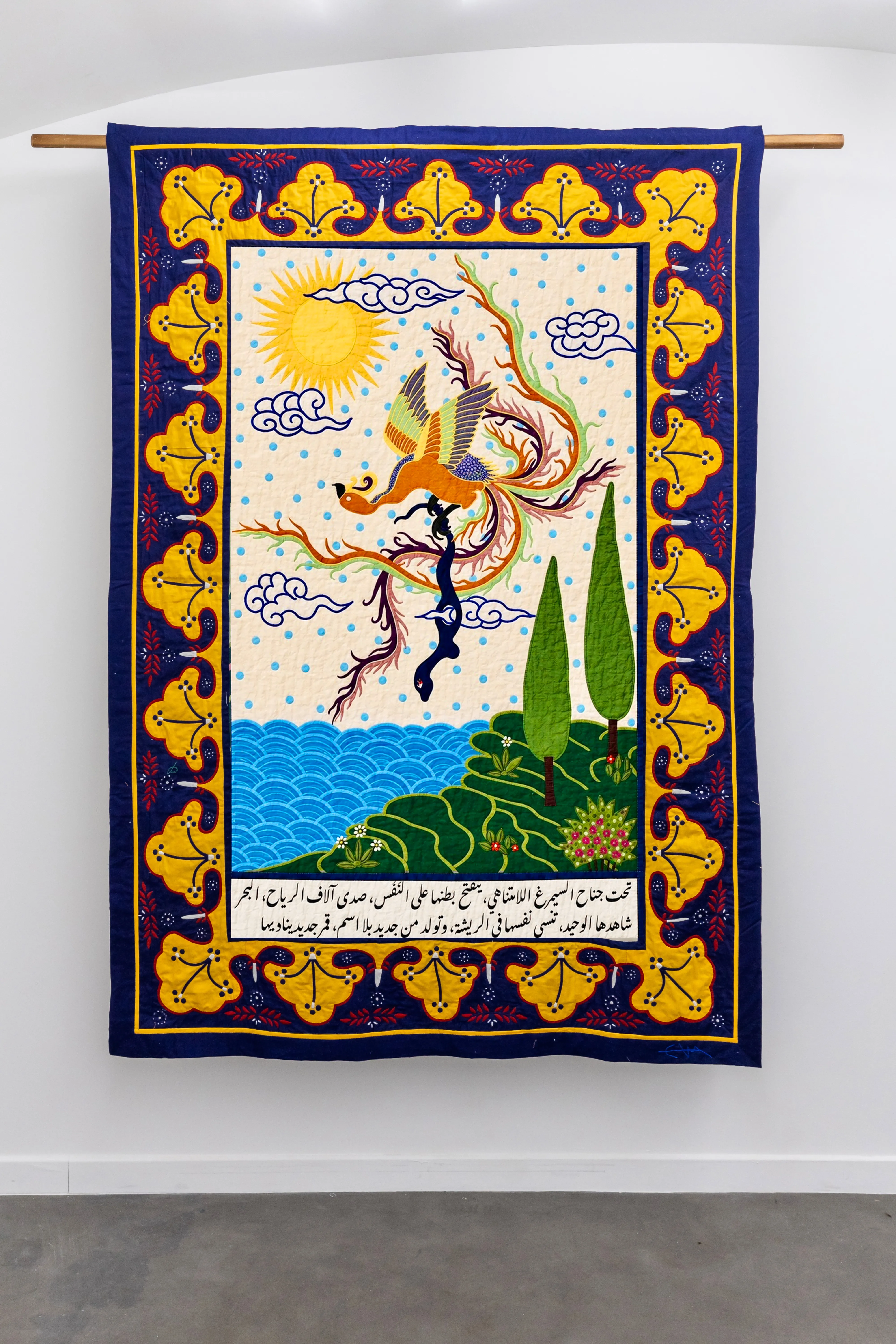
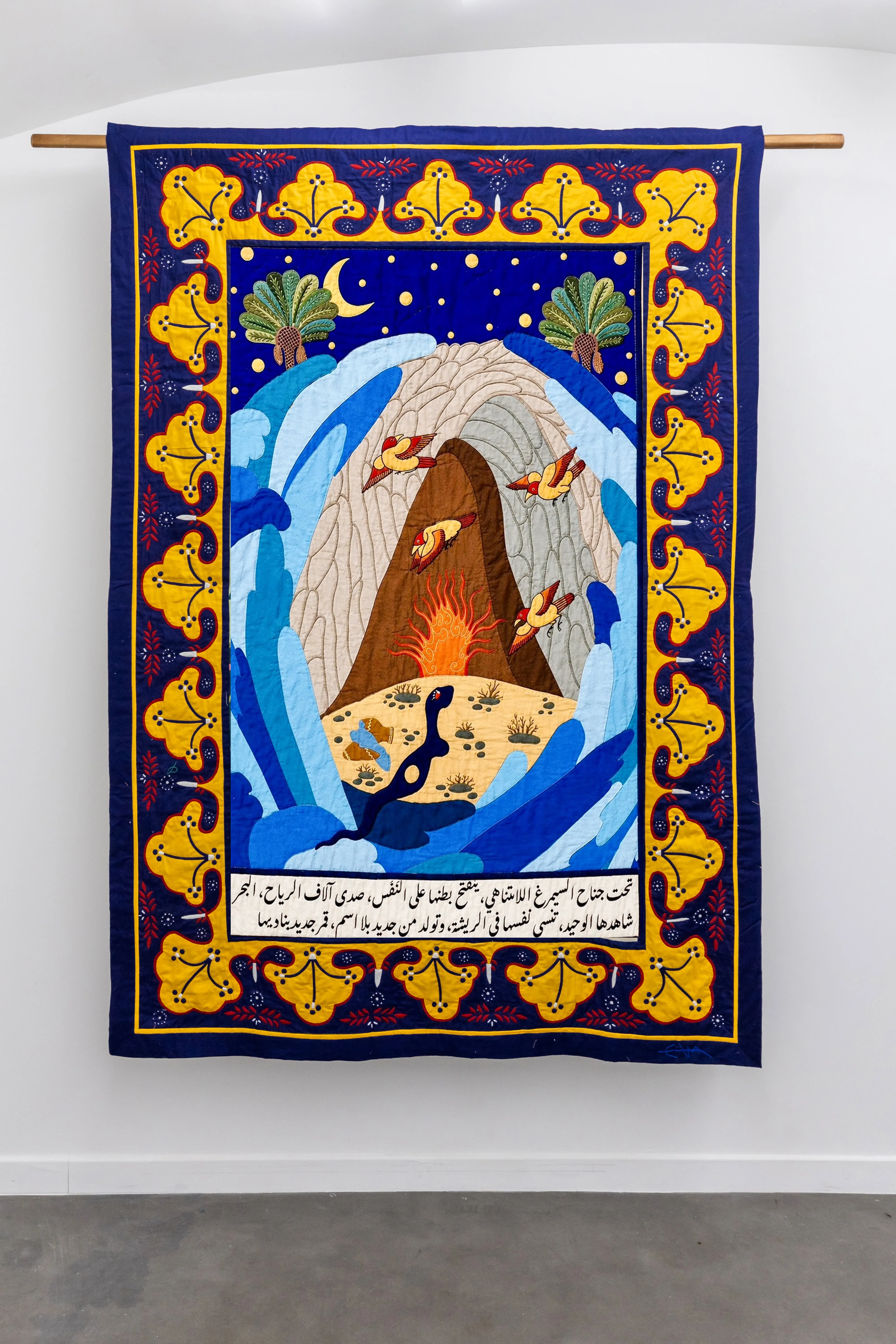
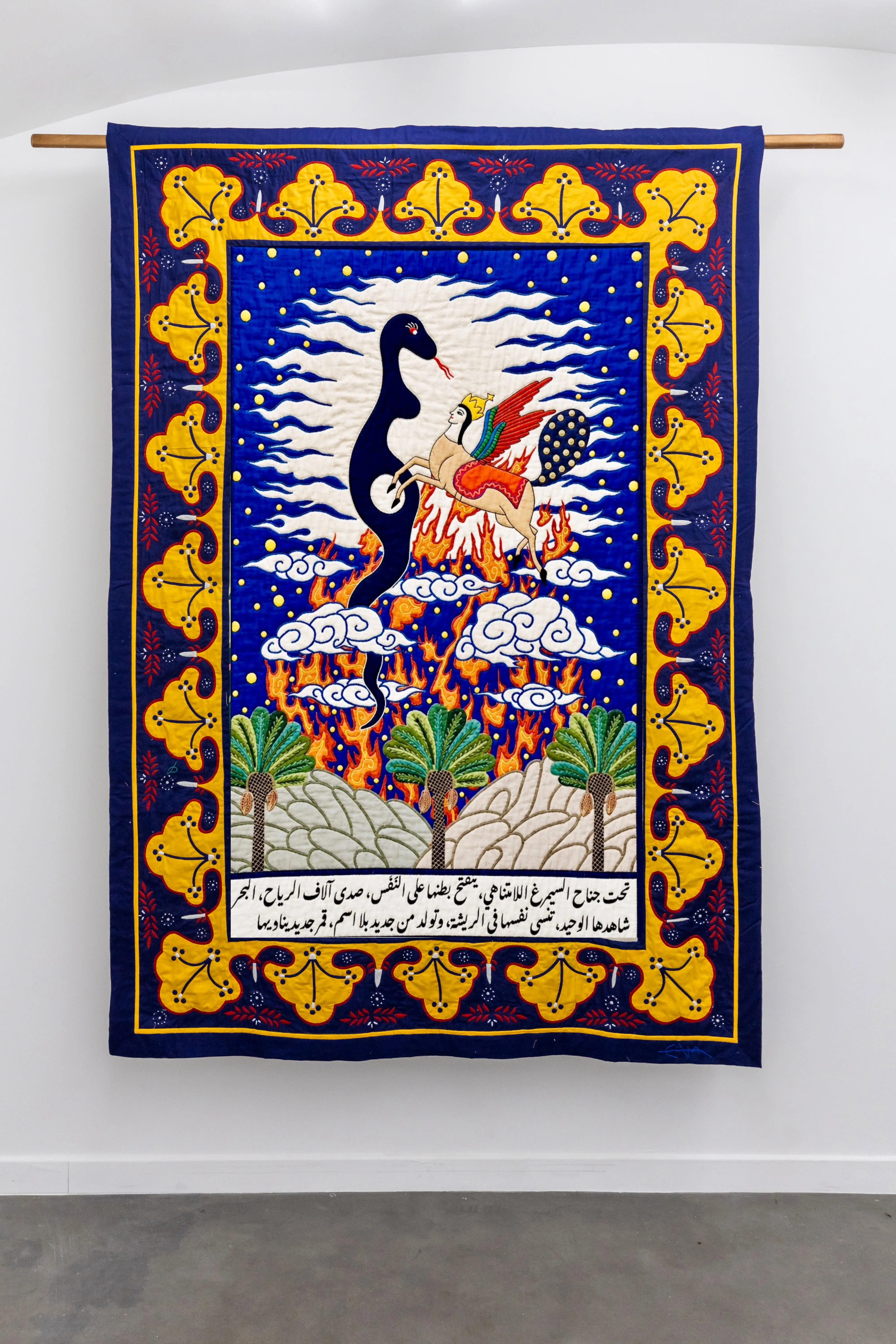
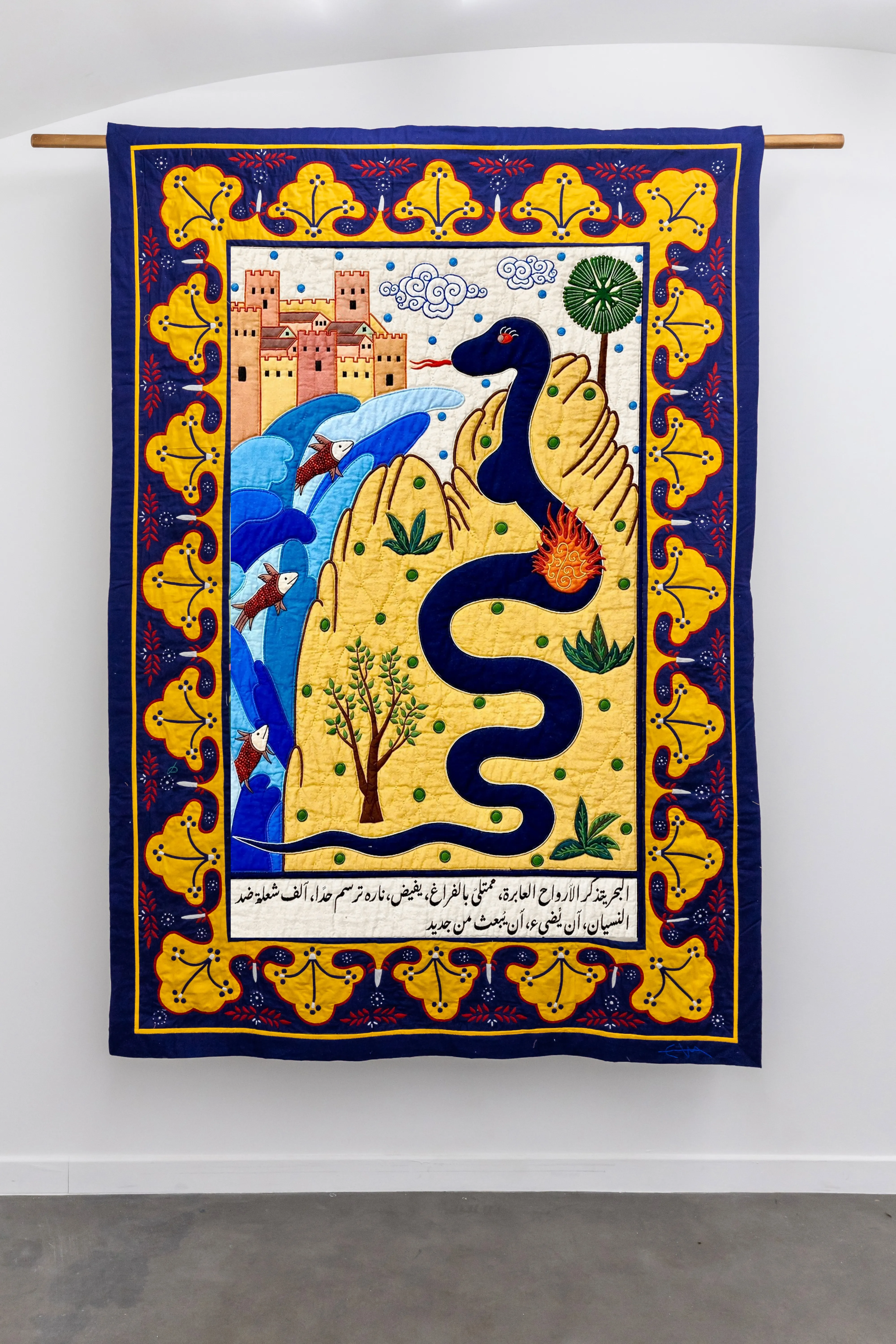
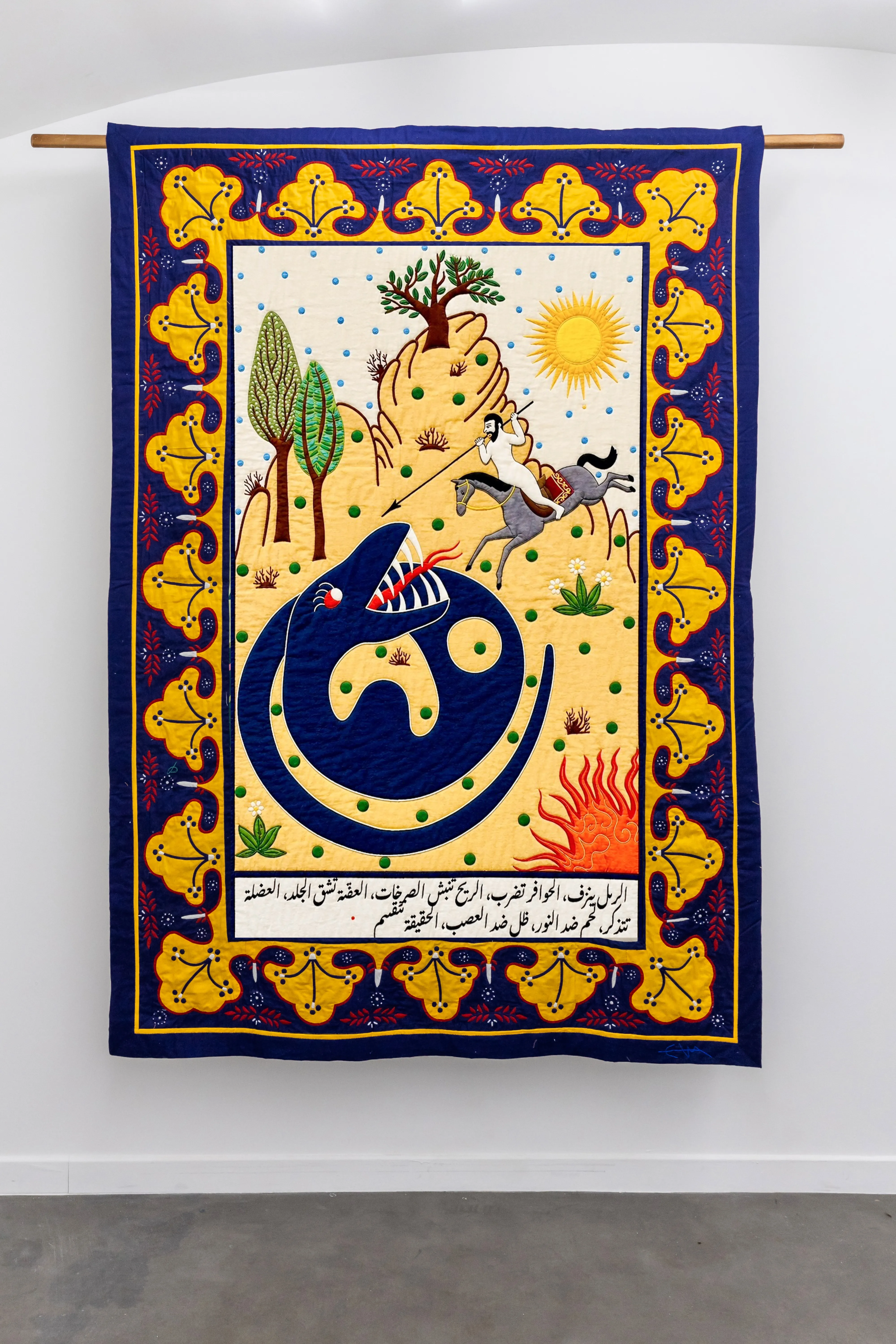
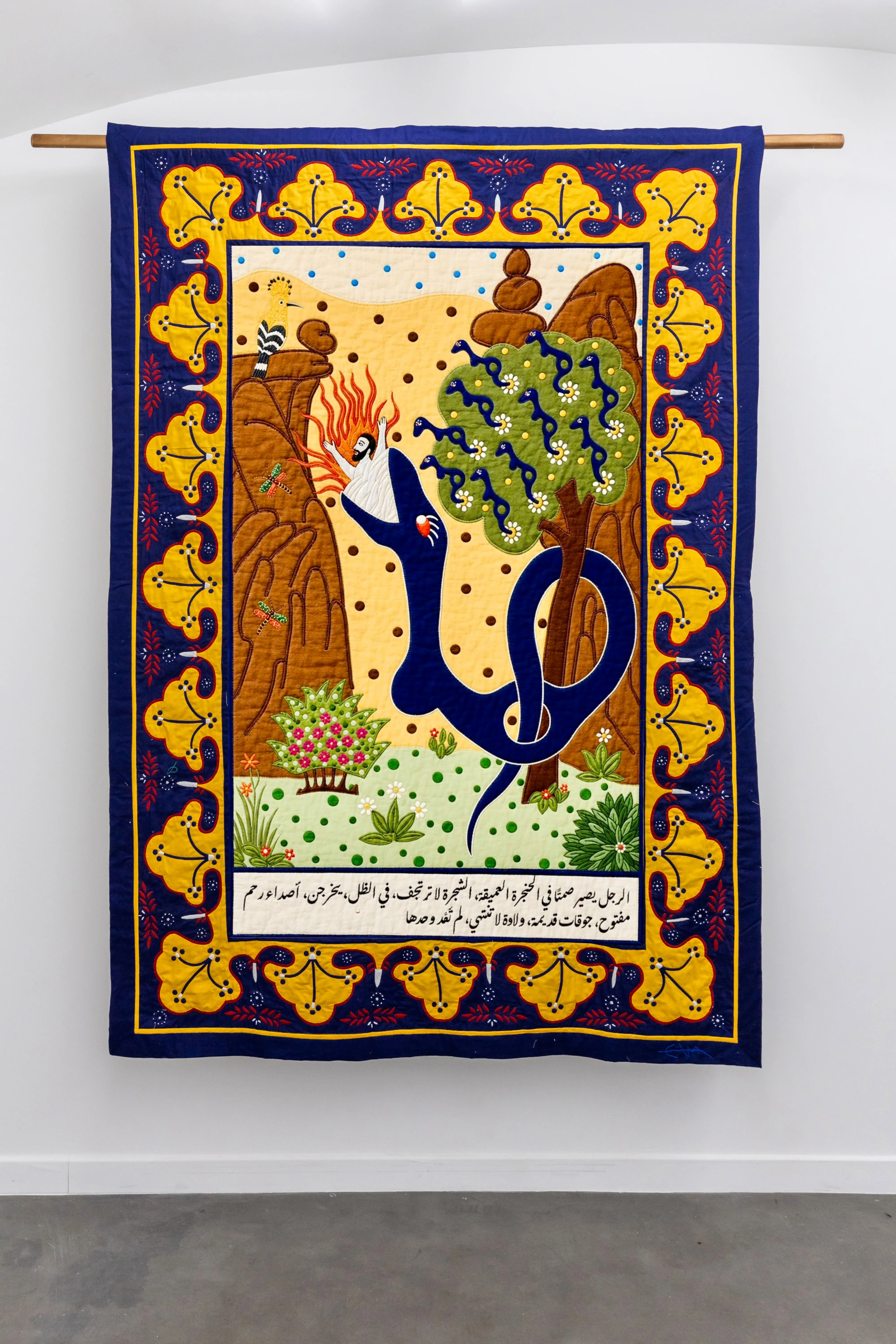
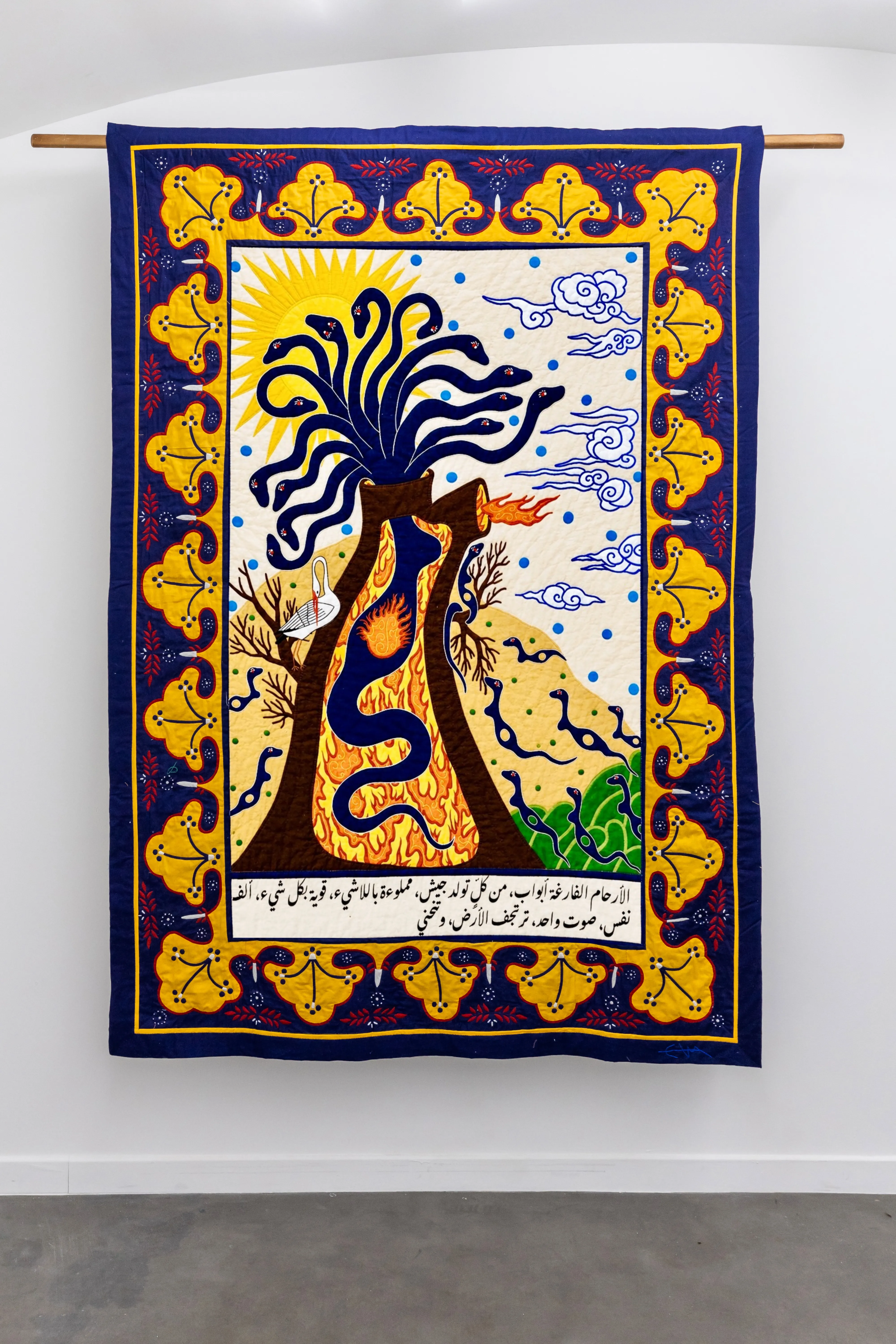
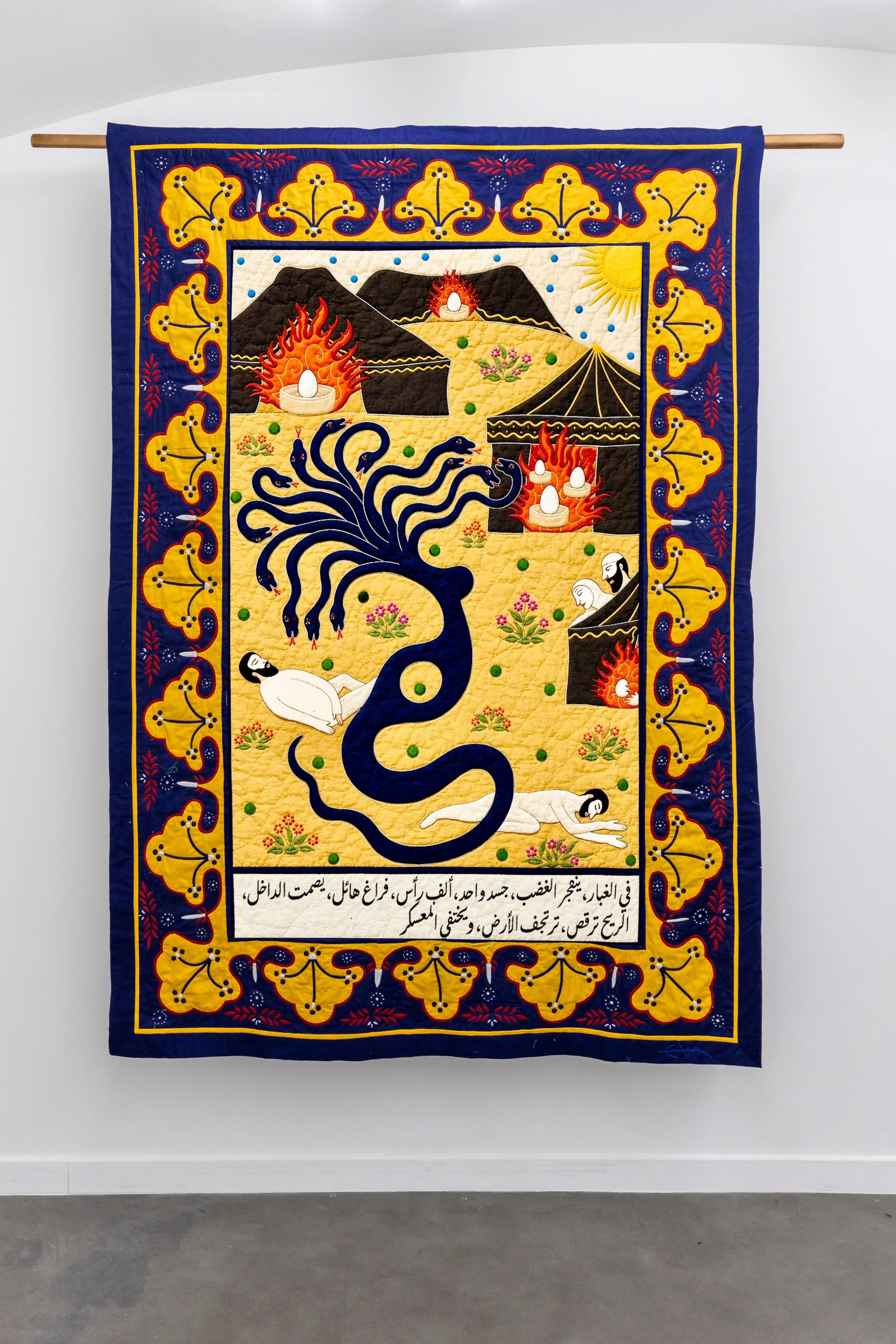
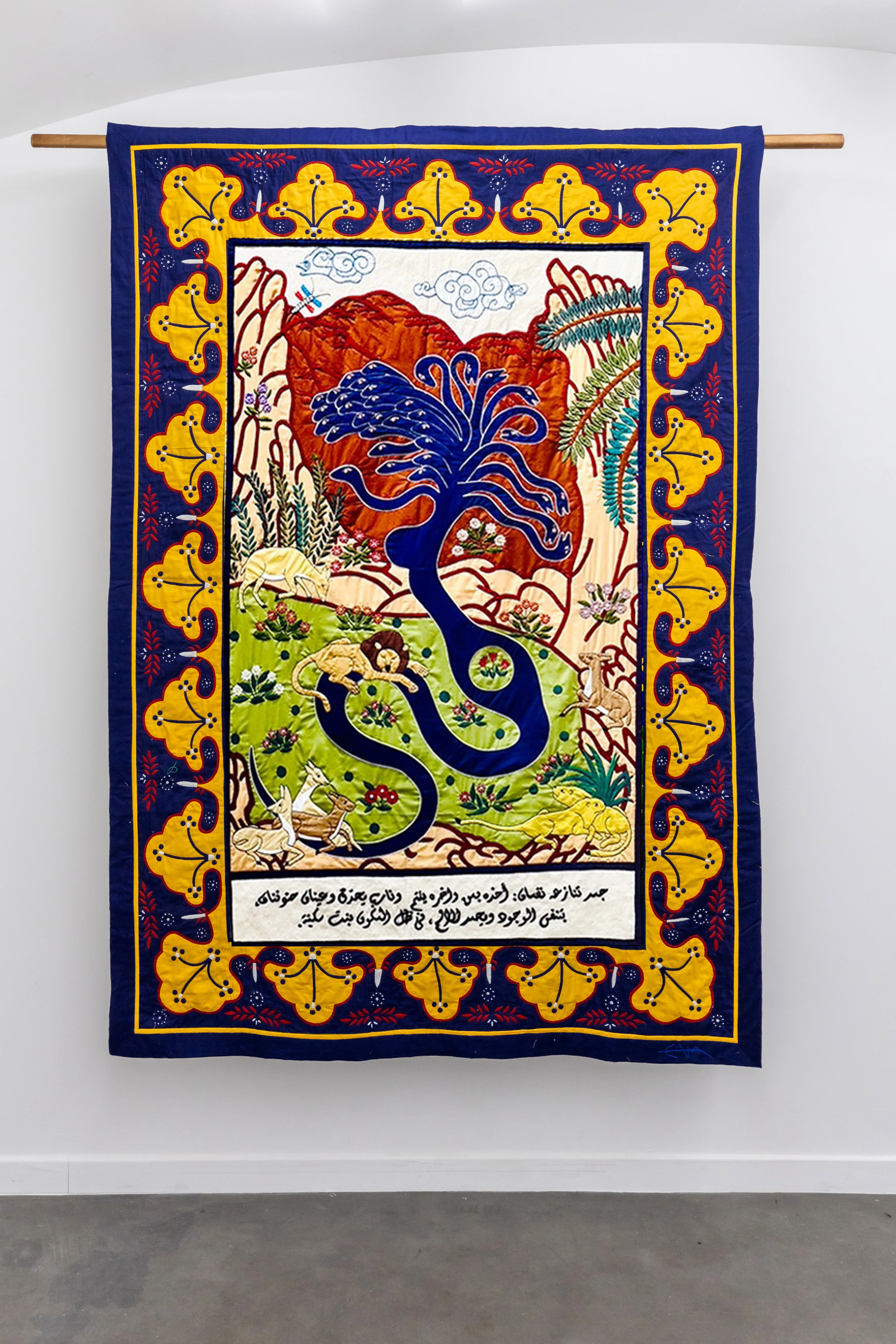
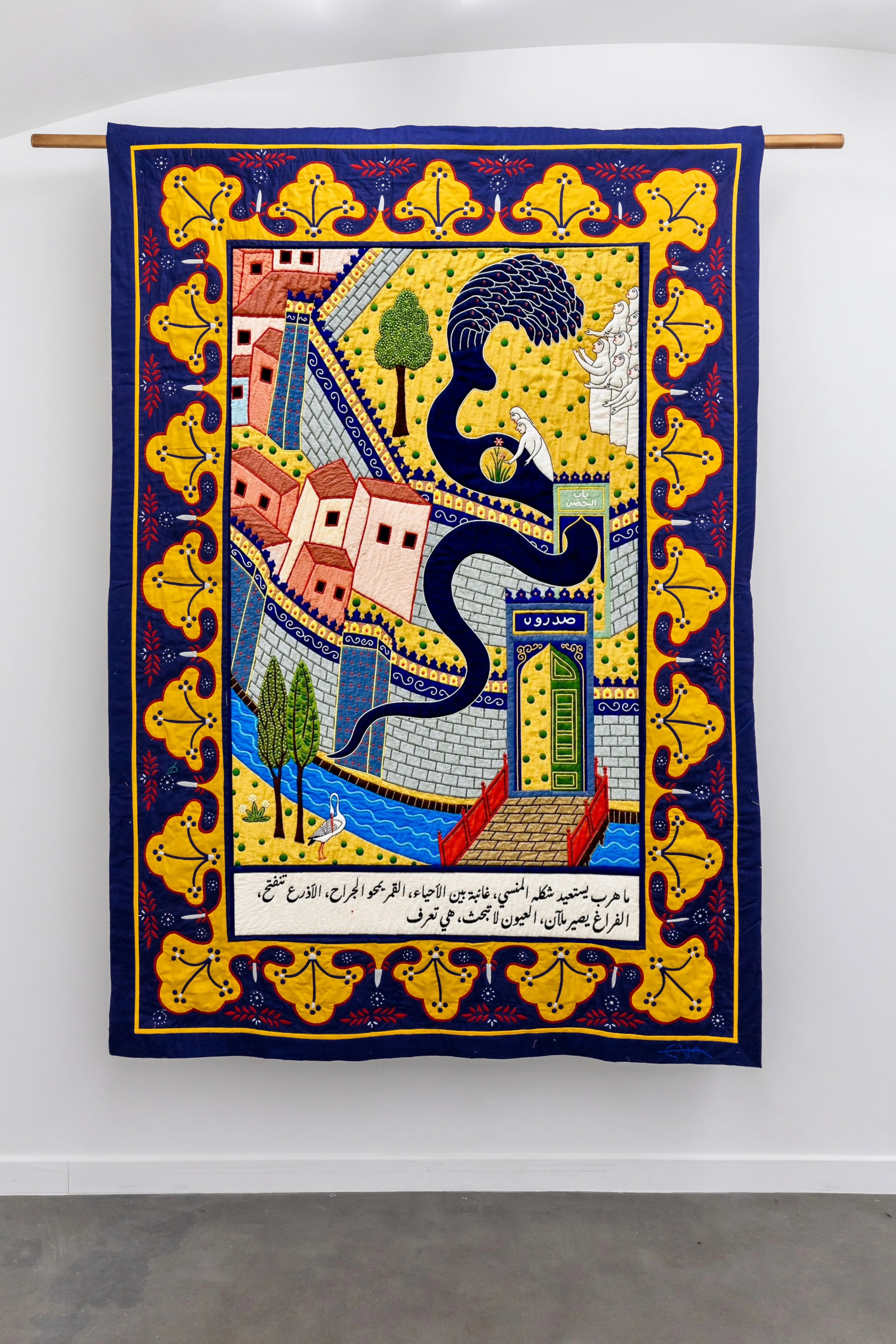
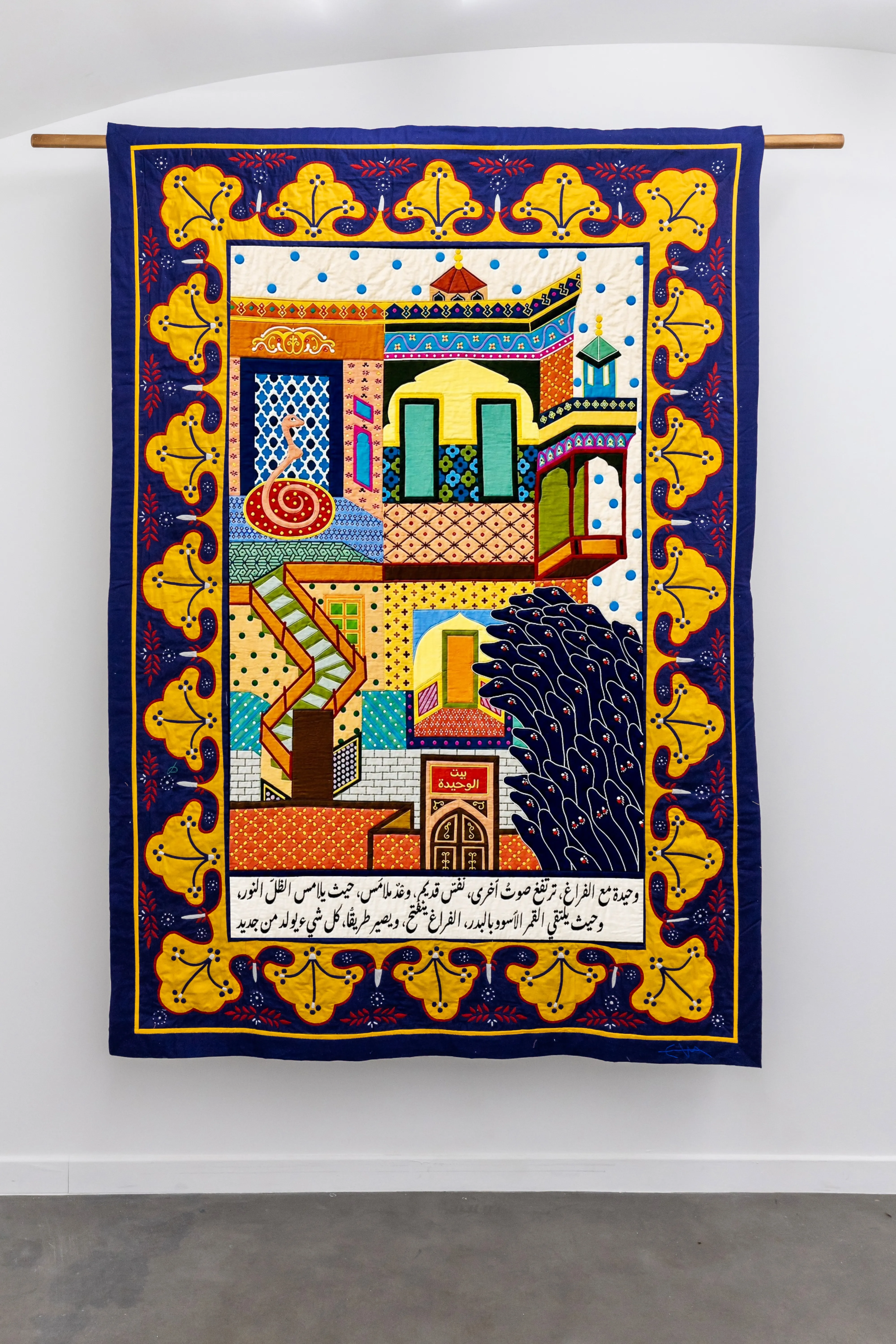
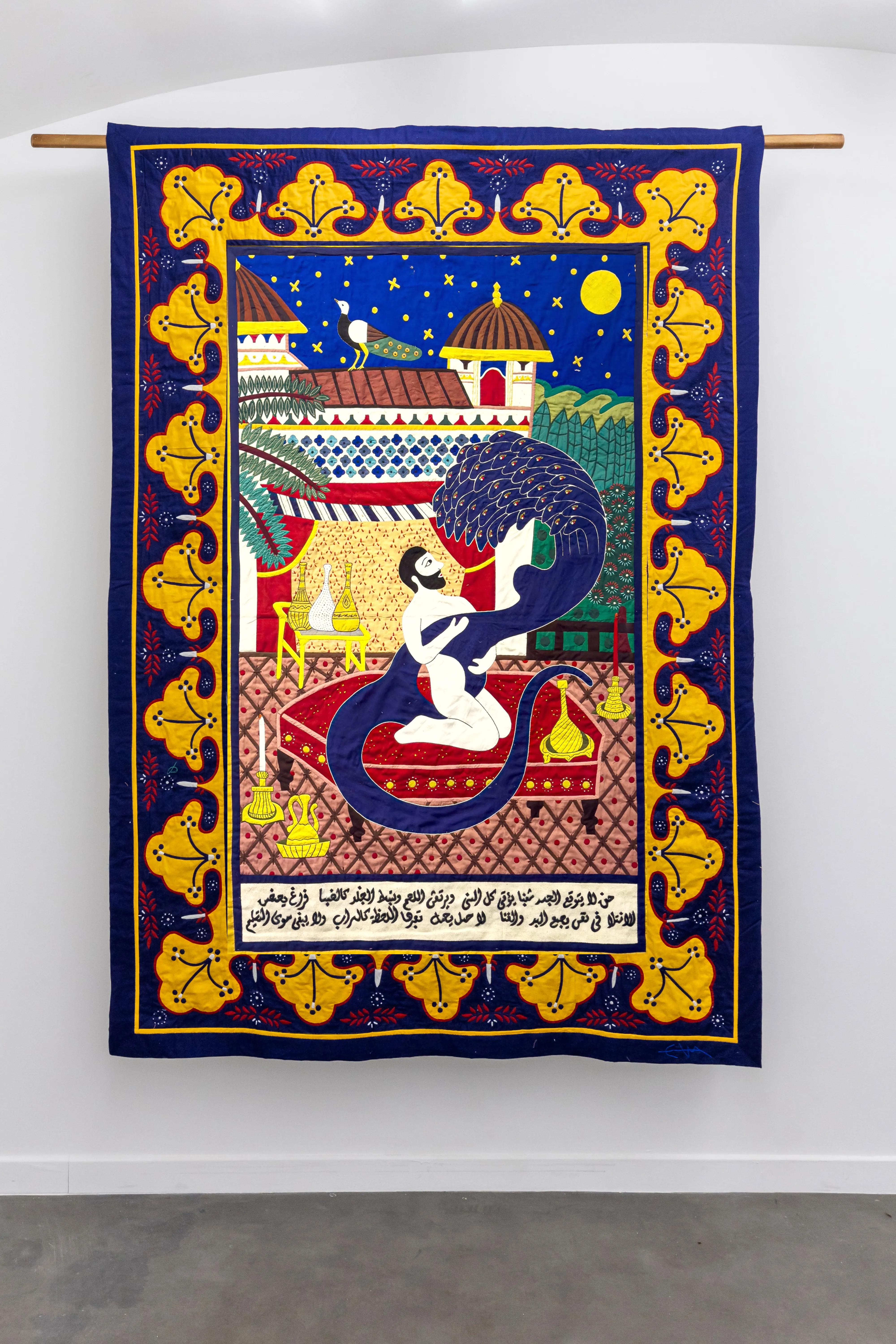
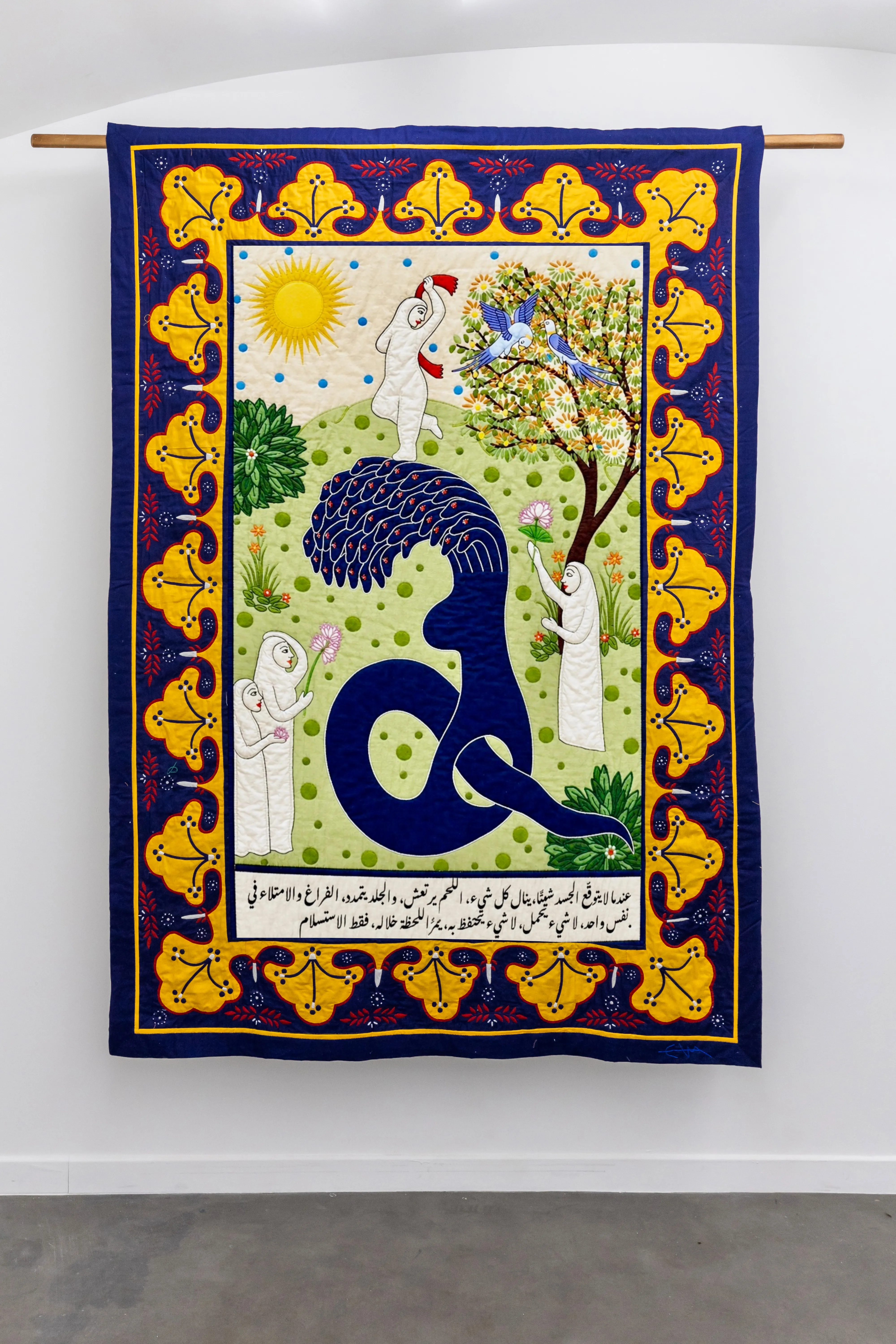
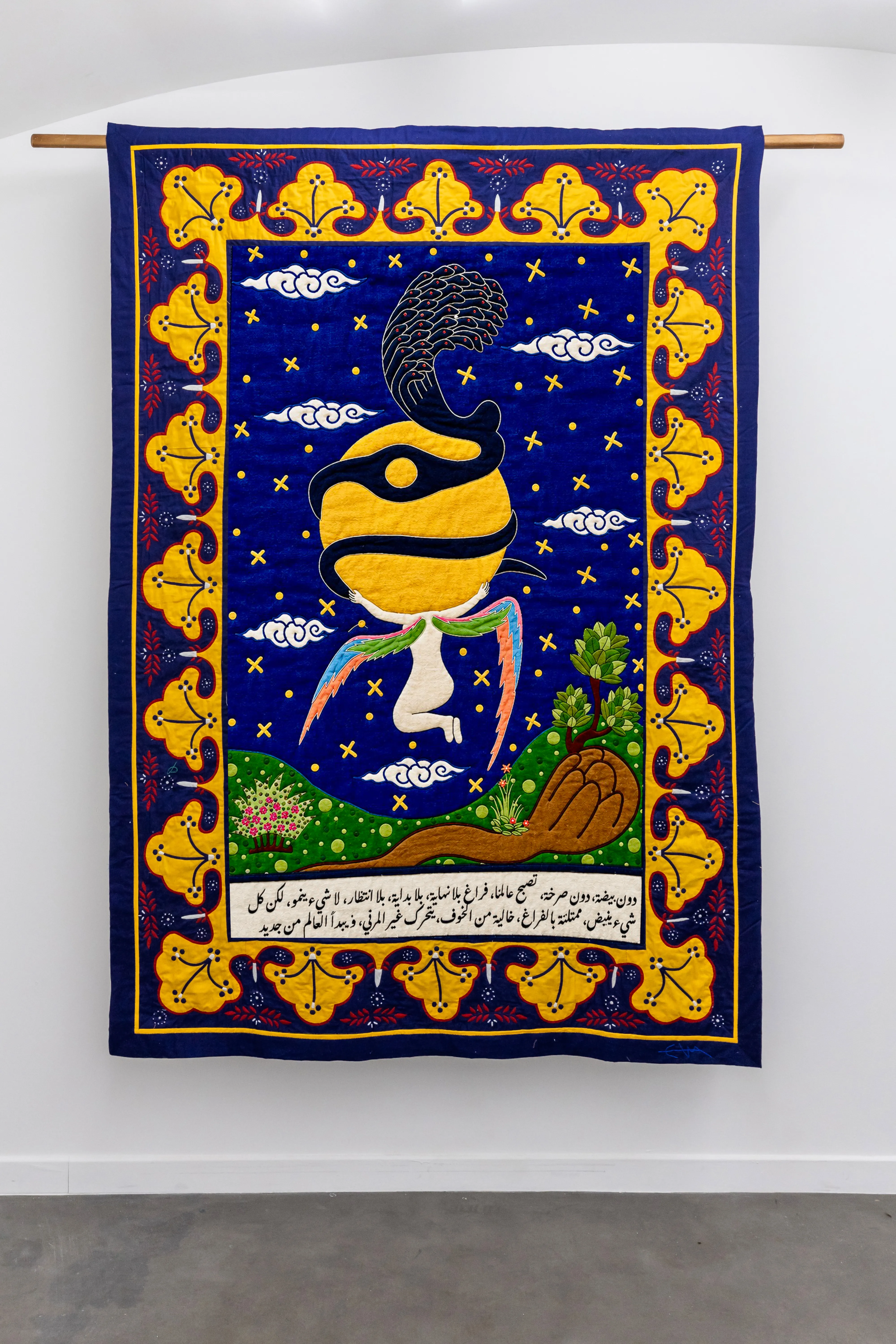
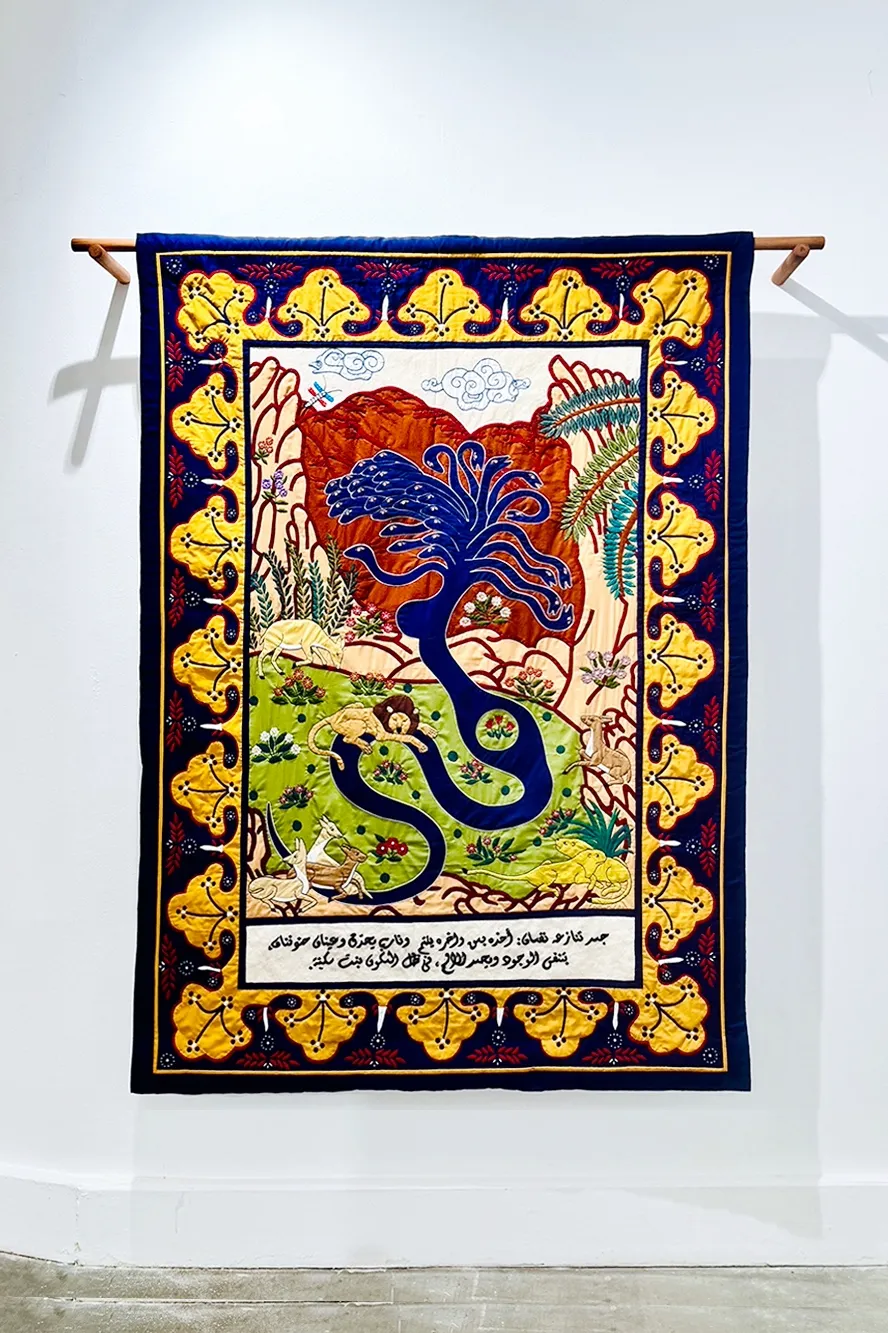
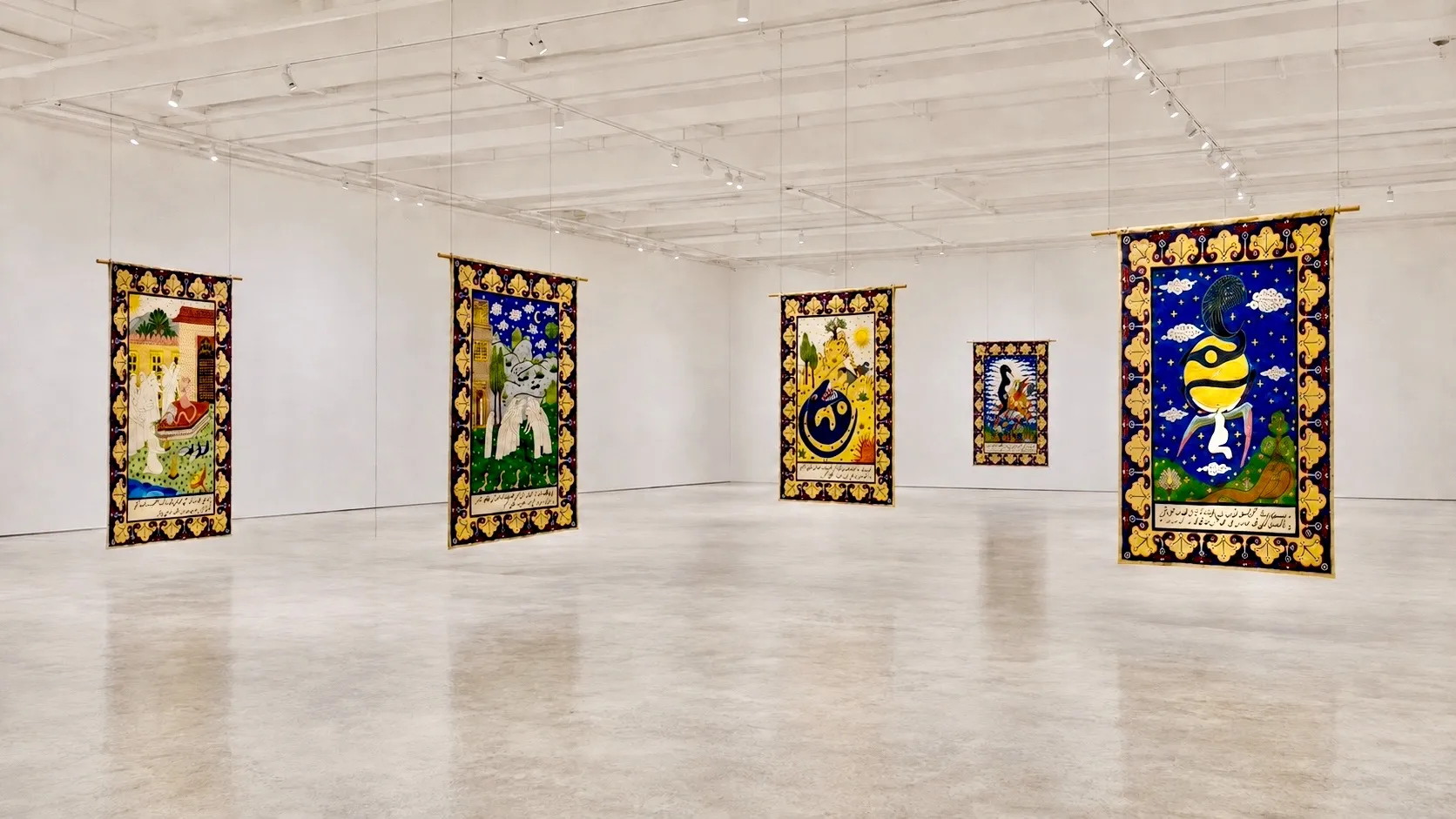
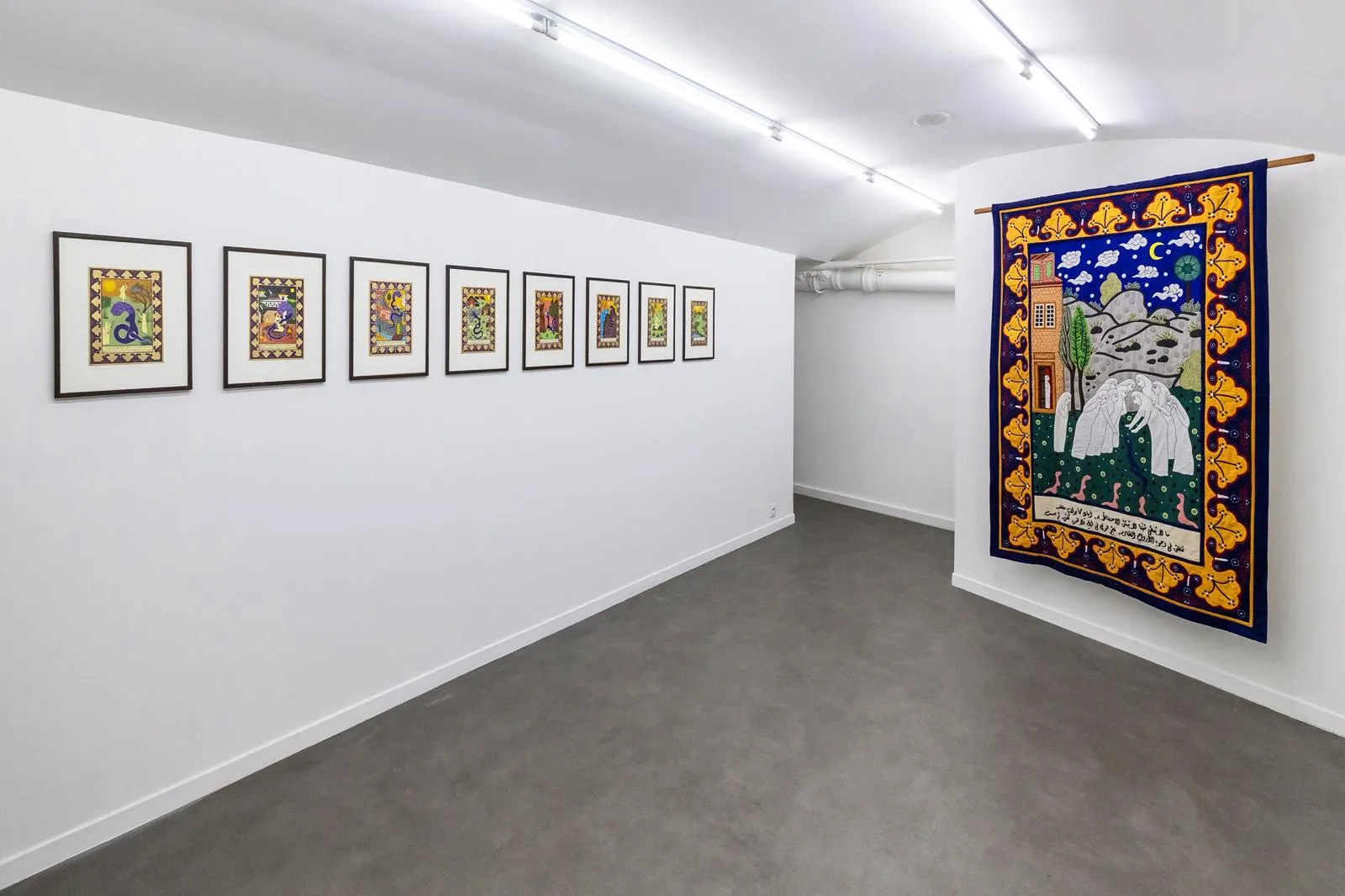
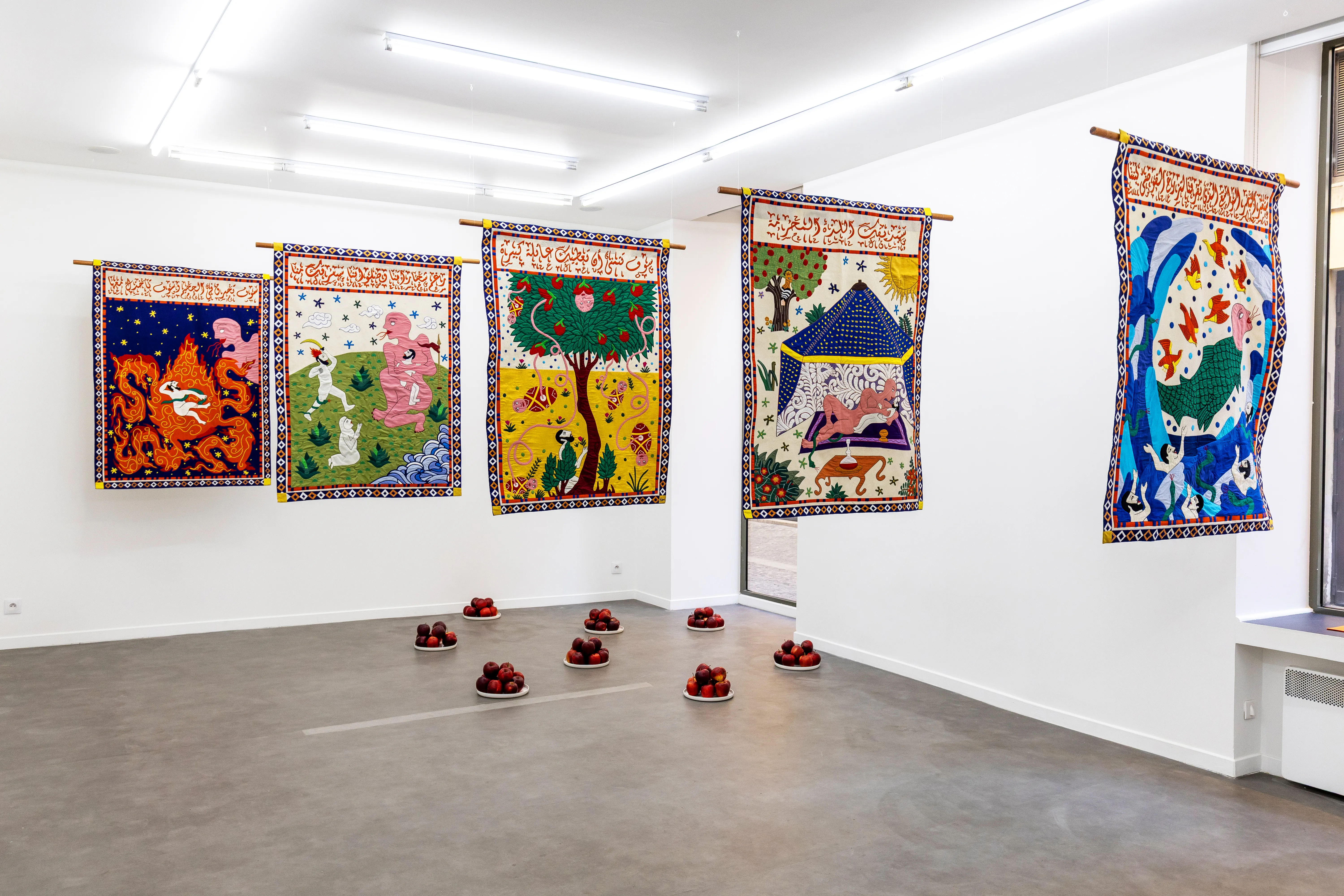
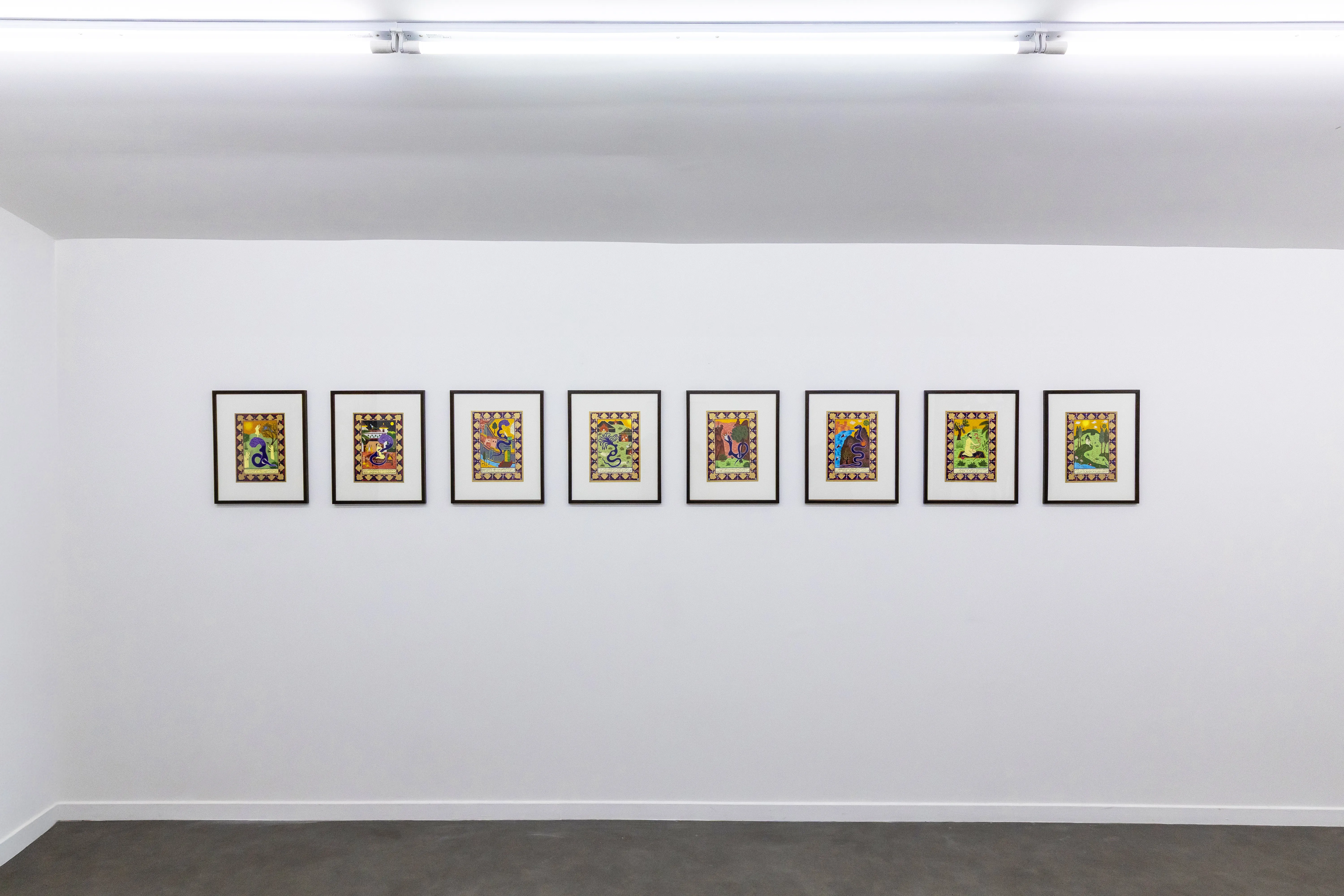
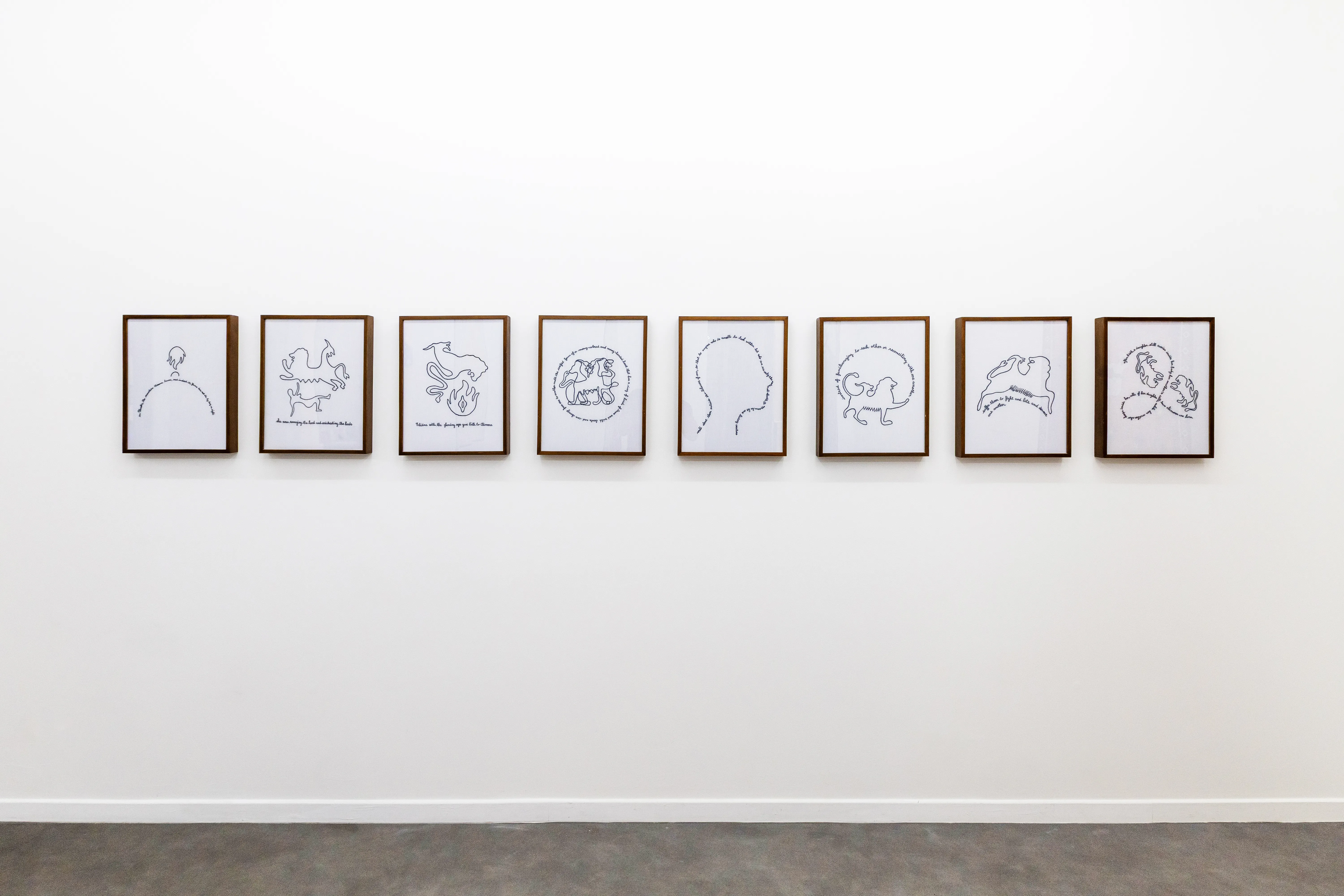
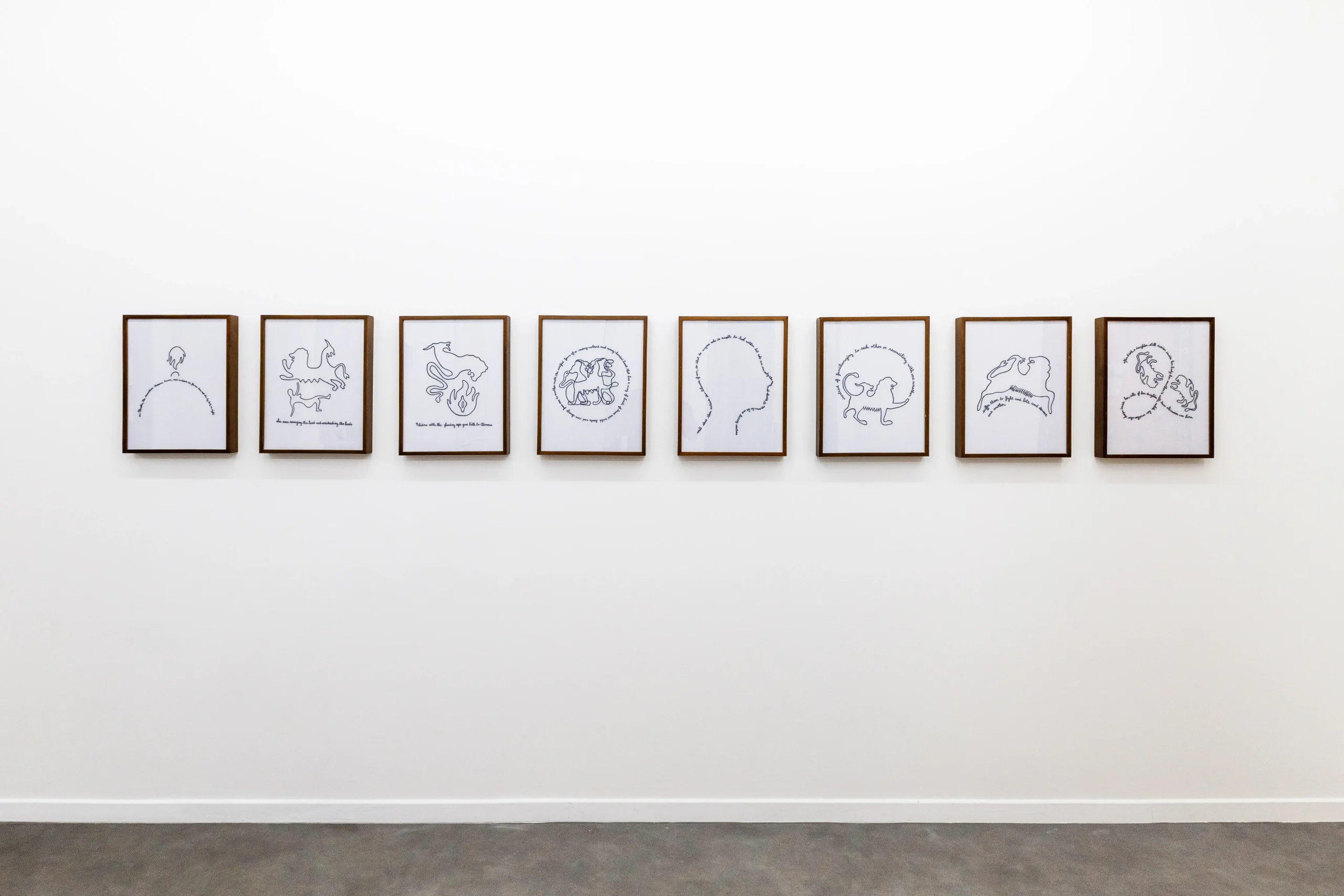
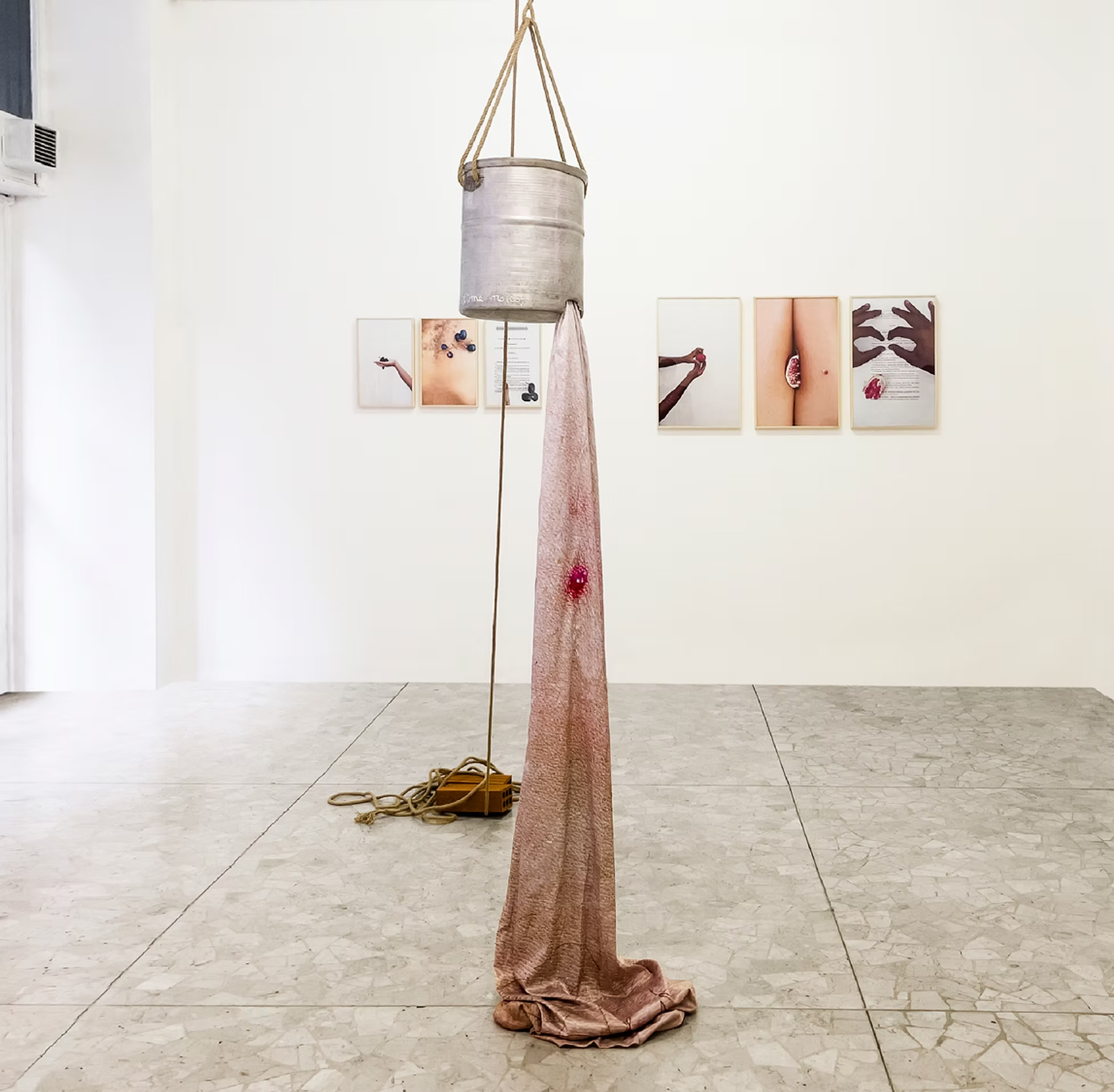
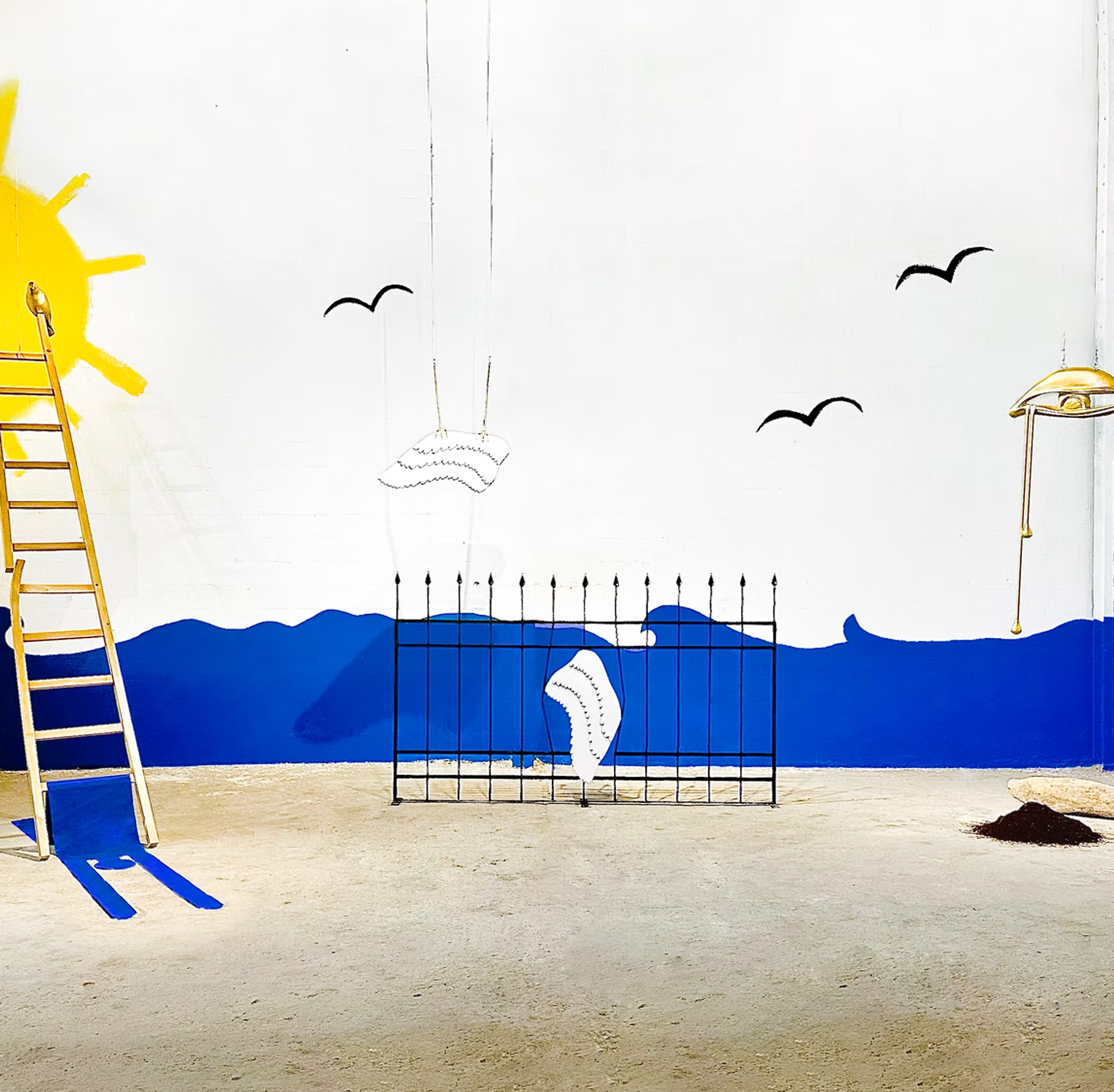
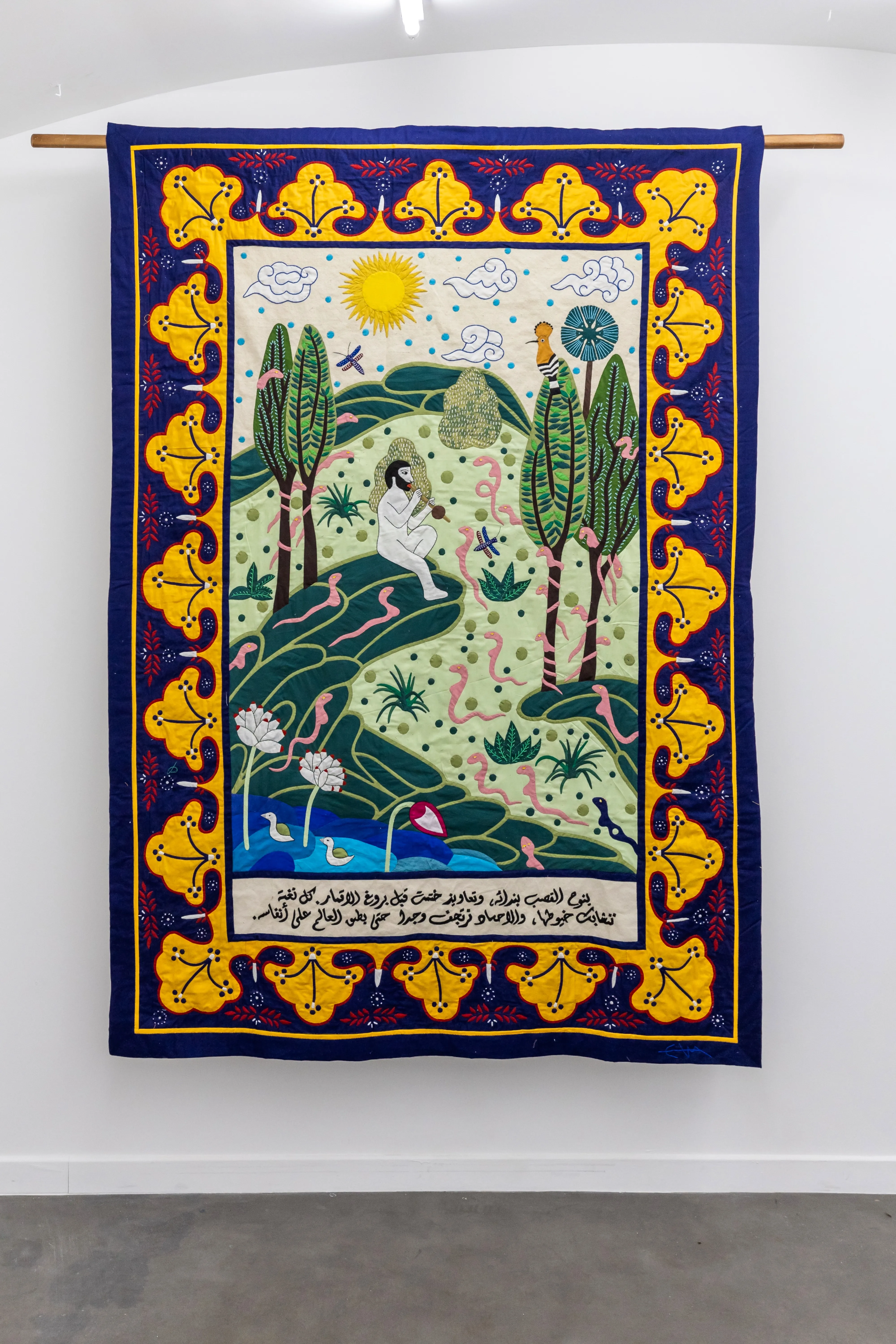
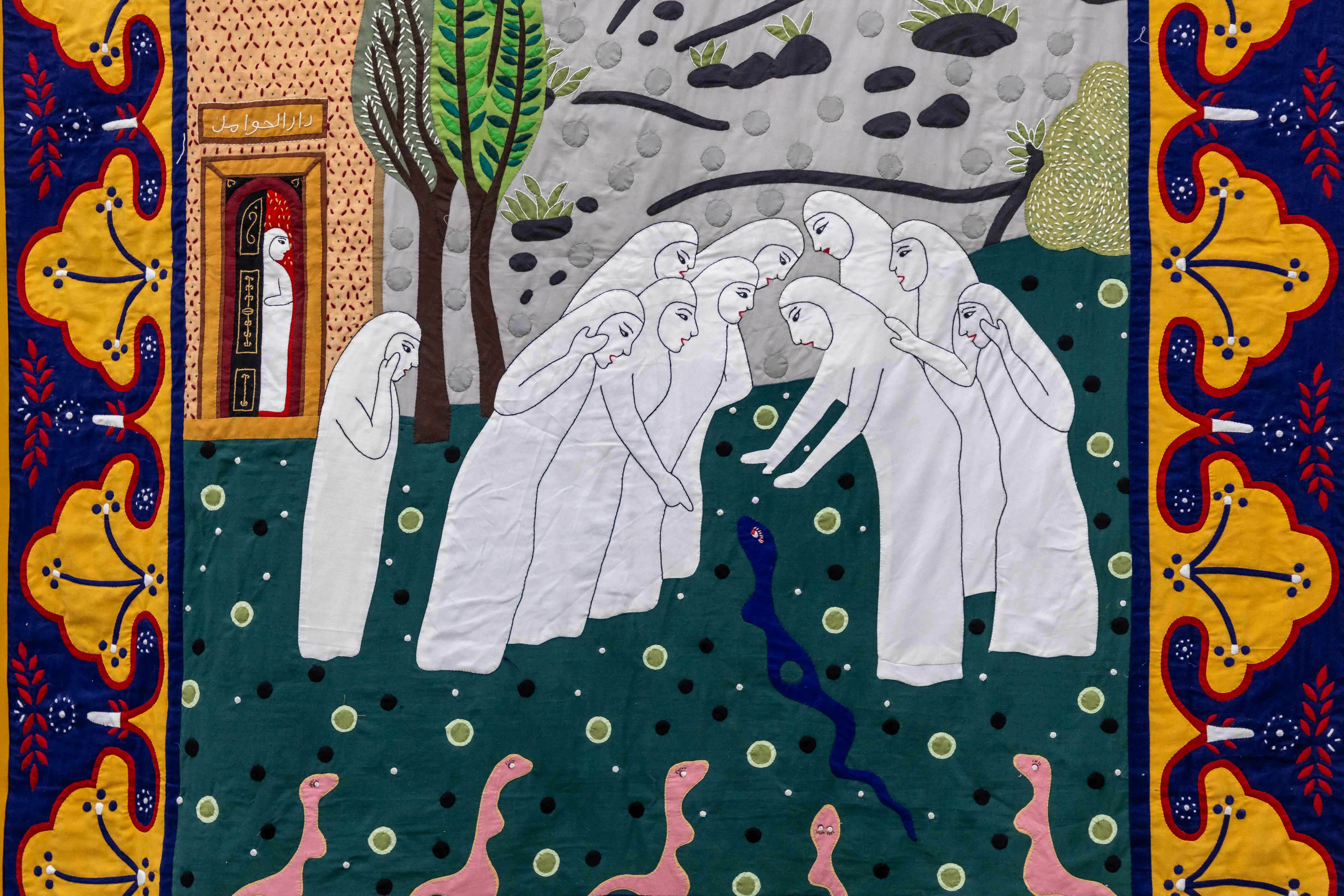
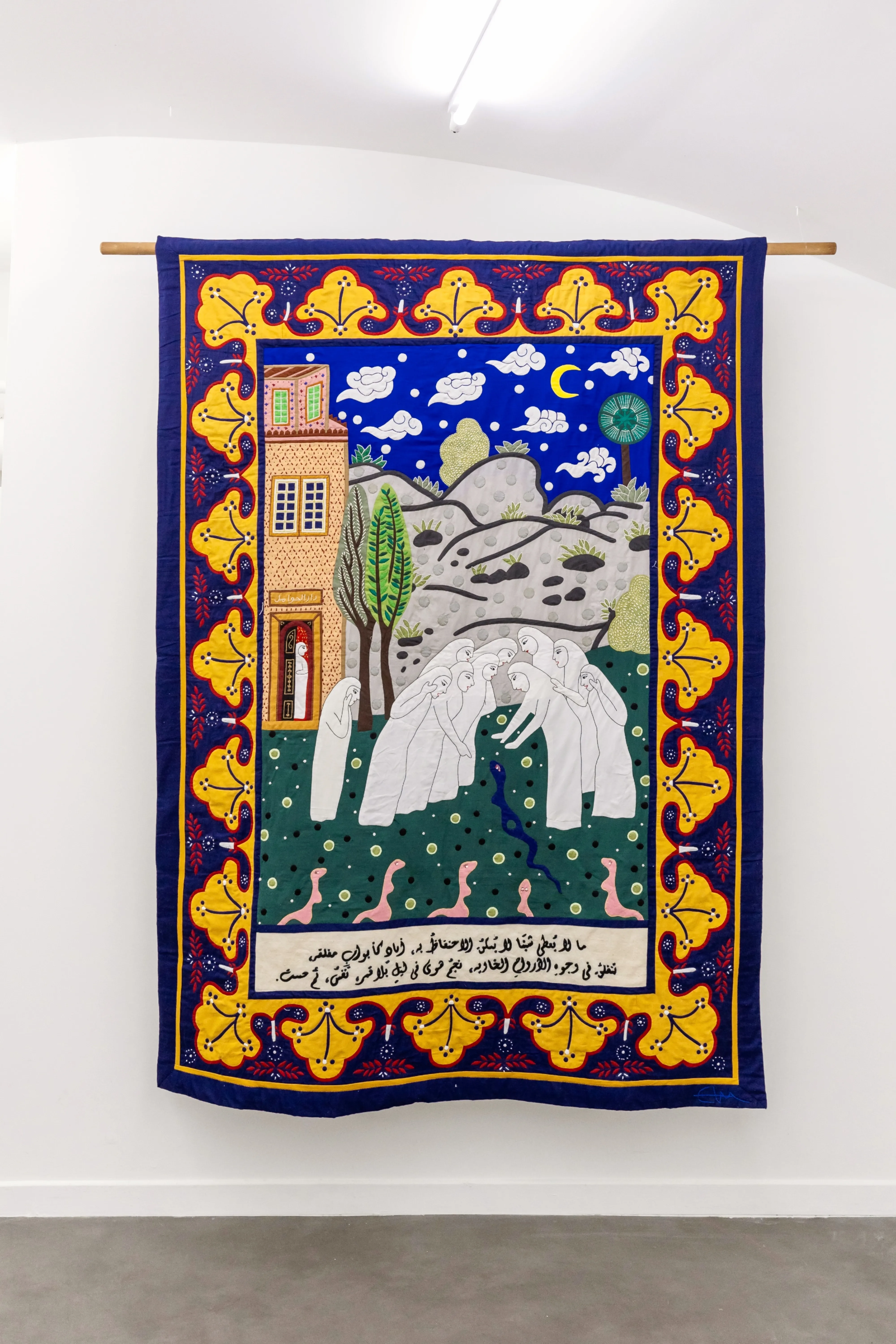
Hayāt al-Hayāt belongs to Serpents, Genies, Chimeras and Other Wonders. Where The Jinn from the West fictionalises the role of wife, this series turns to the role of mother — and to what happens when a woman's body refuses the future assigned to it. Rooted in Kosmatopoulos's own choice not to have children, the work moves beyond direct autobiography by giving that refusal the form of a contemporary serpent myth.
The series begins from a persistent cultural injunction: that motherhood is the horizon against which feminine identity is measured, and that a woman without children remains somehow incomplete, as though an empty womb were a space still waiting to be corrected. Hayāt al-Hayāt asks what becomes possible once that injunction is refused outright.
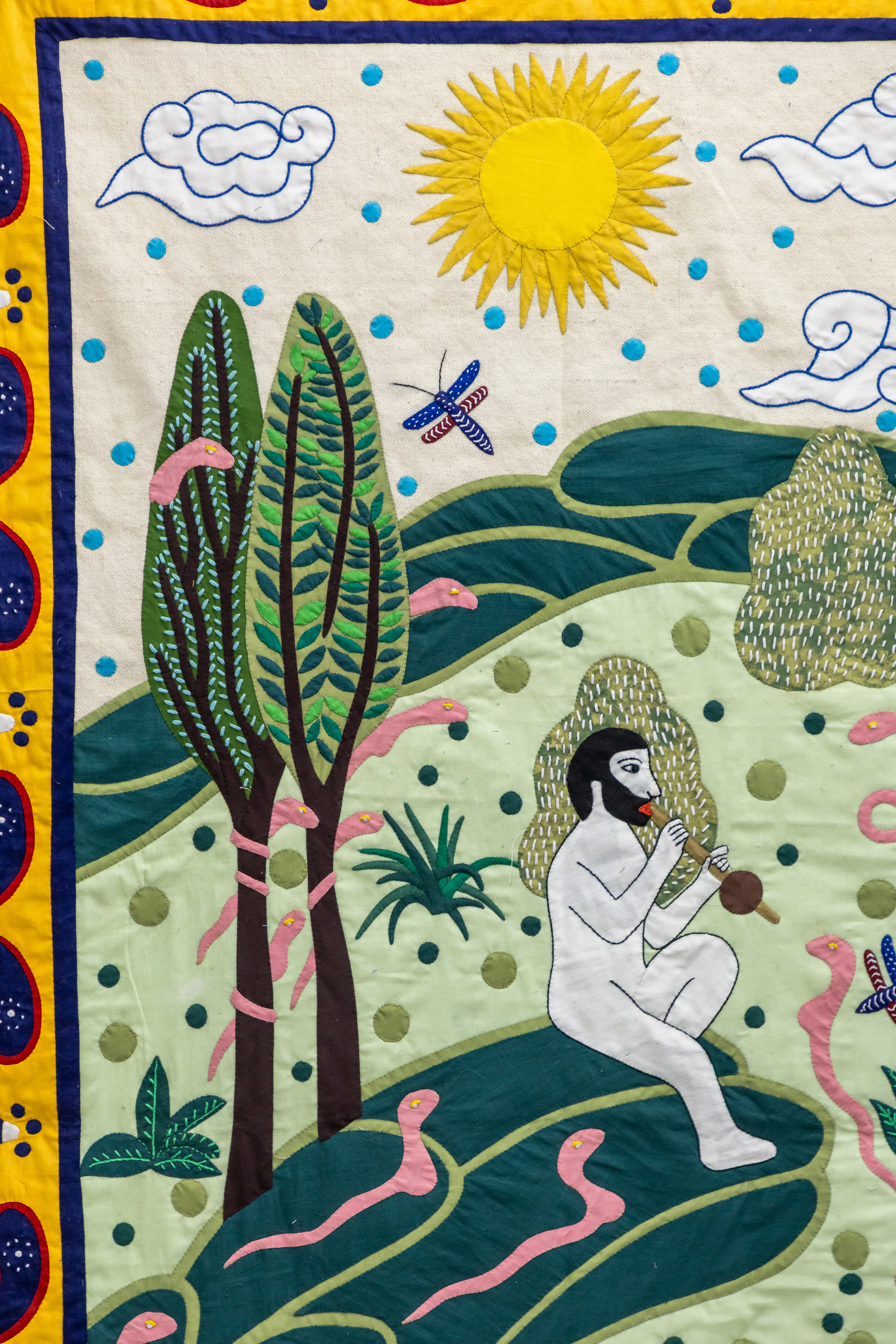
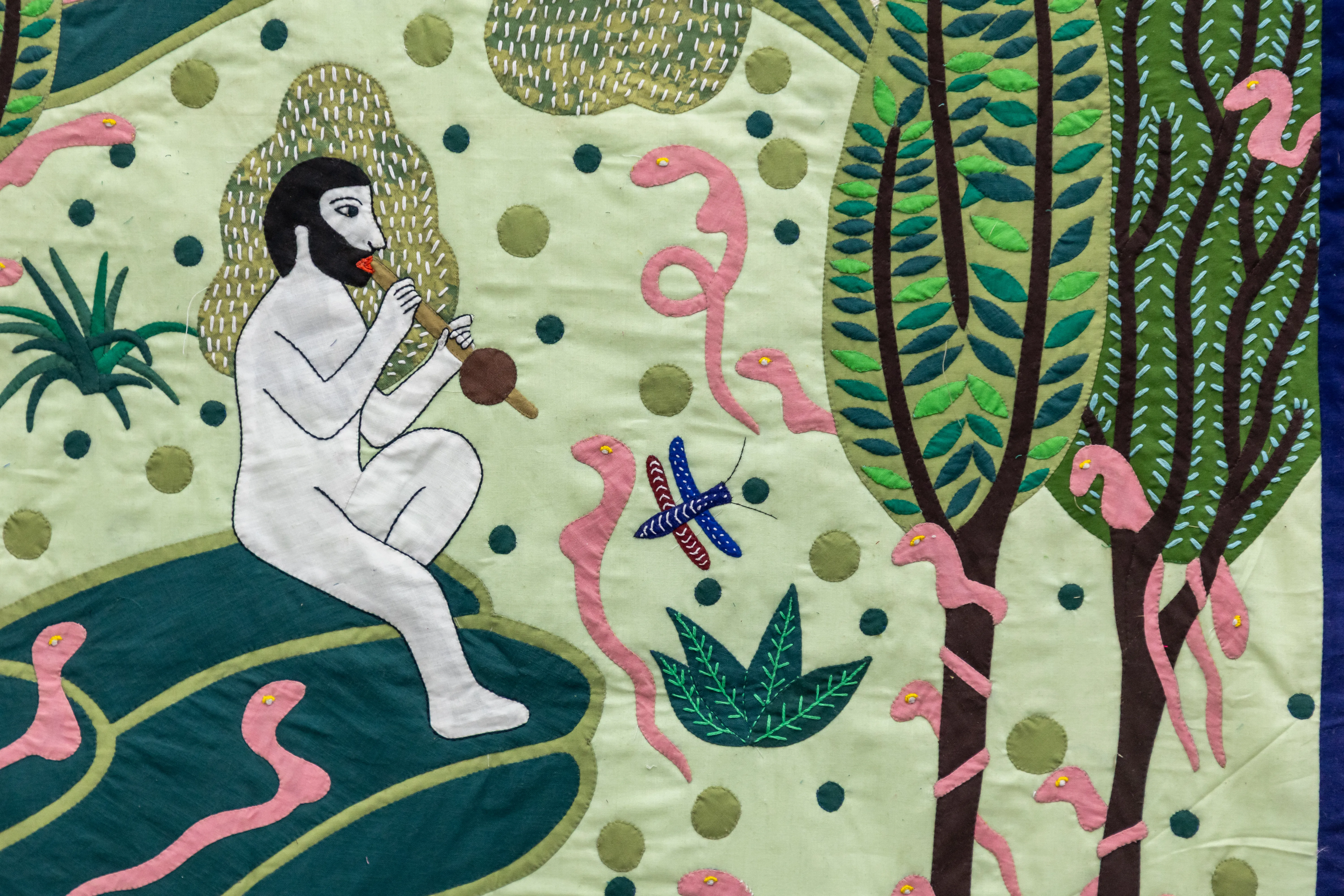
Across twenty panels, a serpent-woman moves through a world drawn from Islamic miniatures and Sufi imagery — sensual, multiple and ambiguous. She is not a simple figure of liberation. She passes through exile, rejection and anger; she escapes the charmer who tries to contain her, slips beyond the frame that would fix her into a single meaning, and refuses to give birth. Her pierced belly does not signify absence awaiting fulfilment. It is an opening through which another language can emerge.
Rejected by the world around her, she withdraws into the abyss and receives fire. The fire carries rage, but also the possibility of metamorphosis: it burns the narrative imposed on her body and allows another world to be built from what remains — one in which the female body exists as living, desiring, self-determined matter rather than a reproductive function.
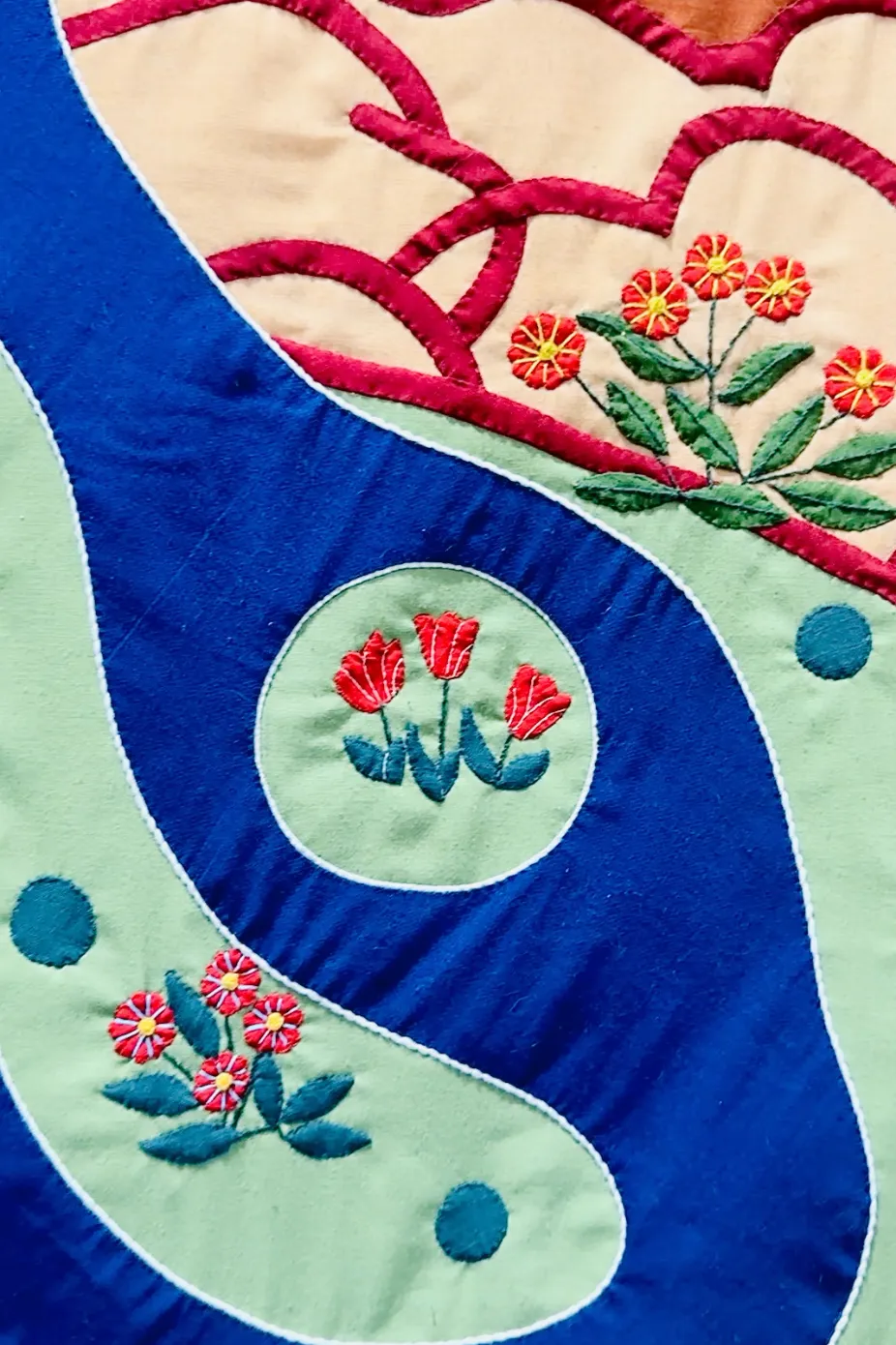
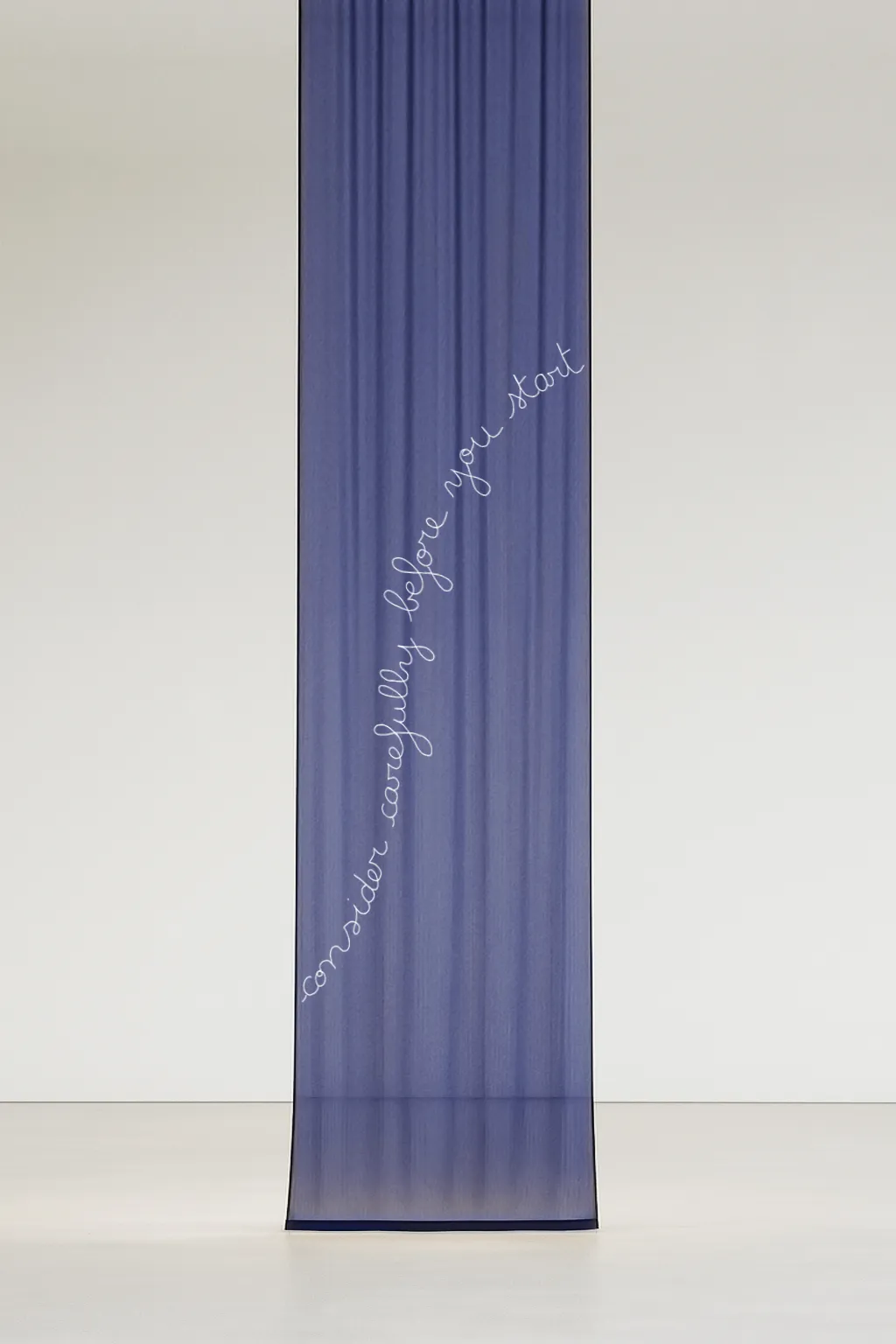
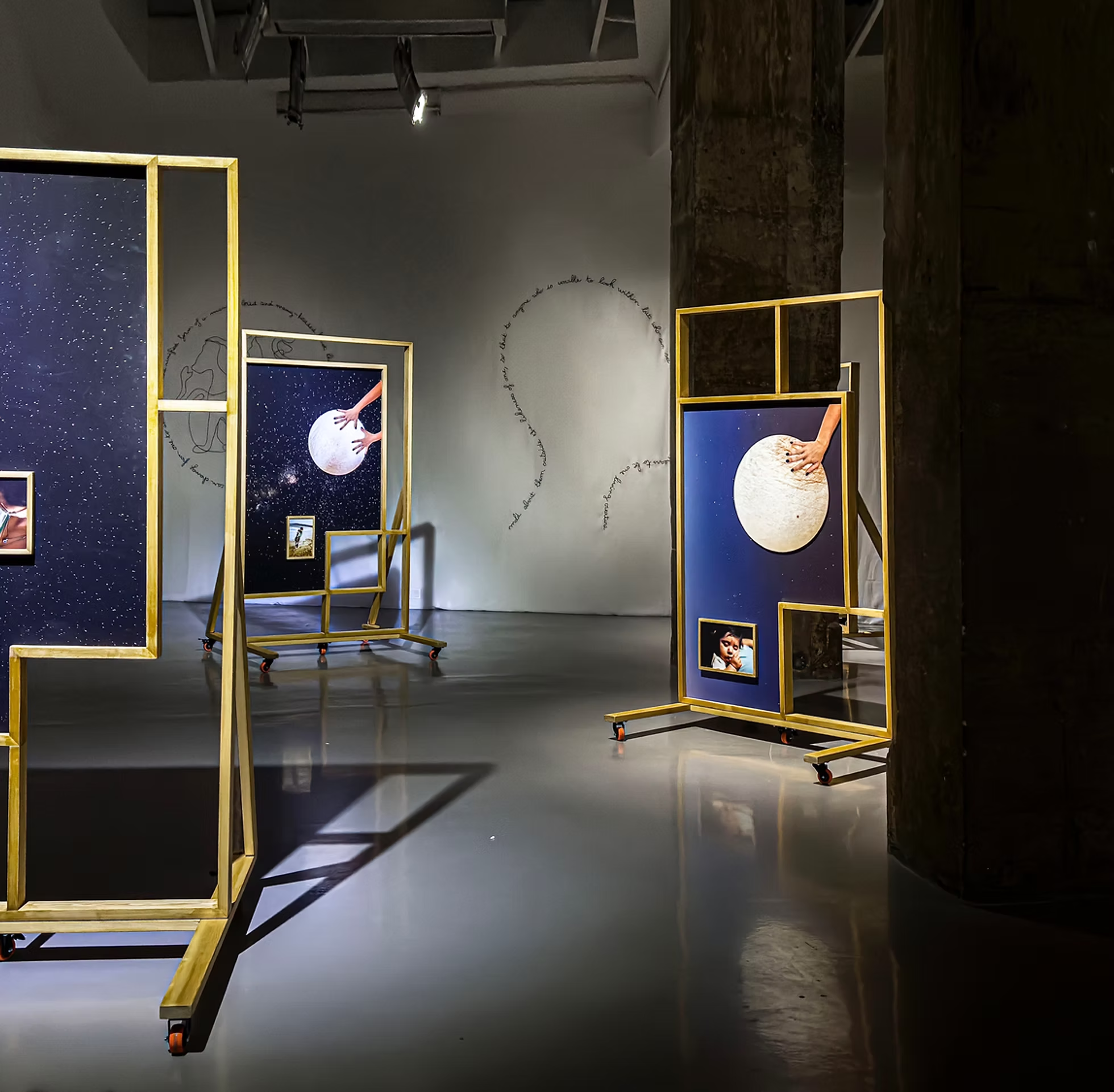
Each textile is paired with a poem, image and text advancing together rather than one illustrating the other. The twenty works unfold as stages within the serpent-woman's passage, while the khayamiya panels bring writing and image into the same narrative field. Together, they produce a mythology of alternative fertility: the fertility of language, pleasure, silence, abandonment, imagination, breath, creation and desire. The serpent-woman does not reject life. She redirects its cycles, moving fertility away from biological continuity and towards the capacity to shape, transform and bring other forms into being.
The title rests on the proximity of two Arabic words: hay?t, life, and hayyah, serpent — separated by a single letter, opening onto entangled worlds. Hayāt al-Hayāt may mean the life of serpents, or life itself.
Rooted in Sufi traditions where absence may already contain presence, the project moves between emptiness and fullness, flesh and light, silence and cry. It does not oppose motherhood or diminish its meaning. It questions the way motherhood is imposed as the inevitable completion of female existence, often at the expense of other possible lives.
At its most intimate, the series is also a letter addressed to the pregnancy the artist never desired — an explanation of why it never came, belonging neither to failure nor to regret.
What has not been transmitted through flesh is carried elsewhere — in fabric, language, image and creation.