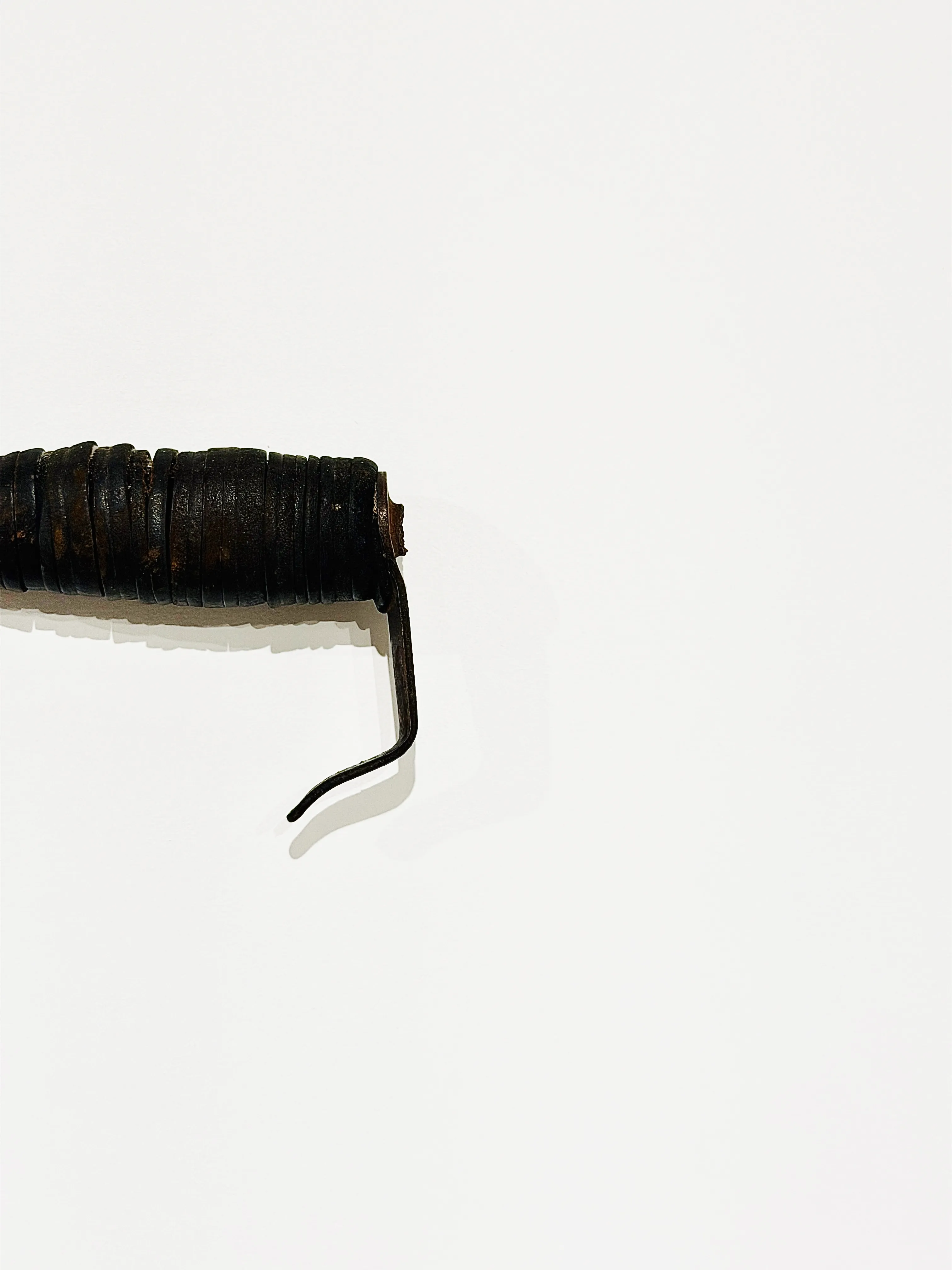
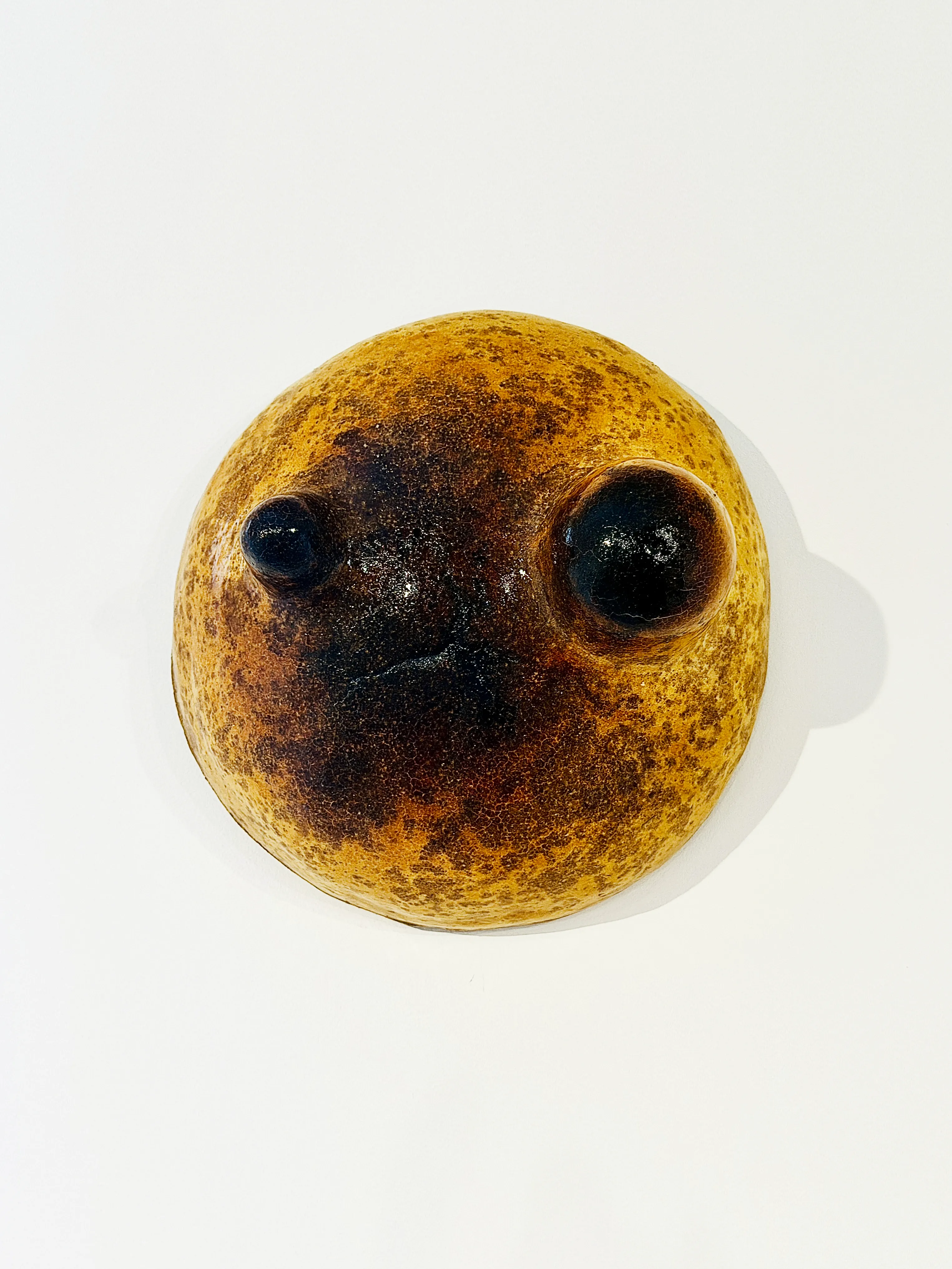
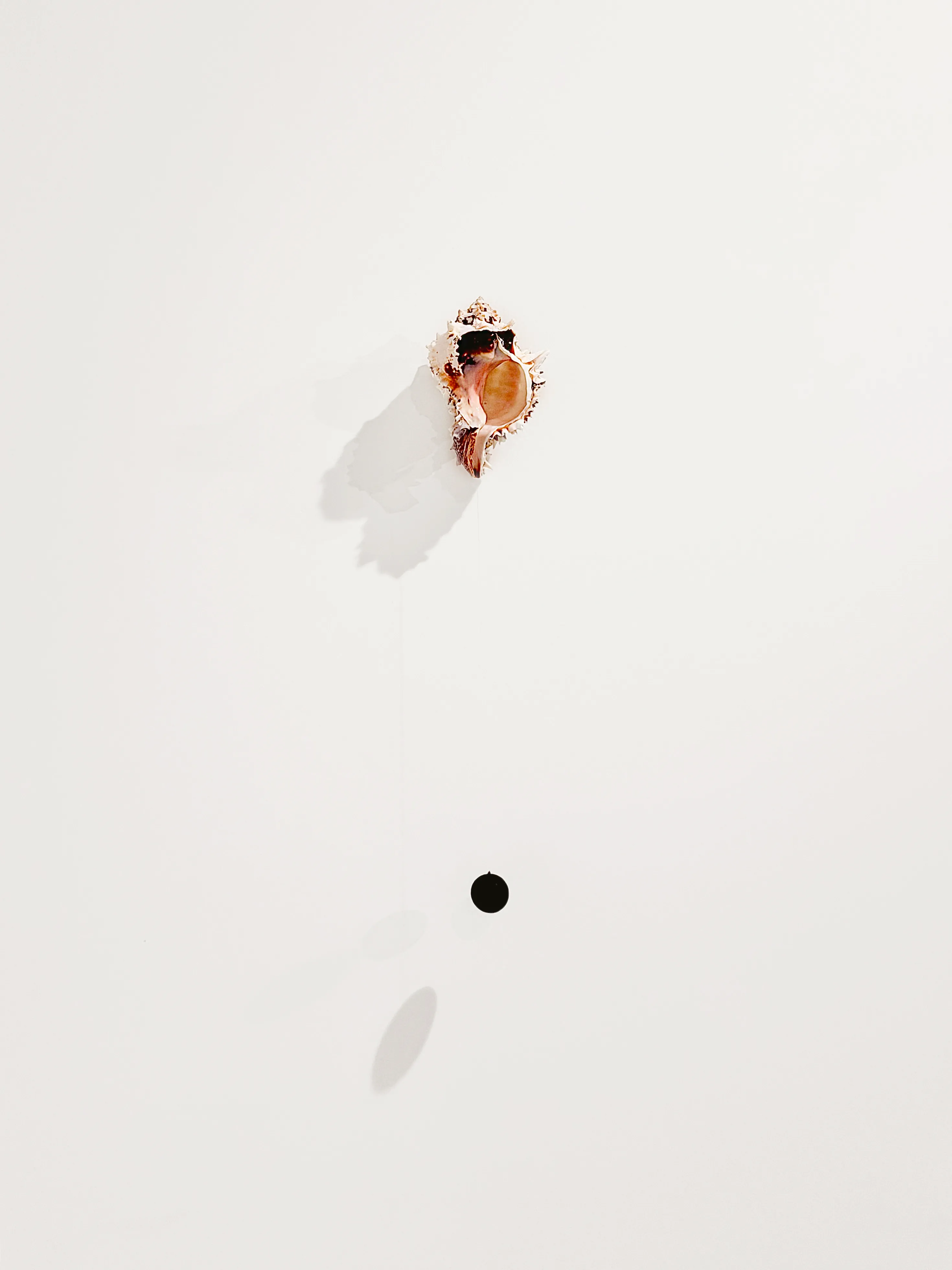
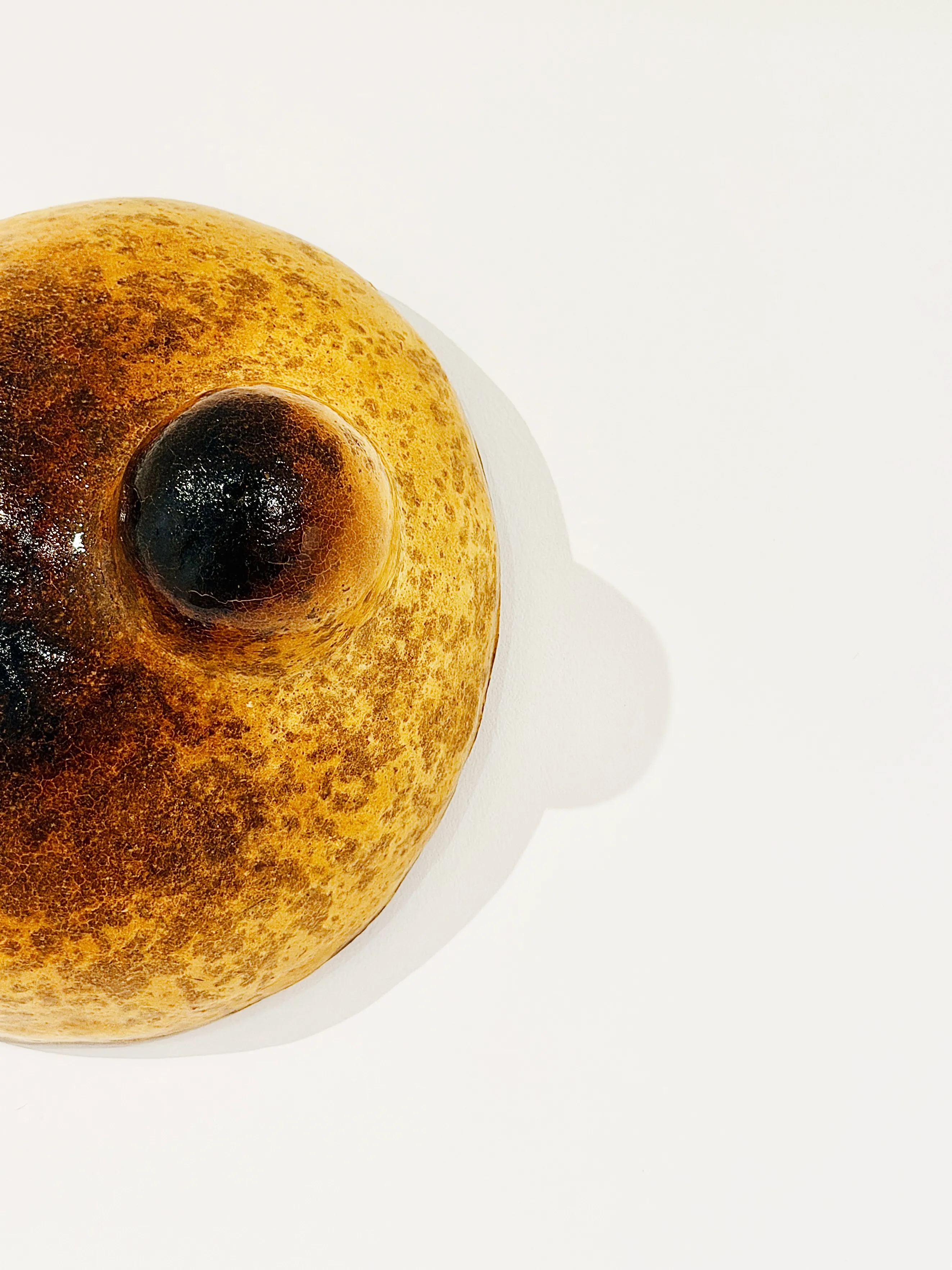
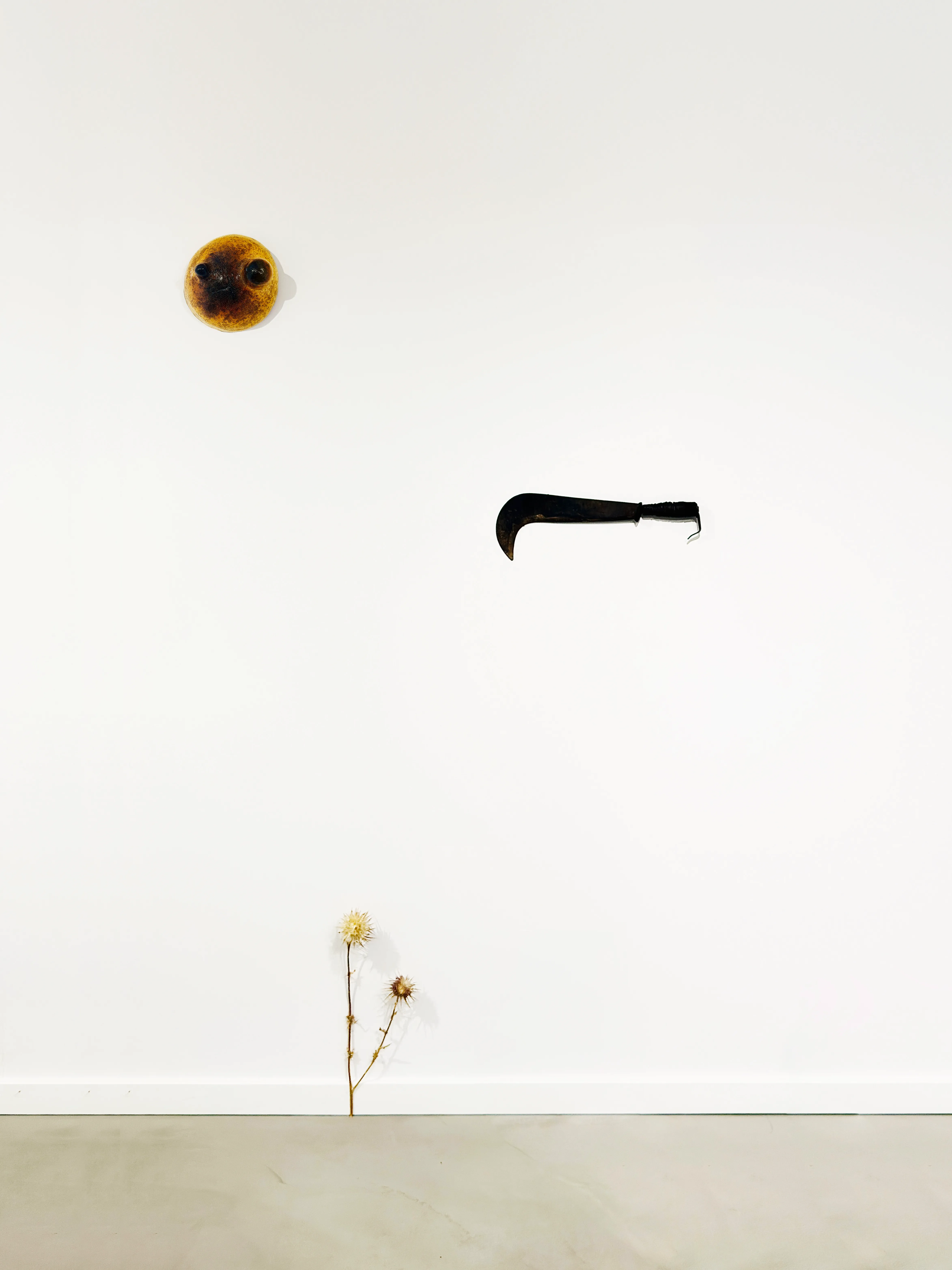
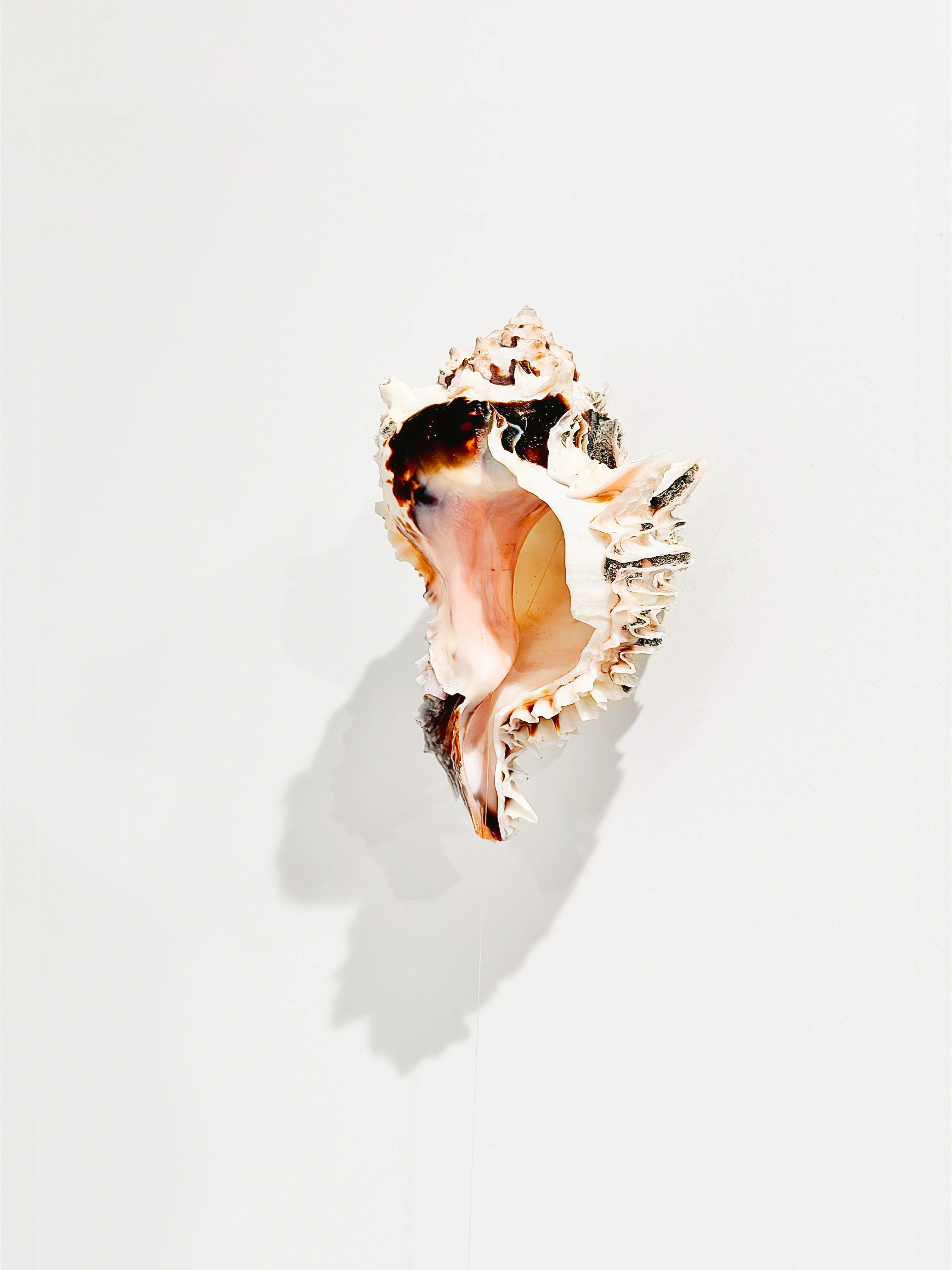
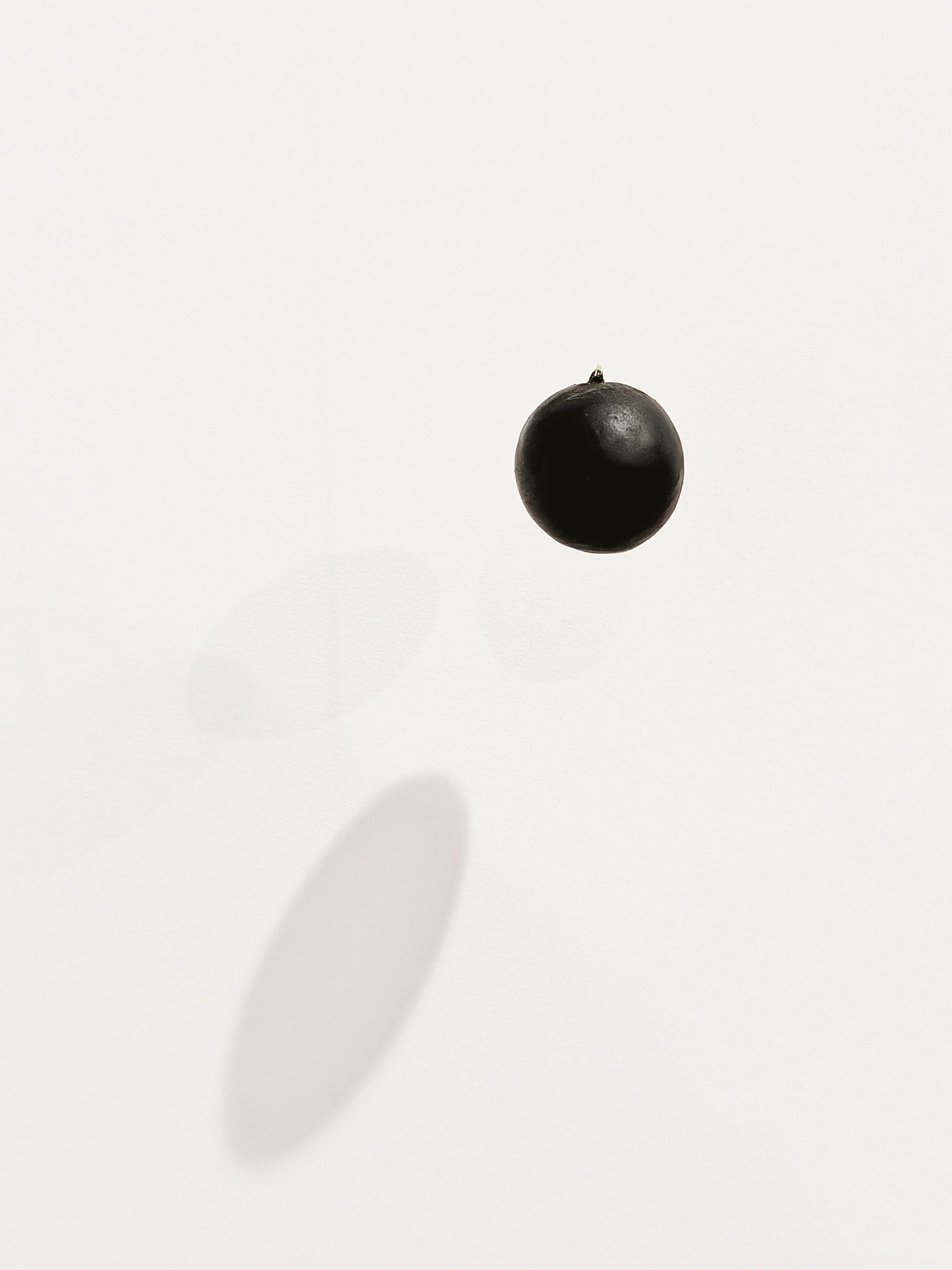
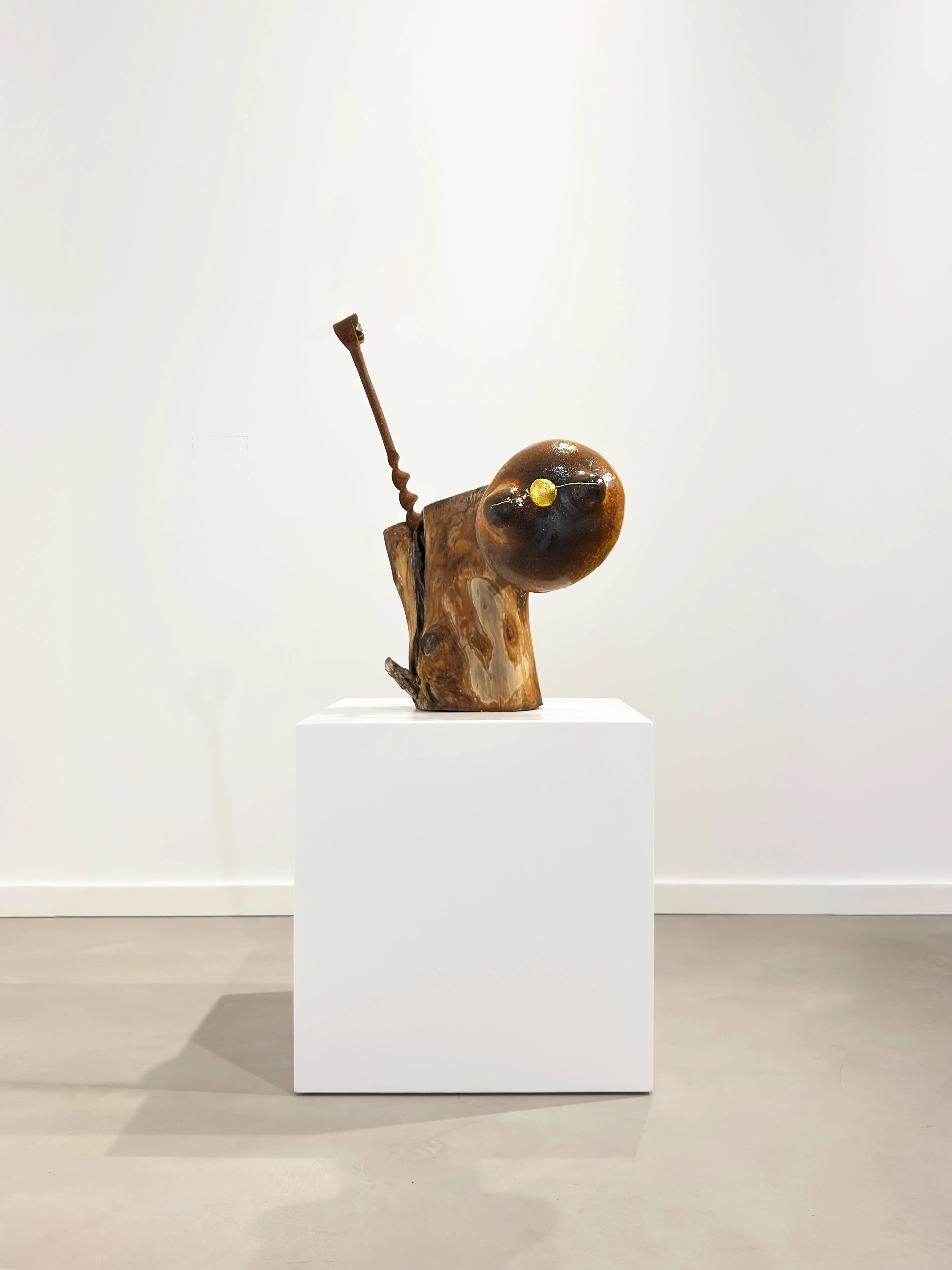
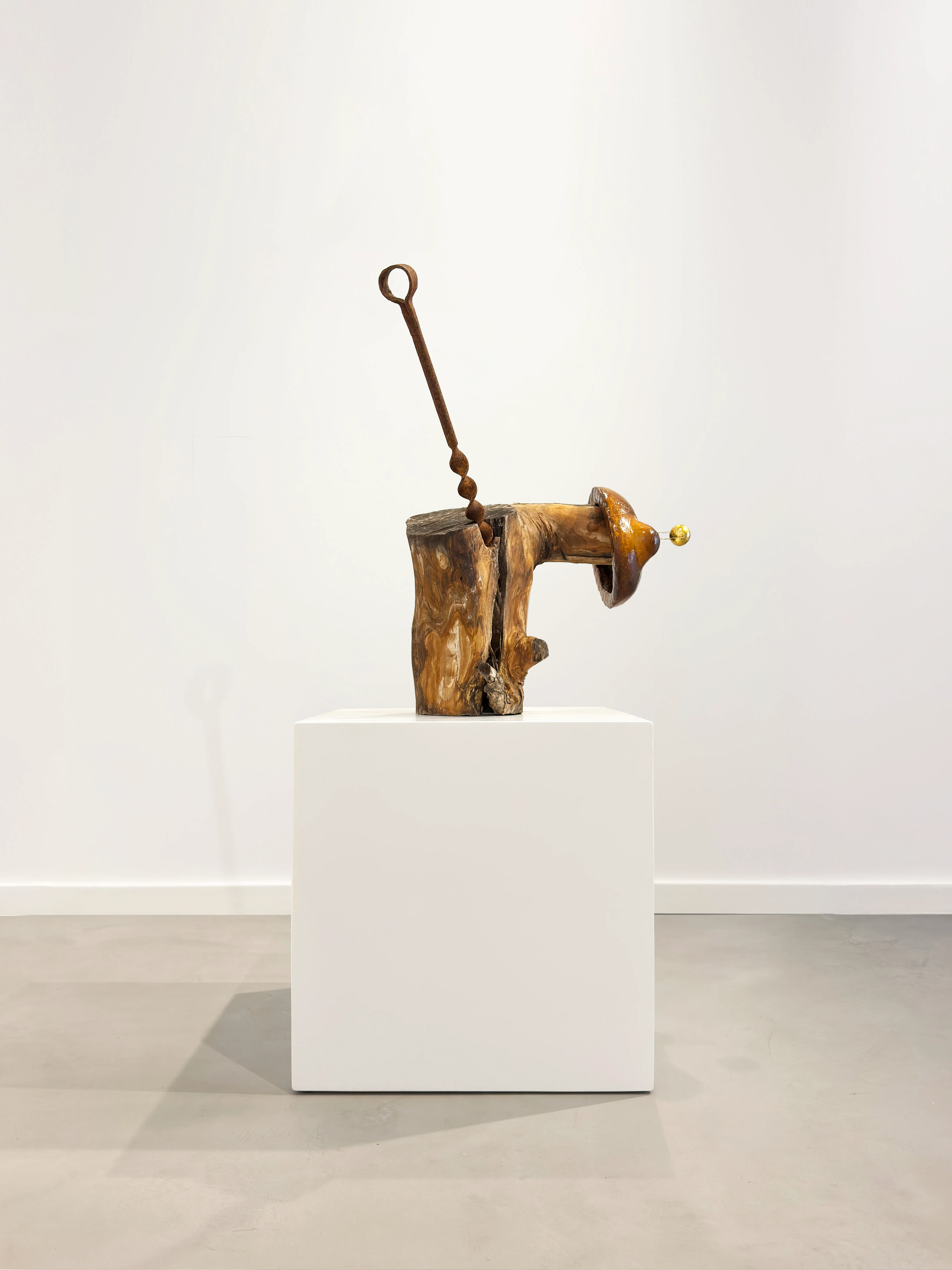
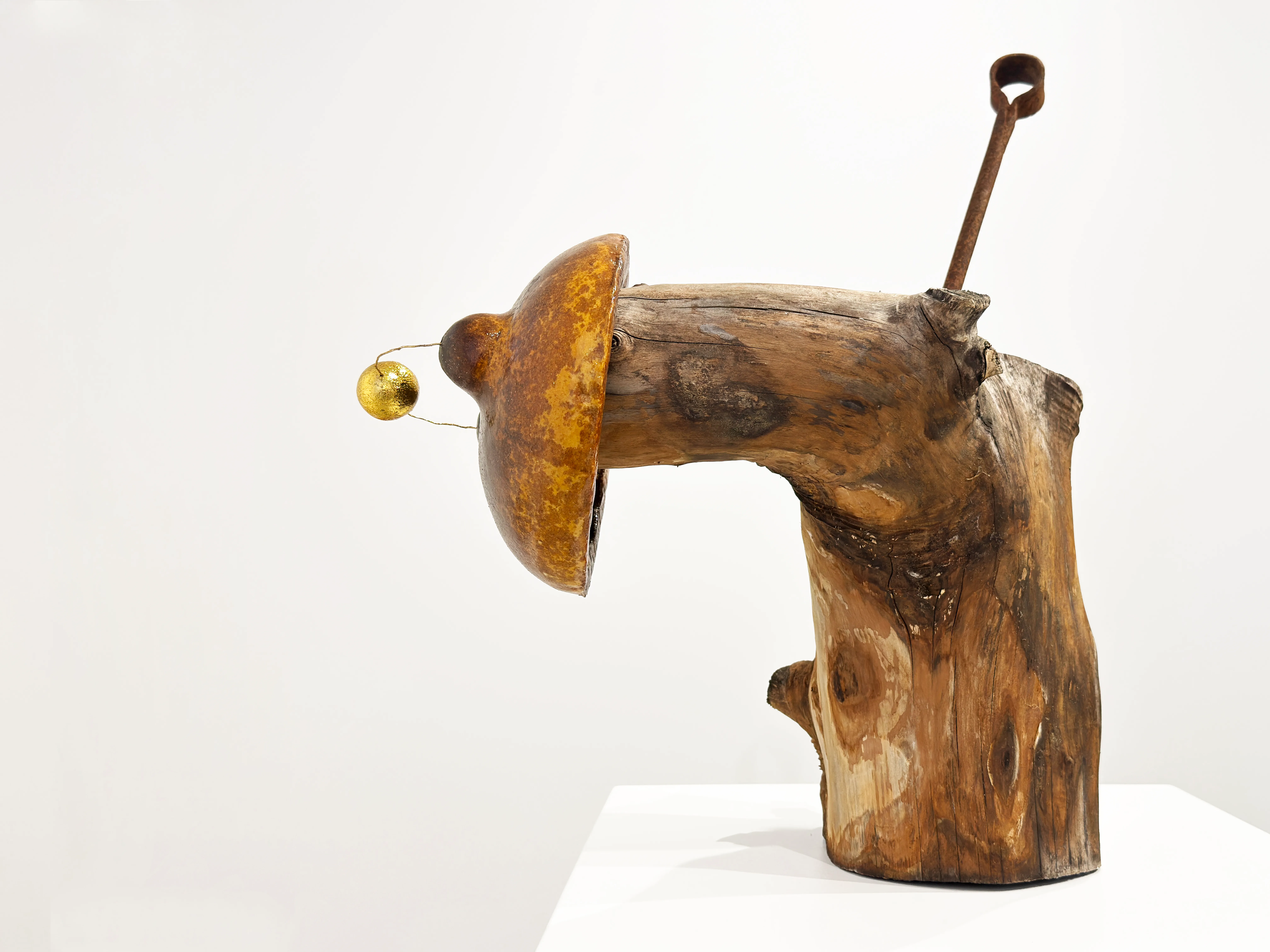
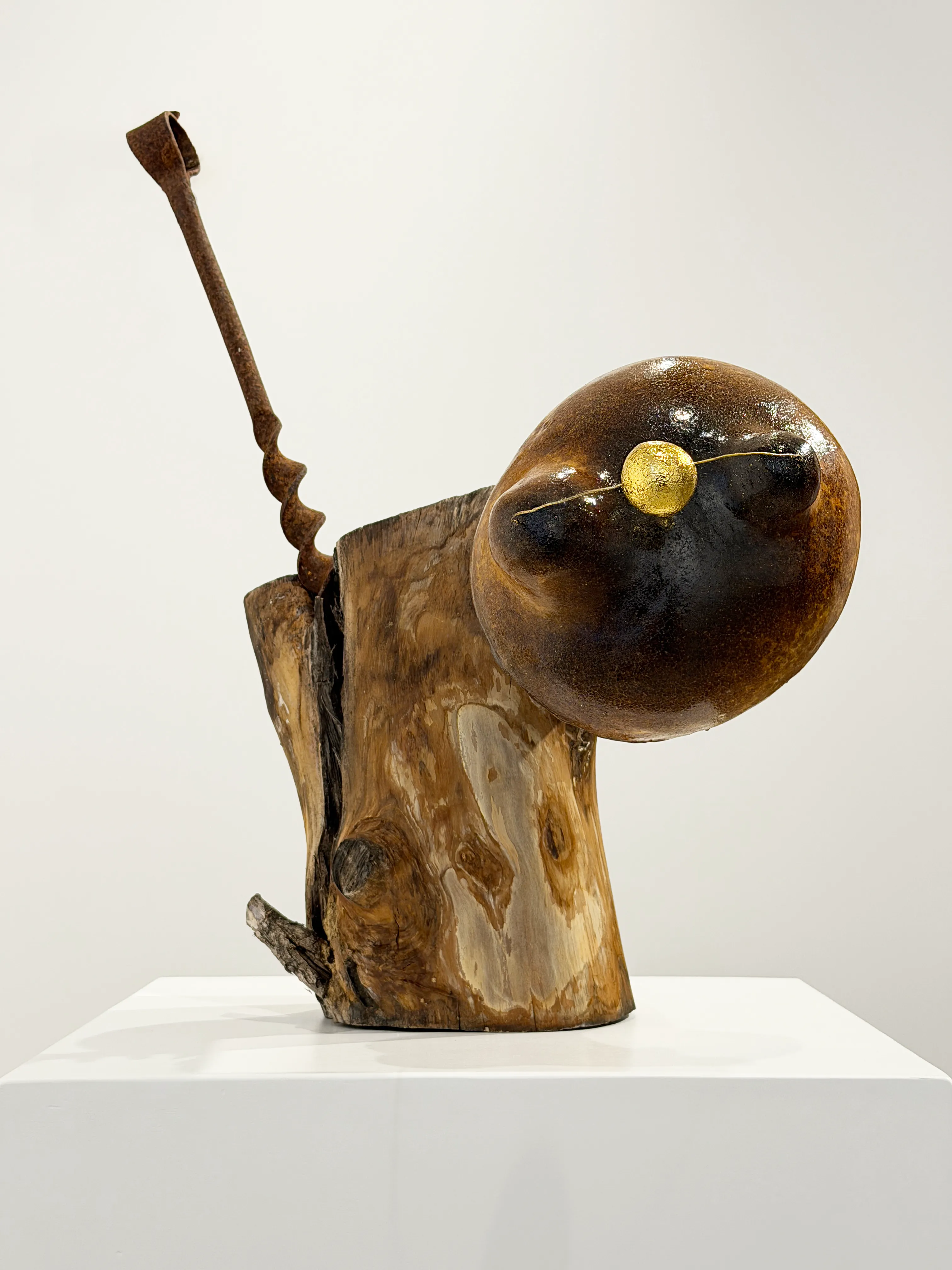
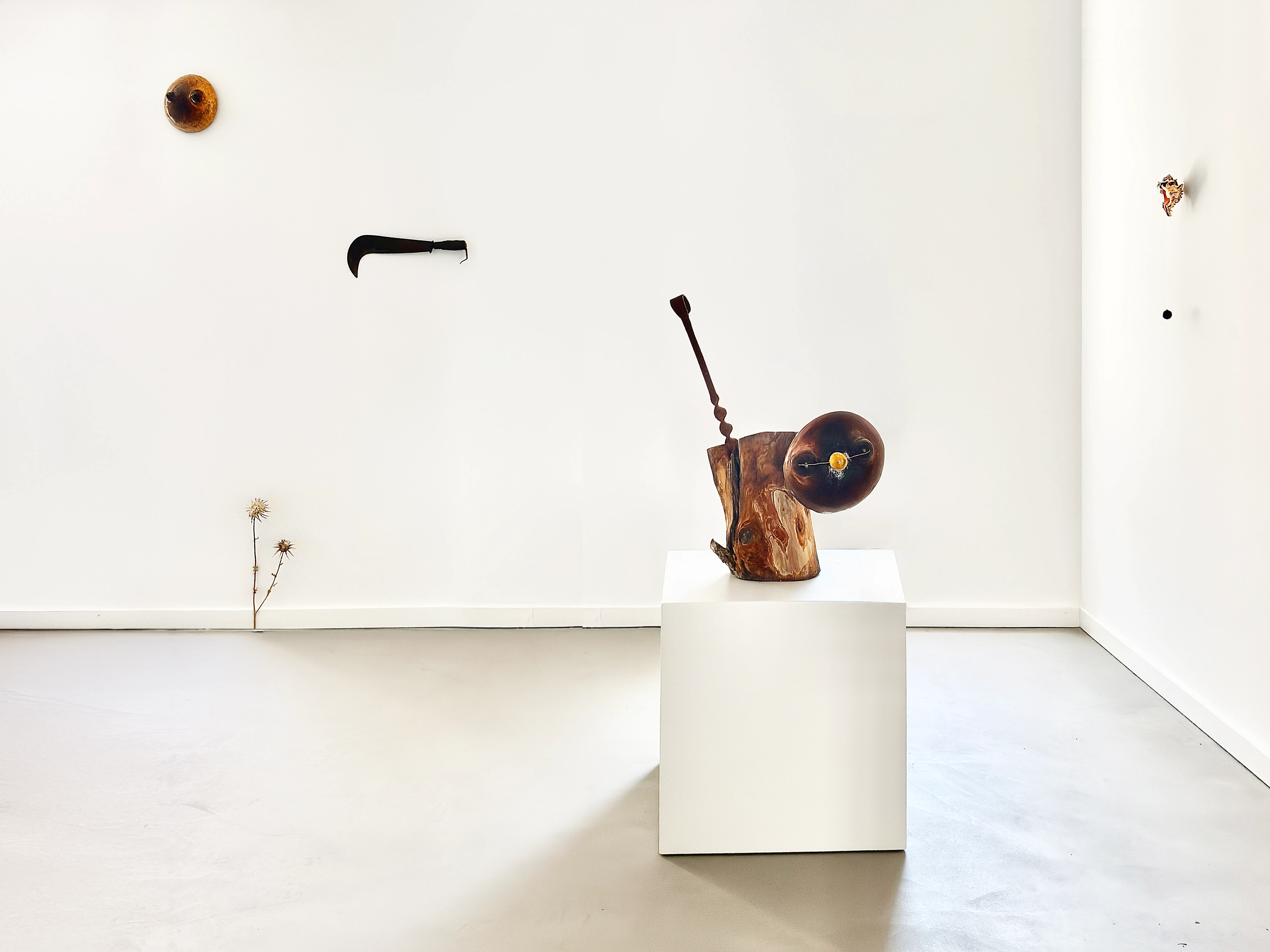
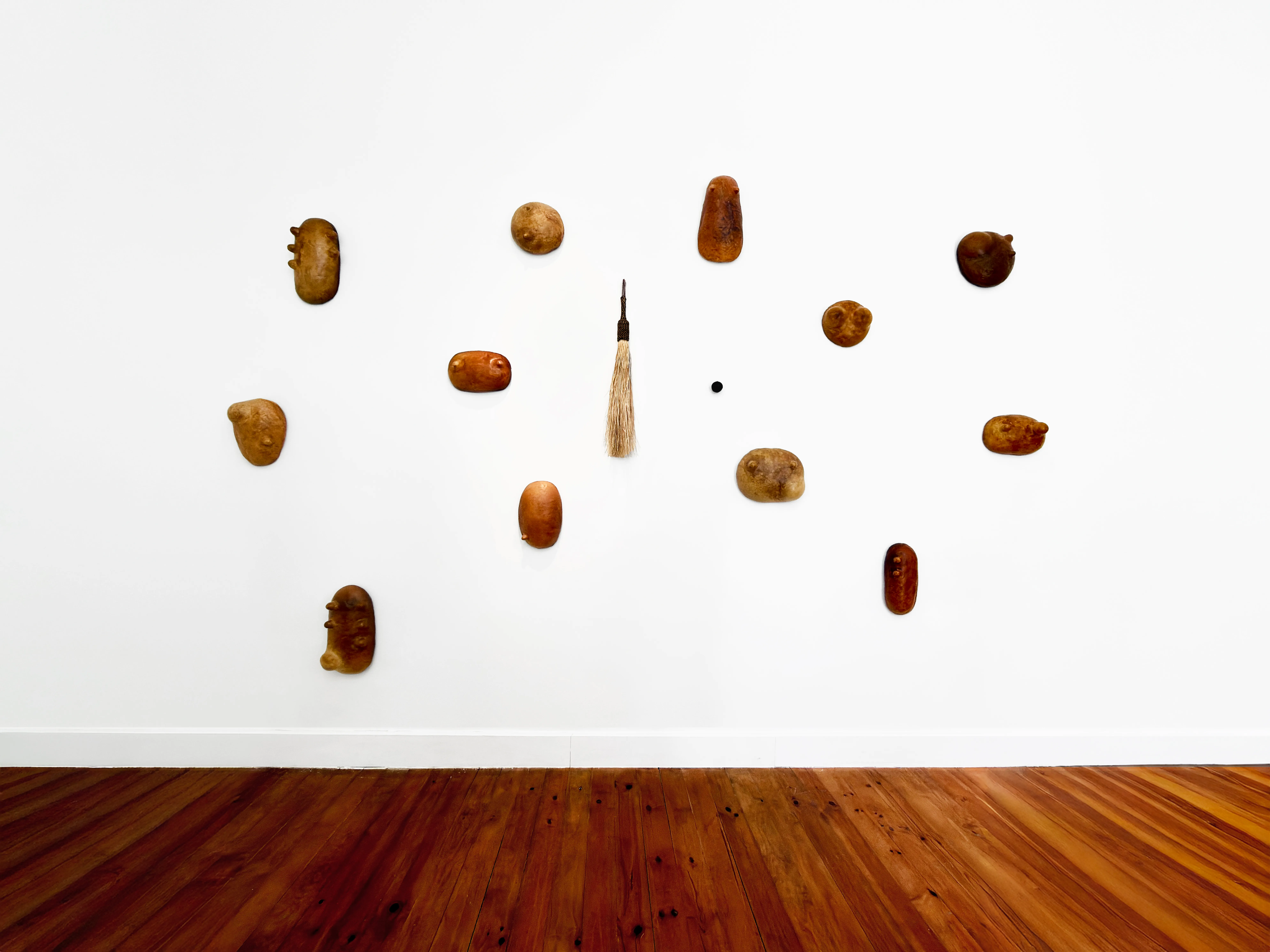
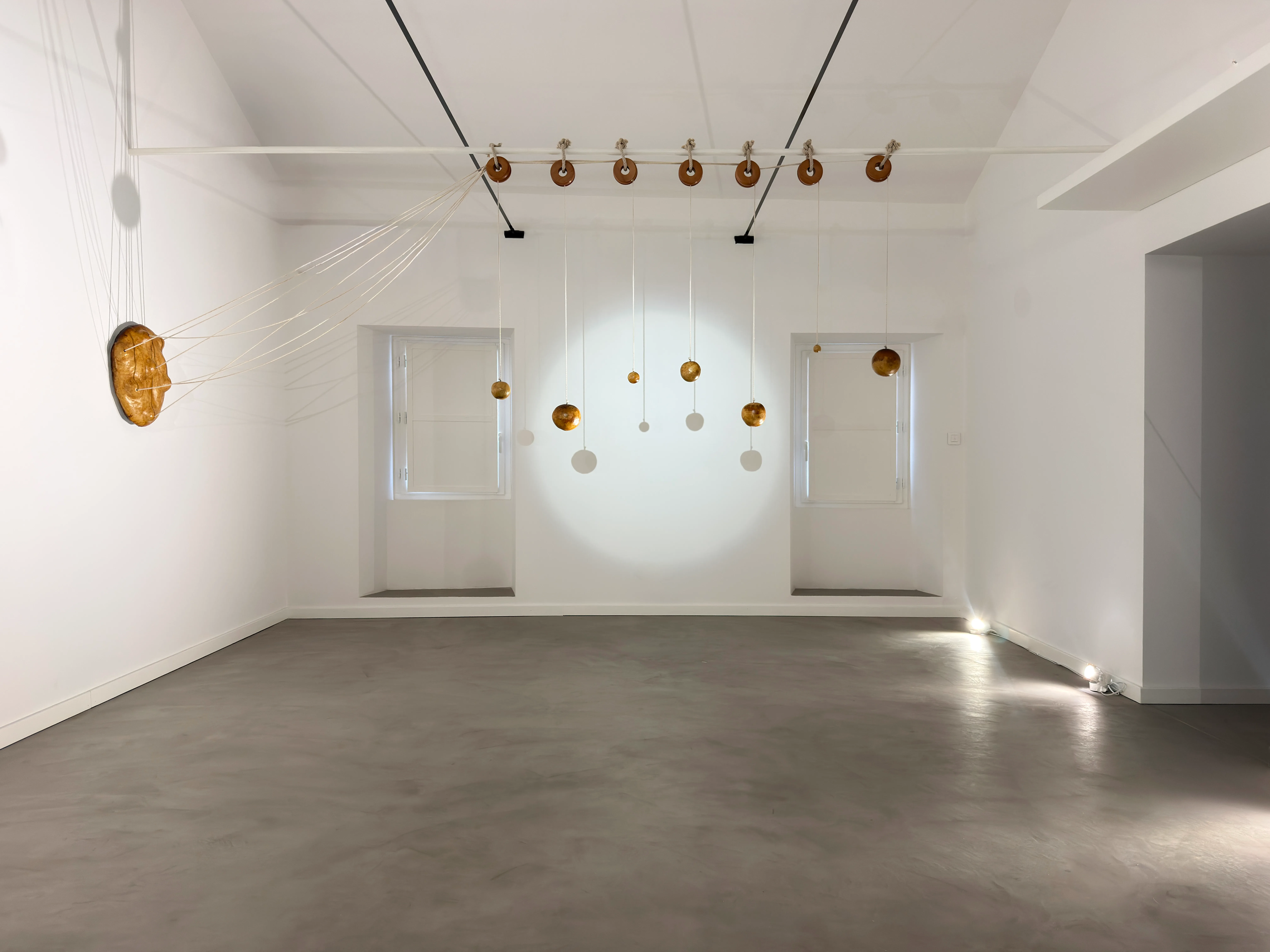
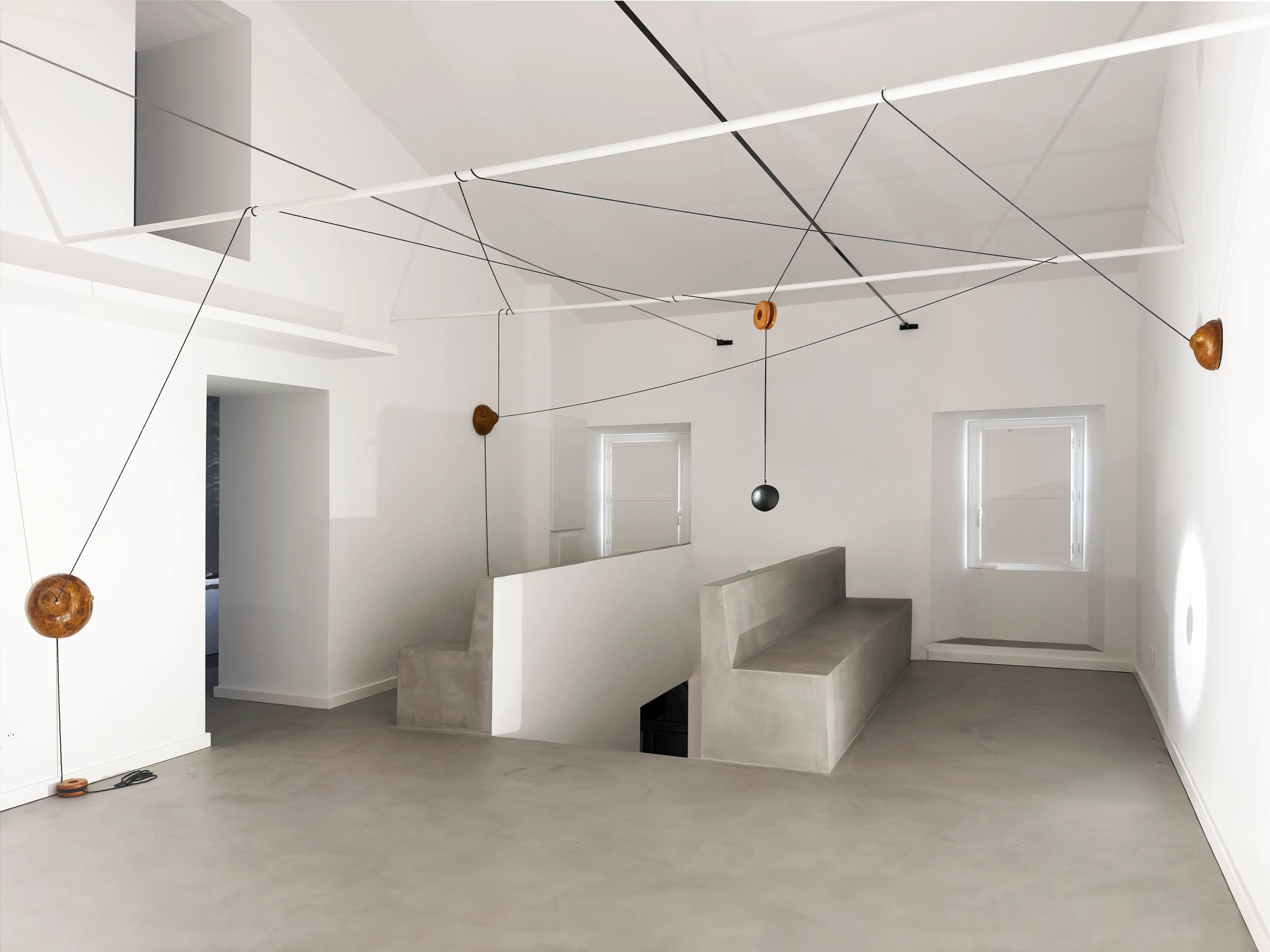
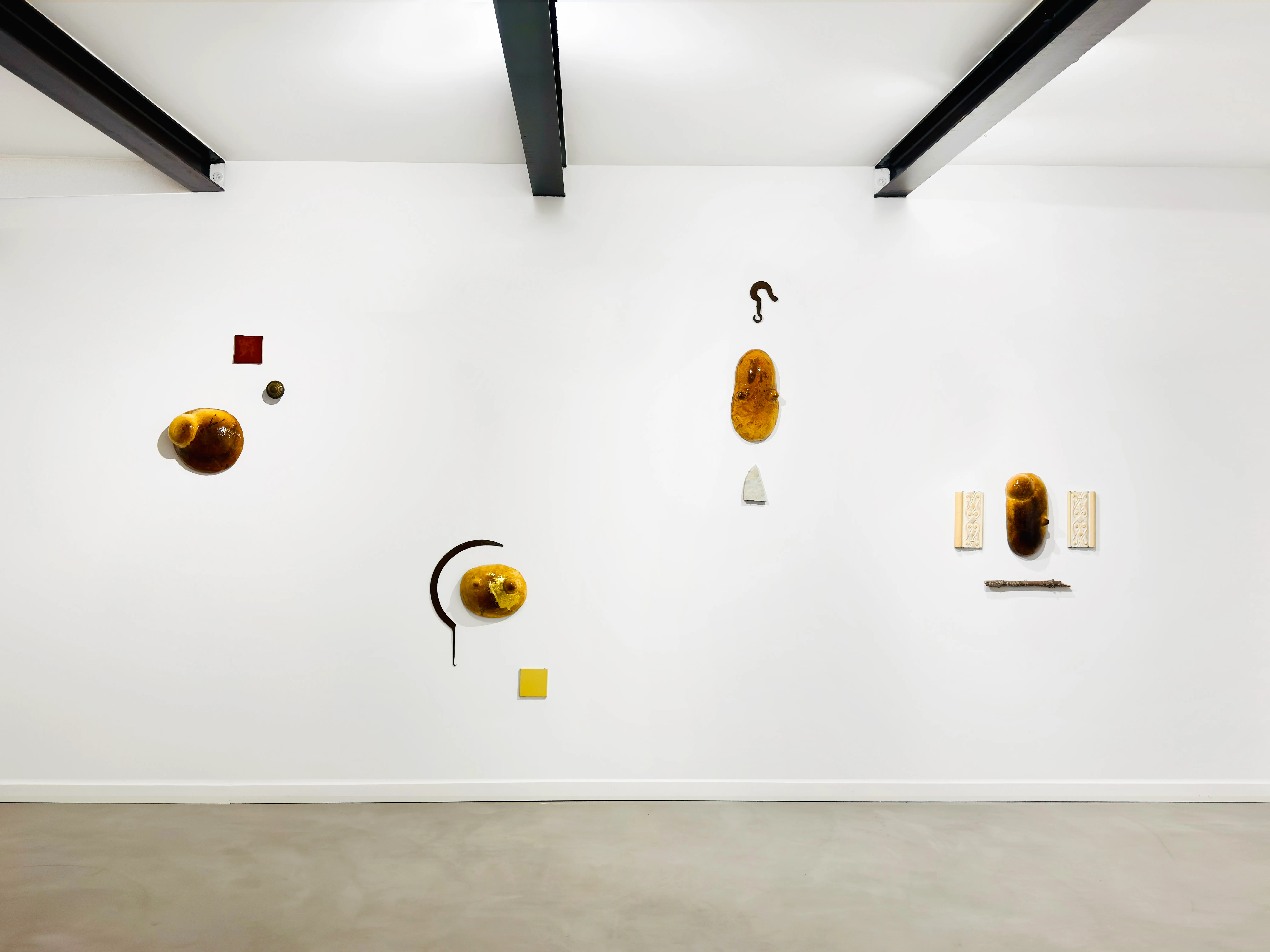
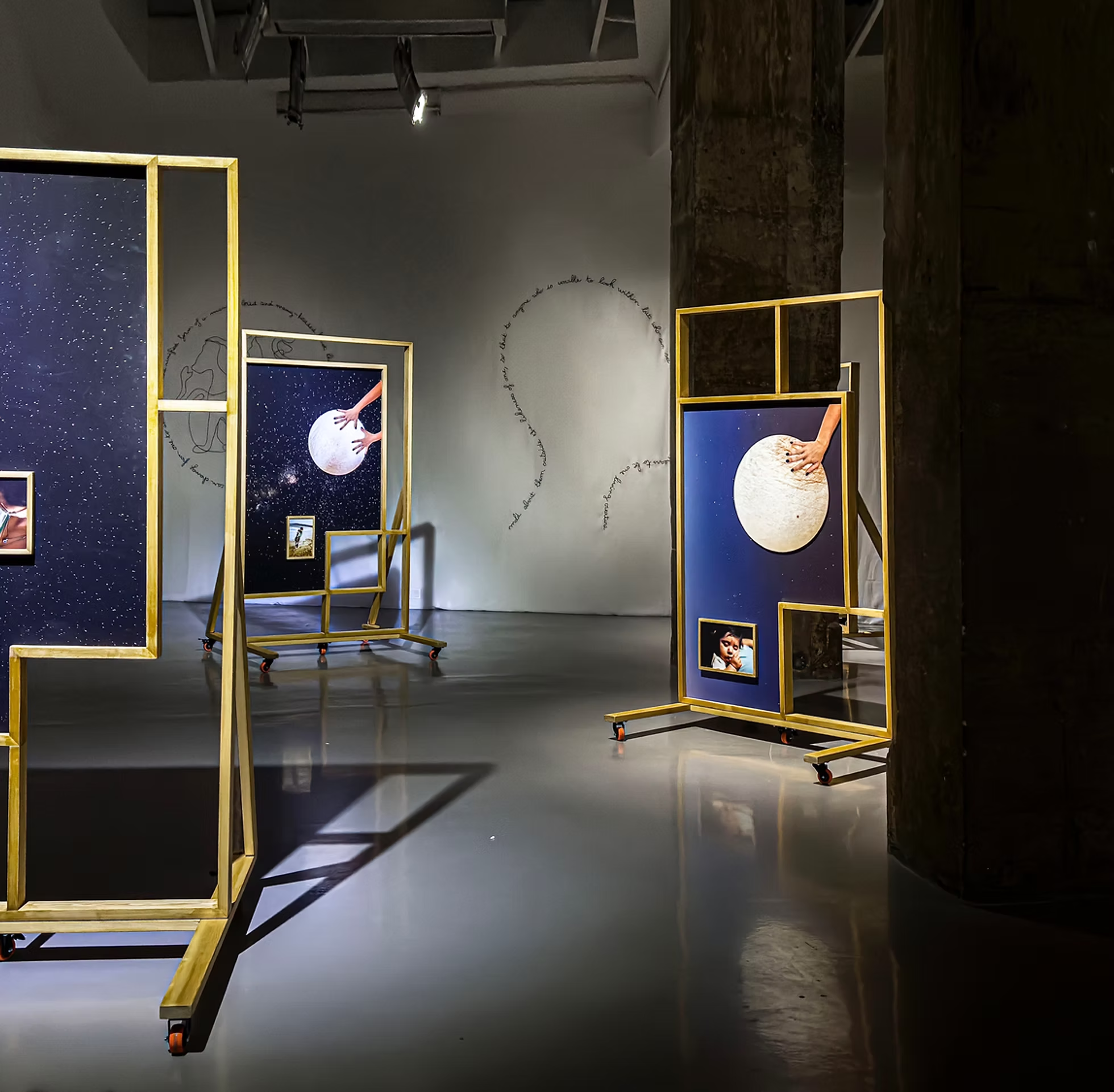
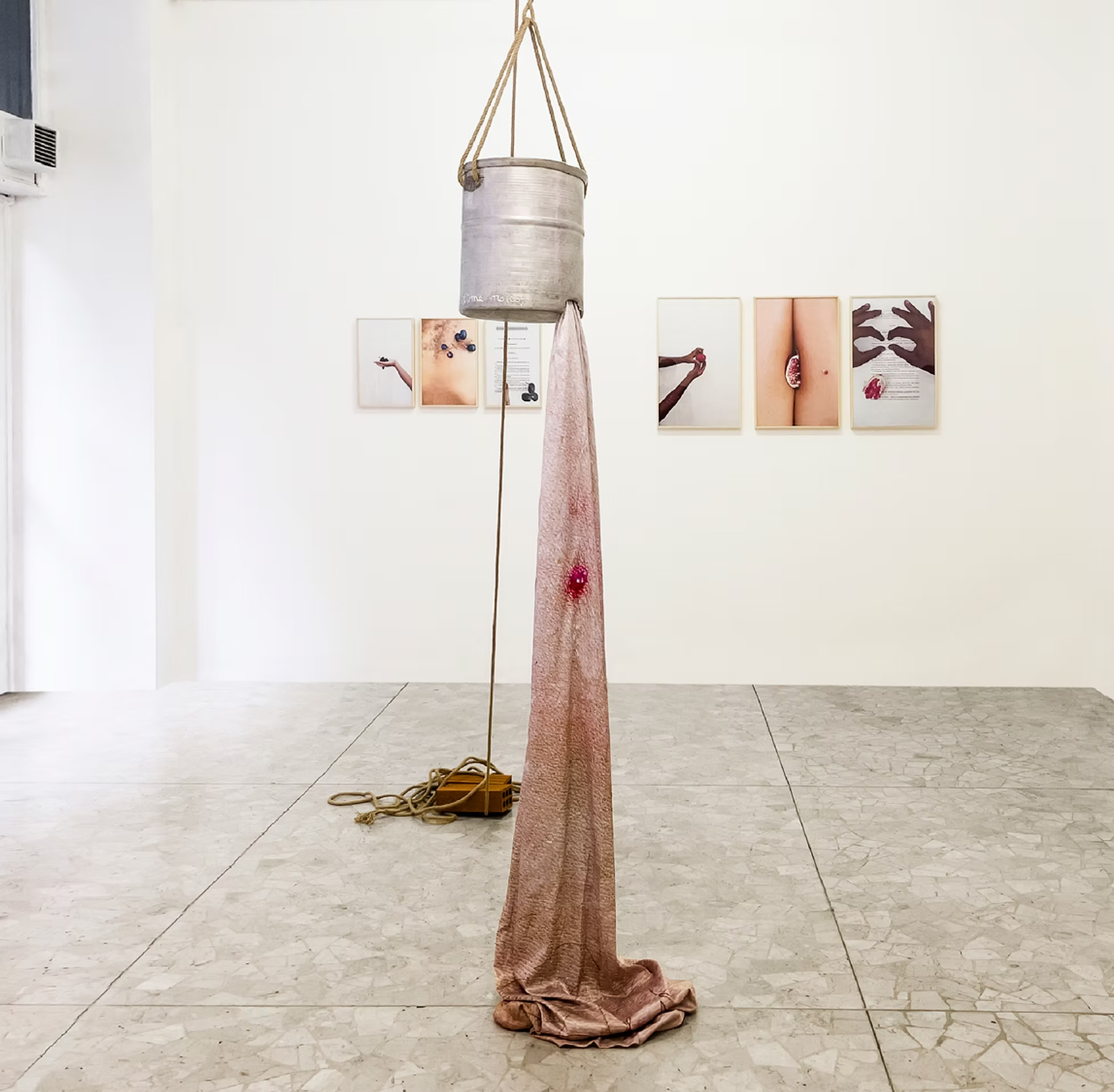
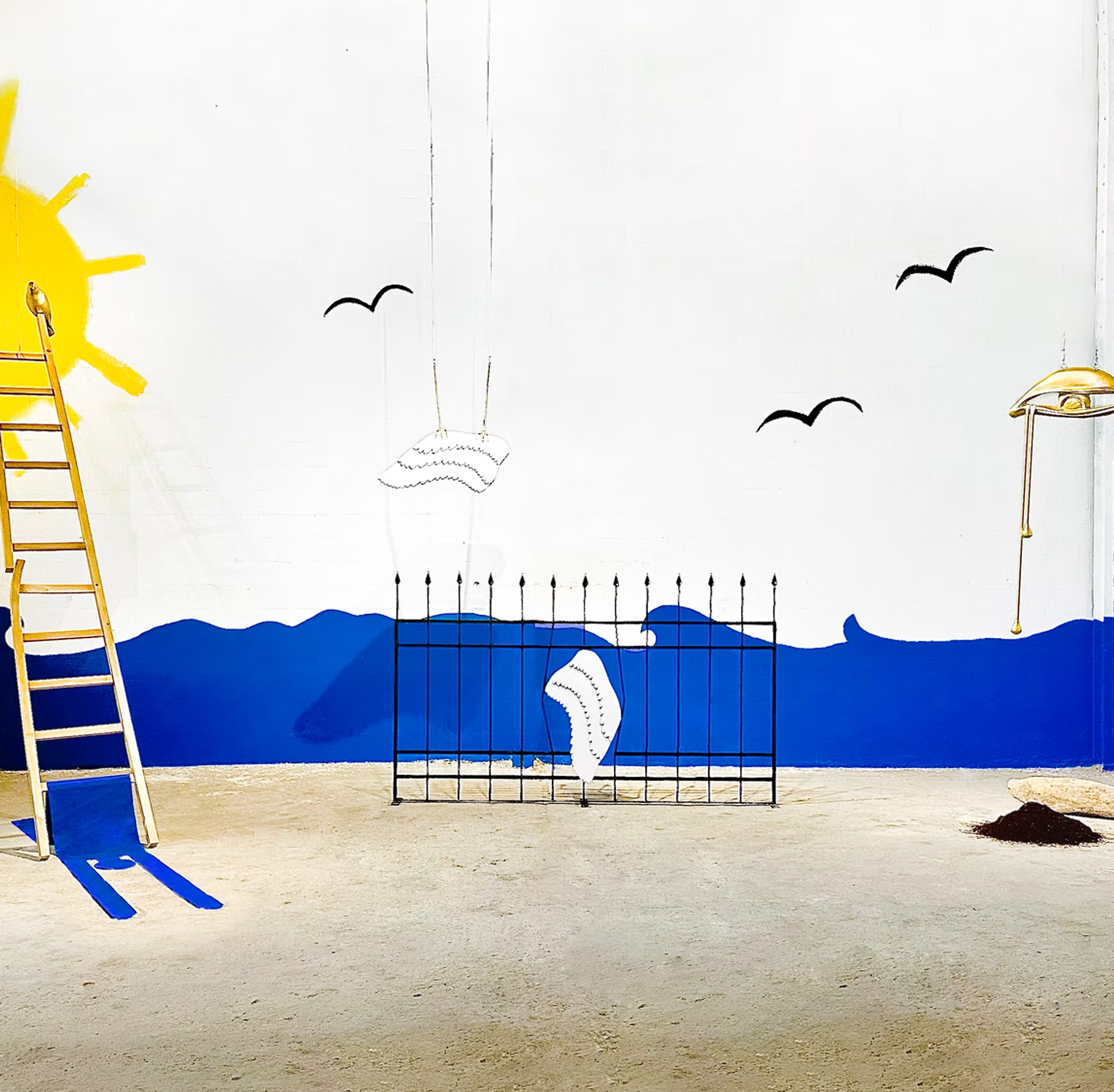
Ὀδύσσεια belongs to Bake Your Pain, a project initiated by Kosmatopoulos in 2023 following the sudden death of her father. In moments of deep sorrow, she kneads bread dough and shapes a mask — a self-portrait, though not of her likeness — giving material form to grief and tears that would otherwise disappear as they dry. In Ὀδύσσεια, these masks take on the role of female mourners, becoming recurring figures through which grief is carried, remembered and transmitted.
Ἄνδρα μοι ἔννεπε, Μοῦσα.
Tell me, Muse.
Thus begins The Odyssey. Before the story itself unfolds, Homer invokes a voice that does not invent the narrative but carries its memory. Daughters of Mnemosyne, the Muses are guardians of transmitted knowledge; the poet lends them his voice so that what has happened can be remembered and retold.
Ὀδύσσεια reimagines this invocation by replacing the Muse with the figure of the female mourner. Across Mediterranean traditions, women accompanied the dead, preserved memory and gave collective form to loss through voice, gesture and lamentation. The mourner's knowledge does not come from divine inspiration but from lived experience. Like the Muse, she becomes a carrier of memory — but one whose knowledge has passed through the body.
The masks made of bread embody these mourners. Each sculpture becomes an autonomous episode, and each pleureuse, in turn, becomes the Muse of that episode: carrying its fragment of memory and guiding one song within the larger odyssey. The female figure is no longer simply the subject of mourning; she becomes the one through whom the narrative itself can continue.
From this displacement emerges the central question of the work: what does it mean to inhabit a world after one of its possibilities has disappeared?
Death does not simply take someone away. It transforms the world of those who remain. Familiar places, gestures, objects and encounters continue to exist, yet they no longer belong to quite the same reality. Grief is not only the experience of absence. It is the experience of continuing to inhabit a world that has become irreversibly different.
Like Odysseus, who cannot simply return to the same world he left because the journey has transformed him, those who experience loss cannot return to the world that existed before it. The odyssey therefore ceases to be the return of a hero to his homeland. It becomes the journey of those who continue to live after the irreversible, learning how to orient themselves within a reality whose meaning has fundamentally shifted.
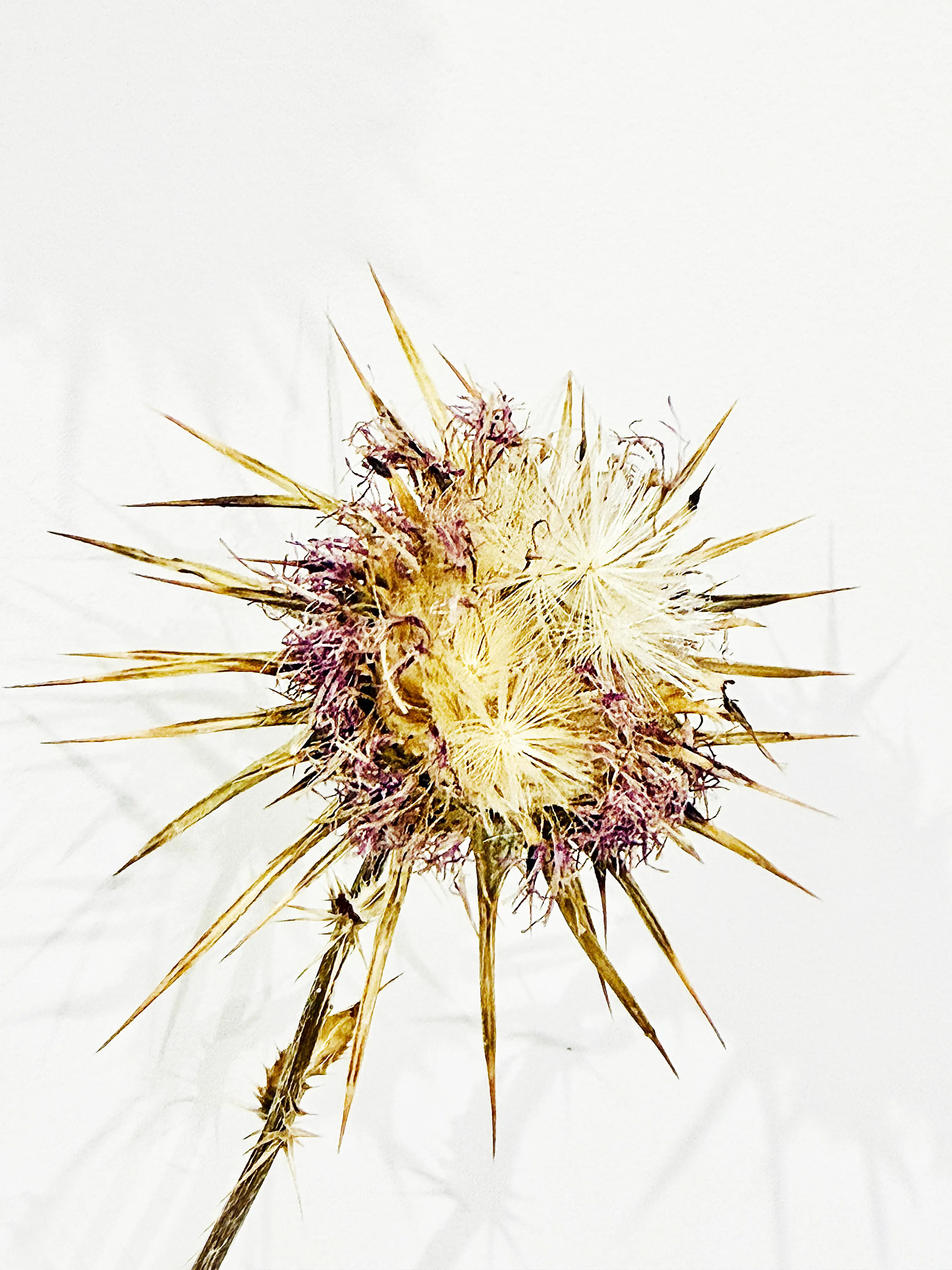
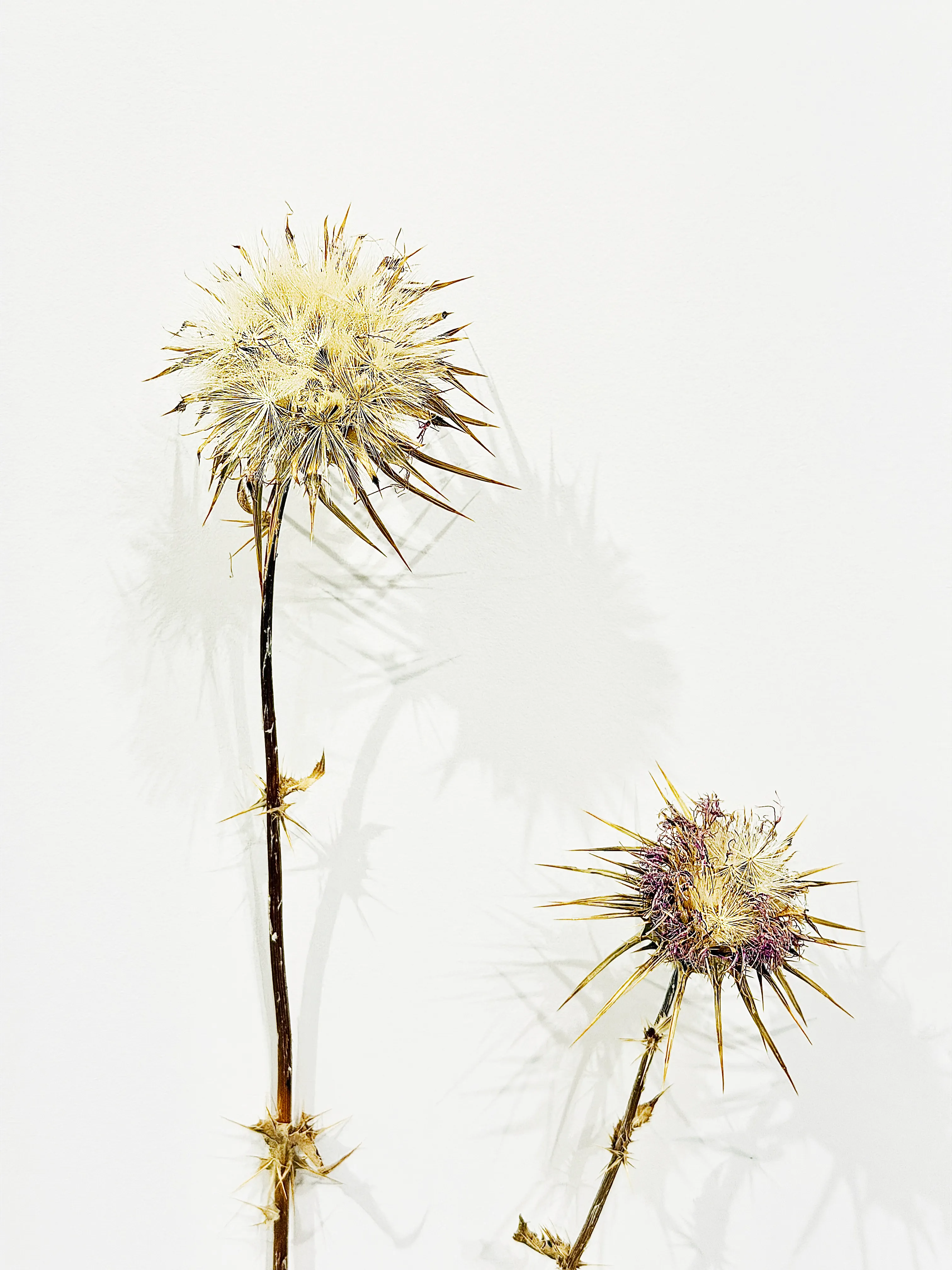
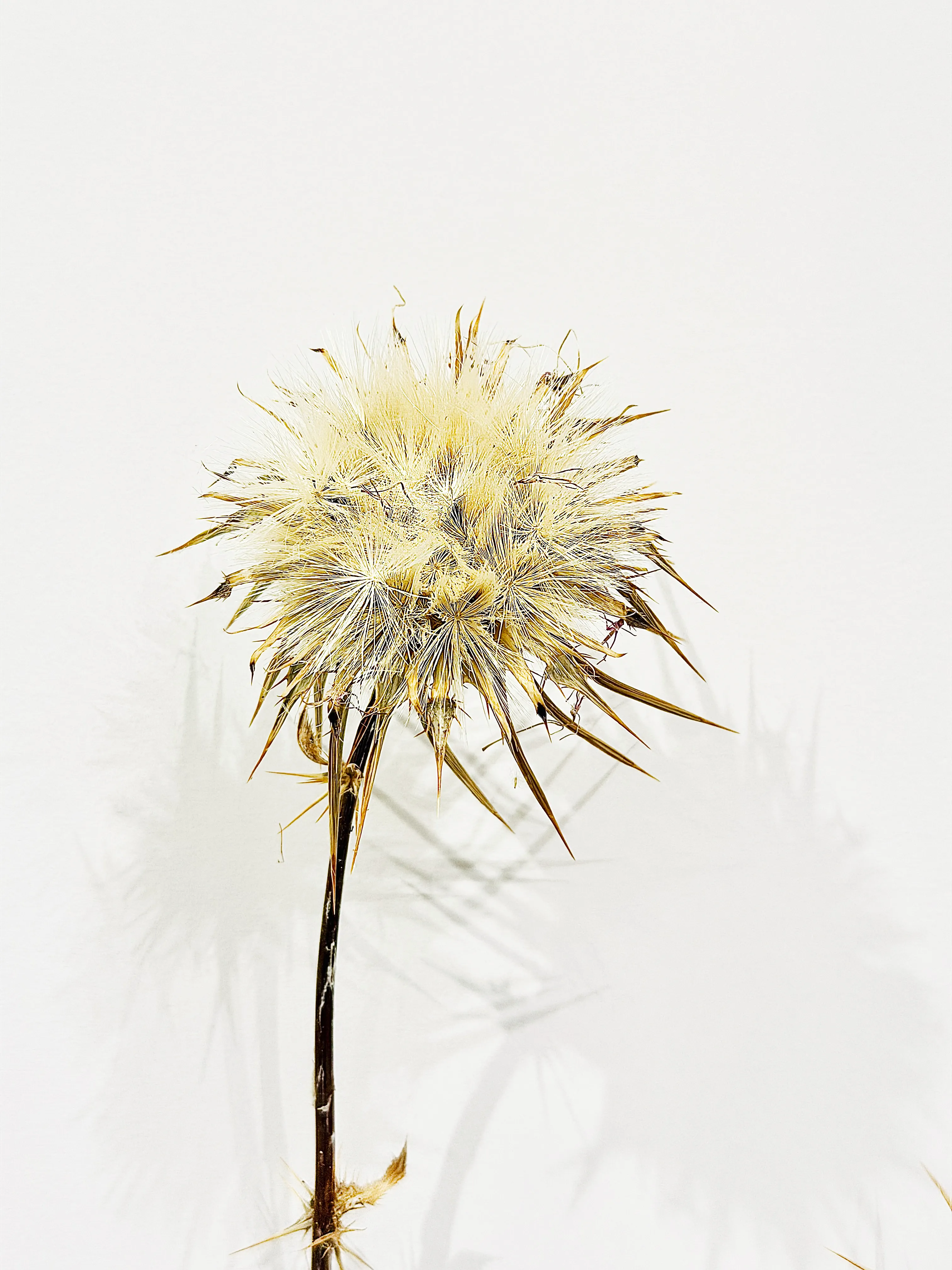
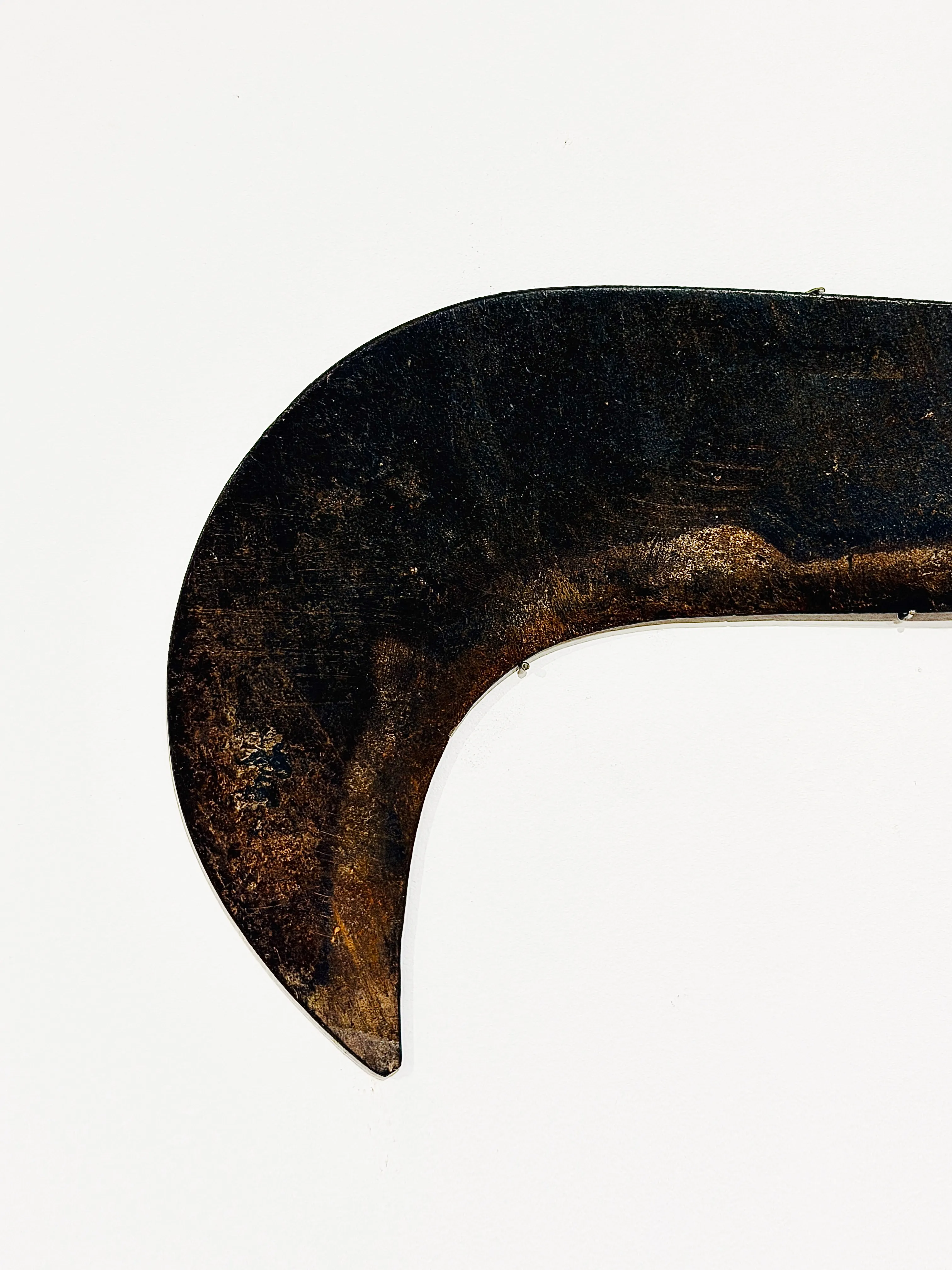
The sculptures unfold like separate songs within that journey. Masks made of bread enter into assemblages with shells, flowers, wood, metal and other fragments, creating autonomous encounters rather than a continuous narrative. No single work contains the whole story.
Together, they form an odyssey without a hero. Each episode is carried by its own mourner-Muse, while the sequence of sculptures constructs a journey through what follows death rather than through death itself. The pleureuse does not restore what has disappeared. She bears witness to the altered world, carries its memory and allows its fragments to be transmitted.
There is no return to the world before loss.
Only the task of learning to inhabit what comes after.