What does it mean to belong to several cultures without feeling entirely at home in any of them? Drawing on the ancient Greek distinction between the insider and the barbarian, I question how communities define their boundaries, who has the power to determine belonging, and how being an outsider has shaped a practice centred on identity, otherness and the spaces in-between.
I have always felt like a stranger. Not only in the countries where I have lived, but also in those I am supposed to call my own.
Neither entirely Greek nor entirely French, I have often found myself in a peculiar position: familiar with the languages, histories and cultural codes of different places, yet never feeling that I fully belong to any of them.
It is not necessarily a question of rejection. Sometimes the feeling of being an outsider comes from others, sometimes from within. You may be recognised as belonging to a group without identifying with it, just as you may feel deeply connected to a place without ever being accepted as part of it.
This ambiguity has always fascinated me. What makes us part of a group? Who decides where its boundaries lie? What separates the insider from the outsider, the local from the foreigner, the familiar from the barbarian?
In ancient Greece, the word barbaros originally referred to those who did not speak Greek, whose language sounded unfamiliar to Greek ears. Over time, this linguistic distinction acquired cultural and political meanings, increasingly separating those considered civilised from those perceived as outsiders.
What interests me is the relativity of this distinction. The barbarian is never simply a barbarian. They become one because someone else has defined the language, customs and values against which they are measured.
There is no outsider without an inside.
Belonging, in this sense, is not simply a matter of identity. It is also a question of power. Communities establish the codes through which individuals are recognised, included or excluded. Language, nationality, birthplace, shared memory and cultural behaviour become markers that determine who is considered one of us and who remains the other.
Yet these boundaries are rarely as stable as they appear. The same person may be considered local in one context and foreign in another. Identity shifts depending on who is looking, from where, and according to which rules.
Growing up between cultural identities has made me particularly sensitive to these invisible borders. I have often felt both inside and outside the groups to which I supposedly belong, close enough to understand their codes but distant enough to question them.
Perhaps this is why movement has become such a constant in my life and work.
I am drawn to situations in which identities become unstable, categories overlap and the familiar turns strange. The moment when something can no longer be clearly defined as one thing or another is often where my work begins.
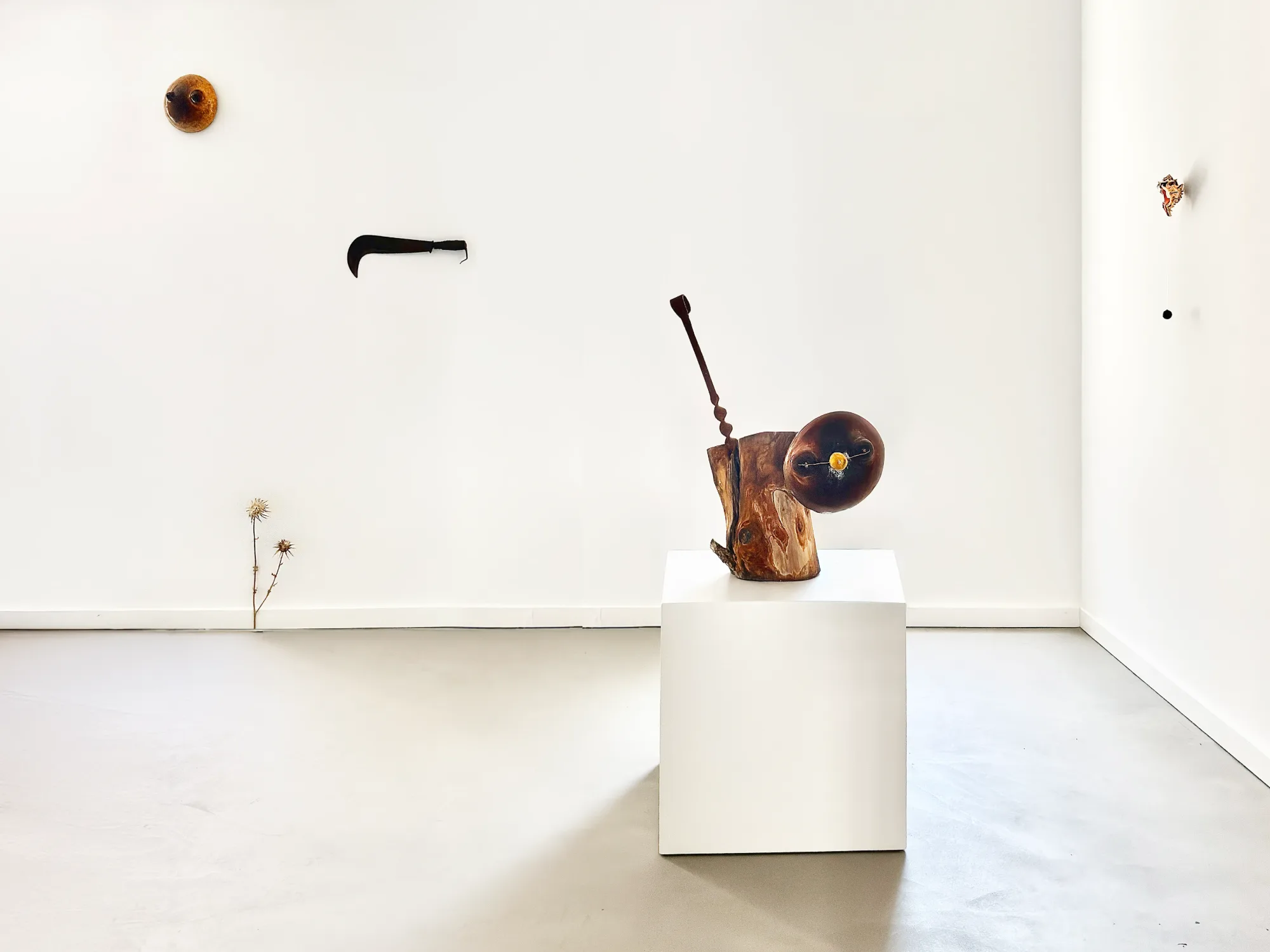
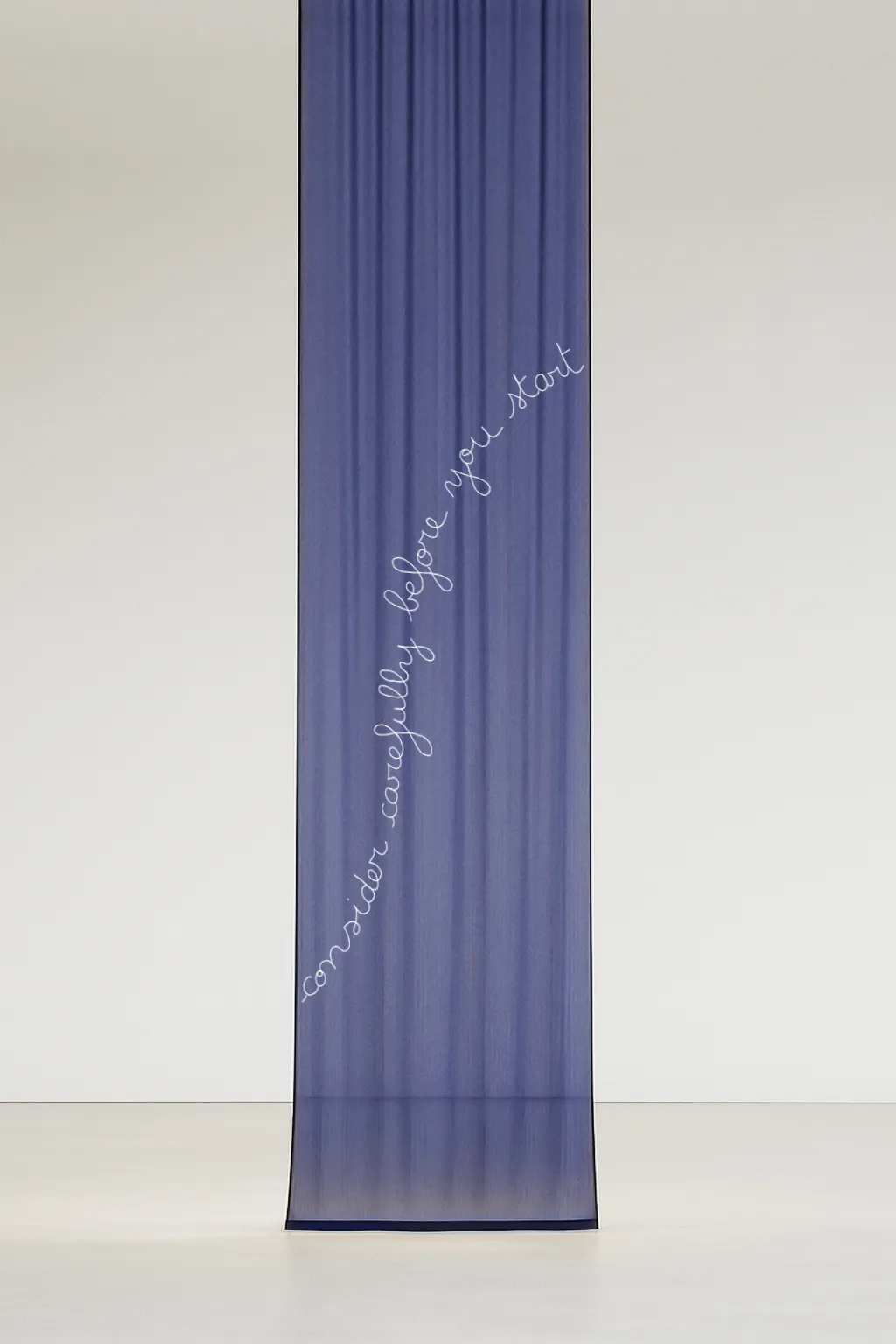
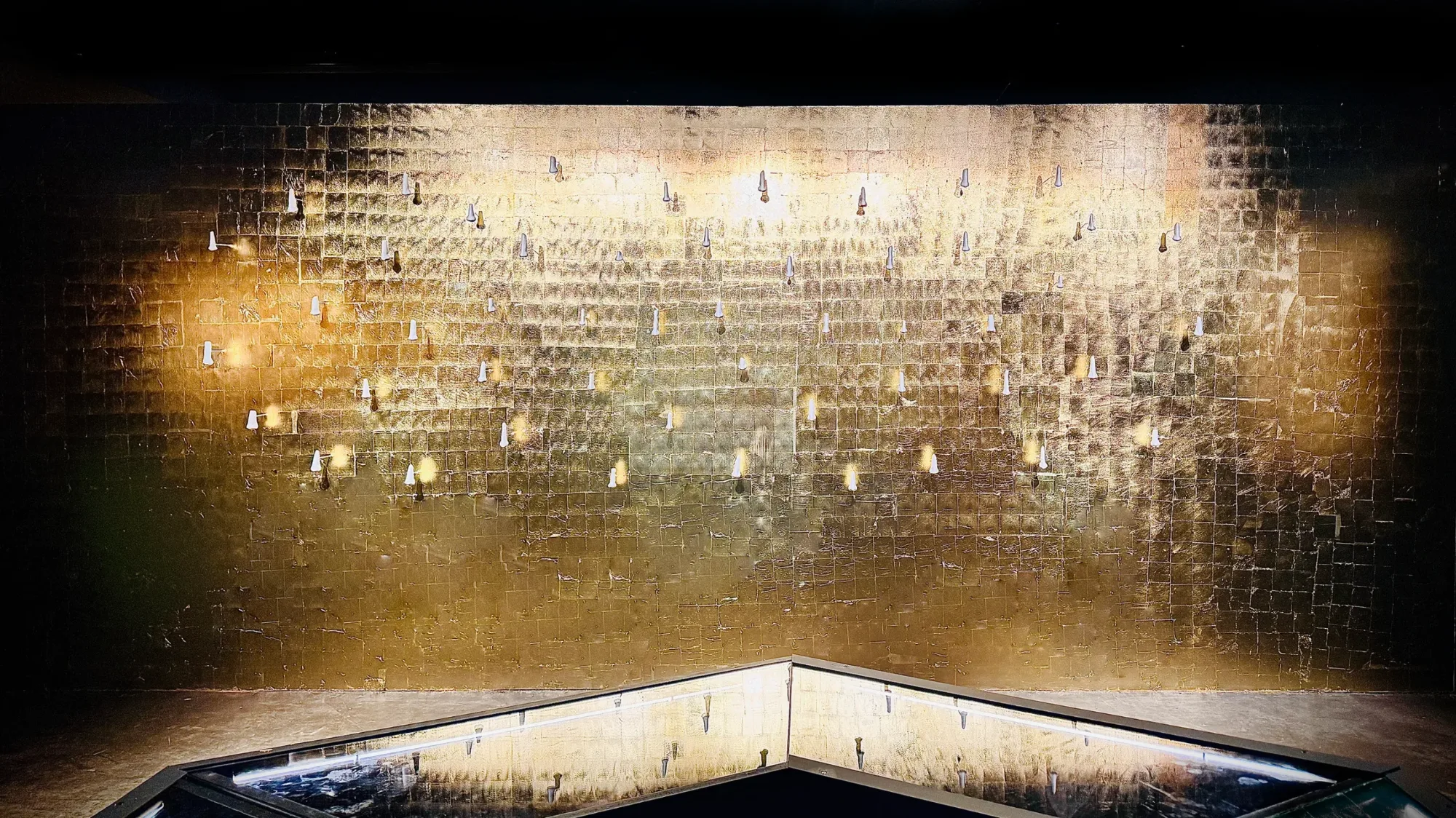
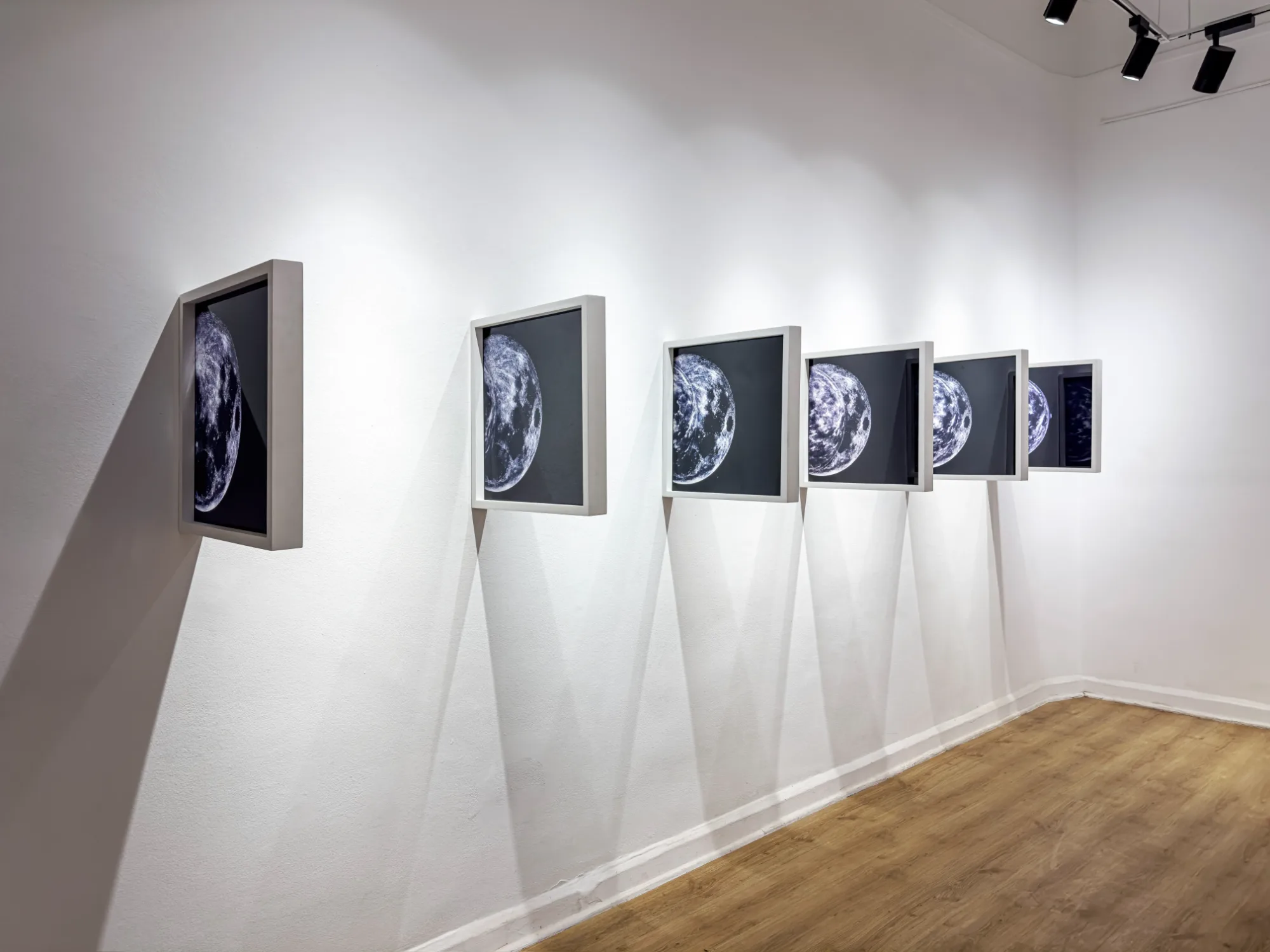
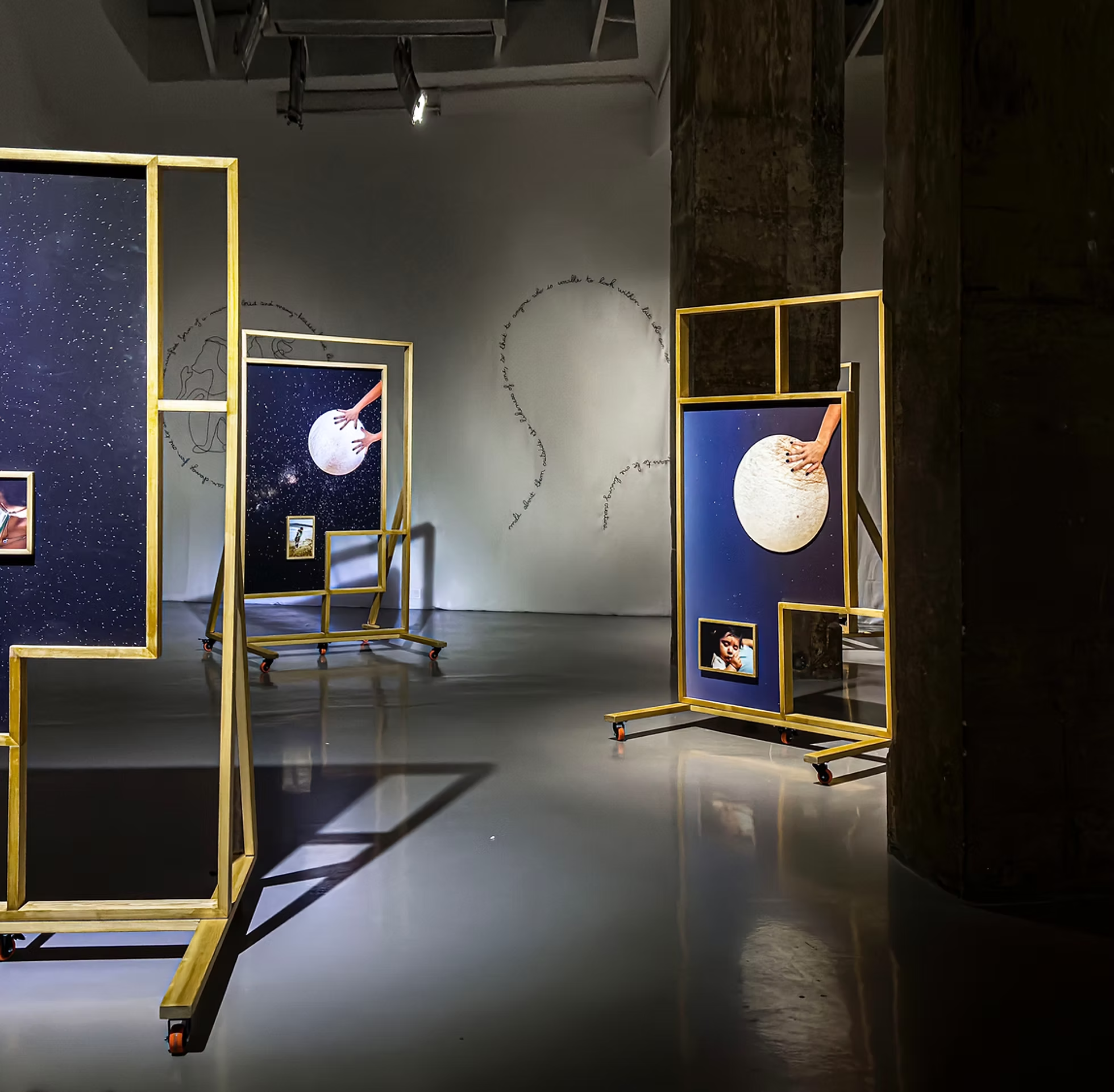
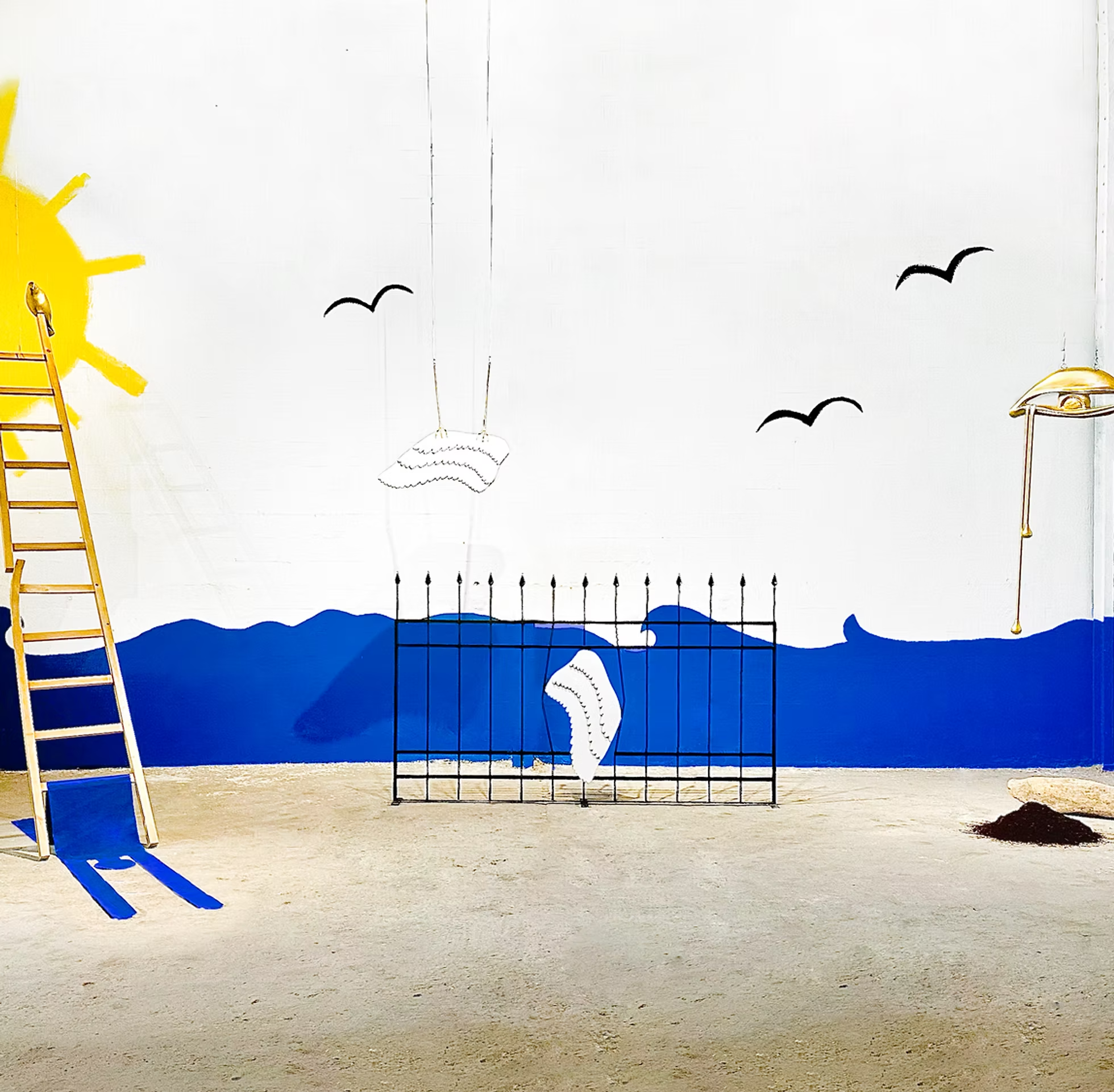
Dans Chez Nausicaa, the encounter between Odysseus and the Phaeacian princess raises the question of how we recognise and receive a stranger. Shipwrecked, alone and deprived of the symbols of his former status, Odysseus arrives in a foreign land where his identity means nothing to those who encounter him. Before he can be recognised as a king or a hero, he must first be received as a human being.
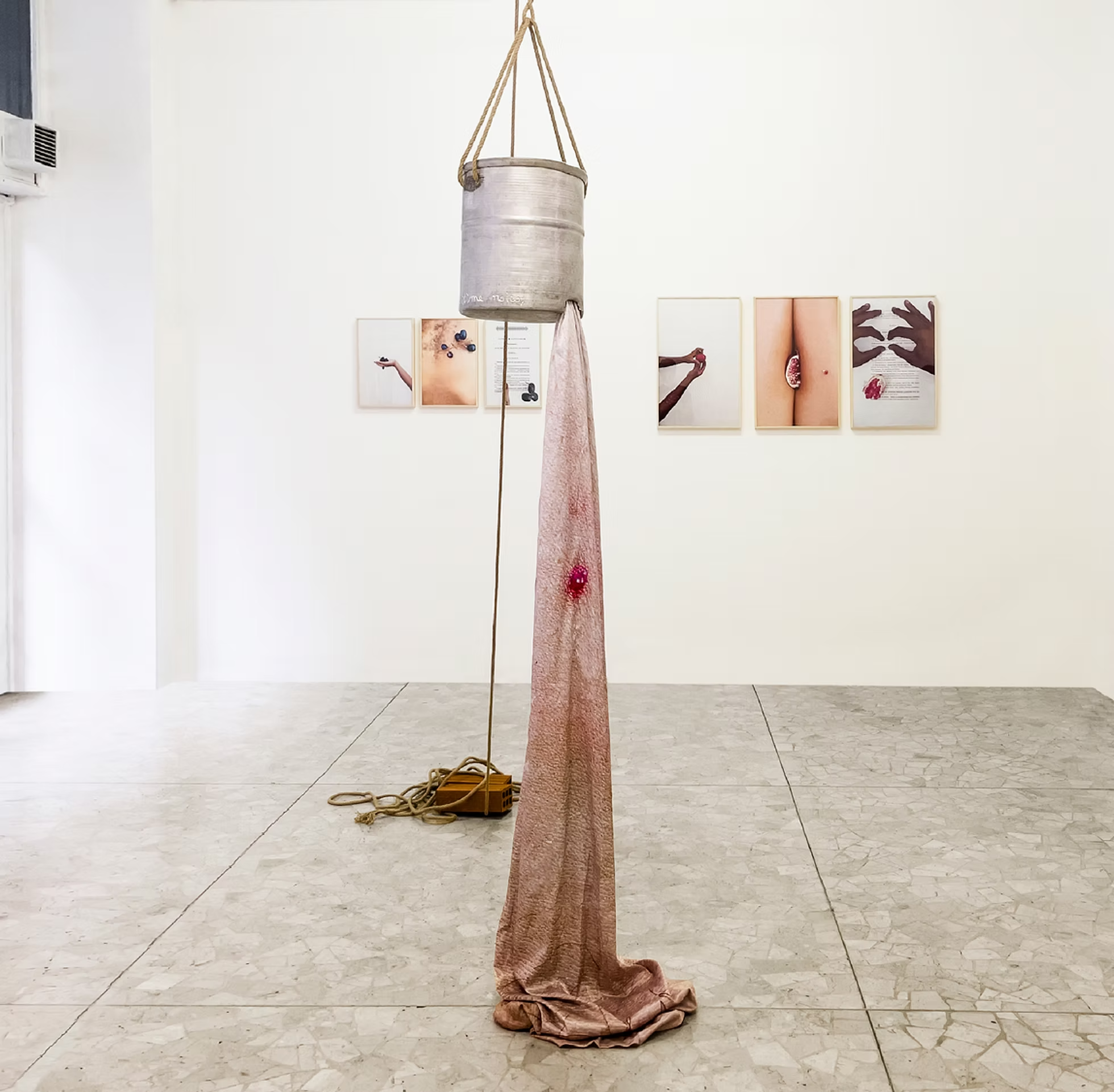
Dans L’amour de loin, belonging becomes entangled with exile, memory and the idea of home. The distance between the place one inhabits and the place one remembers reveals how fragile our relationship with origins can be. Home is no longer simply a geographical location, but something continually reconstructed through absence and desire.
Beyond these works, the same questions appear throughout my practice in different forms: between individual and collective identity, belonging and exclusion, the familiar and the unfamiliar, one category and another.
For me, living in-between is not simply a question of occupying an intermediate position between two cultures. It is a way of experiencing the instability of the categories through which we organise the world.
And I do not necessarily see this condition as a privilege or a freedom. There is something uncomfortable about never feeling entirely at home, about constantly negotiating one’s place in relation to others. But there is also a certain distance that allows me to observe the boundaries of a group without completely accepting them as natural or inevitable.
I have gradually come to understand that this position is not something I need to resolve. It has become the place from which I look at the world.
Perhaps belonging is less about where we come from than about the relationships through which we recognise ourselves and are recognised by others. Perhaps identity is not something we simply possess, but something continuously negotiated between ourselves and the groups around us.
And if every group needs an outsider to define its own boundaries, perhaps the most interesting place to stand is precisely at that border.
Call me barbarian.
Séries liées
Notes d'atelier liées