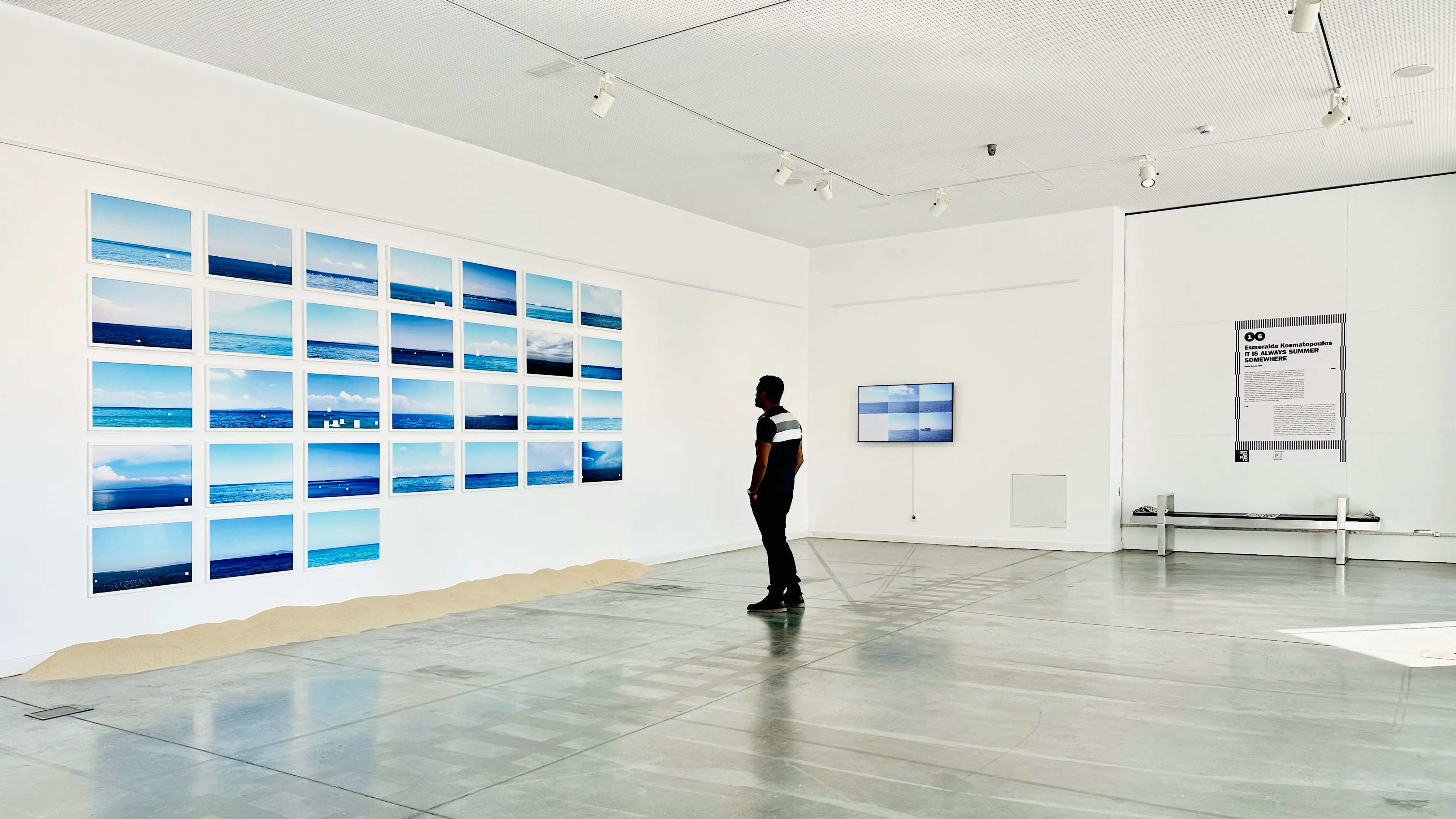
It Is Always Summer Somewhere is a multidisciplinary art project developed by Esmeralda Kosmatopoulos in response to the Mediterranean migration crisis. Through photography, sculpture, video, sound and installation, the project constructs a contemporary mythology of exile around the sea as passage and border.
START YEAR
2018
END YEAR
2019
About
It Is Always Summer Somewhere explores migration as a recurring experience shaped by departure, crossing and uncertain arrival. Developed on Lesbos in 2018, the project emerged along a shoreline where residents, tourists, migrants and European border patrols shared the same coast while inhabiting different realities. For some, the beach was leisure; for others, it marked the end of a dangerous crossing or an uncertain wait.
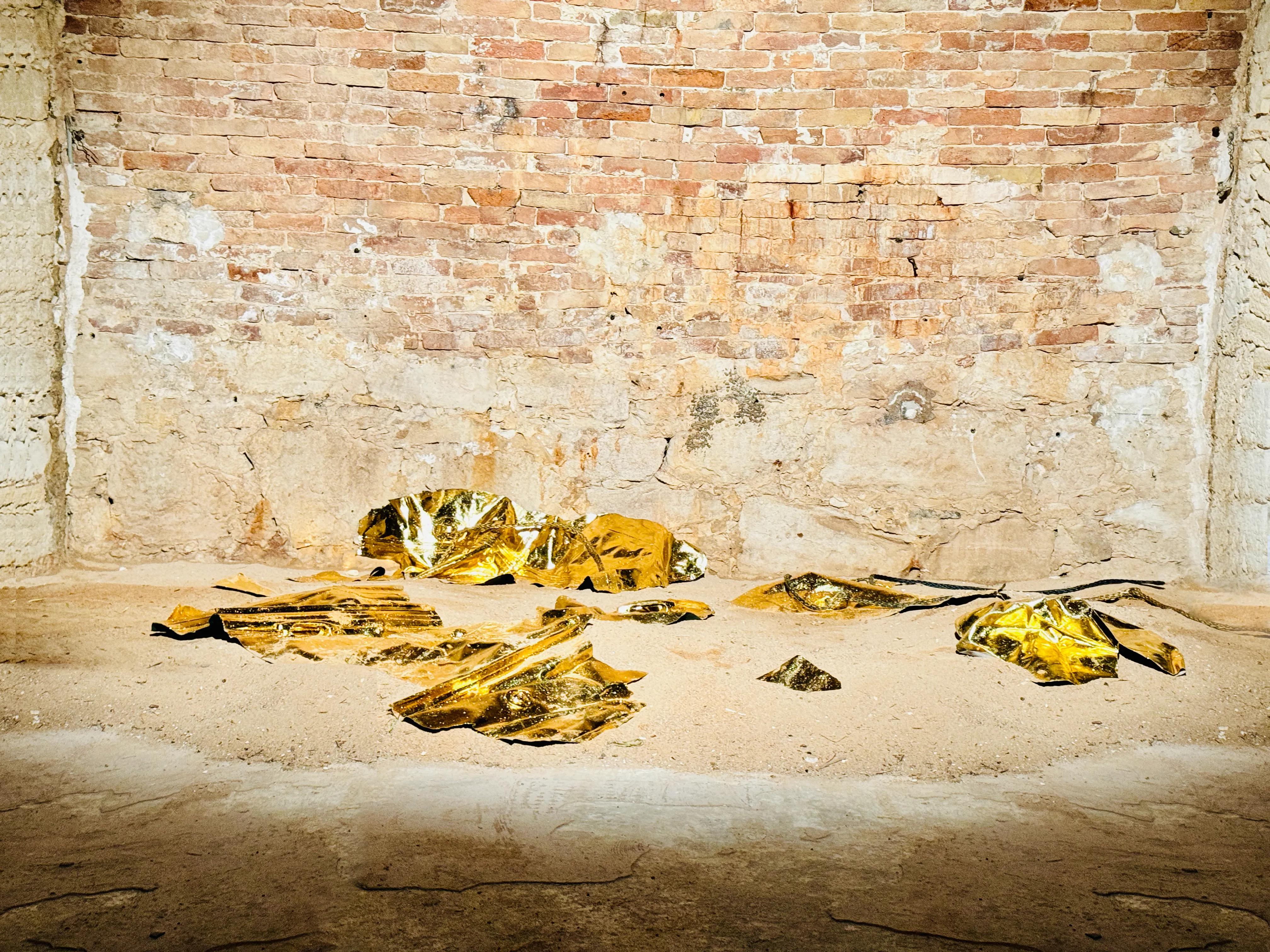
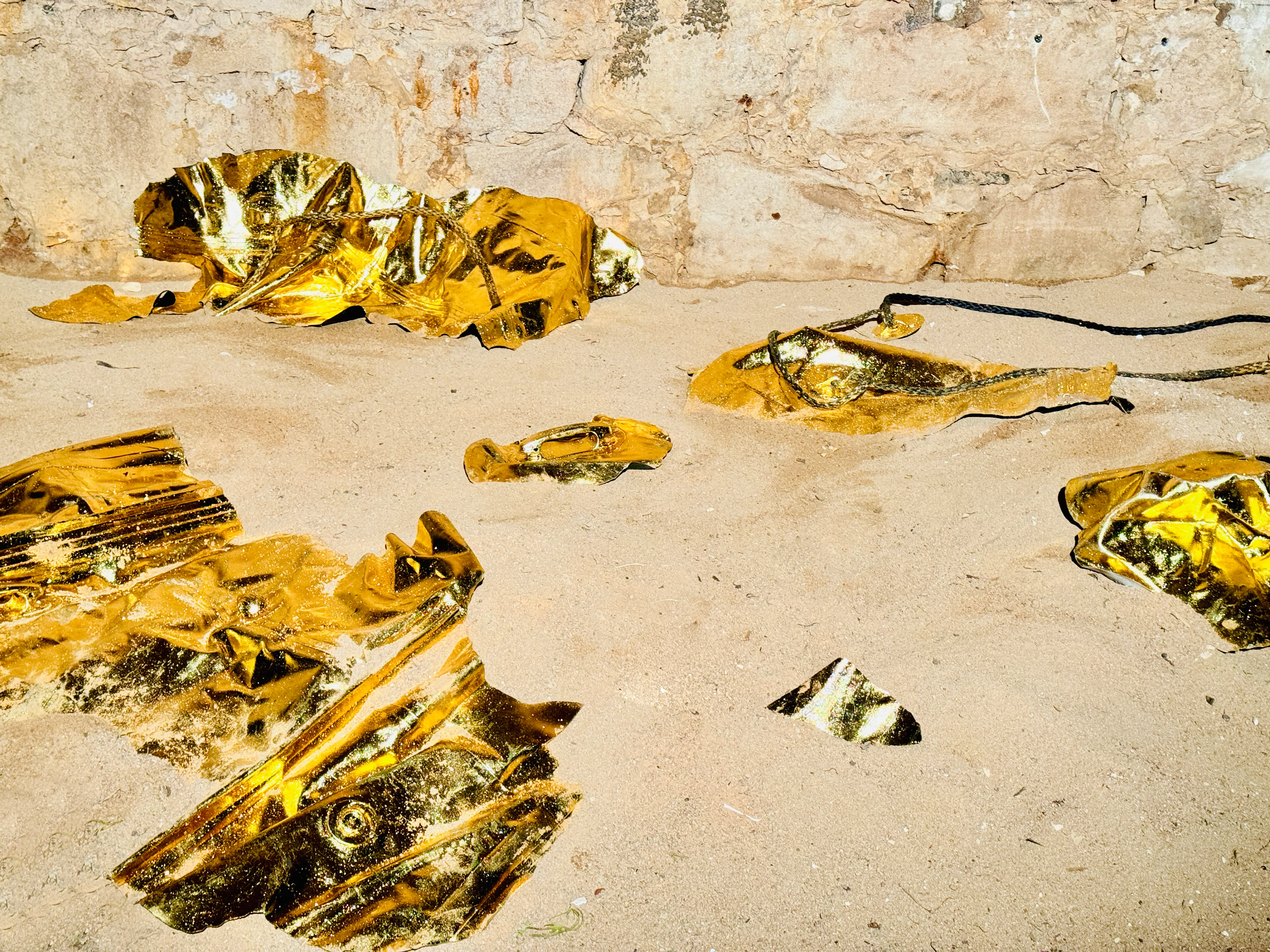
The project began when Kosmatopoulos stumbled over a fragment of an inflatable refugee boat on a tourist beach. Half-buried in the sand, it appeared as the final trace of a journey whose beginning remained unknown. She decided to reconstruct the story backwards — to imagine where the boat had come from, what it had carried and what might have happened before it reached the shore. A mythology of exile emerged from this reverse movement.
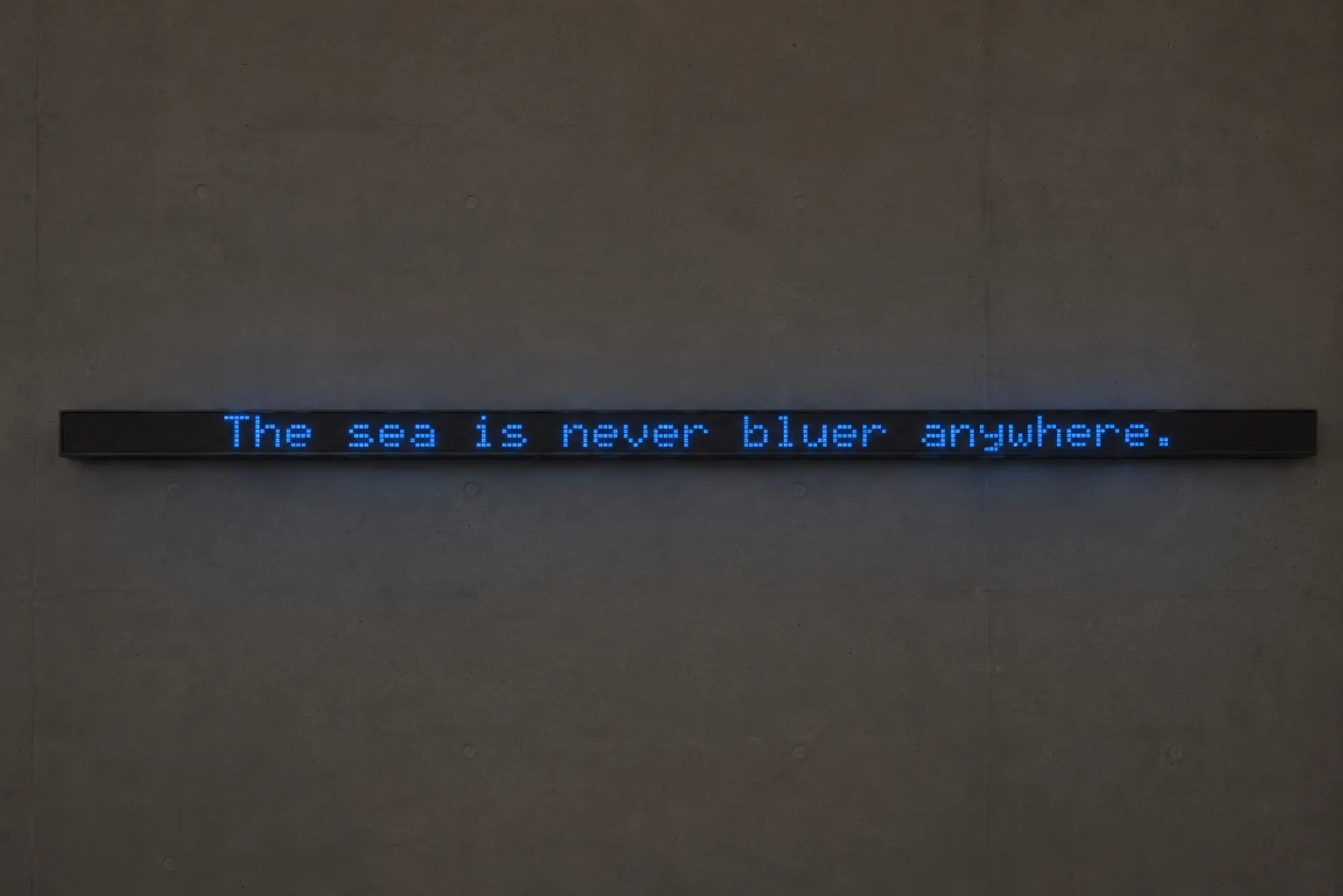
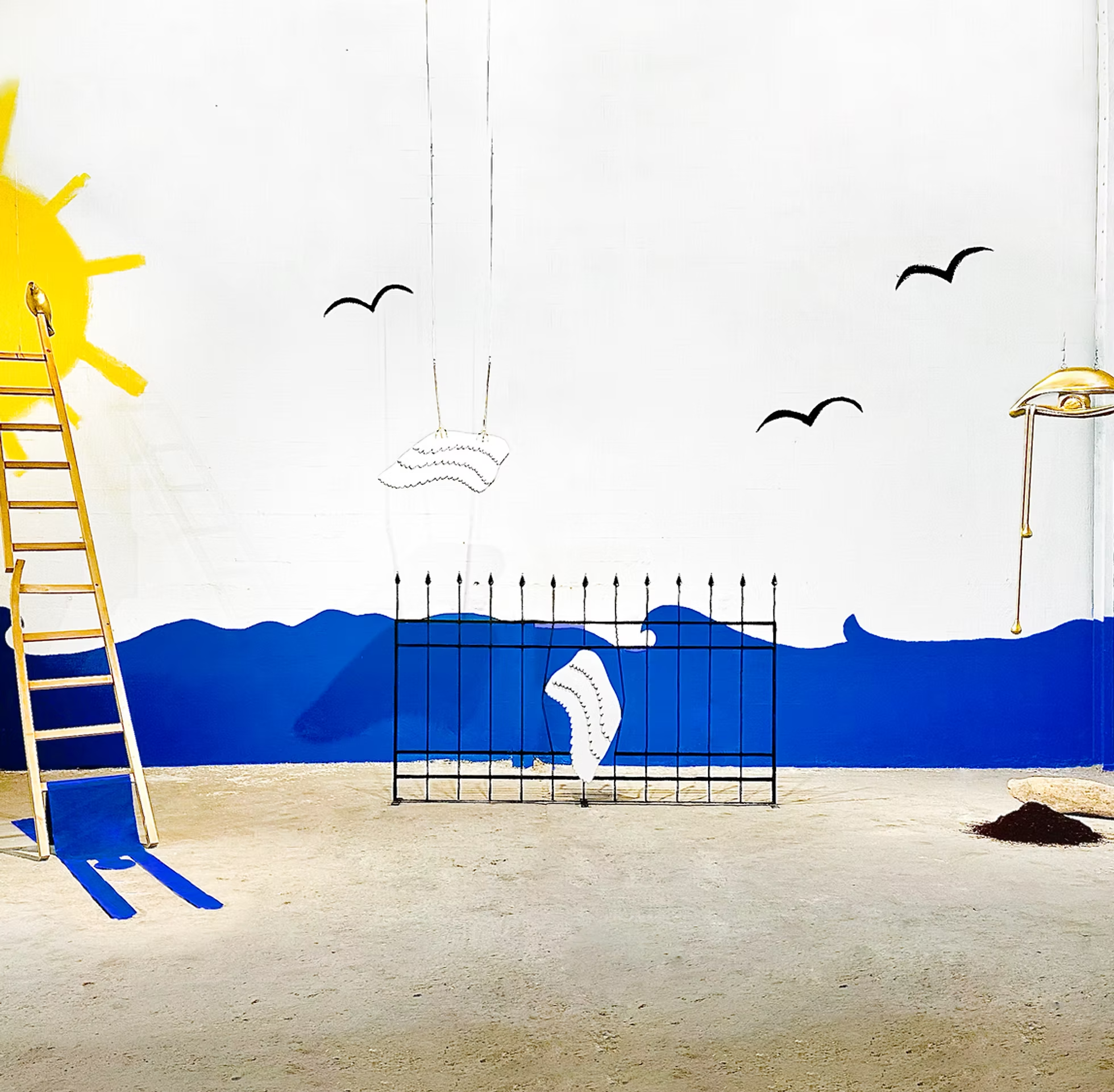
Aesop’s fable The Shipwrecked Man and the Sea becomes central. When a shipwrecked man blames the sea, it answers that it is not responsible for the violence upon it, but is disturbed by the winds. The same tension runs through the water separating Lesbos from the Turkish coast: transparent and continuous, it carries no visible border or political intention, yet people project onto its surface danger, freedom, surveillance, exile and blame.
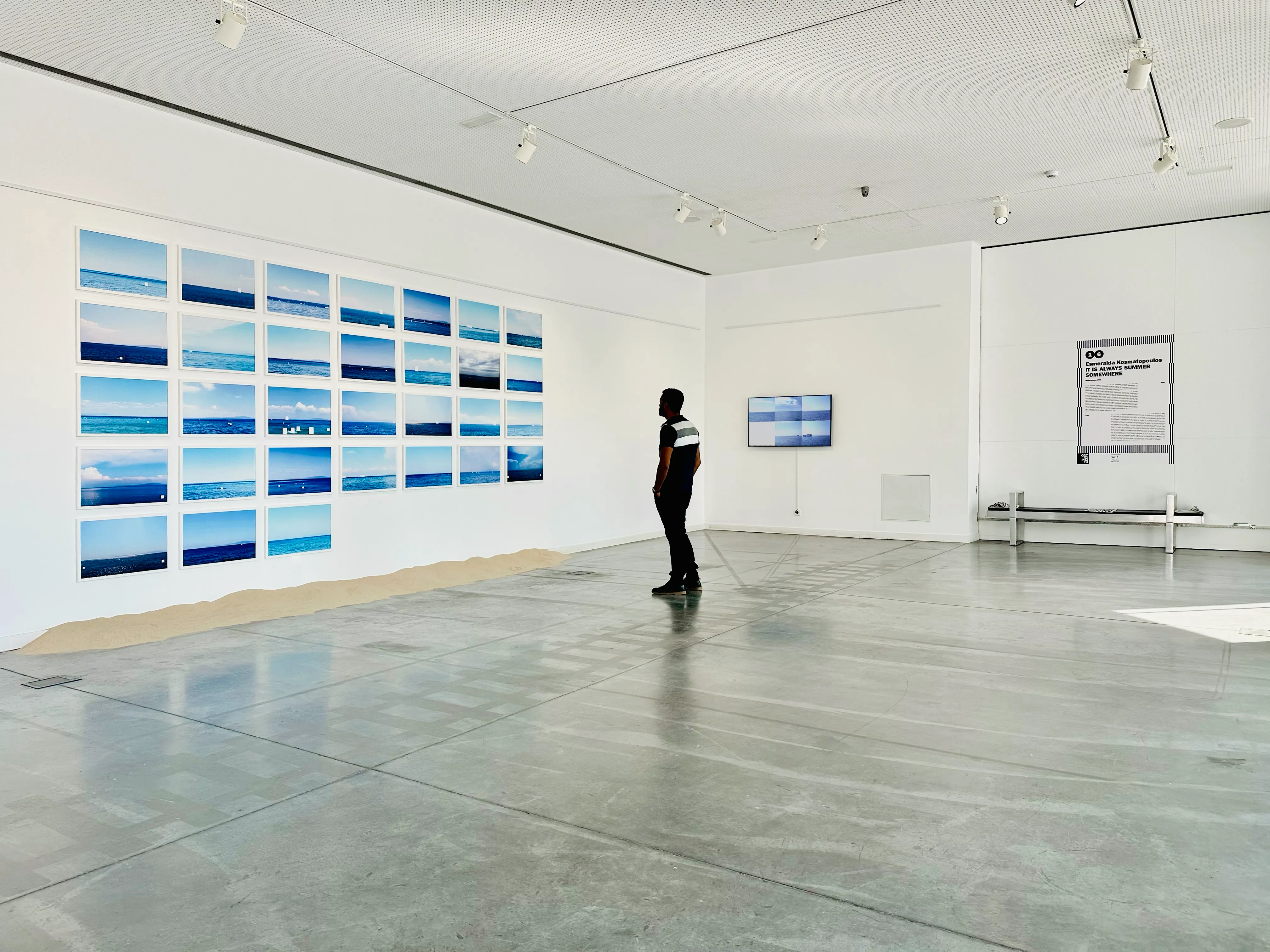
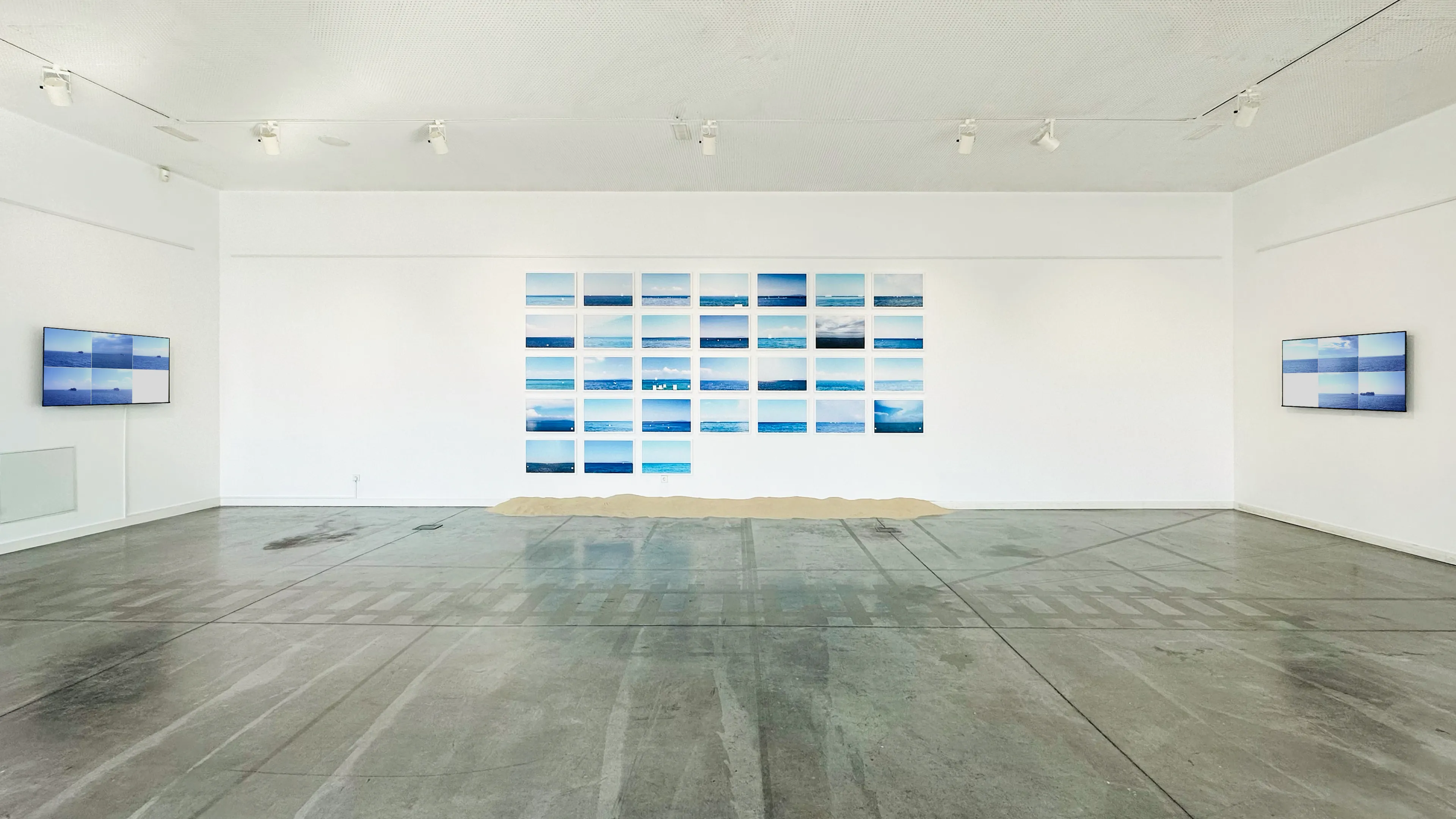
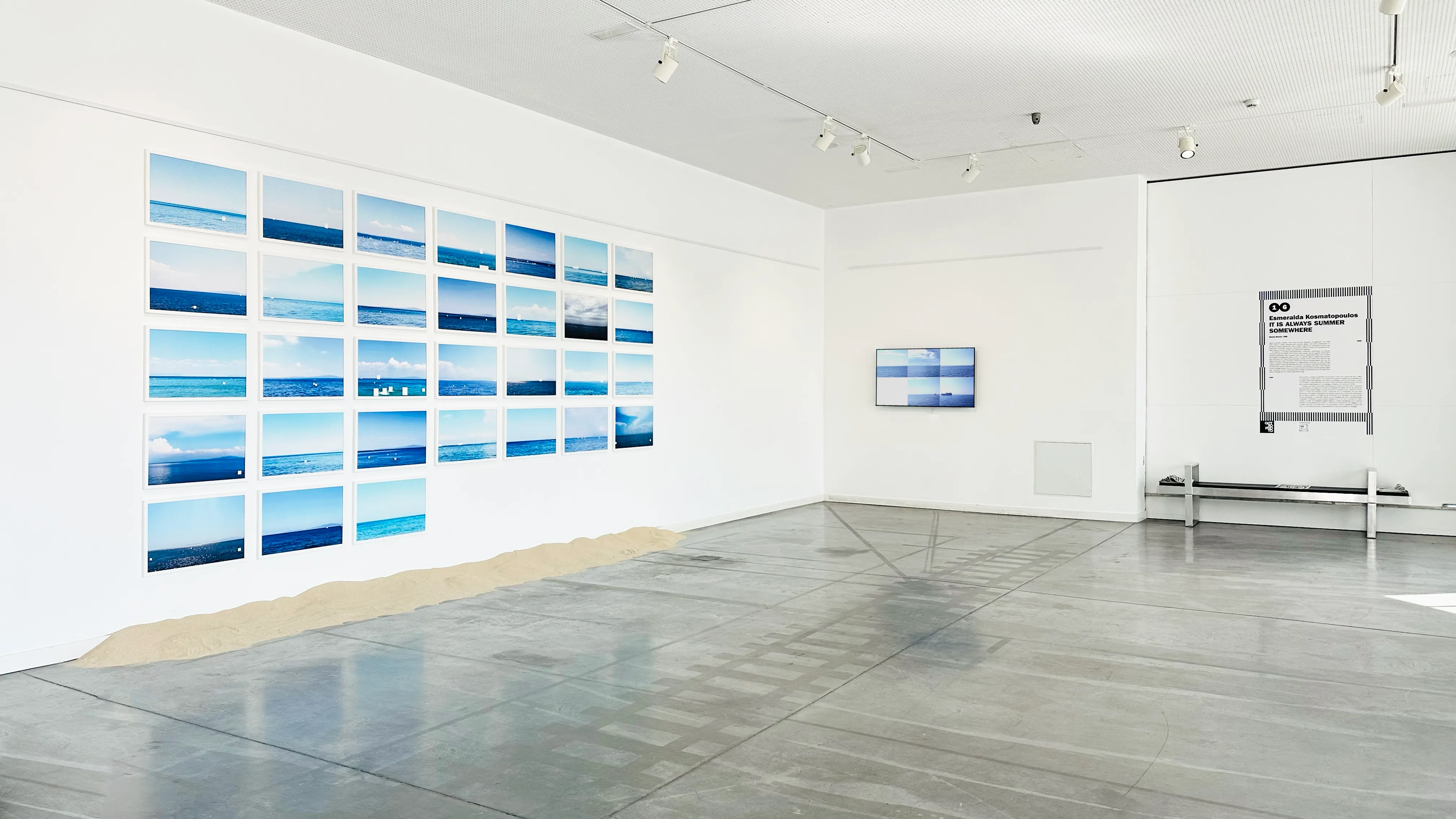
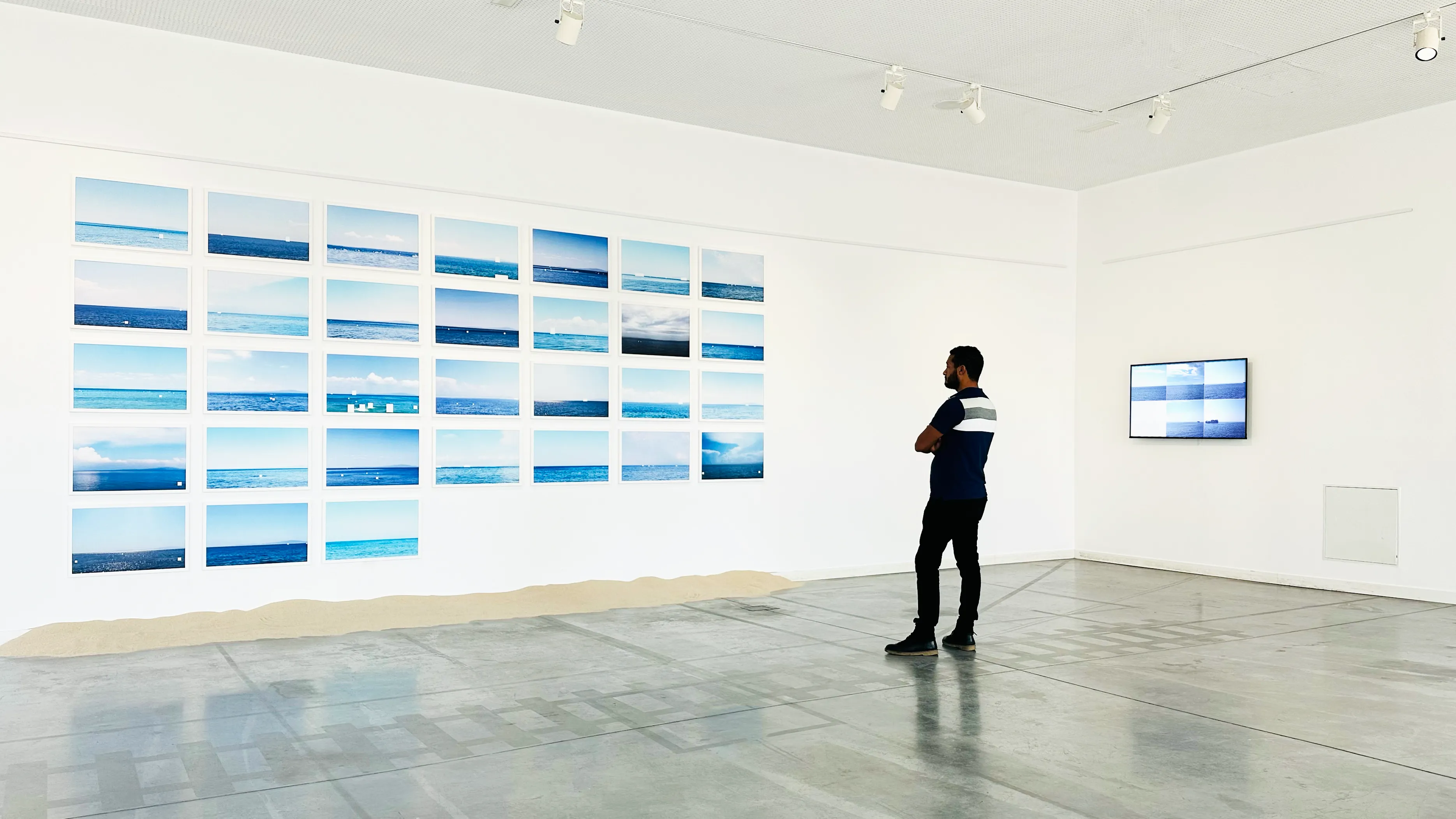
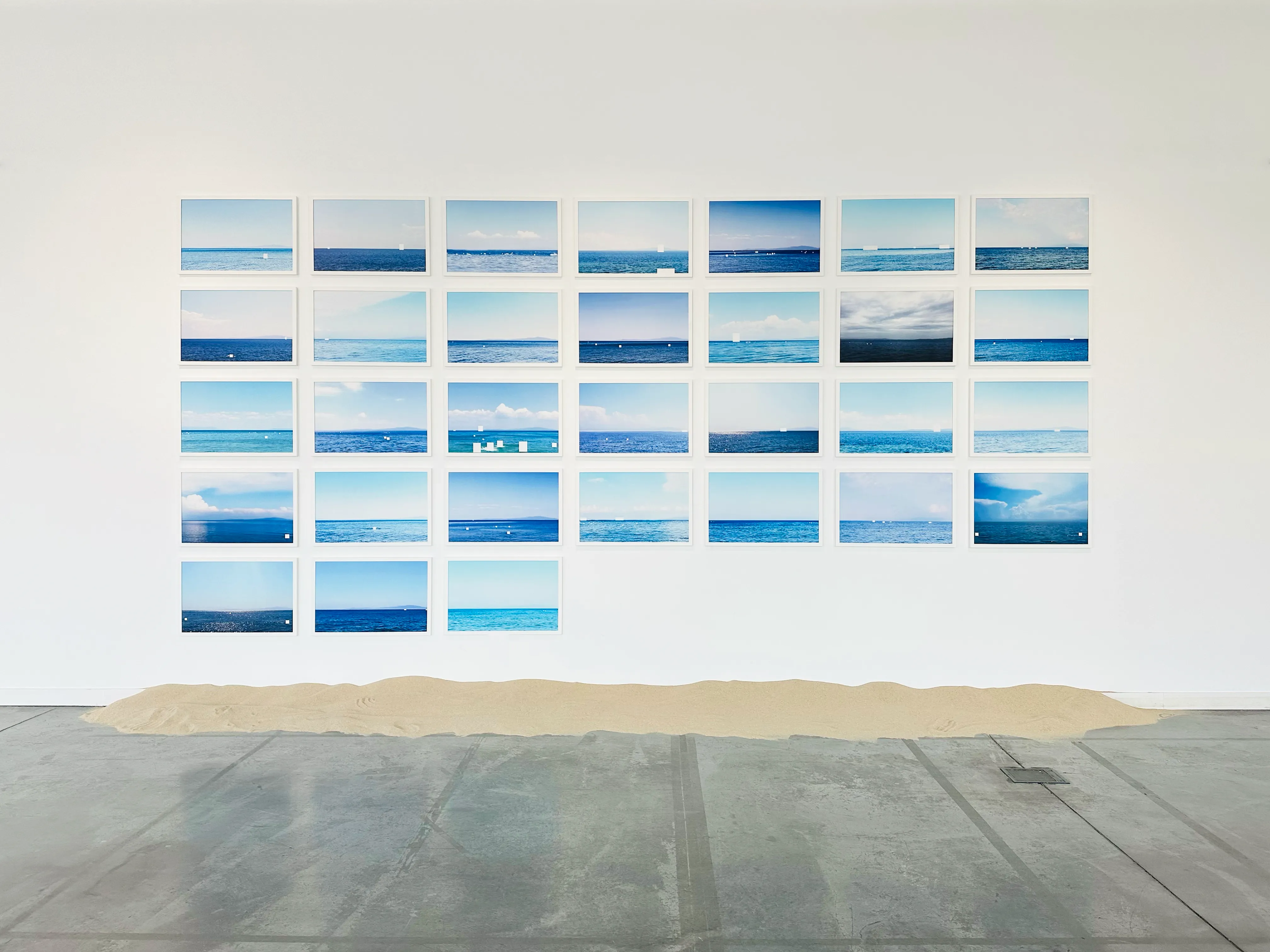
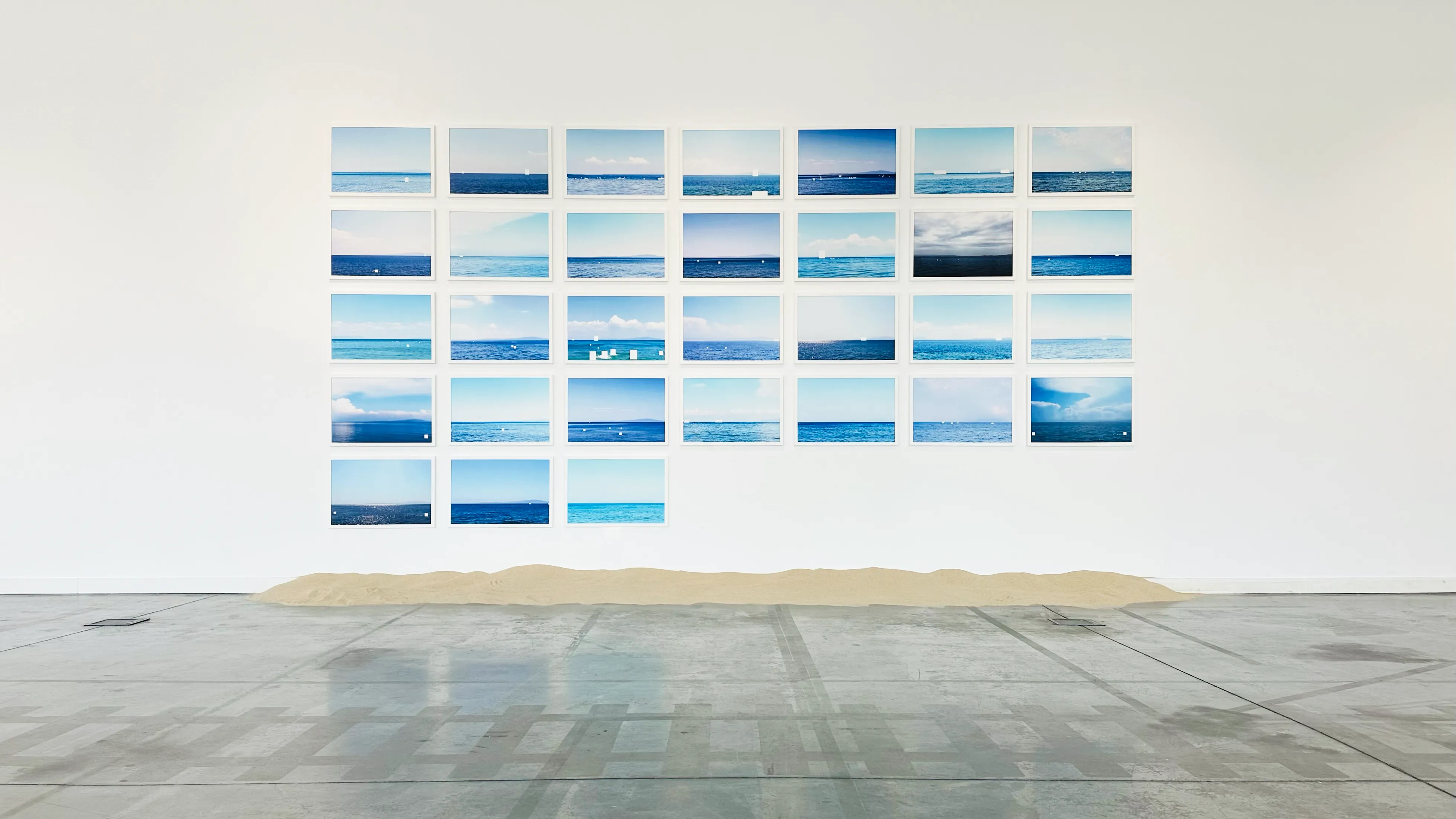
This instability takes visual form in Les Juilletistes, an installation of thirty-one photographs made from the place where the fragment was found, one for each day of July. Every swimmer and boat has been erased, leaving white rectangular interruptions. These empty surfaces turn the tourist landscape into a ghostly space, concealing what was present while inviting other images to be projected into them: a holidaymaker, a migrant crossing or a body disappearing beneath the water.
The calendar introduces a circular time structured through repetition. The same viewpoint, sea and boats return each day, but no image is identical. Light, weather, presence and absence alter the frame.
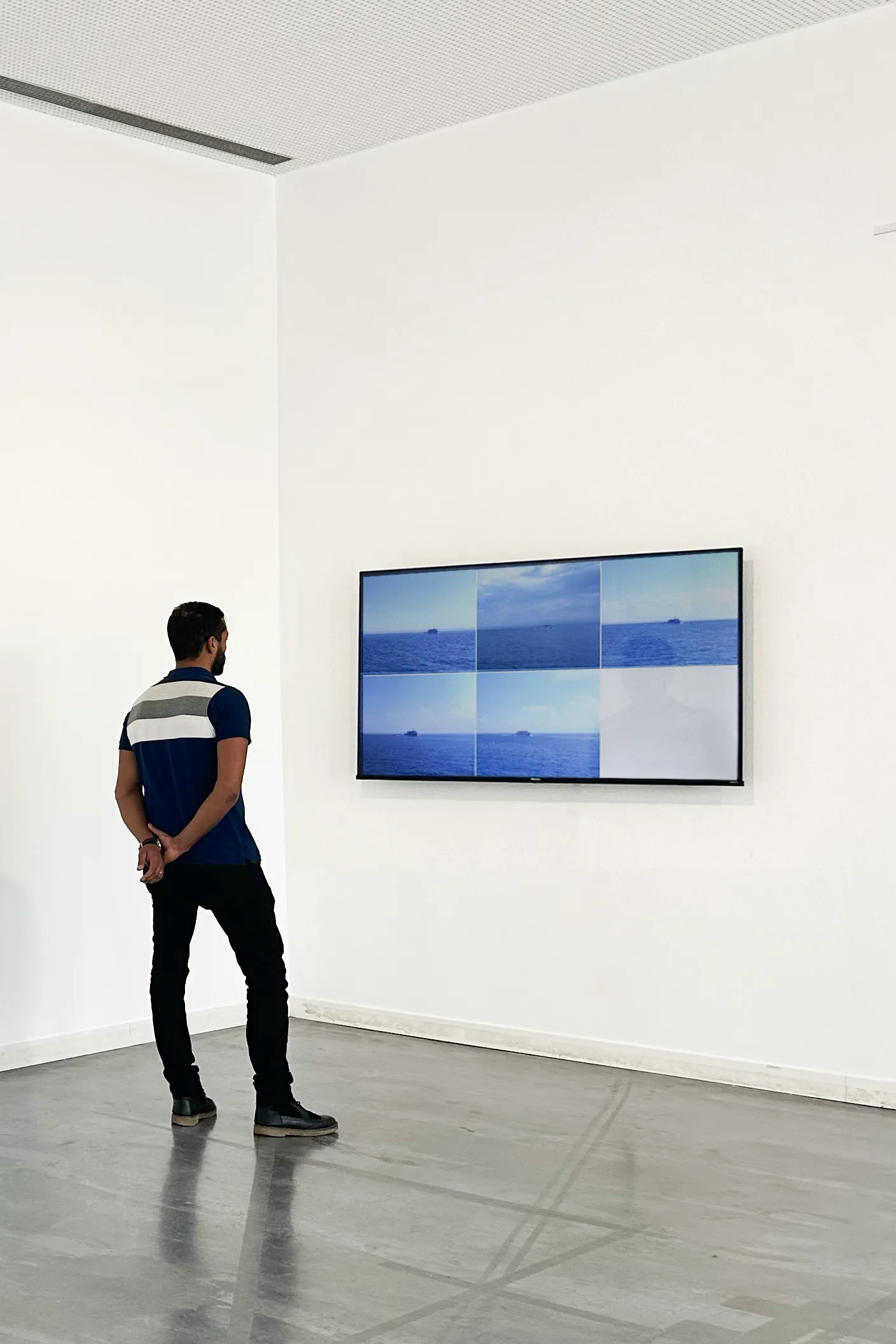
In Monday–Friday, this daily rhythm moves between tourism and historical displacement. Tourist boats repeatedly travel between Greece and Turkey across the same waters through which Greeks and Turks were forced to move in opposite directions during the population exchange of 1923. The route remains similar while its meaning changes entirely: one crossing becomes an excursion; another becomes exile.
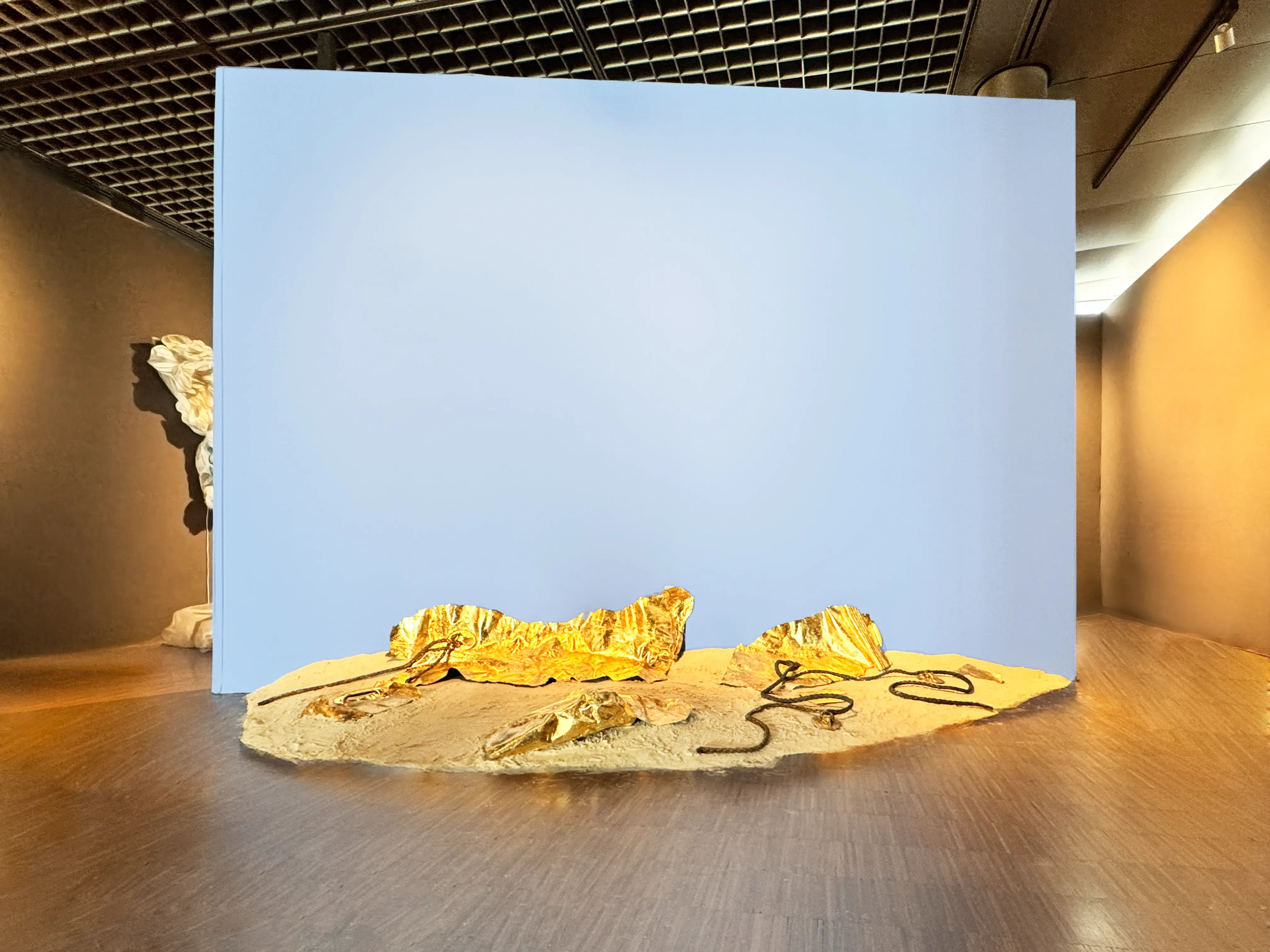
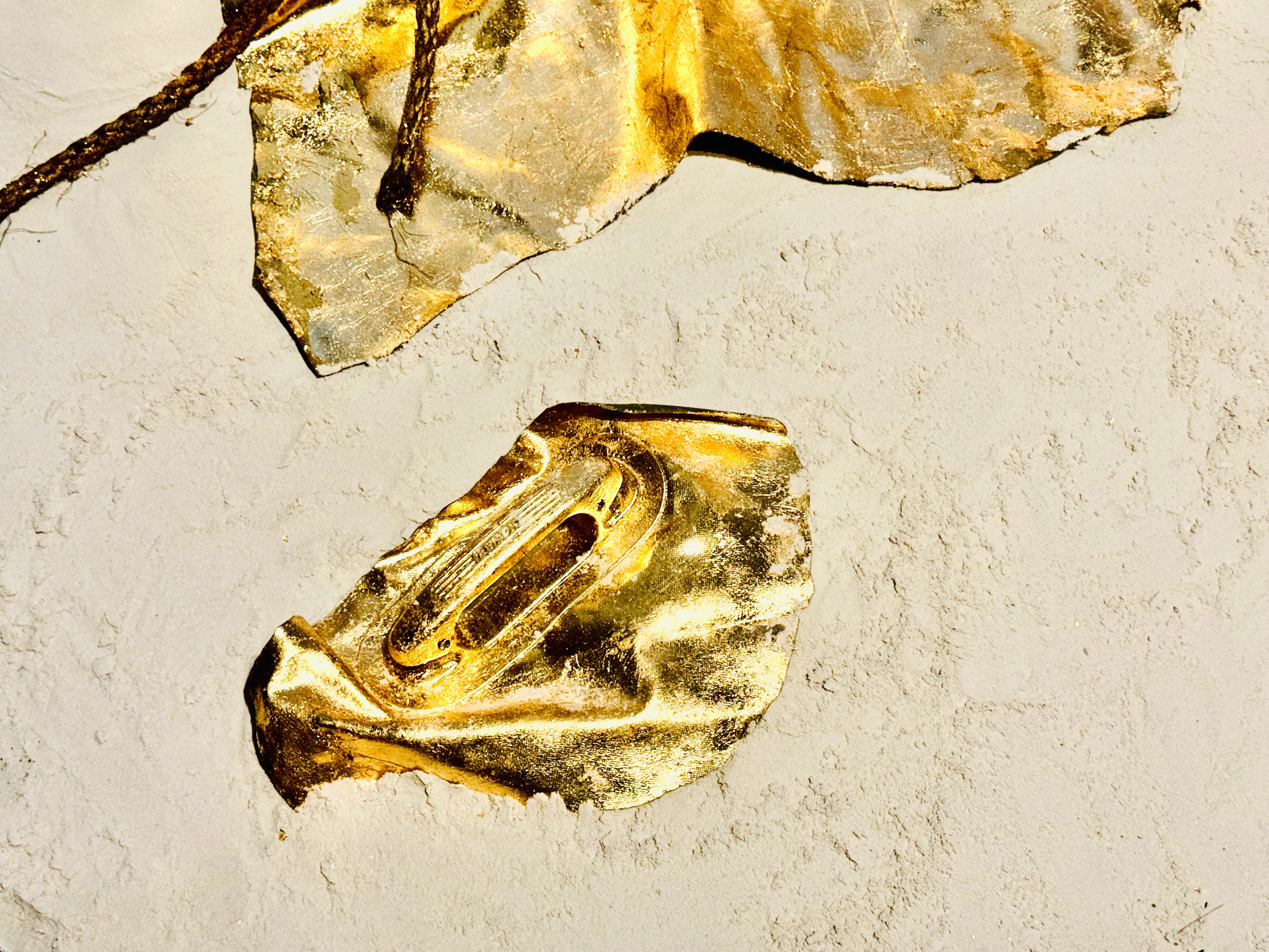
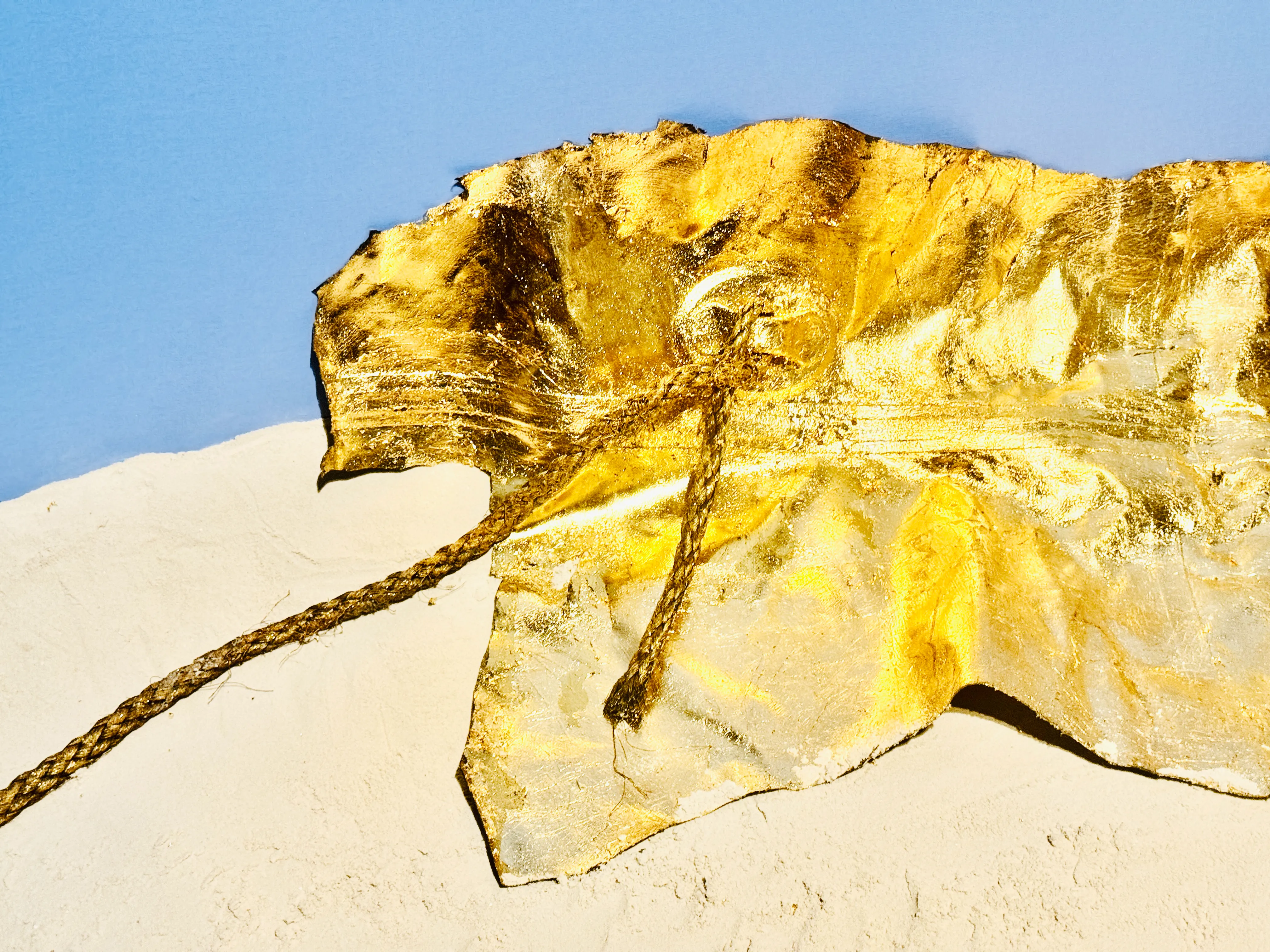
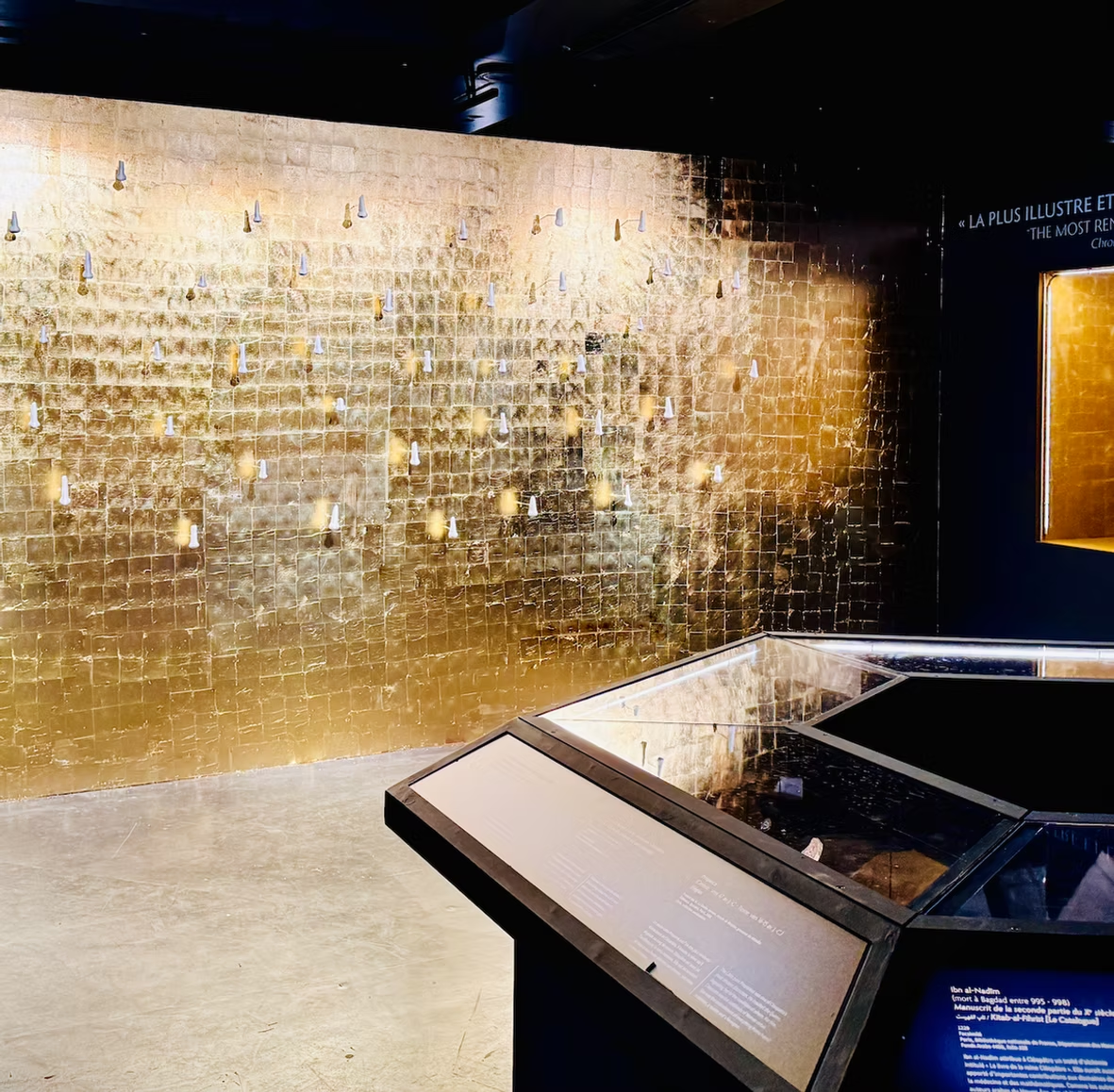
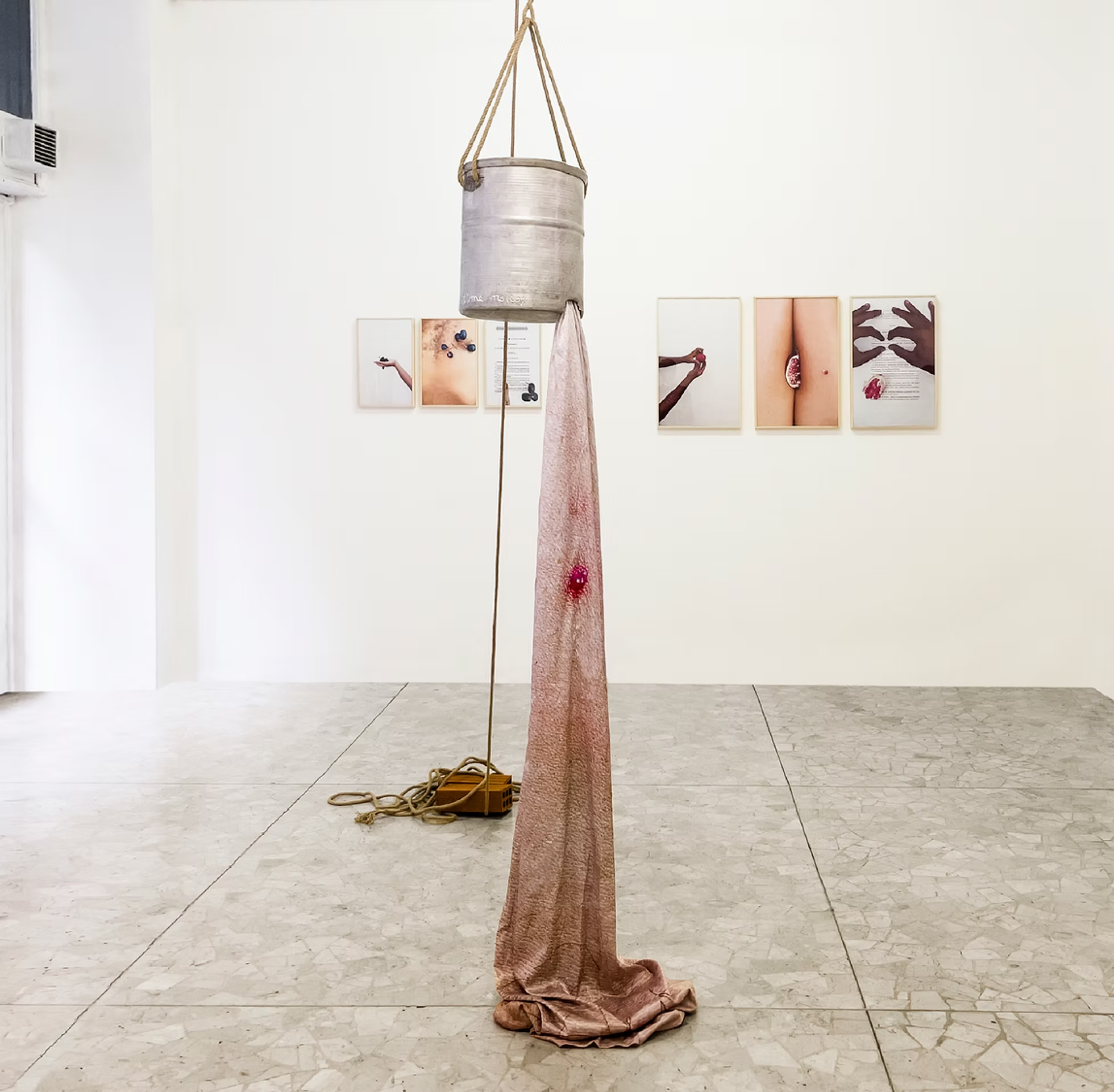
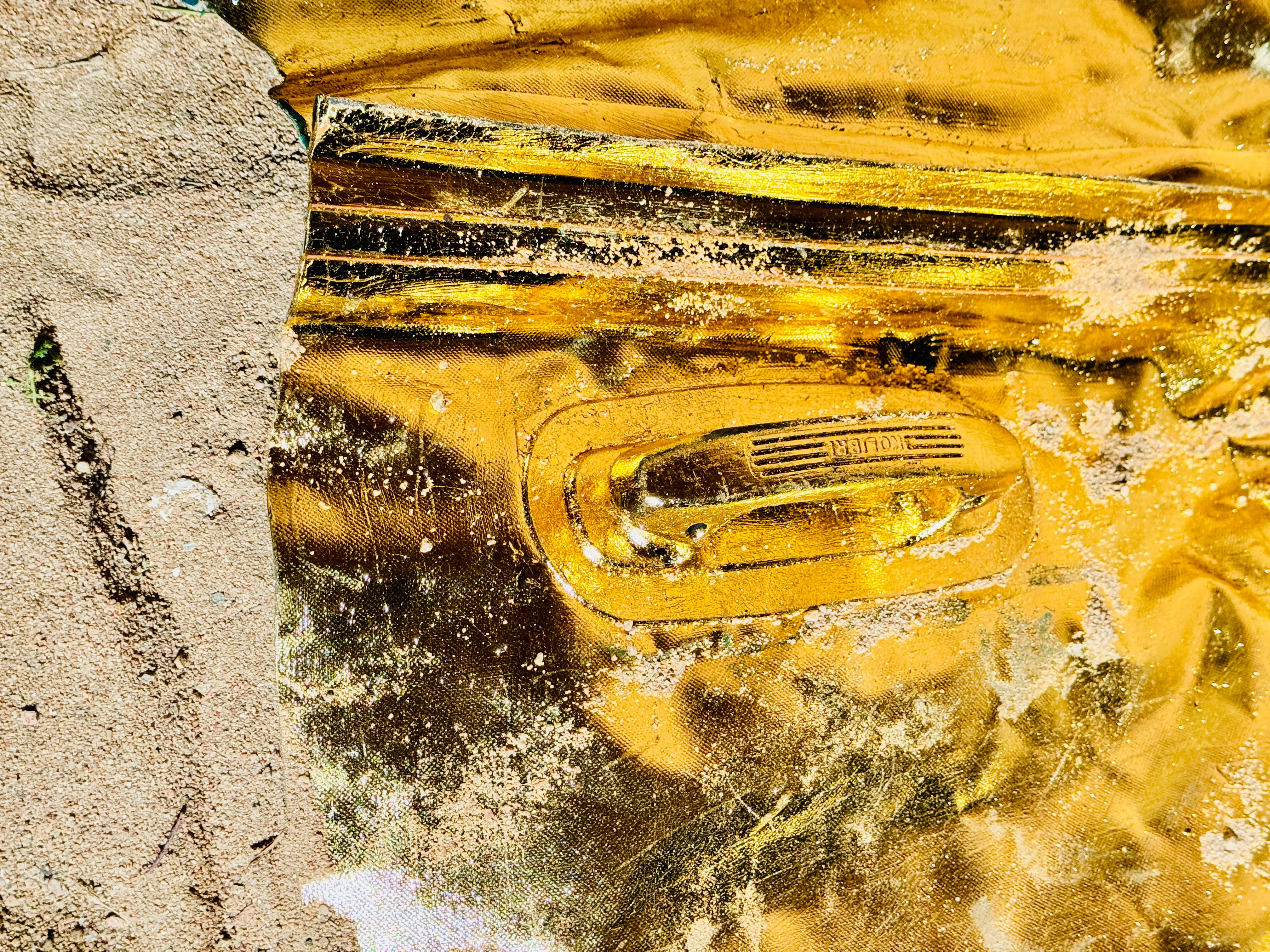
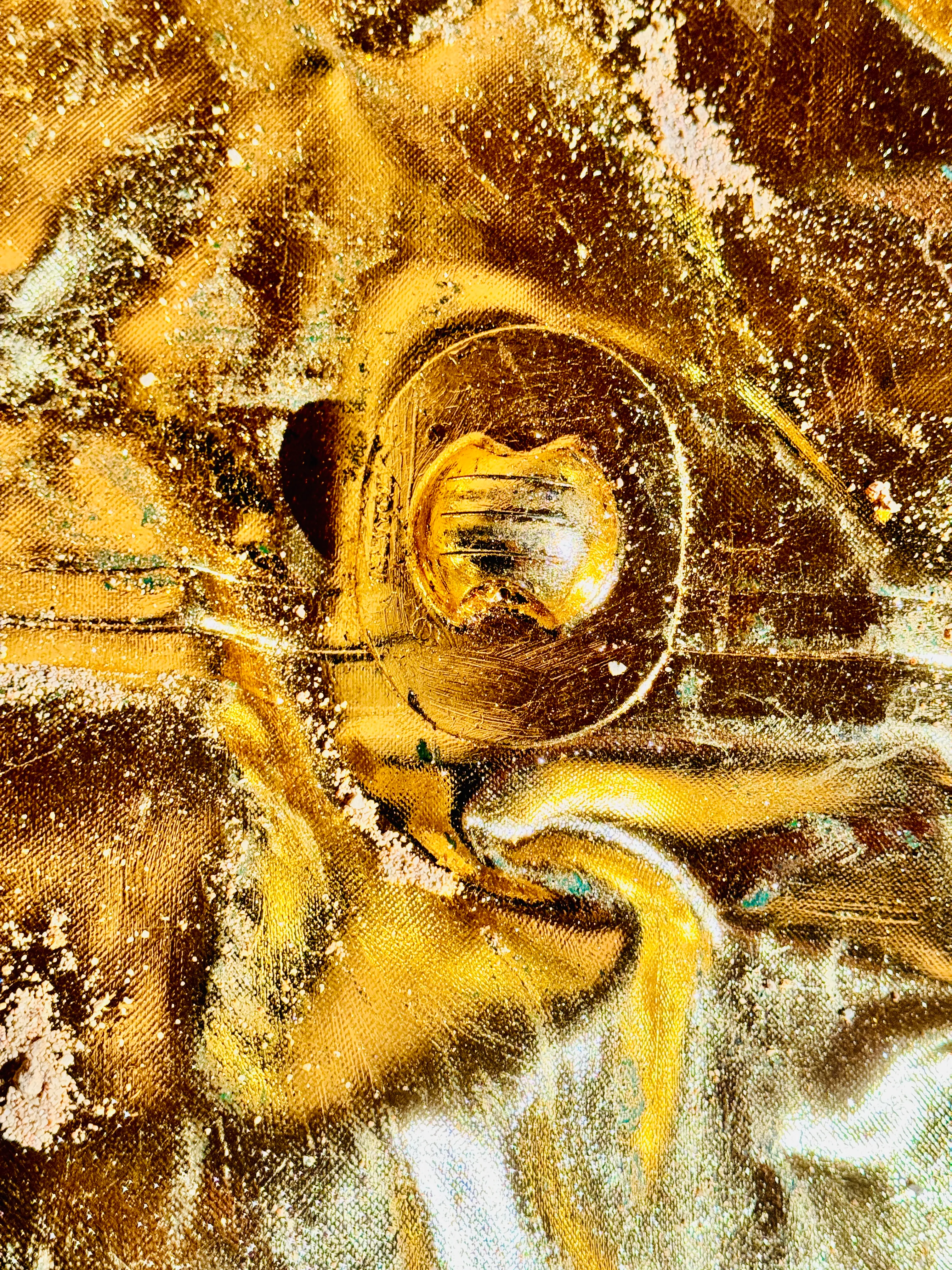
Tout ce qui brille… returns to the fragment itself. Covered in gold leaf, it shifts from overlooked debris into relic while retaining the incomplete history of the crossing from which it came. From 1 to 10, La morale de l’histoire and Unlike the Grass extend the dialogue with Aesop, questioning how responsibility and meaning are assigned to a sea with no political identity.
Only then does the title reveal its tension. It Is Always Summer Somewhere borrows the promise of tourism and escape, exposing how differently that promise is lived. The same shore can hold holiday and survival; the same sea can remain beautiful while becoming a border.
The landscape remains. The meaning of crossing changes.
There is only one sea, but countless ways of crossing it.